Lamia Greek Mythology: Queen Turned Child Devouring Monster
In Greek mythology, some monsters are born from chaos.
Others begin as human.
Lamia is one of the most disturbing examples. Ancient writers describe her as a creature who steals children in the night. Parents warn their children about her. Her name becomes a symbol of fear.
But Lamia was not always a monster.
Long before the terrifying stories spread across Greece, Lamia was known for something very different.
Before the Monster: The Queen Named Lamia
Lamia is one of the darkest figures in Greek mythology. Her story blends tragedy, jealousy, and horror, but it does not begin with a monster.
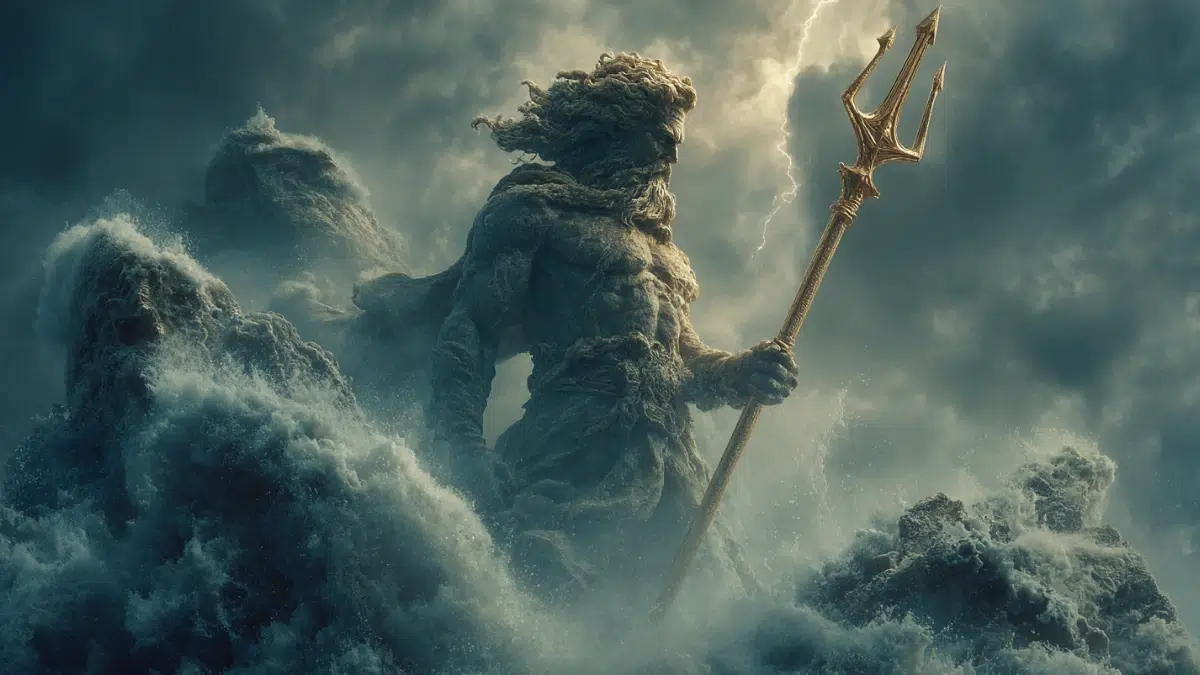
Most myths describe Lamia as the daughter of the sea god Poseidon and the Libyan queen Libya. Through her mother’s royal line, Lamia inherits power and status. She eventually becomes queen of Libya, ruling a wealthy land along the southern shores of the Mediterranean.
Later mythographers also link her to other sea monsters such as Scylla, although these genealogies vary widely across sources.
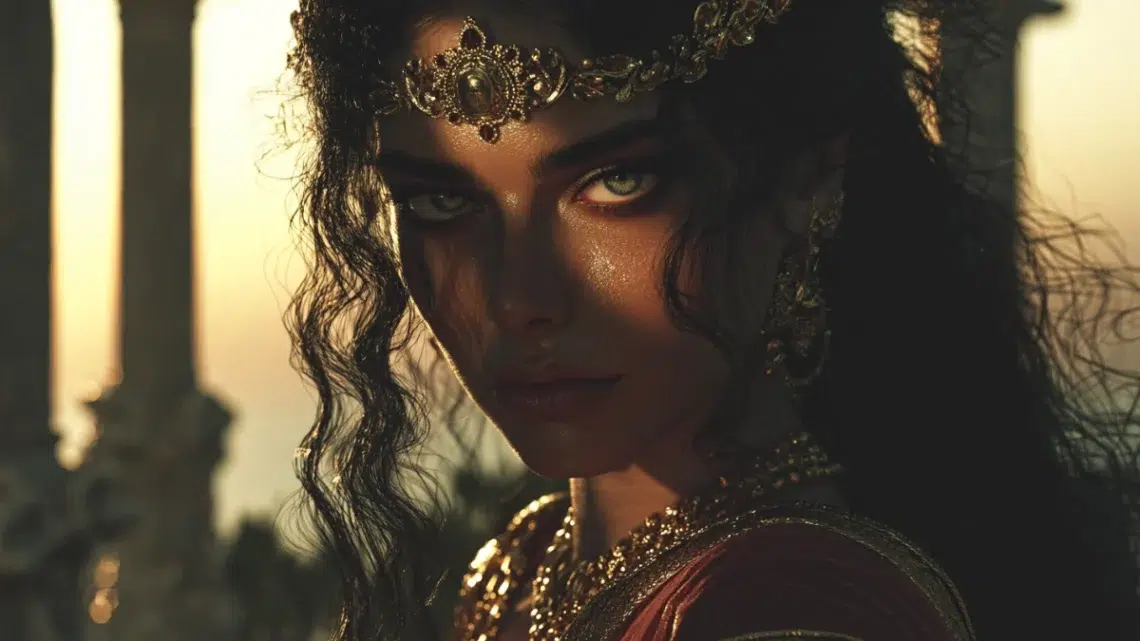
Ancient writers often describe Lamia as strikingly beautiful. Some say her beauty rivals that of the goddesses themselves. Her dark hair, radiant skin, and commanding presence make her famous across the region.
People speak of her elegance, intelligence, and royal confidence. As queen, she appears strong and admired, and many stories suggest she rules on her own rather than beside a husband.
But beauty in Greek mythology often attracts dangerous attention.
Lamia’s life changes when her beauty draws the eye of Zeus. The king of the gods is known for pursuing mortal women, and Lamia becomes one of his lovers.
In Greek mythology, that kind of attention rarely ends well.
Especially when Zeus’s wife, Hera, discovers the affair.
What follows becomes one of the most tragic and terrifying stories in Greek myth
Hera’s Curse and Lamia’s Transformation
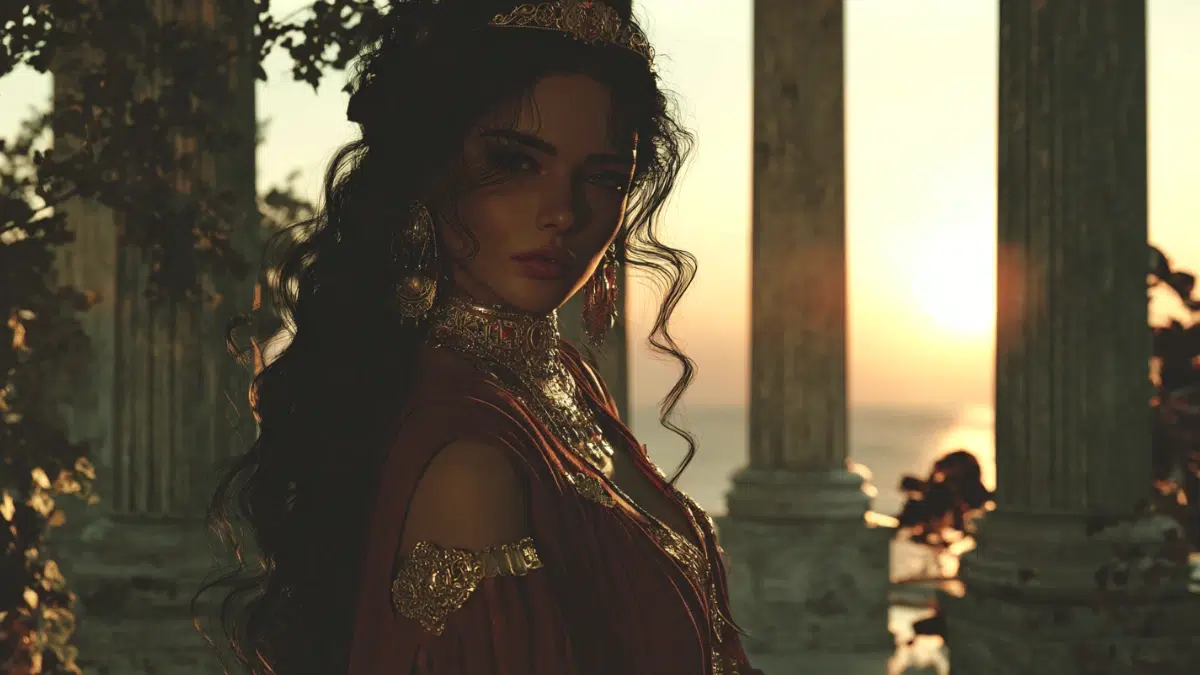
Lamia rules as a queen in Libya and gains fame for her beauty. This beauty attracts the attention of Zeus.
Zeus takes Lamia as a lover and their relationship leads to children. Yet the king of the gods is already married to Hera.
Hera is famous in Greek myth for punishing Zeus’s lovers.
Lamia becomes one of her most tragic victims.
Ancient writers tell Lamia’s story in several different ways, but all versions end with the same tragic transformation
Version 1: Hera Kills Lamia’s Children
When Zeus’s wife, Hera, discovers the affair, she takes revenge on Lamia rather than Zeus. Hera kills Lamia’s children or causes their deaths. Some sources describe Hera sending monsters or divine punishment to destroy them.
The loss shatters Lamia.
Overcome with grief and rage, Lamia loses her sanity. Ancient storytellers describe her sorrow slowly turning into something darker. Instead of mourning quietly, Lamia begins to resent the happiness of other mothers.
Her grief twists into revenge.
According to later Greek folklore, Lamia begins stealing the children of others during the night. She devours them, driven by the same loss that destroyed her life.
In this version, Lamia’s transformation into a monster does not come directly from a magical curse.
Instead, it grows from overwhelming grief and madness. Her story becomes a warning about the destructive power of jealousy and sorrow.
This version comes from later Greek and Roman writers who describe Lamia as a woman whose children were killed by Hera, driving her mad with grief.
- Diodorus Siculus (1st century BCE) – describes Lamia as a beautiful queen loved by Zeus whose children are destroyed by Hera
- Pseudo-Apollodorus – later mythographers summarize traditions where Hera destroys Lamia’s children
Version 2: Hera Drives Lamia Mad
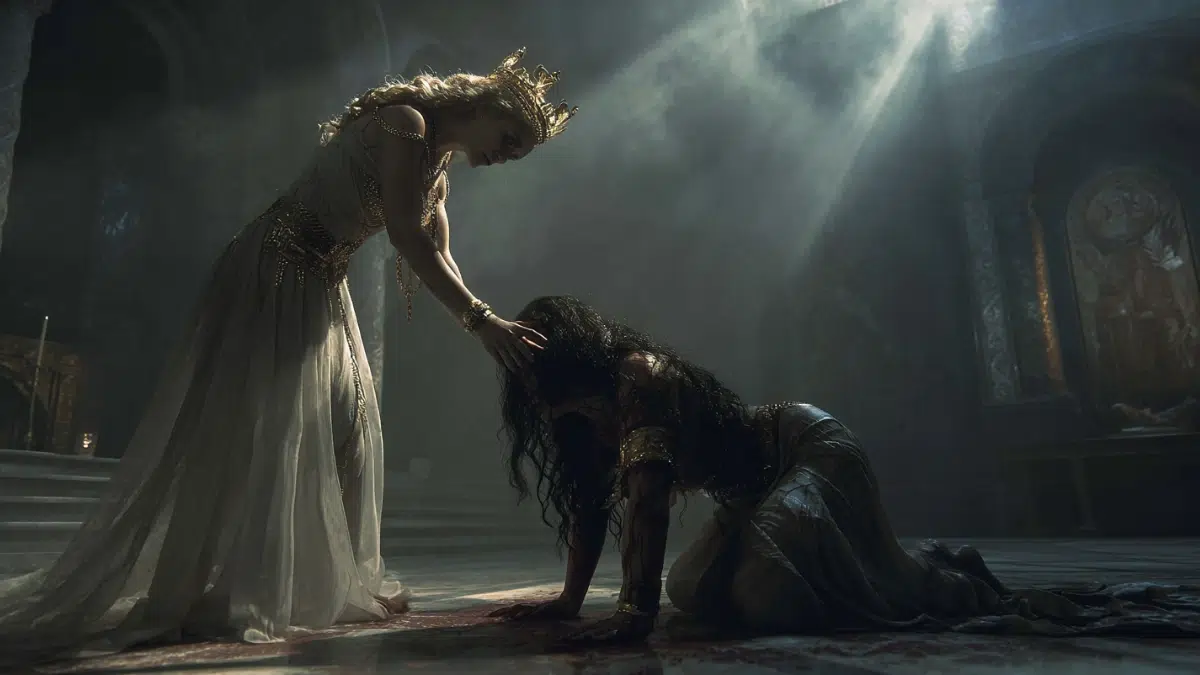
Another version of the myth places more direct blame on Hera’s cruelty. In this story, Lamia again becomes the lover of Zeus and gives birth to several children.
When Hera learns of the affair, she chooses a far more disturbing punishment.
Instead of killing the children herself, Hera curses Lamia with madness.
The curse slowly destroys Lamia’s mind. Unable to control her thoughts or actions, Lamia loses all sense of reason. In some retellings, Hera fills her mind with torment and confusion.
Driven insane by the curse, Lamia unknowingly kills her own children.
When the madness finally fades, she realizes what she has done. The horror of the act breaks her completely.
Her grief and guilt twist her nature. From that moment on, Lamia becomes a creature that hunts children in the night. She repeats the terrible act again and again, as if trapped in the memory of her own loss.
In this version of the myth, Lamia’s transformation comes directly from Hera’s curse. The goddess does not simply destroy Lamia’s family. She destroys Lamia herself.
This version appears in later Greek commentary and relevant sources include:
- Plutarch (1st century CE)
- Philostratus
Version 3: The Curse of Sleepless Eyes
A later tradition adds another disturbing detail to Lamia’s punishment.
After the loss of her children, Hera places an additional curse upon Lamia. She makes it impossible for Lamia to close her eyes. Lamia is forced to remain awake forever.
This curse prevents her from escaping the memory of what has happened. Every moment she relives the loss of her children.
The torment slowly drives her deeper into madness.
Seeing Lamia suffer, Zeus eventually shows a small measure of pity. According to later writers, Zeus grants Lamia a strange ability.
She can remove her own eyes from their sockets.
When Lamia removes her eyes, she is finally able to rest for a short time. When she replaces them, she can see again.
Even with this strange gift, Lamia never recovers from her grief. Her suffering transforms her into a terrifying creature that hunts children in the darkness.
Over time, Greek folklore begins using the name “lamiae” for many similar night demons.
Lamia herself becomes the original figure behind these child stealing monsters, remembered as both a victim of divine cruelty and one of the most frightening creatures in Greek mythology.
This strange detail comes from Aristophanes and later commentators describing Lamia as:
- cursed by Hera so she cannot close her eyes
- forced to remain awake in torment
This detail becomes famous in later Greek folklore with ancient writers mentioning Lamia placing her eyes in a jar.
Did Lamia Hunt Children?
Ancient writers consistently describe Lamia as a child stealing monster after her transformation.
The Greek historian Diodorus Siculus writes that Lamia became jealous of other mothers after losing her own children. Because of this grief, she kidnapped and devoured the children of others.
Later Greek writers repeat this idea. Lamia becomes a creature parents warn children about, similar to a bogeyman. Greek mothers supposedly frightened misbehaving children by saying Lamia would come for them at night.
In these stories she:
- sneaks into homes at night
- steals infants or young children
- devours them out of grief and jealousy
Because of this reputation, the name “lamiai” eventually refers to an entire class of female child devouring spirits.
Did Lamia Stay a Monster All the Time?
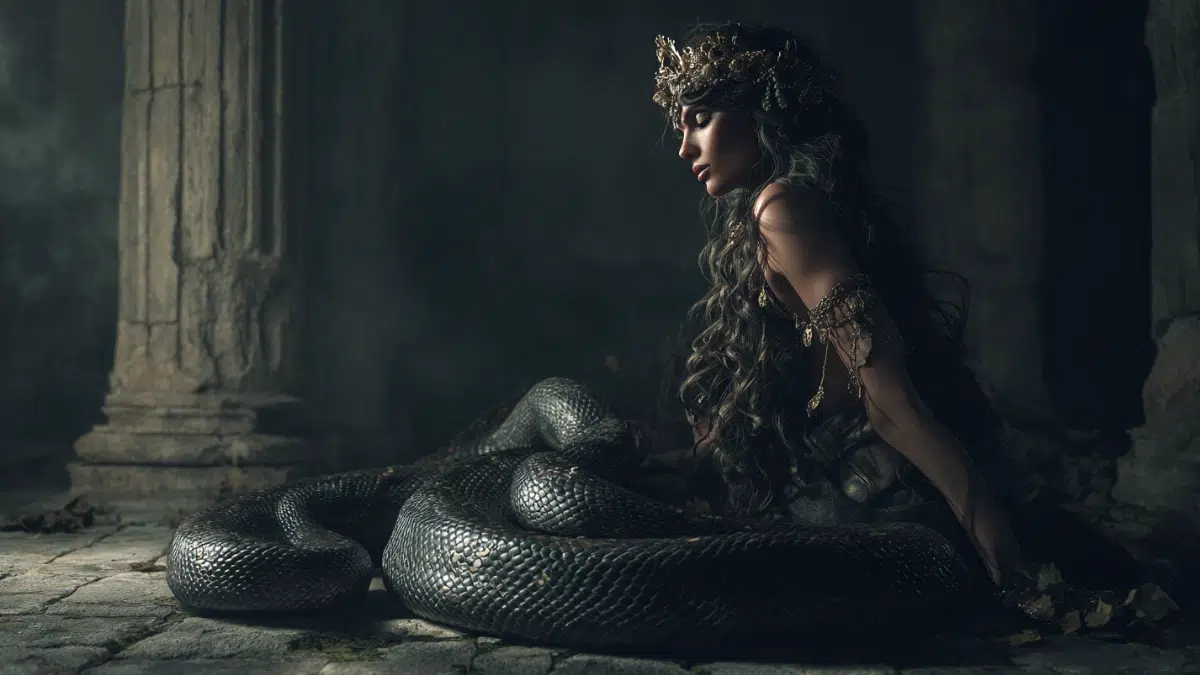
No. Many traditions describe Lamia as a shape shifter.
Greek writers sometimes portray her as:
- a beautiful woman who can disguise herself
- a half woman half serpent monster
- a night demon similar to a vampire
Later authors such as Philostratus describe lamiae as seductive female demons who appear beautiful to lure victims before revealing their monstrous nature.
This means Lamia likely did not remain permanently in a monster form. Instead, she could appear human and then transform.
This idea later influences European folklore about vampires and succubi, which often appear human before attacking.
What Makes Lamia Interesting in Myth
Unlike many monsters in Greek mythology, Lamia is not defeated by a hero.
She simply becomes a permanent figure of fear.
Her story evolves into folklore, where she exists as:
- a night demon
- a child stealing spirit
- a shapeshifting monster
This is why Lamia feels closer to horror folklore than traditional heroic myth.
Creatures Similar to Lamia in Other Mythologies

Lamia is not the only figure in world mythology linked to child stealing spirits. Many cultures tell stories about night demons who threaten mothers and infants.
In Jewish folklore, Lilith becomes one of the most feared figures connected to infants.
Later traditions describe her as a night spirit who harms newborn children. Families sometimes hang protective charms near cradles to guard against her presence. Like Lamia, Lilith reflects deep fears surrounding childbirth and the safety of young children.
In ancient Mesopotamia, people fear the demon Lamashtu.
She attacks pregnant women and newborn babies. Many households wear amulets or place protective figures near beds to drive her away. These objects serve as spiritual protection against unseen dangers.
Greek mythology includes similar creatures.
One example is Empusa, a terrifying spirit that serves the goddess Hecate. Empusa lurks in darkness and preys on unsuspecting victims.
Across cultures, these stories reveal a shared human fear. Ancient people try to explain danger, illness, and sudden loss. Myths give those fears a face, a name, and a story.
Conclusion
Lamia stands as one of the most tragic figures in Greek mythology.
She begins as a queen loved by Zeus. Hera’s wrath destroys her life and pushes her into madness.
Her grief transforms her into a monster feared by generations.
Over time, Lamia becomes more than a character. She becomes a symbol of nightmares, jealousy, and the dark side of myth.
Her story reminds us that Greek mythology often blurs the line between victim and villain.
Behind the monster, there is always a story.