
Arachne in Greek Mythology: The Weaver Who Challenged Athena
In Greek mythology, skill often brings honour.
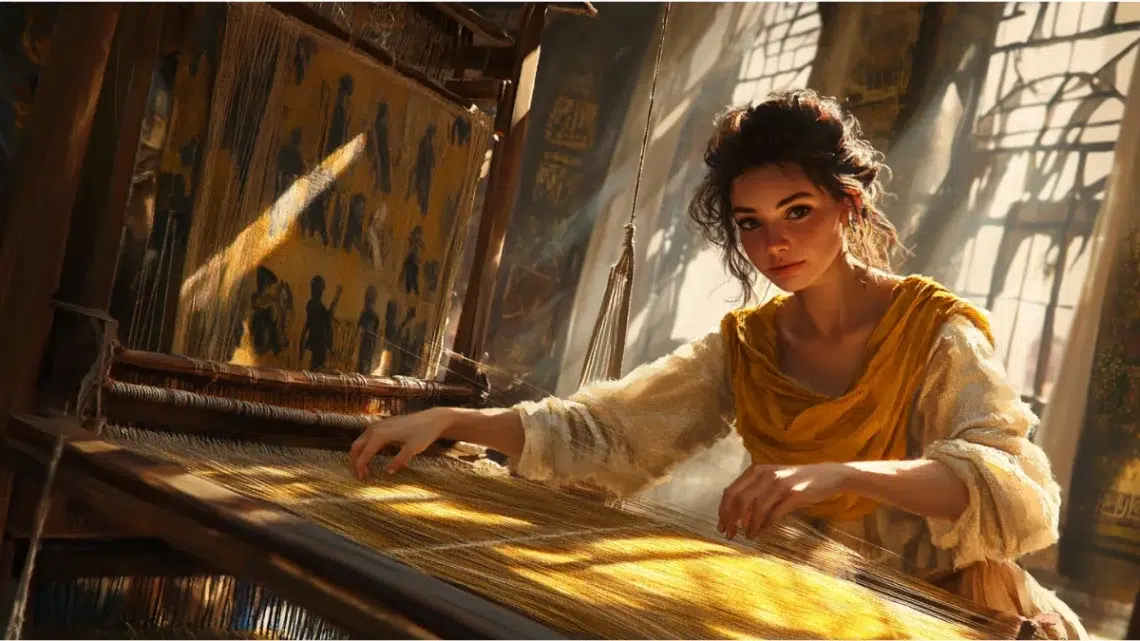
The story of Arachne tells of a mortal woman whose weaving was so beautiful that people believed it came from the gods themselves. Her tapestries were said to rival the work of Athena, the goddess of wisdom and crafts.
Arachne refused to give the goddess credit for her talent. Instead, she claimed her skill came from her own hands alone.
That boast leads to one of the most famous contests in Greek mythology.
Who Was Arachne?
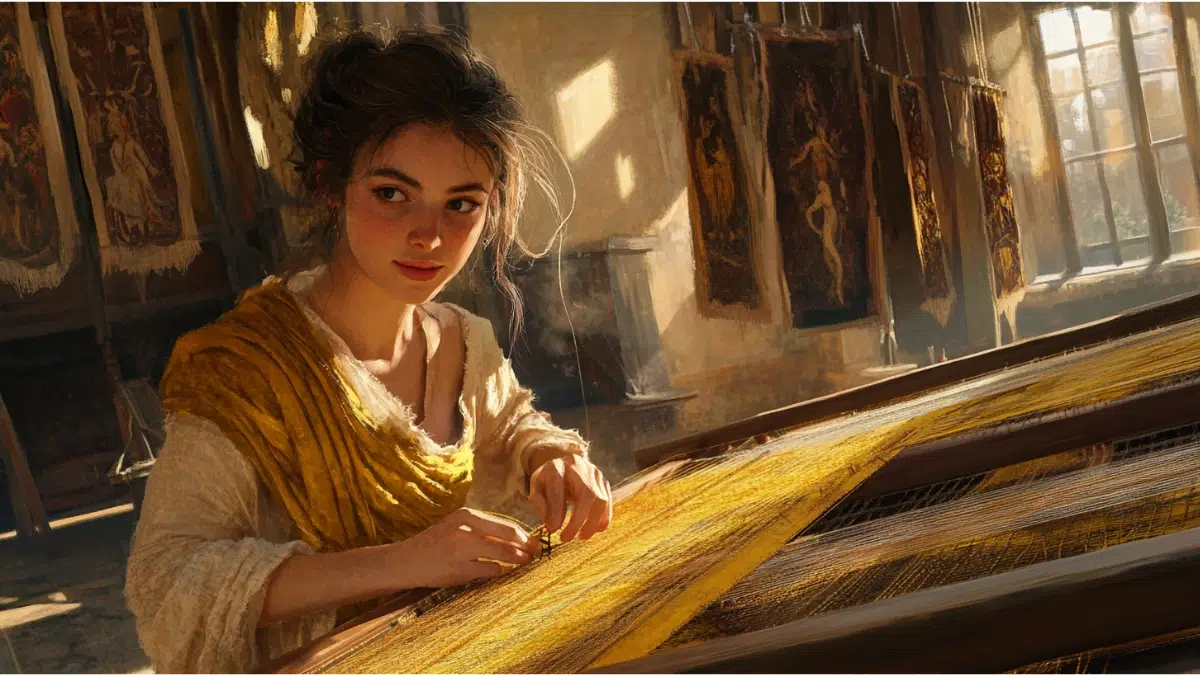
Arachne was a mortal woman from Lydia, an ancient region in what is now western Turkey.
Her father was Idmon, a famous dyer who worked with rare purple dyes. These dyes were valuable and often used in royal clothing.
But Arachne’s true gift was weaving.
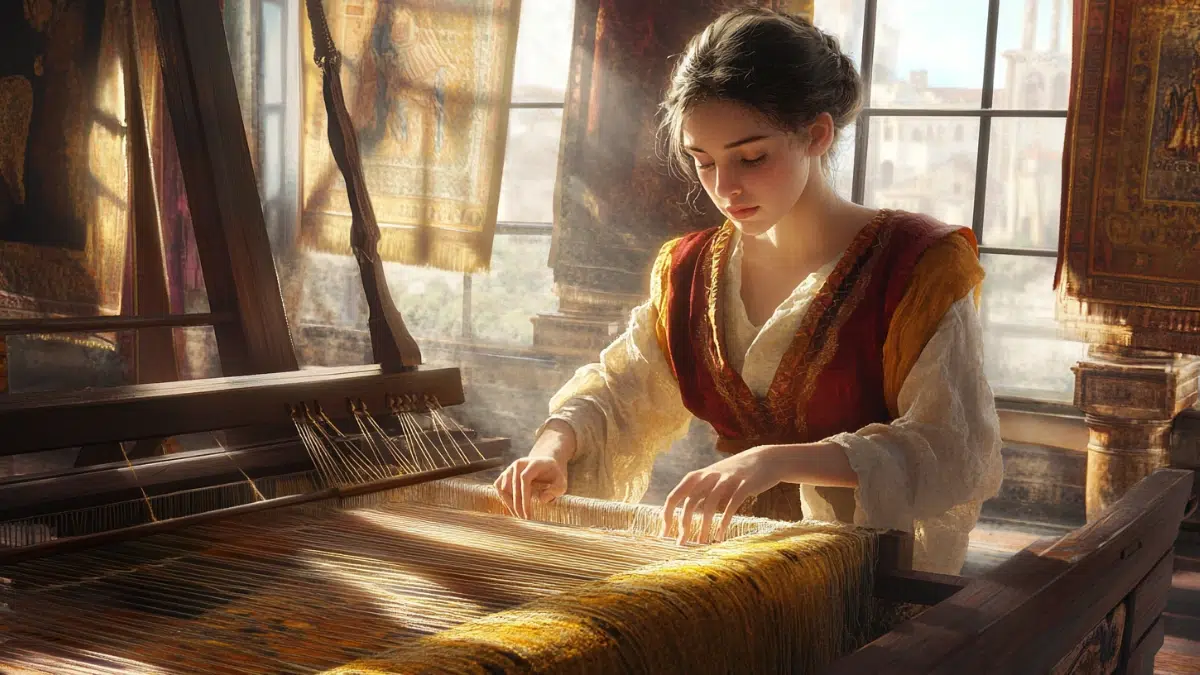
Her cloth was said to be so delicate and detailed that people travelled long distances just to watch her work.
Even the nymphs of the forests and rivers came to admire her weaving.
Her threads shone like silk. Her patterns showed scenes so vivid they seemed alive.
Soon people began saying that Athena herself must have taught Arachne.
But Arachne rejected the idea.
She insisted that her talent came from no one but herself.
In fact, she went further.
She claimed she could weave better than the goddess.
Athena Hears the Boast
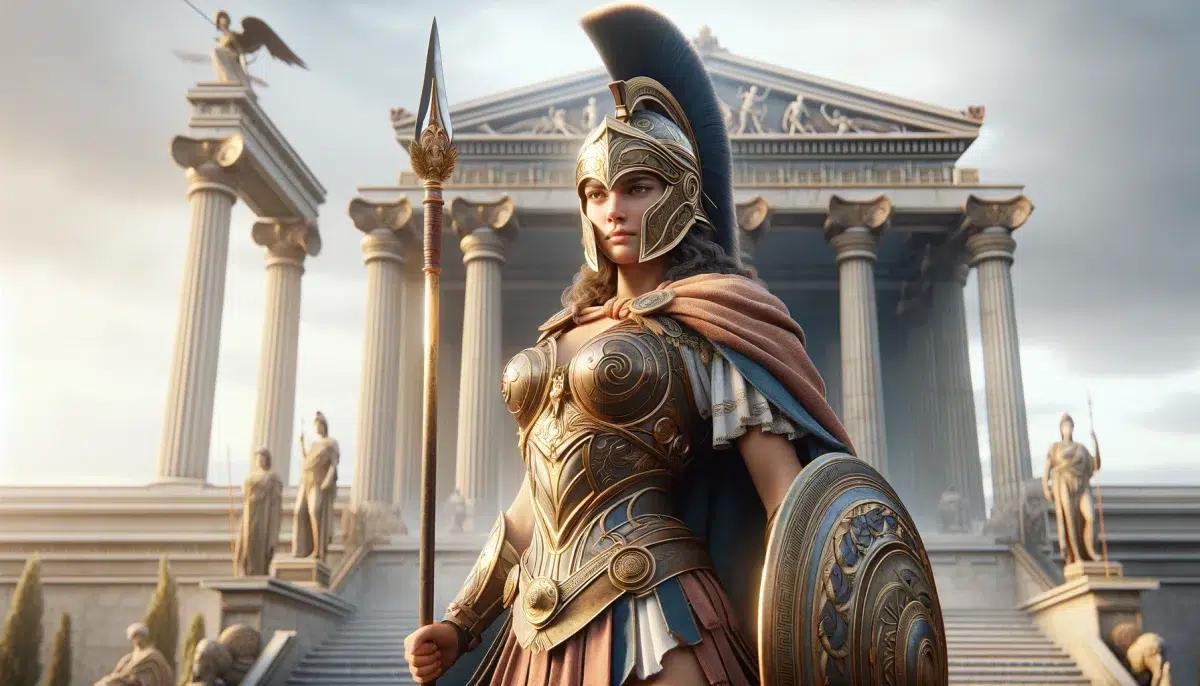
Athena was not only the goddess of wisdom and war strategy. She was also the patron of weaving, spinning, and crafts.
When she heard Arachne’s boast, she decided to see the weaver for herself.
Athena disguised herself as an old woman and visited Arachne’s workshop.
The goddess offered a warning.
She told Arachne she should respect the gods and show humility. Even great talent should honour the divine.
But Arachne refused.
Instead of apologizing, she doubled down.
She openly challenged Athena to a weaving contest.
At that moment, the old woman transformed.
Athena revealed her true divine form.
The contest would begin.
The Weaving Contest
Both Athena and Arachne began their work.
Athena wove a tapestry that celebrated the power of the gods. At its centre she depicted her own victory over Poseidon, the contest that determined who would become the protector of Athens.
Around the edges of her tapestry, Athena wove scenes showing mortals who had insulted the gods and suffered terrible punishments.
Her message was clear.
Respect the gods.
Arachne, however, chose a very different subject.
Instead of praising the gods, she wove scenes that exposed their deceptions and misdeeds.
Her tapestry showed Zeus disguising himself to trick mortal women.
She depicted the king of the gods as a swan, a bull, and even a shower of gold, forms he used to seduce mortals.
She also included stories of other gods who used trickery and power against humans.
Technically, her weaving was flawless.
The images were detailed, balanced, and incredibly lifelike.
Even Athena could not find a flaw in the craftsmanship.
But the subject of the tapestry was an insult.
Arachne had publicly mocked the gods.
Athena’s Anger
Athena became furious.
Some versions of the myth say she tore Arachne’s tapestry apart.
Others say she struck the mortal woman in anger.
Arachne realized she had gone too far.
Overcome with shame and fear, she attempted to hang herself.
Athena stopped her.
But the goddess did not forgive the insult.
Instead, she transformed Arachne.
Her body shrank.
>Her arms and legs stretched into thin limbs.
Her fingers became delicate threads.
Arachne became the first spider.
Athena declared that Arachne and all her descendants would weave forever.
Why Arachne Became a Spider
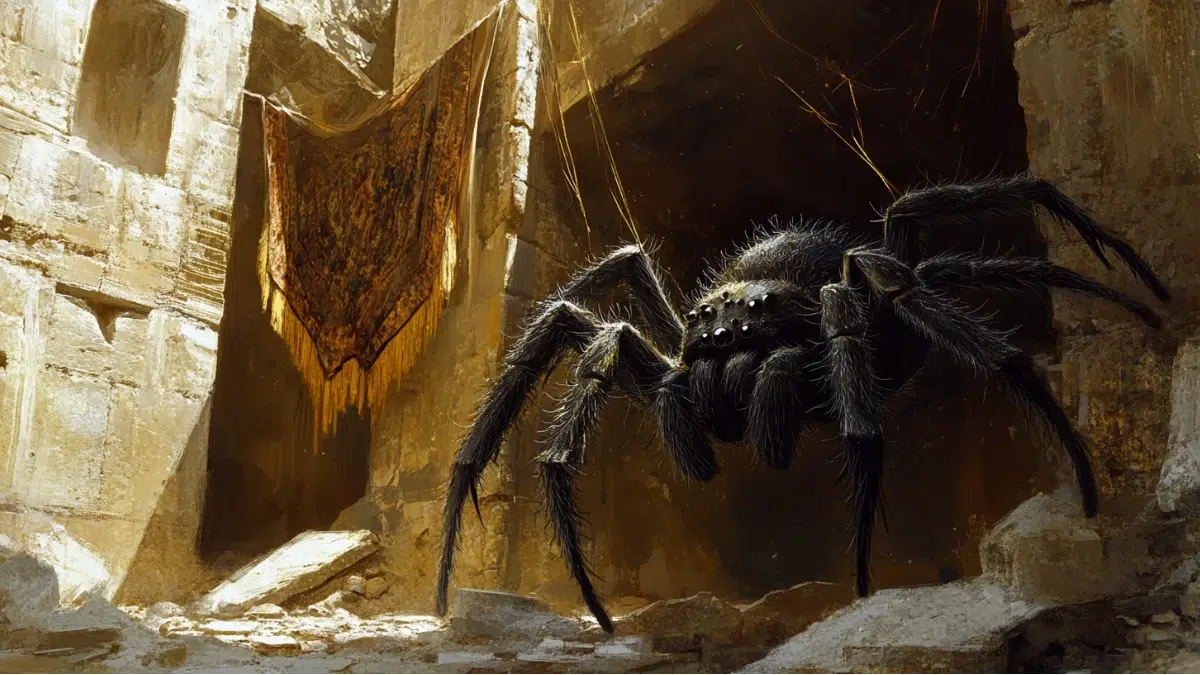
The myth of Arachne explains the origin of spiders in Greek storytelling.
The name “arachnid”, used today for spiders and related creatures, actually comes from Arachne’s name.
But the story also carries a deeper message.
Greek myths often warn against hubris, the dangerous pride that leads mortals to challenge the gods.
Arachne’s skill was real.
Her talent was extraordinary.
But her arrogance placed her on equal footing with a goddess.
In Greek belief, that boundary could not be crossed.
Similar Myths About Pride and the Gods

The story of Arachne fits into a larger pattern in Greek mythology.
Several myths show mortals who challenge the gods and suffer consequences.
Niobe
Niobe was a proud queen in Greek mythology. She boasted that she was greater than the goddess Leto because she had many children, while Leto had only two. Her arrogance angered the gods.
Leto’s children, Apollo and Artemis, took revenge. Apollo struck down Niobe’s sons, and Artemis killed her daughters. Overwhelmed by grief, Niobe wept endlessly.
The gods later turned her into stone, yet even as rock, she continued to shed tears.
Bellerophon
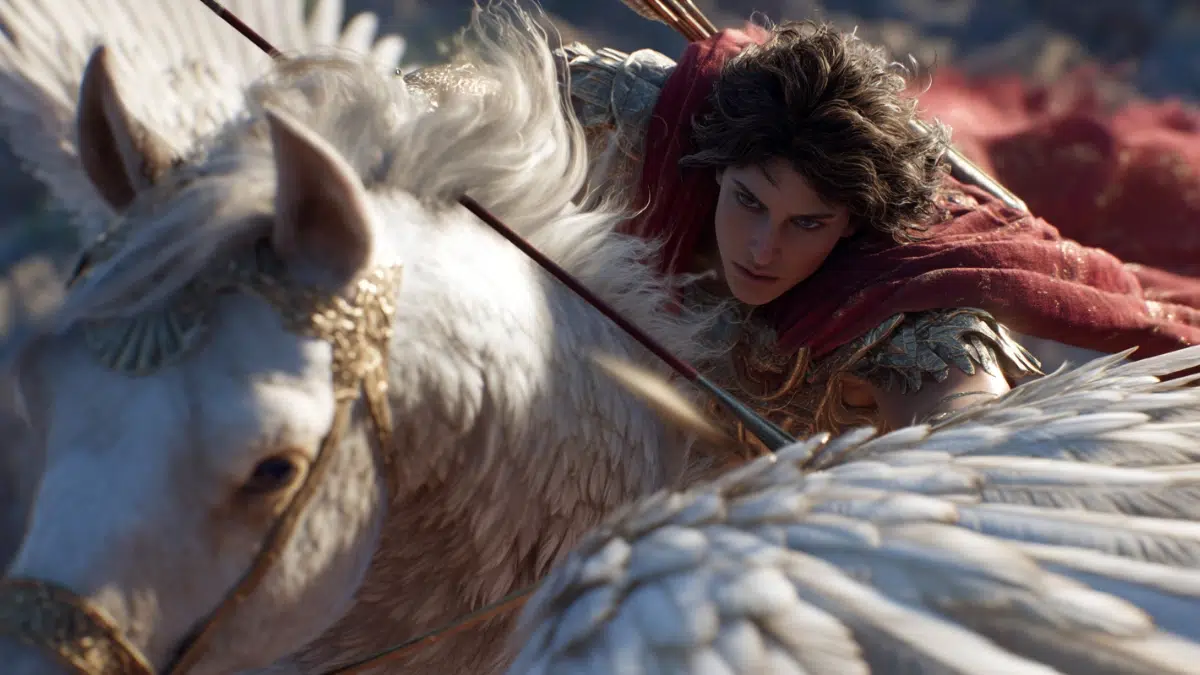
Bellerophon was a great hero in Greek mythology who defeated the fire breathing Chimera with the help of the winged horse Pegasus. His victories made him proud. Believing he deserved a place among the gods, he tried to ride Pegasus to Mount Olympus.
Zeus saw this as an act of arrogance. The king of the gods sent a creature to sting Pegasus, throwing Bellerophon from the sky and ending his rise to glory.
Conclusion
The myth of Arachne remains one of the most memorable transformation stories in Greek mythology.
It combines artistry, rivalry, and divine punishment in a powerful narrative.
Arachne was not defeated because she lacked skill.
In fact, her weaving may have rivaled the goddess herself.
But her pride turned admiration into defiance.
As a result, she became the very creature that still weaves intricate webs today.
In Greek mythology, every spider’s web is a reminder of the mortal woman who once dared to challenge a goddess.