Bennu Bird: The Sacred Phoenix of Egyptian Mythology
Long before the story of the phoenix spread across the ancient world, Egypt told of a mysterious bennu bird tied to the creation of the universe.
It appeared at the dawn of time.
Perched on the first mound of land rising from the endless waters, the bird cried out. That sound marked the beginning of creation itself.
In Egyptian mythology, the Bennu bird represents renewal, sunlight, and the eternal cycle of life. Its story helped shape later legends of the phoenix and continues to fascinate historians and myth lovers today.
What Is the Bennu Bird in Egyptian Mythology?
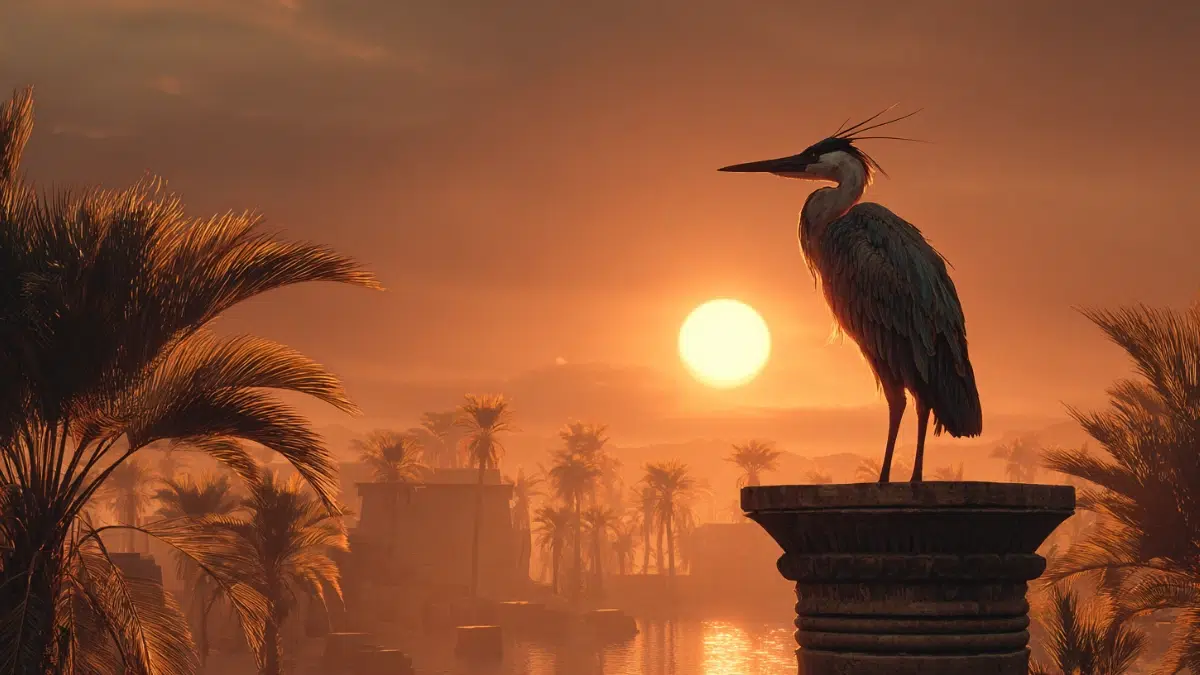
The Bennu bird is a sacred creature connected with the sun, creation, and rebirth.
It is closely linked to the gods Ra, Atum, and Osiris, making it one of the most important symbolic animals in Egyptian belief.
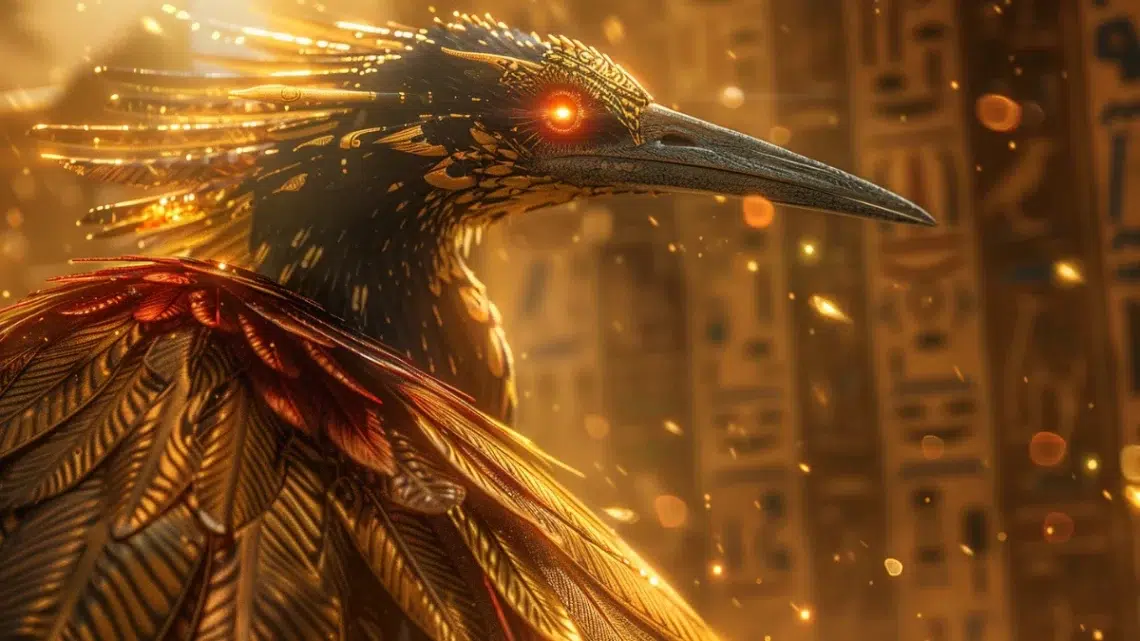
Ancient Egyptians often described the Bennu as a large bird resembling a heron. It usually appears with long legs, a tall beak, and two long feathers rising from the back of its head.
In many images the bird stands proudly on a sacred stone called the benben stone.
The benben stone represents the first piece of land to rise from the waters of chaos at the beginning of creation.
Because of this connection, the Bennu becomes a symbol of the first sunrise and the beginning of life.
Egyptians believed the bird carried the spirit of the sun itself. Each day the sun rose again after darkness, just as life always returned after death.
The Bennu Bird and the Creation of the World
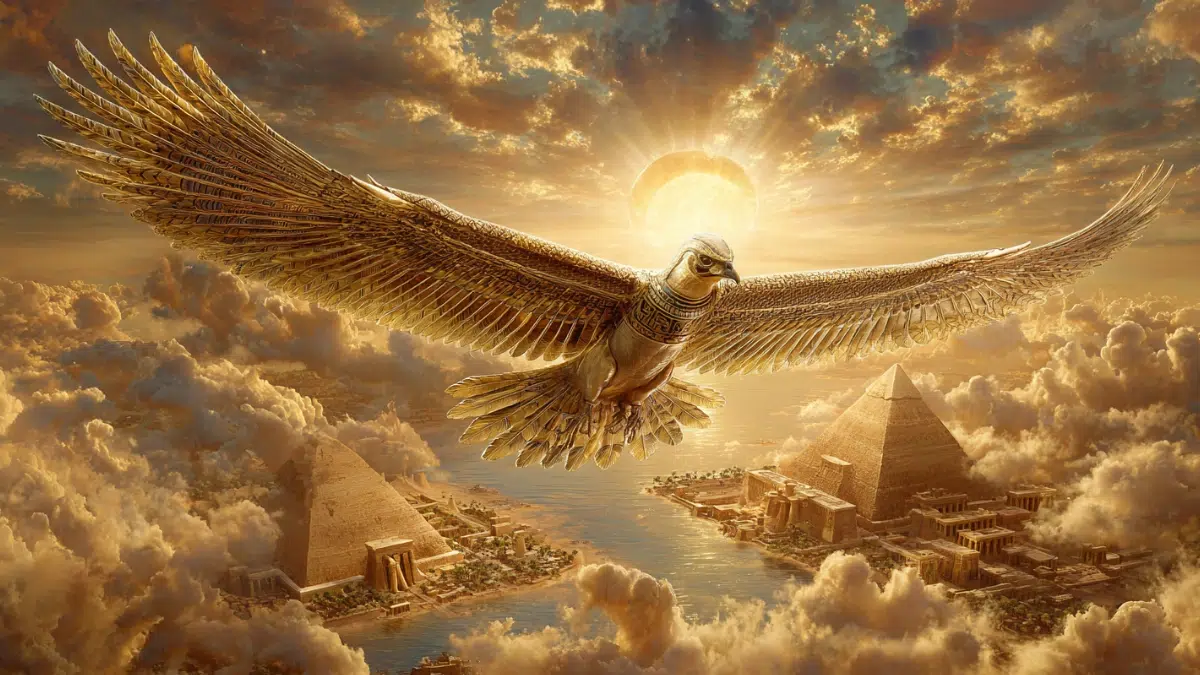
One of the most important myths about the Bennu bird comes from the ancient Egyptian city of Heliopolis, a centre of sun worship.
According to this tradition, the world begins in darkness. Nothing exists except a vast ocean of chaos called Nun.
Eventually, a small mound of land rises from these waters. This mound becomes the first solid ground in existence.
At that moment, the Bennu bird appears.
The sacred bird lands upon the benben stone that sits atop the mound. When it cries out, the sound breaks the silence of the empty universe.
This moment signals the start of creation.
The sun god Atum then begins shaping the world and bringing the other gods into existence. Because the Bennu appears at this first moment of life, it becomes forever connected with the power of creation.
For the Egyptians, the rising sun and the Bennu bird represented the same idea. Each sunrise echoed the original birth of the world.
The Bennu Bird and the Sun God Ra
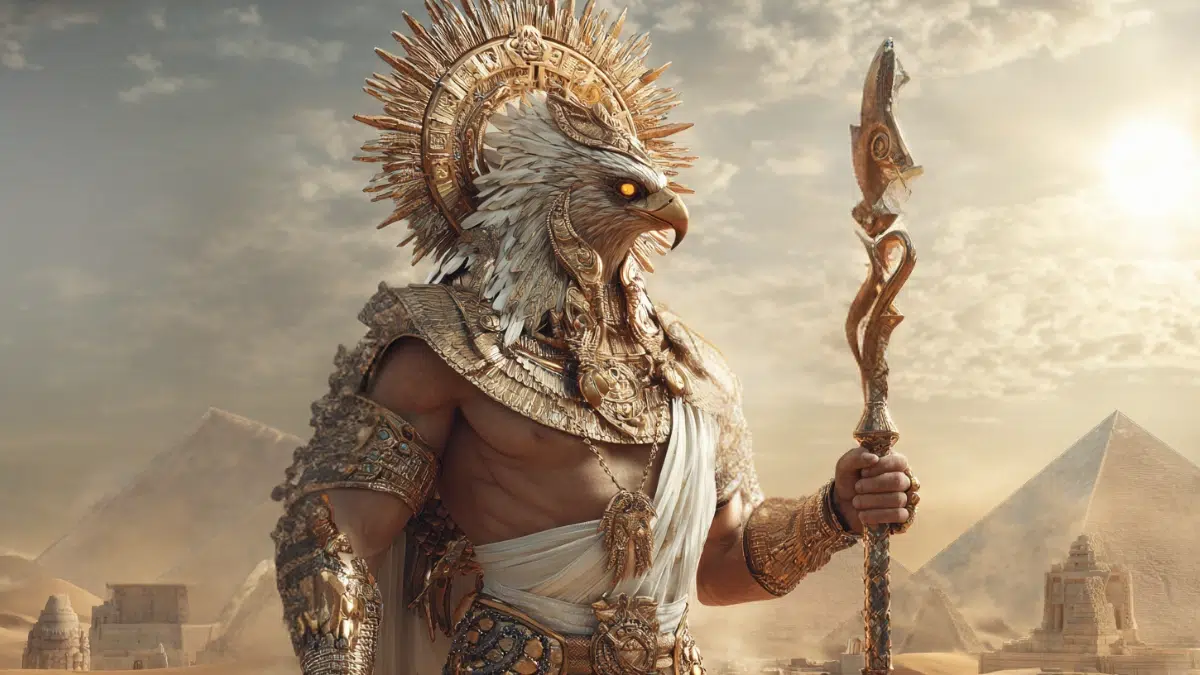
The Bennu bird is also deeply connected to Ra, the powerful sun god who travels across the sky each day.
In some traditions, the Bennu is described as the living soul of Ra. Just as the sun rises every morning after the darkness of night, the Bennu represents the renewal of life.
Ancient temples sometimes described the bird as resting in sacred trees or on temple towers where sunlight first touched the earth.
The daily journey of the sun mirrored the Bennu’s meaning. The sun set each evening, passed through the underworld, and rose again the next day.
This cycle reinforced the Egyptian belief that life and death were part of a continuing pattern rather than an ending.
Because of this link to the sun, the Bennu became a powerful symbol of eternal return and cosmic balance.
The Bennu Bird and the Idea of Rebirth
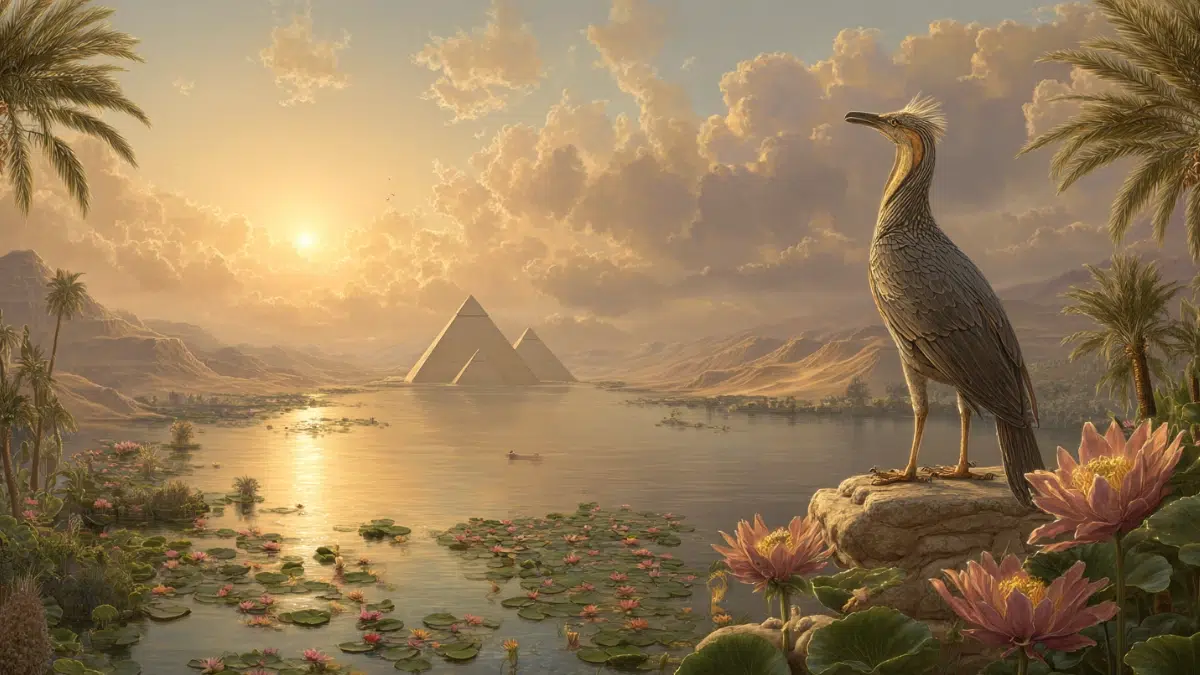
Another important myth connects the Bennu bird with Osiris, the god of the afterlife.
Osiris dies and later returns to life in the underworld, becoming ruler of the realm of the dead. This story reflects the Egyptian belief that death is not the end but part of a larger cycle.
The Bennu bird becomes a natural symbol of this idea.
Just as the sun returns each day, life continues beyond death. Egyptians saw the Bennu as a reminder that renewal always follows loss.
Because of this, the bird often appears in funerary texts and temple art.
For ancient Egyptians, the Bennu represented hope. Even in darkness, the promise of renewal remained.
How the Bennu Bird Inspired the Phoenix Legend
Many historians believe the Bennu bird helped inspire the later legend of the phoenix.
Greek travellers visited Egypt and heard stories of the sacred bird connected to the sun and rebirth. Over time these stories evolved into the famous phoenix myth.
In Greek mythology, the phoenix burns in flames and rises again from its ashes. The Bennu myth is slightly different. Instead of fiery rebirth, the Egyptian bird symbolizes renewal through the rising sun and the cycle of life.
Despite these differences, both creatures share the same core idea.
Life always returns.
Similar Mythical Birds in Other Cultures
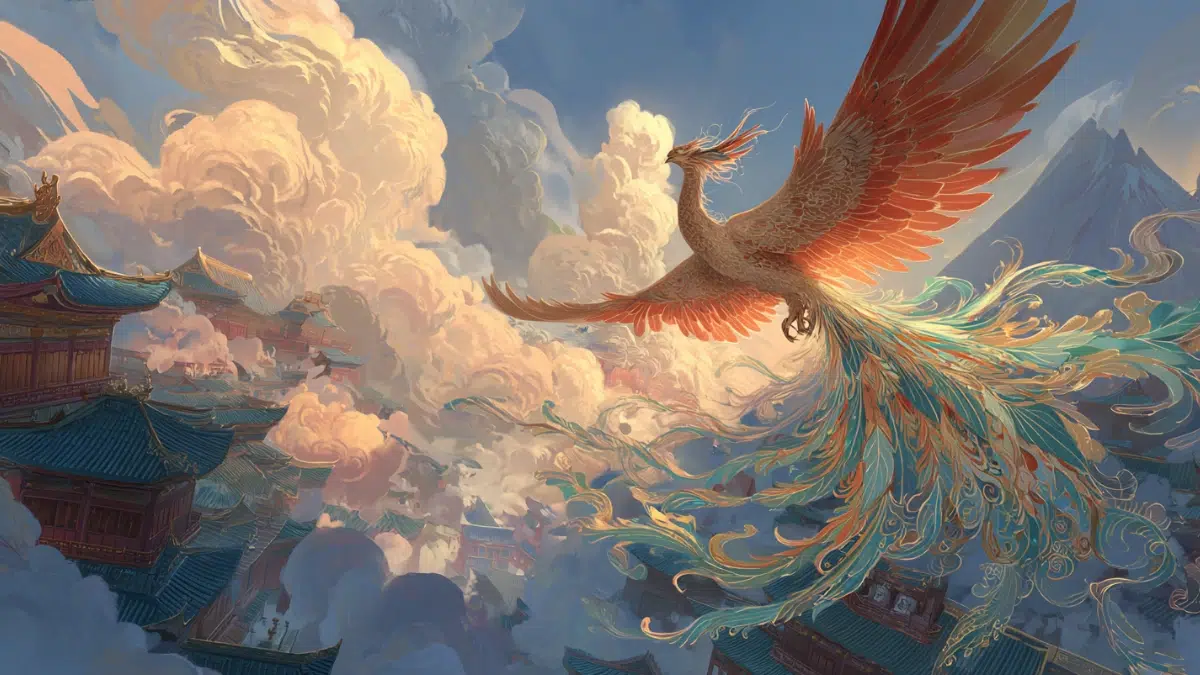
Many cultures tell stories about sacred birds that represent renewal, creation, or cosmic power.
The Phoenix (Greek Mythology)
The phoenix is perhaps the most famous mythical bird in the world. According to Greek legend, the bird lives for centuries before bursting into flames and rising again from its ashes. Like the Bennu, it symbolizes rebirth and eternal life.
Fenghuang (Chinese Mythology)
The Fenghuang is often called the Chinese phoenix. Unlike the fiery phoenix, it represents harmony, balance, and royal authority. The bird appears during times of peace and prosperity in Chinese mythology.
Garuda (Hindu Mythology)
Garuda is a powerful bird deity in Hindu mythology and the mount of the god Vishnu. Though not a symbol of rebirth like the Bennu, Garuda represents divine power and protection.
The Thunderbird (Indigenous North American Traditions)
In several Indigenous traditions of North America, the Thunderbird controls storms and lightning. Like the Bennu, it is connected to powerful natural forces and the balance of the world.
Across cultures, sacred birds often symbolize life, power, and the connection between heaven and earth.
Why the Bennu Bird Still Fascinates People
The story of the Bennu bird captures something universal about human belief.
Ancient civilizations looked at the rising sun and saw a message of renewal. Each day the world seemed to begin again.
The Bennu bird gave that idea a powerful symbol.
Even today, the image of a bird connected to rebirth continues to inspire art, literature, and storytelling. From the Egyptian Bennu to the legendary phoenix, the idea of renewal remains one of mythology’s most enduring themes.
Frequently Asked Questions
What does the Bennu bird symbolize?
The Bennu bird symbolizes creation, renewal, and the rising sun. In Egyptian mythology it represents the cycle of life, death, and rebirth.
Is the Bennu bird the same as the phoenix?
The Bennu bird likely inspired the later phoenix myth. Both birds symbolize rebirth, but the Bennu is linked to the rising sun and creation rather than rising from ashes.
What did the Bennu bird look like?
Ancient Egyptian art often depicts the Bennu bird as a large heron with long legs, a tall beak, and two long feathers on its head.
Where did the Bennu bird live in myth?
The Bennu bird is associated with the sacred city of Heliopolis and the benben stone, which represents the first land that rose from the waters of chaos.