
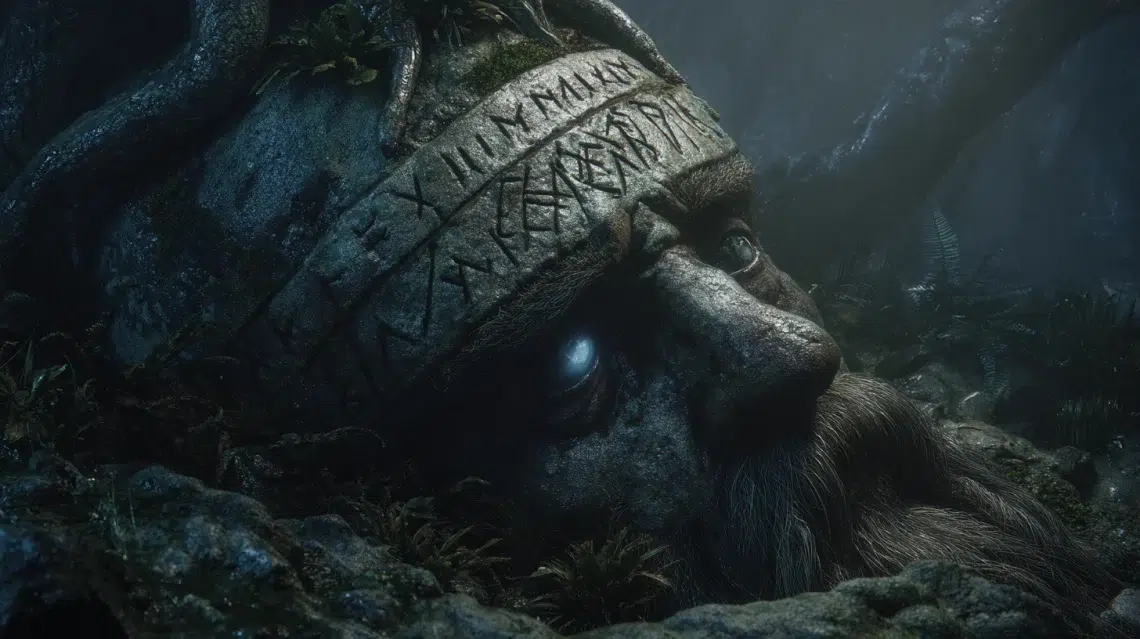
Mimir: The Severed Head That Whispered Wisdom
The gods feared many things. Giants. Wolves. The end of the world.
But when they needed answers…
they went to a well.
Beneath the roots of the great world tree sat a being older than most gods. He did not rule, nor did he fight.
He guarded knowledge.
And even after he was killed…
He kept speaking.
Who Was Mimir?
Mímir comes from Norse mythology as one of the wisest beings in existence. Mimir is not clearly described as a god in the same way Odin or Thor are. He is not known for strength or known for battle.
He is known for knowledge.
Mimir guards the Well of Wisdom, which lies beneath one of the roots of Yggdrasil, the great world tree that holds the Nine Realms together. He is an advisor to Odin, the Allfather.
Anyone who drinks from this well gains deep understanding of the cosmos. But nothing in Norse myth comes free.
Common Questions About Mimir
How do you pronounce Mimir?
It is usually pronounced: MEE-meer The accent in Old Norse appears as Mímir.
Is Mimir smarter than Kvasir?
Kvasir is described as the wisest being ever created. Mimir holds ancient cosmic knowledge from the Well of Wisdom. Kvasir represents flawless intellectual understanding while Mimir represents deep, primordial truth.
Who is the smartest Norse god?
For strategic intelligence and cunning, Odin often wins. If you mean pure created wisdom, Kvasir holds that title. But for ancient cosmic knowledge, Mimir stands at the centre.
Where can you read about Mimir?
Mimir appears in the Prose Edda and the Poetic Edda. He is most closely tied to the story of Odin sacrificing his eye at the Well of Wisdom.
What Is Mimir Known For?
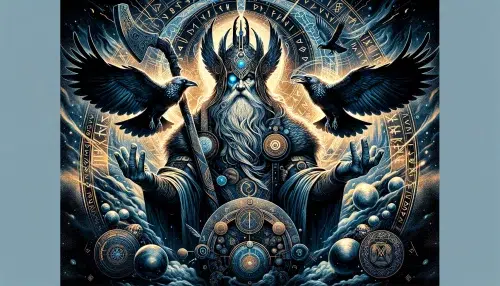
Mimir is most famous for guarding the Well of Wisdom beneath one of the great roots of Yggdrasil, the world tree that holds the Nine Realms together.
This is not ordinary knowledge. The well contains ancient understanding. It holds the secrets of fate, the patterns of creation, and the hidden forces that shape gods and mortals alike. It is wisdom that existed before kingdoms rose, before wars were fought, before stories were carved into stone.
When Odin desires deeper knowledge, he goes to Mimir. He does not threaten him and he understands that true wisdom demands sacrifice.
So Odin offers one of his eyes.
He casts it into the waters and drinks.
In exchange for physical sight, he gains insight into the structure of the cosmos. He sees beyond the surface of things. He understands destiny, sacrifice, and the coming of Ragnarök.
That moment reveals the true weight of Mimir’s power. His wisdom is not casual advice. It is not clever riddles or tricks meant to impress.
It is primordial knowledge and a truth rooted in the foundations of existence.
Why Is Mimir Just a Head?
During the war between the Aesir and the Vanir, trust breaks down on both sides.
As part of a peace exchange, Mimir is sent to live among the Vanir as a hostage. He does not go alone. He travels with Hœnir, who appears strong and noble. But Hœnir relies heavily on Mimir’s counsel. When Mimir is not there to guide him, Hœnir struggles to make decisions.
The Vanir begin to suspect deception. Angered, they take revenge. They behead Mimir and send his head back to Odin as a message.
It is brutal and is final. But Odin refuses to accept the loss.
He treats the head with sacred herbs and powerful spells. He preserves it so it will not decay. Through magic, he keeps Mimir’s mind alive.
And Mimir continues to speak.
From that moment on, Odin carries Mimir’s head and consults it for counsel. Even without a body, Mimir remains a source of guidance and foresight.
This strange image, a severed head whispering wisdom, reflects a deeper Norse belief.
Wisdom is not tied to flesh. Knowledge cannot be killed with a blade. In Norse mythology, truth endures, even when the body falls.
Mimir and Ragnarök
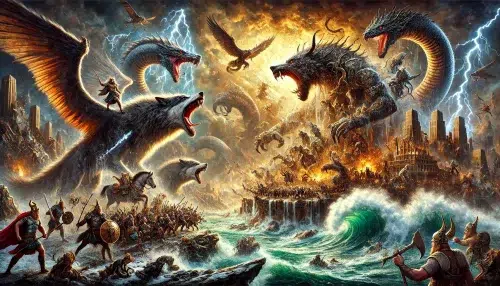
Mimir is not a warrior in the final battle of Ragnarök.
He does not charge into the field with a weapon in hand. He does not stand beside Thor or lead the gods against the giants.
But he is still there.
Before Ragnarök, Odin seeks knowledge of what is to come. He understands that the end of the world cannot be avoided, but it can be understood. In some traditions, Odin consults Mimir’s head before the final conflict. He wants clarity, even if the truth is grim.
This matters.
It shows that even when facing doom, wisdom remains essential. The gods do not walk blindly into destruction. They walk forward knowing the cost.
Mimir represents that steady awareness.
Ragnarök is not chaos without meaning. It is fate unfolding. And Mimir’s role reminds us that understanding fate does not erase it. It prepares you for it.
In Norse myth, courage is not ignorance. It is acting despite knowledge.
The Well of Wisdom and Yggdrasil

Mimir’s Well of Wisdom lies beneath one of the great roots of Yggdrasil, the world tree that connects all Nine Realms.
Yggdrasil is more than a tree. It is the structure of existence itself. Its roots stretch into different realms, each touching something sacred. One root reaches the Well of Urd, where the Norns shape fate. Another reaches the realm of ice and primordial forces. And one reaches Mimir’s well.
This location is important, as the well sits at the foundation of the cosmos. It is not placed in a palace or a temple. It rests at the roots of reality.
That suggests something deeper. It supports the world just as the roots support the tree.
The water within the well holds ancient memory. It reflects the past and hints at the future. When Odin drinks from it, he connects himself to the hidden structure beneath all things.
Mimir does not guard surface knowledge. He guards the roots.
Myths Like Mimir in Other Cultures
Mimir’s story is not alone. Many mythologies tell of figures who guard wisdom and demand a price for it.
In Greek mythology, Prometheus steals fire from the gods and gives it to humanity. Fire represents knowledge and progress. Like Mimir’s well, it is not meant to be shared freely. Prometheus suffers for bringing divine power into the human world. Both myths show that knowledge carries risk.
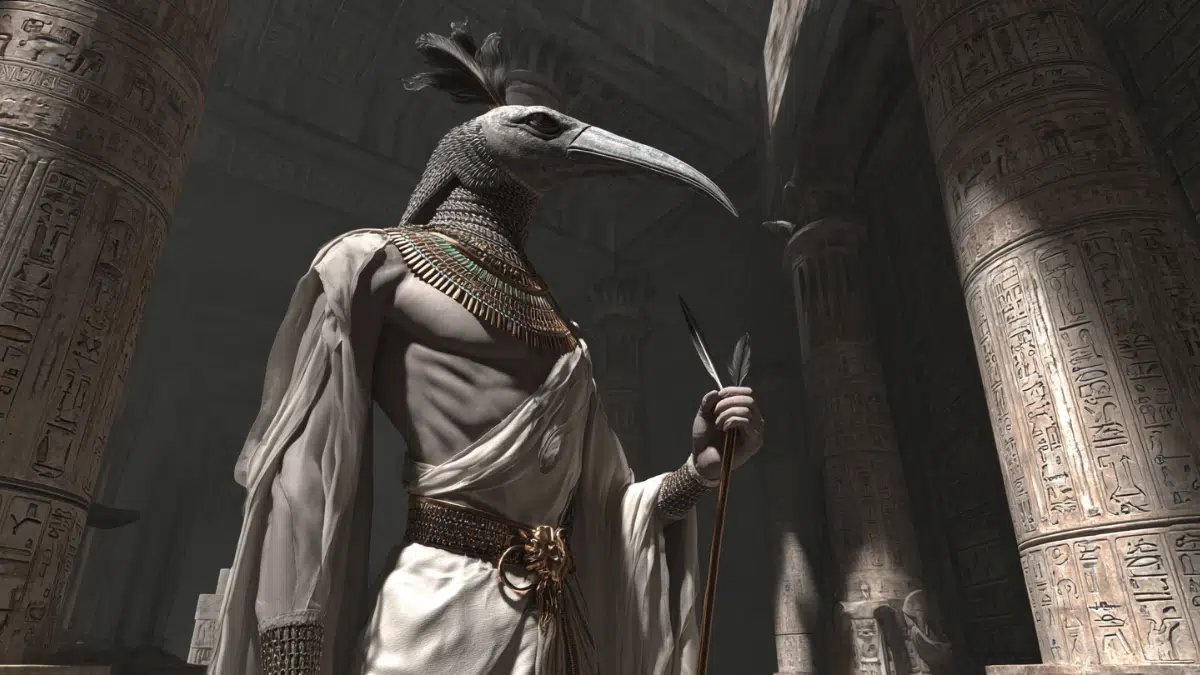
In Egyptian myth, Thoth serves as the god of writing, wisdom, and sacred records. He guides gods and judges souls. In some traditions, Thoth also helps Nut by winning extra days of light so she can give birth to her children, reshaping the calendar itself through cleverness and knowledge.
Unlike Mimir, he is not killed, but he holds a similar role as keeper of truth and cosmic order. Wisdom in both traditions shapes destiny itself.

In Celtic lore, the Salmon of Knowledge grants complete understanding to the one who eats it. The hero Fionn gains wisdom by tasting the fish. Like Odin at the well, knowledge must be consumed and earned.
Even in Norse myth, Mimir’s story echoes that of Kvasir, whose blood becomes the Mead of Poetry. One well requires sacrifice. One drink spreads inspiration.
Across cultures, wisdom is never simple. It is guarded, stolen, sacrificed for, or consumed.
And in every case, it changes the world.
Conclusion
Mimir is not the loudest figure in Norse mythology. He does not command thunder or lead armies. Instead, he guards the Well of Wisdom beneath the roots of Yggdrasil.
Even in death, his knowledge endures. His severed head continues to advise Odin, the most powerful of the gods. In a world driven by strength and conflict, the Allfather still turns to a quiet voice for truth.
Mimir represents wisdom that survives war, betrayal, and even death. If Kvasir’s story shows how knowledge can be twisted and spilled into the world, Mimir’s story shows something steadier.
True wisdom remains rooted.
It waits for those willing to sacrifice for it.