Women of World War I: Soldiers, Spies, and Front Line Heroes
When World War I erupted in 1914, millions of men marched to the front.
But they were not alone.
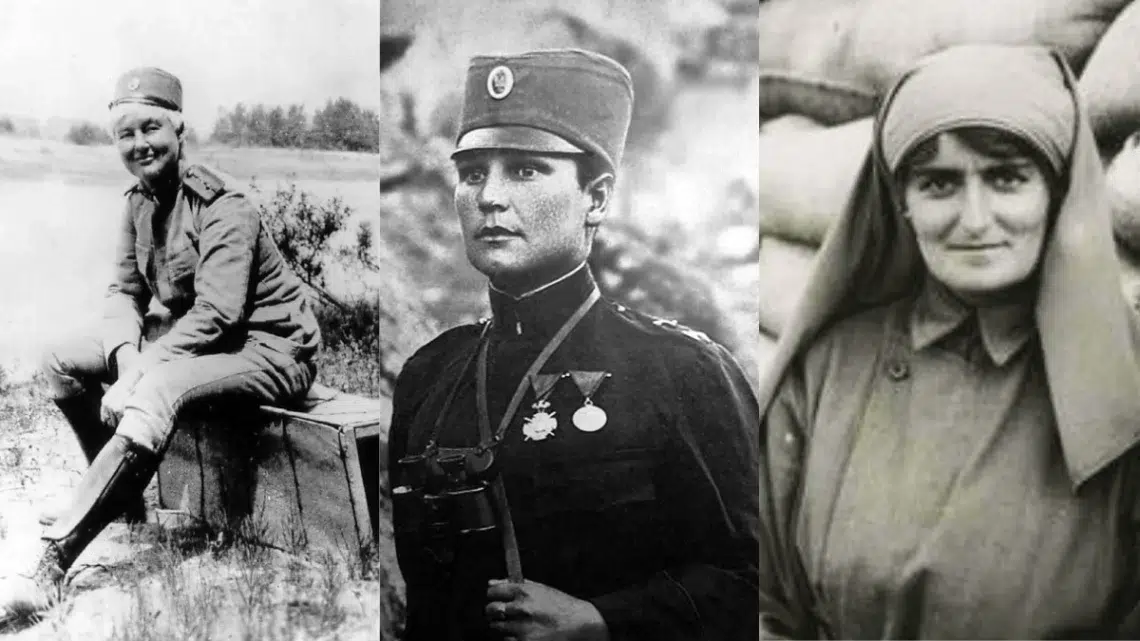
Across battlefields, hospital tents, secret networks, and even the trenches, women stepped forward. Some disguised themselves as soldiers. Some drove ambulances through gunfire. Some ran intelligence rings behind enemy lines. A few even led troops into combat.
History often tells the story of the war through generals and kings.
But these women of World War I changed the course of the conflict in ways that still echo today.
Their courage was not symbolic.
It was real.
And some of them paid the ultimate price.
Facts About Women in World War I
Did women fight in World War I?
Yes, though most did not serve in official combat roles. Some women disguised themselves as men to fight on the front lines. Others, like Flora Sandes and members of Russia’s Women’s Battalion of Death, served openly in combat units.
What roles did women have during World War I?
Women worked as nurses, ambulance drivers, doctors, factory workers, spies, intelligence agents, journalists, and relief organizers. Many served near active battle zones and faced serious danger.
Were there official female combat units in World War I?
Yes. Russia formed the Women’s Battalion of Death in 1917 under Maria Bochkareva. The unit fought in active combat to boost morale among male soldiers.
Why are women’s contributions in World War I often overlooked?
Traditional war histories focus on generals and battlefield strategy. Women’s work in intelligence, medical care, logistics, and support roles received less attention, even though their contributions were critical.
Did World War I change women’s rights?
Yes. The war accelerated social change. As women took on roles traditionally held by men, public attitudes shifted. In several countries, women gained voting rights shortly after the war ended.
Who was the most decorated woman of World War I?
Milunka Savić of Serbia is widely considered one of the most decorated female soldiers of the war. She received multiple medals for bravery in combat.
Flora Sandes (United Kingdom)
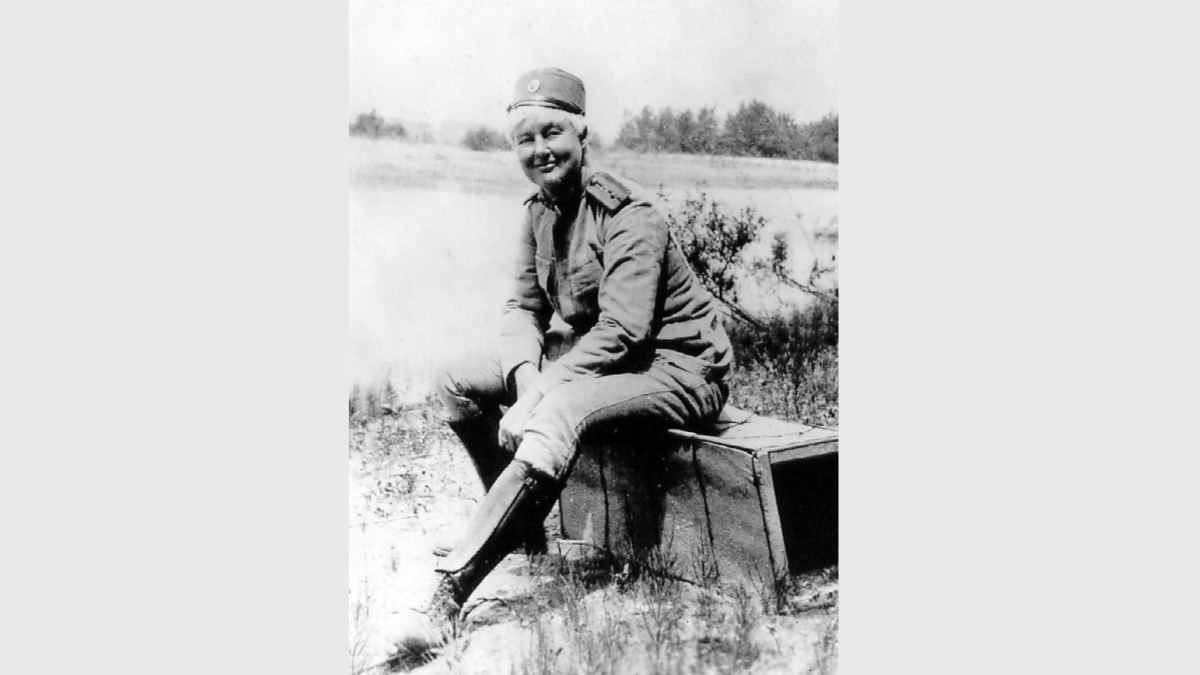
Flora Sandes remains the only British woman officially to serve as a soldier during World War I.
She began as a volunteer nurse but soon enlisted in the Serbian army. When Serbia faced invasion, she did not step back. She took up arms.
Sandes fought in combat and rose through the ranks, eventually becoming a sergeant major. She survived wounds and earned multiple medals for bravery.
Unlike many women who disguised themselves, Flora served openly in uniform. After the war, she became a symbol of female courage in combat. Her story challenges the belief that women only served behind the lines.
Milunka Savić (Serbia)
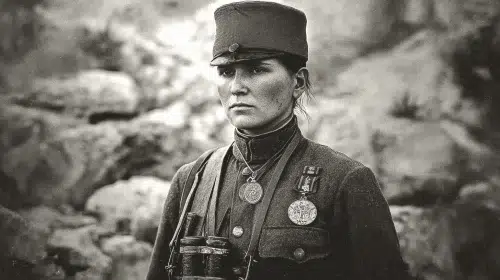
Milunka Savić is one of the most decorated female soldiers in history. She first disguised herself as a man to join the Serbian army during the Balkan Wars.
When her identity was discovered, she was allowed to continue serving.
During World War I, she fought in brutal trench warfare and survived serious injuries. She earned multiple medals, including the French Legion of Honour.
Despite her bravery, she later lived in poverty, working as a cleaner to support her children. Her story reflects both heroism and the harsh reality many veterans faced.
Ecaterina Teodoroiu (Romania)
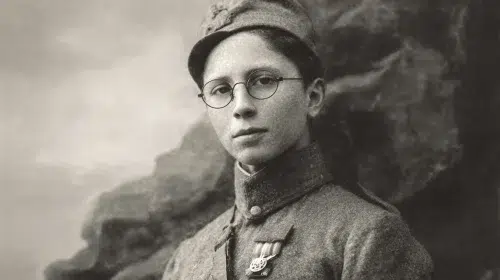
Ecaterina Teodoroiu began as a nurse but demanded to fight after her brother died in battle. She joined the Romanian army and quickly proved her courage.
Known as the “Heroine of the Jiu,” she led troops during combat and refused to retreat.
In 1917, she was killed while encouraging her soldiers forward. She became a national symbol of resistance in Romania. Her image later appeared on Romanian currency.
Ecaterina represents sacrifice and the determination to stand on the front line, not just support it.
Maria Bochkareva (Russia)
Maria Bochkareva founded the Russian Women’s Battalion of Death in 1917.
She believed women could inspire male soldiers who were losing morale. Her battalion trained hard and fought bravely, though political chaos soon overtook Russia. Bochkareva met with world leaders, including U.S. President Woodrow Wilson, to gain support.
After the Bolshevik Revolution, she was arrested and eventually executed. Her life mirrors the instability of Russia during the war. She proved women could fight, lead, and endure battlefield hardship.
Elsie Knocker and Mairi Chisholm (United Kingdom)
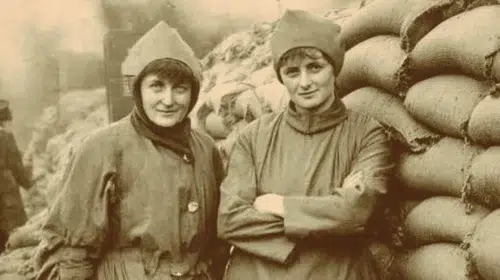
Elsie Knocker and Mairi Chisholm began as ambulance drivers but moved closer to danger. They set up a first aid post just metres from the front lines in Belgium.
Rather than transporting wounded soldiers far from combat, they treated them immediately, saving countless lives. They worked under constant shellfire.
Soldiers called them “The Angels of Pervyse.” Their bravery redefined what women could do in war zones. They were not distant caregivers. They were present where the fighting raged.
Olga Krasilnikov (Russia)
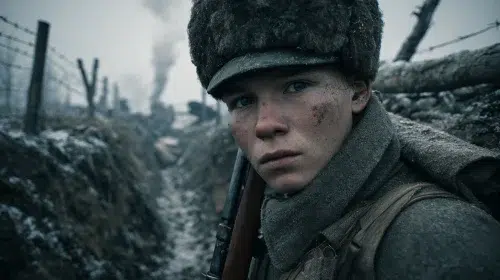
Olga Krasilnikov served in Russia’s Women’s Battalion of Death, a unit formed during the final years of World War I. The battalion was created to restore morale among exhausted troops.
Its members trained rigorously and marched into combat to prove women could serve with discipline and courage. Krasilnikov stood among those who answered that call. The battalion fought during the Kerensky Offensive in 1917.
Though political turmoil soon overtook Russia, their service sent a powerful message. These women were not symbolic figures. They endured the same harsh conditions, fear, and danger as male soldiers.
Olga’s story reflects the determination of women who refused to remain on the sidelines.
Margarete von Wrangell (Germany)
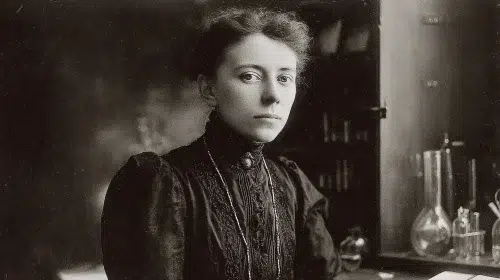
Margarete von Wrangell did not fight in the trenches, but she contributed through science and service.
Trained as a chemist, she volunteered during the war to assist with medical and agricultural work. Germany faced severe food shortages, and scientific research became critical.
Von Wrangell later became the first female full professor in Germany. While her wartime work focused on nursing and support efforts, her scientific career helped rebuild a nation scarred by conflict.
Her story reminds us that war demands more than weapons. It also requires knowledge, innovation, and resilience.
Dorothy Lawrence (United Kingdom)
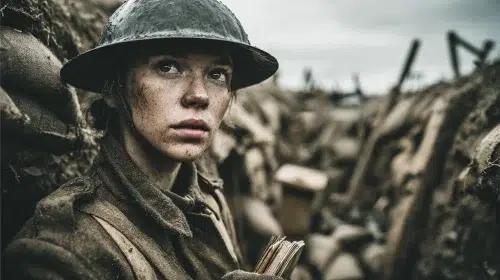
Dorothy Lawrence wanted to report from the front lines as a journalist.
When she was denied access because she was a woman, she made a bold choice. She disguised herself as a male soldier and traveled to the Western Front.
She lived among troops for several days before revealing her identity out of fear for the men who had unknowingly sheltered her. She was arrested and sworn to secrecy. After the war, she struggled to gain recognition and later faced hardship.
Her story reveals both courage and the barriers women faced when they tried to step beyond assigned roles.
Edith Cavell (United Kingdom)
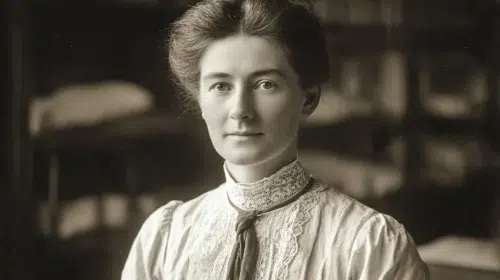
Edith Cavell was a British nurse working in German occupied Belgium. She treated wounded soldiers from both sides without discrimination.
Beyond her medical work, she helped Allied soldiers escape occupied territory.
In 1915, German authorities arrested her. She was executed by firing squad. Her final words emphasized patriotism and forgiveness. Her death sparked international outrage and became a powerful symbol of resistance.
Cavell’s courage lay not in combat but in compassion and quiet defiance under occupation.
Louise de Bettignies (France)
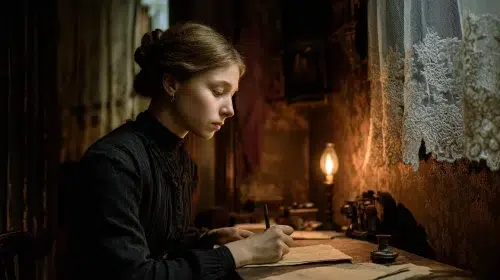
Louise de Bettignies operated one of the most effective spy networks in German occupied France and Belgium.
Working under British intelligence, she gathered vital military information and helped soldiers escape. She used coded messages and underground contacts to avoid detection.
In 1915, she was arrested and sentenced to hard labor. She died in prison in 1918, weakened by harsh conditions.
Louise proved that intelligence work could shape the outcome of battles far from the trenches.
Agnes Conway (United Kingdom)
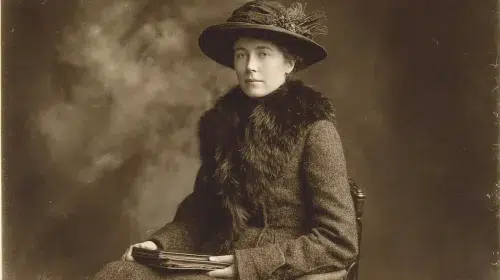
Agnes Conway was an archaeologist who turned her skills toward service during World War I. She worked with the British Red Cross and helped manage wartime relief efforts.
Her organizational ability and leadership played a role in supporting wounded soldiers and displaced civilians. Conway later became a respected historian and museum director.
Her wartime service showed that women from academic backgrounds stepped into practical and urgent roles when conflict demanded it.
Vera Brittain (United Kingdom)
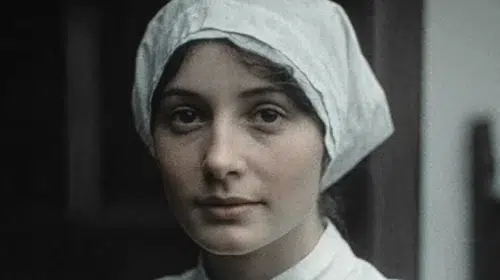
Vera Brittain served as a nurse after her fiancé and brother enlisted. She witnessed the brutal cost of trench warfare firsthand.
After the war, she wrote Testament of Youth, a powerful memoir that documented her grief and disillusionment. Brittain became a lifelong pacifist and advocate for peace.
Her voice helped shape public understanding of the war’s human toll. She did not fight with weapons. She fought with memory and truth.
Marthe Cnockaert (Belgium)
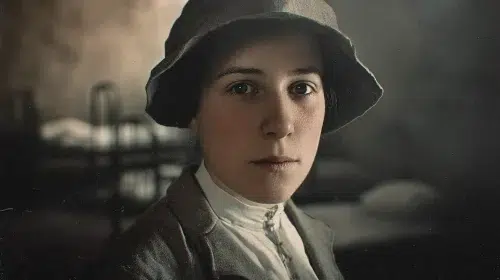
Marthe Cnockaert appeared to be an ordinary nurse in German occupied Belgium.
In reality, she worked as a spy for British intelligence. She gathered information from wounded German soldiers and passed it through secret networks. Her position in a hospital allowed her to move without raising suspicion.
She was eventually arrested and sentenced to death, but her sentence was reduced to life imprisonment. She survived the war and later wrote about her experiences.
Marthe proved that courage does not always wear a uniform. Sometimes it hides in plain sight.
Edith Wharton (United States)
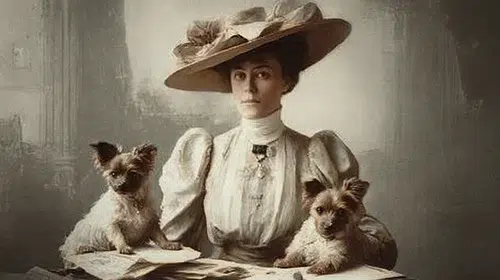
Edith Wharton is best known as a novelist, but during World War I she became deeply involved in humanitarian work in France. She organized refugee relief, raised funds, and supported hospitals treating wounded soldiers.
She traveled to the front to document conditions and bring awareness to the suffering she witnessed. For her service, she was awarded the French Legion of Honour.
Wharton used her voice and influence to mobilize support. She demonstrated that leadership can take many forms during war.
Hélène Dutrieu (Belgium)
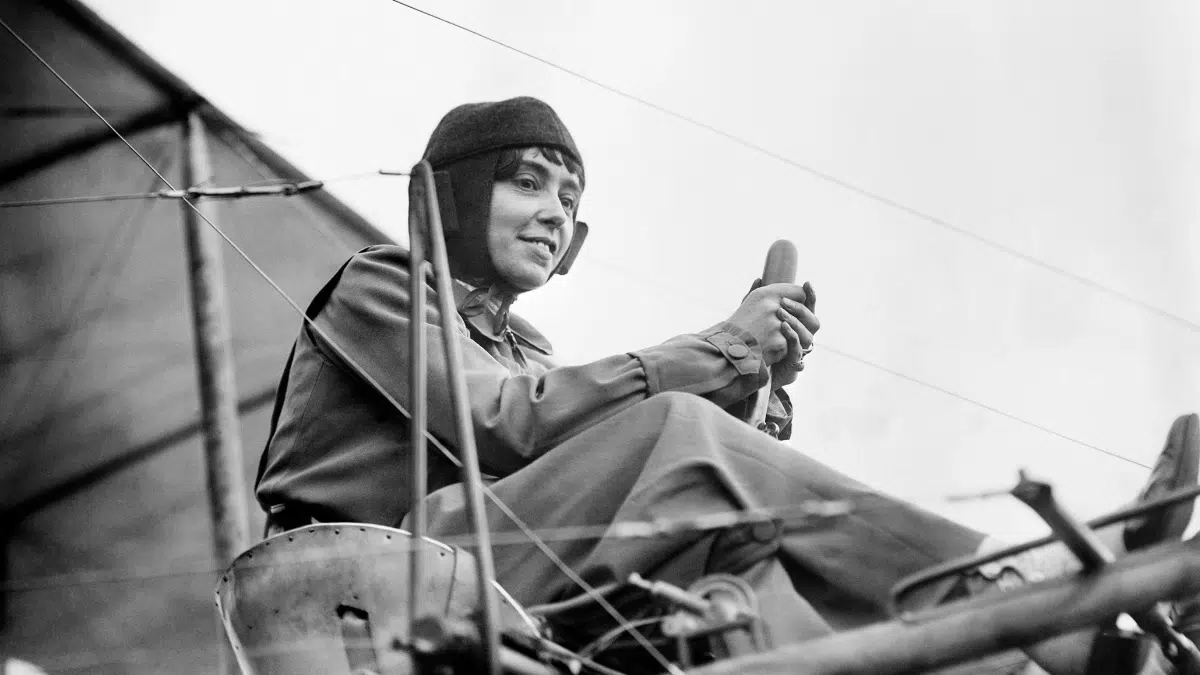
Hélène Dutrieu was already famous as an aviator before World War I began.
When war broke out, she volunteered as an ambulance driver in France. She drove through dangerous zones to evacuate wounded soldiers. Her experience as a pilot and athlete reflected her fearless spirit.
Dutrieu had already broken barriers in aviation, and during the war she continued to challenge expectations. She represents a generation of women who refused to accept limits placed upon them.
Olga Bakhareva (Russia)
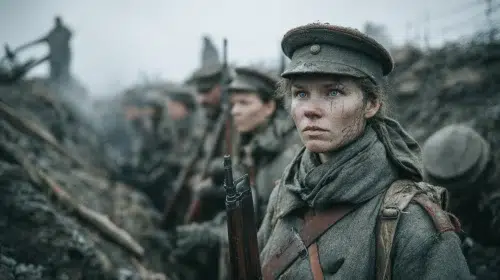
Olga Bakhareva served in Russia’s Women’s Battalion of Death, standing alongside other women who volunteered for frontline combat in 1917. The battalion fought during a time of extreme political instability.
Though their efforts could not prevent Russia’s collapse into revolution, their service left a lasting mark.
Olga and her fellow soldiers demonstrated discipline and bravery in chaotic circumstances. Their participation challenged traditional ideas about women and warfare in Russian society.
Sara Aaronsohn (Palestine)
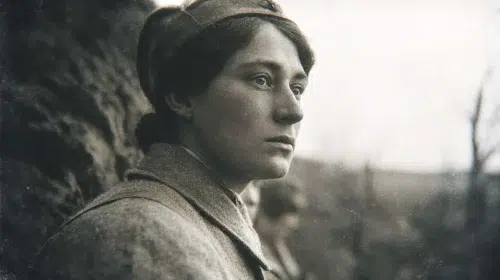
Sara Aaronsohn was a key member of the Nili spy ring, a Jewish intelligence network that aided the British against the Ottoman Empire. She helped gather and transmit crucial information about Ottoman troop movements.
In 1917, she was captured and tortured.
Refusing to betray her network, she took her own life rather than reveal secrets. Sara’s story is one of resistance, sacrifice, and unyielding resolve. Her actions played a role in shaping the future of the region.
Elsie Inglis (United Kingdom)
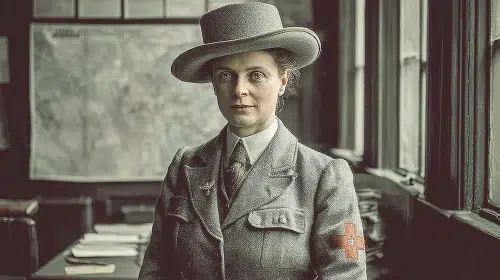
Dr. Elsie Inglis founded the Scottish Women’s Hospitals for Foreign Service after being told by the British War Office to “go home and sit still.” She refused.
Inglis organized all female medical units that served in France, Serbia, and Russia. Her hospitals treated thousands of wounded soldiers. She became deeply respected abroad, especially in Serbia.
Inglis died shortly after returning home from service. She left behind a legacy of leadership, defiance, and compassion.
Sophia Duleep Singh (United Kingdom)
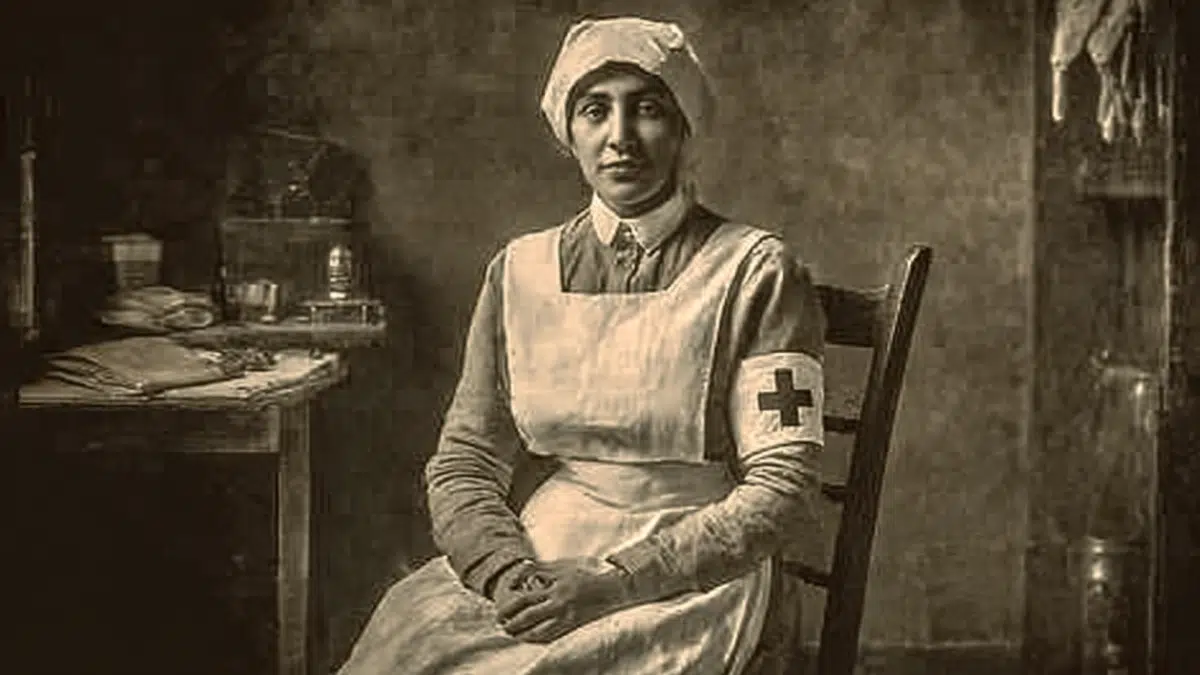
Sophia Duleep Singh, daughter of the last Maharaja of Punjab, was a prominent suffragette in Britain.
During World War I, she supported war efforts and volunteered as a nurse. Though she did not serve in combat, she used her public influence to encourage women’s participation in national service.
Her life bridges two movements: women’s rights and wartime mobilization. She represents the political awakening that World War I accelerated for women across Europe.
Dora Meeson Coates (United Kingdom/Australia)
Dora Meeson Coates was an artist and suffragette who contributed to the war effort through nursing and propaganda work. Her art supported recruitment and national unity.
She also advocated for women’s rights during and after the war. Through her paintings and activism, she captured the emotional climate of the time.
Dora reminds us that culture and creativity also shape how wars are remembered.
Learn more about the brave women of WWII:
- Women Who Changed the World During World War II
- Virginia Hall America’s Unlikely Hero Spy During WWII
- Violette Szabo: World War II Spy and British Heroine
Closing Thought
World War I changed borders, governments, and millions of lives.
But it also changed expectations.
These women of World War I did not wait for permission. They stepped into danger, leadership, science, intelligence, and medicine. Some fought with rifles. Some with scalpels. Some with secret codes. Some with words.
History may have placed them in the margins.
But without them, the story of the Great War is incomplete.