
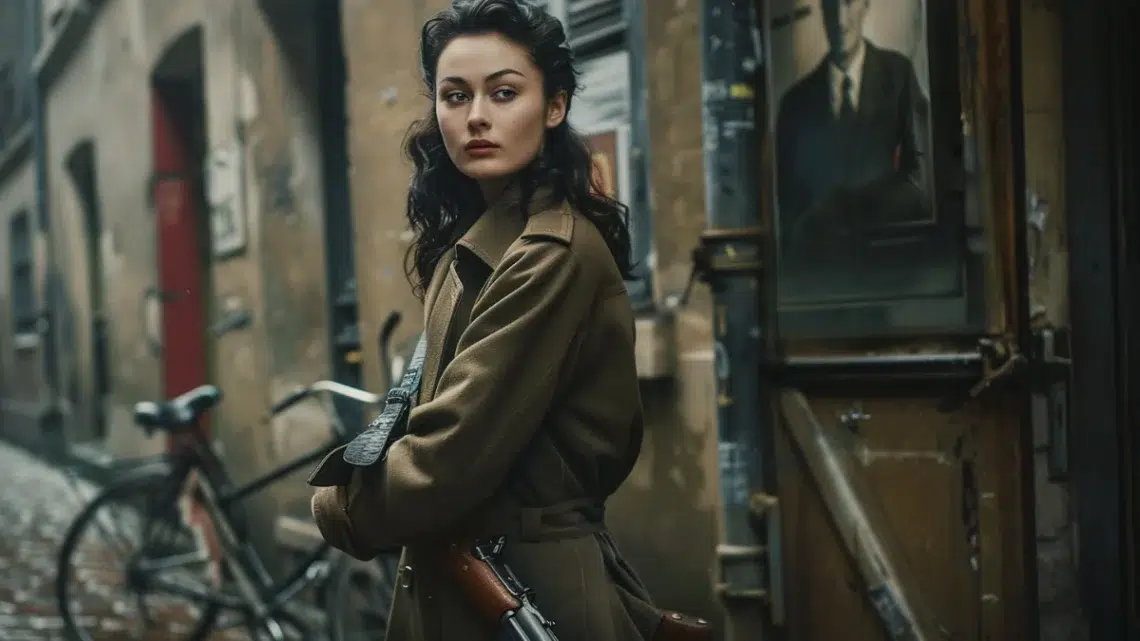
Nancy Wake: The White Mouse of the French Resistance of WWII
She looked like a journalist. She moved like a spy. And she fought like a soldier.
When France fell to Nazi Germany, Nancy Wake did not run. She joined the Resistance. She smuggled downed Allied pilots across borders, evaded arrest, and later parachuted back into France to lead thousands of fighters.
The Gestapo hunted her relentlessly.
They never caught her.
The Woman Who Wouldn’t Back Down
Nancy Wake lived many lives. At the height of the war, the Gestapo ranked her as one of their most dangerous enemies.
Nancy Wake became a courier, a saboteur, and eventually a leader in the French Resistance. Her courage earned her the nickname “The White Mouse”, a target that slipped through every trap.
Her story is one of sharp wit, fearless leadership, and unshakable resolve.
Nancy Wake: From New Zealand to the Front Lines
Nancy Grace Augusta Wake was born in New Zealand in 1912 and raised in Sydney, Australia. As a young woman, she travelled widely, eventually becoming a journalist in Europe.
While working in Paris, she witnessed the rise of fascism and the horrors inflicted by the Nazis on Jewish civilians. These events shaped her deep hatred for tyranny.
In 1939, she married French industrialist Henri Fiocca and settled in Marseille.
After World War II Started
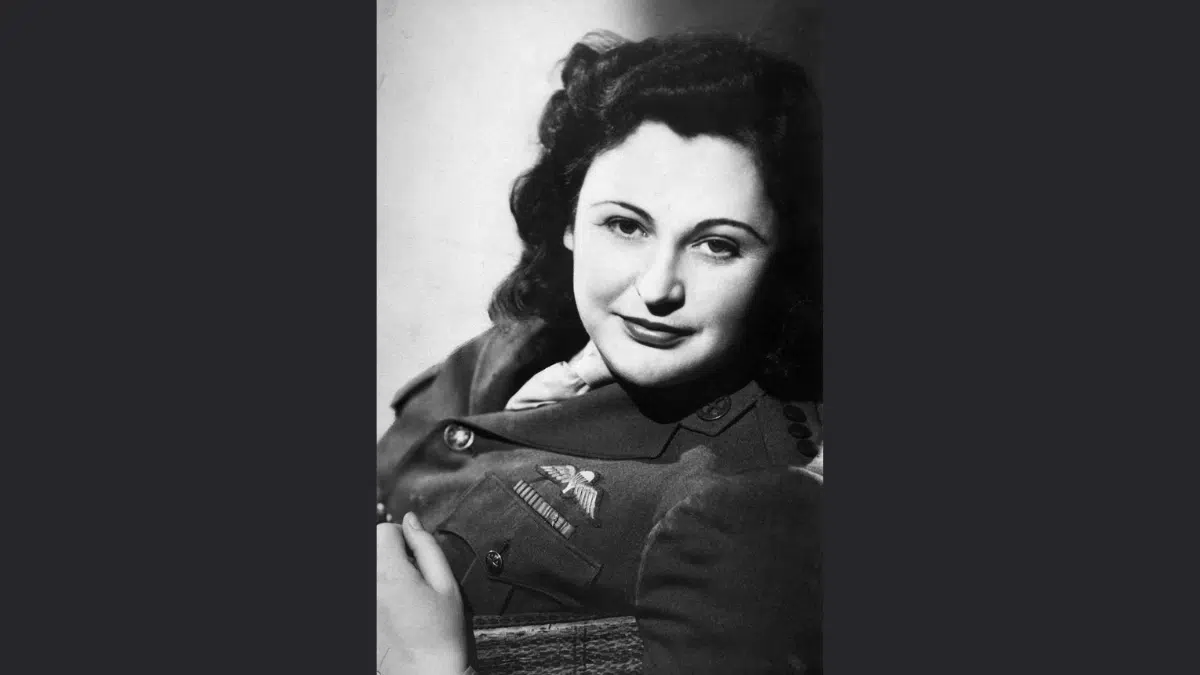
When World War II broke out, she joined the French Resistance. At first, she worked as a courier, carrying messages and helping Allied soldiers and Jewish families escape across the Pyrenees into Spain.
Her skills, bravery, and natural ability to lie under pressure made her invaluable.
As the Gestapo intensified its efforts to capture her, she became one of their top targets. They nicknamed her “the White Mouse” because she always slipped through their traps.
With a price on her head, Wake eventually fled to Britain, where she joined the Special Operations Executive (SOE), a British spy agency. There, she trained in combat, weapons, sabotage, and radio work.
Armed with new skills and unmatched courage, she parachuted back into France to lead guerrilla fighters against the Nazis.
Wartime Missions and Resistance Work
Once parachuted into occupied France in 1944, Nancy Wake became a key figure in organizing and leading resistance efforts.
She served as a liaison between the British Special Operations Executive (SOE) and the French Maquis, the local guerrilla fighters resisting German rule.
Her missions involved coordinating supply drops, setting up safe houses, and directing sabotage operations. Wake trained hundreds of fighters in guerrilla tactics, explosives, and weapons use.
Her presence boosted morale, and she earned respect not just for her strategy, but for fighting alongside them.
She cycled over 500 kilometres through German-held territory to replace lost radio codes after a failed drop, without food, sleep, or rest.
Her grit stunned even hardened soldiers.
She often led raids, blew up bridges and supply lines, and personally executed a German spy. Wake’s leadership helped delay German reinforcements before the Allied landings in Normandy.
By the end of the war, Nancy Wake had become one of the most decorated women of WWII. She was awarded medals from Britain, France, the United States, and Australia. But she rarely bragged.
Her focus was on winning freedom, not fame.
Legacy and Post-War Life of Nancy Wake
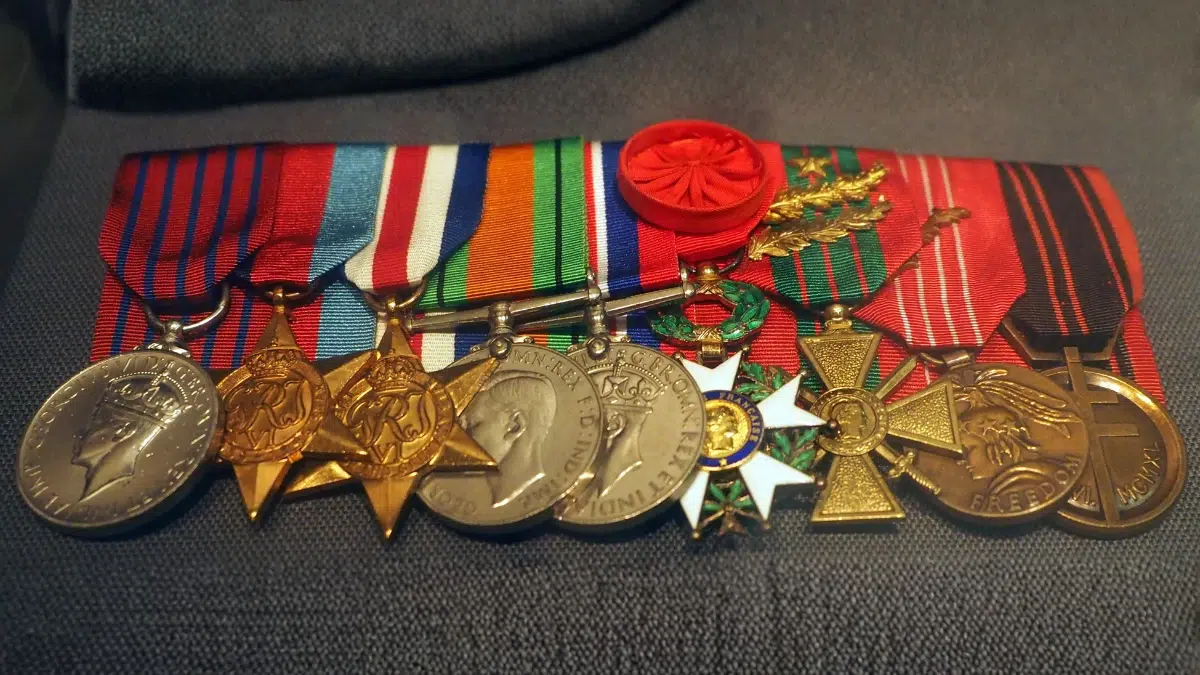
After the war, Nancy Wake returned to a quieter life—but the fight never truly left her. She briefly worked for British intelligence, but soon faced the challenge of peacetime.
Her first husband, Henri Fiocca, had been captured and executed by the Gestapo for refusing to betray her. Nancy did not learn of his fate until after the war.
She later remarried and moved to Australia, where she ran for public office several times, though unsuccessfully. Despite her wartime heroism, she felt overlooked by her own country.
Britain, France, and the United States had honoured her with medals, but Australia was slow to recognize her service.
Nancy remained outspoken and fearless, even in old age. She once said she wished she had killed more Nazis. Her wit, bravery, and defiance never faded.
She spent her final years in London, living modestly and privately.
When she died in 2011 at the age of 98, tributes poured in from around the world. Her ashes were scattered in central France, the land she helped to liberate.
Nancy Wake’s story is one of extraordinary courage.
She broke barriers, saved lives, and fought for freedom on her own terms. Her legacy lives on as one of the most decorated women of WWII and one of the boldest.
Similar Historical Figures to Nancy Wake
Nancy Wake’s fierce courage, cunning, and resistance leadership align her with other extraordinary women who risked everything during wartime.
Violette Szabo (UK)

Violette Szabo was a British secret agent who served with the Special Operations Executive during the Second World War. Born in 1921 to a British father and French mother, she grew up speaking both languages fluently. After her husband was killed in North Africa, she volunteered for dangerous missions in occupied France.
In 1944, she was parachuted into France to help the French Resistance disrupt German forces after D-Day. During her second mission, she was captured after a fierce gun battle. She was later sent to Ravensbrück concentration camp, where she was executed in 1945.
Szabo was awarded the George Cross for bravery. Her courage, resilience, and sacrifice made her one of Britain’s most honoured wartime heroines.
Lyudmila Pavlichenko (Soviet Union)
Lyudmila Pavlichenko was one of the most successful snipers in history. Born in 1916 in what is now Ukraine, she joined the Red Army after Nazi Germany invaded the Soviet Union in 1941. Refusing to serve as a nurse, she insisted on fighting on the front lines.
During the Siege of Odessa and the Battle of Sevastopol, Pavlichenko recorded 309 confirmed kills, including dozens of enemy snipers. Her skill, patience, and calm under pressure earned her the nickname “Lady Death.”
After being wounded, she was sent on a diplomatic tour to the United States and Canada in 1942, where she met President Franklin D. Roosevelt and First Lady Eleanor Roosevelt. Pavlichenko later received the title Hero of the Soviet Union, becoming a lasting symbol of courage and resistance during the war.
Noor Inayat Khan (UK/India)
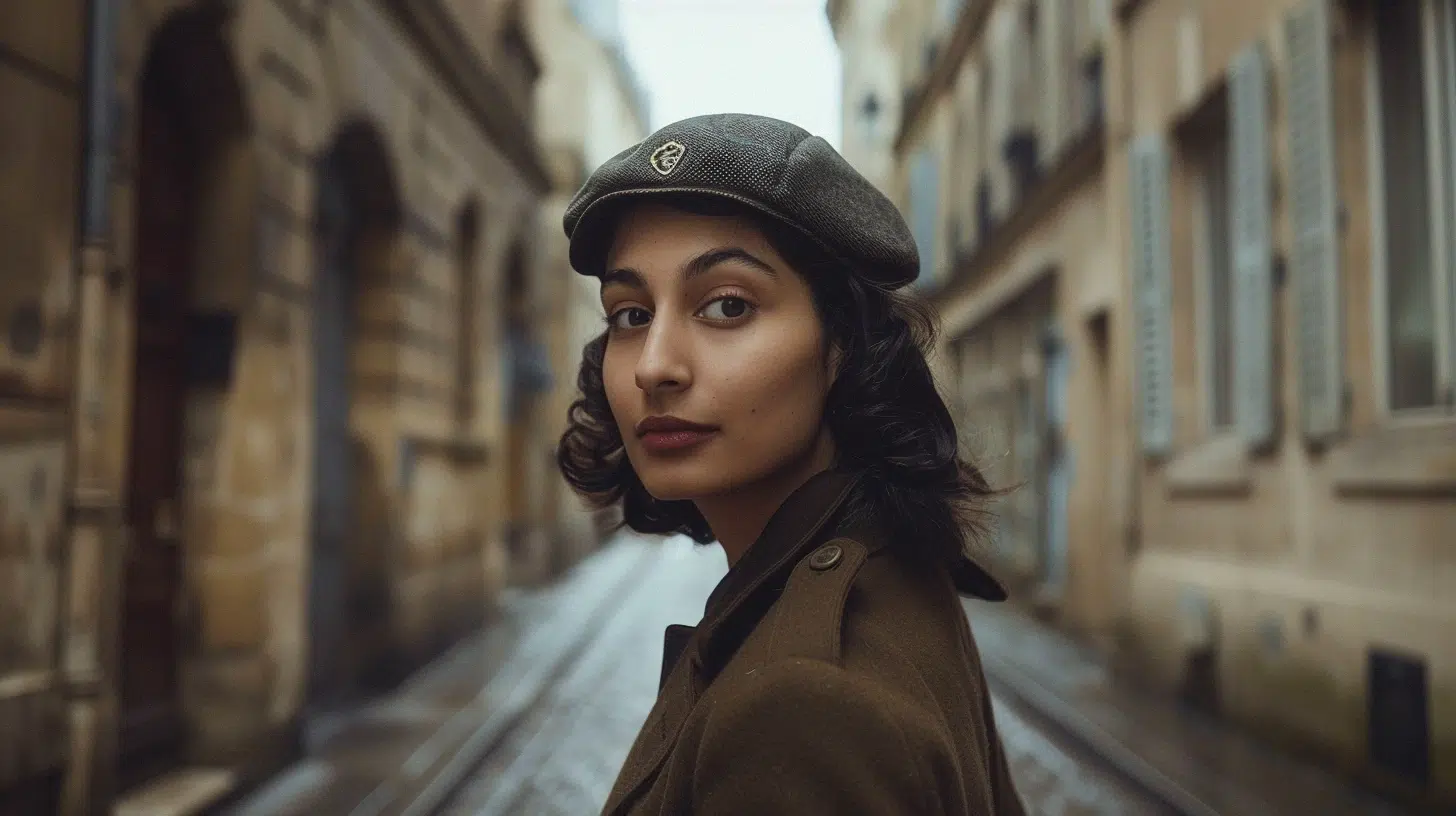
Noor Inayat Khan was a British wartime agent of Indian heritage who served in the Special Operations Executive during the Second World War. Born in 1914 to an Indian Sufi father and an American mother, she grew up in France and England, immersed in music and literature before the war changed her path.
In 1943, she was sent to occupied Paris as a wireless operator, one of the most dangerous roles in the Resistance. After many agents were arrested, she chose to remain in France and continue transmitting messages to London, helping coordinate sabotage and support for underground fighters.
She was eventually betrayed and captured by the Gestapo. Despite repeated interrogations and imprisonment, she refused to reveal information. Noor was executed at Dachau in 1944. She was later awarded the George Cross for her bravery and remains a symbol of quiet strength and sacrifice.
Virginia Hall (USA)

An American spy with a prosthetic leg, Virginia Hall worked in occupied France and was one of the Gestapo’s most wanted. Her ability to blend in and evade capture mirrors Wake’s role as “The White Mouse.”
These women defied stereotypes, trained as operatives, and fought behind enemy lines. Their stories, like Wake’s, show that war was not just fought by men with guns—it was also won by women with grit, bravery, and unshakable resolve.
Other brave women:
- Women Who Changed the World During World War II
- Western Asian Women Warriors: Brave Leaders in Battle
- Brave Women Disguised As Men Join Their Nation’s Military
Conclusion
Nancy Wake’s story is one of unstoppable courage. From evading Nazi capture to leading thousands of fighters, she proved that fear had no place in the fight for freedom. Her sharp wit, physical strength, and bold leadership shattered expectations of what women could do during war.
Even when offered safety, she chose danger. Even when others fled, she stood firm. Nancy Wake reminds us that true resistance is not just about weapons—it’s about will. Her legacy continues to inspire those who stand up to tyranny, no matter the cost.


