Anansi the Spider: Trickster Who Stole the World’s Stories
In many stories, heroes are strong warriors or wise kings but Anansi the Spider is something very different.
He is small.
He is often selfish.
And he wins not with strength, but with clever tricks.
Anansi comes from the folklore of the Akan people of West Africa, especially in present day Ghana. Over time, his stories travel across the Atlantic during the era of the slave trade.
They become an important part of folklore.
The Origin of Anansi the Spider
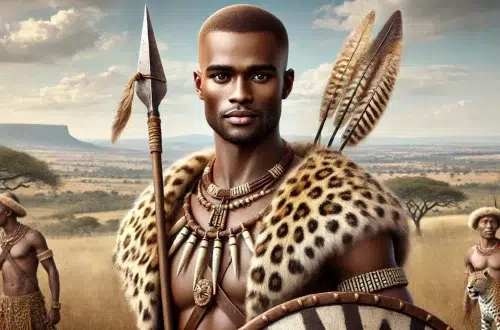
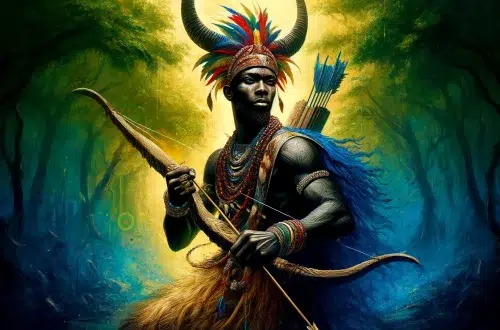
Anansi appears in the traditional stories of the Akan people of Ghana. In these tales he is both a spider and a man.
Sometimes he looks like a spider with human traits. Other times he appears as a man who carries the spirit of the spider.
His name often means “spider” in the Akan language.
Anansi is known for several things:
- Cleverness
- Mischief
- Greed
- Creativity
He often causes trouble, but his tricks also bring wisdom. His stories teach lessons about pride, patience, and thinking before acting.
Many of these tales are called Anansi stories or Ananse stories.
They pass from generation to generation through spoken storytelling. Elders tell them to children to explain how the world works.
Among these tales, one myth explains how Anansi became the owner of every story ever told.
The Myth: How Anansi Won the World’s Stories
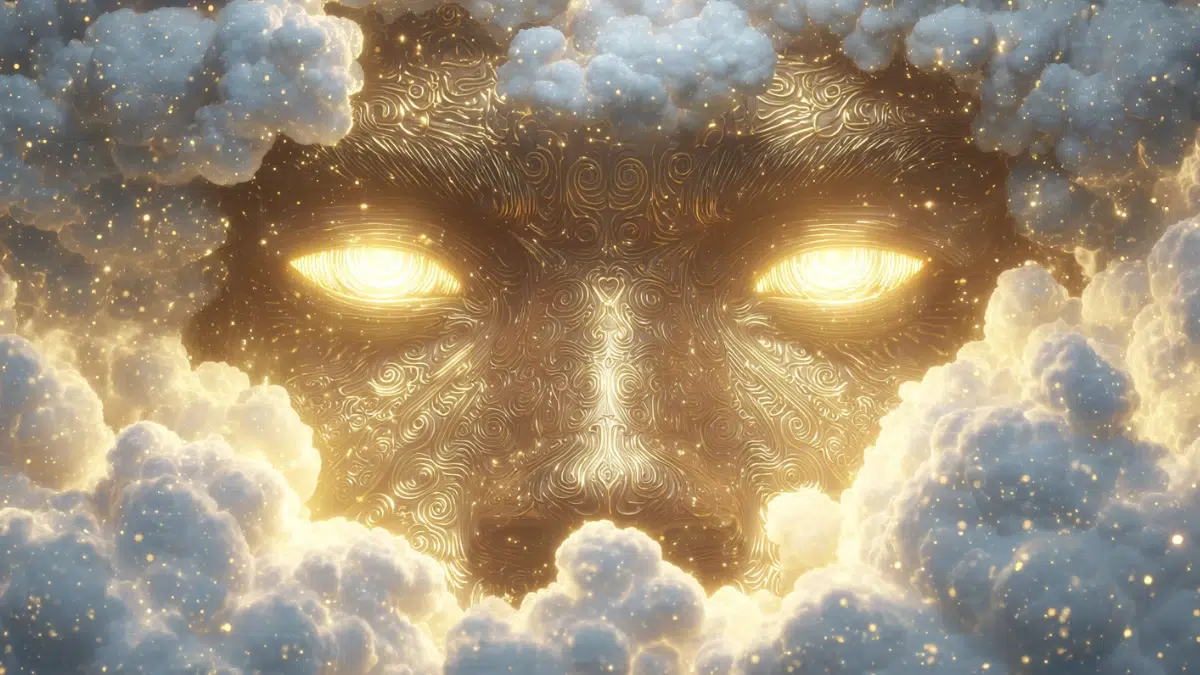
Long ago, all stories belonged to the sky god Nyame.
No one on Earth could tell a story freely. Every tale, every legend, and every piece of wisdom belonged to Nyame alone.
People listened, but they did not own the stories.
One day, the clever trickster Anansi the Spider decided this was not fair.
Stories should belong to everyone.
So Anansi climbed high into the sky to visit Nyame. When he arrived, he asked a bold question.
Could he buy the stories of the world?
Nyame laughed when he saw the tiny spider standing before him. A creature so small could never pay such a price.
But Nyame enjoyed a challenge. Instead of refusing, he decided to test Anansi.
If the spider could capture several dangerous creatures and bring them to him, Nyame would give him the stories.
Nyame named three impossible targets:
- Onini, the giant python
- Osebo, the fierce leopard
- Mmoboro, a swarm of deadly hornets
Each one was powerful enough to defeat a warrior.
But Anansi did not plan to fight them.
He planned to outthink them.
Anansi Captures the Python

Anansi found the great python Onini resting in the forest.
The spider began talking to the snake about a disagreement he was having with his wife. They argued about how long the python really was.
Anansi claimed the snake was not as long as he believed.
The proud python wanted to prove him wrong.
So Anansi suggested a simple test. The snake should stretch himself along a long branch so they could measure him properly.
When Onini stretched out across the branch, Anansi quickly tied ropes around the snake and the wood.
Before the python understood the trick, he was completely bound.
The first creature was captured.
Anansi Captures the Leopard
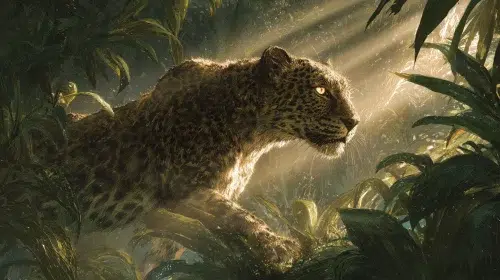
Next, Anansi went searching for Osebo, the powerful leopard feared by every animal in the forest.
This task required a different trick.
Anansi dug a deep pit in the ground and covered it with branches and leaves.
When the leopard passed through the forest, he stepped on the hidden trap and fell into the hole.
Osebo roared and tried to climb out, but the walls were too steep.
Anansi pretended to help the trapped leopard. He lowered a long vine into the pit.
When Osebo grabbed the vine, Anansi tied him tightly.
The fierce predator had been outsmarted.
Anansi Captures the Hornets

Only one challenge remained.
The swarm of hornets called Mmoboro lived in a nest high in the trees. Their stings were dangerous, and no one dared disturb them.
Anansi waited for a rainy day.
Then he filled a gourd with water and splashed it over the hornet nest.
The hornets buzzed angrily.
Anansi shouted up to them.
A terrible storm was coming. They should hide somewhere safe before the rain became worse.
He held up a hollow gourd and offered it as shelter.
The hornets rushed inside to escape the storm.
Once they were all inside, Anansi quickly sealed the opening.
The final challenge was complete.
Anansi Wins the Stories
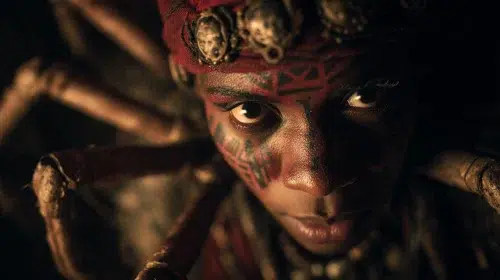
Anansi carried the python, the leopard, and the gourd filled with hornets back to the sky.
He presented them to Nyame.
The sky god was surprised.
The tiny spider had succeeded where warriors would have failed.
Nyame kept his promise.
From that day forward, all stories belonged to Anansi the Spider.
That is why many West African folktales are still called Anansi stories.
They remind listeners that strength does not always win.
Sometimes the smallest creature, with the cleverest mind, can change the world.
Trickster Figures in Other Mythologies
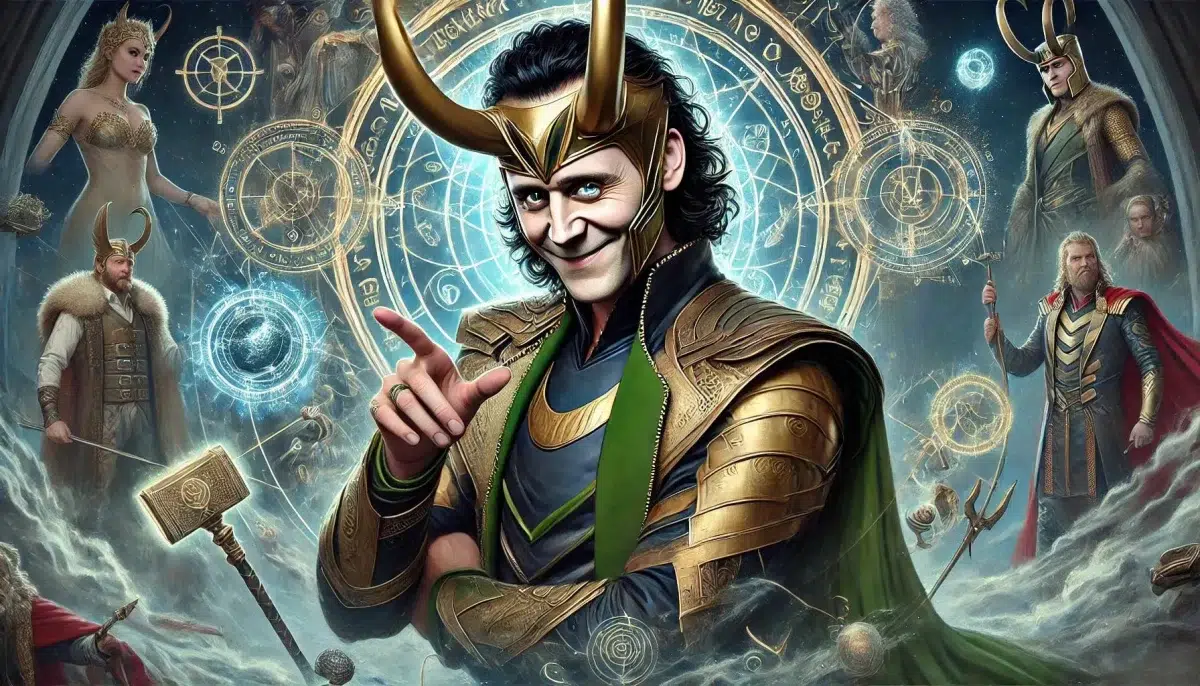
Anansi is not the only mythological trickster.
Many cultures tell stories about clever characters who challenge authority and break the rules.
Loki (Norse Mythology)
Loki is the famous trickster of Norse mythology. Like Anansi, he uses deception and clever plans.
But Loki often causes chaos that leads to disaster, especially during the events of Ragnarök.
Coyote (Native American Mythology)
In many Native American traditions, Coyote acts as a trickster spirit. He is clever but also reckless.
His stories explain natural events, teach moral lessons, and often show the consequences of foolish choices.
Hermes (Greek Mythology)

Hermes, the Greek messenger god, also shows trickster traits.
As a baby he steals Apollo’s cattle and invents the lyre to escape punishment.
Like Anansi, Hermes combines intelligence with mischief.
These figures appear in many cultures because tricksters reveal something important.
Sometimes rules must be challenged.
Sometimes wisdom appears in unexpected forms.
And sometimes the smallest character can outsmart the most powerful.
Anansi in Modern Culture
The legend of Anansi still appears today.
His stories remain popular in West Africa, the Caribbean, and around the world.
Many children’s books retell Anansi tales. Writers and filmmakers also include the character in modern fantasy stories.
One well known example appears in the novel Anansi Boys by Neil Gaiman, which draws on traditional folklore.
Even in modern retellings, Anansi keeps the same core personality.
He is clever.
He is mischievous.
And he reminds audiences that intelligence can defeat strength.
Conclusion
Anansi the Spider is one of the most famous tricksters in world mythology.
He is not a warrior or a king. He is a storyteller.
Through clever tricks, he wins the right to share stories with the world.
His myth explains why storytelling holds such power in many African and Caribbean cultures.
But it also carries a simple message.
Size does not decide victory.
Sometimes the smallest voice can change the world.
And sometimes a clever spider can win every story ever told.