Greek Mythology Dragons: Serpents, Sea Monsters, and Beasts
Dragons appear in myths all over the world.
In China they are wise and powerful sky beings. And in medieval Europe they guard treasure and breathe fire. In Norse legend they sleep beneath mountains surrounded by gold.
But some of the oldest dragon stories come from Greek mythology.
Greek mythology dragons are not always the winged monsters seen in modern films and fantasy. Many of them look more like enormous serpents or sea beasts.
In fact, the Greek word drakon often meant a giant snake with supernatural power.
These creatures guard sacred treasures, haunt dangerous waters, and challenge the greatest heroes of myth.
Some have many heads. Others never sleep. A few even pull the chariots of gods.
Together they form one of the most fascinating collections of dragons in ancient mythology.
Dragons in Greek Mythology
Greek mythology contains many dragon like creatures. These monsters appear as giant serpents, sea beasts, fire breathing hybrids, or half woman dragon beings.
Ancient writers usually placed them into four main types:
- Dracones – giant serpent dragons
- Cetea – sea monsters or sea dragons
- Chimera – fire breathing hybrid dragon monsters
- Dracaenae – female dragon beings
Each group includes several famous monsters that appear throughout Greek myths.
1. Dracones – Serpent Dragons

The Dracones were the most common dragons in Greek mythology.
These creatures were enormous serpent like monsters that often guarded sacred places, treasures, or divine sites. Many of them never slept and were nearly impossible to defeat.
Colchian Dragon
The Colchian Dragon guarded the legendary Golden Fleece in the sacred grove of Ares in the land of Colchis. This massive serpent dragon was said to be tireless and ever watchful.
Unlike other guardians, it never slept, making the treasure nearly impossible to steal.
When the hero Jason arrived with the Argonauts on their quest, the challenge seemed hopeless. He only succeeded with the help of the sorceress Medea, who used powerful magic to lull the dragon into a deep enchanted sleep. With the creature finally subdued, Jason was able to seize the Golden Fleece and escape.
Hesperian Dragon (Ladon)

The Hesperian Dragon, often called Ladon, guarded the sacred golden apples in the garden of the Hesperides. These apples belonged to the goddess Hera and were said to grant immortality.
Ladon was a terrifying dragon with many heads, sometimes described as having one hundred, and it never slept. Because of this, the apples seemed impossible to steal.
During his Eleventh Labour, the hero Heracles was sent to retrieve the fruit. In some versions of the myth he shot the dragon with poisoned arrows, finally defeating the relentless guardian and claiming the golden apples.
Hydra
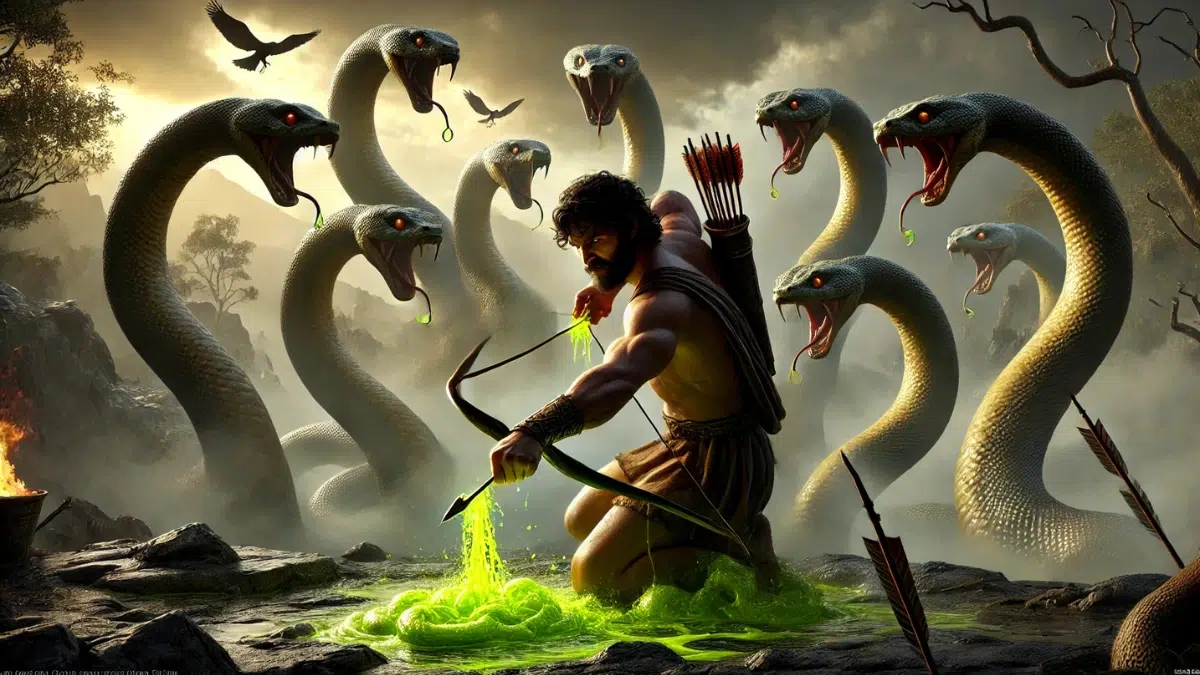
The Lernaean Hydra was a deadly water dragon that lived in the swamps of Lerna in Greek mythology.
The creature had nine serpent heads and poisonous breath that could kill anyone who came too close. Its greatest power was regeneration.
Each time one head was cut off, two more grew in its place, making the monster nearly impossible to defeat. The hero Heracles faced the Hydra during his second labour. With help from his nephew Iolaus, he burned the neck stumps with fire after cutting off each head, preventing the creature from regenerating.
Python
The dragon Python was a monstrous serpent sent by Gaia to guard the sacred oracle at Delphi.
The creature lived near the spring of Castalia and terrorized the surrounding land. According to myth, the young god Apollo came to Delphi and confronted the dragon.
After a fierce battle, Apollo killed Python with his arrows and claimed the oracle as his own holy shrine. To honour this victory, the Pythian Games were later established at Delphi, becoming one of the major athletic and musical festivals of the ancient Greek world.
Ismenian Dragon
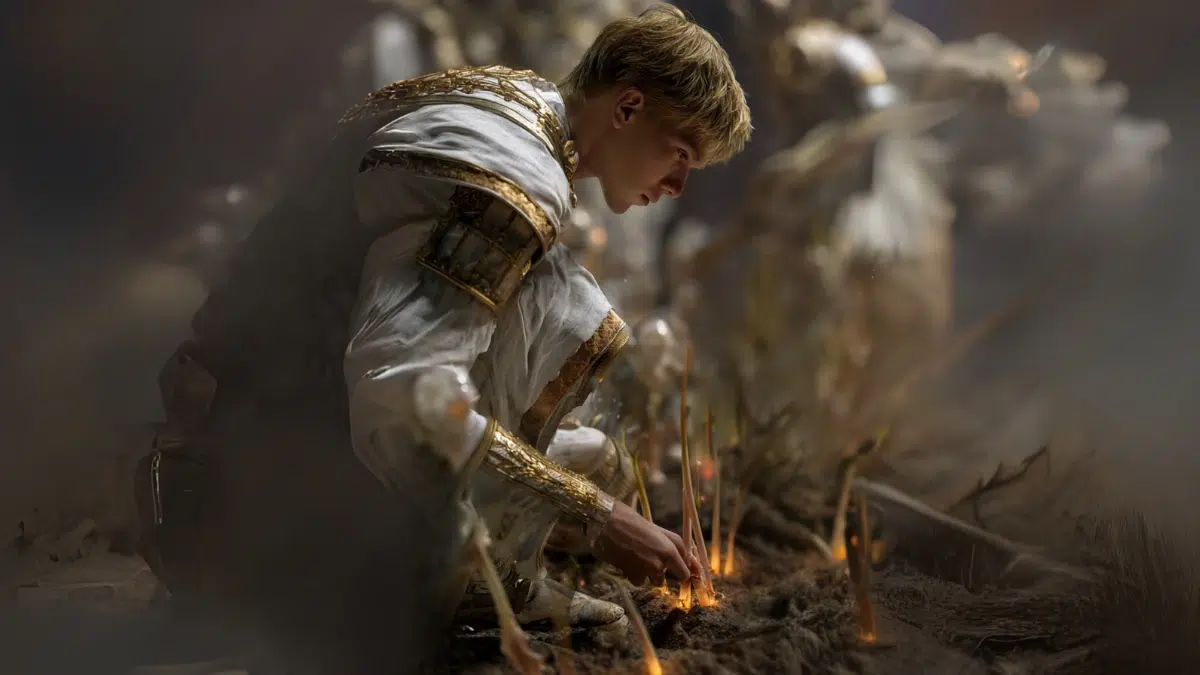
The Ismenian Dragon was a fierce serpent that guarded a sacred spring of the war god Ares near the future site of Thebes.
When the hero Cadmus arrived in the region, he encountered the dragon and killed it after a violent struggle.
Following the advice of the goddess Athena, Cadmus then planted the dragon’s teeth in the earth. From the ground sprang armed warriors known as the Spartoi, or “sown men.”
After fighting among themselves, the surviving warriors helped Cadmus establish and build the city of Thebes.
Other Dracones
Greek myths mention many other serpent dragons, including:
- Maeonian Dragon – slain by Heracles
- Nemean Dragon – devoured the infant Opheltes
- Pitanian Dragon – turned to stone by the gods
- Thespian Dragon – destroyed by the hero Menestratus
- Rhodian Dragons – slain by the hero Phorbas
These creatures often served as guardians or destructive monsters threatening cities and heroes.
2. Cetea – Sea Dragons
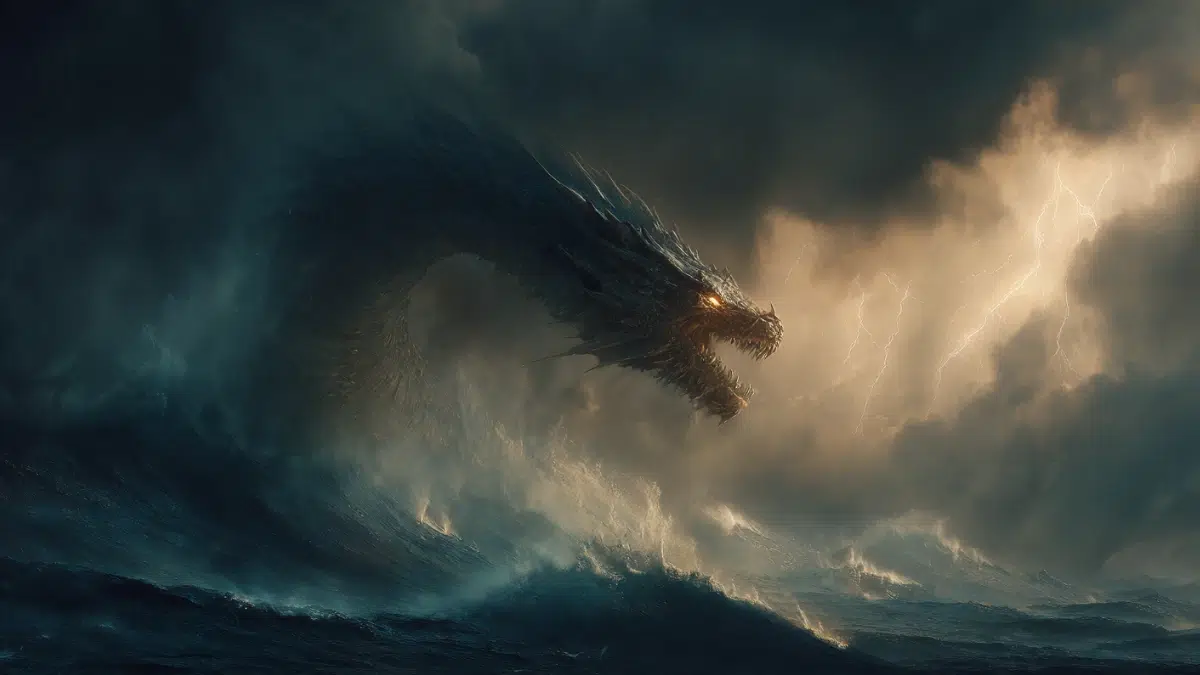
The second type of dragon in Greek mythology was the Cetus, or sea monster. “Cetus” was also the Greek word for “whale,” which was regarded as a type of sea-monster.
These creatures lived in the ocean and were usually sent by the gods as punishment.
They often appear in stories where a princess is sacrificed to appease the monster.
Ethiopian Cetus
The Ethiopian Cetus was a massive sea monster sent by Poseidon to punish the kingdom of Ethiopia.
According to the myth, Queen Cassiopeia had boasted that her daughter Andromeda was more beautiful than the sea nymphs, angering the gods.
In response, Poseidon unleashed the creature to ravage the coast and flood the land. An oracle declared that the only way to stop the destruction was to sacrifice Andromeda. She was chained to a rock beside the sea until the hero Perseus arrived and slew the monster, saving her life.
Trojan Cetus
The Trojan Cetus was a fearsome sea monster sent by Poseidon to punish the city of Troy.
According to the myth, King Laomedon had angered the god after refusing to reward him for helping build the walls of the city. In retaliation, Poseidon unleashed a monstrous sea dragon to devastate the land.
An oracle declared that the king’s daughter Hesione must be sacrificed to stop the disaster. She was chained to the shore, but the hero Heracles arrived, slew the monster, and rescued the princess.
Other Sea Monsters
Greek writers also imagined sea dragons living in distant oceans.
These included:
- Indian Sea Monsters believed to inhabit the Indian Ocean
- Scolopendra, a monstrous sea creature with many legs and a crustacean like tail
3. Chimera – Fire Breathing Dragons
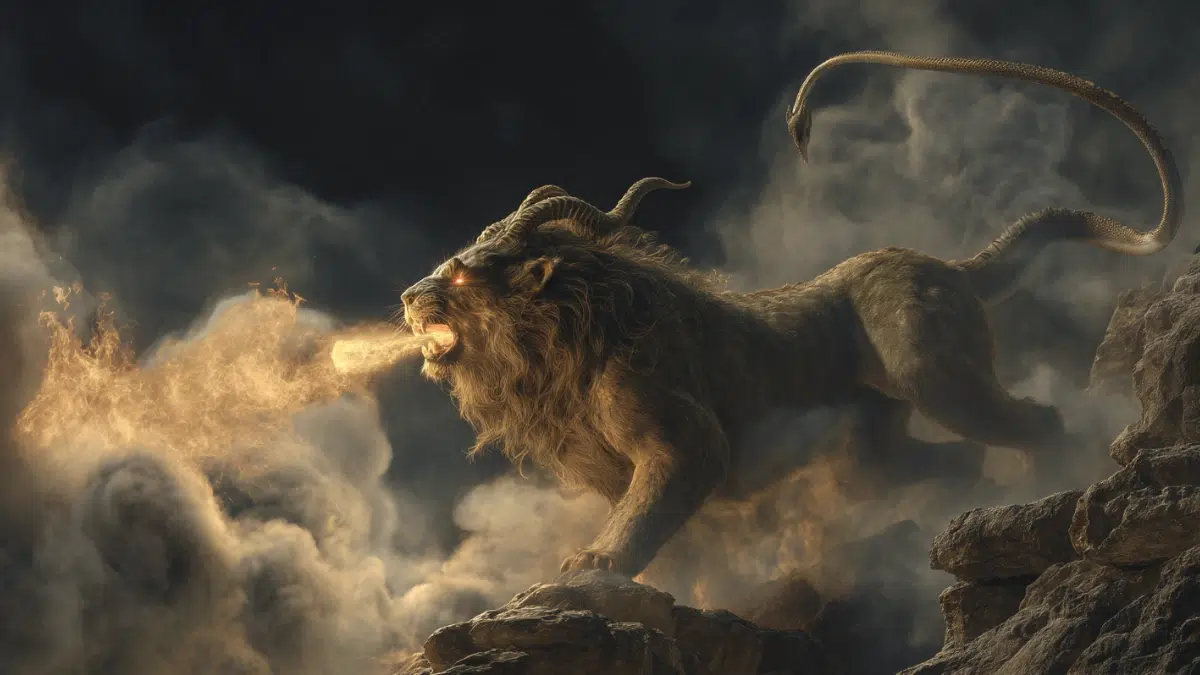
The Chimera, a fire-breathing monster whose form was a hybrid of lion, goat’s head and the tail of a headed-serpent.
The Chimera was a unique dragon monster. Unlike the serpent dragons, the Chimera was a hybrid creature made from multiple animals.
It had:
- the head and body of a lion
- a goat’s head rising from its back
- a serpent tail
- the ability to breathe fire
The Chimera terrorized the land of Lycia until the hero Bellerophon defeated it while riding the winged horse Pegasus.
This creature strongly influenced later European dragon imagery.
4. Dracaenae – The She Dragons
The Dracaenae were female dragon beings.
They usually appear as a beautiful nymph from the waist up and serpents or sea monsters below the waist, in place of legs.
These creatures often served as the mothers of many monsters in Greek mythology.
Echidna
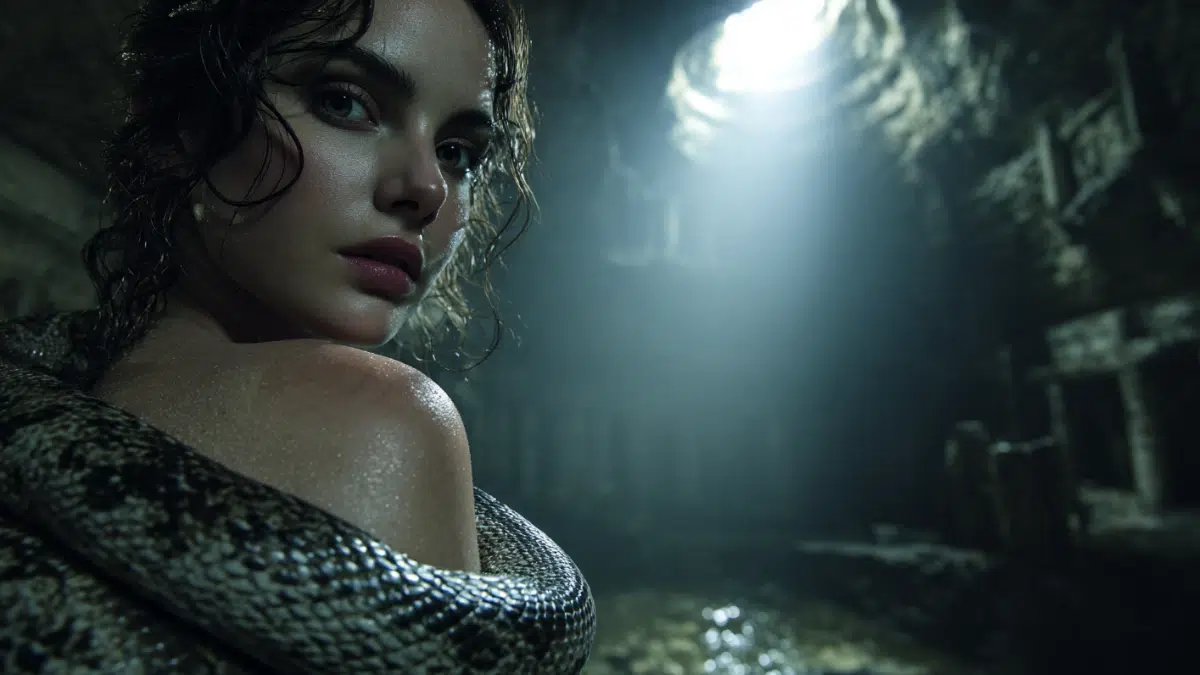
The most famous Dracaena in Greek mythology was Echidna, often called the Mother of Monsters. She was a fearsome creature with the upper body of a beautiful woman and the lower body of a massive serpent.
Echidna lived in a dark cave and was the mate of the giant monster Typhon. Together they produced many of the most terrifying creatures in Greek myth. Their offspring included:
- Cerberus, the three headed guardian of the Underworld
- the deadly Hydra
- the fire breathing Chimera
- the mysterious Sphinx
Through her monstrous children, Echidna became one of the most important figures in the mythology of Greek monsters.
Ceto
Ceto was a primordial sea goddess in Greek mythology closely associated with dangerous sea monsters and dragon like creatures.
She was the daughter of the sea deities Pontus and Gaia and ruled over the hidden terrors of the deep ocean.
Many ancient myths describe her as the mother of numerous monstrous beings. Among her offspring were Echidna, often called the Mother of Monsters, and other fearsome creatures such as the Hesperian Dragon.
Through her lineage, Ceto became one of the central figures behind the birth of many dragons and monsters in Greek mythology.
Scylla
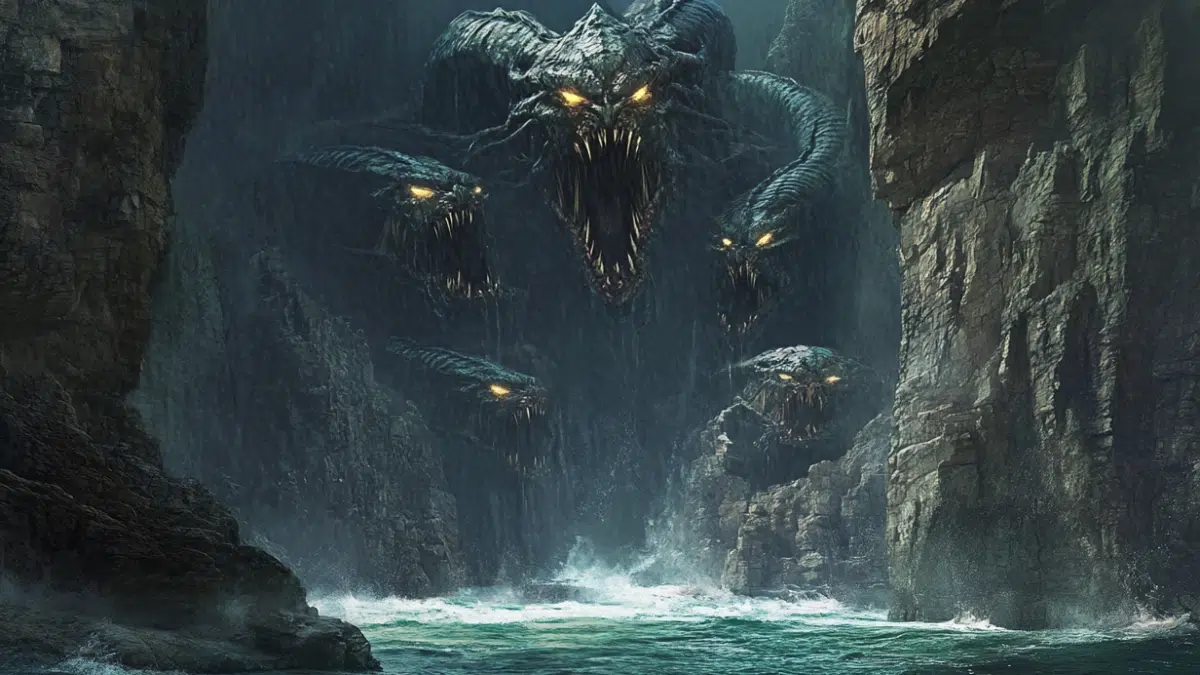
Scylla was once a beautiful sea nymph who was transformed into a terrifying sea monster.
In many versions of the myth, the sorceress Circe turned her into a creature with multiple dog like heads and serpent tails after becoming jealous of her beauty.
Scylla then haunted the narrow Strait of Messina, lurking among the rocks. As ships passed through the dangerous channel, she would snatch sailors from the deck and devour them.
Her story appears in Homer’s Odyssey, where the hero Odysseus must sail past Scylla while avoiding the deadly whirlpool Charybdis nearby.
Other Dracaenae
Other female dragon monsters include:
- Campe, guardian of Tartarus, had the body of a serpent, a hundred serpent “feet,” and a scorpion’s tale
- Poene, a dragon sent by Apollo as punishment, was slain by the hero Coraebus
- Sybaris, a dragon that devoured travellers near Delphi, was pushed off the cliff by the hero Eurybarus
- Scythian Dracaena, encountered Heracles
These beings represent the ancient and monstrous forces that existed before the Olympian gods brought order to the world.
FAQs About Greek Mythology Dragons
What are the most famous dragons in Greek mythology?
Some of the most famous dragons in Greek mythology include the Hydra, the Hesperian Dragon (Ladon), the Colchian Dragon that guarded the Golden Fleece, and Python, the serpent slain by Apollo. These creatures often guarded sacred places, treasures, or divine sites and were defeated by heroes such as Heracles, Jason, and Apollo.
What do dragons symbolize in Greek mythology?
Dragons in Greek mythology usually represent danger, chaos, and ancient power. Many guard sacred objects, temples, or springs. Heroes must defeat them to prove courage and earn glory. Some dragons also symbolize the wild forces of nature that existed before the Olympian gods brought order to the world.
Who is the god of dragons in Greek mythology?
There is no specific god of dragons in Greek mythology. However, several gods are closely connected to dragon creatures. Apollo killed the dragon Python at Delphi, while Hera placed the dragon Ladon to guard the golden apples. Many dragons were also born from the monstrous pair Typhon and Echidna.
Are Greek dragons the same as medieval dragons?
Greek dragons are usually different from the winged fire breathing dragons seen in medieval stories. Most Greek dragons are giant serpents or snake like monsters. Some live in caves or guard sacred treasures, while others appear as sea monsters or hybrid creatures like the Chimera.
Why do so many Greek heroes fight dragons?
Dragon slaying is a common theme in Greek mythology. These monsters often guard sacred treasures, springs, or magical objects. By defeating them, heroes prove their strength and gain fame. Stories like Heracles and the Hydra, Cadmus and the Ismenian dragon, and Jason and the Colchian dragon show this heroic challenge.
Conclusion
Dragons in Greek mythology appear in many forms.
Some are giant serpent guardians, like Ladon and Python. Others are terrifying sea monsters, like the Cetus that threatens Andromeda.
Still others are hybrid beasts, like the Chimera, or half woman dragon creatures, like Echidna and Scylla.
Together, these monsters show how ancient Greeks imagined the dangerous forces of nature and the challenges heroes must overcome.
Their stories helped shape the dragon legends that appear throughout later mythology and fantasy.