Lyudmila Pavlichenko: The Soviet Union’s Deadliest Woman Sniper
Lyudmila Pavlichenko was not just a soldier.
She was a force of nature and became the most feared female sniper in history.
During World War II, she fought for the Soviet Union and gained the nickname “Lady Death”. With 309 confirmed kills, she was more than a sharpshooter. She was a symbol of fierce resistance.
Her story blends courage, precision, and grit. She didn’t just fight battles with bullets. She also battled doubt, sexism, and grief.
In a time when most women were kept away from combat, Lyudmila demanded to serve on the front lines.
Where was Lyudmila Pavlichenko Born?
Lyudmila Pavlichenko was born on July 12, 1916, in Bila Tserkva, a small town in present-day Ukraine. Her family later moved to Kyiv, where she spent most of her youth.
From an early age, Lyudmila showed fierce independence and competitive spirit. She joined a shooting club as a teenager and quickly excelled in marksmanship—skills that would one day define her legacy.
Before the war, she studied history at Kyiv University and worked at a local arms factory.
Though she led an ordinary civilian life, Lyudmila trained seriously as a sniper in a paramilitary program. She believed women should defend their country just as men do. That belief turned into action when Nazi Germany invaded the Soviet Union in 1941.
Despite pressure to serve as a nurse, she insisted on combat.
With her background in competitive shooting and military training, Lyudmila became one of the few women accepted into the Soviet sniper program. She was 24 years old and ready to fight.
Did Lyudmila Pavlichenko Marry or Have a Family?
Before the war, Lyudmila married young and had a son but the marriage did not last.
When Germany invaded the Soviet Union, she left her child in the care of family and volunteered for combat. War reshaped her life.
She formed close bonds with fellow soldiers, and some of the men she cared for were killed in battle.
After the war, she did not remarry. Her personal life remained quieter than her battlefield fame, but motherhood remained part of her identity.
The Start of World War II
When Nazi Germany launched its invasion of the Soviet Union in 1941, Lyudmila Pavlichenko was among the first to answer the call. She did not want to serve behind the lines. She demanded a combat role and earned it.
With her Mosin-Nagant rifle in hand, she joined the 25th Rifle Division as a sniper.
She saw her first action during the brutal siege of Odessa.
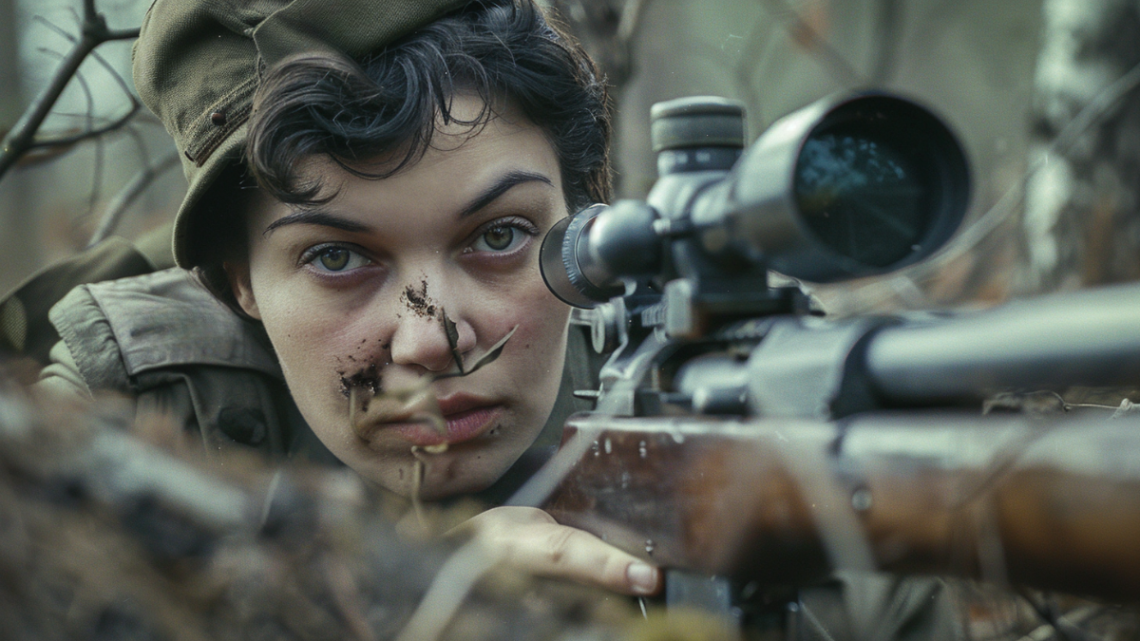
In just a few months, she recorded 187 confirmed kills. Her skill, discipline, and calm under pressure stood out. Lyudmila would stay still for hours in the cold, camouflaged and focused.
Sometimes, she lay silent in one spot for 15 hours waiting for a single clean shot.
How Many Kills did Lyudmila Pavlichenko Have?
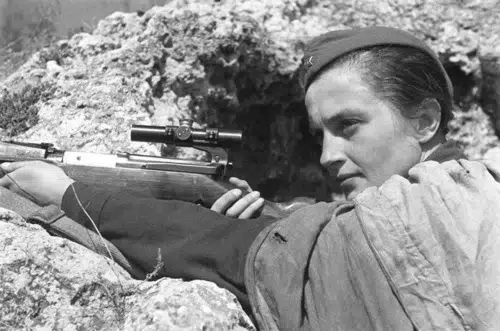
From Odessa, she was sent to Sevastopol in Crimea. There, the battles were even fiercer. But her numbers kept climbing. She reached 309 confirmed kills, including 36 rival snipers.
Her fame grew not just from numbers, but from her nerves of steel. She operated under constant fire, often while injured. Her ability to stay hidden, wait patiently, and strike with precision made her one of the deadliest snipers in history.
Eventually, the Soviet command pulled her from the front. She had been wounded four times, and her survival had become too valuable to risk.
Weapon and Fighting Style
On the front lines, Pavlichenko fought using a Mosin–Nagant bolt-action rifle fitted with a sniper scope. This was the standard Soviet sniper rifle of the early war years.
This rifle demanded patience and precision. It held only five rounds and required the sniper to work deliberately and efficiently.
Pavlichenko became extremely skilled with this heavy, single-shot rifle. The crack of her shot became feared by German troops during the sieges of Odessa and Sevastopol.
What Was Her Nickname?
Lyudmila Pavlichenko became known as “Lady Death” as her kill count rose during the war. The nickname was reportedly used by German forces and later repeated in Soviet media.
She became a propaganda symbol of resistance and strength. But the name was not theatrical. It reflected fear.
By the time she left the front lines, she had 309 confirmed kills, including 36 enemy snipers.
The name reflected fear as much as propaganda. She had become a silent presence in ruined cities, waiting patiently for a single, precise shot.
Enemy soldiers reportedly tried to lure her into duels. She never backed down.
Meeting the United States President
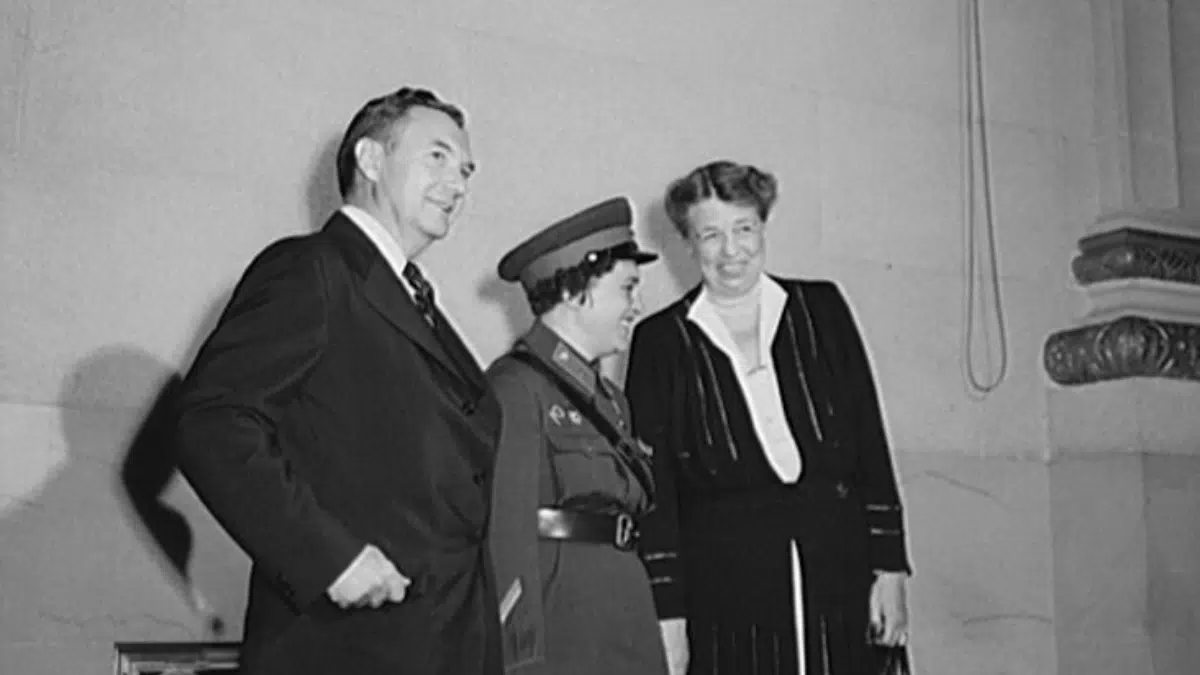
In 1942, Lyudmila Pavlichenko was sent to the United States and Canada on a goodwill tour.
She became the first Soviet citizen to visit the White House, where she met President Franklin D. Roosevelt and built a lasting friendship with First Lady Eleanor Roosevelt.
On stage, she spoke with clarity and force, urging Western leaders to open a second front in Europe. Her speeches turned heads, especially when she called out gender stereotypes.
In Chicago, she said:
“I am 25 years old, and I have killed 309 fascist invaders. Do you not think, gentlemen, that you have been hiding behind my back for too long?”
Her message was heard around the world.
Post-War Life and Career
After her North American tour, she returned to the Soviet Union and worked as:
- A historian
- A researcher
- A veterans’ committee member
- A public speaker
Though celebrated publicly, some reports suggest she struggled privately with trauma and isolation. Like many veterans, she returned to civilian life carrying invisible scars.
How did Lyudmila Pavlichenko Die?
Lyudmila Pavlichenko survived World War II despite being wounded four times.
In 1942, she was hit by mortar shrapnel during the siege of Sevastopol. Soviet command removed her from combat, recognizing both her injuries and her symbolic value.
After the war, she completed her degree in history and worked as a historian for the Soviet Navy. She later held the rank of Major.
Lyudmila died on October 10, 1974, in Moscow at the age of 58 of a stroke. She was buried at Novodevichy Cemetery where many Soviet heroes rest. Her son is buried beside her.
Awards and honours
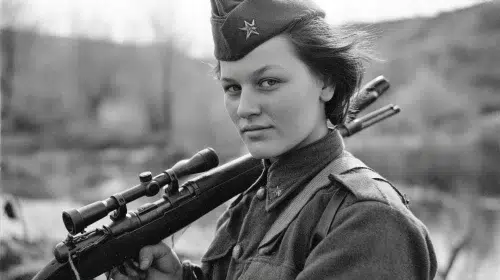
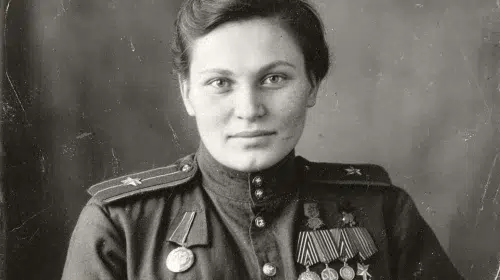
Lyudmila Pavlichenko was one of the most decorated female soldiers of WWII.
She received the following medals:
- Hero of the Soviet Union (1943)
- Two Orders of Lenin (1942 and 1943)
- Two medal for Military Merit (1942 and 1952)
- Medal for the Defence of Odessa (1942)
- Medal for the Defence of Sevastopol (1942)
- Medal for Victory over Germany (1945)
- Voroshilov Sharpshooter Badge (1939)
Other Notable Women in WWII
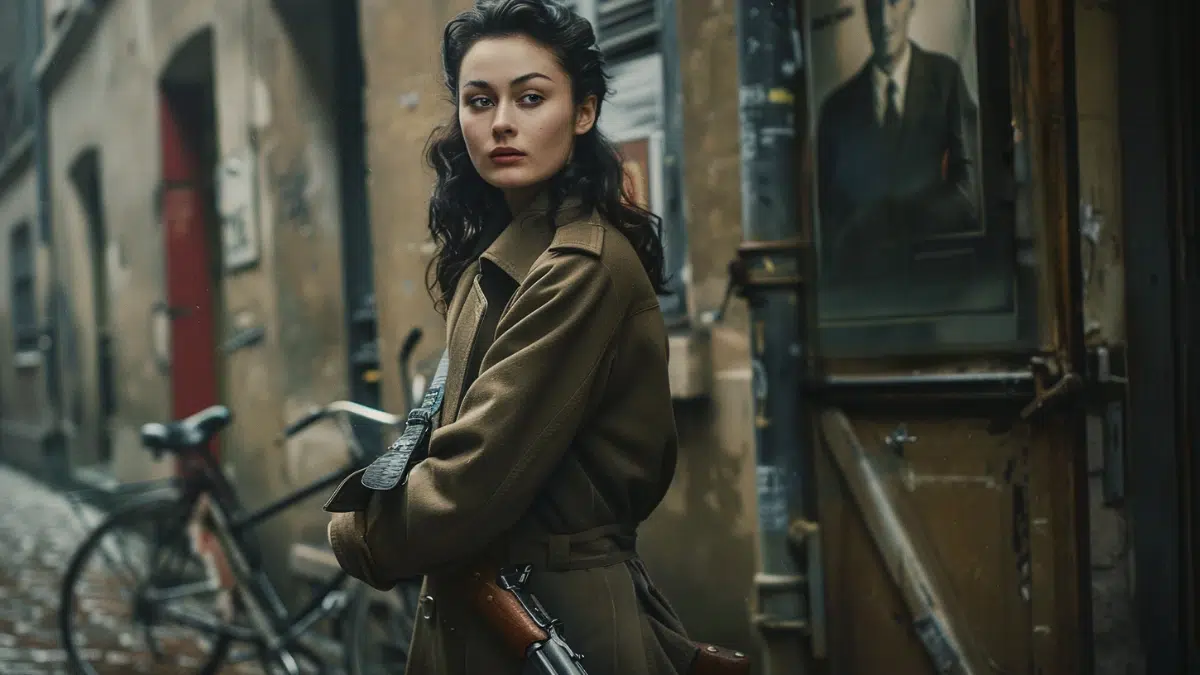
All these women stepped onto the battlefield when few expected them to. They faced violence, loss, and societal judgment. Like Lyudmila, they made their mark not just by surviving war but by shaping how history remembers courage.
1. Nancy Wake (New Zealand/Australia)
A fierce resistance fighter during WWII, Wake worked as a British Special Operations Executive (SOE) agent.
She parachuted into occupied France, sabotaged German operations, and killed a man with her bare hands during a mission.
2. Roza Shanina (Soviet Union)
Another legendary Soviet sniper, Roza recorded 59 confirmed kills during WWII.
Like Lyudmila, she served on the front lines and gained fame for her precision. She died in combat at just 20 years old, becoming a symbol of youth and sacrifice.
3. Noor Inayat Khan (India/UK)
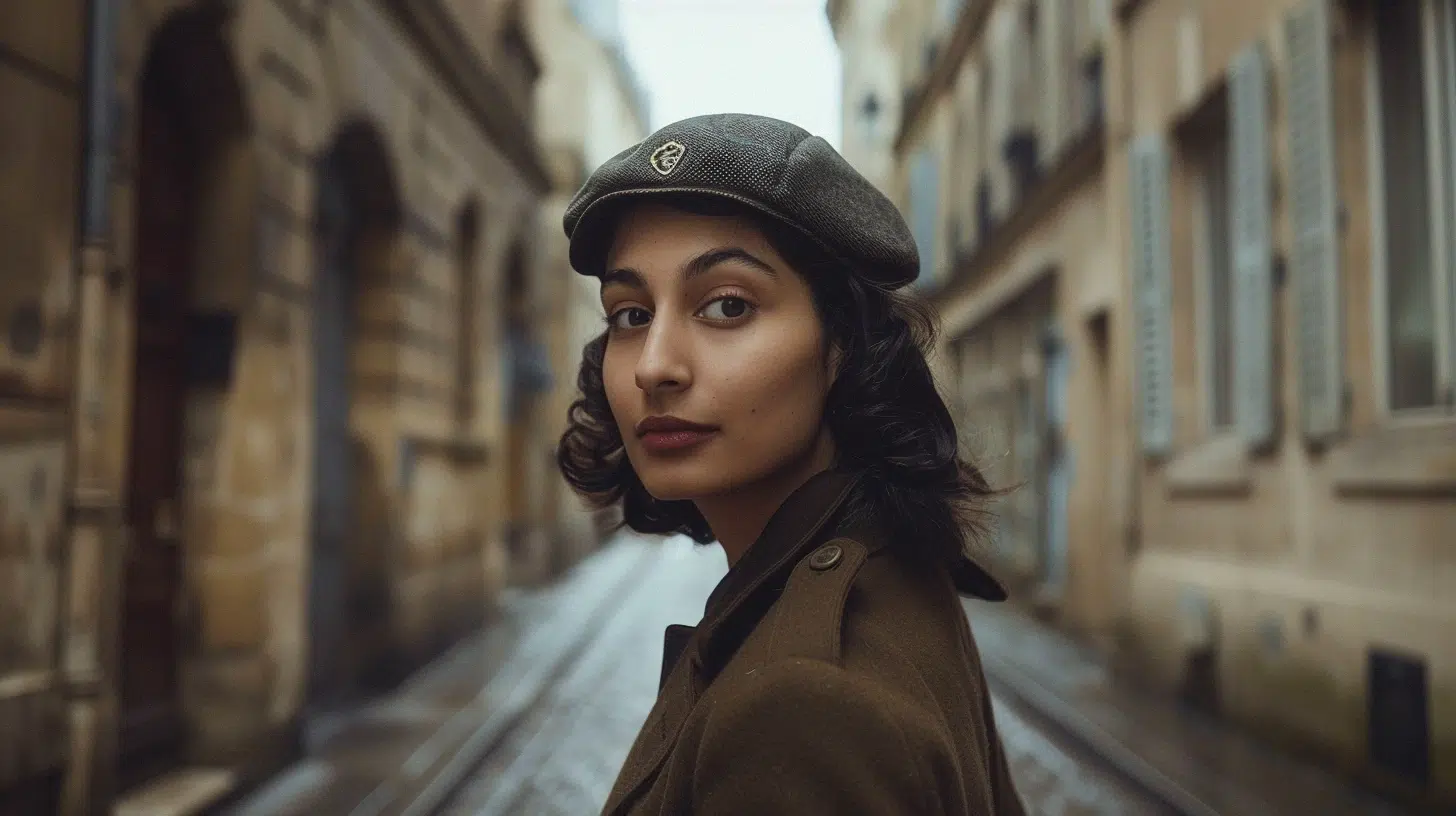
A descendant of Indian royalty and a British SOE agent, Noor served as a wireless operator behind enemy lines in Nazi-occupied France.
She resisted interrogation after capture and never gave up her comrades, even under torture.
4. Tomoe Gozen (Japan)
A 12th-century female samurai, Tomoe fought alongside her lord in the Genpei War.
Her skills in archery and swordsmanship were legendary. She is remembered for her honour, bravery, and tragic love story.
5. Rani Lakshmi Bai (India)
A queen turned warrior during the 1857 Indian Rebellion, she led troops into battle against British colonial forces.
She died in combat, and her legacy lives on as a symbol of resistance and pride in India.
Conclusion: The Legacy of Lyudmila Pavlichenko
Lyudmila Pavlichenko’s legacy is more than her 309 confirmed kills.
It’s the story of a woman who broke every stereotype and stood as a symbol of strength in the face of war. She was not only a soldier but a strategist, a patriot, and a global voice for justice during a time of chaos.
Her name lives alongside other legendary women who defied expectations, fought fiercely, and never backed down. Their stories show that courage has no gender—and that history remembers those who rise, aim true, and leave a mark.