
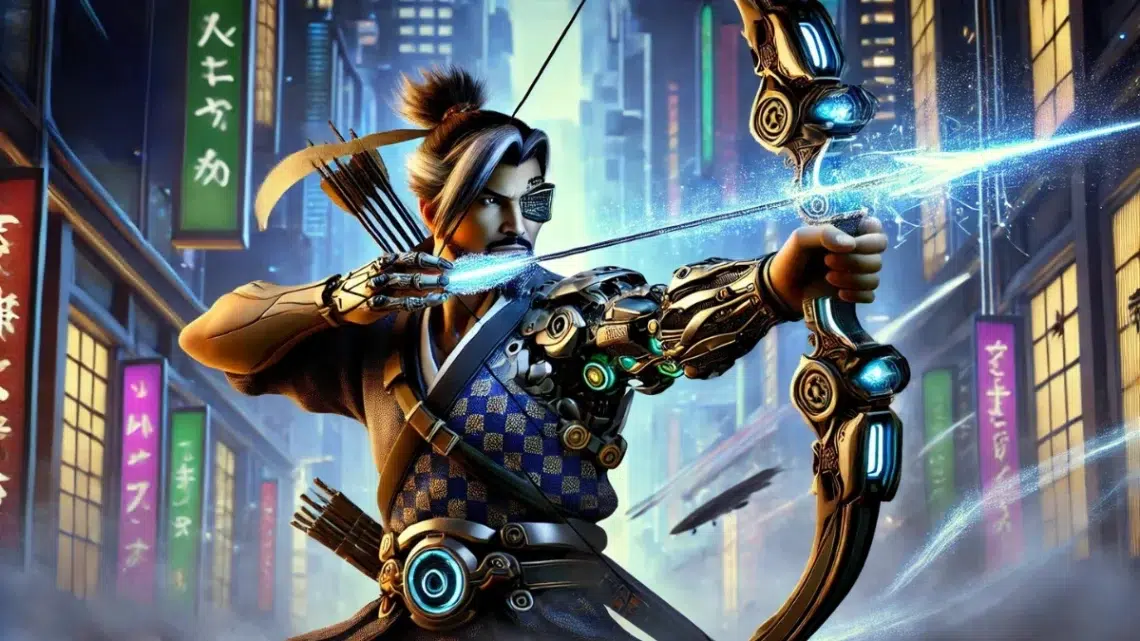
10 Popular Types of Bows Used in Archery
Archery has been an important skill for thousands of years with different types of bows being invented to fit the needs of various cultures and situations.
Each bow has a unique design, offering advantages in power, range, and precision. From ancient weapons like the longbow and recurve bow to modern designs like the compound bow, archery has always been a mix of skill and innovation.
The most popular bows have been historically used for hunting and warfare. However archery has been an important part of storytelling, including in mythology and literature. Recently archery has been popularized in gaming and blockbuster movies.
1. Longbow
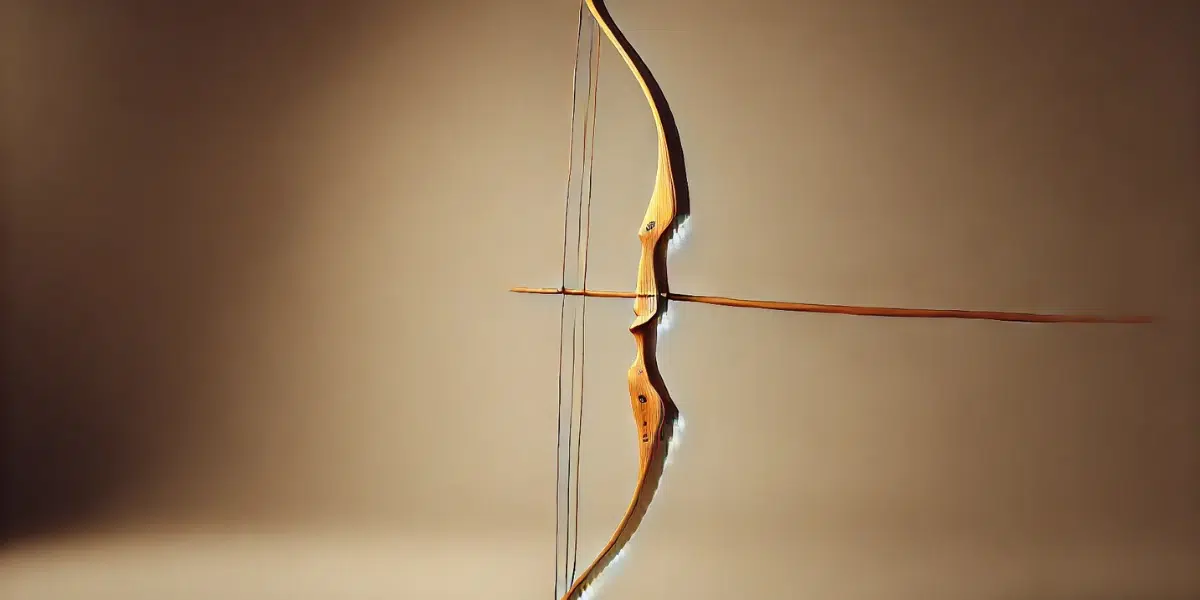
- Era: Medieval Europe
- Used by: Famously used by English archers in the Hundred Years’ War
- Description of bow: Known for its simplicity and power, the longbow is a tall, D-shaped bow made from a single piece of wood, such as yew
Popular Types of Bows – Longbow

The longbow played a big role in English history. At the Battle of Agincourt in 1415, skilled longbowmen helped the English army win against a larger French force. Their longbows could shoot arrows very far, giving the English an advantage. This battle showed how powerful longbows could change a fight.
The longbow became a sign of English strength and pride. It showed the world that a small group of skilled archers could make a big difference. People respected the longbow as more than just a weapon. It became a part of England’s history and identity, reminding everyone of the courage and skill of those who used it.
Famous Users of the Longbow

Edward III of England (14th century King)
- 14th-century English king who ruled 1327-1377 and made the longbow a dominant war weapon
- Led England in the Hundred Years’ War (1337-1453) notably at Crécy (1346)
- His armies’ longbowmen helped defeat heavily armoured French knights
Mad Jack Churchill (1906–1996, WWII soldier)
- British soldier known for carrying a longbow and a broadsword into battle
- Made a confirmed kill with a longbow in WWII, possibly the last in warfare
- Famous for saying: “Any officer who goes into action without his sword is improperly dressed.”
- His story shows how the longbow inspires courage, even in modern times
Robin Hood (English Folklore, ~12th–13th century England)
- Mythical English outlaw skilled with the longbow
- Said to have robbed from the rich to give to the poor
- Stories depict him outshooting opponents with unmatched precision
2. Recurve Bow
- Era: Ancient to Modern Times
- Used by: this bow was used by many ancient cultures, including the Mongols and Greeks. It’s a favourite in modern Olympic archery.
- Description: Recognizable by its curved tips, which increase power and efficiency
Popular Types of Bows – Recurve Bow
The recurve bow is a powerful and versatile weapon with a rich history. Mongol warriors used recurve bows to great effect, combining precision with speed. These bows, compact and strong, worked perfectly on horseback, helping the Mongols build their vast empire.
From myth to gaming, the recurve bow symbolizes strength, precision, and bravery, inspiring both ancient heroes and modern players.
Today, the recurve bow is popular in competitive archery, including the Olympics. Its curved design stores more energy, making it highly efficient and accurate.
The modern recurve bow
The modern recurve bow combines traditional design with advanced materials like carbon fibre and aluminium, making it highly efficient and accurate. Olympic archery events focus on precision, where archers shoot at targets from a distance of 70 metres.
The recurve bow’s inclusion in the Olympics highlights its significance in competitive archery and its balance of tradition and innovation. Archers like Brady Ellison (USA) and Kim Woo-jin (South Korea) are famous for their mastery of the recurve bow in Olympic events.
Famous Users of the Recurve Bow
Odysseus (Greek mythology) uses his special bow to prove his identity in The Odyssey. His bow, likely a recurve design, shows his strength and skill, setting him apart as a hero.
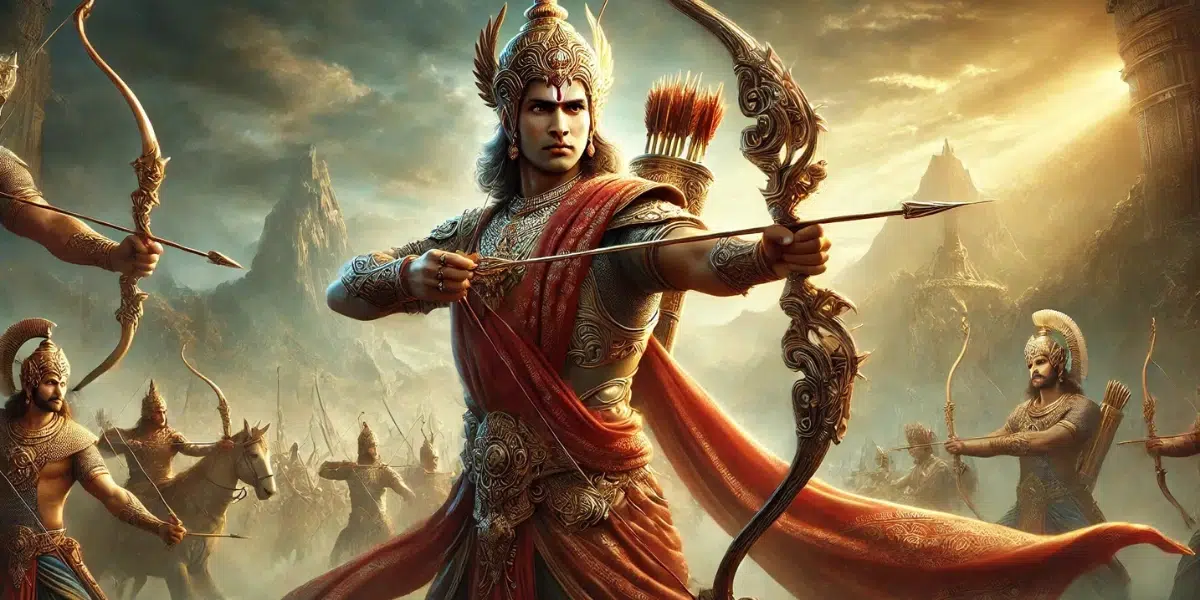
Arjuna (Indian mythology) wields divine recurve bows gifted by the gods in the Mahabharata. These powerful weapons help him win battles and follow his duty as a great warrior.
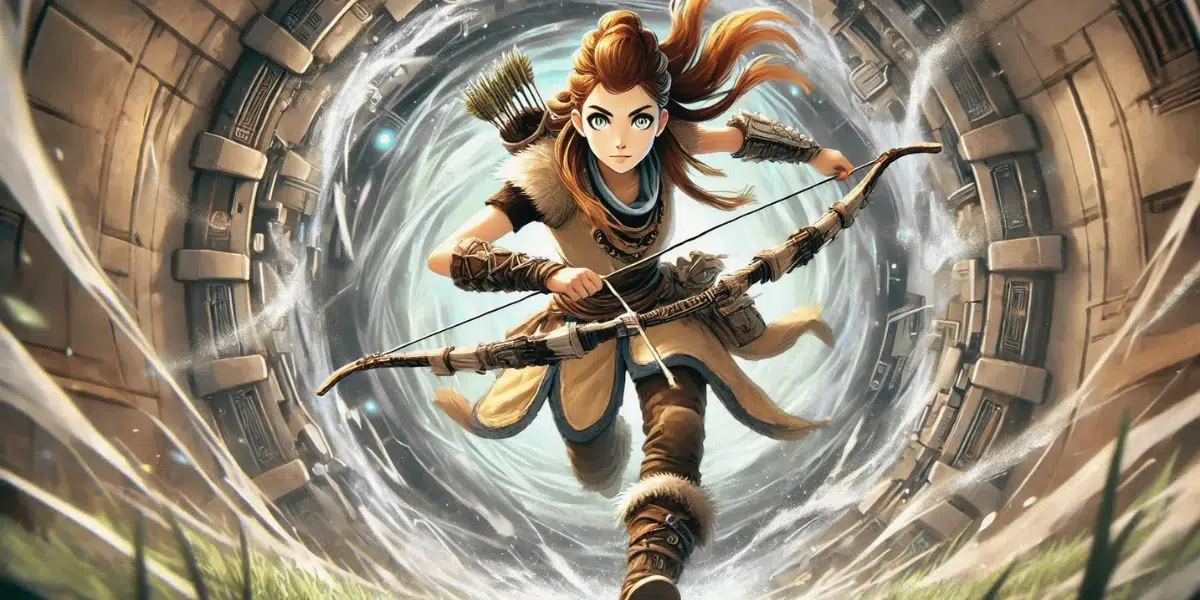
Aloy (Horizon Zero Dawn and Genshin Impact) uses advanced recurve-style bows to hunt robotic creatures. Her bows combine technology with ancient design, showing how effective and versatile the recurve bow can be.
3. Compound Bow
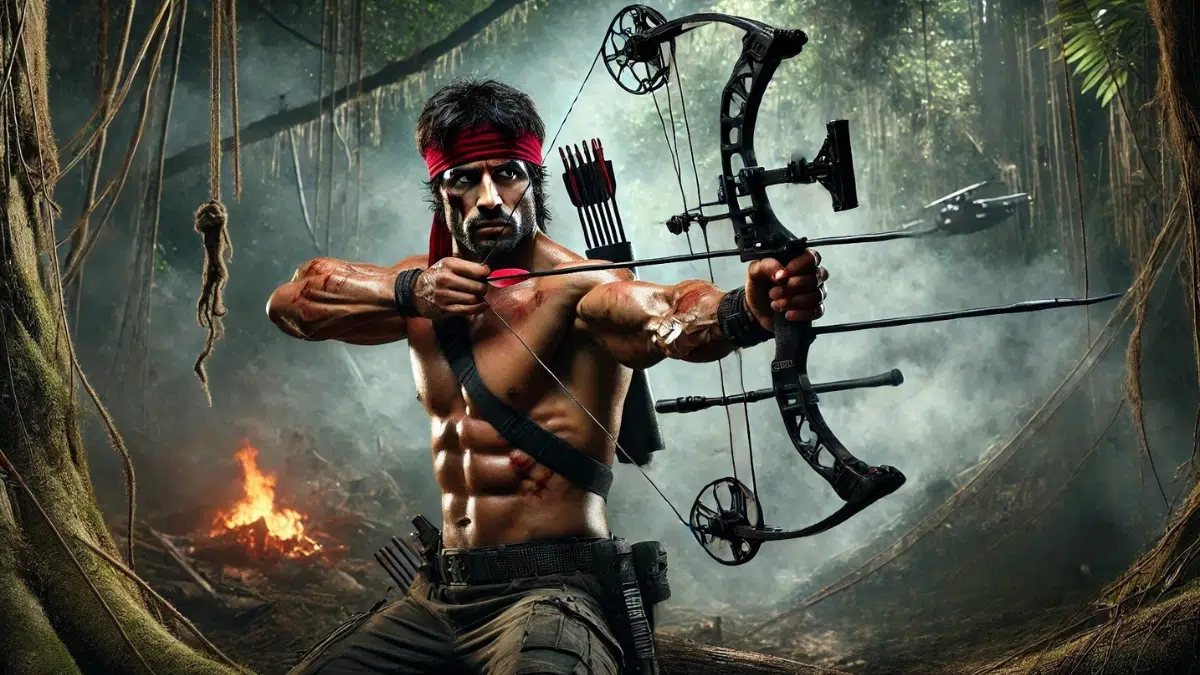
- Era: Modern Times
- Used by: It’s widely used in hunting and competitive archery for its precision and ease of use
- Description: Invented in the 1960s, the compound bow features a system of pulleys and cables, providing mechanical advantage.
Popular Types of Bows – Compound Bow
The compound bow is a popular tool for modern hunting and sport archery. Its design makes it powerful and precise, helping archers hit their targets more easily. Many hunters and athletes choose the compound bow because it works well in both competitions and outdoor adventures.
What makes the compound bow special is its mechanical innovation. It uses pulleys and cables to reduce the strength needed to hold a drawn bowstring. This means archers can aim longer without getting tired. The compound bow combines modern technology with traditional archery, making it easier to use and more accurate.
The compound bow revolutionizes archery by bringing in technology that helps both beginners and experienced archers succeed.
Famous Users of the Compound Bow
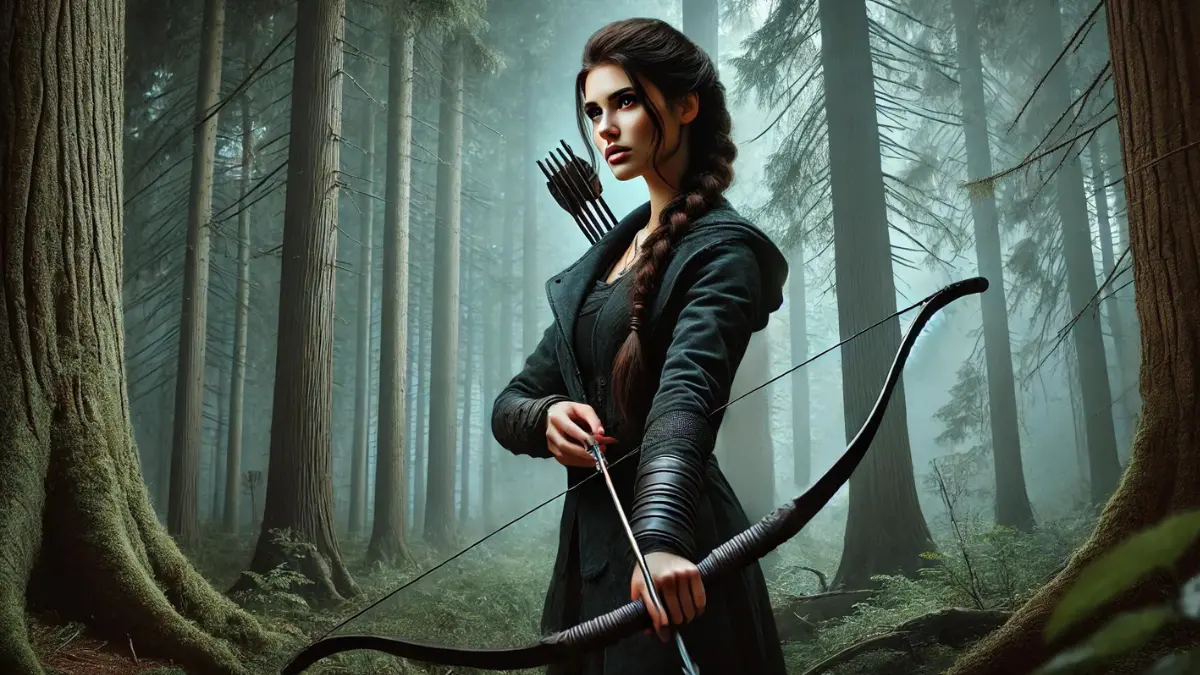
Lara Croft (Tomb Raider) uses a compound bow for both combat and solving puzzles. Her bow shows how this modern design helps in tricky situations.
Katniss Everdeen (The Hunger Games) makes the compound bow famous in dystopian fiction. She uses it to protect herself and fight for survival, inspiring others with her courage and skill.
Rambo (Rambo movies series) relies on his compound bow during guerrilla warfare. It shows his resourcefulness, proving the bow’s versatility in action-packed battles.
4. Flatbow
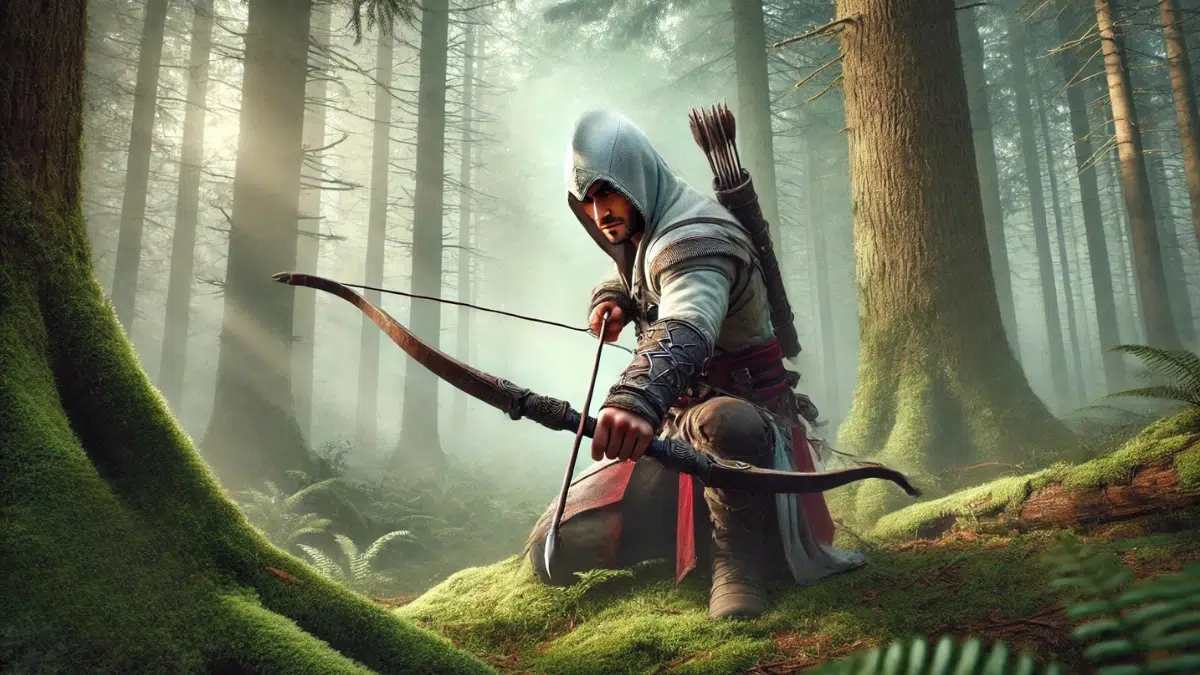
- Era: Prehistoric to Modern Times
- Used by: Origins in Native American cultures
- Description: Characterized by its wide, flat limbs, the flatbow has origins in Native American cultures and is similar in design to the longbow, though it is often shorter and broader.
Popular Types of Bows – Flatbow
The flatbow is a simple yet powerful tool, often used by Native American tribes for hunting and defense. Its wide, flat design makes it strong and versatile, perfect for many tasks. Tribes used it to hunt animals and protect their communities, showing its importance in daily life.
Today, the flatbow influences modern recreational archery. Its straightforward design inspires many bowmakers and archers who enjoy traditional-style equipment. The flatbow shows how something simple can be effective and lasting, connecting the past with the present. It remains a symbol of survival, ingenuity, and tradition in archery.
Famous Users of the Flatbow

Lakota (Native American hunters) relied on flatbows for hunting animals and self-defense. These bows were simple but strong, made from materials like wood, and were important tools for daily life.
Otzi the Iceman (prehistoric figure) found preserved in ice, carried a partially finished flatbow. His belongings show how early humans crafted tools to survive in harsh environments.
Connor Kenway (Assassin’s Creed III) a Mohawk-British hero uses a flatbow to honour his heritage. His skill with the bow connects him to his culture and traditions.
5. Mongol Bow
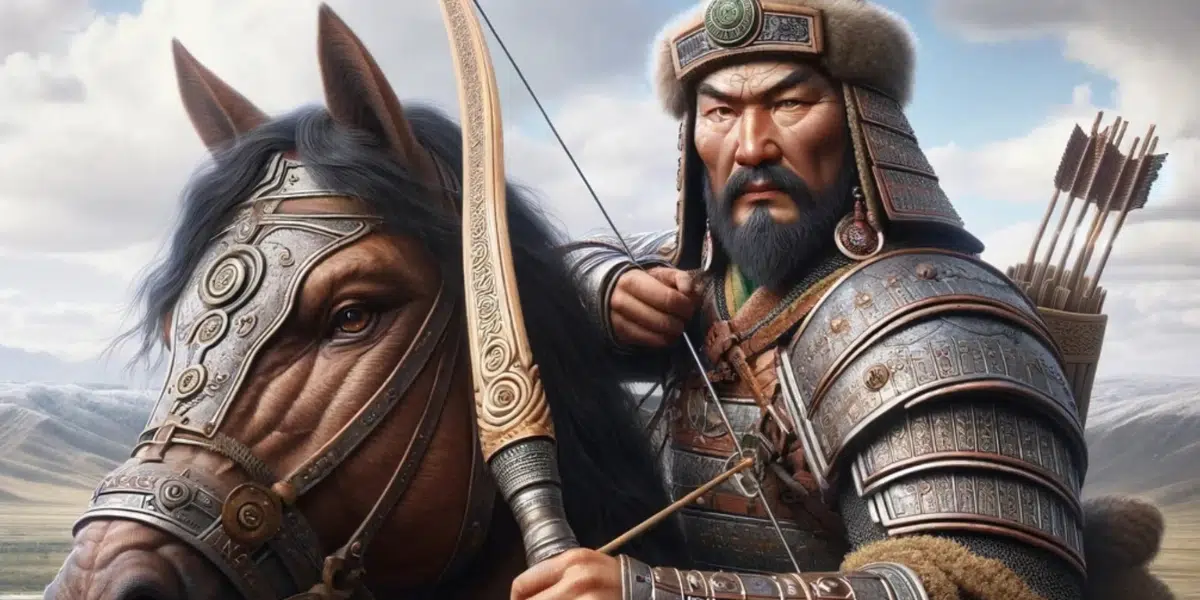
- Era: 12th–14th Century
- Used by: The Mongol bow played a key role in the vast Mongol Empire’s military dominance
- Description: A type of composite bow, it’s compact and powerful, crafted from wood, horn, and sinew
Popular Types of Bows – Mongol Bow
The Mongol bow played a big role in the success of the Mongol Empire helping Genghis Khan’s warriors conquer vast territories. Its small size and great strength made it perfect for horseback archery. Warriors could move quickly and shoot arrows with incredible accuracy, giving them a big advantage in battles.
The Mongol bow symbolizes power, innovation, and strategy, showing how important archery was in building one of the largest empires in history.
Legends describe Mongol warriors as almost unbeatable, thanks to their skill with the Mongol bow. These bows had a longer range and more power than many other weapons of the time. This combination of skill and technology made the Mongol armies feared and respected.
The Mongol bow reshaped military tactics by showing how mounted archery could dominate battlefields. Its design and effectiveness inspired later innovations in archery.
Famous Users of the Mongol Bow
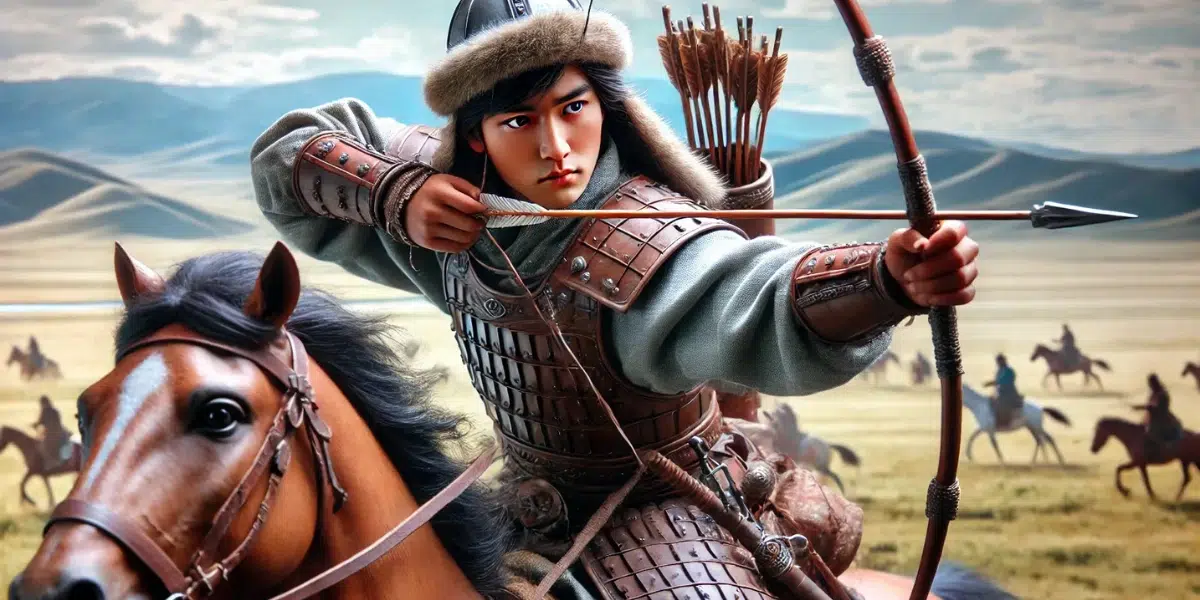
Genghis Khan (Mongolian Legend) united the Mongol tribes and used armies of skilled archers with Mongol bows. These bows, small and powerful, worked perfectly for shooting while riding horses. This helped the Mongols win battles quickly and efficiently.
Kublai Khan (Genghis Khan’s grandson) expanded the Mongol Empire even further. His armies, trained in mounted archery, used the same Mongol bows to conquer new lands and protect the empire.
Subutai (one of Genghis Khan’s greatest generals), was a brilliant strategist who used Mongol bows in his military plans. His leadership helped the Mongols defeat larger armies with speed and precision.
6. Japanese Yumi
- Era: Feudal Japan
- Used By: Japanese warriors
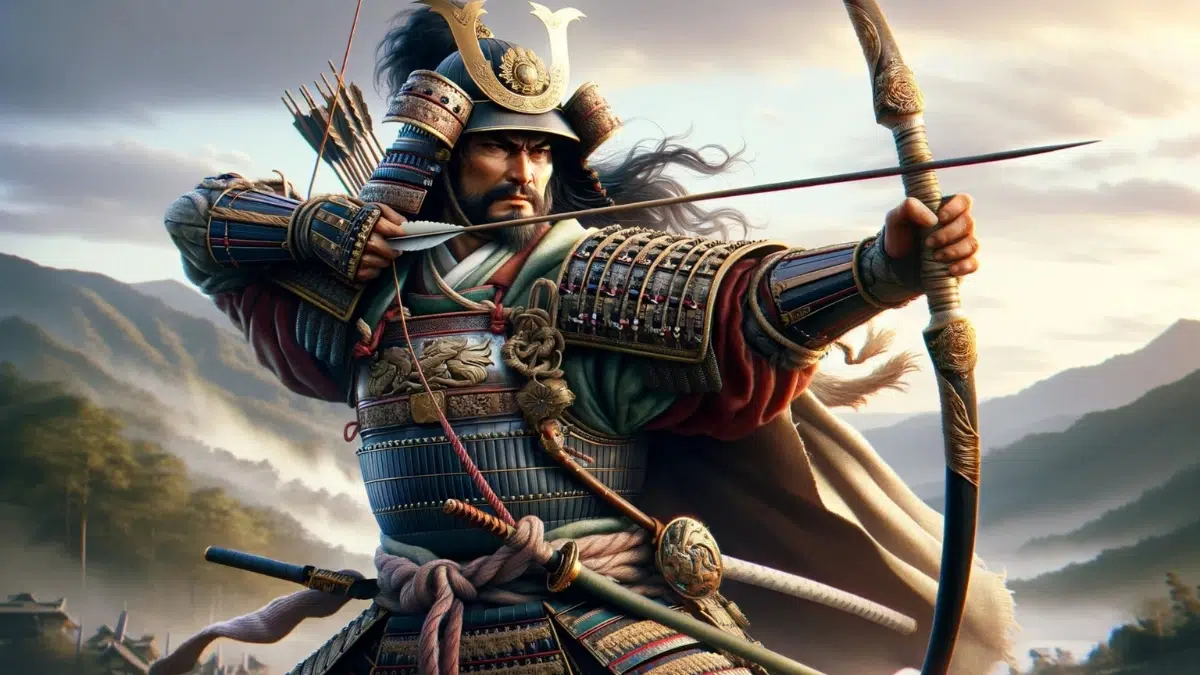
- Description: The Yumi is an asymmetrical bow used by samurai for kyudo (the way of the bow) and warfare. Its long design allows shooting from horseback or on foot.
Popular Types of Bows – Japanese Yumi
The Yumi, a traditional Japanese bow, appears in myths, history, and games. The Yumi is used in kyudo, the art of archery, and by samurai. Samurai relied on the Yumi for warfare, showing skill and discipline in battle. It also played a role in ceremonial practices, symbolizing honour and tradition.
The Yumi is known for its long, elegant design and precise accuracy. It represents Japanese culture’s focus on precision, balance, and dedication. Even today, kyudo practitioners use the Yumi to connect with these values. The Yumi is more than a weapon—it is a symbol of respect, skill, and Japan’s rich traditions.
From samurai legends to modern gaming, the Yumi represents strength, skill, and focus. It remains a symbol of Japan’s rich history and the importance of mastering one’s craft.
Famous Users of Japanese Yumi
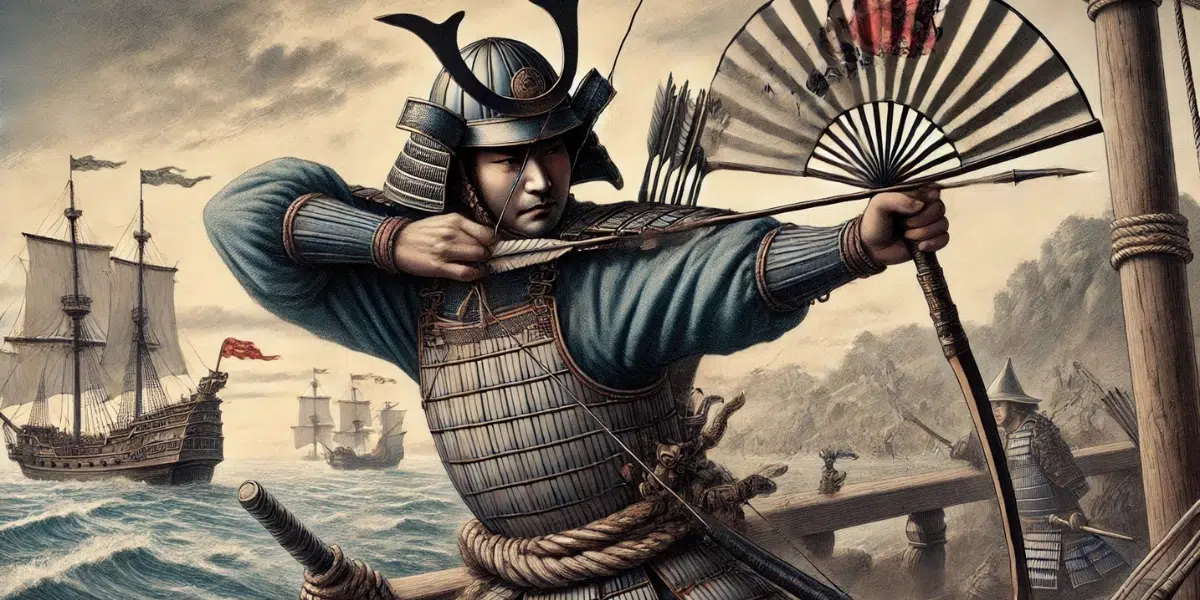
Nasu no Yoichi (12th century samurai)
- Known for a legendary feat during the Genpei War
- His story is one of the most famous Yumi archery legends in Japan
- Shot a fan off a ship’s mast with a single arrow, demonstrating extreme precision
Minamoto no Tametomo (12th century samurai archer)
- Minamoto no Tametomo was from the 12th century (c. 1139–1170) during the late Heian period
- Famous as a legendary samurai archer, known for his exceptional strength and mastery of the Yumi
- The story about sinking a ship with a single arrow is part of folklore, highlighting his exceptional skill
Heki Danjō Masatsugu (15th–16th century Yumi archer)
- A master yumi archer who refined battlefield archery techniques
- Founder of the Heki-ryu Archery School, a famous Kyūdō style still practiced today
- Focused on precision and battlefield archery, influencing generations of samurai warriors
Tomoe Gozen (famous female samurai)
- A famous female samurai (onna-musha) during the Genpei War (1180–1185) between the Minamoto and Taira clans
- As a warrior in the late Heian period, she likely used it in battle, along with swords and polearms
- She is described as a skilled warrior who fought in battles, possibly using the Yumi along with a tachi (sword) and naginata (polearm)
Emperor Jimmu (Mythological) – First Emperor of Japan
- According to legend, Emperor Jimmu carried a golden Yumi and led the conquest of Japan
- He’s a semi-mythological figure, blending history with legend
Hanzo Shimada (Fictional – Overwatch)
- Hanzo’s bow is inspired by the Yumi, but it is not a real historical reference
- He uses it with precision to defeat enemies, combining tradition with advanced technology
7. Crossbow

- Era: Ancient China to Medieval Europe
- Description: A mechanically-loaded bow that uses a trigger to release the string. Crossbows were revolutionary for their ease of use, allowing soldiers with minimal training to achieve accuracy.
- Famous Use: The Chinese first developed the crossbow around the 6th century BCE, later adopted in Europe during the Crusades.
Popular Types of Bows – Crossbow
The crossbow is an important weapon in history and legend. It is often linked to Zhuge Liang, a Chinese strategist who reportedly designed the repeating crossbow. This invention helped armies shoot quickly and efficiently during battles.
The crossbow changed warfare by making archery easier for soldiers with little training. Its design allowed anyone to shoot arrows with deadly accuracy. This gave smaller armies a better chance to compete against larger forces.
From ancient China to modern TV, the crossbow represents innovation, courage, and adaptability, showing its importance in history and storytelling.
Famous Users of the Crossbow
Zhuge Liang (Chinese strategist) is credited with designing the repeating crossbow, a weapon that could fire multiple bolts quickly. This invention helped armies defend against larger forces with speed and efficiency.
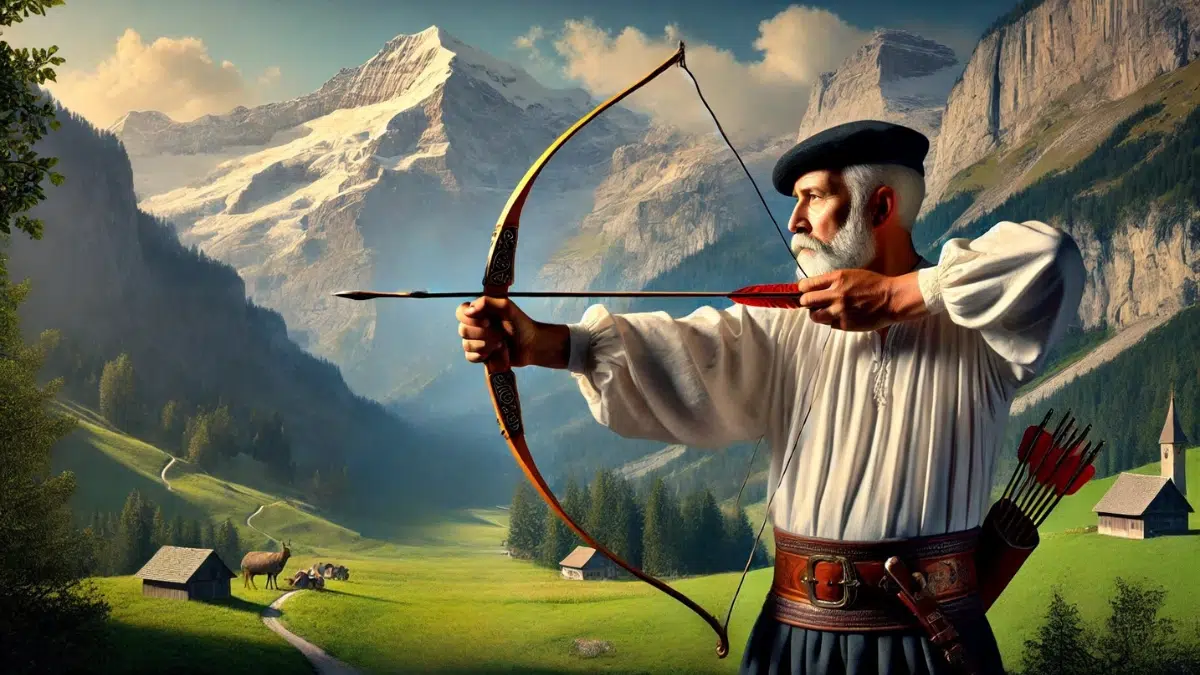
William Tell (Swiss legend) uses a crossbow to perform a dangerous feat. He shoots an apple off his son’s head, showing incredible skill and bravery. His story symbolizes standing up to unfair rulers.
Richard I of England (12th Century – Third Crusade) also known as Richard the Lionheart, he used crossbows in his campaigns during the Crusades, showcasing their importance in medieval warfare.
Daryl Dixon (The Walking Dead TV series) relies on his iconic crossbow to fight zombies. His weapon is quiet, accurate, and perfect for survival, making it a key part of his character.
8. Composite Bow
- Era: Ancient to Medieval Times
- Used by: It was widely used by the Egyptians, Persians, and Scythians
- Description: Made from layers of wood, horn, and sinew, the composite bow offered superior strength and flexibility.
Popular Types of Bows – Composite Bow
The composite bow was a powerful weapon used by Egyptians, Persians, and Scythians for its long range and strong impact. Its unique design, made from wood, horn, and sinew, allowed archers to shoot farther and with more force.
The composite bow influenced bow-making worldwide, inspiring better designs and techniques. Its combination of strength and precision made it a key innovation in history, shaping how people used archery across continents.
Famous Users of the Composite Bow
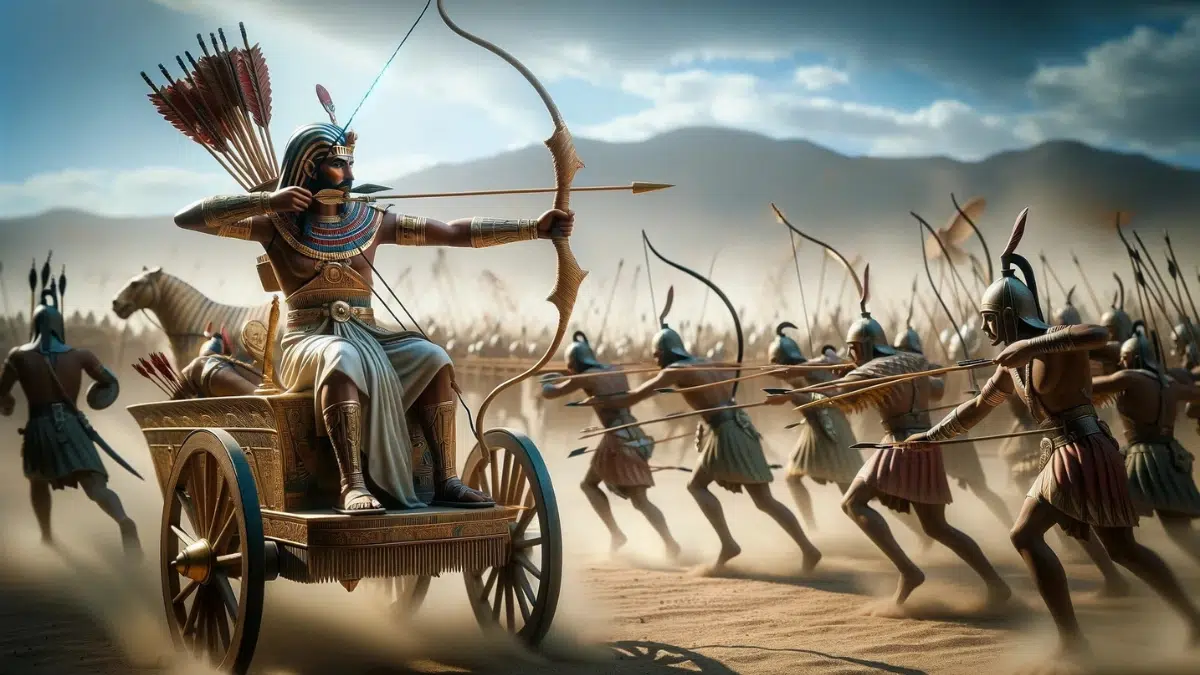
Ramses II (famous Egyptian pharaoh) used composite bows in battle. These bows, made from materials like wood, horn, and sinew, gave his armies a strong advantage with their range and power.
Mithra (The Persian god) is sometimes shown with a composite bow, symbolizing fairness and divine justice. This connection highlights the bow’s importance beyond battle.
Cyrus the Great (Persian ruler) equipped his soldiers with composite bows. His armies became stronger because these bows could shoot farther than regular ones, helping Persia grow into a great empire.
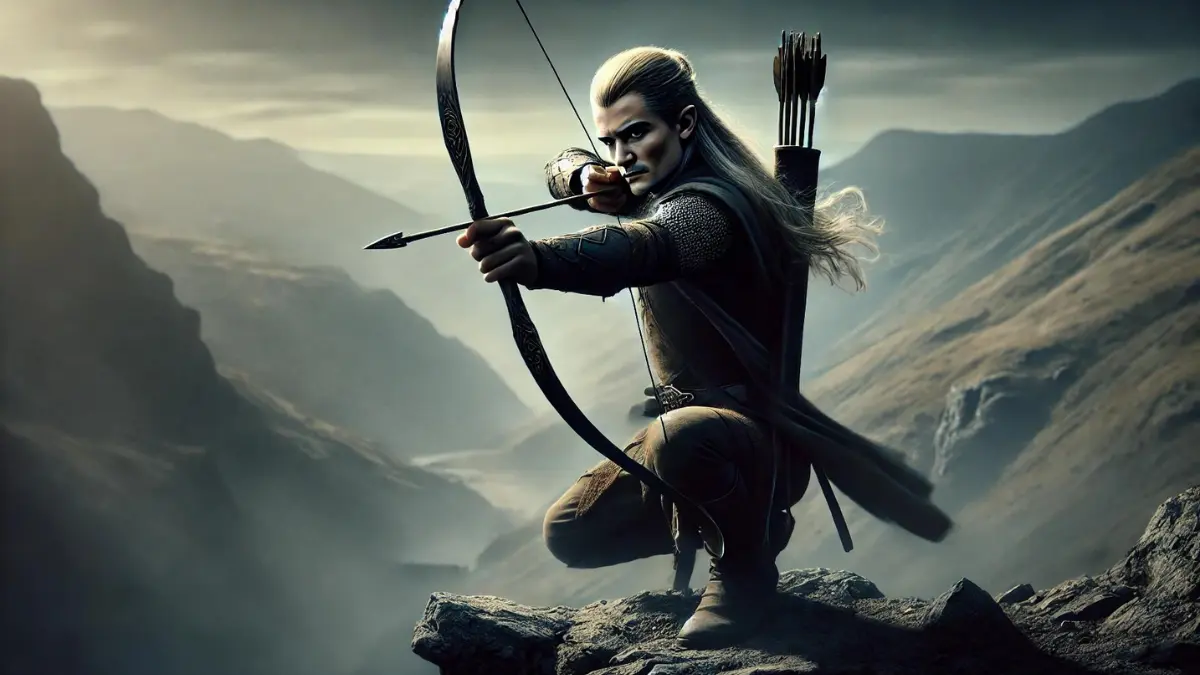
Legolas (The Lord of the Rings – Fiction) uses a bow inspired by the composite design. His bow combines beauty and functionality, showing how artistry can enhance a weapon’s effectiveness.
9. Reflex Bow

- Era: Ancient Times
- Used by: It was favoured by nomadic people for its portability and power
- Description: Similar to the recurve bow, the reflex bow’s limbs curve entirely away from the archer, maximizing energy storage.
Popular Types of Bows – Reflex Bow
The reflex bow was popular among nomadic people like the Huns and Scythians. The reflex bow is a small, powerful weapon that appears in history, legend, and gaming. Its small size and powerful design made it perfect for horseback archery. Warriors could move quickly and shoot with deadly accuracy, giving them an advantage in battles.
The reflex bow became a favourite for mounted fighters because of its portability and strength. It changed the way battles were fought, showing how the right tools can make a big difference.
Famous Users of the Reflex Bow
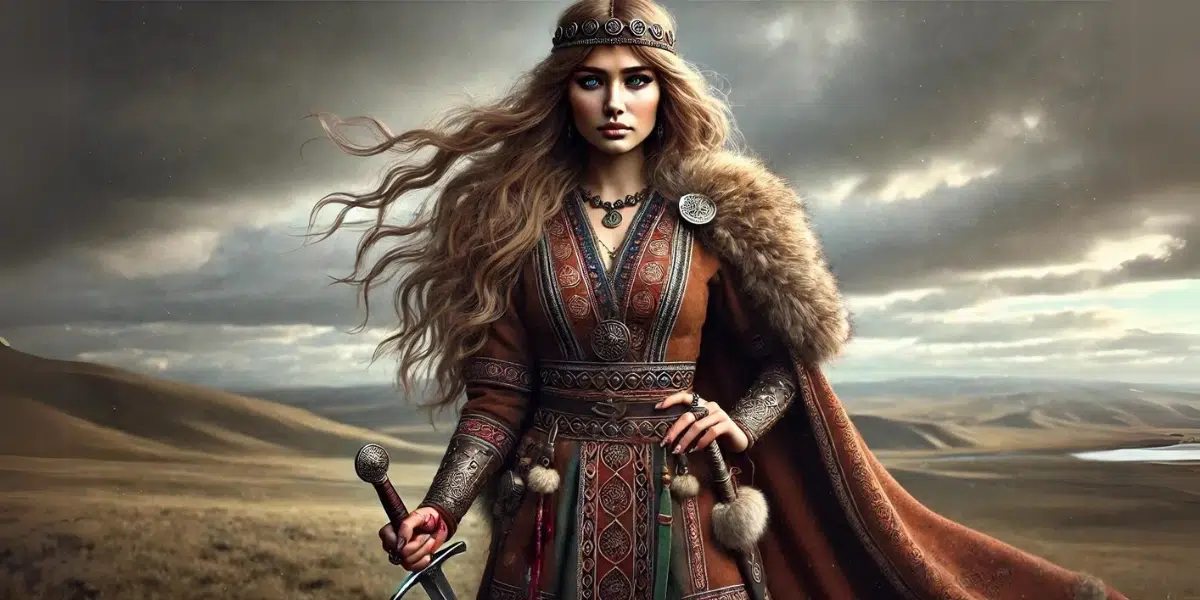
Attila the Hun (fierce leader) used reflex bows with his mounted archers to conquer vast territories. These bows, easy to handle on horseback, made his armies fast and effective in battle.
Scythian Archers (Historical/Mythological) were known for their skill in mounted archery, Scythians relied on reflex bows for their mobility and efficiency in battle. Tomyris was a Scythian queen who defeated Cyrus the Great of Persia in battle.
Venti (Genshin Impact) uses Anemo-powered arrows with a reflex-style bow. His weapon combines portability and versatility, making it perfect for his swift and precise attacks.
10. Turkish Bow
- Era: Ottoman Empire
- Used by: It is a key weapon for Ottoman warriors
- Description: A short, highly-reflexed composite bow, it was used primarily for mounted archery. Its range and precision were unmatched.
Popular Types of Bows – Turkish Bow
The Turkish bow was a key weapon in Ottoman military success. Its compact size and powerful design made it perfect for both siege warfare and mounted combat. Ottoman archers could shoot with amazing precision, giving them an edge in battles.
The Turkish bow is famous for its incredible range and accuracy. Even today, competitive archers admire and use this design for its efficiency and beauty. Its influence goes beyond history, showing how advanced technology in archery can make a lasting impact.
The Turkish bow represents skill, innovation, and tradition, making it a symbol of excellence in archery.
Famous Users of the Turkish Bow

Sultan Mehmed II used Turkish bows during his conquest of Constantinople. These bows, known for their strong pull and long range, helped his armies achieve victory.
Tozkoparan Iskender (legendary Turkish archer) earned the name “arrow splitter” because of his incredible accuracy. His story shows the bow’s precision and importance in Turkish culture.
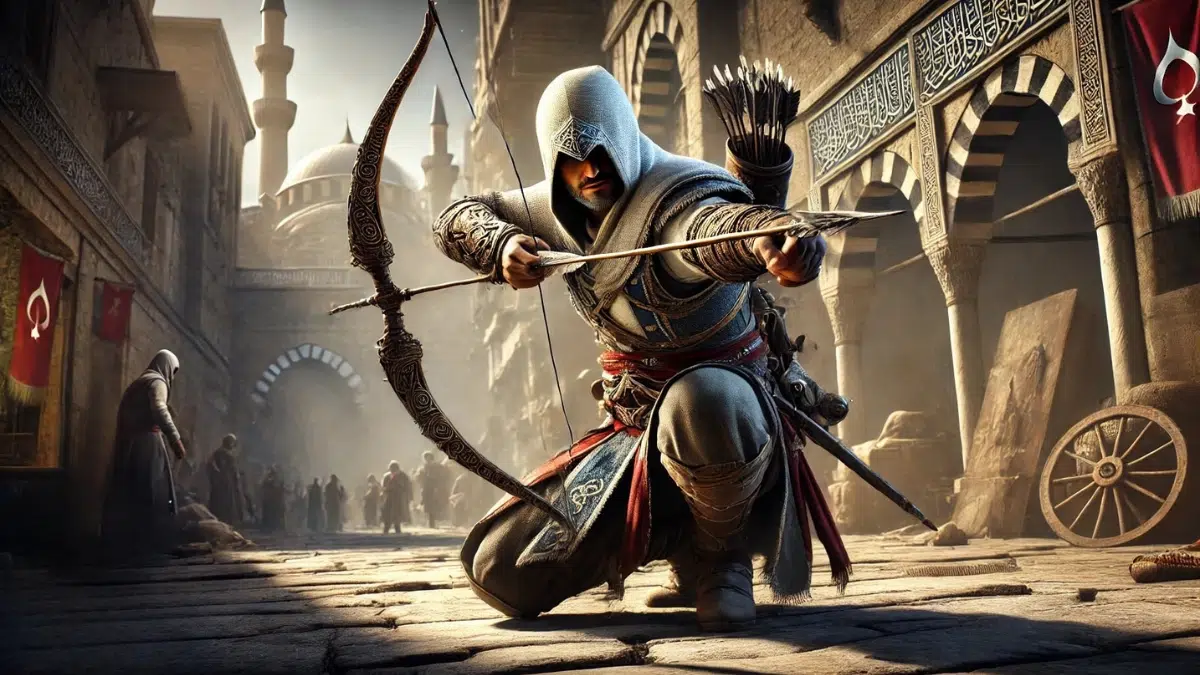
Ezio Auditore (Assassin’s Creed Revelations) uses Ottoman-style bows in his missions. These bows combine beauty and functionality, helping him complete his tasks with stealth and skill.
Conclusion
Each type of bow shows how people adapt to different needs, whether for hunting, war, or sport. These bows, like the longbow, recurve bow, and compound bow, all share one thing—they need skill and focus to use well.
Archery connects us to history and shows how creativity can make tools better over time. Whether you enjoy archery for fun, competition, or learning about the past, each bow tells an important story.