Native American Mythology and Archery
Native American mythology is a rich tapestry of stories, beliefs, and teachings. It reflects the diverse cultures and traditions of the many indigenous peoples of North America.
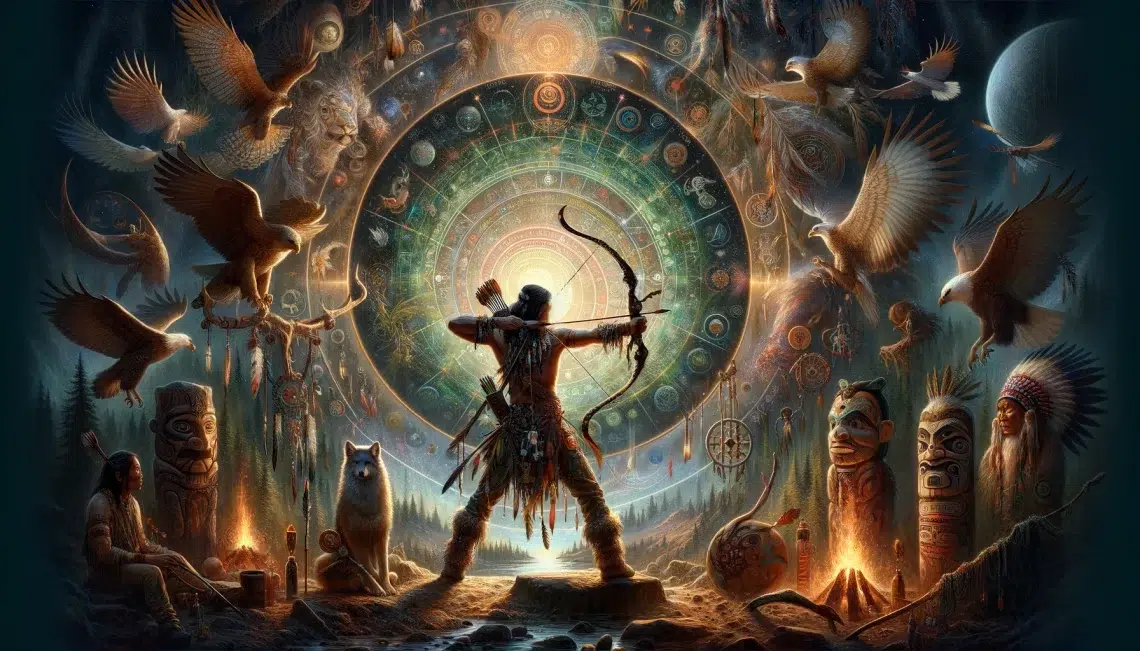
Among these tales are the legends of masterful archers, characters of skill and courage. Archery was not only vital for hunting and protection but also held a significant place in the mythological narratives.
These archers are often depicted with supernatural abilities, embodying important cultural values and lessons. Their stories, passed down through generations, continue to inspire and hold cultural significance.
Learn more about mythology: Legendary Archery Mythology
Native American mythology includes many different mythologies from various Indigenous groups across North America. Each group has its own unique stories, beliefs, and traditions. These mythologies often reflect the environment, culture, and history of each group.
Plains People
| Plains People of North America | |
|---|---|
| Blackfoot | Cheyenne |
| Comanche | Crow |
| Lakota | Sioux |
The Plains people, like the Lakota and Cheyenne, focus on nature and animals in their myths. The bison is a central figure, symbolizing life and sustenance. Trickster figure like Iktomi appear in many stories, often causing chaos but teaching lessons. The Great Spirit, known as Wakan Tanka, represents a supreme power.
White Buffalo Calf Woman
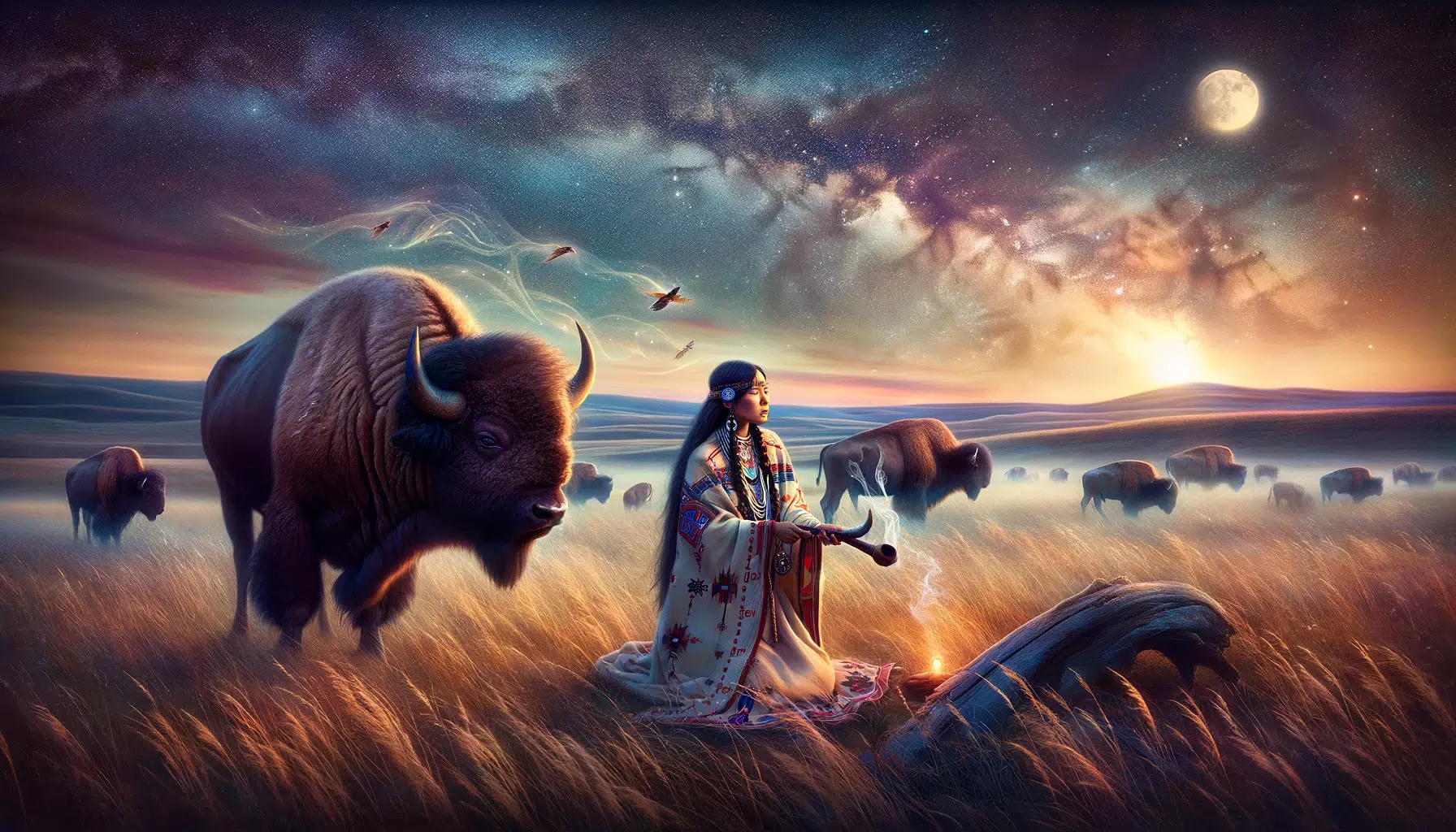
Among the Lakota, the legend of White Buffalo Calf Woman brings the bow into a sacred light, emphasizing its role in hunting and ceremony.
She is a sacred figure in Lakota mythology who brought the people the sacred pipe and taught them important spiritual rituals. She is a symbol of peace and the connection between the physical and spiritual worlds.
The White Buffalo Calf Woman legend symbolizes hope, renewal, and guidance. She emerged during scarcity, radiating purity and calmness.
While more famously associated with the sacred pipe, her story embodies the spiritual guidance crucial to the survival and prosperity of the people, akin to the protection and provision roles of archers.
Iktomi
Iktomi is a trickster figure in Lakota mythology. He often appears as a spider or a man with spider-like features. Iktomi is known for his clever and mischievous nature. He loves playing tricks on both humans and other spirits. While his tricks can sometimes cause trouble, they often teach important lessons.
Iktomi’s stories help explain why things are the way they are in the world. For example, he might explain why certain animals behave a certain way or why humans have certain customs. Even though Iktomi’s actions can be foolish or selfish, they often contain a moral lesson. He reminds us to be cautious, clever, and aware of our actions’ consequences.
Wakan Tanka
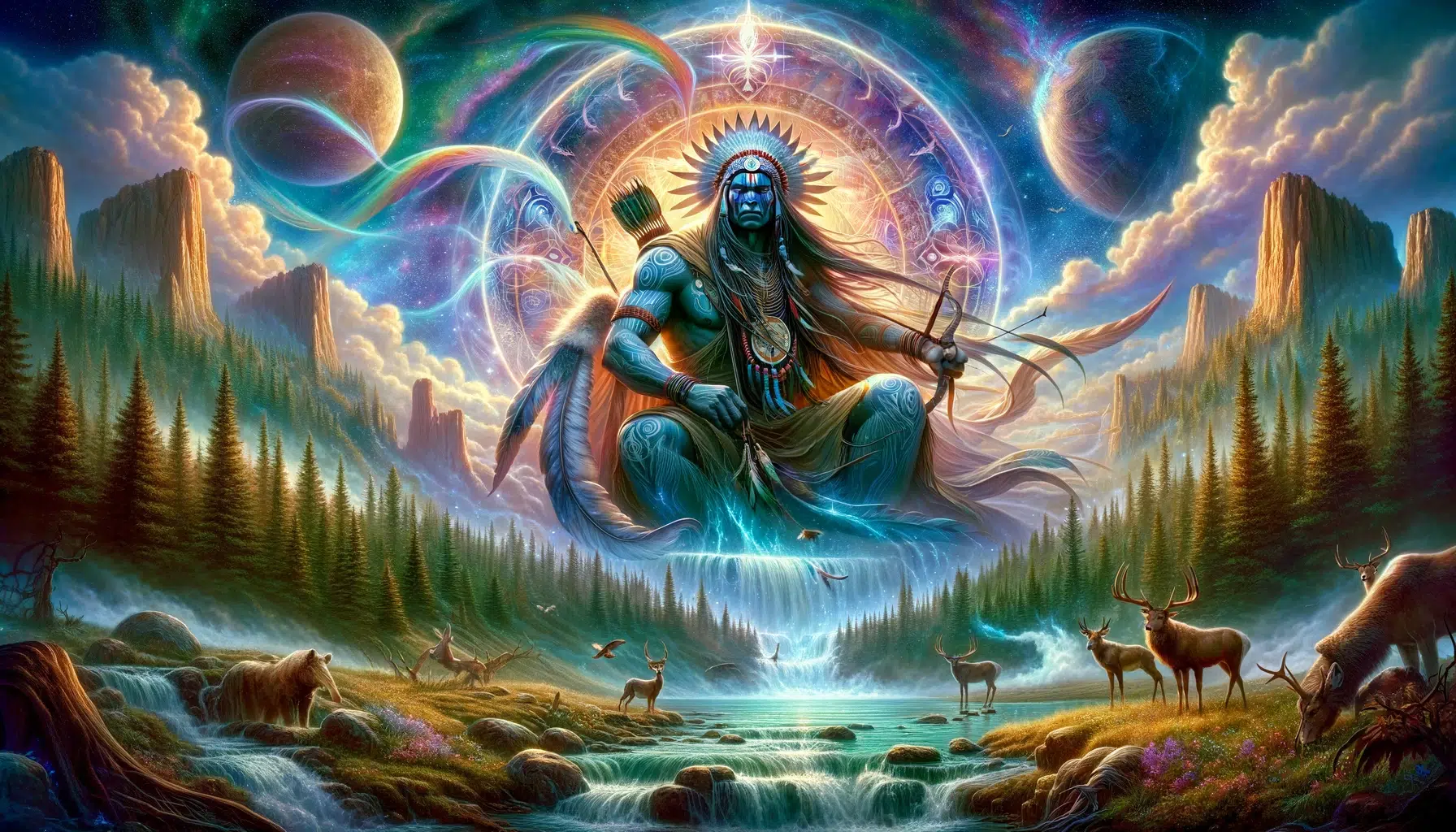
Wakan Tanka is a central figure in Lakota spirituality. Known as the Great Spirit, Wakan Tanka represents the supreme power that oversees all creation. He embodies everything in the universe, from the sky to the earth. The Lakota people believe Wakan Tanka has many aspects, each representing different natural forces. For example, the wind, sun, and animals are all considered parts of Wakan Tanka’s power.
Wakan Tanka isn’t just one god but a combination of many spirits. The Lakota honour these spirits through ceremonies and prayers. They believe Wakan Tanka guides and protects them. This belief in Wakan Tanka teaches respect for nature and all living things.
Tasunka Witko
Tasunka Witko, also known as Crazy Horse, is a legendary figure among the Lakota people. He is celebrated for his bravery, spiritual strength, and leadership. As a warrior, he fought fiercely to protect his people’s way of life and land from encroaching settlers and the U.S. government.
Tasunka Witko had a strong connection to Wakan Tanka, the Great Mystery, and was known for his visions and spiritual insights. He is remembered for his role in battles like the Battle of the Little Bighorn, where he showed exceptional courage. Crazy Horse’s legacy continues to inspire the Lakota and others today.
Old Man (Napi)

Old Man, also known as Napi, is a key figure in the mythology of the Blackfoot people. He is considered a creator and a cultural hero. Old Man is often portrayed as a wise and powerful being who helped shape the world and taught the people important skills.
Old Man created animals, plants, and natural features, giving them their distinct traits. He also brought the first people to life and taught them how to live in harmony with nature. Old Man is a trickster and a teacher, sometimes making mistakes that lead to important lessons. His stories often explain the origins of certain customs or natural phenomena.
Through these tales, Old Man teaches the value of respect, wisdom, and adaptability. He reminds people of the balance between good and bad, showing that both are part of life.
Learn more about Blackfoot warrior: Running Eagle: Woman Warrior Defying Tradition
Southwestern People
| Southwestern People of North America | |
|---|---|
| Apache | Hopi |
| Navajo (Diné) | Pueblo Peoples (including the Zuni, Acoma, and Taos) |
The Southwestern people, including the Hopi and Navajo, often tell stories about the land and the importance of balance. The Hopi creation myth features Spider Woman and Tawa, the sun god. The Navajo believe in different worlds and the journey of beings through these worlds. The Pueblo people have Kachinas, spiritual beings that represent various elements of nature.
Spider Woman
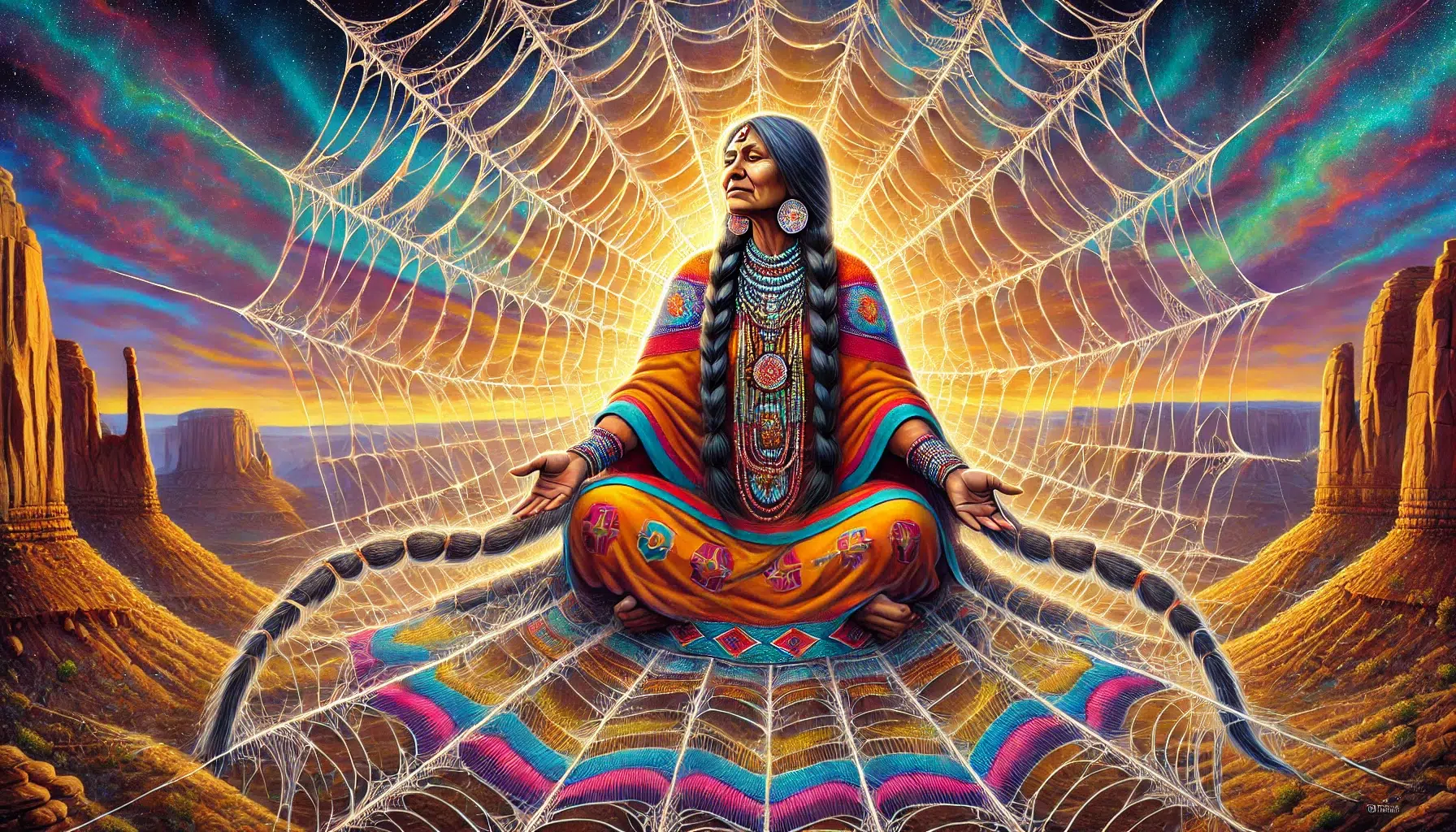
Spider Woman is an important figure in Hopi and Navajo mythology. She is a creator goddess who plays a key role in shaping the world. Spider Woman is known for her wisdom and kindness. She helped create the first humans and taught them important skills. One of her most famous teachings is the art of weaving. She showed the people how to weave beautiful patterns into cloth, symbolizing the interconnectedness of all life.
Spider Woman often serves as a guide and protector. In many stories, she helps humans navigate challenges and find their way. Her presence in myths highlights the importance of creativity and the deep connection between all living things. Spider Woman’s teachings remind people to respect and honour the natural world.
Changing Woman
Changing Woman is a key figure in Navajo mythology. She is a powerful and nurturing goddess who represents life cycles and change. Known for her ability to renew herself, she ages and becomes young again, symbolizing the cycles of nature. She also embodies fertility and abundance, helping to bring forth life and sustenance.
Changing Woman gave birth to two sons, Monster Slayer and Born-For-Water, who rid the world of monsters. She taught the Navajo people essential skills, including how to plant crops and perform ceremonies.
Her teachings emphasize balance, harmony, and the importance of respecting nature. Changing Woman remains a central figure in Navajo stories, rituals, and ceremonies, reminding people of the ever-changing yet continuous cycle of life.
Learn more about Apache warrior: Lozen: Spirit of a Female Apache Archer
Northeastern People
| Northeastern People of North America | |
|---|---|
| Algonquin Peoples (including the Abenaki, Wampanoag, and Penobscot) | Huron |
| Iroquois (Haudenosaunee) Confederacy (including the Mohawk, Oneida, Onondaga, Cayuga, Seneca, and Tuscarora) | Pequot |
| Shawnee | Wabanaki |
The people of the Northeast, like the Iroquois and Algonquin, have myths that often involve animals and creation. The Iroquois creation myth includes Sky Woman and the Great Turtle, who helps create the Earth. The Algonquin hero Nanabozho is a trickster who plays a central role in many stories.
Glooscap (Gluskap)
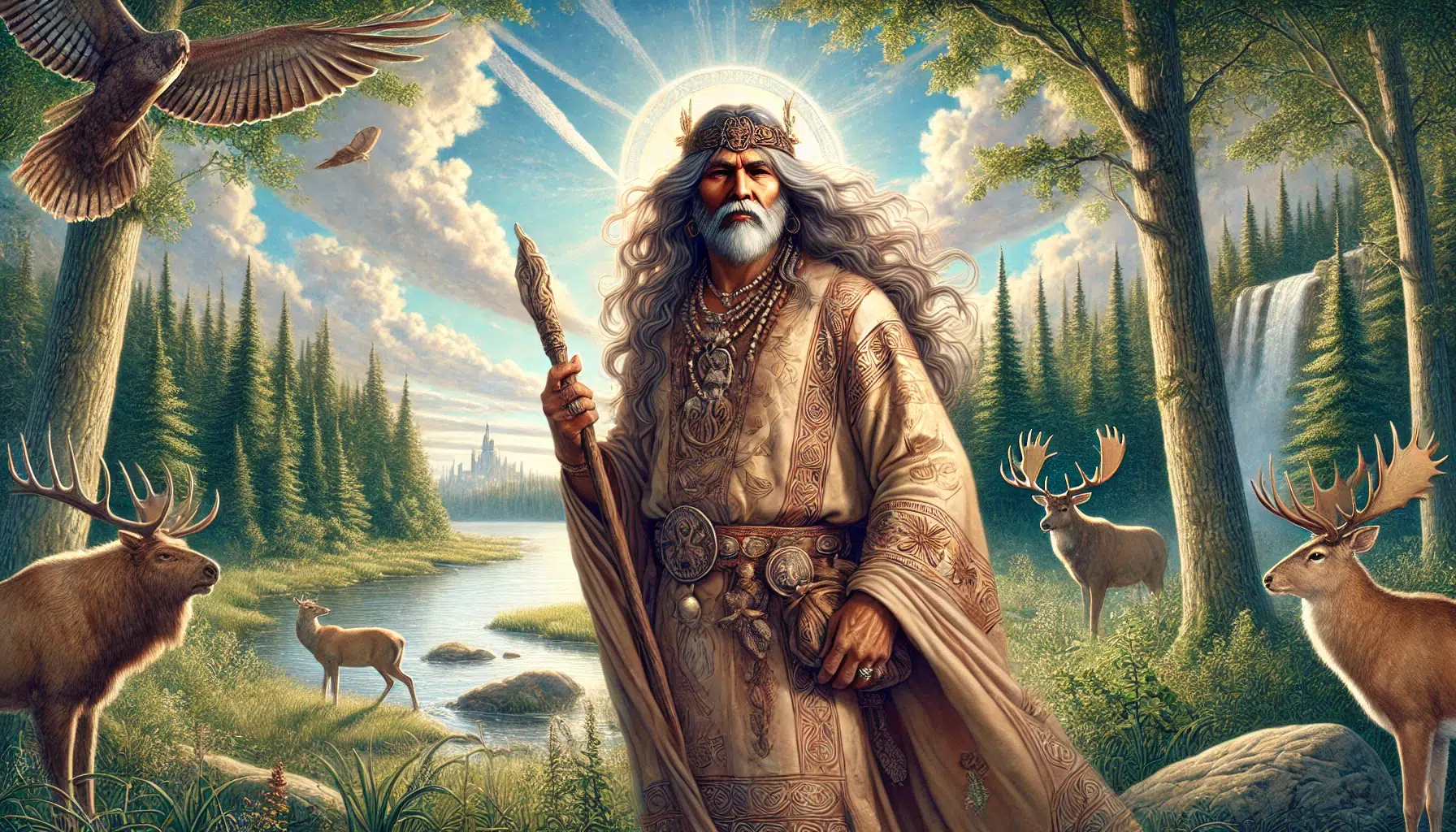
Glooscap, also spelled Gluskap, is a legendary figure in the mythology of the Wabanaki peoples, including the Mi’kmaq, Maliseet, Passamaquoddy, and Abenaki. He is known as a creator and cultural hero who shaped the land and taught the people important skills. Glooscap is often depicted as a wise and kind figure who protects the people and helps them survive.
In many stories, Glooscap uses his powers to create natural features like mountains and rivers. He also teaches the people how to fish, hunt, and grow crops. Glooscap has a close relationship with animals and often communicates with them. He can transform into various forms and travel great distances quickly.
Glooscap’s tales often carry moral lessons, teaching the importance of respect, kindness, and living in harmony with nature. His stories continue to play a significant role in the cultural traditions of the Wabanaki peoples.
Tawiscara
Tawiscara is a figure in Iroquois mythology, known as the embodiment of evil and chaos. He is often referred to as the Evil-Minded. Tawiscara is one of the twin sons of Sky Woman, alongside his brother, Teharonhiawako, who represents good and creation. The twins are locked in a constant struggle, symbolizing the battle between good and evil.
Tawiscara is associated with negative forces, such as death, conflict, and destruction. He often tries to undo the good works of his brother, creating hardships for people.
In many stories, Tawiscara creates dangerous creatures and obstacles. His actions cause suffering, but they also teach valuable lessons about the consequences of evil. The myths of Tawiscara and his brother highlight the importance of balance and the constant presence of both good and evil in the world. They remind people of the need to strive for harmony and make moral choices.
Sky Woman
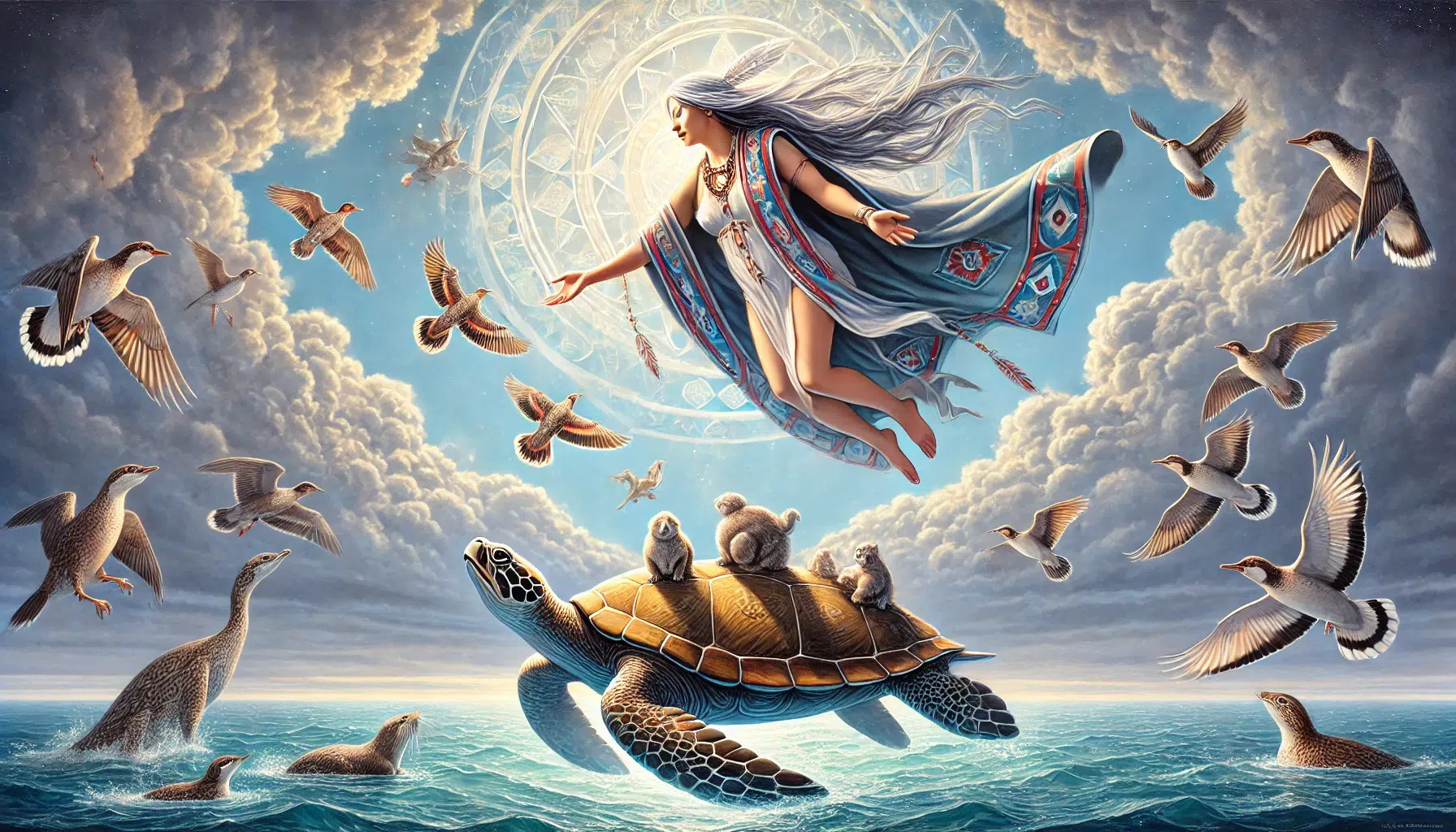
The Iroquois creation myth tells of Sky Woman, who falls from the sky world. As she descends, animals catch her on the back of the Great Turtle. To create land, various animals dive into the ocean to bring up mud. Only the muskrat succeeds, placing the mud on the turtle’s back. This mud grows, eventually forming the Earth. Sky Woman plants seeds she brought with her, creating vegetation.
This story shows the interconnectedness of all beings and the importance of cooperation. It also highlights the belief in a shared world created and supported by both animals and humans.
Learn more about Shawnee Chief: Tecumseh: Shawnee Chief’s Quest for Unity
Southeastern People
| Southeastern People of North America | |
|---|---|
| Cherokee | Chickasaw |
| Choctaw | Creek (Muscogee) |
| Seminole | |
The people of the Southeast, such as the Cherokee and Choctaw, include myths about the Earth and water spirits. The Cherokee have tales of the Uktena, a giant serpent, and the Little People, who are spirit beings. The Choctaw believe in the influence of the sun and moon.
Uktena
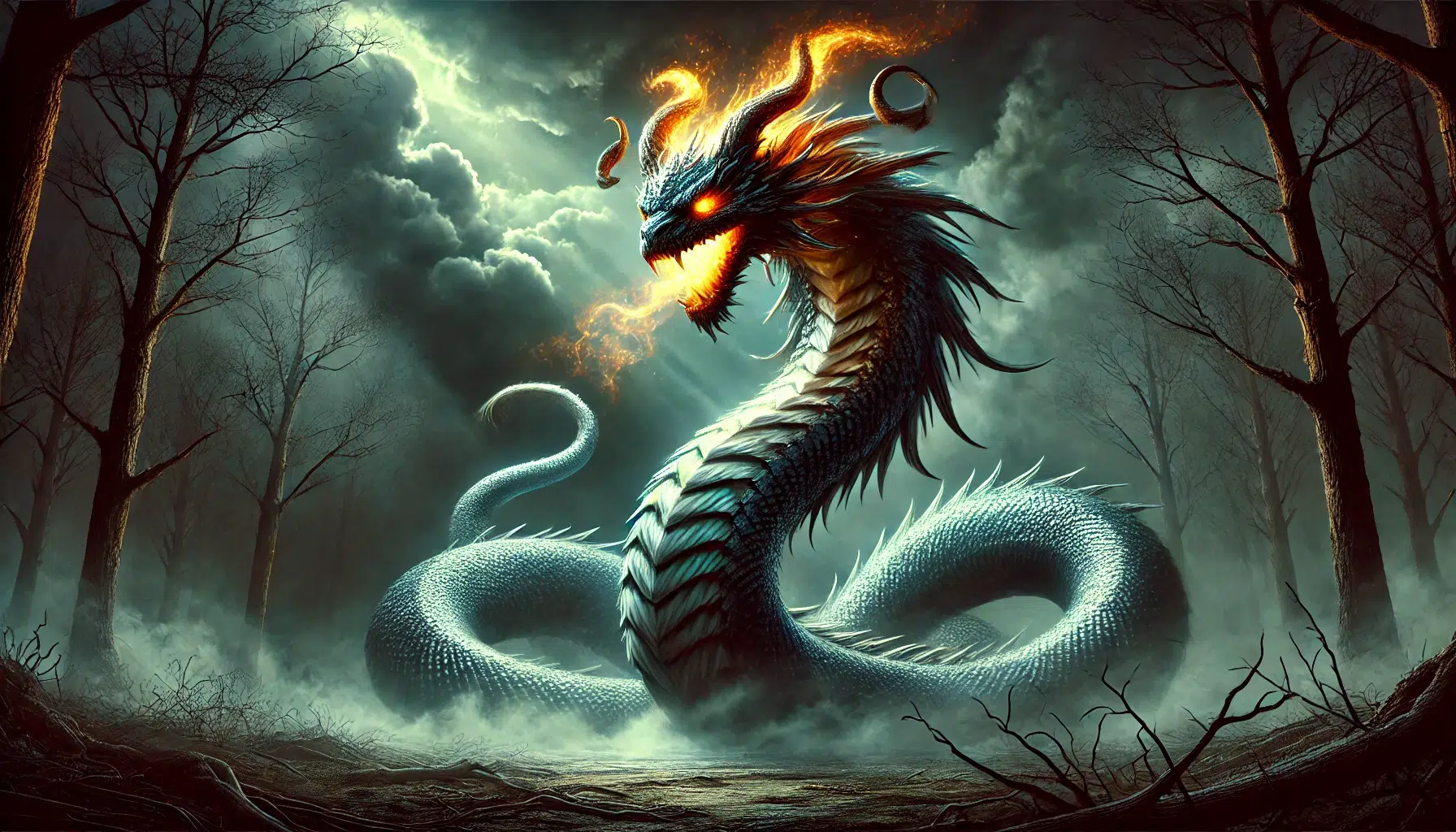
Uktena is a powerful and fearsome creature in Cherokee mythology. It is a giant serpent with horns and a blazing crest on its head. Uktena is incredibly dangerous and possesses magical powers. People believe its glance can kill and that it brings disease and misfortune.
Uktena lives in deep water or caves and guards valuable treasures. Warriors often seek to kill Uktena to gain its power. According to legend, an arrow dipped in the blood of a hummingbird can defeat Uktena. The creature symbolizes the challenges and dangers people face. Stories of Uktena teach the importance of bravery and caution when confronting the unknown.
Little People
The Cherokee have tales about the Little People, known as the Yunwi Tsunsdi. These spirit beings are small, magical creatures who live in forests, caves, and secluded places. They are usually invisible but sometimes reveal themselves to help humans. The Little People are known for their kindness and can assist those in need, especially in times of danger.
However, they expect respect and proper behaviour. It’s said that people should avoid talking about them too much, as it may offend them. The tales of the Little People teach lessons about respect, humility, and the unseen forces in the world.
Learn more about Cherokee:
- Understanding Cherokee Symbols and Meanings
- Cherokee Legend of Awi Usdi: Little Deer
- Nancy Ward: Nanyehi of the Cherokee Nation
Northwestern People
| Northwestern People of North America | |
|---|---|
| Coast Salish | Haida |
| Kwakwaka’wakw | Nuu-chah-nulth |
| Tlingit | |
The people of the Northwest, including the Haida and Tlingit, often focus on animals and transformation. The Raven is a key figure, known for creating the world and bringing light. Totem poles often tell these mythological stories.
Tseiqami
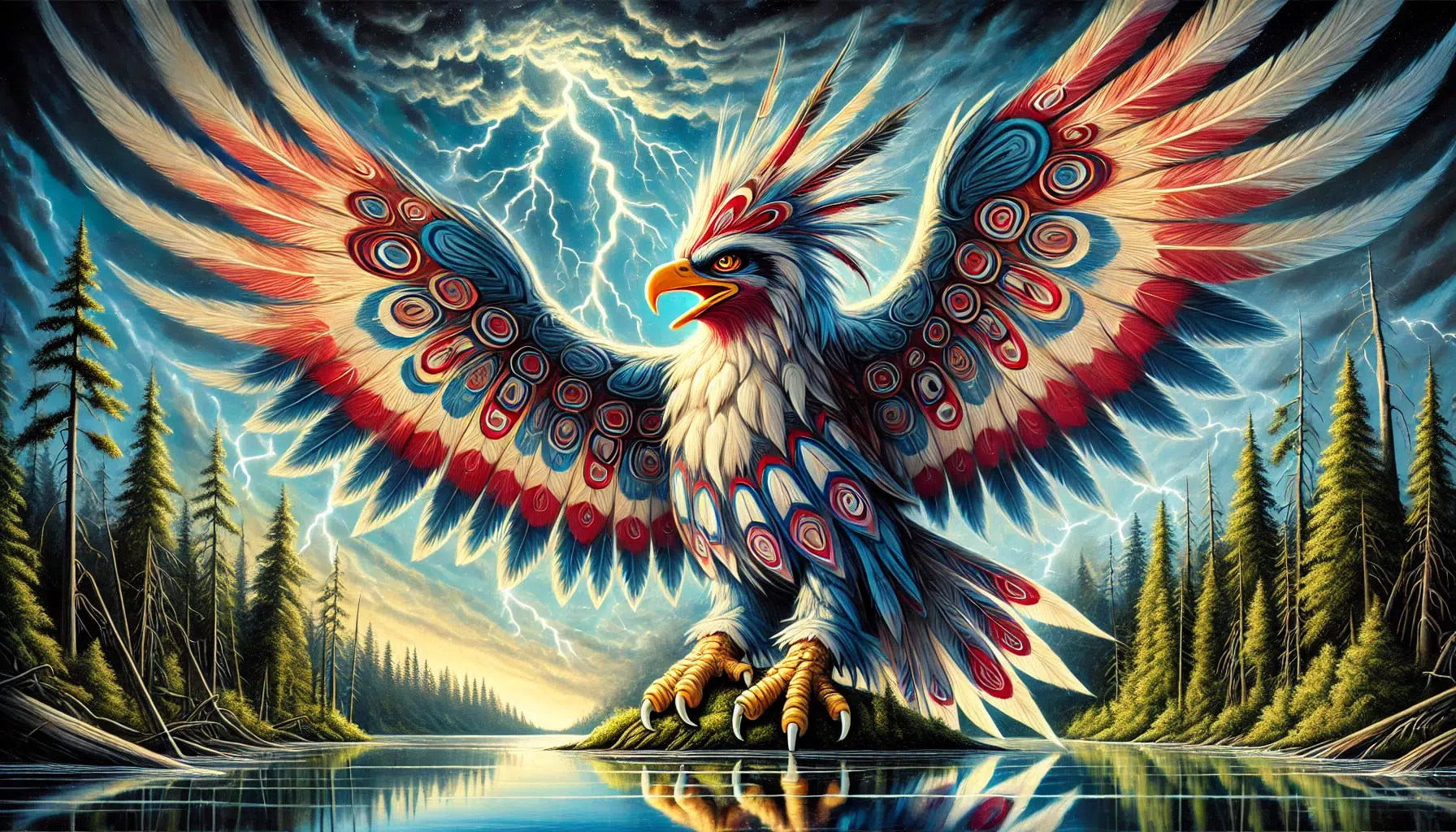
Tseiqami is a significant figure in the mythology of the Kwakwaka’wakw people from the Pacific Northwest Coast. Also known as the Thunderbird, Tseiqami is a powerful supernatural being with the form of a giant bird. He is known for his immense strength and his ability to create thunder and lightning with the flap of his wings.
Tseiqami is often seen as a protector and a bringer of balance in nature. He is believed to control the weather, bringing rain to nourish the land and storms to cleanse it.
In some stories, Tseiqami battles with other powerful beings, showcasing his strength and courage. He represents the awe-inspiring forces of nature and reminds people of the importance of respecting the natural world. Through his tales, Tseiqami teaches lessons about power, responsibility, and the balance between forces in the world.
Raven
Raven is a central figure in the mythology of the Tlingit, Haida, and other Northwest Coast Indigenous peoples. Known as a trickster and cultural hero, Raven plays a key role in many stories. He is often portrayed as clever, curious, and sometimes mischievous. Raven’s actions can cause trouble, but they also bring important gifts to humanity.
One of Raven’s most famous myths involves bringing light to the world. In this story, he steals the sun, moon, and stars from a selfish chief, releasing them into the sky. Raven’s cleverness often helps people, even when his motives are selfish.
He teaches lessons about the dual nature of life, where good and bad actions can coexist. Raven also represents transformation and change, showing that life constantly evolves. Through his stories, Raven teaches people about the complexities of the world and the importance of adaptability.
Great Basin and California People
| Great Basin & California People of North America | |
|---|---|
| Karok | Miwok |
| Paiute | Pomo |
| Shoshone | Washoe |
| Yurok | |
The people of the Great Basin and California, like the Paiute and Miwok, tell stories that explain natural events. Coyote is a common trickster figure who often causes trouble. The Paiute believe in a Great Spirit who created the world.
Coyote

Coyote is a well-known trickster figure in the myths of many Native American peoples, especially in the Great Basin and California regions. He is often portrayed as clever, playful, and sometimes foolish. Coyote’s actions can lead to both helpful and harmful outcomes, making him a complex character.
In many stories, Coyote’s tricks and adventures teach important lessons. For example, he might create natural features like rivers or mountains, explaining the landscape’s formation.
Other times, his tricks backfire, showing the consequences of greed or arrogance. Coyote’s stories often highlight human qualities, both good and bad, and offer moral lessons. He reminds people to think carefully about their actions and to respect the world around them. Coyote’s tales continue to be an important part of Native American cultural traditions, offering insights into human nature and the natural world.
Wolf (Numeepo)
Wolf, known as Numeepo in Paiute mythology, is a significant figure often portrayed as wise and powerful. Unlike the playful and sometimes foolish Coyote, Wolf embodies seriousness and thoughtfulness. He often appears in stories as a protector and teacher, guiding other characters with his wisdom.
In many tales, Wolf helps shape the world and impart important cultural values and lessons. His role contrasts with trickster figures, providing balance in the narratives. Wolf’s stories emphasize the importance of respect, loyalty, and community, making him an essential character in the mythology of the Great Basin region.
Rabbit (Tsecho)
Rabbit, known as Tsecho in Shoshone mythology, is a clever and resourceful character. Unlike larger animals, Rabbit often relies on his wit to overcome challenges. In many stories, he outsmarts predators and navigates tricky situations with ease. Rabbit’s tales frequently involve teaching lessons about intelligence, adaptability, and quick thinking.
His adventures often explain natural phenomena or cultural practices, providing valuable moral lessons. Despite his small size, Rabbit’s cunning and intelligence make him a respected figure in the mythology of the Great Basin region. His stories celebrate the idea that cleverness and strategy can often triumph over brute strength.
Arctic People
| Artic People of North America | |
|---|---|
| Aleut | Inuit |
| Yupik | |
Arctic people, such as the Inuit, have myths that deal with survival in a harsh environment. Stories often involve spirits, animal transformations, and the sea goddess Sedna. Shamans play a key role in communicating with spirits for guidance and healing.
Sedna
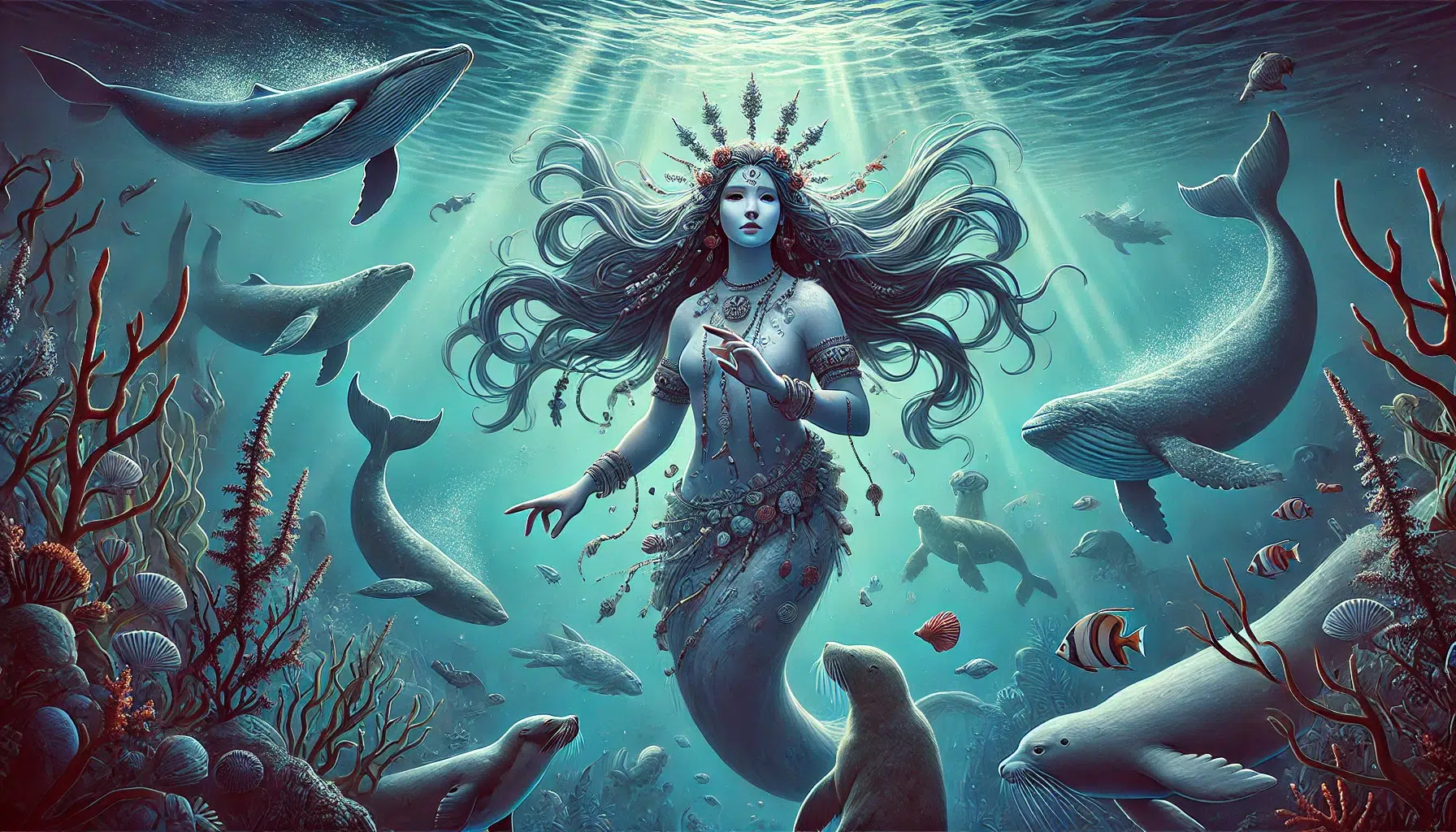
Sedna is a central figure in Inuit mythology. She is known as the goddess of the sea and marine animals. Sedna lives at the bottom of the ocean and controls the creatures that live there, like seals, whales, and fish. Inuit hunters pray to Sedna for good hunting, as she can release or withhold sea animals.
Sedna’s story varies among Inuit groups, but one common version involves her being thrown into the ocean by her father. As she clung to the side of their boat, her father cut off her fingers, which turned into sea creatures. Sedna then sank to the ocean floor, becoming the powerful spirit who governs marine life.
Despite her tragic story, Sedna plays a vital role in Inuit culture. She reminds people of the importance of respect for nature and the interconnectedness of all life. Her myth also teaches about the consequences of betrayal and the need to honour and respect all beings.
Nanook
Nanook is a significant figure in Inuit mythology. Known as the master of bears, he oversees polar bears and ensures they thrive. Inuit hunters regard Nanook with great respect, as he has the power to influence their success in hunting. Hunters believe Nanook can communicate with the bears, guiding their movements and behaviour.
In many stories, Nanook tests the hunters’ skills and respect for the animals. He rewards those who show honour and respect, ensuring they find bears to hunt. However, he punishes those who disrespect the animals or waste their resources.
Through his actions, Nanook teaches important lessons about balance and respect for nature. His presence in Inuit culture reminds people of the deep connection between humans and animals, especially in the challenging Arctic environment. The tales of Nanook encourage responsible hunting and stewardship of the land.
Significance of the Bow and Arrow

The bow and arrow hold a special place in Native American mythology. They aren’t just practical tools for hunting or warfare; they carry deep cultural and spiritual meaning. Many Native American cultures view the bow and arrow as symbols of survival, honour, and skill. They also represent a connection to the spiritual world.
Skilled archers are highly respected among their people. Stories and legends often celebrate their abilities, showing how vital these skills are. For example, archers might be heroes in myths, using their talents to protect their people or achieve great deeds. The bow and arrow can also appear in rituals and ceremonies, often decorated with feathers, beads, and other meaningful items. These decorations add to their spiritual power, making them more than just weapons.
Different Native American groups have unique stories and perspectives about the bow and arrow. In some cultures, the arrow might symbolize a direct link to the gods or a way to communicate with the spirit world. In others, it might represent a promise or a sacred duty.
Craftsmanship of the Bow
The craftsmanship of making bows and arrows is a respected art form among many Native American peoples. For example, Richard “The Bowmaker” from the Lakota views bow making as a spiritual journey. He believes it is a gift from the Thunder Beings and requires patience, respect, and a deep connection to nature.
The process starts with selecting the right wood, often from a sacred tree. The wood is blessed before it is shaped into a bow. This careful process shows a deep respect for the materials and the craft. Every step, from cutting the wood to stringing the bow, holds spiritual significance. It reflects the maker’s connection to nature and the spiritual world.
Decorating the bow and arrows with feathers, beads, or carvings adds to their spiritual value. These decorations often hold personal or cultural meanings. For example, feathers might represent freedom or courage, while beads can symbolize stories or prayers. The finished bow is not just a weapon; it is a symbol of cultural identity and spiritual power.
In many Native American cultures, the bow and arrow are more than tools for hunting or defence. They represent a connection to tradition, the natural world, and the spiritual realm.
Myths and Tales of the Bow and Arrow

Kanati and Selu (Cherokee)
Kanati is a legendary archer and skilled hunter. His wife, Selu, is the corn goddess. Their story shows the balance between male and female harmony in nature between hunting and agriculture.
Cosmic Struggle (Pawnee)
In Pawnee tradition, the bow represents the cosmic struggle. Made from the sky (wood) and earth (sinew), it unites the heavens and the land. This symbolism shows the interconnectedness of the universe and the role of humans within it.
Blessingway Ceremony (Navajo)
For the Navajo, bows are important in the Blessingway ceremony. They symbolize protection and harmony in life’s journey. This ceremony helps maintain balance and harmony in the community, highlighting the bow’s role in guiding and protecting people.
Gift from the Thunder Beings (Lakota)
The Lakota believe bow making was a gift from the Thunder Beings, called the Wakinyan. These beings are guardians of truth and protectors of the people. The bow enables the Lakota to hunt buffalo and sustain their communities for survival and cultural identity.
Sun and Moon (Lakota)
In another Lakota teaching, the moon gave the bow, while the sun gave the arrows. This symbolizes the balance of male and female energies. The bow represents the feminine, and the arrows the masculine, teaching the importance of harmony and balance in life.
Coyote and the Animals (Karok)
A tale from the Karok people tells of Coyote, who tried to stay awake all night to receive the longest bow and the greatest power. He fell asleep and received the shortest bow instead. However, he was given exceptional cunning, making him the cleverest of all animals. This story highlights themes of cunning and the balance of power among creatures.
Native American Archers in Contemporary Society
The legacy of Native American archers continues to be celebrated and recognized in various aspects of contemporary society.
Revered as symbols of skill and tradition, their influence extends into:
- Cultural Preservation: Through museums, artwork, and educational programs, the stories and techniques of Native American archers are taught and preserved for future generations.
- Sport and Recreation: Archery maintains a presence as a sport, with many recognizing its Native American roots and paying homage through respectful practice and competitive events.
- Media Representation: Film, literature, and video games often draw inspiration from the iconic status of Native American archers, albeit with varying degrees of historical accuracy.
- Community Empowerment: Native American communities continue to embrace archery as a connection to their heritage, fostering a sense of pride and empowerment.
These ongoing tributes ensure the remarkable legacy of Native American archers remains a formidable and respected element within American culture.


