Echidna: The Mother of Monsters in Greek Mythology
In the dark caves of ancient myth, she waits.
Half woman.
Half serpent.
Fully immortal.
Her name is Echidna. While heroes fight dragons and slay beasts, few stop to ask where those monsters came from. In Greek mythology, many of them share one mother.
That mother is Echidna. She does not sit on Olympus. Yet her legacy stretches through nearly every great heroic tale.
She is the origin of fear itself.
Common Questions About Echidna
Who was Echidna?
Echidna was a powerful creature in Greek mythology known as the Mother of Monsters. She was half woman and half serpent, living in deep caves far from Olympus.
Who were the parents of Echidna?
Most ancient sources say Echidna was the daughter of Phorcys and Ceto, ancient sea deities connected to primordial forces. Other traditions link her to Gaia and Tartarus, placing her among the earliest beings of chaos. While origins vary, all versions connect her to ancient, powerful forces.
Did Echidna have an siblings?
Yes. In many accounts, Echidna’s siblings include other sea monsters and primordial beings, such as the Graeae and the Gorgons.
How many children did Echidna have?
Echidna had many children with Typhon, though ancient sources differ on the exact number. She is commonly said to be the mother of:
- Cerberus
- the Hydra
- the Chimera
- the Nemean Lion
- the Sphinx
- Orthrus
What is the main story behind Echidna?
- She is born from primordial forces
- She mates with Typhon
- She gives birth to the greatest monsters in Greek myth
- She survives while Typhon is defeated
Who Is Echidna in Greek Mythology?
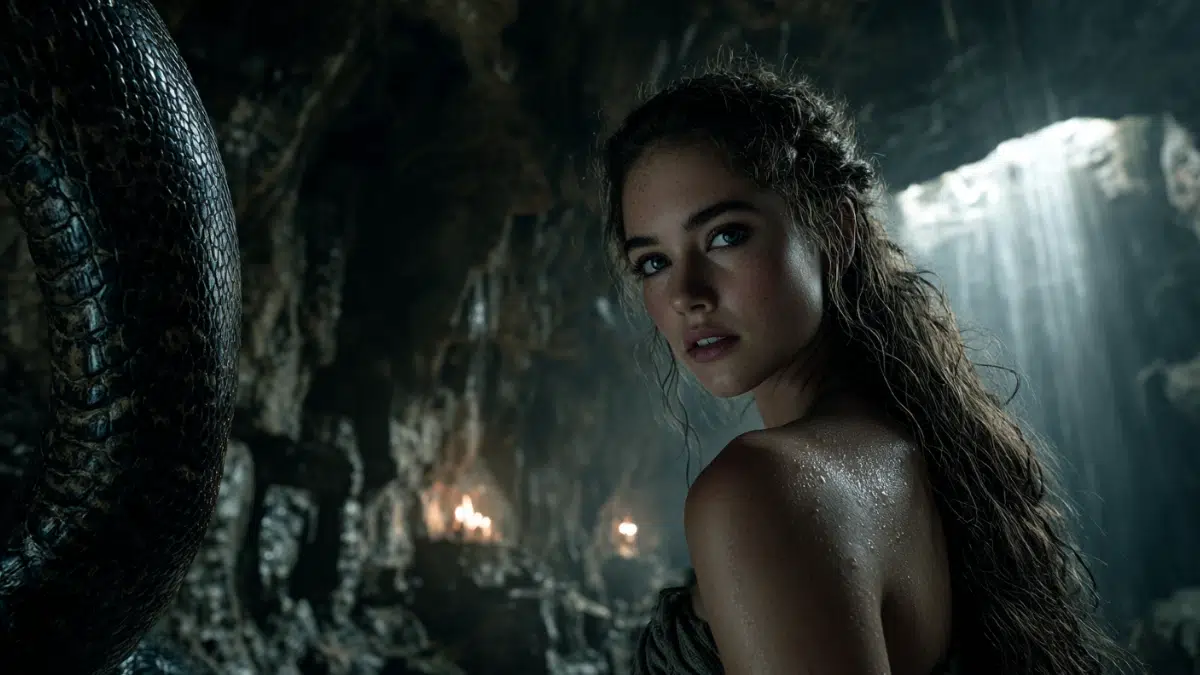
Echidna is a primordial creature, often described as a nymph or monster.
Most myths name her as the daughter of Phorcys and Ceto, ancient sea deities. Other versions link her to Tartarus and Gaia, placing her among the oldest forces of chaos.
She lives deep underground, far from the sight of gods and mortals. Unlike her mate Typhon, Echidna does not wage war against Olympus. She survives and endures.
Zeus allows her to live, even after defeating Typhon. Because her children give heroes something to conquer.
What Does Echidna Look Like?
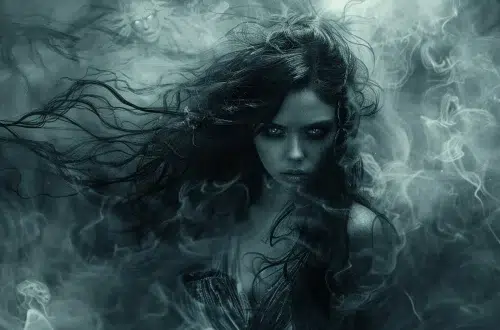
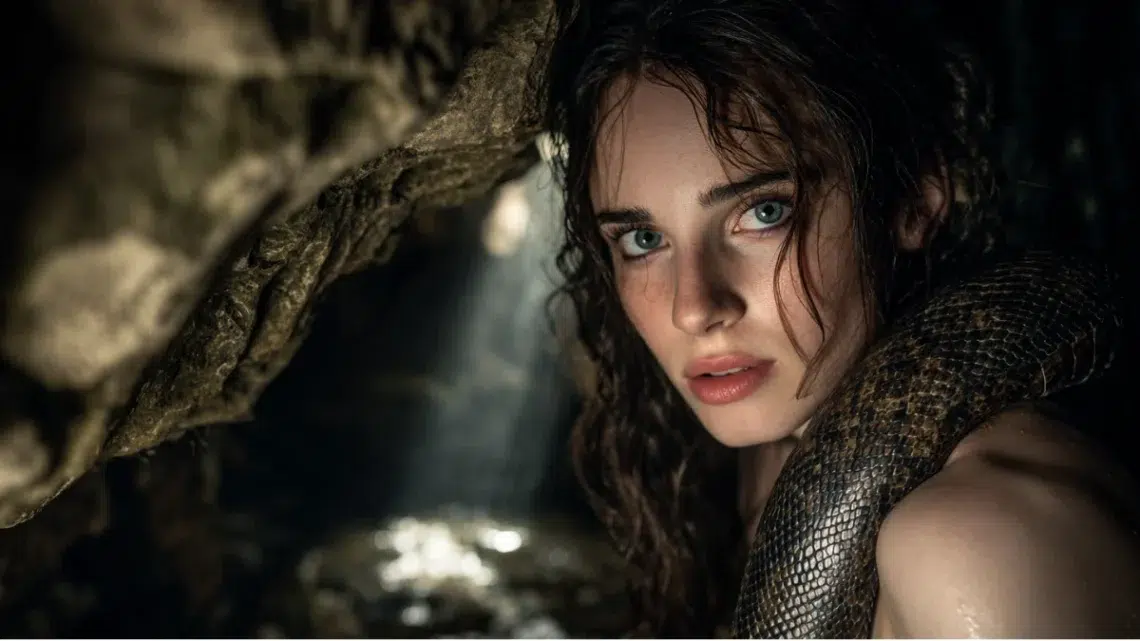
Ancient writers describe Echidna as beautiful from the waist up and serpent from the waist down.
Her upper body resembles a striking woman. Her lower body coils into a massive snake tail. She is both alluring and dangerous.
She does not need fire or wings to inspire fear but represents hidden danger. The threat beneath the surface.
Caves, darkness, and deep earth are often linked to her. She belongs to the unseen places of the world.
Echidna and Typhon
Echidna becomes the mate of Typhon, the great storm monster who nearly defeats Zeus.
According to Hesiod, Typhon was powerful and had one hundred snake heads which could breathe fire. Typhon breathes fire and produces terrifying sounds that resemble roaring winds, thunder, and rumbling earth.
Together, Echidna and Typhon produce a terrifying lineage.
Their children include:
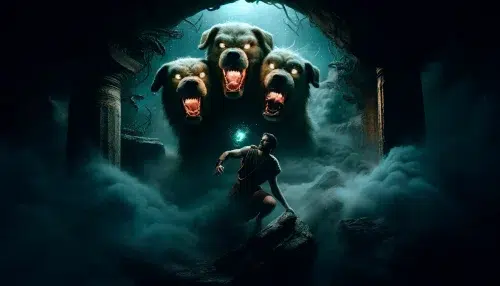
- Cerberus – the three headed hound guarding the Underworld
- The Hydra – whose heads regrow when cut
- The Chimera – part lion, goat, and serpent
- The Sphinx – who tests travelers with riddles
- The Nemean Lion – whose skin cannot be pierced
Each of these creatures becomes a trial for heroes like Heracles and Oedipus. Echidna does not fight the heroes herself. However, she births the obstacles they must overcome.
The Myth of Echidna
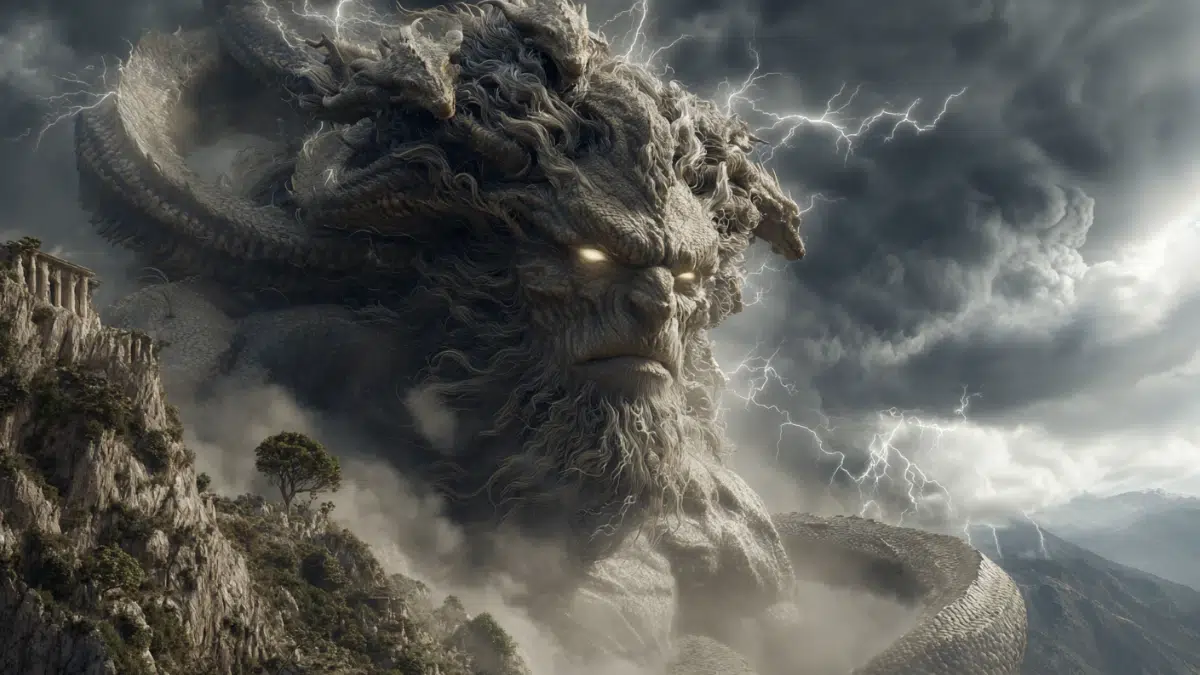
Echidna does not charge into battle or roar like Typhon or hurl fire at Olympus. Her power works differently.
In Hesiod’s Theogony, Echidna lives deep beneath the earth, hidden in a cave far from gods and mortals. She is half beautiful woman and half coiling serpent.
In the dark, she becomes the mate of Typhon, the great storm monster who dares to challenge Zeus. Together, they produce a terrifying lineage.
After Zeus defeats Typhon, he buries him beneath a mountain. But Echidna survives and remains in the shadows, immortal in some traditions. Her children scatter across the world, becoming the trials that define heroes.
Zeus Defeats Typhon
In one of the most violent battles in Greek mythology, Zeus defeats Typhon and in some versions, he almost loses.
After Typhon rises to challenge Olympus, Zeus confronts him with thunder and lightning. The sky fills with storms. The earth shakes. Mountains shatter. Zeus hurls thunderbolts, and Typhon answers with fire and massive rocks.
In one version, Typhon overpowers Zeus. He tears out the sinews from Zeus’s hands and feet, leaving him helpless. Typhon hides them in a cave, guarded by a dragon.
But Hermes and Pan rescue the sinews and restore Zeus’s strength.
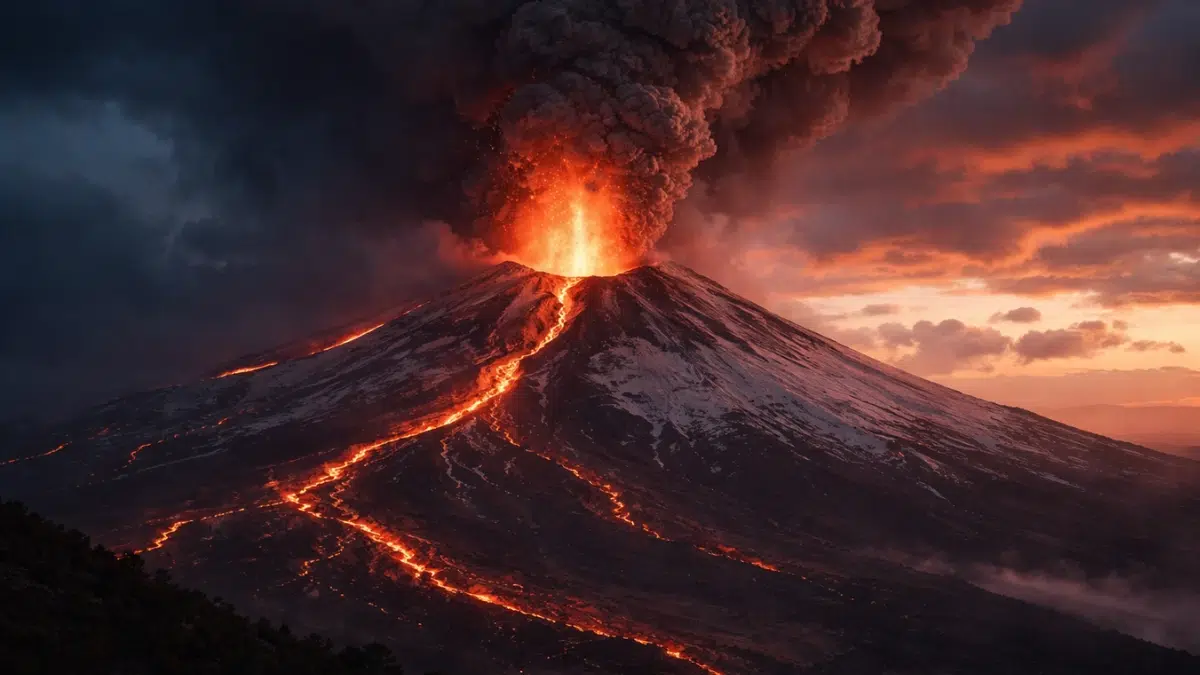
Zeus returns to battle with renewed fury. This time, he unleashes an unstoppable storm of thunderbolts. He drives Typhon across Greece and finally crushes him beneath Mount Etna in Sicily.
The Greeks believed volcanic eruptions came from Typhon struggling under the mountain. That victory secures the rule of the Olympian gods.
Why Was Echidna Allowed to Live?
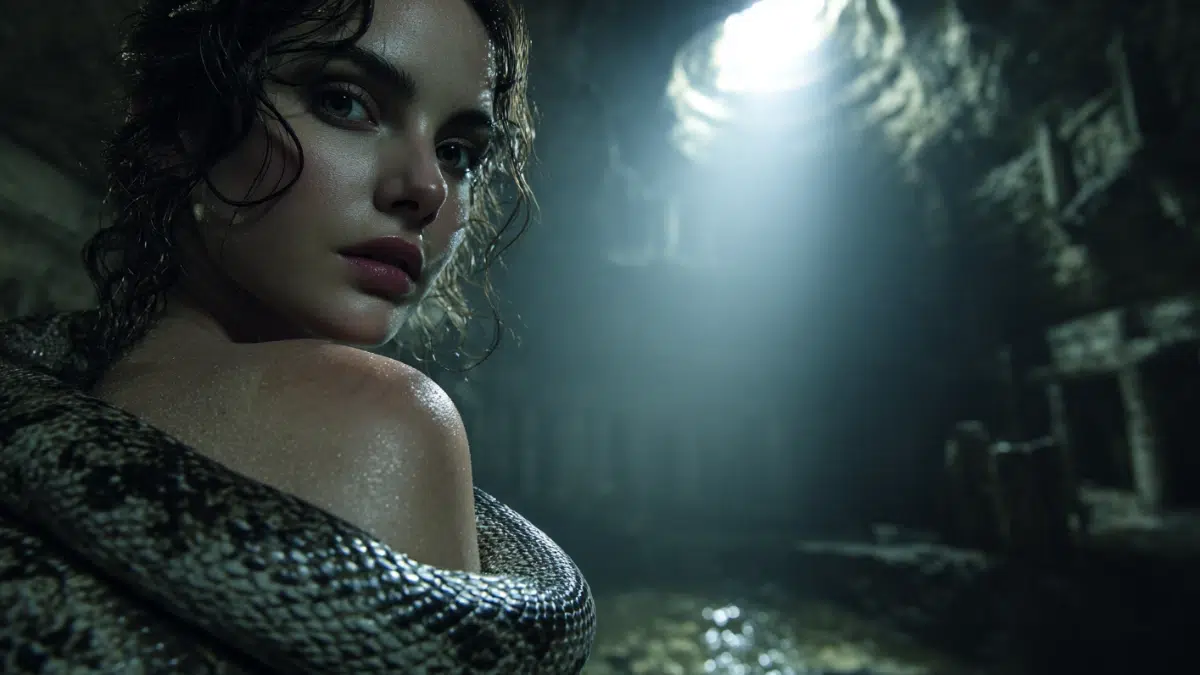
This is what makes her fascinating. Zeus defeats Typhon and buries him beneath Mount Etna. But Echidna survives. Some myths say she remains immortal.
Others say she is eventually killed by the hundred eyed giant. Yet many traditions leave her alive, dwelling underground.
Her survival suggests something deeper. Chaos is never fully destroyed in Greek myth. It is contained and balanced.
Without monsters, there are no heroes. Without fear, there is no courage. Echidna becomes the silent architect of mythic trials.
The Death of Echidna
Others say Echidna does not remain immortal. In later traditions, she is killed by Argus Panoptes, the hundred-eyed giant.
Argus, known for his constant vigilance, surprises her while she sleeps in her cave.
Because he can watch in all directions at once, she cannot escape him. He slays her in her lair, ending her life quietly rather than in some great battle.
This version of the myth contrasts sharply with earlier accounts, where Echidna survives and remains an enduring force of chaos.
Her death at the hands of Argus shifts her role from eternal mother of monsters to yet another creature subdued by divine order.
It also carries symbolic weight. Argus represents watchfulness and control. Echidna represents hidden danger in dark places.
But not all sources agree. In many traditions, Echidna still coils in the shadows, alive beneath the earth.
What Does Echidna Symbolize?
Echidna represents hidden danger and primal instinct. She embodies fears that dwell below the surface. Not explosive but quiet and patient.
She is also tied to motherhood in a darker form. Her children are not nurtured heroes. They are tests of strength.
In that way, she stands at the crossroads between creation and destruction. She gives life. But that life challenges the world.
Echidna and Other Monster Mothers in Mythology
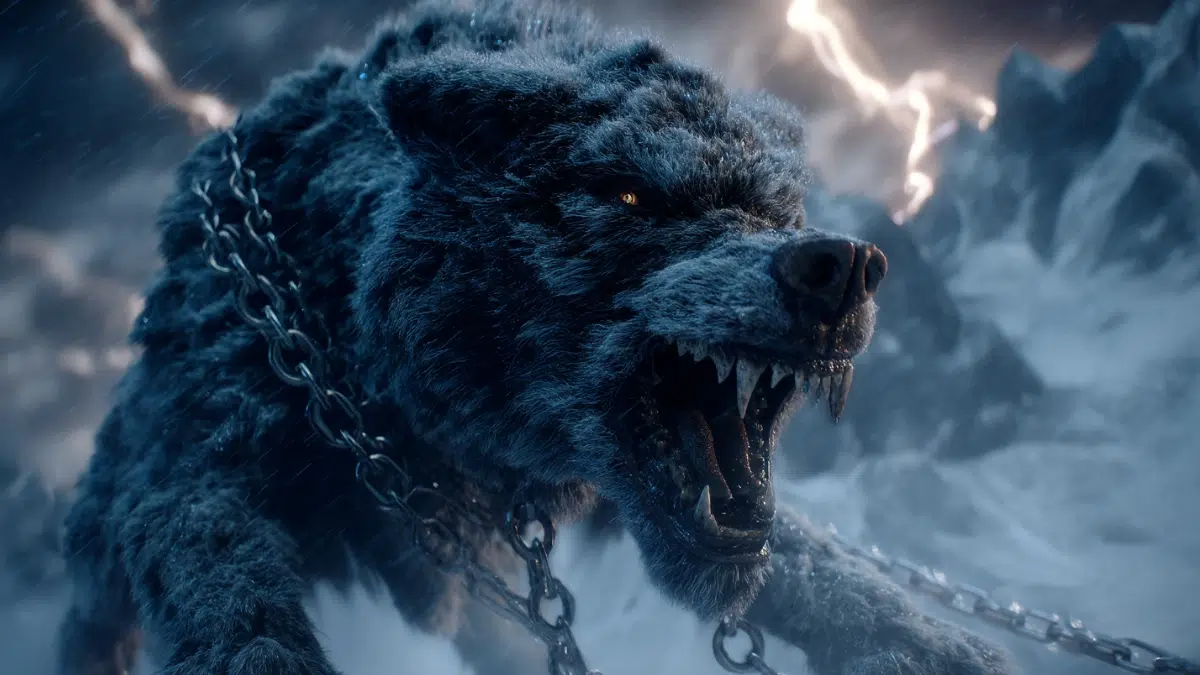
Echidna is not the only mother of monsters in world mythology. Across cultures, powerful female figures give birth to beings that test gods and heroes.
In Greek myth, Gaia herself produces giants and Titans who challenge the Olympians. She represents the earth’s raw power. Like Echidna, her children rise against divine order.
In Norse mythology, the giantess Angrboda gives birth to three terrifying figures:
- Fenrir the wolf
- Jormungandr the world serpent
- Hel ruler of the dead
Her children threaten the gods during Ragnarök. Like Echidna, she stands in the background while her offspring shape destiny.
In Mesopotamian myth, Tiamat creates monstrous beings to wage war against younger gods. She embodies chaos before creation takes hold.
These “monster mothers” share a common theme. They do not always fight directly. Instead, they generate forces that challenge the world.
Echidna’s Legacy in Greek Myth
You may not see Echidna in every story. But you see her children.
Every time a hero faces a monster, Echidna’s shadow is present. Her story reminds us that even chaos has structure. Even terror has origins.
And deep beneath the earth, the mother of monsters still coils in the dark.