
Shaka Zulu: Great Warrior King of the African Zulu Kingdom
Shaka Zulu is one of Africa’s most famous leaders who built the Zulu Kingdom into a strong and powerful force. His journey from humble beginnings to becoming a powerful king shows his amazing leadership and new ideas.
Known as a brave warrior, Shaka also makes big changes to the way his people fought and lived. He creates new battle techniques that made the Zulu army one of the strongest in Southern Africa.
Shaka’s story isn’t just about war. It’s also about his dream to unite his people.
As a child, he faces many challenges that taught him about strength, loyalty, and survival. These experiences shape him into a leader who wants a united and powerful Zulu nation.
His rise to power and his impact on society and war tactics teach us about his influence. Shaka’s story shows how he changed southern Africa and left a mark on world history.
Learn more about: African Mythology and Archery
Early Life of Shaka Zulu

Shaka was born around 1787 in a small village of KwaZulu-Natal. His father, Senzangakhona, was chief of the Zulu. His mother, Nandi, came from the Langeni people. Shaka’s parents were not married, so they faced rejection from their tribes. This forced Shaka and his mother to live with different communities.
Living with other tribes gives Shaka a chance to learn different customs and fighting skills. He spends time with the Mthethwa people, who had a strong army.
Dingiswayo Mentors Shaka
Their leader, Dingiswayo, becames like a mentor to Shaka. Dingiswayo teaches him about warfare, loyalty, and leadership. This move gives Shaka a chance to find some peace and learn important lessons that shape Shaka’s vision for the Zulu Kingdom.
Shaka’s early life is full of hardship and learning. These experiences make him a strong and determined person. When he returns to the Zulu people, Shaka is ready to lead and has a clear vision for a united and strong Zulu kingdom.
Shaka is fascinated by war tactics after meeting Dingiswayo. He is also bullied a lot during his childhood. These experiences help him develop his military strategies.
Shaka goes from being an outcast to a great warrior and leader. He changes the social and military scene in Southern Africa forever.
Rise to Leadership
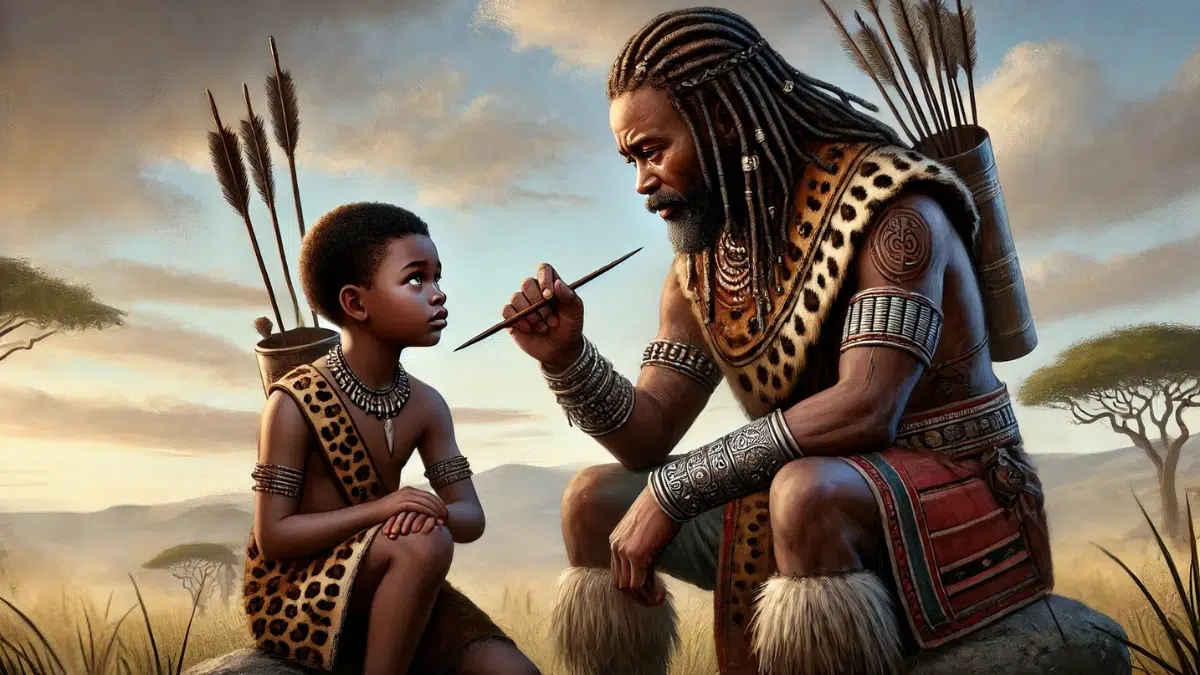
When Shaka returns to the Zulu, he shows strong leadership skills. With Dingiswayo’s support, Shaka gains respect quickly. After his father’s death, he becomes the leader of the Zulu. Shaka inspires his followers with his courage and clear vision for their future.
He doesn’t lead alone. He organizes his followers into a strong, united team. His leadership focuses on discipline, respect, and hard work. Shaka’s people trust him and are ready to follow his vision.
Shaka’s rise brings the Zulu people together.
His strength as a leader turns the Zulu from a small tribe into a powerful kingdom. Shaka’s early struggles help him become the leader the Zulu needed.
Shaka’s Skill Goes Beyond War
Shaka’s power wasn’t just about war. He makes smart political moves, like forming marriage alliances and using diplomacy. These actions help him grow his influence.
Shaka uses new tactics to strengthen his rule.
He introduces the iklwa, a deadly short spear, which changed war tactics. Sha also creates age-regiment systems to improve his army’s discipline and unity.
He also makes social and administrative changes to better control his new territories. This makes his rule stronger.
His strong leadership and new strategies mark Shaka’s rise to power. Building a powerful kingdom in Southern Africa still impacts history today.
The Consolidation of the Zulu Nation
Shaka was a master at bringing tribes together under one rule. He uses both diplomacy and force to unite the Zulu kingdom. He change the Zulu military and government to make sure he had control over all the tribes.
Shaka sets up a system where leaders were chosen based on their loyalty and bravery. This makes sure his rule was strong and lasted. It also makes his empire strong against those who might disagree with him.
Shaka also changes old customs to make everyone feel like they belong together.
He takes parts of different tribes’ ways of life and made them his own. This helps make the Zulu kingdom a united and strong nation.
Shaka’s work in uniting the Zulu nation was a big step towards a powerful empire. His leadership is a mix of military strength and smart government ideas. This makes him a key figure in African history.
The Military Genius of Shaka Zulu
The Short Spear (Iklwa)
Shaka Zulu transforms the way his warriors fought.
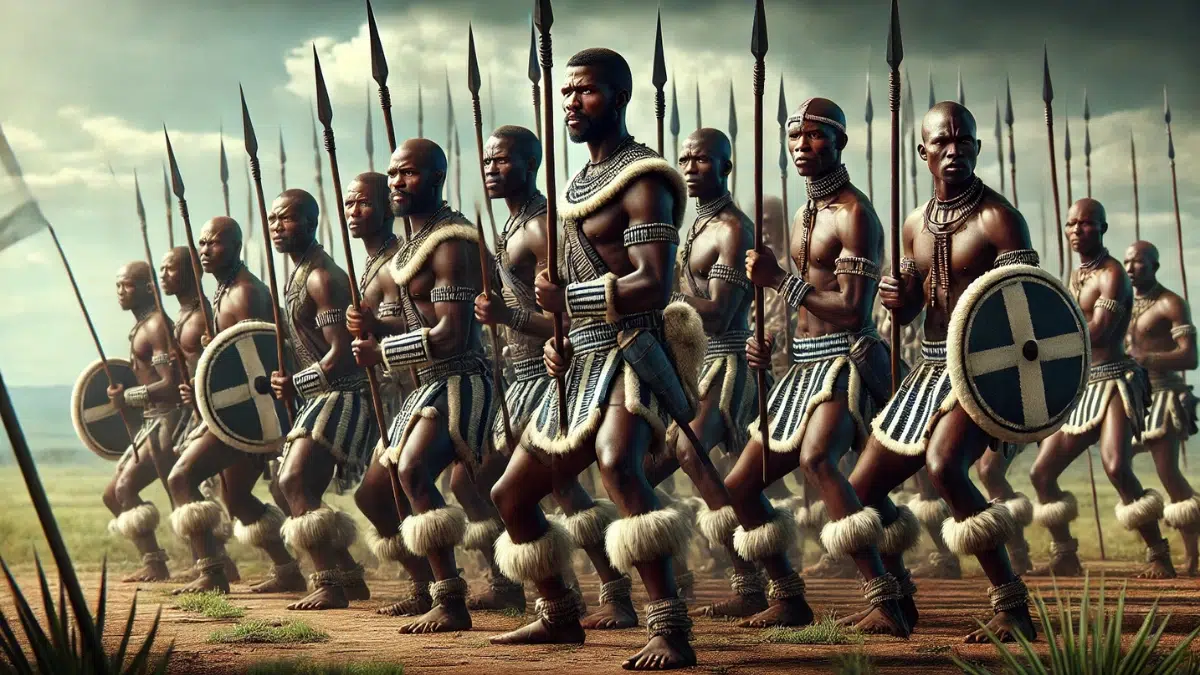
He designs a new weapon, the short-stabbing spear called the “iklwa.” The iklwa, with its shorter shaft and broad blade, was ideal for close combat.
This replace long throwing spears and became a key part of his tactics.
This weapon gives the Zulu army a clear advantage. It allows warriors to fight up close rather than at a distance. Shaka also trains his soldiers to hold their shields tightly and stay in close formation, using the iklwa to strike quickly and with deadly precision.
Battle Formation
Beyond weapons, Shaka introduces new battle tactics.
His famous “bull horn” formation involves three main groups. The centre group, called the “chest,” face the enemy head-on. Meanwhile, two side groups, the “horns,” move around to surround the enemy.
A final group, the “loins,” stay behind as reinforcements. This tactic confuses and traps enemies, giving the Zulu army a strong advantage in battles. Shaka’s military strategies change the course of battles in southern Africa.
Shaka also creates the Zulu regiment system. He turns his army into well-trained units called “ibutho.” These regiments have men from different villages, promote unity and loyalty to the king. They go through tough training to be strong, fast, and coordinated for battle.
Physical Training and Discipline
The Zulu regiments were known for their discipline and loyalty.
Warriors would undergo intense training in both body and mind. Their loyalty to Shaka was total. This loyalty and discipline makes the Zulu army very effective in battles.
Shaka’s focus on training and discipline also plays a major role.
He requires his warriors to run long distances barefoot, strengthening their endurance. He organizes regular drills, making sure every warrior understood his place on the battlefield.
This training makes the Zulu army faster and more coordinated than many other forces.
Through these innovations, Shaka turns the Zulu army into a powerful force.
His tactics and weapons changes warfare in Southern Africa. He builds the Zulu Kingdom’s reputation as a military powerhouse. Shaka’s strategies remain a remarkable example of military skill and leadership.
Expansion of the Zulu Kingdom

Shaka Zulu expands the Zulu Kingdom through strategic conquests and alliances.
His military strength and leadership unites scattered groups into one powerful nation. Shaka’s campaigns focus on expanding his territory and bringing neighbouring tribes under his rule.
He uses both force and diplomacy to achieve this goal, creating a large and loyal following.
Shaka Grows the Zulu Kingdom
As the Zulu Kingdom grows, Shaka organizes it into a strong, centralized state. He brings in people from different tribes, allowing them to keep their customs as long as they remained loyal to him. This approach encourages unity while respecting the diversity of his kingdom.
Shaka’s policies help create a sense of pride and belonging among the people, strengthening the Zulu identity.
Shaka also sets up a structured leadership system. He assigns trusted leaders to oversee different areas of his kingdom, ensuring smooth communication and loyalty. This system allows Shaka to maintain control while focusing on further expansion and defence.
Shaka’s conquests did not only bring new lands. They also increase resources and boosted the Zulu economy. As new tribes join the kingdom, they contribute crops, livestock, and skills.
These resources make the Zulu Kingdom more self-sufficient and allowed it to support a larger army.
Through his vision and leadership, Shaka Zulu transforms a small tribe into a powerful kingdom. His success in expanding the Zulu Kingdom leaves a lasting mark on African history and establishes the Zulu as a major force in Southern Africa.
Shaka Zulu’s Leadership Style and Reforms
Shaka Zulu leads with a strong, focused vision for his people. He believes in strict discipline and set high standards for his followers.
Shaka expects loyalty and bravery from his warriors and rewards those who met his expectations. His leadership style inspires respect and dedication. His soldiers feel a strong duty to serve him and the kingdom.
Shaka’s reforms reshape the Zulu Kingdom.
He organizes his society to work as a united, efficient group. Shaka restructures the military, setting up a system of ranks and positions.
Every soldier has a clear role and know his responsibilities. This organization creates a sense of order and makes the Zulu army one of the best-trained forces in the region.
Social Reforms
Shaka also introduces social reforms that affected daily life.
He encourages people to form close, supportive communities. Shaka promotes loyalty to the kingdom above family or tribal ties, which helped reduce conflicts within his kingdom.
He believes that a united Zulu nation could withstand any threat, and he uses this idea to build a stronger, more resilient society.
In addition, Shaka emphasizes physical fitness and health. He requires strict training for all soldiers, including running barefoot to improve endurance. Shaka’s policies also extend to cultural practices, as he encourages celebrations and rituals that reinforced Zulu identity.
Through his leadership and reforms, Shaka creates a united and disciplined kingdom.
His vision for a strong Zulu nation allows his people to thrive and lays a foundation that endured for generations. Shaka’s leadership remains a powerful example of how a single leader can shape the future of a people.
The Legend of the Zulu King, Shaka
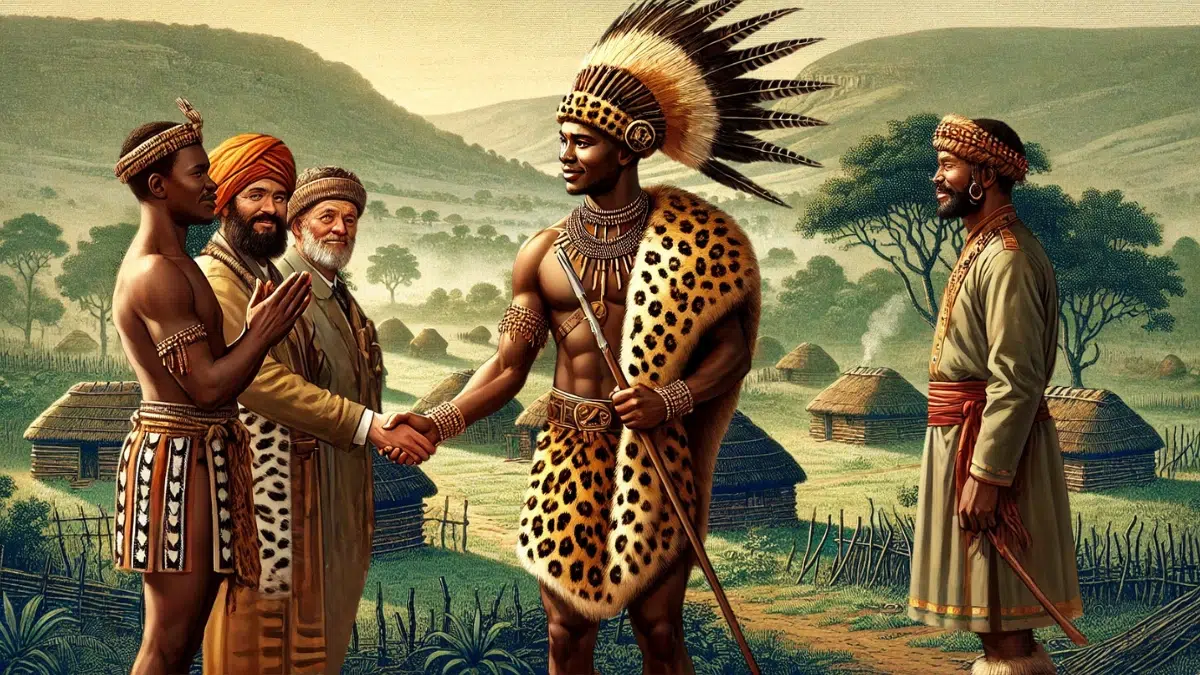
Shaka Zulu is a name that mixes history with legend. Making him a key figure in South African history. He is seen as both a brilliant strategist and a mythical figure. Through stories in media, books, and oral traditions, Shaka’s tales keep people interested and inspired for years.
It’s important to know the difference between what really happened and the stories about Shaka Zulu.
Historically, Shaka was a military genius and a great leader. But, stories of his magical abilities and amazing deeds have also spread, mixing reality with myth.
Shaka’s legend lives on in popular culture, appearing in TV shows, books, and documentaries. These stories keep his memory alive and make him a cultural icon for many.
Shaka’s story is full of dramatic elements that add to his legendary status.
His strict rule, new military tactics, and big social changes make his story interesting. These stories have helped keep Shaka’s legacy alive.
Looking closer at Shaka’s life shows how history and legend come together. This mix honors his memory and celebrates the Zulu culture. It’s this blend of stories and facts that makes Shaka Zulu’s tale so engaging and lasting.
Shaka’s Social and Cultural Reforms
Shaka Zulu lead big changes in society and culture, making a big impact on the Zulu nation. His early life helps shape his vision for changing society. He wantd to make the Zulu people stronger and more united.
Shaka changes the Zulu social order. He makes big changes to marriage, creating a more centralized system. This makes people more loyal to him and help him stay in power.
Shaka also changes Zulu culture a lot. He brings in new rituals and daily life changes. These new practices bring the Zulu people closer together and make them proud to be Zulu.
Shaka’s changes have a lasting impact. They make the Zulu nation strong and united. They face challenges from outside and within. Shaka’s leadership and cultural changes still affect Zulu culture today, showing how his reforms have lasted.
Shaka Zulu’s Expansion and Conquests
Under Shaka, the Zulu kingdom grows into a powerful empire. He focuses on military innovation and strategic planning. His conquests add vast territories to his empire and bring diverse tribes into the Zulu culture.
Shaka wants to unite various tribes under one strong leader. His expansion brings better resource use, improved security, and a strong economy. Neighbouring tribes then decide to join Shaka or face his powerful army.
Shaka’s conquests deeply change South Africa. His strategies and the growth of the Zulu kingdom help create a unified South African identity. Shaka’s empire is known for its strength and innovation. It sets new standards in governance, military tactics, and social structure across the region.
- Key regions annex include pivotal areas in modern-day KwaZulu-Natal.
- The incorporation of neighbouring tribes strengthen the Zulu’s political and economic power.
- Shaka’s approach emphasizes the integration of conquered peoples, ensuring loyalty and cohesion.
Shaka’s expansion and conquests are key to building a strong Zulu kingdom. This kingdom remains powerful after his reign, leaving a lasting impact on South African history.
Challenges and Controversies
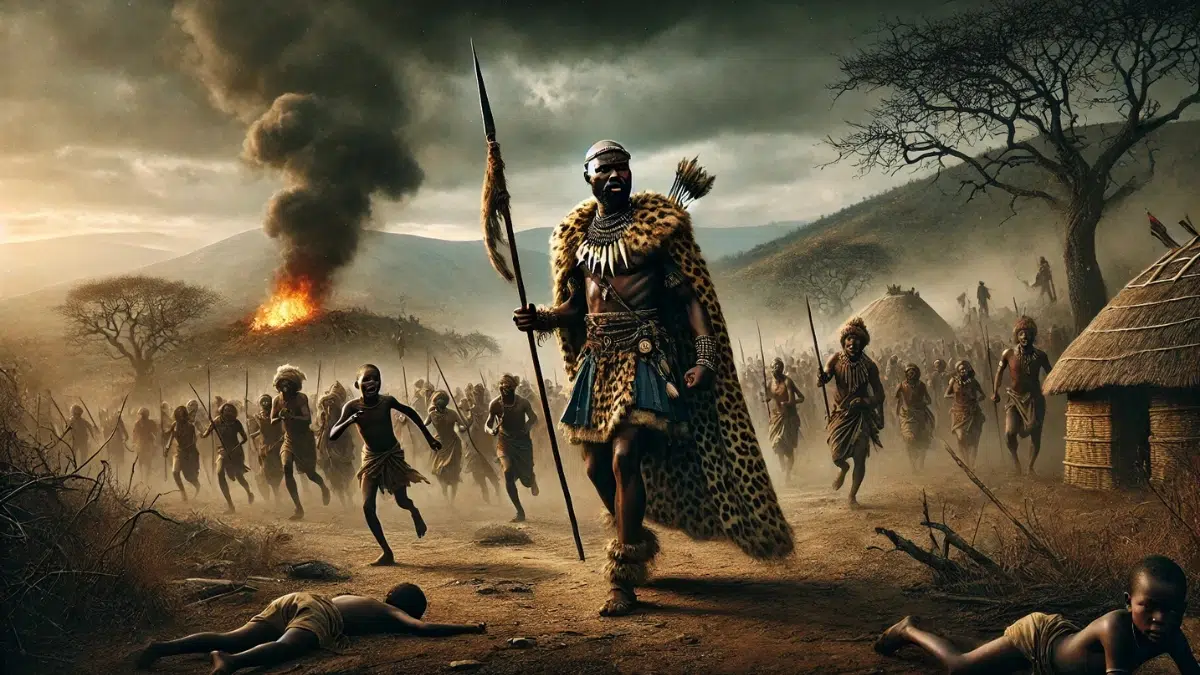
Shaka Zulu’s rule was filled with many disputes and challenges. These came from inside his kingdom and outside forces. He would face conflicts with groups that doubted his power and ways.
1. Harsh Leadership Style of Shaka Zulu
Shaka Zulu’s strict and often brutal approach to leadership led to fear and loyalty among his followers. It also sparked criticism. Shaka enforced severe discipline, punishing disobedience with death or exile.
Some viewed this as necessary for a strong military. Others believed his methods went too far, creating fear rather than genuine loyalty.
2. Brutal Tactics in Expansion
Shaka’s campaigns to expand the Zulu Kingdom often involved aggressive tactics.
Some neighbouring tribes viewed him as a powerful leader, while others saw him as a tyrant who destroyed their communities.
His military campaigns, known as the “mfecane” (crushing), led to large-scale displacement and disruption among neighbouring tribes. Critics claim these wars caused unnecessary suffering.
His harsh methods led to a lot of deaths and suffering. Critics say his leadership was too harsh, making his rule one of fear and oppression.
3. Personal Struggles and Anger
Shaka faced personal hardships that sometimes influenced his decisions.
For instance, after his mother’s death, he reportedly became consumed with grief. He ordered harsh punishments, including the death of those who showed insufficient mourning.
Some historians believe this grief temporarily affected his judgment, leading to excessive displays of anger and harsh laws.
4. Resistance from Other Leaders
Despite Shaka’s military success, some tribal leaders resisted his rule.
They objected to losing autonomy under a centralized Zulu authority. These leaders posed a challenge to his vision of unity, forcing Shaka to use both diplomacy and force to secure their loyalty.
This created tension within the kingdom and required careful balancing of power.
5. Internal Conflict and Betrayal
Shaka’s powerful rule brought loyalty but also envy and resentment.
This was especially true from his half-brothers Dingane and Mhlangana.
In 1828, Shaka faced betrayal from these brothers, who plotted against him. Their assassination of Shaka marked the end of his leadership, showing that his rule, while strong, also sowed seeds of discord within his family.
The Fall of Shaka Zulu

The end of Shaka Zulu’s rule came from betrayal within his own family. His powerful leadership and strict reforms had gained him many followers. They also created tension.
His half-brothers, Dingane and Mhlangana, became wary of his growing influence and strict rule.
Shaka’s grief after his mother’s death led him to enforce harsher rules. This raised concerns even among his closest allies. Many feared his increasingly unpredictable actions. Some leaders started to doubt his vision.
His Brothers Plot His Death
Dingane and Mhlangana saw Shaka’s vulnerability as an opportunity to seize power.
They worked together to plan a takeover, hoping to end his rule and lead the Zulu people differently. Shaka’s rule had brought both unity and fear. His brothers believed a change in leadership would benefit the kingdom. With the help of trusted allies, they prepared to confront Shaka.
The plan took shape quickly.
In 1828, Dingane and Mhlangana confronted Shaka and assassinated him, ending his rule over the Zulu Kingdom.
This event marked a dramatic shift for the Zulu people. Shaka’s legacy remained, but his brothers quickly set new rules and removed some of his reforms. Shaka Zulu’s fall showed the impact of power struggles and internal betrayal, leaving a lasting mark on the kingdom he built.
Challenges After Shaka’s Death
After Shaka’s death, the Zulu kingdom faced big challenges. Dingane took over but faced many problems. He tried to keep the kingdom together after losing its strong leader. This led to a time of uncertainty for the Zulu state.
Shaka’s death changed the Zulu nation a lot. The new leaders had to work hard to keep the kingdom strong. The death of Shaka Zulu marked the end of one era and the start of new power struggles in the Zulu leadership.
Shaka Zulu’s Legacy
Shaka Zulu left a lasting mark on history. Zulu military’s structure and tactics show his impact. These are still studied today. His reforms also helped unite diverse groups under one identity.
In South Africa, Shaka is seen as a national hero. Monuments and stories tell of his life, keeping his legacy alive. His leadership made the Zulu nation strong and set the stage for future leaders.
Today, schools teach Shaka Zulu’s story sharing through books and documentaries. Scholars and fans around the world study his life and impact. Celebrating Shaka honours his leadership and its effects on Africa.
Conclusion
Shaka Zulu stands as an important leader in African history. His life shows strength, resilience, and strong leadership.
He unites smaller groups to create the Zulu nation. This proves how teamwork builds stronger communities and nations.
Shaka alters warfare with new ideas, like the short spear and the ‘buffalo horns’ formation.
These changes make him a skilled military leader. He also makes social and cultural changes to strengthen his people.
Shaka’s ideas on leadership are still useful today. His strategies inspire people and are studied around the world.
His rule brings both praise and criticism. Even with challenges, his leadership changes Southern Africa in important ways.
Shaka Zulu’s legacy shows the balance between vision and reality. His spirit still lives in the Zulu people, showing his lasting impact on culture and history.