
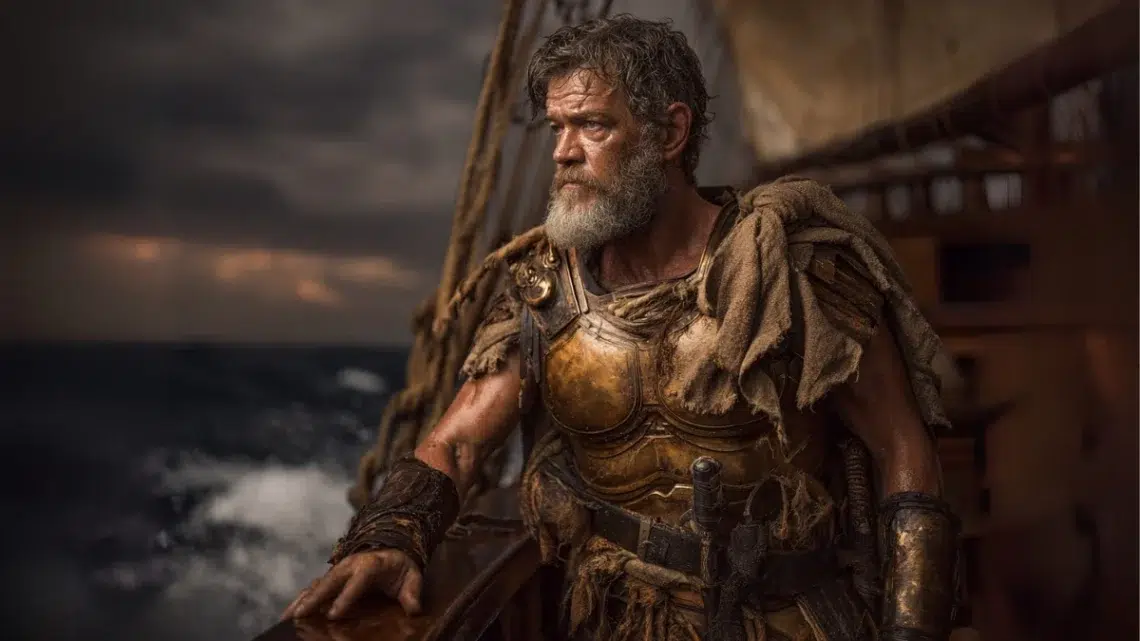
Odysseus: The Clever Hero of The Odyssey in Greek Mythology
Odysseus is one of the most famous heroes and the main character in Homer’s Odyssey in Greek mythology.
He was the clever king of Ithaca, known for his sharp mind and quick thinking, he relied on wit more than strength.
After helping to win the Trojan War with his idea for the Trojan Horse, Odysseus faced his greatest challenge—returning home.
The Odyssey is believed to have been composed around the 8th century BCE. It is attributed to the ancient Greek poet Homer and is considered one of the earliest works of Western literature.
-
It was passed down orally for generations before being written down
-
Scholars debate the exact date, but most place it between 750–700 BCE, shortly after The Iliad
Introduction to Odysseus and the Odyssey
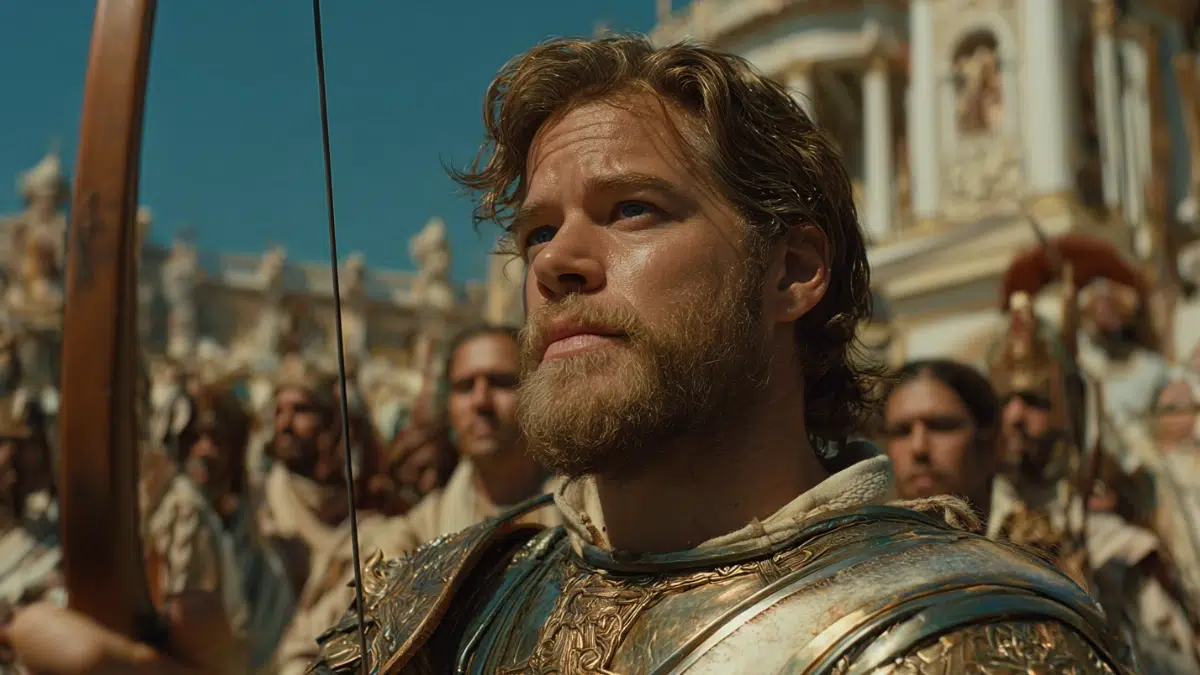
Odysseus journey was long and full of danger. He faces monsters, storms, and angry gods. Still, he never gave up. Odysseus’s story is not just about adventure. It is also about loyalty, courage, and the drive to see his family again.
Even thousands of years later, his tale inspires us. It shows how determination and intelligence can overcome even the hardest trials. But it also reminds us of his flaws, like pride and temptation, that made his journey even harder.
Odysseus is clever, brave, and deeply human—qualities that keep his story alive today.
Family of Odysseus
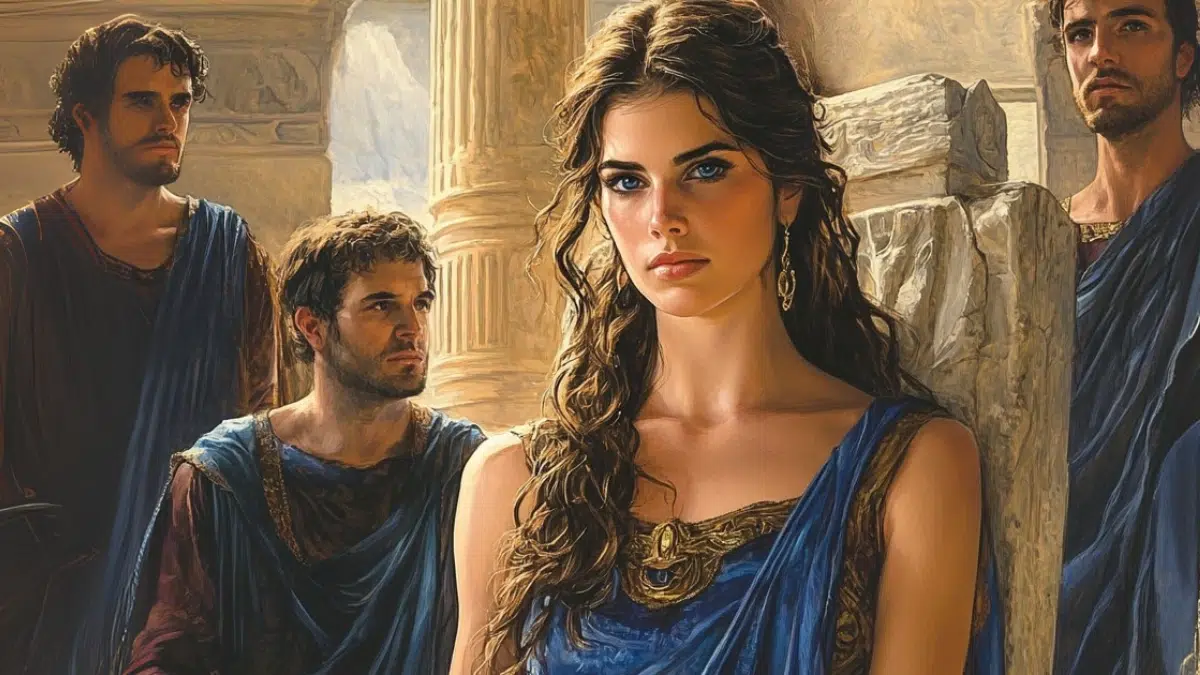
Odysseus was the king of Ithaca, a small but strong island kingdom in Greece. He married Penelope, known for her beauty, intelligence, and unwavering loyalty.
Together, they had a son, Telemachus. Odysseus likely left for the Trojan War as a young man.
Telemachus was born shortly before Odysseus departed, meaning Odysseus saw his infant son but missed his entire childhood.
His father, Laertes, was a former king who had retired to his farm, leaving Odysseus to rule. The bond with his family drove Odysseus’s determination to return.
His longing for Penelope and Telemachus defined his journey and underscored themes of loyalty, perseverance, and the Greek value of family.
Early Life and Role in the Trojan War
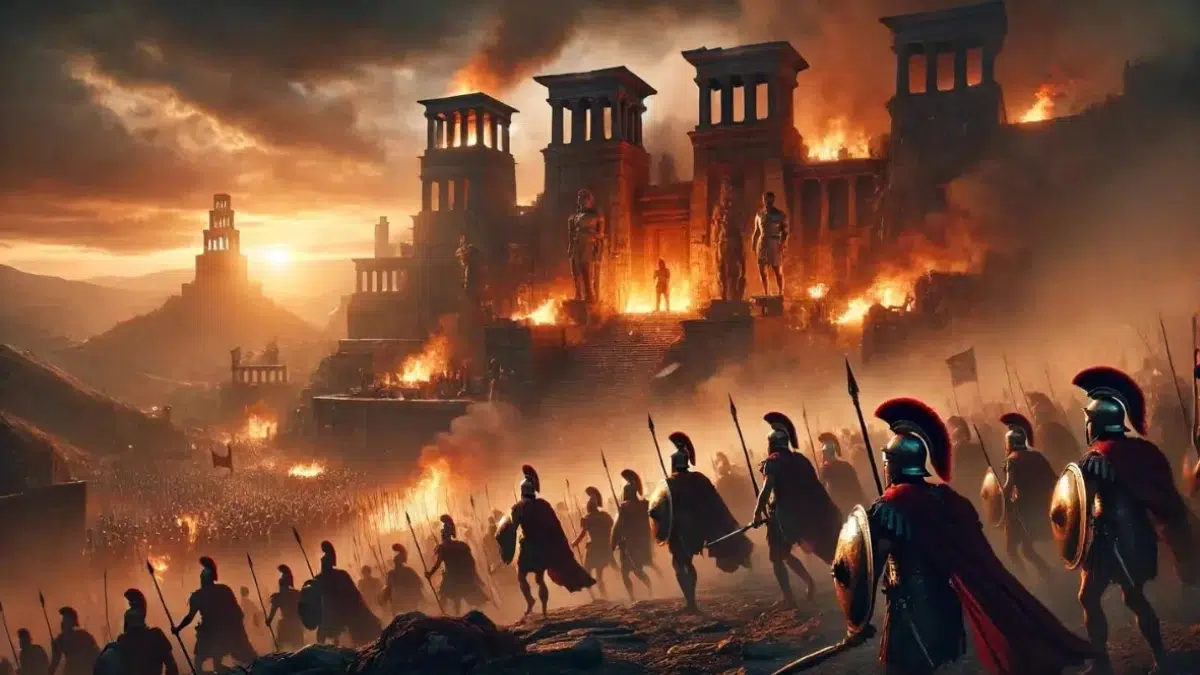
Odysseus was not the largest or strongest of the Greek heroes, but he was the smartest. His cleverness earned him respect from his allies and favour from the goddess Athena.
When the Trojan War began, Odysseus joined the Greek army to fight against Troy. He was a skilled speaker and strategist, often using his mind instead of brute force. His most famous idea came near the end of the war.
Trojan War: Ten Years of Fighting
After ten long years of fighting, Odysseus planned the Trojan Horse.
He ordered a giant wooden horse to be built and left it outside Troy’s gates. The Greeks pretended to sail away, hiding soldiers inside the horse. The Trojans brought it into their city, believing it was a gift.
At night, the hidden soldiers crept out, opened the gates, and let the Greek army in. This plan ended the Trojan War and made Odysseus a legend.
But his cunning also made enemies among the gods. Poseidon, god of the sea, grew angry after Odysseus insulted his son.
This anger set the stage for the long and dangerous journey home that followed.
Learn more about the Trojan War:
- The Trojan War: Heroic Figures and Myths
- Penthesilea: Amazon Queen Who Died in Trojan War
- Hector of Troy: Legendary Trojan Warrior
- Ajax the Great: Legendary Warrior’s Downfall
- Achilles: Greek Warrior Hero’s Journey
- Paris: Tragic Hero, Villain or Pawn of the Gods
The 10-Year Journey Home: The Odyssey

The Odyssey describes Odysseus’s journey as 10 years long, following the 10-year Trojan War, for a total of 20 years away from Ithaca.
After the Trojan War, Odysseus set sail for Ithaca. But he angered Poseidon by blinding his son, the Cyclops Polyphemus. As punishment, Poseidon cursed him with storms and obstacles, delaying his return.
Odysseus faced trials that tested his courage, intelligence, and loyalty to his home.
First Two Years of The Odyssey: Departure and Early Setbacks
Departure from Troy
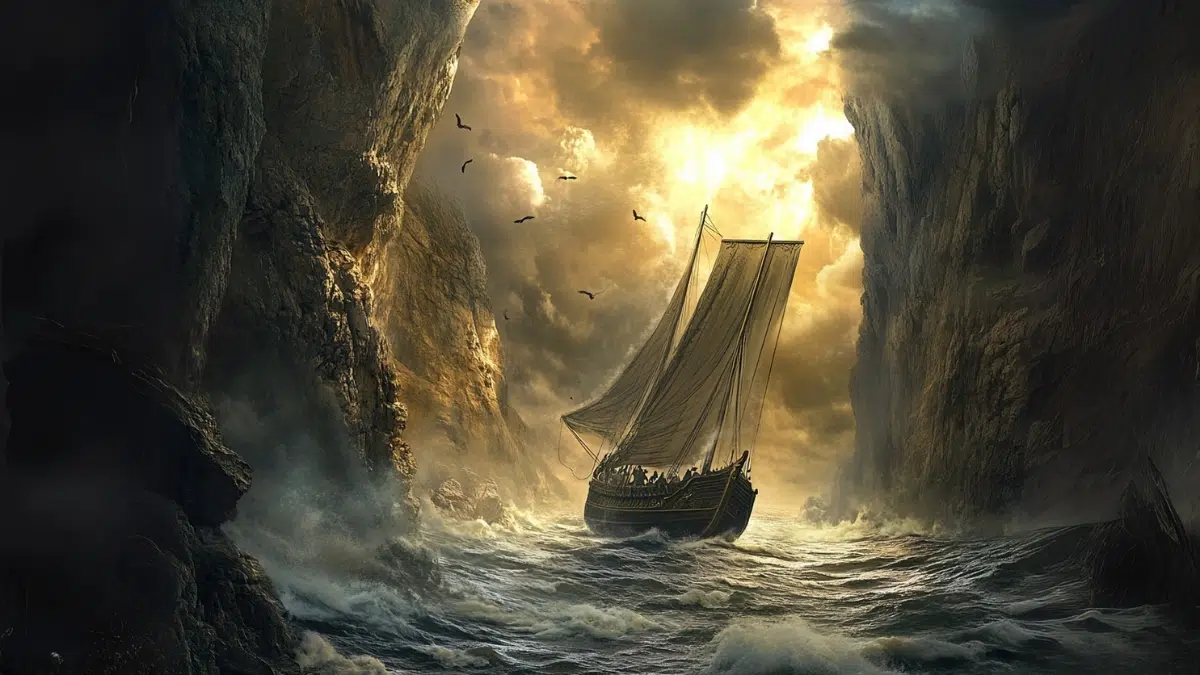
After the Trojan War ended, Odysseus and his men set sail for Ithaca. Victorious but weary, they longed to return home.
Their ships left the burning ruins of Troy behind, carrying dreams of peace and reunion. Yet their journey would be far from simple.
Unknown to them, divine anger and looming trials awaited, turning their voyage into one of the most legendary and challenging returns in Greek mythology.
Cicones: The Raid on Ismarus
After leaving Troy, Odysseus and his men landed at Ismarus, home of the Cicones. The Cicones were a Thracian people who lived in the city of Ismarus, near the coast of northern Greece.
After leaving Troy, Odysseus and his men raided their city, taking goods and celebrating their victory. Instead of leaving quickly, his men celebrated and ignored Odysseus’s orders to retreat.
However, the Cicones regrouped with reinforcements from inland and launched a fierce counterattack. Skilled warriors and allies of Troy, they drove Odysseus’s men back to their ships.
Many of Odysseus’s men were killed, and the survivors barely escaped to their ships. This costly mistake showed the danger of disobedience and greed.
It marked the first setback of their journey, proving how a lack of discipline could lead to disaster. Odysseus’s warnings went unheeded, setting the tone for future struggles.
Lotus-Eaters: The Island of Forgetfulness
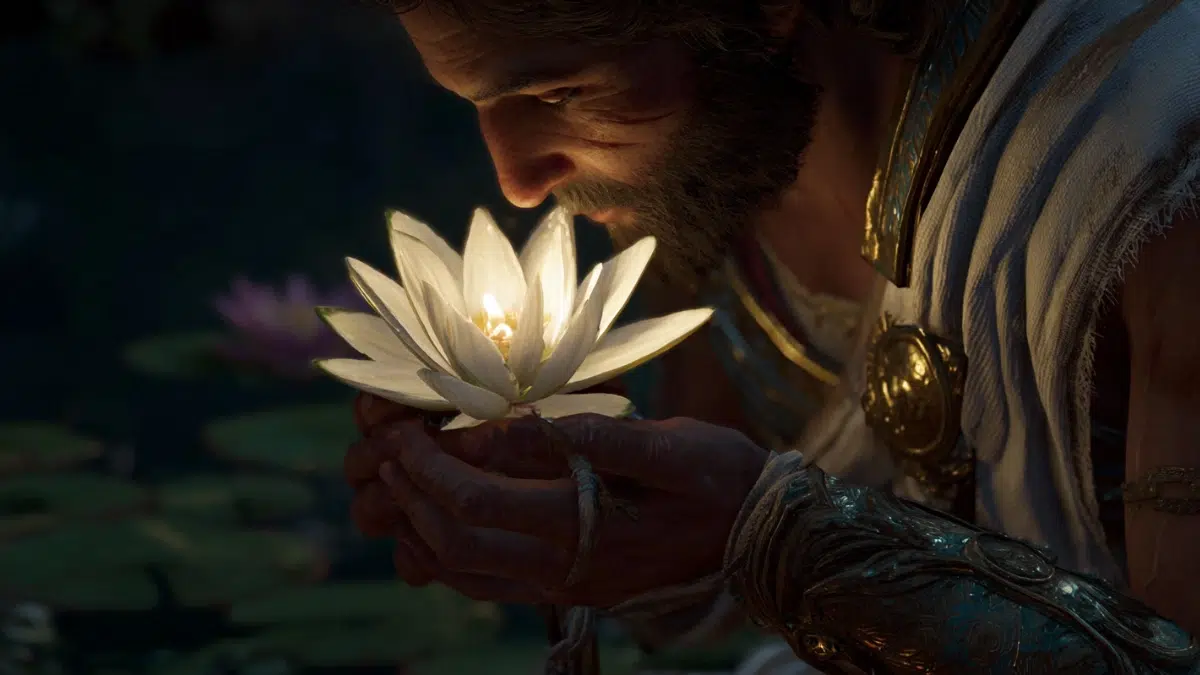
Odysseus and his crew landed on the island of the Lotus-Eaters, a gentle people who lived on the sweet lotus fruit.
Those who ate it fell into a dreamy state, forgetting their homes and any desire to return. Several of Odysseus’s men tasted the fruit and wanted to stay forever. Seeing the danger, Odysseus acted quickly.
He dragged his enchanted men back to the ship and tied them down until they recovered.
Without delay, he ordered the crew to sail away. This episode revealed Odysseus’s quick thinking and leadership, saving his men from losing themselves to endless forgetfulness.
Cyclops Polyphemus: Outsmarting the Giant

Odysseus and his men became trapped in Polyphemus’s cave after entering it seeking food and shelter. The cave was filled with cheese, milk, and livestock, tempting the hungry crew.
Polyphemus, a one-eyed Cyclops and son of Poseidon, came back and sealed the entrance with a massive stone. Too large for any man to move, it left them imprisoned inside.
When Polyphemus discovered the intruders, he blocked the exit completely and began eating two men at a time. This forces Odysseus to devise a plan to escape through cunning rather than strength.
Using his cunning, Odysseus tricked the Cyclops by telling him his name was “Nobody.” He then blinded Polyphemus while he slept and escaped by hiding under the bellies of sheep.
As he fled, Odysseus taunted the giant, revealing his true name.
This act of pride enraged Polyphemus, who prayed to Poseidon for revenge.
This moment sealed Odysseus’s fate, leading to years of storms and suffering on his journey home.
The Odyssey Year 2–3: Storms and Wandering
Aeolus: The God of Winds

Odysseus visited Aeolus, the god of winds, who welcomed him and offered help. Aeolus gifted him a sealed bag containing all the storm winds, leaving only a gentle breeze to guide them home.
For nine days, they sailed safely, Ithaca nearly in sight. But while Odysseus slept, his curious crew opened the bag, thinking it held treasure.
The winds burst free, unleashing a violent storm that drove them far off course.
When Odysseus returned to Aeolus for help, the god refused, believing he was cursed by the gods. This setback marked a devastating blow to Odysseus’s voyage home.
Laestrygonians: The Cannibal Giants
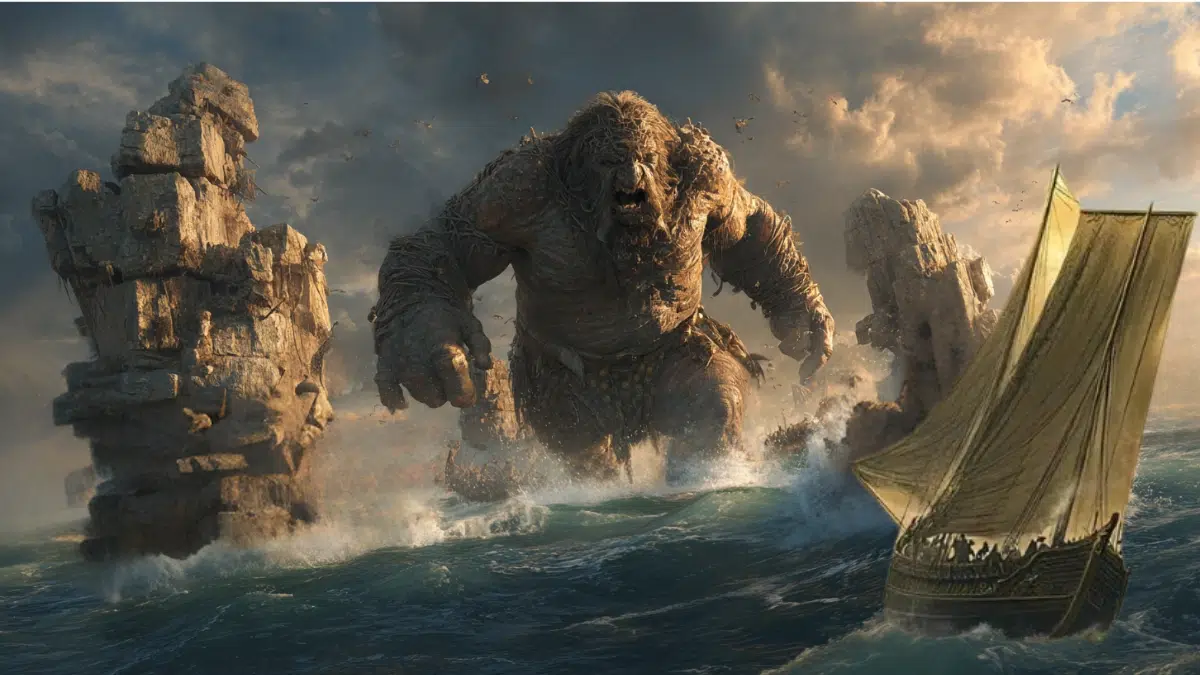
Odysseus and his fleet landed in the land of the Laestrygonians, a race of giant cannibals.
At first, they seemed friendly, but the giants soon attacked, hurling boulders and sinking ships. They speared Odysseus’s men like fish, devouring them on the spot.
In a desperate escape, Odysseus cut his ship free and rowed hard, watching in horror as every other vessel was destroyed. Only his ship and crew survived.
This brutal encounter left Odysseus with a single ship, showing the deadly dangers of his journey and the immense loss he faced as he pushed onward toward Ithaca.
The Odyssey Year 3–4: Circe and the Underworld

Circe: Enchantress Turned Ally
Odysseus landed on the island of Aeaea, home to Circe, a powerful enchantress. She turned some of his men into pigs with her magic.
With Athena’s help and a protective herb from Hermes, Odysseus resisted her spell and forced her to restore his crew.
Surprisingly, Circe became his ally, inviting him to stay. He remained on her island for a year, resting and regaining strength.
Circe eventually helped him, advising him on the dangers ahead, including the Sirens and the deadly straits of Scylla and Charybdis.
Her guidance proved crucial in the next stages of his journey.
Journey to Underworld: Consulting the Prophet Tiresias
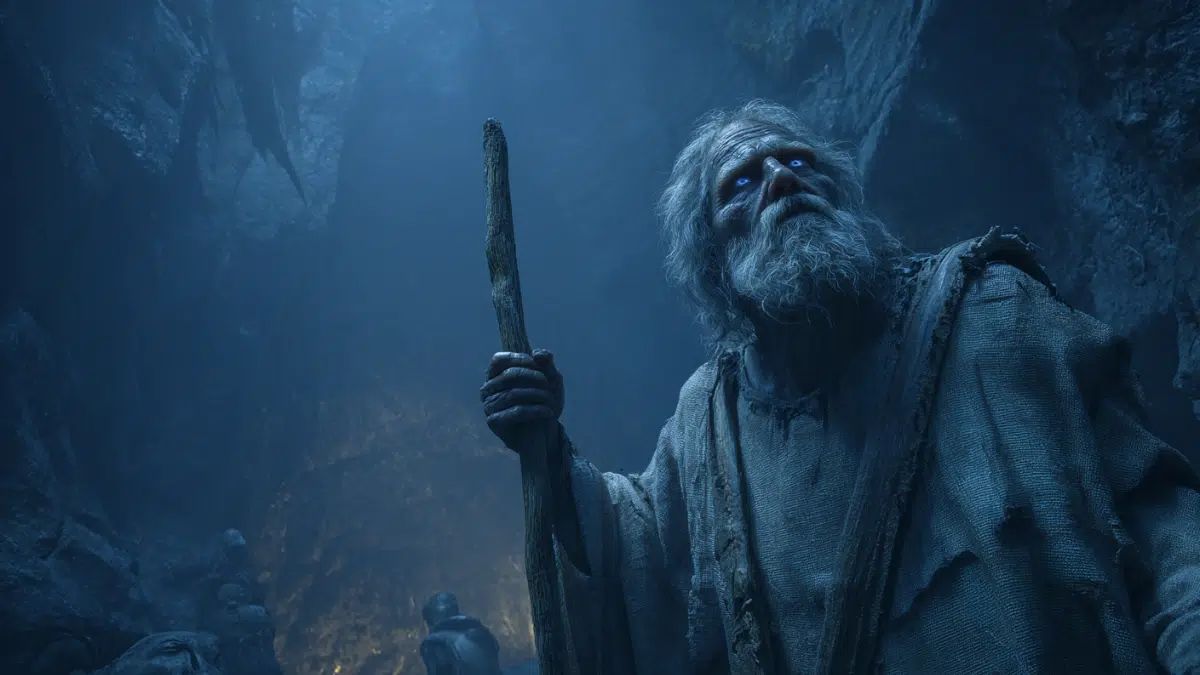
Odysseus needed to journey to the Underworld because, although Circe gave him valuable advice, she could not see his full fate.
She told him only Tiresias, the blind prophet of Thebes, could reveal how to appease the gods and safely return to Ithaca.
Tiresias held unique knowledge of the future, including warnings about Poseidon’s anger, the danger of Helios’s cattle, and the trials awaiting Odysseus even after reaching home.
This visit was essential because only Tiresias could provide the divine insight Odysseus required to survive the rest of his journey and reclaim his throne.
Guided by Circe’s instructions, Odysseus performed a ritual to summon the dead. Tiresias appeared and warned him of Poseidon’s anger, foretelling more trials before reaching Ithaca.
He cautioned Odysseus to avoid harming Helios’s cattle and revealed that he would reclaim his home but face more struggles even after returning.
Odysseus also met the spirits of his mother, fallen comrades, and famous heroes.
This haunting visit showed his courage and determination, offering vital knowledge that shaped his journey and underscoring his connection to both mortal and divine realms.
The Odyssey Year 4: The Deadly Trials and Perils
Sirens: Resisting Their Song
Sailing forward, Odysseus faced the Sirens, creatures whose beautiful voices lured sailors to their deaths.
Remembering Circe’s warning, he filled his crew’s ears with beeswax so they could not hear.
Curious to experience their song safely, Odysseus tied himself tightly to the ship’s mast. As the Sirens sang promises of knowledge and glory, he begged to be released, but his crew ignored him as ordered.
They sailed past unharmed, proving Odysseus’s discipline and clever planning.
This episode showed his ability to resist temptation and think ahead, qualities that kept him alive during his perilous voyage home.
Scylla and Charybdis: Navigating Deadly Straits

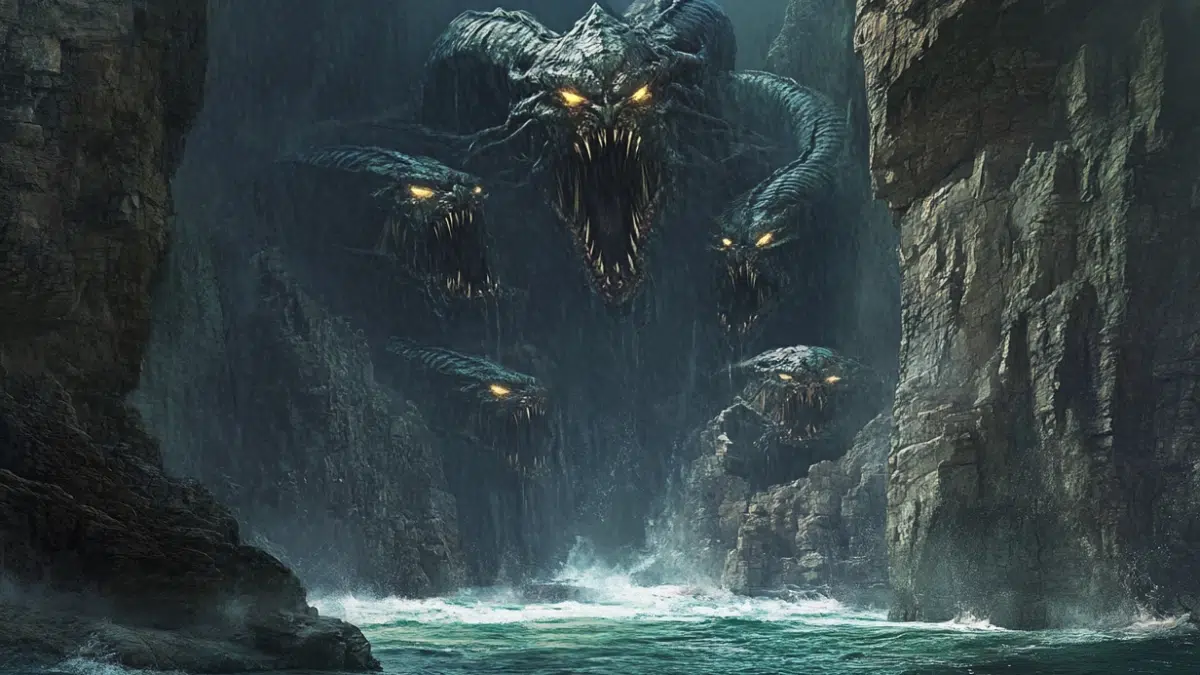
Odysseus next faced the twin threats of Scylla and Charybdis.
Scylla was a six-headed sea monster who snatched sailors from passing ships. Charybdis was a whirlpool capable of swallowing entire vessels.
Circe had warned him he must choose between losing a few men or risking all.
Odysseus steered closer to Scylla, sacrificing six men rather than everyone. This hard choice showed his leadership and pragmatism.
It was a moment of sorrow and determination, proving he would make even the most painful decisions to ensure his crew’s survival and continue toward Ithaca.
Thrinacia: The Fatal Mistake with Helios’s Cattle

Odysseus warned his crew not to touch the sacred cattle of Helios, the sun god.
Stranded by storms and starving, his men disobeyed while he slept. They slaughtered the cattle and feasted.
Helios, enraged, demanded punishment from Zeus. Once they set sail, Zeus struck their ship with a lightning bolt.

The vessel shattered, and all the crew drowned. Only Odysseus survived, clinging to wreckage.
This disaster showed the cost of defying the gods and the danger of disobedience.
Alone, Odysseus drifted to Calypso’s island, beginning seven years of captivity that delayed his return to Ithaca even longer.
The Odyssey Year 4–10: Calypso’s Island
Calypso: Seven Years Trapped Until Freed by the Gods
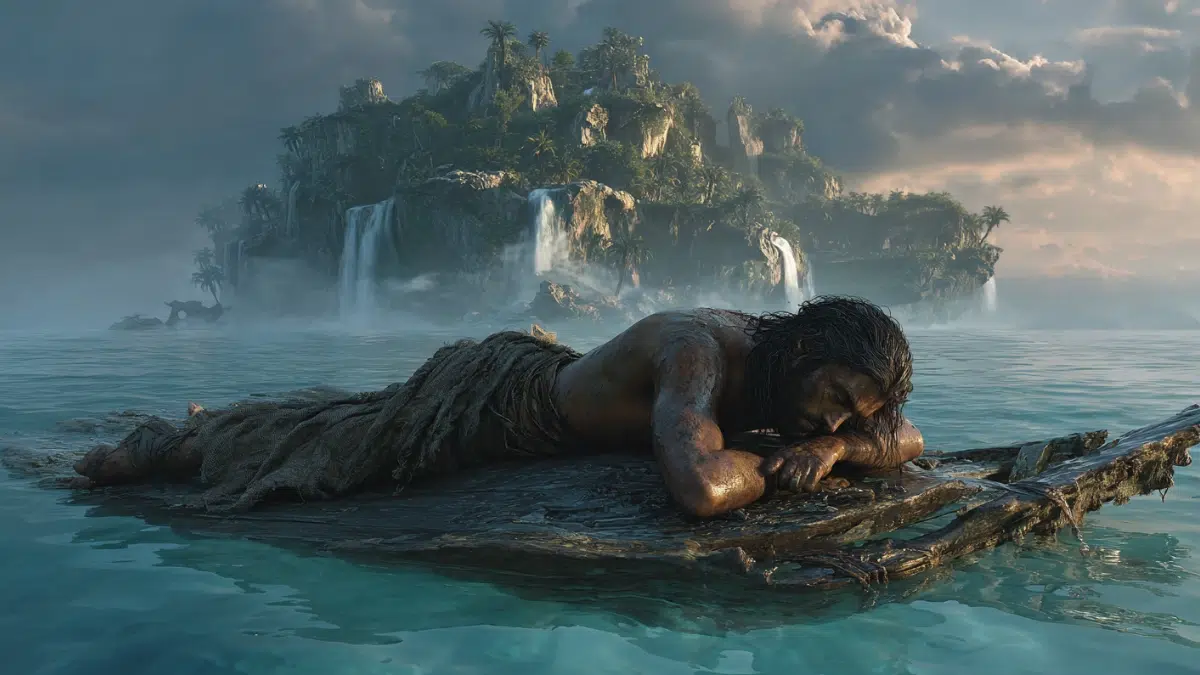
Odysseus was later shipwrecked on the island of Ogygia, home to the nymph Calypso.
Calypso is a sea nymph, an Oceanid, or the daughter of the Titan Atlas. She lived alone on the remote island of Ogygia, a paradise of lush forests, flowers, and calm seas. Many sources suggest the gods exiled her to Ogygia after the Titanomachy (the war between the Titans and Olympians) because of her father’s role against Zeus.
Her isolation served as both punishment and purpose, as she was fated to detain heroes.

Calypso fell in love with Odysseus and kept him captive for seven years, offering immortality if he stayed. Though tempted, Odysseus longed for home and Penelope.
Finally, the gods intervened. Hermes, the messenger god, ordered Calypso to let him go. She obeyed and helped him build a raft, allowing him to leave.
This part of his journey tested his loyalty and endurance, proving that even divine temptation could not keep him from his wife and kingdom. His escape marked the final step toward Ithaca.
Final Year of The Odyssey: Return to Ithaca
Released by the Gods and Shipwrecked in Phaeacia
After seven years with Calypso, the gods finally ordered her to release Odysseus.
Hermes delivered Zeus’s command, and Calypso reluctantly obeyed, helping him build a sturdy raft.
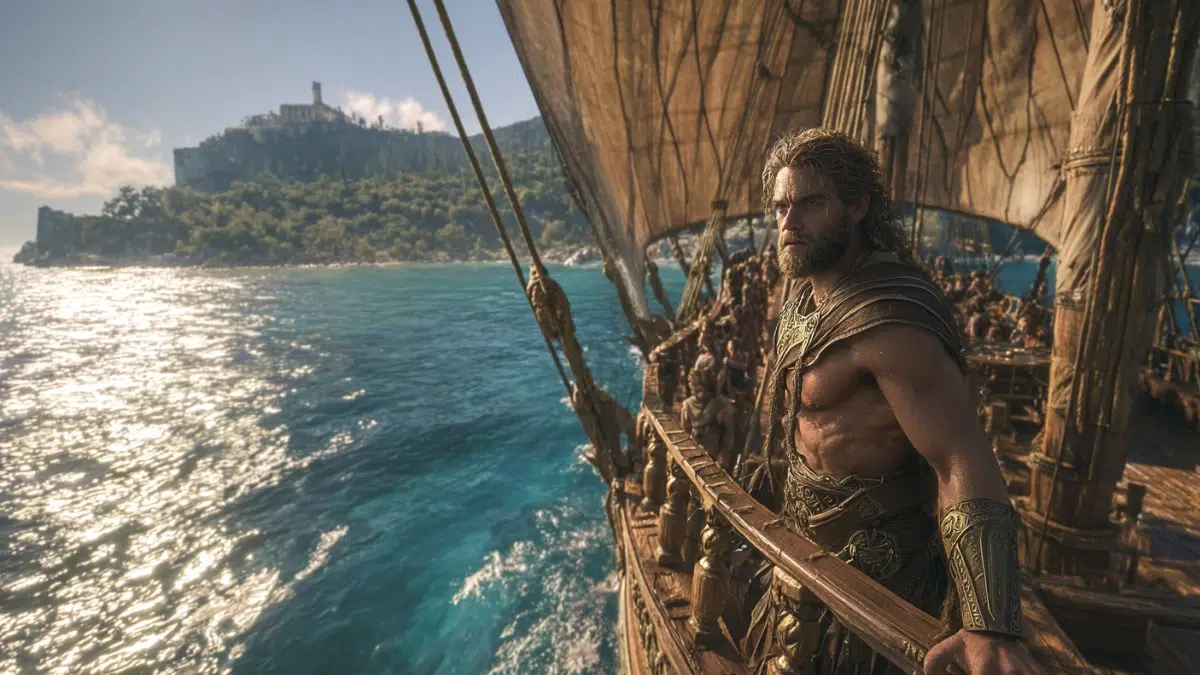
Odysseus set sail, but Poseidon, still angry, stirred a storm, wrecking his vessel.
Clinging to debris, he washed ashore on the island of Phaeacia, a remote, almost utopian place, far from other lands.
It was the home of the Phaeacians, a seafaring people known for their hospitality and skilled shipbuilding. They welcomed him kindly, offering food, shelter, and a ship.
He recounted his entire journey to their court, winning their admiration.
True to their promise, they gave Odysseus a ship and crew to finally return to Ithaca.
Returning Home: Revenge and Reunion
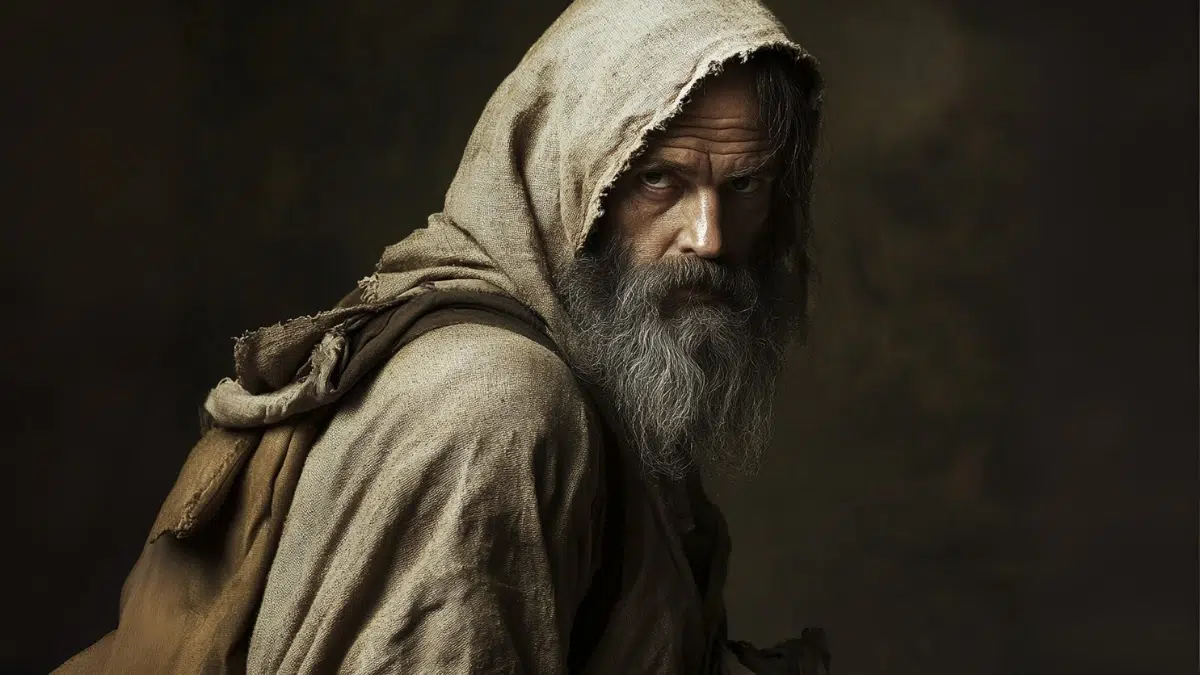
Athena disguised Odysseus to protect him and give him an advantage when he returned to Ithaca to reclaim his home, ending his long, perilous voyage at last.
Athena had helped Odysseus throughout The Odyssey because she admired his intelligence, cunning, and bravery. These were traits she valued as the goddess of wisdom and strategy.
Her support reflected the close bond between heroes and their patron gods in Greek mythology.
Odysseus disguised as a beggar to assess the situation. His palace was overrun with suitors vying for Penelope’s hand.
Penelope announced an archery contest: whoever could string Odysseus’s bow and shoot through twelve axe heads would win.
Only Odysseus succeeded, revealing his identity. He then used the bow to kill the suitors with help from Telemachus.
Afterward, Penelope tested him by mentioning their immovable bed, a secret only he knew. His knowledge proved his identity, and they joyfully reunited.
Odysseus reclaimed his home, ending his 20-year struggle to return to his family and kingdom.
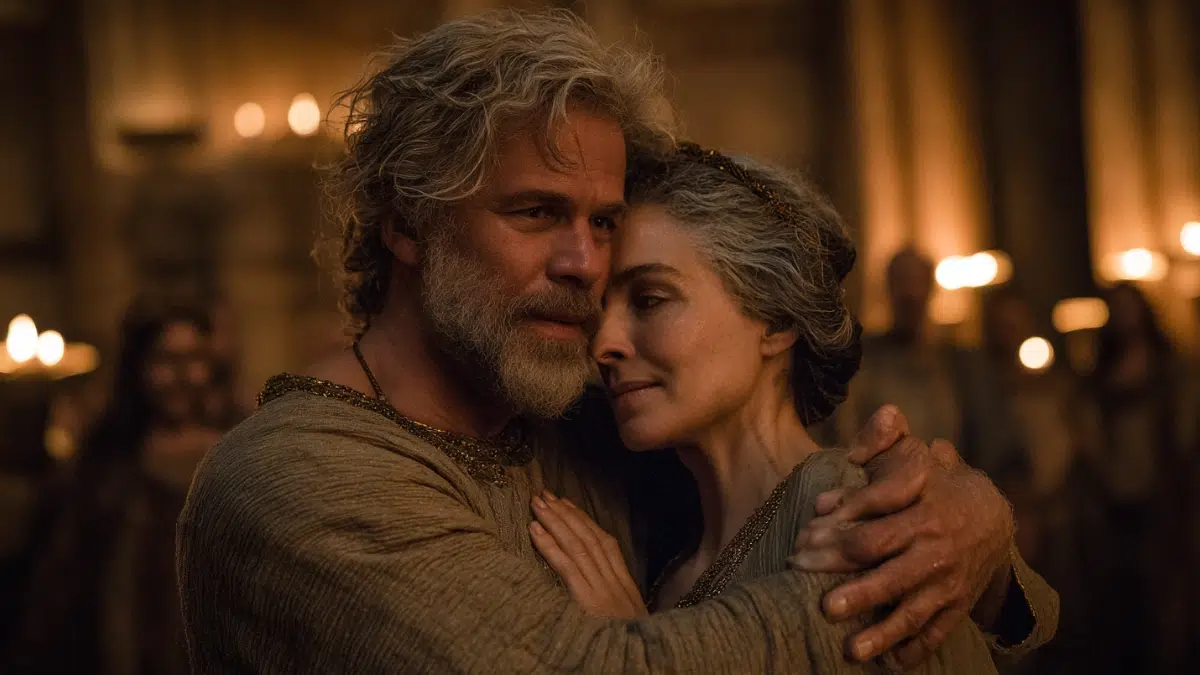
Odysseus on the Big Screen: The Odyssey (2026)
Christopher Nolan’s The Odyssey, starring Matt Damon as Odysseus, is set to release on July 17, 2026.
Filmed in IMAX 70mm across Morocco, Western Sahara, Greece, Italy, Scotland, and Iceland, the movie promises breathtaking visuals and a star-studded cast, including Tom Holland, Anne Hathaway, and Zendaya.
This high-budget adaptation will bring iconic moments—Polyphemus, Circe, and the Sirens—to life in Nolan’s epic style, reigniting global fascination with Odysseus’s legendary journey.
Conclusion: The Enduring Journey of Odysseus in The Odyssey
Odysseus’s journey is one of the greatest tales of endurance, loyalty, and human resilience.
For 10 years, he faced storms, monsters, temptations, and the anger of gods, driven by his desire to return home.
His intelligence and determination helped him survive every trial, but his flaws, especially pride, often made his path harder.
In the end, his love for Penelope and Telemachus and his longing for Ithaca carried him through.
Odysseus’s story is more than an adventure; it is a timeless reminder of perseverance and the unbreakable pull of home and family, values that still resonate today.
FAQs About Odysseus and The Odyssey
Who is Odysseus?
Odysseus is the king of Ithaca and the hero of Homer’s Odyssey. He is known for his intelligence, cunning, and leadership during the Trojan War and his epic 10-year journey home.
How long was Odysseus gone?
Odysseus was away from Ithaca for 20 years total, 10 years fighting in the Trojan War and 10 years journeying home.
How did Odysseus die?
In later myths, Odysseus was killed by Telegonus, his son with Circe, who accidentally struck him with a spear tipped with a stingray spine.
Is Odysseus a demigod?
No, Odysseus was fully mortal, though he was favoured by the goddess Athena for his cleverness and bravery.
Did Odysseus cheat on his wife, Penelope?
Yes, Odysseus slept with both Circe and Calypso during his journey, though ancient myths viewed these encounters differently than modern ideas of fidelity.
Did Odysseus sleep with Circe?
Yes, he stayed on Circe’s island for one year, during which they became lovers.
Did Odysseus sleep with Calypso?
Yes, Odysseus was held captive on Calypso’s island for seven years, and they shared her bed during this time.
Who is Odysseus’s son?
His son is Telemachus, who was an infant when Odysseus left for the Trojan War and a young man upon his return.
Who is Odysseus’s father?
His father is Laertes, a former king of Ithaca who retired to his farm in old age.
What does Odysseus do on the island of Cicones that shows leadership?
He ordered a retreat when danger arose, but his crew ignored him, leading to heavy losses.
What excerpt from Part 2 of The Odyssey shows Odysseus’s weakness?
When Odysseus taunted the Cyclops Polyphemus after blinding him, his pride provoked Poseidon’s wrath and worsened his journey.
What motivates Odysseus to dress as a beggar in “Amphimedon”?
He disguised himself to spy on the suitors in his palace and plan his revenge safely.
What motivates the Cyclops to ask Poseidon to interfere?
Polyphemus called on Poseidon to punish Odysseus after being blinded and mocked.
Was Odysseus real?
Odysseus is a mythological figure. While some believe he may be based on a real Bronze Age leader, there is no historical proof.
How do Greek values of family and perseverance appear in Odysseus’s story?
His relentless drive to return to Ithaca and reunite with Penelope and Telemachus reflects Greek ideals of loyalty to family and perseverance through hardship.


