
Roman Hero Horatius Cocles Who Defended the Bridge
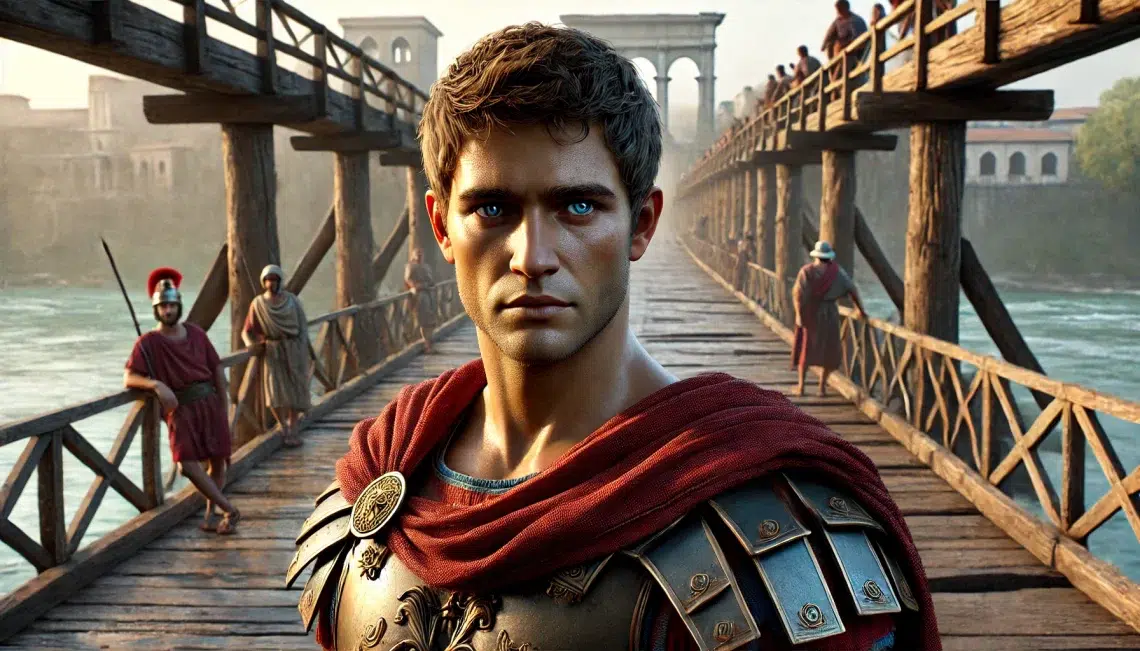
Horatius Cocles is a legendary Roman hero known for his bravery. He is famous for defending the Pons Sublicius bridge.
This wooden bridge spans the Tiber River. When the Etruscan army attacked Rome, Horatius stood firm. He fought with courage to protect his city.
Horatius’s bravery inspired his fellow soldiers. He managed to hold back the Etruscans, giving the Romans time to destroy the bridge. This act prevented the enemy from entering Rome.
Horatius’s story shows true courage and patriotism. His actions at the Pons Sublicius bridge remain a symbol of Roman bravery. Horatius Cocles is a hero who defended his city against great odds.
Historical Context
The Early Roman Republic (509 BCE)
The early Roman Republic emerged after the Romans overthrew their monarchy in 509 BCE. They replaced the king with elected officials called consuls. This new government allowed citizens to have a say in their leadership. However, the young republic faced many challenges.
Politically, the Romans struggled to establish a stable government.
They created new laws and institutions to protect the rights of citizens. Yet, tensions between different social classes often created conflicts. The patricians, or noble families, and the plebeians, or common people, frequently clashed over power and rights.
Militarily, the early Republic had to defend its territory against various threats. Many neighbouring people and cities saw Rome’s new government as weak and vulnerable. They attacked, hoping to take advantage of the political changes. The most significant threat came from the Etruscans.
The Etruscan threat and King Lars Porsena
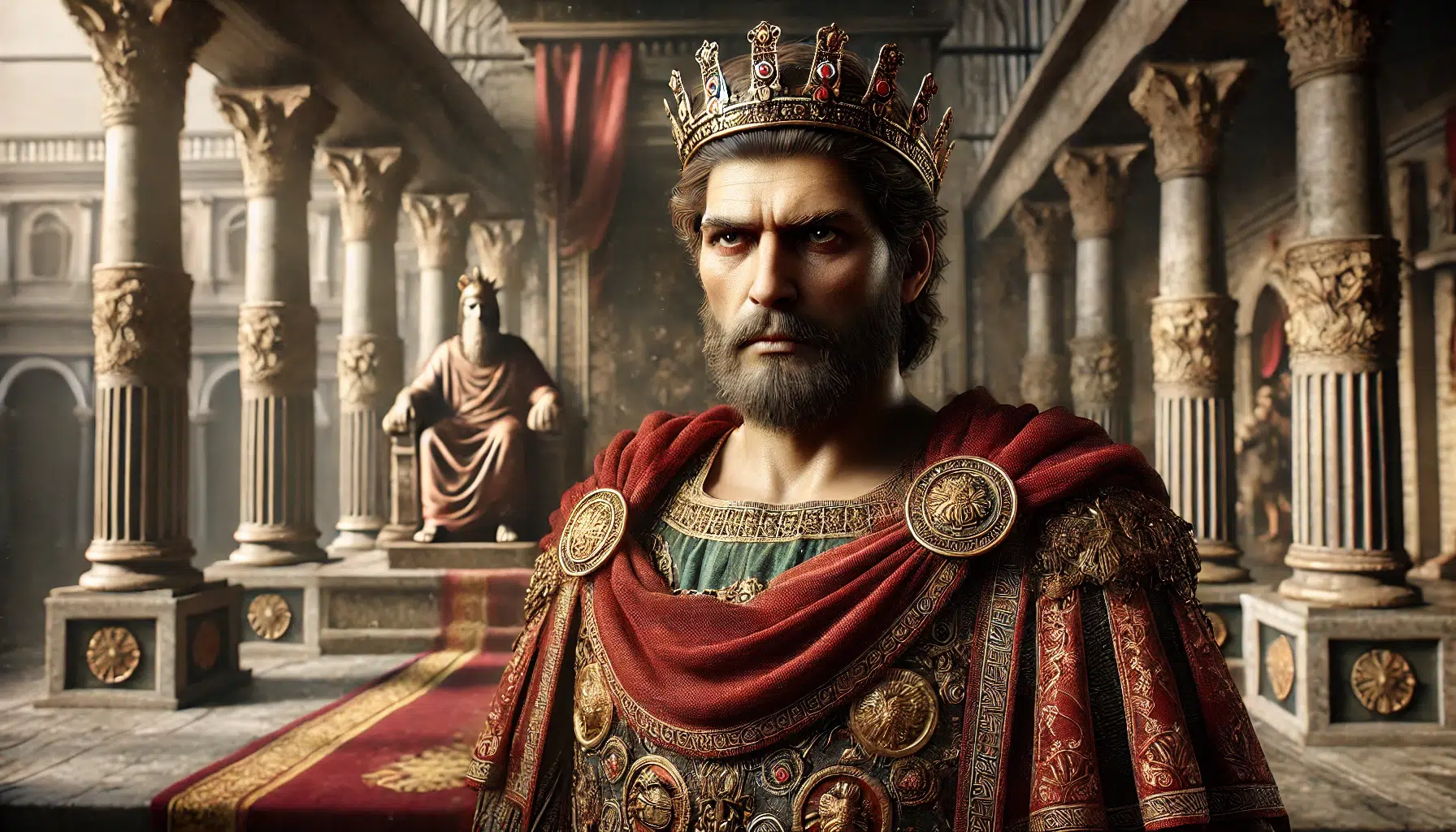
King Lars Porsena of Clusium led the Etruscans. He aimed to reinstate Tarquin the Proud, the last Roman king, who was expelled during the transition to a republic.
Lars Porsena believed that restoring Tarquin would strengthen Etruscan influence over Rome. He gathered a large army and marched towards the city. The Romans had to defend their new republic against this powerful enemy.
The Battle of Pons Sublicius is one of the most famous confrontations from this period. Horatius Cocles, a legendary Roman hero, stood on the wooden bridge and faced the Etruscan army. His bravery and determination gave the Romans enough time to destroy the bridge, preventing the enemy from crossing into the city.
The early Roman Republic faced significant challenges, both politically and militarily. However, the courage of its people, like Horatius Cocles, helped defend and strengthen the new government. The story of Horatius Cocles shows the determination and bravery that defined this critical period in Roman history.
Early Life and Background of Horatius

Horatius Cocles comes from the patrician house of the Horatii. This noble family holds a respected place in Roman society.
Horatius’s uncle, Marcus Horatius Pulvillus, serves as a consul. This high-ranking position shows the family’s influence and importance in Rome.
Horatius’s family status offers him certain privileges. As a patrician, he receives an education that includes training in military skills, politics, and public speaking. These skills prepare him for leadership roles. He grows up with the expectation of serving Rome and defending its honour.
The agnomen “Cocles,” meaning “one-eyed,” has an interesting possible origin.
Some stories suggest Horatius loses an eye in battle. This injury highlights his bravery and determination. Despite this injury, he continues to fight for Rome.
Other tales hint that “Cocles” refers to a physical feature, such as a prominent eye or brow. Regardless of its exact origin, the name Cocles becomes synonymous with courage and strength.
Horatius Cocles’s early life shapes him into a strong and determined leader. His family’s status and his upbringing provide him with the skills and values needed to serve Rome. His bravery, symbolized by the name “Cocles,” makes him a legendary figure in Roman history.
The Battle of the Bridge
Strategic importance of the Pons Sublicius Bridge
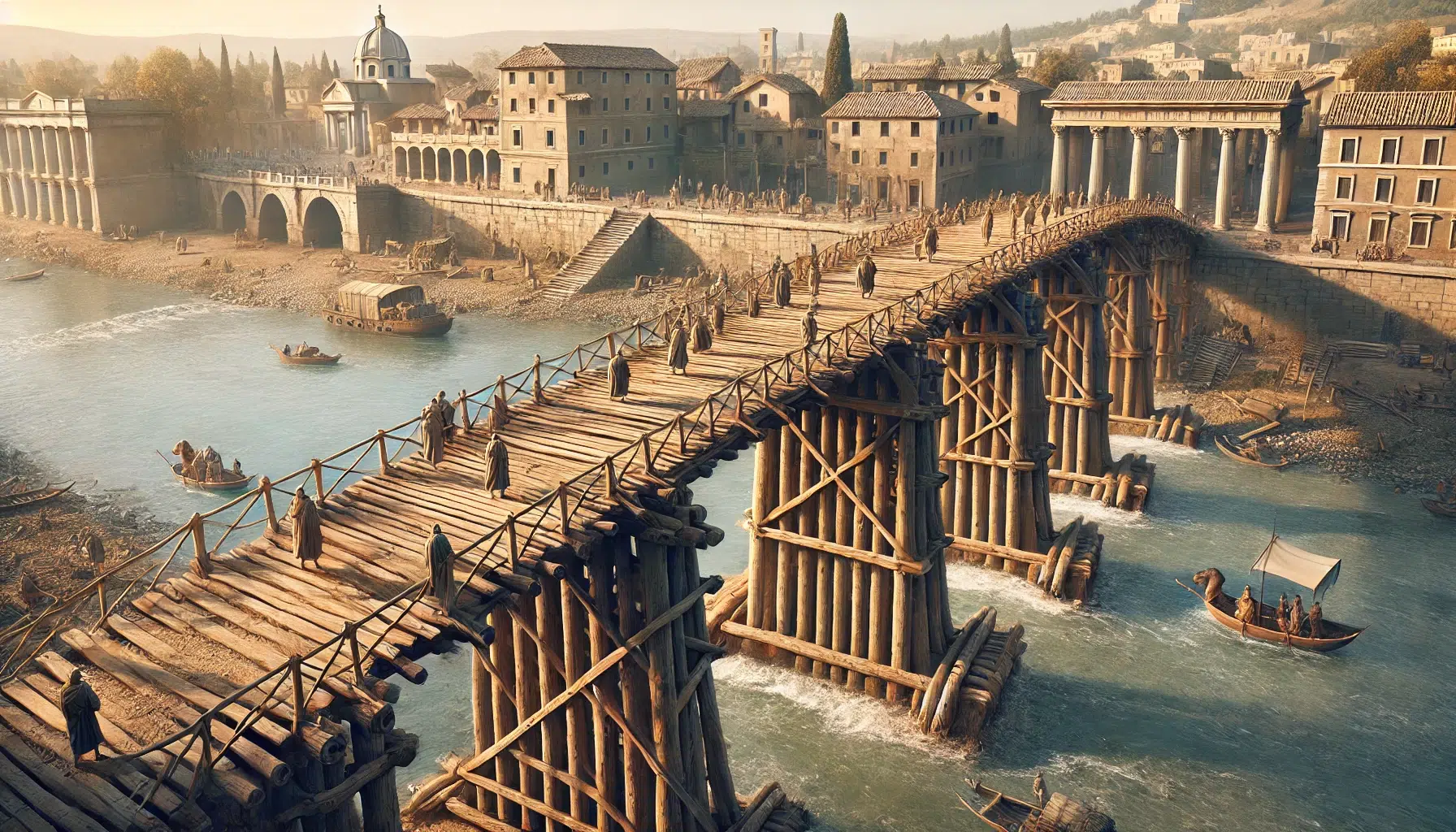
The Pons Sublicius bridge holds great strategic importance for Rome.
It connects the city to important trade routes, allowing goods and people to move easily. The bridge also serves as a vital defence point.
Controlling the bridge means controlling access to Rome.
During attacks, Roman soldiers can use the bridge to stop enemy advances. The bridge’s wooden construction allows for quick destruction if needed, preventing enemies from crossing the Tiber River.
This strategic location helps protect Rome from invasions and supports its economy by maintaining vital connections. The Pons Sublicius is crucial for Rome’s security and prosperity.
The Etruscan assault on Rome
The Etruscan assault on Rome creates a critical situation. Porsena’s forces capture Janiculum Hill, giving them a strong position. From there, they threaten the heart of Rome. The Roman army retreats, unable to hold their ground against the powerful Etruscan advance.
The situation becomes dire at the Pons Sublicius bridge. This bridge serves as the last line of defence before the enemy can enter the city. If Porsena’s forces cross the bridge, Rome will fall. The bridge must hold to protect the city.
The Roman soldiers rally at the bridge, knowing its strategic importance. They prepare to defend it with their lives. Horatius Cocles steps forward, ready to face the enemy. His bravery and determination inspire his fellow soldiers. This moment becomes critical for Rome’s survival. The Romans must stop the Etruscans here to save their city.
Horatius’s Heroic Stand
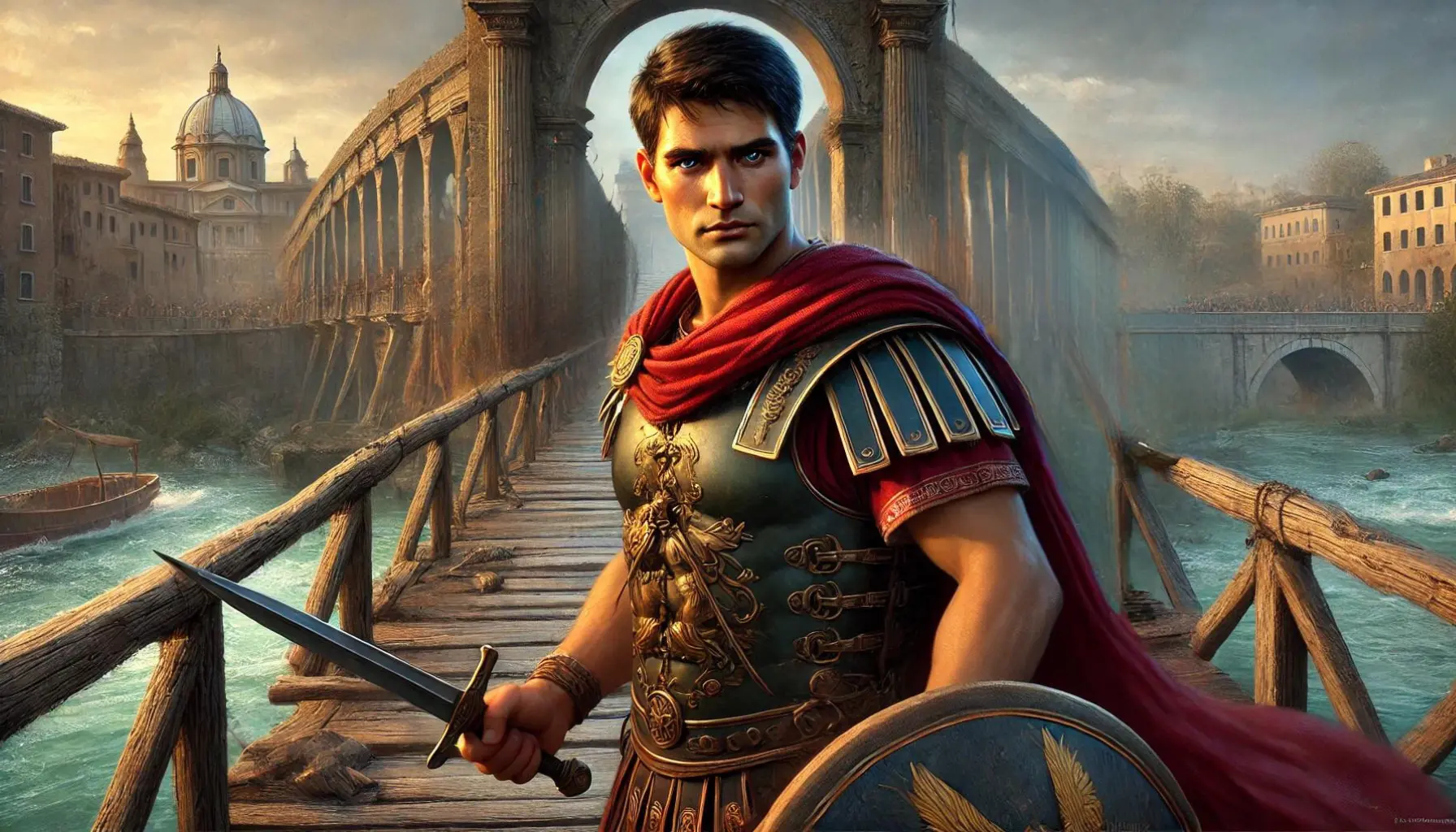
Horatius Cocles makes a heroic stand at the Pons Sublicius bridge.
He initially defends the bridge with Spurius Larcius and Titus Herminius. Together, they hold back the Etruscan forces, giving the Romans precious time.
As the battle intensifies, Larcius and Herminius receive orders to retreat. They reluctantly leave, knowing the bridge must fall to stop the enemy.
Horatius remains alone, determined to defend Rome. His bravery inspires awe as he faces the Etruscans without fear.
While Horatius fights, the Romans work quickly to destroy the bridge. The structure begins to collapse, signaling the end of his stand.
With the bridge destroyed, Horatius plunges into the Tiber River. He swims to safety, wounded but victorious. His courage prevents the Etruscans from crossing and saves Rome. Horatius’s solo defence becomes a symbol of bravery and loyalty, celebrated throughout Roman history.
Heroism and Legacy
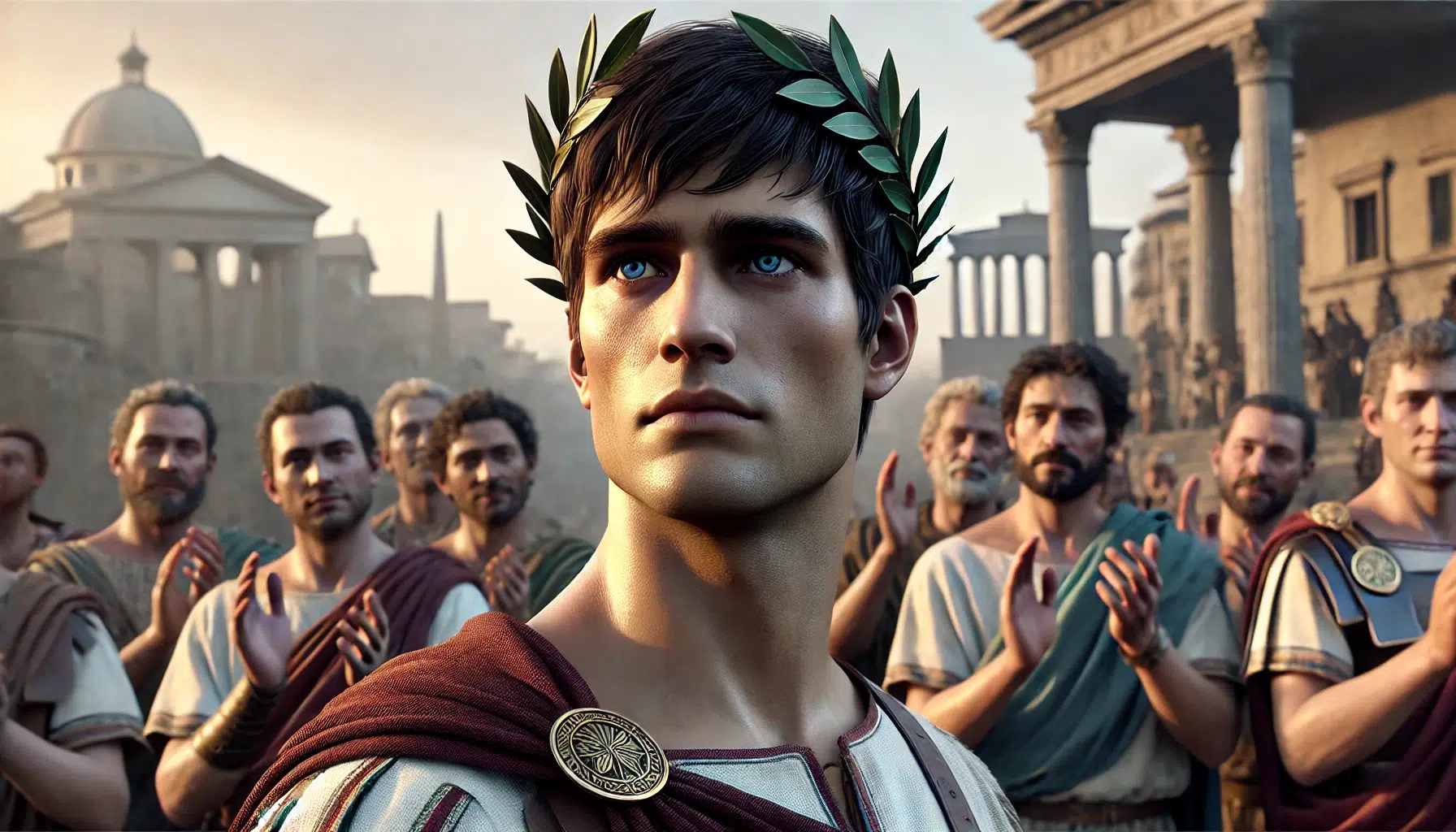
The immediate aftermath of the battle brings mixed accounts of Horatius’s fate. Some say he survives, while others claim he sacrifices himself. Regardless, his bravery remains unquestioned.
The Romans honour Horatius for his heroic stand. They bestow many rewards upon him. He receives a statue in the Forum, commemorating his bravery. The Senate grants him land and wealth as tokens of gratitude. His family gains prestige and honour, reflecting his noble sacrifice.
Horatius’s actions inspire future generations of Romans. His story becomes a symbol of courage and patriotism. The people of Rome celebrate his heroism, ensuring his legacy endures.
Cultural and Historical Impact
Horatius Cocles leaves a lasting cultural and historical impact. Romans erect statues and monuments in his honour. These tributes celebrate his bravery and dedication.
His story becomes a powerful symbol of Roman valour and civic duty. People tell his tale to inspire courage and loyalty. Horatius’s stand at the Pons Sublicius bridge shows the strength of one person’s resolve.
Teachers use his story in lessons about bravery and patriotism. His name appears in literature, art, and speeches. Roman leaders praise Horatius to encourage citizens to protect and serve their city.
Monuments in the Forum and other public places remind Romans of his heroism. Horatius Cocles’s legacy continues to shape Roman values. His courage sets a high standard for future generations. The impact of his actions endures, making him a timeless symbol of what it means to be a true Roman hero.
Some of the notable monuments and memorials honouring Horatius.
- Statue in the Roman Forum: Romans erected a statue in the Roman Forum to celebrate Horatius’s bravery. This statue stands as a reminder of his heroic defence of the Pons Sublicius bridge.
- Commemorative Plaques: Several plaques across Rome highlight the story of Horatius Cocles. These plaques detail his courageous stand and his role in protecting the city from the Etruscan forces.
- Monument on the Capitoline Hill: The Capitoline Hill, one of Rome’s seven hills, features a monument dedicated to Horatius. This site honours his legacy and serves as a symbol of Roman valor.
- Pons Sublicius Bridge Memorial: Near the original site of the Pons Sublicius bridge, a memorial commemorates Horatius’s legendary defence. This monument marks the spot where he stood against the Etruscan army.
These monuments and memorials help preserve the memory of Horatius Cocles. They inspire future generations to embody his courage and dedication to Rome.
Literary and Historical Accounts
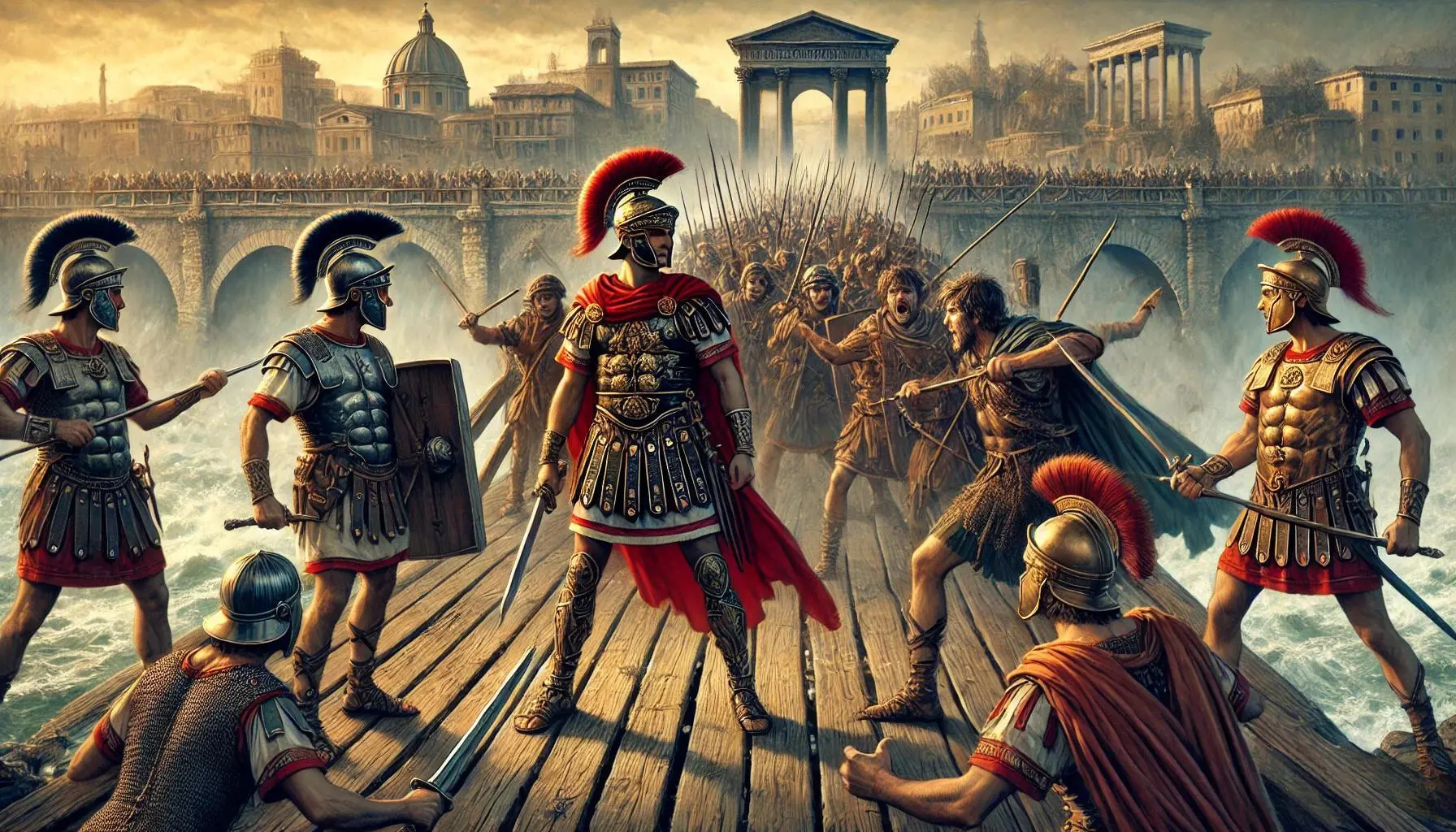
Literary and historical accounts of Horatius Cocles highlight his bravery.
Ancient historians like Livy and Polybius write about him. Livy describes Horatius’s stand at the Pons Sublicius bridge in his work “Ab Urbe Condita.” He focuses on the heroism and patriotism shown by Horatius. Polybius also mentions Horatius, emphasizing the strategic importance of the bridge and the courage needed to defend it.
Thomas Babington Macaulay immortalizes Horatius in his poem “Horatius at the Bridge.” Macaulay’s poem, part of his collection “Lays of Ancient Rome,” captures the drama and bravery of the moment.
The poem describes how Horatius, along with two companions, defends the bridge against overwhelming odds. Macaulay’s vivid language brings the story to life, making it accessible to a broad audience. His work inspires readers to appreciate the values of courage, loyalty, and sacrifice.
These literary and historical accounts ensure that Horatius Cocles’s legacy endures. They provide detailed descriptions of his heroic actions, allowing readers to understand the significance of his stand. Through these works, Horatius becomes a symbol of Roman valor and civic duty.
Debate Over the Accuracy of the Story
The debate over the historical accuracy of Horatius story continues. Some argue that his tale is more legend than fact. They suggest that the dramatic details may have been exaggerated. This exaggeration could serve to inspire and unify the Roman people.
Supporters of the story’s accuracy point to ancient historians like Livy and Polybius.
These historians include detailed accounts of Horatius’s bravery. They argue that these consistent records suggest a basis in truth. However, others believe these accounts include propagandist elements. These elements aim to promote Roman ideals and strengthen the state’s image.
The story of Horatius may contain elements of propaganda. Rome needed heroes to teach and inspire its citizens. By highlighting Horatius’s courage, Roman leaders could encourage loyalty and bravery. His tale teaches citizens the importance of self-sacrifice and dedication to Rome.
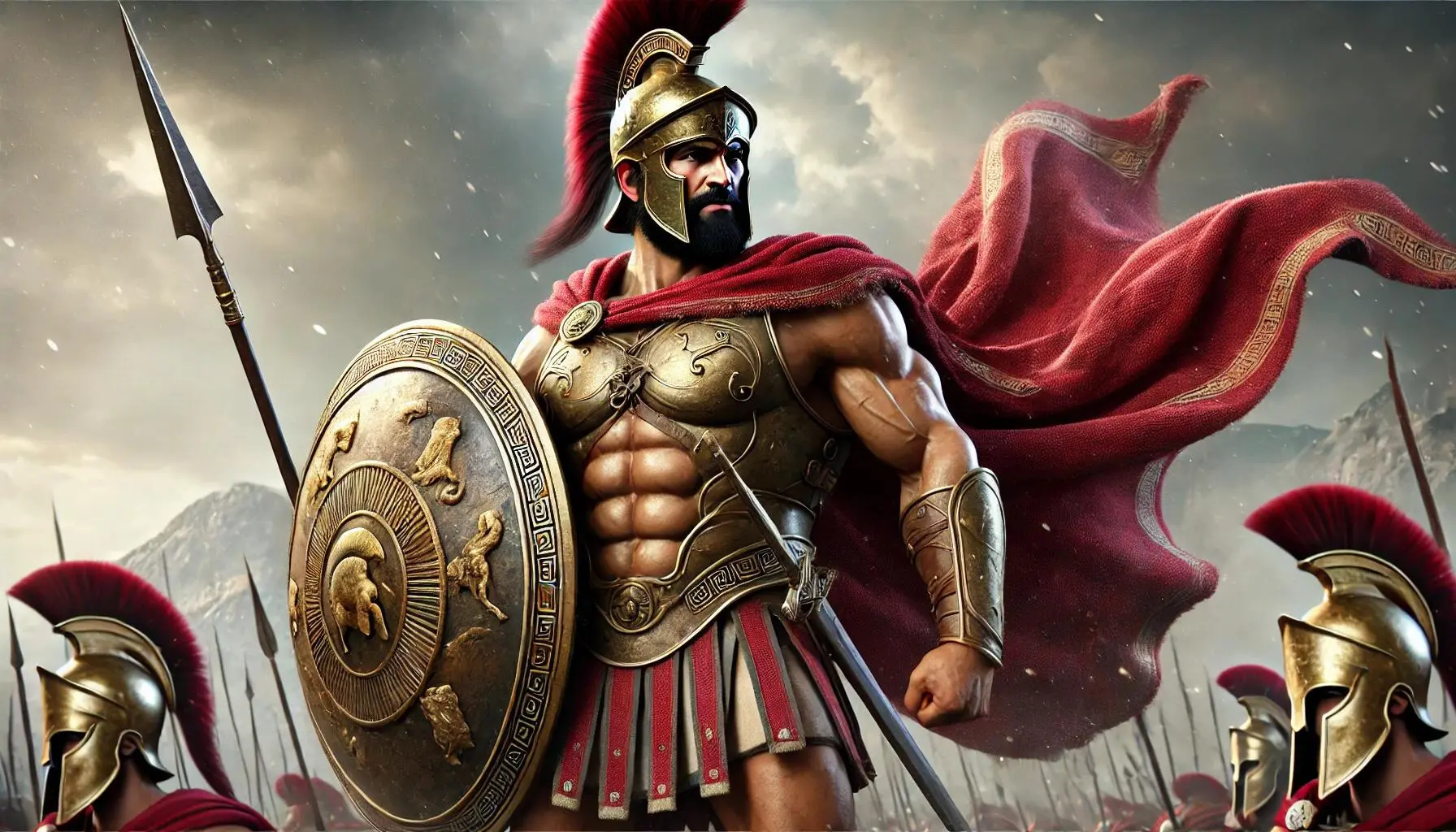
In Greek mythology, people often compare Horatius Cocles to Leonidas I, the Spartan king. Leonidas famously defended the narrow pass at Thermopylae against a massive Persian army. Like Horatius, Leonidas showed remarkable bravery and self-sacrifice in the face of overwhelming odds. Both heroes stood their ground to protect their people and inspire future generations with their courage.
Horatius’s legend plays a significant role in Roman education and culture. Schools use his story to teach students about bravery and civic duty. The tale reminds Romans of the values that define their society.
Conclusion
Horatius Cocles remains a symbol of bravery and dedication in Roman history. His stand at the Pons Sublicius bridge shows incredible courage. Horatius’s actions inspire future generations to value honour and civic duty.
Ancient historians and poets immortalize his tale, keeping his legacy alive.
The story of Horatius Cocles teaches important lessons about sacrifice and loyalty. Through his example, people learn the true meaning of heroism.
His legend endures, reminding everyone of the strength and determination needed to protect one’s homeland. Horatius Cocles embodies the virtues that define a true Roman hero.


