

Brynhildr: The Norse Valkyrie Betrayed by Love and Fate
Brynhildr is one of the most powerful and tragic figures in Norse mythology. She is a Valkyrie, a warrior maiden who serves Odin and chooses which warriors live or die in battle. But her story shifts from strength to sorrow when she defies Odin and follows her heart.
She falls in love, faces betrayal, and loses everything.
Her tale moves from the battlefield to the world of kings and broken promises. Through it all, Brynhildr remains proud, bold, and strong. Her story speaks to the power of choice, honour, and the pain of love gone wrong.
Brynhildr’s Origin and Role as a Valkyrie

Brynhildr is a Valkyrie, one of the warrior women who serve Odin. Valkyries ride through the skies, armed and fierce. They guide the souls of the bravest warriors to Valhalla. There, the dead train for Ragnarok, the final battle.
Brynhildr has great power. She follows Odin’s orders—until she makes a different choice. She sees a warrior who shows mercy and chooses to save him instead of the one Odin picks. This act of kindness goes against Odin’s will.

As punishment, Odin strips her of her Valkyrie powers. He places her in a deep sleep and surrounds her with flames. She must wait for a hero brave enough to pass through the fire and wake her.
Her story changes from one of power to one of waiting, love, and betrayal. But Brynhildr stays strong and proud, never letting others shape her spirit.
The Betrayal of Brynhildr
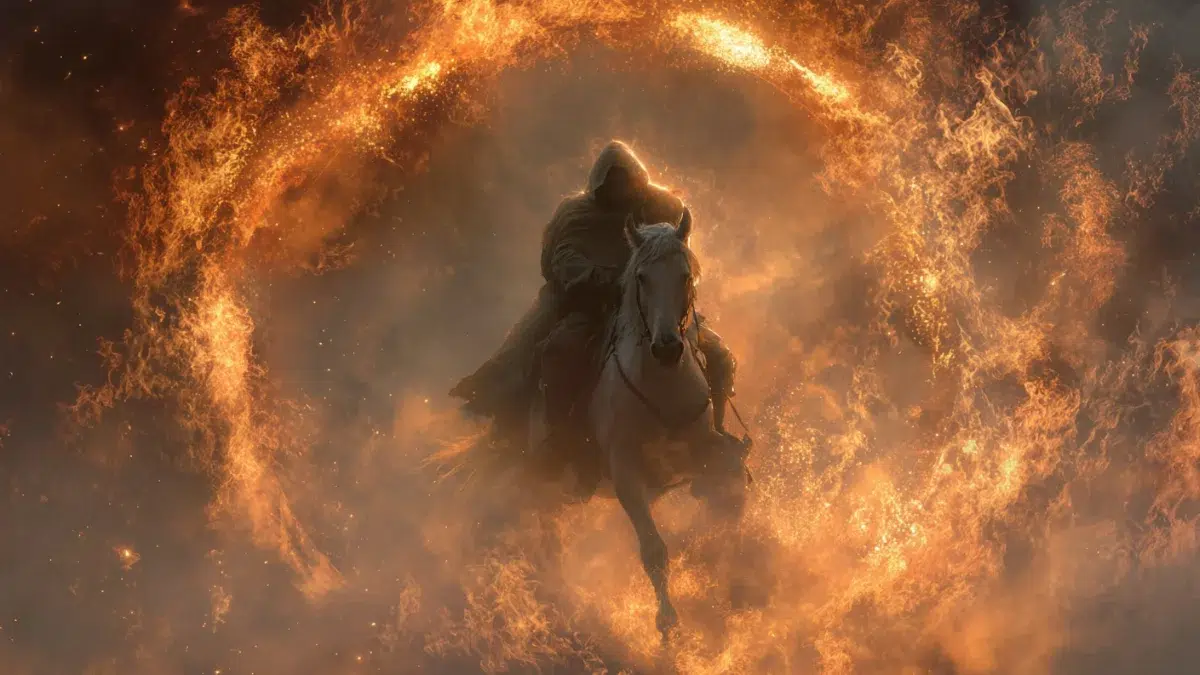
Sigurd rides through the blazing wall of fire because he wanted to prove himself worthy in the only way the gods allowed.
The fire was a test set by Odin. Any man who dared to face it showed more than bravery. He showed a fearless heart and a soul strong enough to challenge fate itself.
When he reaches Brynhildr, their meeting feels like destiny. The fire tests strength, courage, and the will to face danger without fear.
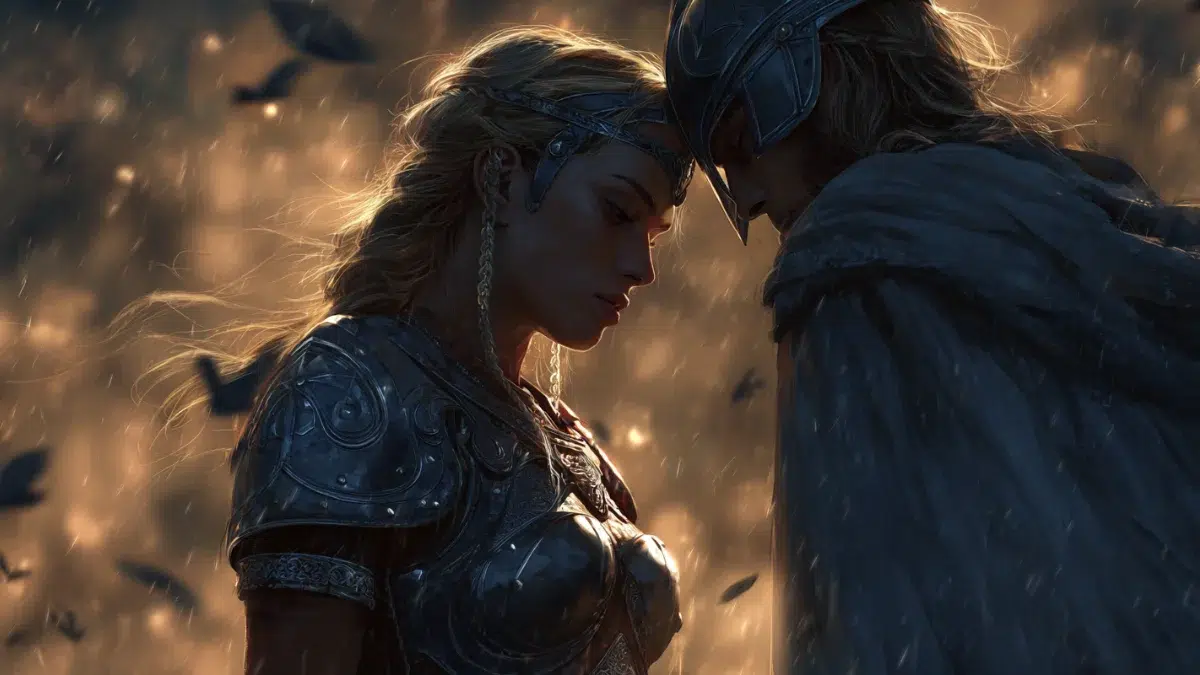
When Brynhildr wakes, she sees Sigurd standing over her, shining like a true hero. Sigurd sees the fierce heart of a Valkyrie and a woman who lives by courage and truth.
The two connect instantly. They swear sacred oaths and promise love and loyalty, promising to marry. Both agree they will never betray the other.
But fate turns cruel.
The Betrayal
Sigurd travels to a new kingdom ruled by King Gjuki. He goes there seeking allies, rest, and a place to settle after his long journey. His fame has grown after slaying the dragon Fafnir.
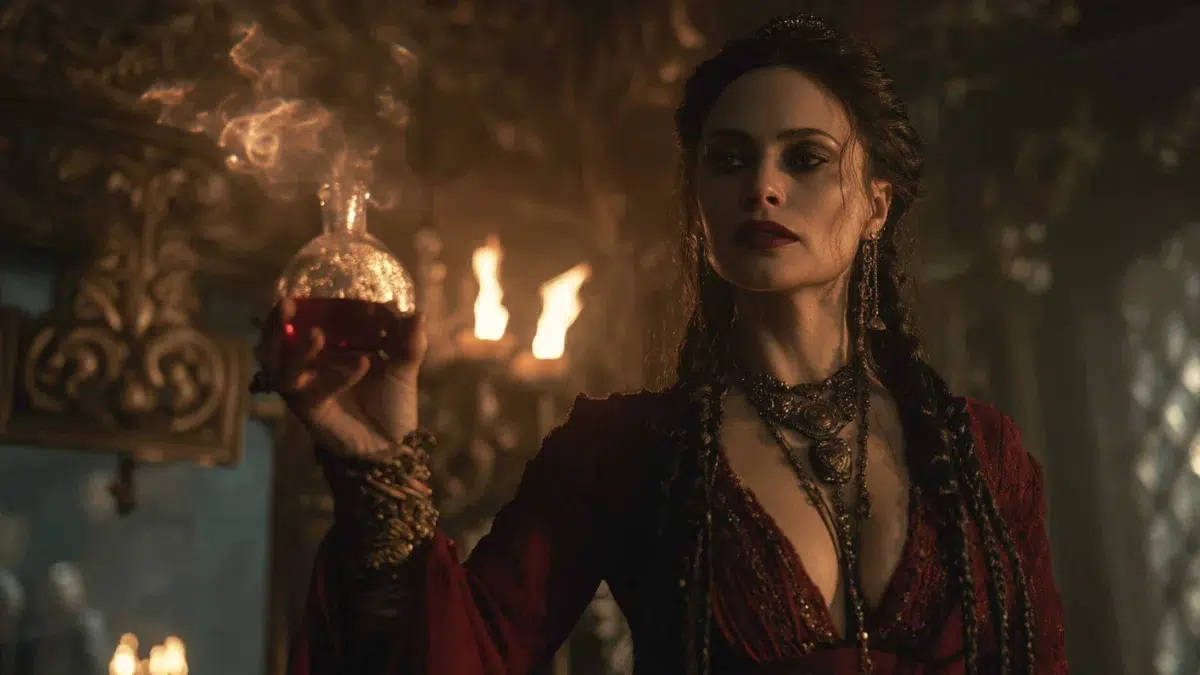
Gjuki’s wife, Queen Grimhild watches him closely. She sees his strength, his courage, and the honour he carries. She decides Sigurd would make the perfect husband for her daughter, Gudrun. But she also knows that Sigurd’s heart belongs to someone else.
So Grimhild turns to magic.
She brews a powerful potion that steals memory. When Sigurd drinks it, the spell wipes away all thoughts of Brynhildr. He forgets their meeting and their oath. He even forgets riding through the fire.
Under this spell, Sigurd sees Gudrun as if she were the woman meant for him because the memory of Brynhildr is gone. He marries Gudrun and becomes part of the royal family, believing he has never loved anyone else.
But far away, Brynhildr still waits behind the circle of fire. She holds onto her promise and trusts that Sigurd will return, unaware that magic has stolen him from her and changed the path of their lives.
The Cruel Trick
The queen’s son, Gunnar, decides he wants Brynhildr as his wife. He sees her beauty, strength, and fame, and believes that marrying her will raise his own honour.
But Brynhildr has made a clear vow. She will only marry the man who can ride through her ring of fire. The flames rise as a test for any suitor, and Gunnar cannot pass. His horse stops, the fire pushes him back, and the trial defeats him.
Gunnar still wants her, and his family refuses to give up. So they turn to Sigurd. Because of the potion, Sigurd no longer remembers Brynhildr or the promise he made to her. He feels loyalty to Gunnar’s family and believes it is his duty to help.
Through magic, Sigurd and Gunnar switch appearances. Sigurd takes on Gunnar’s shape, while Gunnar takes Sigurd’s.
With this disguise, Sigurd once again rides through the raging fire. The flames part for him just as they did before. He reaches Brynhildr’s hall and claims her hand, but not for himself. He claims it in Gunnar’s name.
Brynhildr believes Gunnar is the brave rider who passed the trial. She thinks he is the hero the gods chose. She marries Gunnar, never knowing she has been deceived by the very man she loves.
The Truth
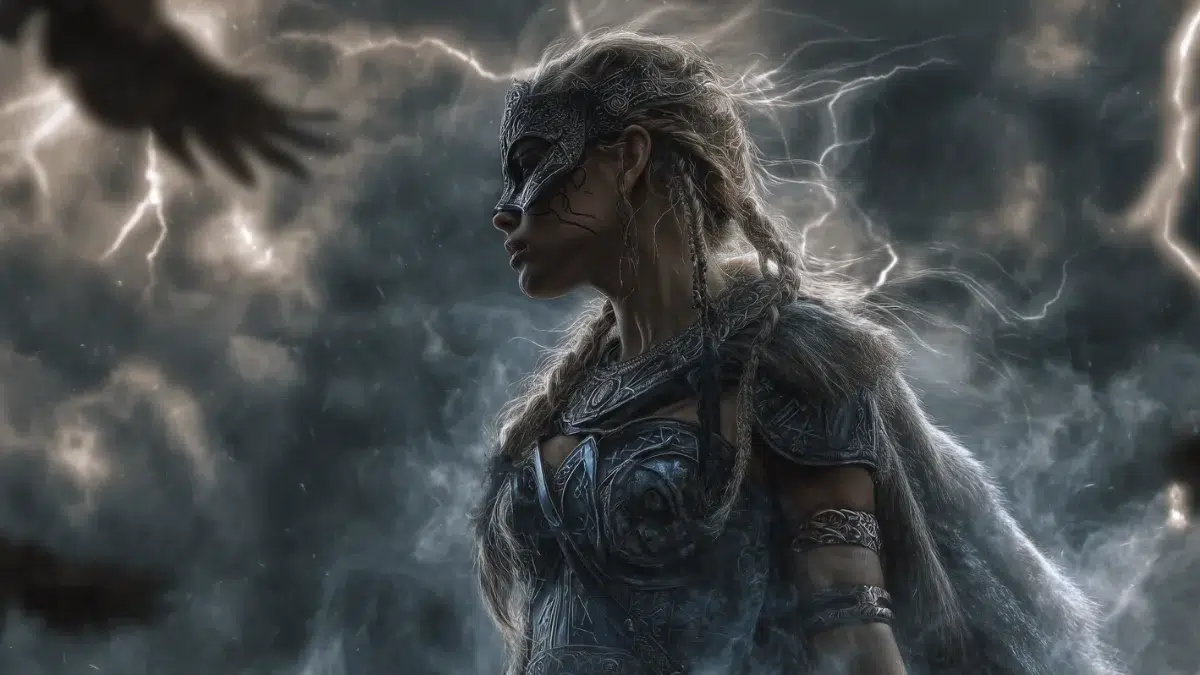
One day, the queens argued and Brynhildr learns the truth. Sigurd, the man she loved, tricked her into marriage with another. The world shatters under Brynhildr’s feet.
She realizes Sigurd had broken their oath, Gunnar had lied to her. Her entire marriage was built on deception.
Her pride and heartbreak mix into fury. She feels betrayed not only by Sigurd but by the gods who once guided her.
Revenge of Brynhildr
Driven by rage, she sets in motion a chain of vengeance that ends in blood. Brynhildr demands Sigurd’s death not because she hated him…but because she loved him too deeply to bear the betrayal.
She orders Gunnar to kill Sigurd. Gunnar refuses. So his brother, Guttorm, does the deed. He stabs Sigurd in his sleep. Sigurd died calling Brynhildr’s name.
The Final Tragedy

When Brynhildr saw his body, her rage collapsed into grief. She said life held nothing for her anymore.
When the fire of revenge cools, sorrow takes hold. She took a sword… and ended her own life.
She rides into the flames beside him, her final act both tragic and defiant. And so the flames consumed them both — lovers destroyed by gods, oaths, lies, and fate.
Brynhildr’s betrayal is not just about lost love. It is about honour, pride, and power. She lives and dies by her own will, never bowing to fate, even as it destroys her.
Symbolism and Strength

Brynhildr embodies the raw essence of strength, honour, and self-worth.
Even after Odin strips her of her divine power and puts her into an enchanted sleep, she refuses to surrender her dignity.
She does not plead for her old life or seek pity. Instead, she sets her own terms—only a worthy hero may awaken her. This is not weakness. It is control, pride, and agency.
The wall of fire surrounding her is more than a magical barrier.
It represents the trials that true devotion must endure. The flames act as both protection and proof—only someone brave enough to risk everything can earn her love. When Sigurd passes through, he does so as an equal, not a conqueror.
Even in death, Brynhildr commands her fate. She rides into the fire again, not in defeat, but in defiance.
She chooses death on her own terms, asking to lie beside the man who once loved her. Her fiery end echoes her origin as a Valkyrie of war and light.
Brynhildr reminds us that strength comes in many forms. It is found in loyalty, in standing firm through betrayal, and in living with pride even when fate turns cruel.
She is not a tragic victim. She is a woman who never let the world decide her worth.
Similar Myths in Other Cultures
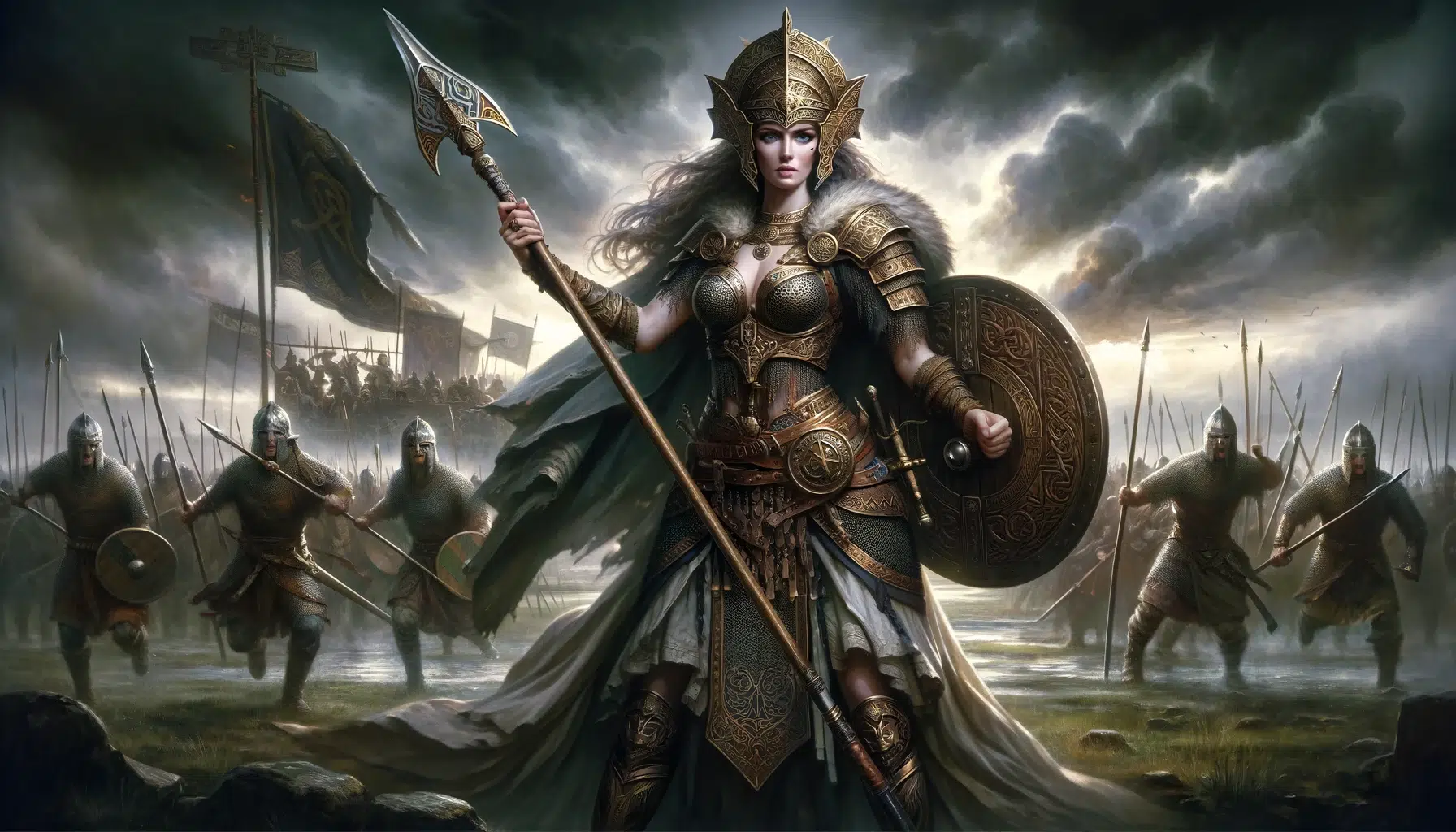
Brynhildr’s story of pride, betrayal, and fierce independence echoes across mythologies worldwide. Her character reflects a timeless archetype—women of strength who shape their own fate, even in the face of sorrow.
Scáthach (Celtic Mythology)
Scáthach is a legendary warrior woman who trains the hero Cú Chulainn in the art of battle. She lives apart from the world, on an island shrouded in mystery. Her isolation mirrors Brynhildr’s fiery prison, and her mastery of combat places her among those who are feared, respected, and rarely understood.
Medea (Greek Mythology)
Medea is a powerful sorceress who helps Jason win the Golden Fleece. But when he betrays her for another woman, her grief turns to fury. Like Brynhildr, Medea does not break—she strikes back. Both women take justice into their own hands, making their names synonymous with wrath and tragic power.

Tomoe Gozen (Japanese History and Legend)
Tomoe Gozen was a real female samurai who became a symbol of loyalty and honour. Known for her grace and strength, she chose battlefield glory over personal comfort. Her devotion to her leader and her resolve in the face of loss echo Brynhildr’s final stand.
Draupadi (Indian Epic – Mahabharata)
Draupadi faces humiliation and immense suffering, but never loses her dignity. She demands justice, speaks boldly in royal courts, and becomes a force of change. Her pain, like Brynhildr’s, is deep—but her pride and strength shine brighter than her wounds.
Across time and cultures, figures like Brynhildr rise. They are not quiet or passive. They are powerful, passionate, and sometimes punished for it. These women burn with loyalty, rage, and the will to choose their own end. Their stories challenge expectations and honour the fire that never dies.
Conclusion
Brynhildr is more than a myth. She is a warrior, a lover, a queen of fire and sorrow. Her story is filled with deep emotion—love, betrayal, revenge, and pride.
She begins as a divine Valkyrie and ends as a tragic figure in flames. But even in death, Brynhildr keeps her strength. She does not break. Her story lives on in poems, sagas, and opera.
She reminds us that power and love are never easy to hold. And that even the strong can fall—proudly, fiercely, and on their own terms.