Aztec Mythology: Cosmology, Gods and Myths
Aztec mythology comes from the Aztec civilization in central Mexico. It flourished in central Mexico from the 14th to the 16th centuries until the Spanish conquest. It explains the origins of the world, gods, and humans. The Aztecs believed in a cycle of creation and destruction. They thought the universe had five different eras, called the Five Suns. Each era had its own sun god and ended in disaster.
The Aztecs worshipped many gods. Huitzilopochtli, the god of war and the sun, was one of the most important. Quetzalcoatl, the feathered serpent, was another important god. He represented wind, knowledge, and creation. Tlaloc, the rain god, was crucial for farming. The Aztecs believed he controlled rain and fertility.
Human sacrifices played a big role in their religion. The Aztecs believed these sacrifices nourished the gods. They thought that without them, the sun wouldn’t rise, and life would end. Sacrifices showed honour and kept the balance of the universe.
The afterlife varied depending on how a person died. Warriors and women who died in childbirth went to a sun paradise. Most people went to Mictlan, a dark underworld. Aztec mythology is rich and complex, full of gods, heroes, and legends that shaped their world.
Aztec Mythology Cosmology and the Five Suns
In Aztec mythology, cosmology explains the universe’s structure and the origin of the world. The Aztecs believed in the concept of the “Five Suns,” which represents five different ages of the world. Each sun or age had its own unique characteristics and ended in a disaster. This cycle of creation and destruction highlights the belief in the impermanence of the world.
- First Sun (Jaguar Sun)
- Second Sun (Wind Sun)
- Third Sun (Rain Sun)
- Fourth Sun (Water Sun)
- Fifth Sun (Earthquake Sun)
The First Sun, called the Jaguar Sun, was ruled by the god Tezcatlipoca. It ended when jaguars devoured the people. The Second Sun, known as the Wind Sun, was governed by Quetzalcoatl. Strong winds swept everything away, ending this era.
The Third Sun, called the Rain Sun, was under the control of Tlaloc, the rain god. It ended in a fiery rain that burned the world. The Fourth Sun, known as the Water Sun, was ruled by the goddess Chalchiuhtlicue. A great flood ended this age, turning the people into fish.
Finally, the Fifth Sun, which is the current age, is called the Earthquake Sun. It began when the gods sacrificed themselves to create a new sun and moon. The Aztecs believed that this era would end in earthquakes.
These cycles of creation and destruction explain natural events and the Aztec view of the universe’s balance. The gods’ actions in these myths show the importance of sacrifice and renewal. The concept of the Five Suns teaches that the world undergoes continuous change and that each age has its own challenges and end. This belief system gave the Aztecs a sense of their place in a constantly evolving universe.
The Major Gods of Aztec Mythology
Huitzilopochtli
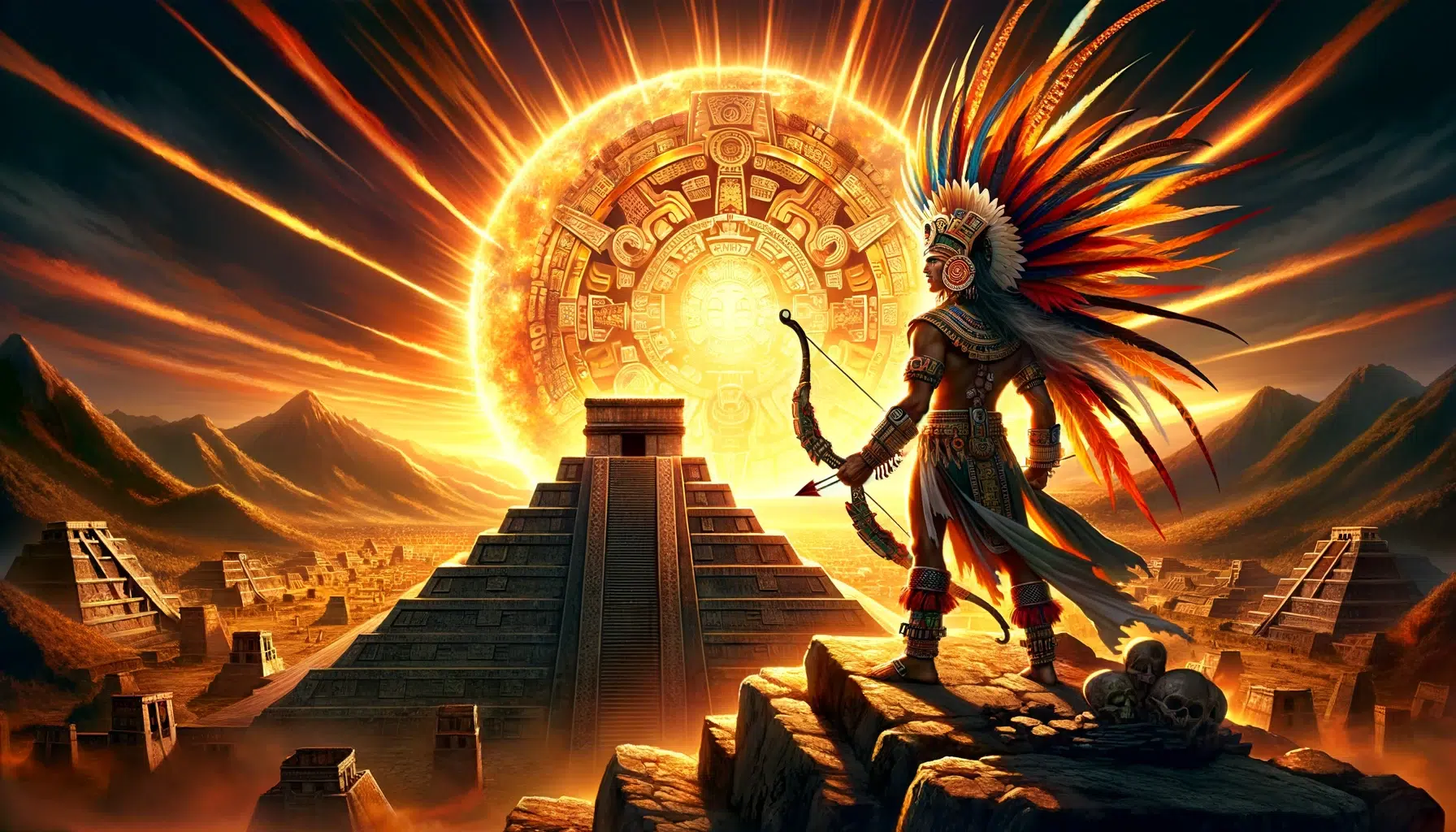
Huitzilopochtli is a central god in Aztec mythology. Known as the god of war, sun, and the patron of the Mexica people, Huitzilopochtli plays a vital role in their culture. His name means “Hummingbird of the South,” and he is often depicted as a warrior holding a snake-shaped weapon called the Xiuhcoatl. He is also shown with a blue face and a hummingbird helmet, symbolizing his connection to the sun and war.
Huitzilopochtli led the Mexica people to the Valley of Mexico. He guided them to Tenochtitlan, where they saw an eagle perched on a cactus with a snake in its beak. This vision fulfilled a prophecy, showing them the right place to build their city.
As the sun god, Huitzilopochtli fights each night against the forces of darkness. The Aztecs believed that he needed human blood to stay strong and continue this battle. This belief led to regular sacrifices to honour him and ensure the sun would rise each day.
Huitzilopochtli also plays a role in myths about the creation of the world. One story tells of his birth from Coatlicue, a goddess, while his siblings tried to kill her. Huitzilopochtli defended his mother, killing many of his siblings, including his sister Coyolxauhqui. This myth explains why the sun rises and sets, as well as the origin of the moon.
Huitzilopochtli’s worship involved grand temples and ceremonies. The Aztecs built the Templo Mayor in Tenochtitlan as a major centre for his worship. They believed that their city thrived under his protection and that he led them to greatness.
Quetzalcoatl
Quetzalcoatl is a major god in Aztec mythology. His name means “Feathered Serpent,” and he is often depicted as a snake covered in feathers. This unique appearance symbolizes his connection to both the earth and the sky. Quetzalcoatl represents many things, including wind, knowledge, and creation.
As a god of wind, Quetzalcoatl is believed to control the air and weather. This power makes him an important figure for farmers, who rely on him for good weather and successful crops. He is also a god of learning and knowledge. People view him as a bringer of culture, art, and education. He taught people how to write, calculate, and perform other essential skills.
Quetzalcoatl is involved in the creation of humans. According to the myths, he and his brother Xolotl went to the underworld to gather the bones of previous humans. They brought these bones back and used them to create the new human race.
He is known as a peaceful god. Unlike other gods who demanded human sacrifices, Quetzalcoatl preferred offerings of birds, butterflies, and flowers. His teachings often encouraged kindness and opposed unnecessary violence. Quetzalcoatl’s influence extends beyond the Aztecs. Many other Mesoamerican cultures, like the Toltecs and Maya, also worshipped him.
Tlaloc
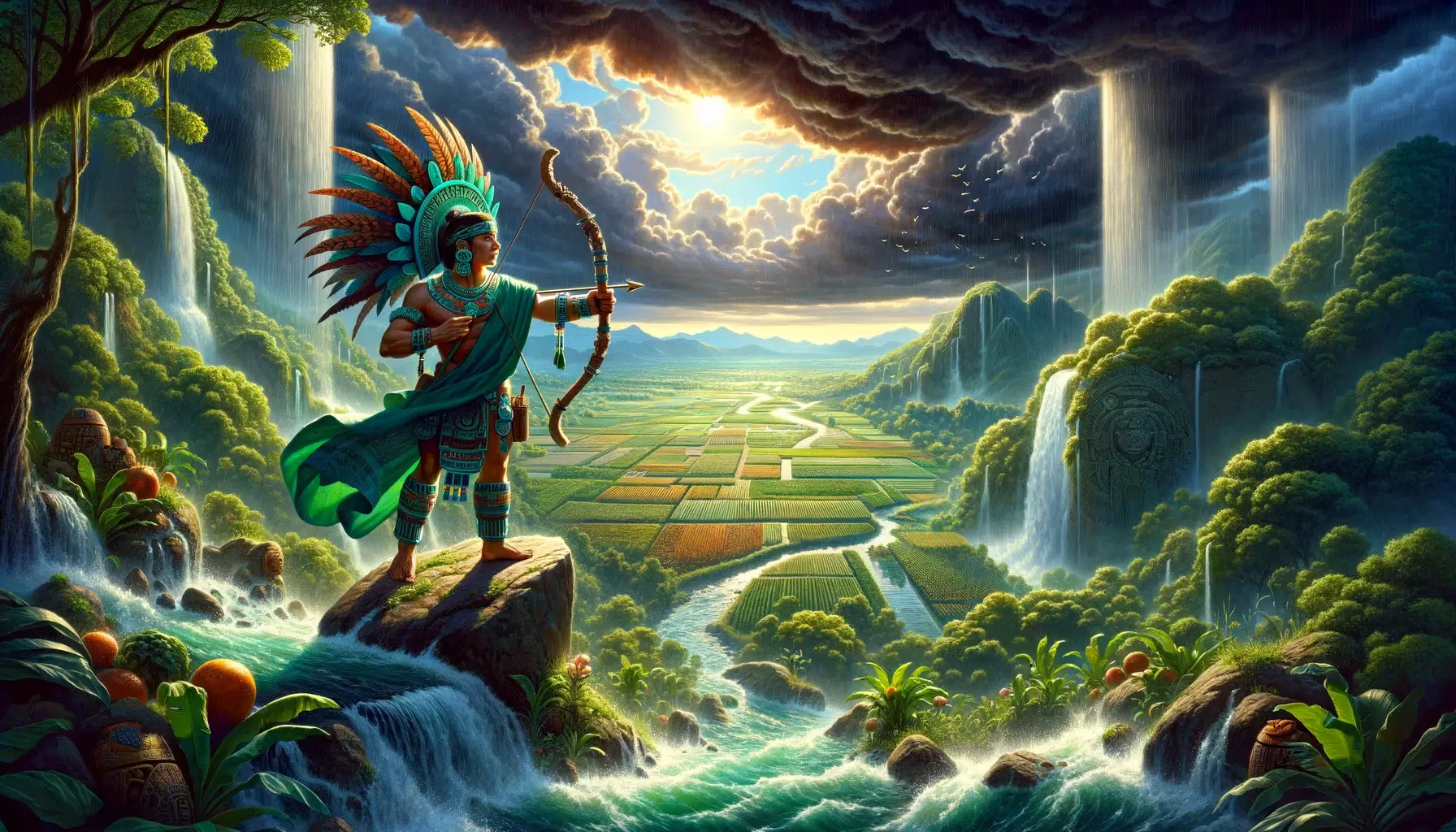
Tlaloc is an important god in Aztec mythology. He rules over rain, water, and fertility. As the rain god, he controls the weather and provides water for crops. This makes him essential for farming and food production. People pray to Tlaloc for rain and good harvests.
Tlaloc lives in a paradise called Tlalocan. This place is full of greenery and water, symbolizing abundance and life. Those who die from water-related causes, like drowning, go to Tlalocan in the afterlife. It’s considered a peaceful and happy place.
Tlaloc is often depicted with large, goggle-like eyes and fangs. He sometimes holds a lightning bolt or a container of water. These symbols show his power over storms and rainfall. People feared and respected Tlaloc because he could bring both life-giving rain and destructive floods.
The Aztecs held ceremonies to honour Tlaloc. They believed that these rituals would ensure regular rain and protect them from drought. They offered sacrifices, including food and sometimes humans, to please him. Tlaloc’s influence shows how much the Aztecs valued water and agriculture. He played a vital role in their daily lives and beliefs.
Tezcatlipoca
Tezcatlipoca is an important god in Aztec mythology. Known as the god of the night, sorcery, and change, he holds a significant place among the Aztec deities. His name means “Smoking Mirror,” which refers to his association with obsidian mirrors used for magic and seeing the future.
Tezcatlipoca often appears with a black and white face, symbolizing his dual nature. He also carries a mirror on his chest or foot, from which smoke rises. This mirror allows him to see everything that happens in the world. Tezcatlipoca is a god of conflict and change, representing the unpredictable aspects of life.
He plays a major role in many Aztec myths. One of his famous myths involves his rivalry with Quetzalcoatl. They often oppose each other, with Tezcatlipoca representing chaos and Quetzalcoatl symbolizing order. In one story, Tezcatlipoca tricks Quetzalcoatl into drinking, which leads to Quetzalcoatl’s downfall.
Tezcatlipoca is also connected to the creation myth of the Five Suns. As the first sun, he ruled the first world until Quetzalcoatl knocked him from the sky. This event caused the first world to end, and the cycle of new worlds to begin.
People often feared Tezcatlipoca because of his unpredictable nature. They believed he could bring misfortune as easily as he could bring success. They honoured him with ceremonies to seek his favour and protection. He is a complex god who embodies the ever-changing nature of the world, making him a powerful figure in Aztec culture.
Other Aztec Deities
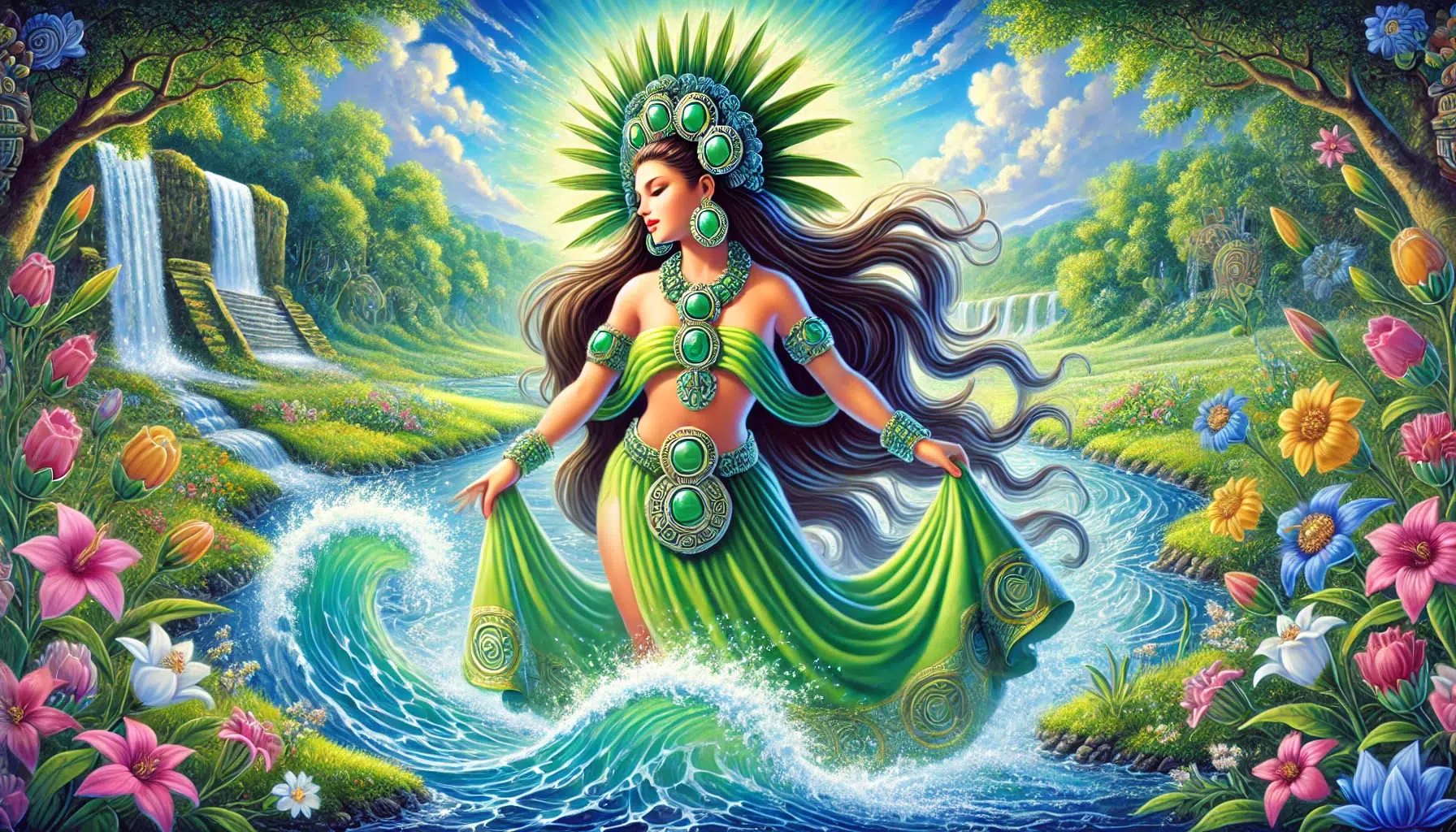
Chalchiuhtlicue
Chalchiuhtlicue is an important goddess in Aztec mythology. Her name means “She of the Jade Skirt.” She is the goddess of rivers, lakes, and all bodies of water.
Chalchiuhtlicue is also linked to fertility and childbirth. People believe she helps crops grow and children be born safely. She is often depicted with a flowing skirt and water symbols.
As the wife or sister of Tlaloc, the rain god, she holds a crucial role in water and agriculture. People honour her to ensure good rains and fertile lands. Chalchiuhtlicue also ruled the Fourth Sun, which ended in a great flood.
Xipe Totec
Xipe Totec is an important god in Aztec mythology. His name means “Our Lord the Flayed One.” He represents agriculture, fertility, and renewal. People honour him by wearing the skin of sacrificial victims, symbolizing rebirth and new growth.
This ritual reflects the shedding of old skin for new life, much like plants growing anew each season. Xipe Totec is also associated with goldsmiths and craftsmen. His image often shows him wearing a flayed skin and holding a rattle staff.
People believed he could cure diseases and bring good harvests, making him a crucial figure in their religious practices.
Tonatiuh
Tonatiuh is the Aztec god of the sun. He rules over the current era, known as the Fifth Sun. As the sun god, he plays a vital role in the cycle of day and night. The Aztecs believed he needed human sacrifices to stay strong and continue shining.
This belief led to regular rituals where people offered hearts to nourish him. Tonatiuh is often depicted as a fierce warrior, symbolizing the sun’s power and energy. He appears in the centre of the Aztec calendar stone, showing his importance in Aztec cosmology. His image reminds people of the need to honour and respect the gods.
Coyolxauhqui
Coyolxauhqui is an important figure in Aztec mythology. She is the moon goddess and the daughter of the earth goddess Coatlicue. Coyolxauhqui’s name means “Bells Her Cheeks,” referring to the bells she wears on her face.
She leads her 400 brothers, the stars, in a plot against their mother, Coatlicue. They become angry when they find out that Coatlicue is pregnant with Huitzilopochtli, the sun god. Huitzilopochtli is born fully armed and defeats Coyolxauhqui and her brothers. He throws her off the sacred mountain, tearing her apart.
This myth explains the moon’s phases and the conflict between night and day.
Learn more about: Legendary Archery Mythology
Aztec Creation Myths
These myths form an integral part of Aztec mythology, intertwining the supernatural and earthly realms.
Myth: The Creation of the Five Suns
The Aztecs believed in the creation and destruction of five different worlds, or “suns.” Each sun had its own god and ended in a disaster. The first sun ended with jaguars eating people. Strong winds would destroy the second sun.
The third sun ended with fiery rain, while the fourth sun was destroyed by floods. We currently live under the Fifth Sun, which will end in earthquakes. This myth explains the cycles of creation and destruction, highlighting the Aztec view of life’s impermanence.
Myth: The Birth of Huitzilopochtli
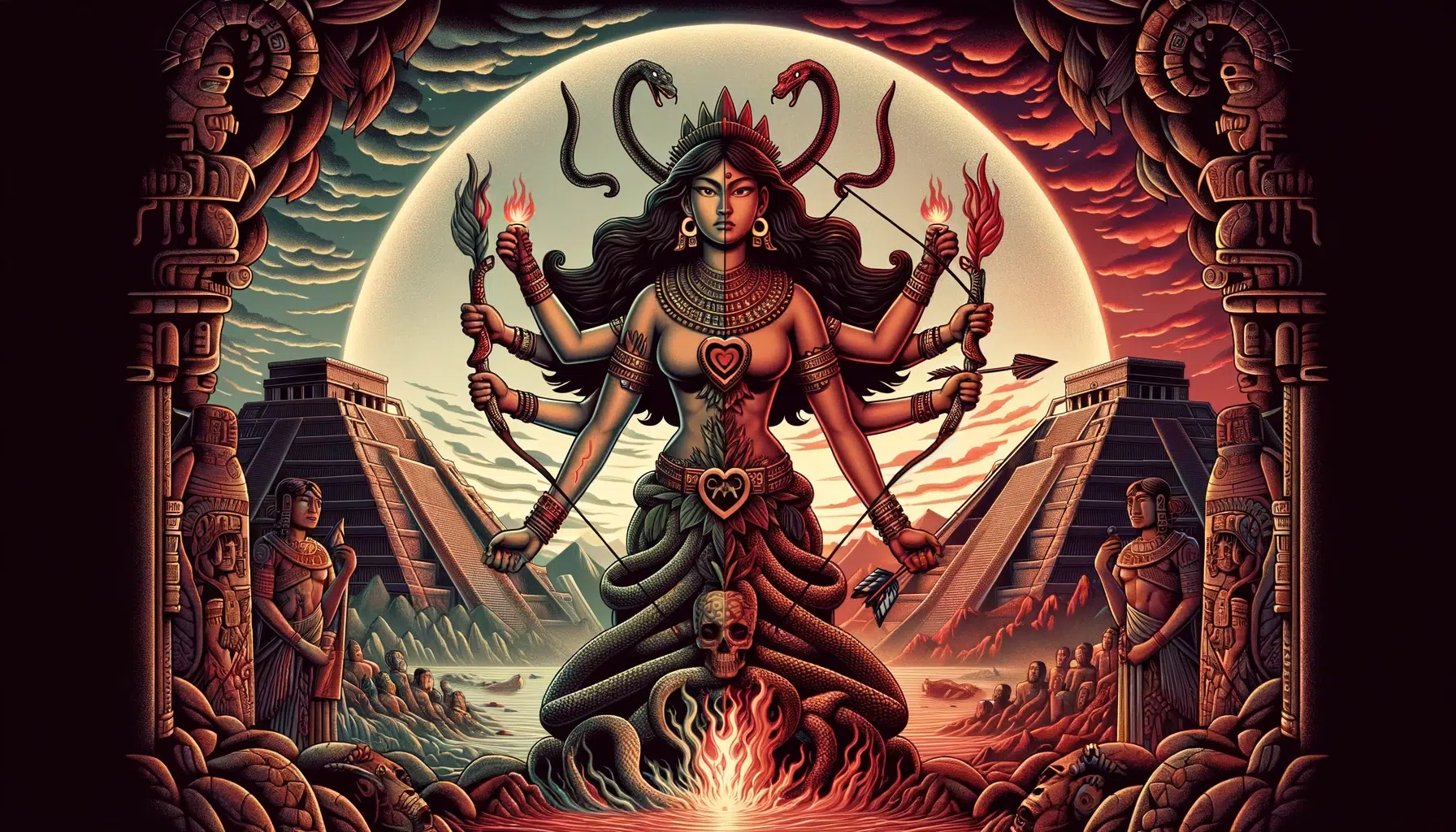
The goddess Coatlicue became pregnant with Huitzilopochtli, angering her other children. They, led by Coyolxauhqui, planned to kill her. Huitzilopochtli, however, emerged fully armed and defeated them. He cut Coyolxauhqui into pieces and threw her from the sacred mountain.
This myth explains the triumph of the sun over the moon and stars, symbolizing the daily cycle of day and night. Huitzilopochtli’s victory also represents the strength of the sun in Aztec culture.
Myth: The Legend of the Templo Mayor
Huitzilopochtli guided the Aztecs to the Valley of Mexico. He sent them a vision of an eagle perched on a cactus, eating a snake. This sign showed them where to build Tenochtitlan, their great city.
The prophecy fulfilled by this vision made Templo Mayor a sacred place. This myth highlights the importance of divine guidance and destiny in Aztec culture. The eagle, cactus, and snake became powerful symbols in Aztec iconography.
Myth: The Legend of Quetzalcoatl and Tezcatlipoca
Quetzalcoatl and Tezcatlipoca are powerful gods who often clash. In one story, Tezcatlipoca tricks Quetzalcoatl into drinking alcohol. This act leads to Quetzalcoatl’s disgrace and exile. The myth shows the balance between chaos and order.
Quetzalcoatl represents knowledge and creation, while Tezcatlipoca symbolizes darkness and destruction. Their rivalry explains the ups and downs in the world, showing how different forces influence life.
Myth: The Creation of Humanity
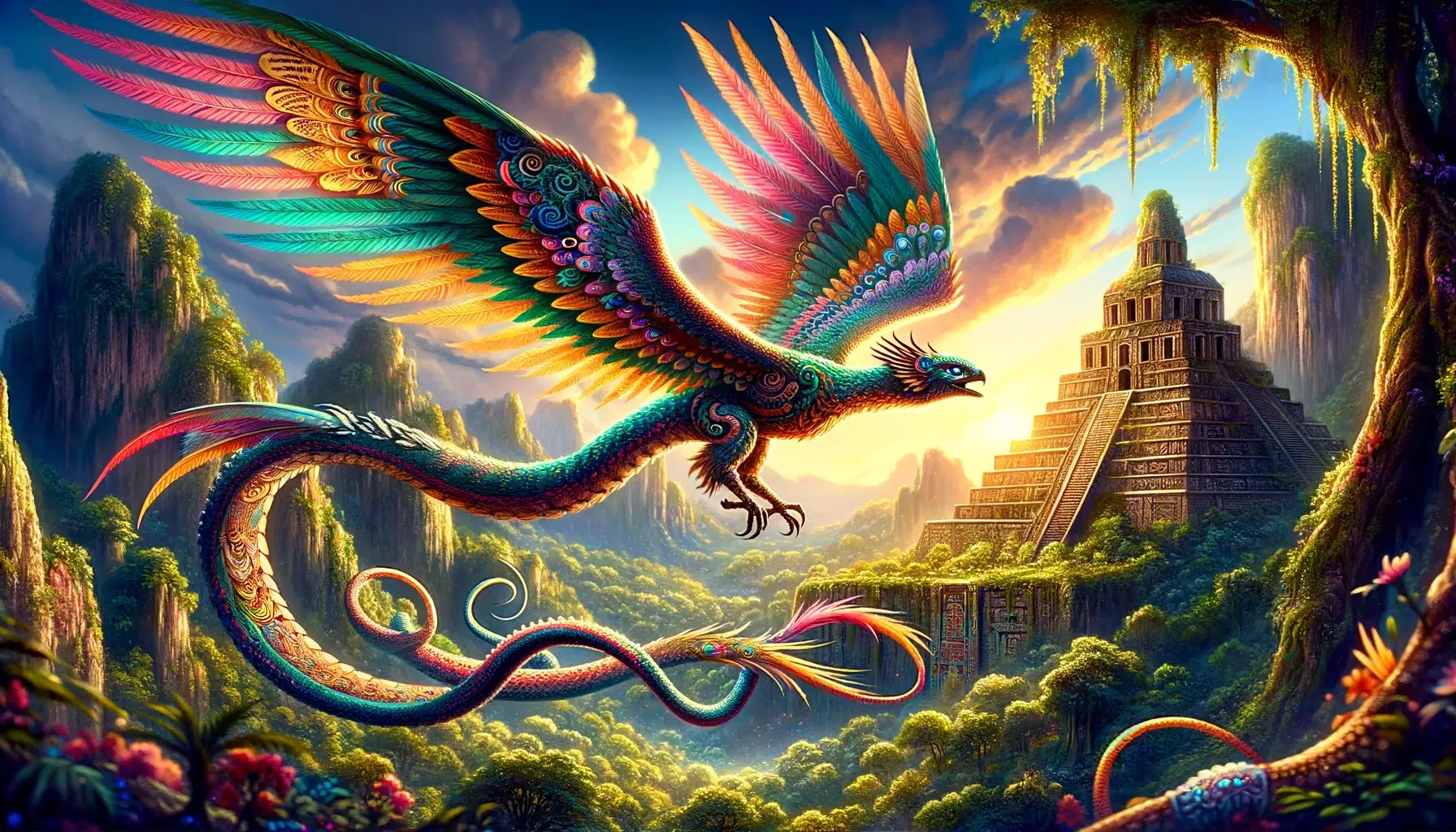
Quetzalcoatl descended to the underworld to retrieve the bones of past humans. He then mixed them with his own blood to create the new human race. This act showed his compassion and care for humanity.
The myth emphasizes the importance of sacrifice and the gods’ role in human existence. It also highlights the connection between the divine and the mortal world, showing that humans owe their lives to the gods.
Myth: The Creation of the Fifth Sun
The gods gathered to create a new sun and moon. The humble god Nanahuatzin sacrificed himself and became the sun. Tecuciztecatl, who hesitated, became the moon. This myth explains the origins of the sun and moon’s roles. It also underscores the value of humility and self-sacrifice.
The Aztecs believed that these celestial bodies required nourishment through human sacrifices to keep moving across the sky. This story emphasizes the cycle of day and night and the importance of sustaining the universe through offerings.
The Aztec Afterlife
Aztec beliefs about the afterlife vary based on the manner of death. They believe in different destinations for souls, each with its own ruler and environment.
Most souls travelled to Mictlan, the underworld, ruled by the god Mictlantecuhtli and his consort Mictecacihuatl. Mictlan was a place of darkness and stillness. Souls rested after a long journey through nine levels which included many challenges. The deceased needed offerings and guidance from the living to reach it.
Tonatiuh Ilhuicac was the sun’s paradise. Warriors who died in battle and women who died in childbirth went there. These souls were honoured and believed to accompany the sun on its daily journey across the sky. They enjoyed a noble afterlife, reflecting the Aztec value placed on bravery and sacrifice.
Tlalocan was a paradise for those who died from water-related causes, like drowning or lightning. Ruled by the rain god Tlaloc, it was a place of eternal spring and abundance. In Tlalocan, souls enjoyed a peaceful existence with lush gardens and plentiful resources. This symbolizes the nurturing aspect of water.
These varied beliefs highlight the Aztec view that the afterlife was not a single destination but a realm influenced by one’s earthly deeds and manner of death.
Weapons Used in Aztec Mythology
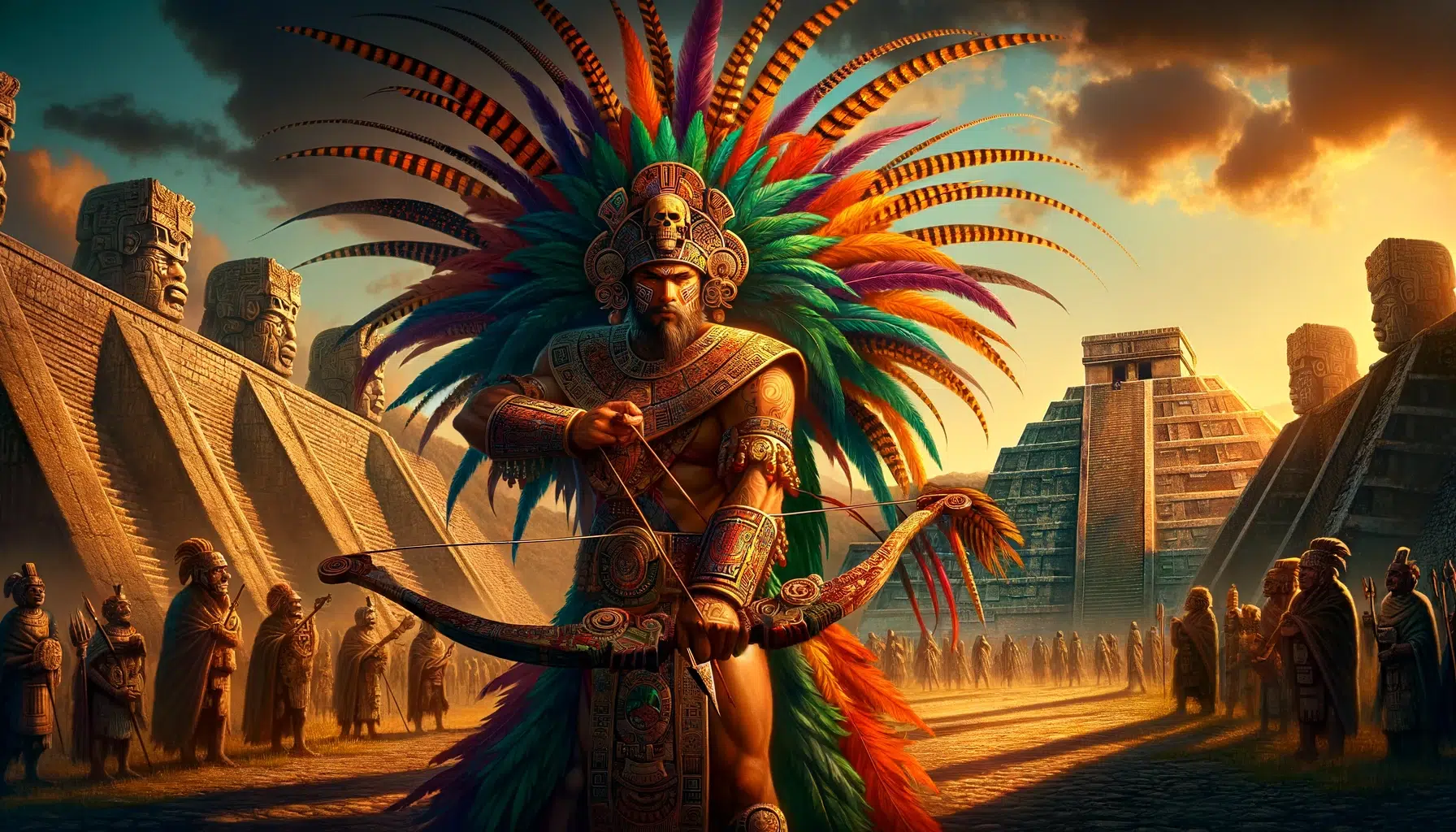
The primary weapon in Aztec archery was the atlatl, a spear-throwing device that provided greater accuracy and range. This innovative tool allowed Aztec warriors to hurl their weapons with remarkable force, effectively targeting enemies from a distance.
The atlatl became a symbol of prowess and skill, representing the warrior’s ability to protect their community and defend their honour. The atlatl was not the only element of Aztec archery that carried cultural significance. The warriors also donned ceremonial attire known as tlahuiztli during battles and rituals.
This ornate costume, adorned with feathers and vibrant colours, not only served as protection but also symbolized the connection between the warrior and the divine.
The tlahuiztli highlighted the spiritual aspect of Aztec warfare, emphasizing the warrior’s role as a vessel for the gods.
Archery played a vital role in Aztec warrior culture. It was seen as a way to honor their gods, showcase valor and skill, and protect their communities from external threats.
The ability to master the art of archery was highly respected and celebrated within Aztec society, with skilled archers often holding esteemed positions among the warriors.
Rituals and Offerings in Aztec Mythology
Aztec mythology is rich with various rituals and offerings that played a crucial role in their religious practices. These sacred ceremonies were performed by the priests to honor the gods and maintain cosmic order.
Among these rituals, the controversial practice of human sacrifice stands out as one of the most striking aspects of Aztec culture. The Aztecs believed that human sacrifice was necessary to sustain the universe and appease the gods. The victims were carefully selected and prepared for their role in the ritualistic ceremonies. The sacrifice itself was seen as a sacred act, offering a life in exchange for cosmic harmony.
Divination was also a significant part of Aztec rituals. The priests used various methods to communicate with the gods and gain insights into the future.
One popular divination technique involves the reading of omens from animals, natural phenomena, and even the movement of the stars. The Aztecs believe that by understanding the will of the gods through divination, they could make important decisions about war, agriculture, and other crucial aspects of life.
In addition to human sacrifice and divination, the Aztecs also performed other sacred ceremonies to honour their deities. These rituals involved offerings of food, flowers, and other symbolic items to express gratitude and seek blessings.
Conclusion of Aztec mythology
The pantheon of Aztec gods is a testament to the intricate belief system of the Aztecs. The stories surrounding these deities shed light on their roles in the Aztec cosmos.
The creation myths, featuring figures like Tezcatlipoca, Coatlicue, and Quetzalcoatl, provide insights into the Aztec beliefs about the origins of the world and humanity.
The ancient art of archery played a significant role in Aztec culture, both as a skill for hunting and warfare. The use of the atlatl, a spear-throwing device, and the ceremonial attire known as tlahuiztli exemplify the depth of Aztec archery traditions.
The rituals and offerings include sacred human sacrifice ceremonies and practices showcasing the Aztecs’ devotion to their gods..
The Aztecs’ reverence for their gods, their creation stories, and their mastery of ancient archery techniques all contribute to the unique tapestry of Mesoamerican history and mythology that continues to captivate us today.