Yemoja: Mother of All Waters in Yoruba Mythology
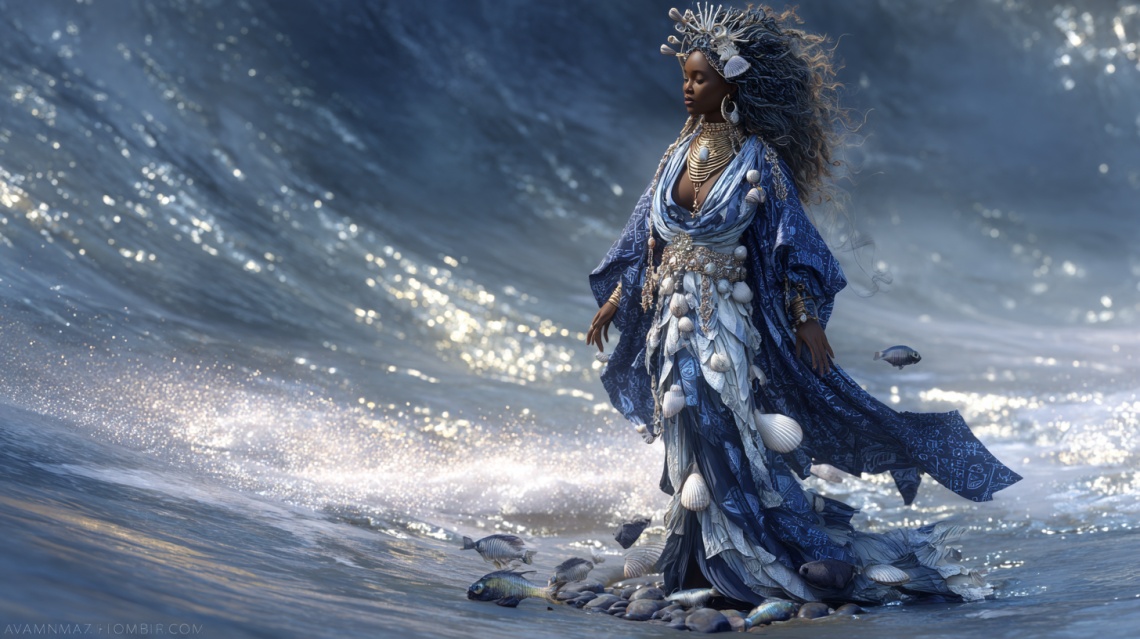
Yemoja is one of the most beloved figures in Yoruba mythology. Known as the Mother of All Waters, she rules rivers, streams, and seas.
Her name means “Mother of Fish,” a title that reflects her role as a giver of life.
To her followers, she is both gentle and fierce — a nurturing mother who protects families and children, yet a powerful force when disrespected.
Her worship began among the Yoruba people of West Africa, especially along the Ogun River in Nigeria. Over time, her influence travelled far beyond Africa through the transatlantic slave trade.
Today, she remains a central deity in Afro-Caribbean traditions such as Santería in Cuba and Candomblé in Brazil. Yemoja’s story shows the strength of cultural memory, where water connects people across distance, time, and belief.
Learn more about:
Roots of the Mother of Waters
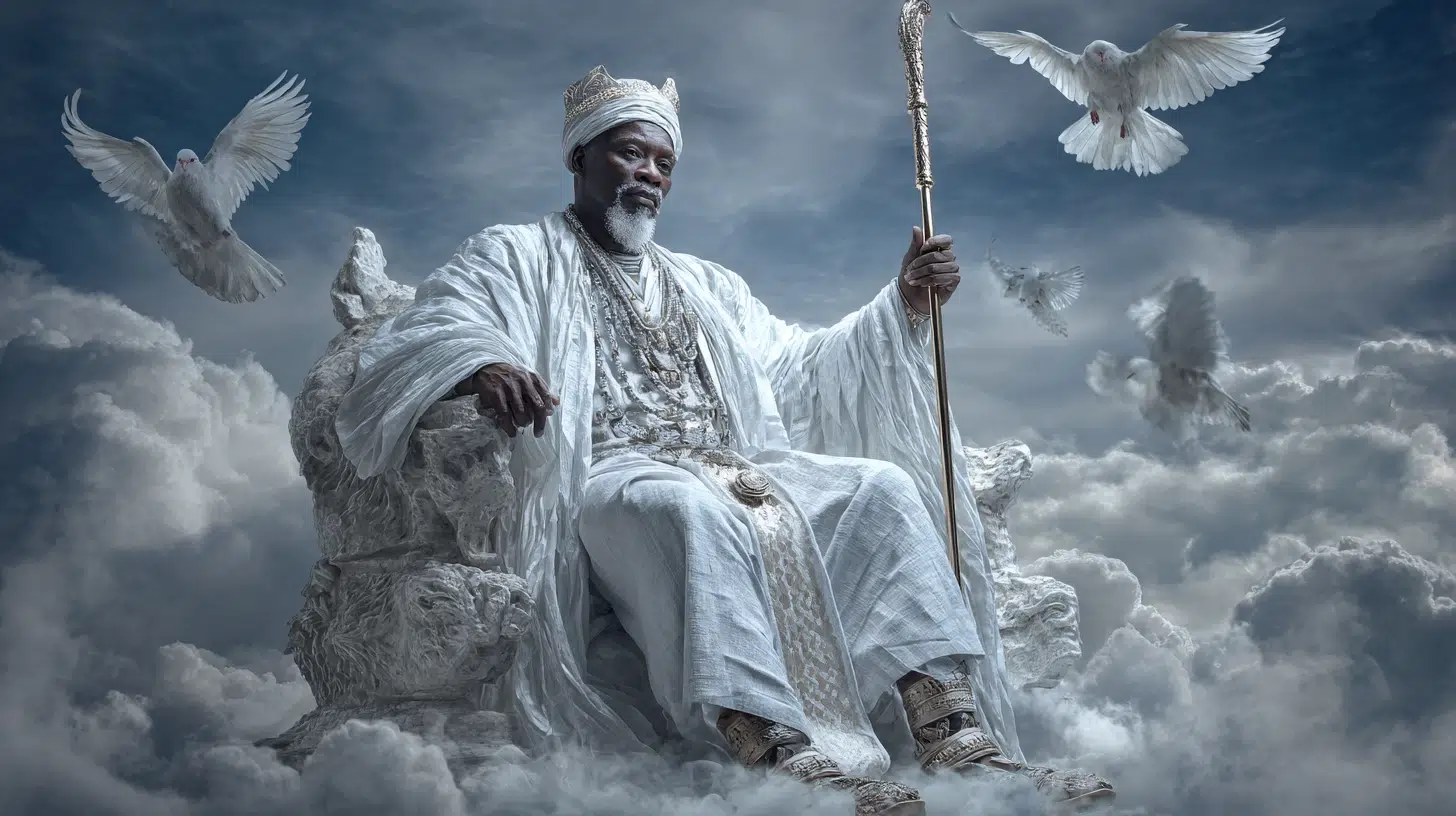
Yemoja’s story begins in West Africa, where the Yoruba people honour her as a primordial Orisha. She is tied to rivers and freshwater, with a special link to the Ogun River in Nigeria.
Her name comes from the phrase Yeyé Ọmọ Eja, which means “Mother of Fish.” This name reflects her boundless fertility and her role as a life-giver to both people and nature.
In many traditions, Yemoja is described as the mother of countless Orishas, making her the source of divine life itself.
Some stories connect her as the wife of Obatala, the Orisha of creation, while others link her with Olokun, ruler of the deep ocean. These variations show her fluid nature — she embodies both rivers and seas, flowing between different traditions.
Her presence is more than symbolic. For the Yoruba, Yemoja represents the life-sustaining force of water, a sacred element that nourishes, heals, and protects.
Protector and Power of the Waters
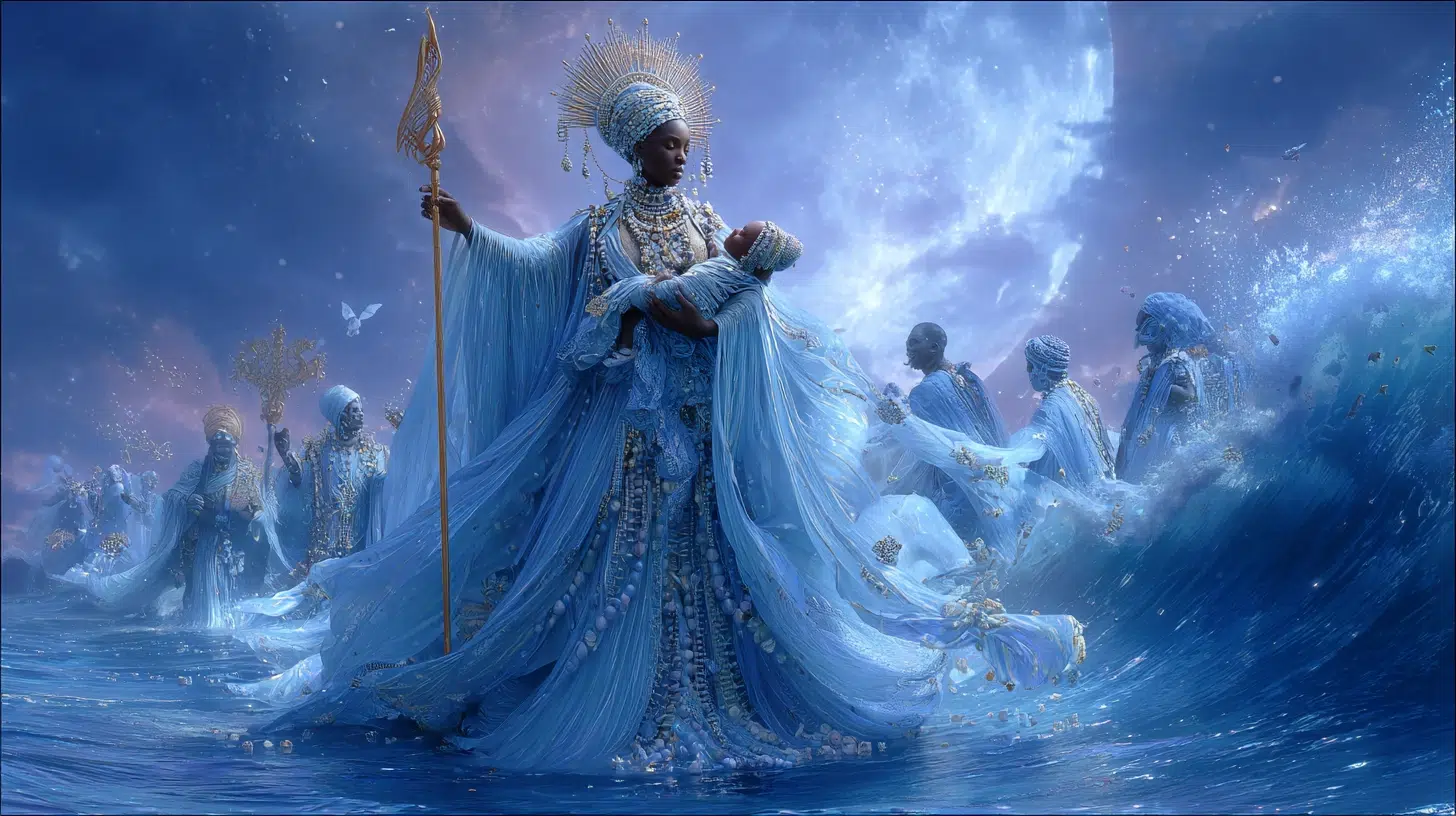
Yemoja is honoured as both a nurturing mother and a fierce guardian. She protects women, especially during childbirth, and watches over families with care.
Her blessings are called upon for fertility, healing, and safe journeys across water. Sailors and travellers pray to her for calm seas, while mothers turn to her for guidance and strength.
But Yemoja also reflects the ocean’s unpredictable side. Just as water can soothe and nourish, it can rise in storms and floods.
When angered or disrespected, she unleashes this power, reminding people of water’s dual nature, life-giving, yet dangerous.
In spiritual practice, Yemoja is linked to cleansing and renewal. Rituals often involve water to wash away negativity and restore balance.
She is seen as wise, compassionate, and deeply tied to the moon, whose cycles influence the tides she rules. This balance of gentleness and force makes her one of the most respected Orishas.
Symbols, Colours, and Sacred Offerings
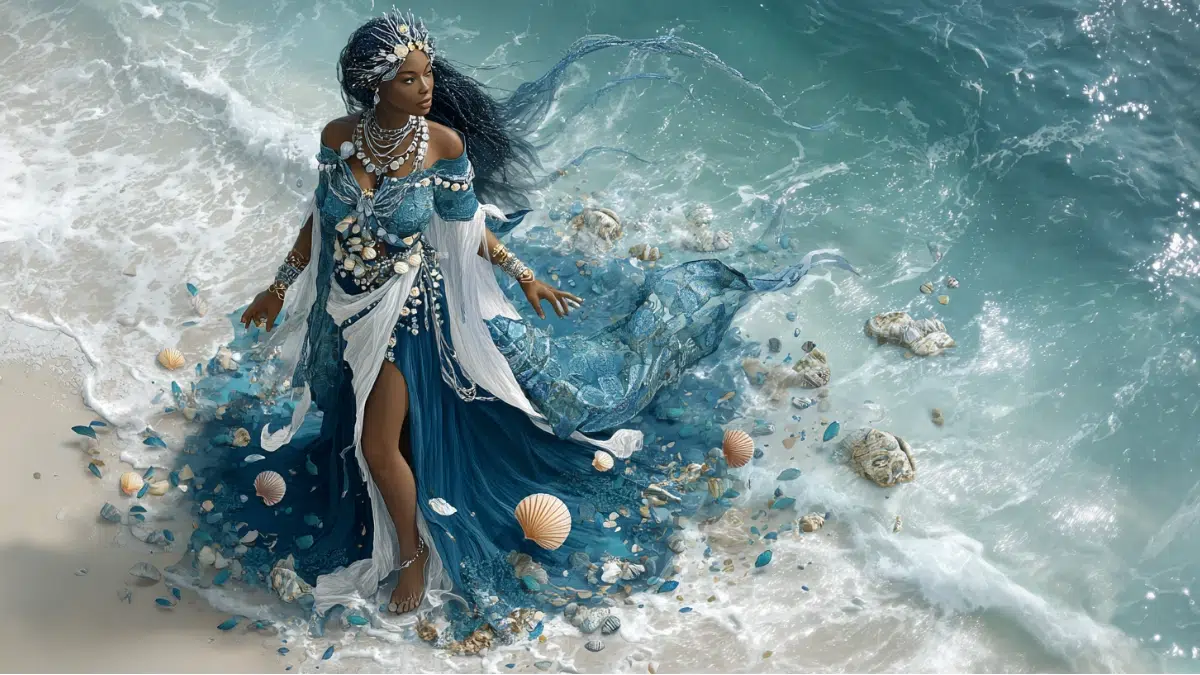
Yemoja is often represented through the colours blue and white, reflecting both the calm of clear rivers and the foam of breaking waves.
She is tied to fish, seashells, and the moon, all symbols of fertility, mystery, and the cycles of life. Images of water vessels are also linked to her, showing her role as a container of life’s essence.
Devotees honour Yemoja with offerings placed in rivers or at the seashore. Fruits such as watermelon, molasses, coins, and flowers are common gifts. These offerings are not just tokens of respect but are a way of asking for her protection, blessings, and safe passage.
During ceremonies, drumming, chanting, and dance bring her presence to life. People move as though imitating waves, showing their connection to her waters.
In these rituals, Yemoja is not distant; she is a mother close to her children, listening to prayers and guiding them with both love and authority.
Myths About Yemoja
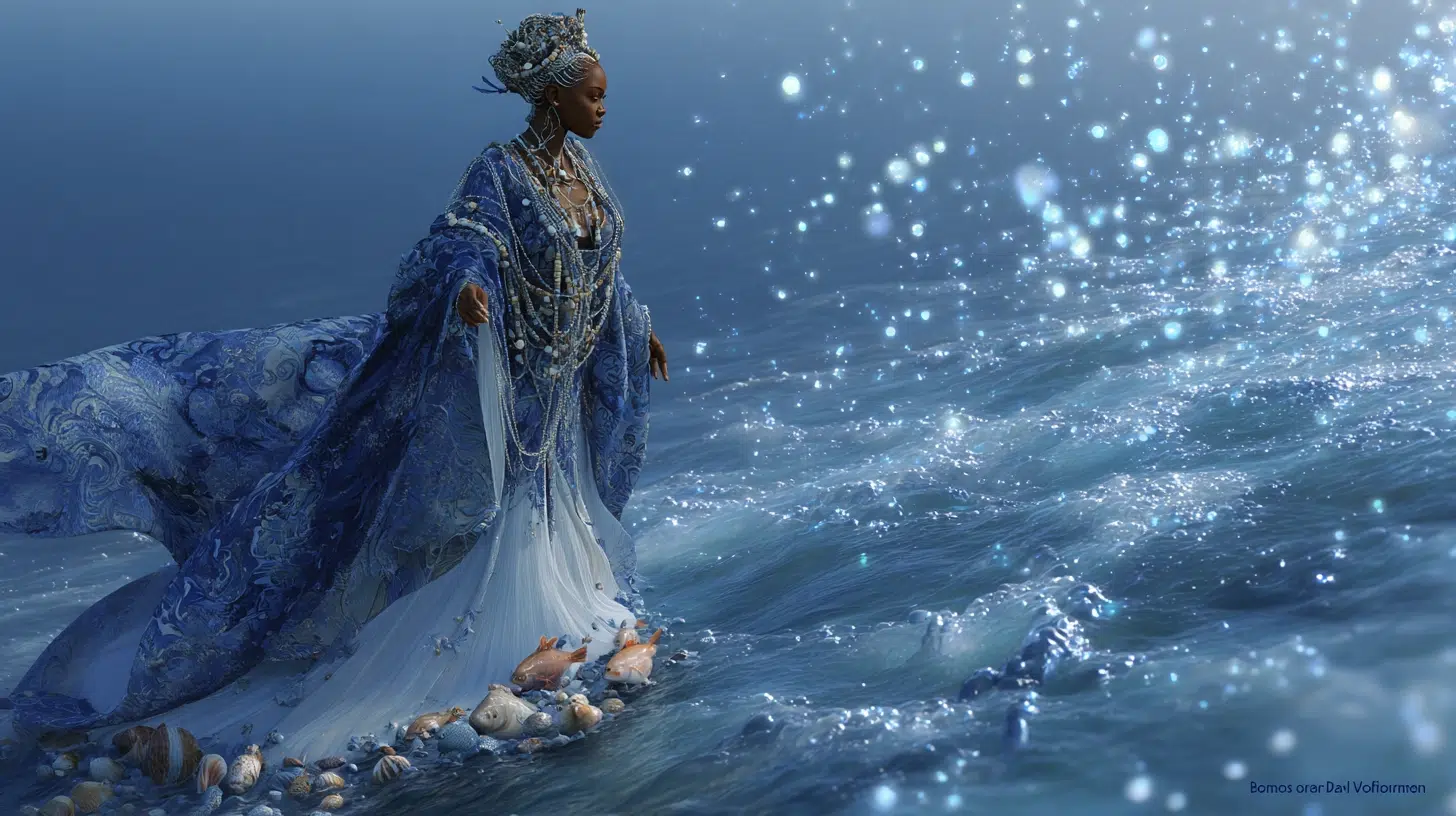
Mother of the Orishas
One of the most important myths describes Yemoja as the mother of many Orishas, making her the source of divine life itself. Her children include powerful deities tied to creation, justice, love, and the sea. Because of this role, she is honoured not only as a goddess of water, but also as a universal mother.
The story tells how Yemoja’s body contained the essence of fertility and abundance. When she gave birth, the Orishas spread across the world, each with their own powers and domains.
Some traditions even say that when Yemoja’s body was once broken open, rivers poured out, giving rise to life and marking the birth of many gods.
This myth highlights her as the first nurturer. She sustains not only humans but also other divine beings.
Just as rivers branch out from a single source, the Orishas flow from her, carrying her essence into every part of the world. In this way, Yemoja’s motherhood is not limited to her direct children. It extends to all who depend on water, fertility, and renewal for survival.
The Flood of Yemoja
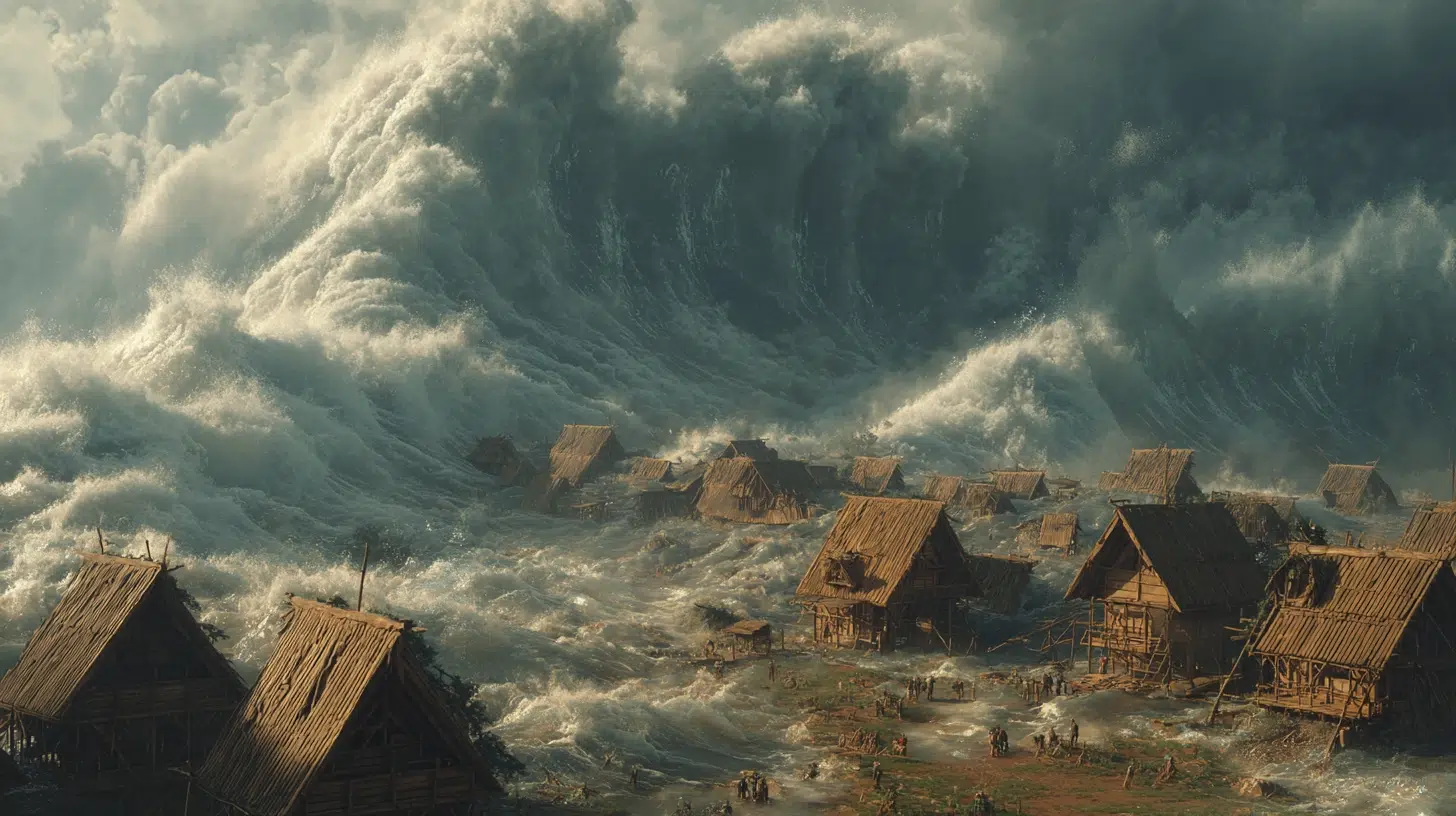
Another myth shows Yemoja’s fierce and destructive side.
It tells of a time when she was insulted and dishonoured by mortals. Angered, she released a massive flood that swept across the land. The waters drowned villages, destroyed crops, and reminded humanity of her power.
The flood was not only an act of wrath but also a lesson. Yemoja’s waters could give life, but they could just as easily take it away. For the Yoruba people, this story reflected the real dangers of rivers and oceans — essential for survival, but deadly when disrespected.
In the myth, those who survived the flood did so by offering her gifts and prayers, pleading for her mercy.
When Yemoja calmed the waters, it showed that her compassion was as great as her fury. She did not destroy for cruelty’s sake but to restore balance and remind mortals of their dependence on her.
This tale presents Yemoja as a goddess of justice. She punishes arrogance but rewards humility, teaching that respect for the natural world is the key to survival.
Yemoja’s Compassion
While some myths show her wrath, others reveal her kindness and protective nature.
In one story, a group of sailors faced certain death in a violent storm. Terrified, they cast treasures and offerings into the waves, calling on Yemoja for help. Moved by their devotion, she stilled the storm, allowing them to reach land safely.
This myth shows Yemoja as a mother who listens to those who honour her.
Unlike gods who remain distant, she is present in the everyday lives of her followers. She can be fierce when ignored, but she is also tender when approached with respect and love.
The story reflects the deep bond between Yemoja and those who travel the waters. To the Yoruba, she is both protector and punisher, embodying the full character of the sea. Her compassion is not weakness — it is strength, the power to nurture and to forgive.
This myth has lasting meaning, reminding people that water is a gift, not a guarantee. By honouring Yemoja, sailors and families reaffirmed their trust in her protection and the balance she brings between danger and safety.
Kindred Deities Across Mythologies

Water deities appear in many traditions, showing how cultures everywhere saw rivers and seas as both nurturing and dangerous. Yemoja shares traits with several other powerful figures:
- Tethys (Greek) – A Titaness of the sea, associated with the nourishing rivers that encircle the earth. Like Yemoja, she is a maternal figure tied to fertility and flow.
- Amphitrite (Greek) – Wife of Poseidon and queen of the sea. She is more serene but still reflects the untamed side of the ocean, much like Yemoja’s dual role.
- Rán (Norse) – A sea goddess feared for her net that drags sailors to their deaths. While darker in nature, she shares Yemoja’s link to the ocean’s dangerous side.
- Sedna (Inuit) – Goddess of the sea and marine animals, who punishes those who disrespect her realm. Her mix of nurture and wrath mirrors Yemoja’s balance of compassion and power.
- Tlaloc (Aztec) – A rain and water god who gives life through rain but also strikes with floods and storms. His dual nature echoes Yemoja’s myths of blessing and destruction.
Together, these deities highlight a shared human truth: water is life, but it also commands fear. Yemoja’s role as Mother of All Waters places her firmly within this global tapestry of divine beings who embody the mysteries of the natural world.
Learn more about Yoruba mythology:
Conclusion
Yemoja stands as one of the most powerful and enduring figures in Yoruba mythology. Her stories show her as both the gentle mother who gives life and the fierce force who demands respect.
As the Mother of the Orishas, she nurtures divine children whose influence stretches across the world.
In her flood myth, she punishes arrogance and restores balance, proving water is never to be taken lightly. In her compassion, she calms storms and saves those who call upon her with faith and offerings.
Her myths remind us of water’s dual role in human life. How it nourishes, cleanses, and sustains, yet it can also destroy when ignored.
Yemoja embodies this balance perfectly, holding the power to protect and the power to punish. To the Yoruba people, she is not distant or abstract. She is ever-present, a mother close to her children, guiding them with love, strength, and justice.