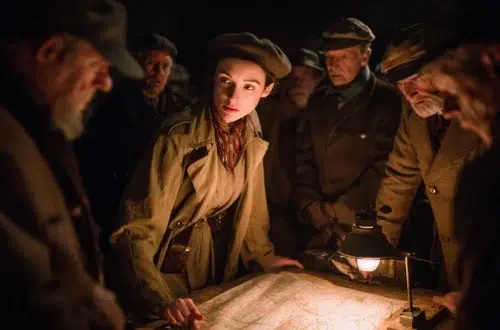
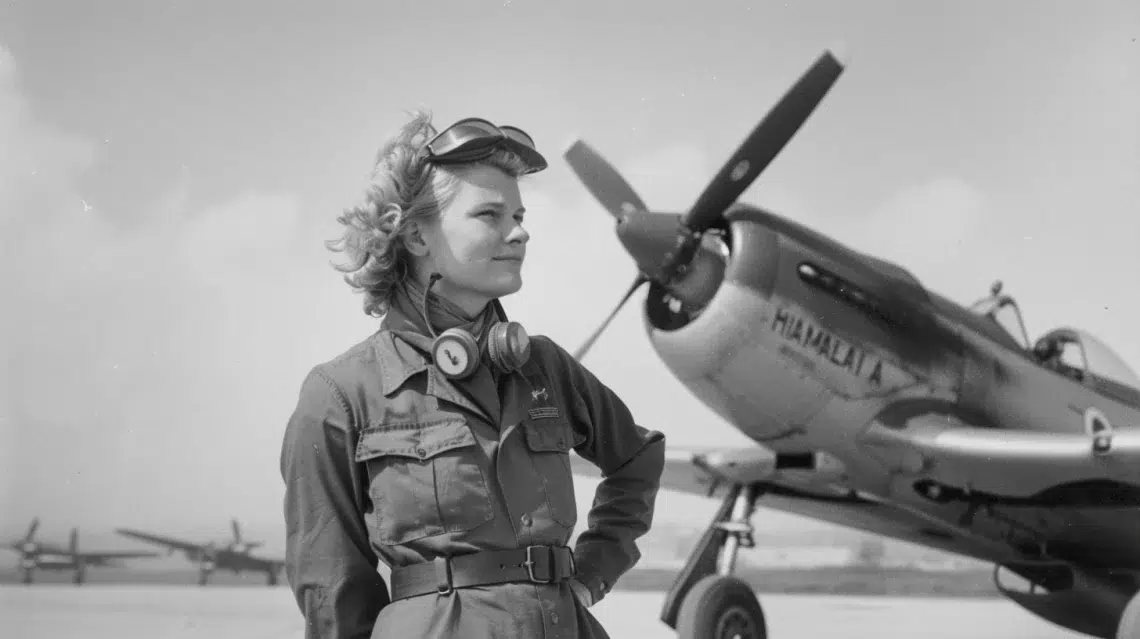
Women Who Changed the World During World War II
World War II changed the world, and women helped shape that change. They fought, flew, spied, and resisted. They stepped beyond traditional roles and into the line of fire.
Some became legends. Others stayed hidden for decades. These women show courage, skill, and grit. Each story reveals a different kind of strength. Together, they prove that war does not belong to men alone. From snipers to saboteurs, pilots to spies, they made history — and shaped its future.
Nancy Wake (New Zealand/Australia)
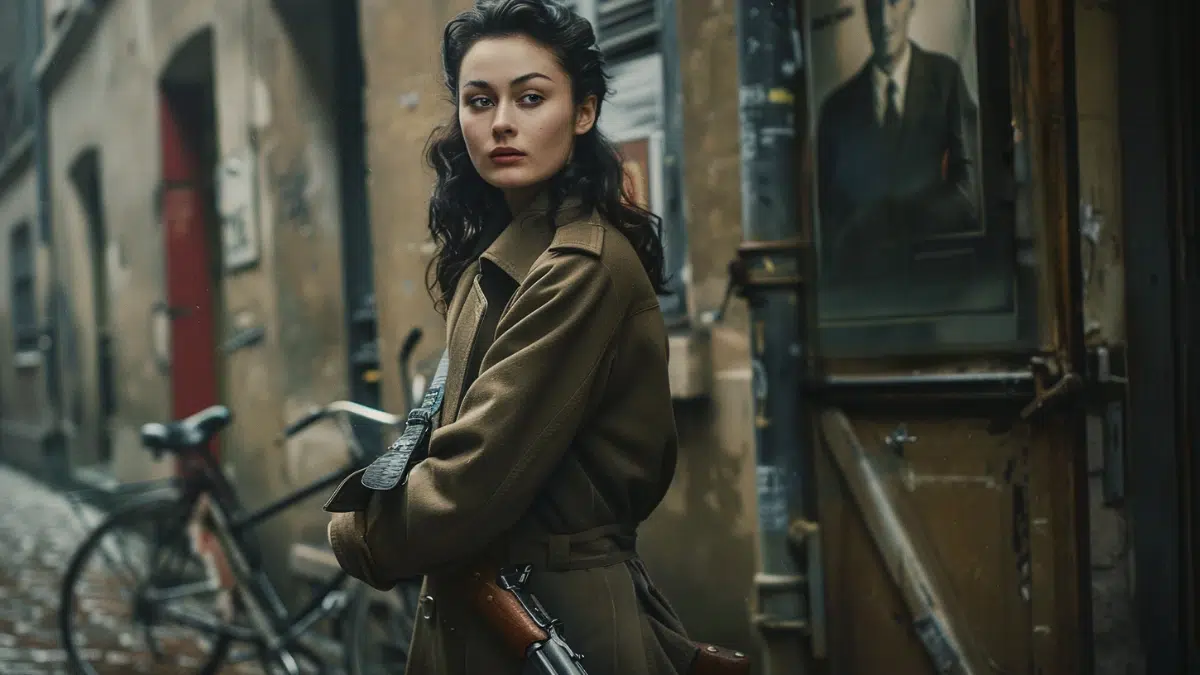
Nancy Wake, known as the “White Mouse,” gains fame for slipping through the hands of the Gestapo again and again.
Her quick thinking and daring moves make her a nightmare for the Nazis.
In occupied France, she leads bold resistance attacks and organizes sabotage missions. She trains fighters, many of them men twice her size. She gathers weapons, disrupts supply lines, and leads raids that strike at the heart of enemy control.
Nancy parachutes behind enemy lines and knocks out guards with her bare hands when needed. Her courage earns her the trust of her team and the respect of Allied leaders.
The Gestapo places a massive bounty on her head, but no trap holds her for long. France and Britain honour her bravery with multiple medals.
Fearless, clever, and strong, Nancy shows the power of determination and sharp instincts. One encounter with her proves that no one underestimates the White Mouse twice.
Claire Phillips (United States)
Claire Phillips runs a café in Manila during the Japanese occupation, secretly gathering intelligence for the Allies.
Disguises, charm, and wit help her smuggle supplies to POWs and fool Japanese officials. Her spy network includes entertainers and staff, using music and laughter as cover. Arrested and tortured, she survives months in prison without exposing others.
After the war, she writes a memoir and receives the Medal of Freedom. Claire’s bravery and cleverness save many lives in silence.
Suzanne Spaak (Belgium)
Suzanne Spaak joins the French Resistance and risks everything to save Jewish children during the Nazi occupation.
Using her Paris home as a refuge, she helps forge IDs and ration cards. As part of the Red Orchestra network, she saves over 60 children from deportation. Balancing family life with secret missions, Suzanne acts with quiet courage.
Arrested by the Gestapo, she is executed in 1944. Belgium and France later honour her. Suzanne’s strength lies in empathy and moral conviction.
Lyudmila Pavlichenko (Soviet Union)
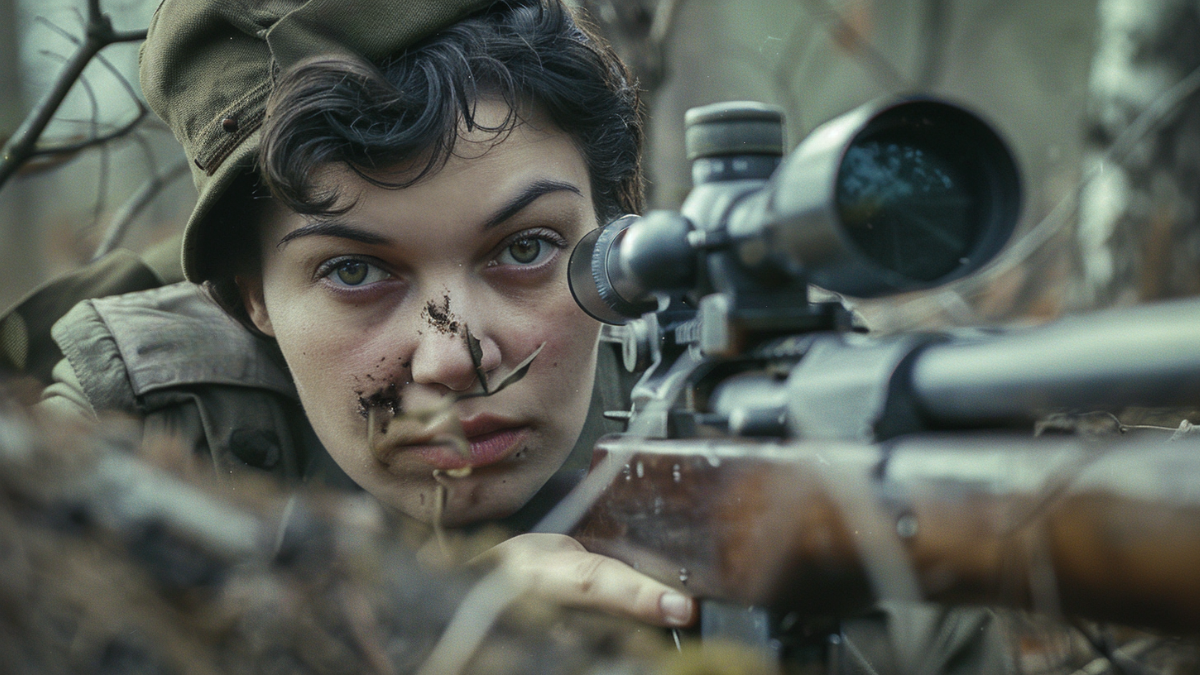
Lyudmila Pavlichenko joins the Red Army as a sniper and quickly rises to legendary status.
With 309 confirmed kills, she earns the respect of allies and strikes fear into her enemies. She moves silently through trees and trenches, waiting for the perfect shot. Her aim stays steady, and her presence remains unseen.
Even Nazi snipers fail to match her precision. She shares her knowledge with others, teaching patience, silence, and discipline. Her reputation grows beyond the battlefield.
As a symbol of Soviet strength, she travels to America, where Eleanor Roosevelt welcomes her to the White House. Crowds gather to see the woman nicknamed “Lady Death.”
Calm and focused, she shows that courage and skill matter more than strength or size. Lyudmila stands as a reminder that even in war, one sharp mind can change the course of a battle—and inspire a nation.
Mariya Vasilyevna Oktyabrskaya (Soviet Union)
Mariya Oktyabrskaya uses her own money to buy a tank, proudly naming it Fighting Girlfriend.
She trains as both a driver and a mechanic, determined to honour her fallen husband and defend her country.
On the battlefield, she leads with courage, driving straight into danger. When her tank takes damage, she climbs out and makes repairs—often under enemy fire. Her fearless actions earn the respect of Soviet commanders and shock even experienced soldiers.
Soviet media present her as a patriotic hero, and her story inspires other women to take up arms. Mariya fights not for glory, but for love, loyalty, and purpose. Her bravery behind the wheel turns her into a legend.
She proves that strength comes not only from armour or weapons, but from sheer determination. In a world dominated by men and machines, few tank drivers match her daring spirit or relentless will to fight.
Hanna Reitsch (Germany)
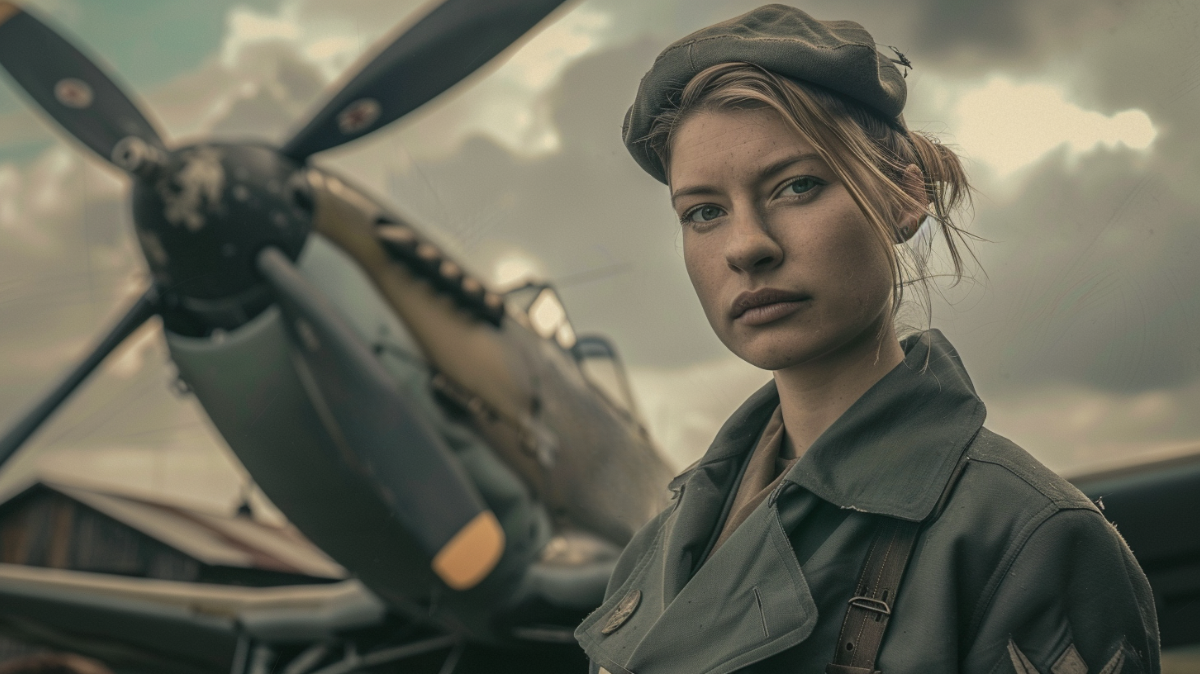
Hanna Reitsch stands out as one of Germany’s most skilled and daring test pilots. She flies nearly every type of aircraft in the Luftwaffe, including high-risk experimental planes.
From gliders to rocket-powered aircraft, nothing keeps her grounded. Hanna becomes one of the first women to pilot a helicopter and pushes the limits of aviation with each flight. She tests the dangerous Messerschmitt Me 163 rocket plane, facing crashes and explosions without hesitation.
Her courage earns her a personal award from Hitler, sparking both admiration and controversy. Hanna often flies into bombed cities with calm precision, refusing to let fear guide her.
Though her support for Nazi ideals remains debated, her flying talent is never questioned. She blends technical brilliance with bold determination. Her legacy stirs complex reactions, but her impact on aviation stands clear. Hanna Reitsch proves that skill in the skies can earn both awe and lasting debate.
Elsie Ott (United States)
Elsie Ott serves as a pioneering flight nurse during WWII, managing wounded soldiers mid-air with limited training.
Assigned to the first U.S. medical air evacuation, she flies patients across war zones and oceans, remaining calm under pressure. Her team invents new ways to stabilize care in flight, reshaping military medicine.
For her bravery and innovation, Elsie receives the Air Medal—the first woman to do so. Her work lays the foundation for today’s flight nursing systems.
Virginia Hall (United States)
Virginia Hall serves as one of the most effective Allied spies during World War II.
Despite losing part of her leg in a hunting accident—earning her the nickname “the Limping Lady”—she refuses to be held back. Working first for the British SOE and later the American OSS, she organizes resistance networks, gathers intelligence, and supports sabotage missions deep within Nazi-occupied France.
She disguises herself, evades the Gestapo, and communicates through hidden radios. Even with a wooden leg, she climbs mountains to escape capture. Her bravery earns her the Distinguished Service Cross, making her the only civilian woman to receive it during the war.
She operates in silence and shadow, always one step ahead of danger. Virginia Hall proves that determination and intelligence often matter more than physical strength. Her legacy remains one of quiet strength, fierce resolve, and unmatched courage in the face of overwhelming odds.
Eileen Nearne (United Kingdom)
Eileen Nearne parachutes into Nazi-occupied France to support the Resistance.
As a radio operator, she sends vital messages while staying on the move to avoid capture. She hides her equipment in barns, suitcases, and secret corners, knowing every signal risks discovery.
The Gestapo listens for her transmissions, but her calm voice carries life-or-death instructions. When arrested, Eileen refuses to reveal anything. She survives torture by faking a story, holding firm under pressure. She later escapes from a prison camp and lives quietly after the war, her heroism unknown to most.
Only after her death does the world uncover her story. Eileen’s courage, strength, and silent determination remain a powerful legacy. She never asks for praise, but her actions speak louder than words. Her bravery hides in shadows, yet it shapes history.
Through quiet strength, Eileen Nearne proves that true heroes don’t always wear uniforms—or speak their truths aloud.
Violette Szabo (United Kingdom)
Violette Szabo joins the Special Operations Executive after losing her husband in battle.
Fluent in French and driven by purpose, she trains in sabotage and espionage.
Under the codename “Louise,” she parachutes into Nazi-occupied France, reconnecting with Resistance groups and helping plan attacks.
On her second mission, she faces SS forces and fights back with a Sten gun, showing no hesitation. Captured and tortured by the Gestapo, she refuses to give up any secrets. Sent to Ravensbrück concentration camp, she endures harsh conditions but lifts others with her strength.
Even in captivity, her courage never fades. In 1945, the Nazis execute her. Britain later awards her the George Cross—the first ever given to a female civilian. Violette’s story remains one of raw bravery, loyalty, and fierce resistance.
Her name stands among the boldest heroes of the war, and her courage continues to inspire generations.
Ethel Rosenberg (United States)
Ethel Rosenberg supports Soviet espionage alongside her husband, Julius, during the Cold War.
Accused of passing atomic secrets, both face arrest in a sweeping FBI crackdown. Ethel refuses to testify, standing by her husband. Her silence sparks national debate and controversy.
In 1953, the U.S. executes the Rosenbergs, making her a lasting symbol of Cold War fear. Some see her as a traitor, others as a scapegoat. Her story still raises questions about loyalty, justice, and gender roles.
Sophie Scholl (Germany)
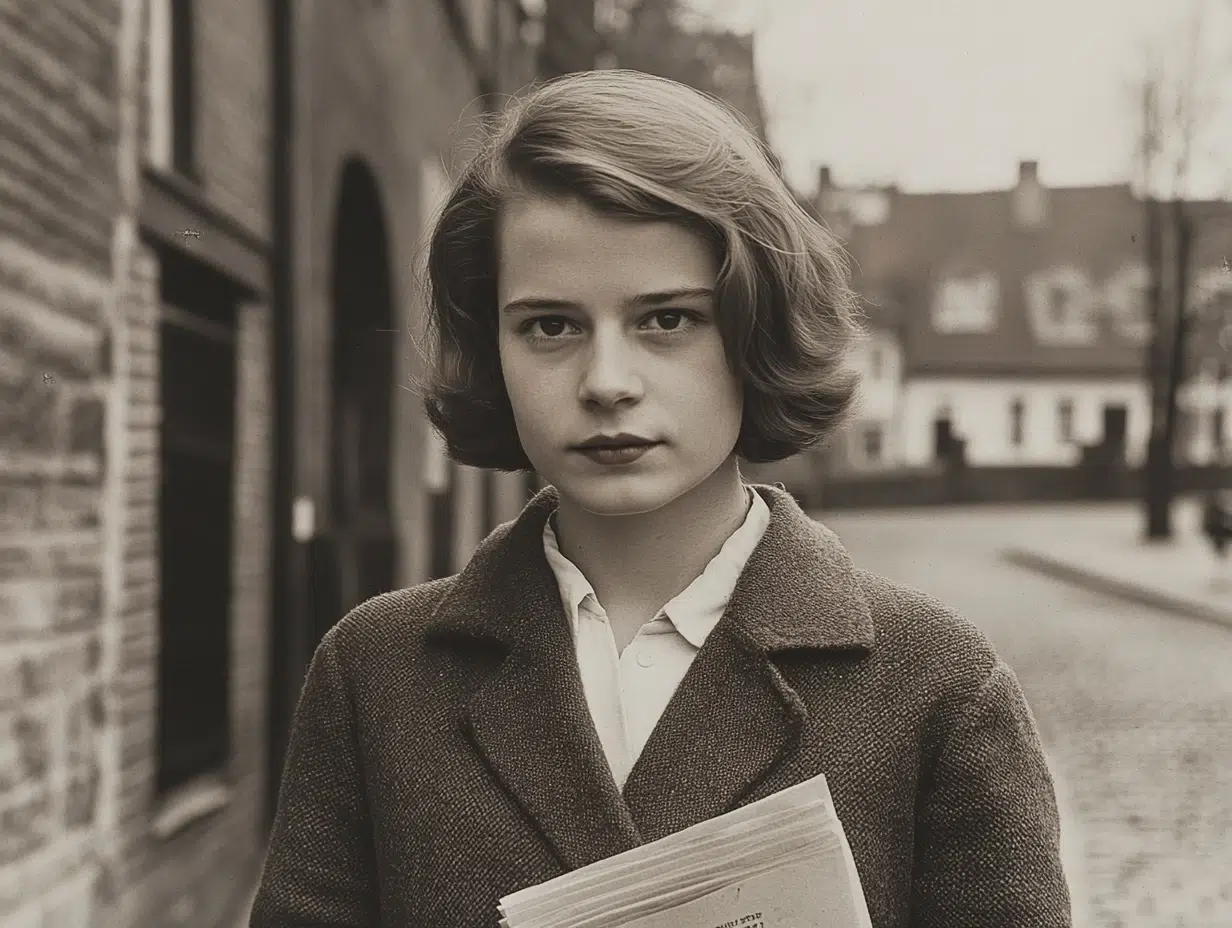
Sophie Scholl joins the White Rose resistance group alongside her brother Hans, determined to speak out against Nazi rule.
She writes and distributes anti-Nazi leaflets, risking everything to defend truth and justice. Sophie believes that moral courage matters more than silence. She leaves flyers in university halls and government buildings, hoping to stir others to act.
The Gestapo arrests her at school. In court, she refuses to deny her actions, speaking calmly about freedom and conscience. Sentenced to death, she faces the guillotine with bravery.
Today, Germany honours her legacy, proving that even quiet voices can stand strong against tyranny.
Irina Sebrova (Soviet Union)
Irina Sebrova serves with the Night Witches, the Soviet Union’s all-female bomber regiment.
Flying over 1,000 night missions, she glides silently without radar or parachutes. German troops fear the soft hum of her engine before bombs strike. Irina dodges fire, lands in darkness, and never wavers. Her steady focus earns deep respect.
While training new pilots, she keeps flying dangerous missions. Irina becomes one of the regiment’s most trusted fliers, turning fear into power with every silent flight.
Noor Inayat Khan (United Kingdom)
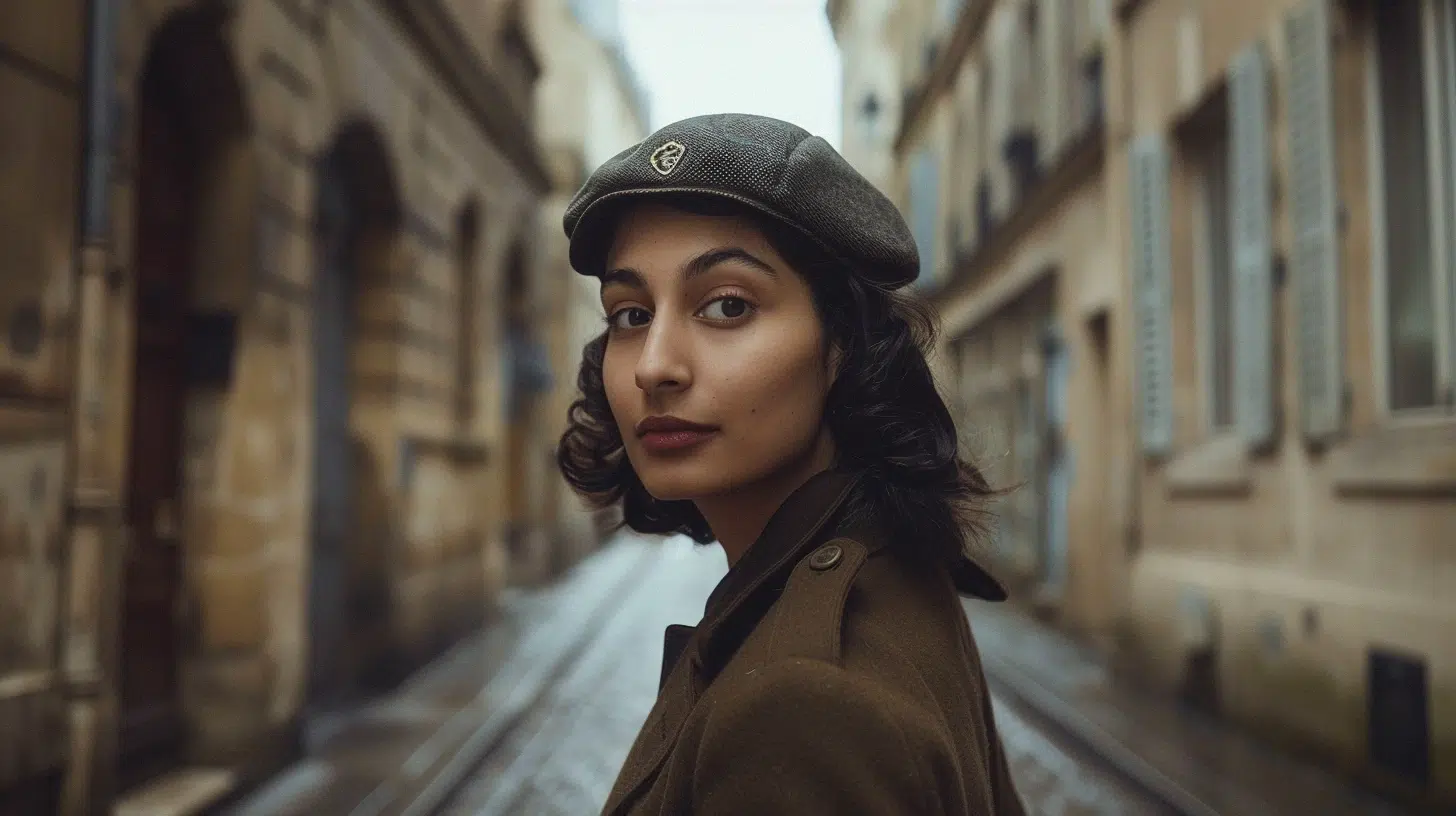
Noor Inayat Khan trains as a wireless operator and joins the British SOE during World War II.
Using the codename “Madeleine,” she parachutes into Nazi-occupied France to support the Resistance. She sends secret messages while constantly evading Gestapo surveillance.
Despite intense tracking, she avoids capture for weeks by frequently changing locations. When agents finally arrest her, she refuses to reveal any names. Even under torture, Noor remains silent.
The Nazis later transfer her to Dachau, where they execute her. France and Britain honour her bravery with medals. Noor’s quiet courage and unwavering loyalty define the true spirit of resistance.
Yevdokiya Zavaly (Soviet Union)
Yevdokiya Zavaly disguises herself as a man to join the Red Army and rises to become the only female marine commander.
She leads daring missions behind enemy lines, destroying bunkers and capturing prisoners. Despite multiple wounds, she continues to fight. Her courage and sharp tactics earn her medals and the respect of commanders.
Enemies fear her bold strikes. Yevdokiya proves that women can lead in battle, showing fearless command and determination under relentless fire.
Pearl Witherington (United Kingdom)
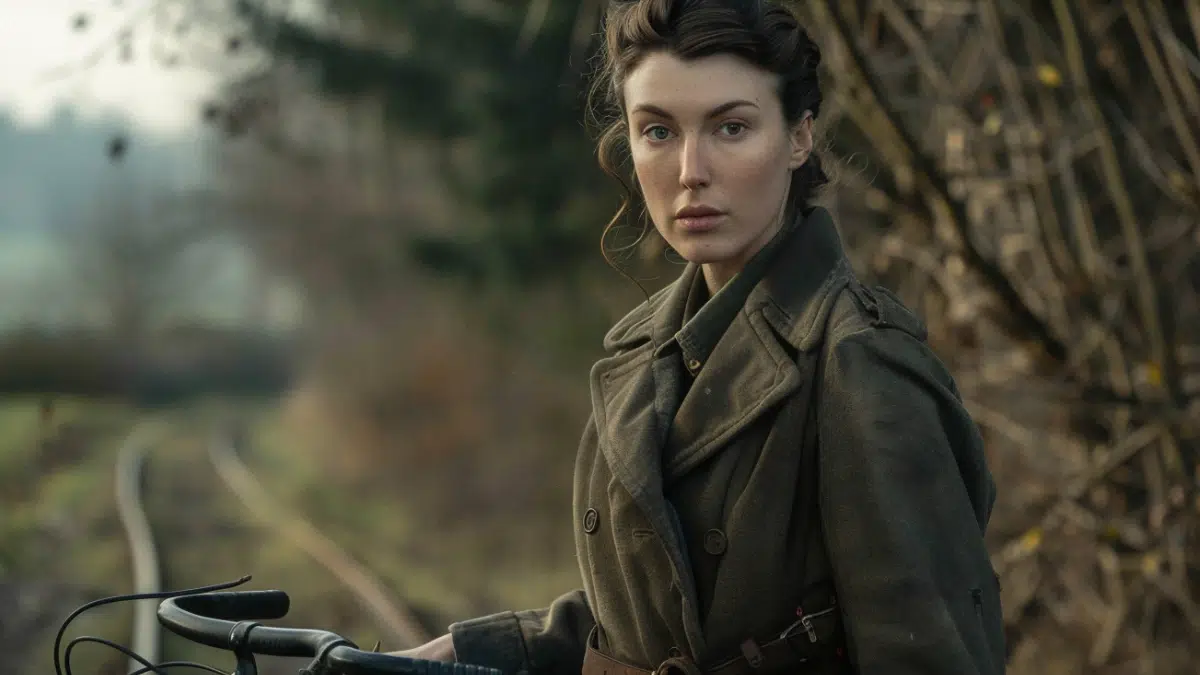
Pearl Witherington joins the SOE and parachutes into Nazi-occupied France.
Under the codename “Marie,” she serves as a courier before rising to lead over 1,500 Resistance fighters. She directs sabotage missions, blows up trains, and disrupts German supply lines. The Gestapo labels her dangerous.
Britain offers her a military award—on the condition she marries. She refuses, insisting she earns it on her own. France awards her the Legion of Honour. Pearl leads with fierce independence and steady resolve.
Jeanne Bohec (France)
Jeanne Bohec escapes to Britain after the Nazi invasion and joins the Free French Forces.
Trained in explosives, she returns to France to teach Resistance fighters sabotage techniques. Using false names, she moves between cells, showing others how to derail trains and destroy bridges. Her students cripple key Nazi supply routes.
Known as the “girl with dynamite,” Jeanne prefers action to recognition. Her bold skills and quiet strength help shift the war’s balance in France’s favour.
Jacqueline Cochran (United States)
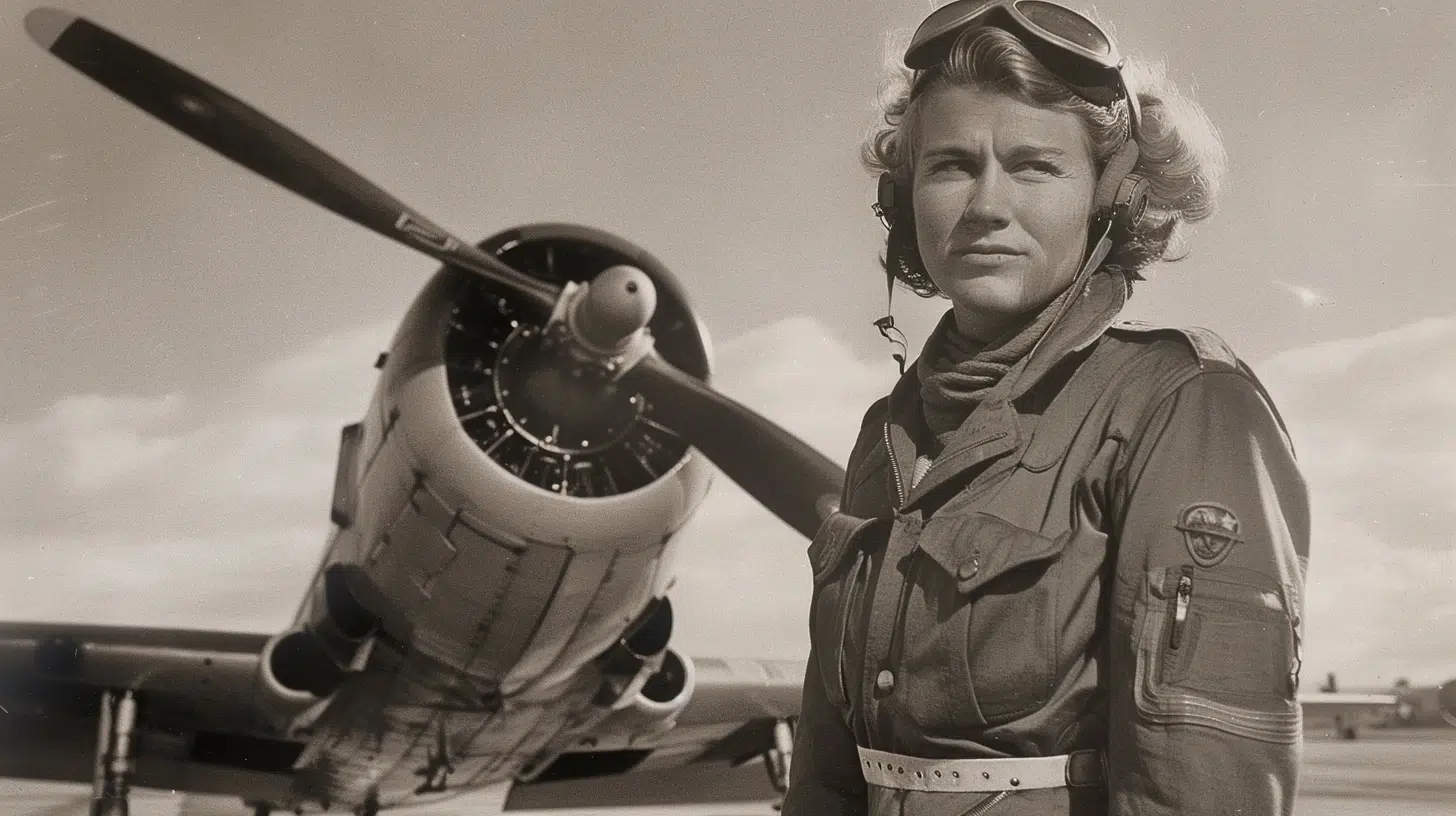
Jacqueline Cochran leads the Women Airforce Service Pilots (WASP) during World War II, training hundreds of female aviators.
She becomes the first woman to fly a bomber across the Atlantic and tests the limits of speed and altitude. Her pilots ferry planes, test new models, and train men for combat roles.
Awarded the Distinguished Service Medal, Jacqueline champions women in military aviation. Her leadership and flight record help shape Air Force policy. She proves women belong in the sky.
Gabrielle Weidner (Netherlands)
Gabrielle Weidner joins the Dutch-Paris escape line, helping Allied soldiers and Jews flee Nazi-occupied France.
She manages safehouses, forges documents, and risks everything to save lives. Her network rescues over 1,000 people. Arrested by the Gestapo in 1944, she endures brutal prison conditions without revealing contacts. Gabrielle dies in a German camp shortly before liberation.
France honours her with the Croix de Guerre. Her quiet courage and compassion define true resistance and leave a powerful legacy.
Mariya Dolina (Soviet Union)
Mariya becomes a fighter pilot in the Soviet Air Force and flies over 70 combat missions. Her squadron escorts bombers deep into enemy territory.
She survives flak and dogfights. Mariya loses radio contact and still completes missions. She earns the Hero of the Soviet Union title. Her calm decisions under pressure protect her team. She later trains new pilots and shares her experience. Mariya fights with skill, not fear. Her legacy lives in aviation history.
Conclusion
These women fought in different ways, but they shared one goal: freedom. They risked everything to stop tyranny. Some survived. Others gave their lives. Their impact still echoes today. Schools bear their names. Statues honour their memory.
Their stories inspire new generations to act with courage and conviction. In every mission, every moment of resistance, they show what it means to stand strong. These are not side stories — they are central to the history of World War II.