Understanding the Archery Bow
Are you considering taking up archery as a hobby or sport? Whether you’re a novice or an experienced archer, the process of purchasing an archery bow can be a daunting task.
With a wide array of options available, it’s important to understand what factors to consider and what you need to know before making a purchase. Let’s explore the essential aspects of buying an archery bow, including the different types of bows, the importance of draw weight and length, and the significance of choosing the right arrows.
By the end , you will have a comprehensive understanding of how to make an informed decision when purchasing an archery bow. Whether you’re looking to enhance your archery skills or simply enjoy the thrill of hitting a bullseye, this guide will equip you with the knowledge needed to make the right choice.
Key Takeaways
- Understanding your purpose and skill level is crucial when buying an archery bow.
- Consider the draw weight, draw length, and overall weight of the bow to ensure a comfortable and accurate shooting experience.
- Don’t forget about the importance of proper accessories, such as arrows and a bow release, to complement and enhance your bow’s performance.
Understanding Archery and Shooting Equipment
Archery and shooting equipment encompass a wide array of gear essential for engaging in the sport, catering to the needs and preferences of archers and shooters across different disciplines and levels of experience.
Recurve bows are a popular choice among traditional archers and beginners, offering simplicity and ease of use. On the other hand, compound bows, with their intricate pulley system, are favored by competitive archers for their precision and power.
Arrow rests, such as the Whisker Biscuit and drop-away rests, play a crucial role in stabilizing and supporting the arrow for accurate shots.
Bow limbs, available in various materials like fiberglass and carbon fiber, provide the backbone of the bow, determining its strength and performance.
Exploring Different Types of Bows
The world of archery offers a variety of bow types, each with distinct characteristics and applications, encompassing recurve bows, compound bows, flatbows, and takedown models, catering to the diverse needs and preferences of archers across different disciplines.
Understanding Recurve Bows
Recurve bows are a popular choice among archers, known for their elegant design, reliable performance, and their prominent role in Olympic and other international archery competitions, appealing to both traditional shooters and competitive archers alike.
The distinctive design of recurve bows enhances accuracy and power through their unique shape, characterized by curved limbs that bend away from the archer when unstrung. This design allows them to store more energy and produce faster arrow speeds compared to traditional straight-limbed bows, making them a preferred choice for many archers.
Exploring Compound Bows
Compound bows stand out for their advanced technological design, utilization of draw weight, and their versatility in accommodating various shooting styles and preferences, offering a distinctive experience compared to traditional recurve and flatbows.
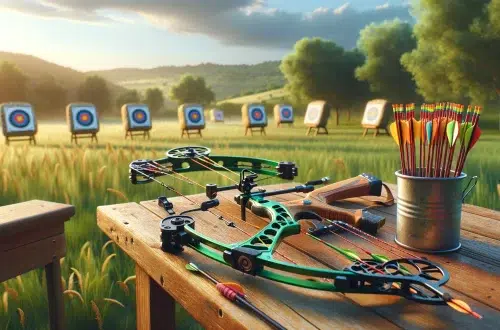
Their innovative design incorporates a system of pulleys and cables, known as cams, which allow for a more efficient transfer of energy from the archer to the arrow. This results in greater accuracy, power, and consistency in arrow speed. Their variable draw weight mechanisms enable archers to adjust the weight required to pull back the string, providing customizable options to suit individual strength and skill levels.
Another key feature is their versatility, as they are equipped with mounting points for accessories such as sights, stabilizers, and arrow rests, allowing for personalized customization. Their compact size makes them suitable for maneuvering through challenging hunting environments while still delivering impressive power and precision.
Discovering Flatbows and Takedown Models
Flatbows and takedown models represent a traditional form of archery, resonating with archers who appreciate the simplicity and historical significance of American flatbows, as well as the practicality and portability offered by takedown models for modern archery enthusiasts.
American flatbows, which have a deep historical significance, trace their roots back to Native American and early settlers’ use. The simple construction of these flatbows, characterized by a long, straight limb design, offers a raw and authentic archery experience. Takedown models provide the convenience of disassembly, making them ideal for outdoor adventures and travel. The appeal of these traditional and practical archery options continues to endure, bridging the gap between tradition and 21st-century archery enthusiasts.
Learn more about: Crossbows and Longbows – Pros and Cons and Common Types of Archery Bows – Part 2
Understanding Essential Archery Equipment
The pursuit of archery necessitates essential equipment such as arrow rests, bow limbs, and a reliable archery shop experience for purchasing high-quality bows, ensuring archers have access to top-tier equipment to suit their shooting needs and preferences.
Exploring Arrow Rests and Bow Limbs
Arrow rests and bow limbs are crucial components of an archer’s equipment, contributing to stability, accuracy, and overall shooting performance, making them essential considerations when visiting an archery shop or purchasing equipment online.
Regarding arrow rests, the right choice can significantly enhance an archer’s consistency and precision. A good arrow rest ensures that the arrow is held securely and remains in position, offering a stable base for the perfect shot.
The bow limbs play a vital role in the power and smoothness of the shot, impacting the arrow’s speed and trajectory. Choosing the appropriate limb material and draw weight can optimize the overall shooting experience, providing the desired balance between strength and flexibility.
Navigating the Archery Shop Experience
Visiting an archery shop or exploring a website for purchasing a bow is a good way to access informed guidance from shop employees or the content management team, ensuring archers can make well-informed decisions when investing in high-quality archery equipment.
These professionals possess in-depth knowledge about various bow types and can provide valuable insights into the best equipment suited to an individual’s skill level and preferences.
Whether it’s traditional bows, compound bows, or recurve bows, their expertise enables them to recommend a suitable choice that aligns with an archer’s specific needs and enhances their overall performance.
Their understanding of accessories such as arrows, quivers, and sights ensures that archers can assemble a complete and compatible set of gear.
Frequently Asked Questions
1. How do I determine the right size and draw weight for an archery bow?
The size and draw weight of an archery bow are crucial factors to consider when making a purchase. To determine the right size, measure your draw length, which is the distance from the base of your neck to the tip of your extended middle finger. For the draw weight, consider your strength and experience level. As a general rule, it is recommended to start with a lower draw weight and gradually increase as you become more skilled.
2. What types of bows are available and which one is best for me?
There are three main types of bows: recurve, compound, and traditional. Recurve bows are a good choice for beginners as they are simple and easy to use. Compound bows are more advanced and offer a higher level of accuracy and power. Traditional bows, such as longbows and recurve longbows, are best for experienced archers who enjoy a more traditional style of shooting.
3. What are the important features to consider when buying an archery bow?
When buying an archery bow, consider the material it is made from, the weight and balance of the bow, the string and cable system, and the overall design and style. It is also important to choose a bow that feels comfortable and fits your shooting style.
4. Do I need any additional accessories for my bow?
While some bows come with basic accessories, it is recommended to purchase additional items such as arrows, a quiver, a bow stringer, and a release aid. These accessories can improve your shooting experience and make it easier to handle and maintain your bow.
5. How much should I expect to spend on an archery bow?
The price of an archery bow can vary depending on the type, brand, and features. A basic recurve bow can cost around $100 while a high-end compound bow can cost upwards of $1000. It is important to set a budget and research different options to find the best bow for your needs and budget.
6. Can I try out a bow before buying it?
Yes, it is always recommended to try out a bow before making a purchase. You can visit a local archery shop or attend a shooting event to test out different bows and see which one feels the most comfortable and suits your needs. This can also help you make a more informed decision when buying your own bow.