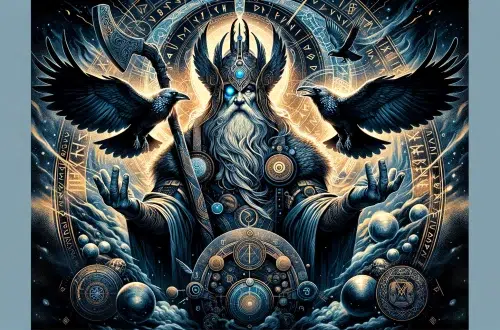

Sigyn: Norse Mythology Goddess of Loyalty and Devotion
Sigyn in Norse mythology plays an important but often overlooked role. She stands as the loyal wife of Loki, the god known for mischief and change. Even in hard times, Sigyn shows unwavering support and loyalty.
Her name means “victory-bringing friend,” reflecting her supportive nature. Among the Norse gods and goddesses, she represents loyalty and hard work. Sigyn’s dedication to her family and duties makes her admired by the Norse people.
During Viking times, people honoured Sigyn for her loyalty and role as a family protector. While not as widely worshipped as Odin or Thor, her values were respected in Viking society.
She doesn’t have as many stories as other gods, but her actions speak loudly. Sigyn’s role in Norse myths shows the power of love and commitment.
Background and Family Relationships

Sigyn plays an important role in Norse mythology because of her family ties. She is Loki’s wife and stands out among the gods and giants. Her deep loyalty to Loki makes her a key figure in Norse stories.
Sigyn is known for her loyalty as a wife. Her family ties influence how we understand the gods and giants in Norse myths. These stories show her personal struggles and the complex relationships among the gods.
Sigyn’s role as Loki’s wife and mother makes her a significant figure in Norse myths. Sigyn and Loki have two sons, Narfi and Váli. Their family faces tough challenges because of Loki’s mixed connections with gods and giants.
Sigyn’s grief over the loss of her sons emphasizes her strength and resilience. Even in the face of such heartbreak, she continues to support Loki, demonstrating her deep commitment. This aspect of her story shows that even in a world of powerful gods, the pain of losing loved ones is a shared experience.
Loki’s Children with Angrboda
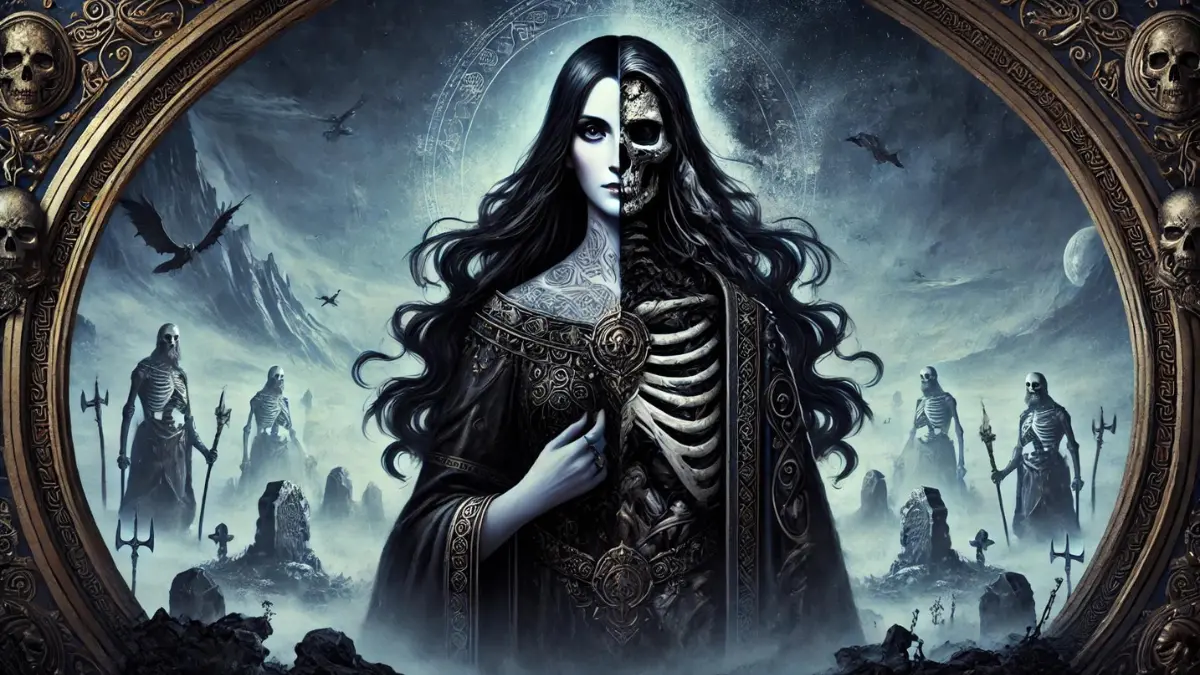
Loki also fathered three other significant children with the giantess Angrboda: Hel, Fenrir, and Jormungandr. Each of these children plays a crucial role in Norse mythology and has a complex relationship with both Loki and the other gods.
Hel is the ruler of the underworld, a realm that bears her name. She oversees the dead who do not die in battle, particularly those who die of sickness or old age.
Fenrir is a monstrous wolf, destined to bring about great destruction. He is bound by the gods due to his immense strength and potential threat. Also known as the Midgard Serpent, Jormungandr is a colossal snake that encircles the world. He is a symbol of chaos and destruction.
Despite the chaos caused by Loki and his other children, Sigyn remains loyal. Sigyn’s life is marked by isolation and grief, particularly after the loss of her sons. Her loyalty to Loki, despite his actions and their consequences, highlights her strength and resilience.
The Symbolism Behind Sigyn in Norse Mythology
Sigyn is seen as the ultimate symbol of devotion and loyalty in Norse mythology. Her story tells us a lot about her importance in myths. It also gives us different ways to understand Sigyn.
Sigyn’s actions and character have made her a symbol of loyalty, devotion, and compassion in Norse mythology.
Sigyn: The Epitome of Loyalty
Sigyn is a key figure in Norse mythology, known for her deep loyalty and faithfulness. She stands by her husband, Loki, through thick and thin. As a protective deity, she faces many hardships to support her loved one. Her stories show her strong commitment.
When Loki is punished and chained under the earth, Sigyn stays with him. She catches the venom from a serpent to ease his pain. This act shows her deep love and loyalty to Loki, even when it’s hard.
Sigyn’s loyalty in Norse mythology makes her stand out. She’s not just loyal to Loki but also a symbol of devotion for all time. Her actions prove she’s the ultimate example of loyalty in Norse stories.
Sigyn’s Role in Norse Myths

Sigyn, the Norse goddess of loyalty, is primarily known for her unwavering devotion to her husband Loki, the trickster god. Despite the fragmentary nature of the sources, a few key myths highlight her role and character.
After Loki caused the death of Baldr, the gods trapped him in a cave. A venomous snake dripped venom on him. Sigyn caught the venom in a bowl, trying to ease his pain.
These stories show how important Sigyn is and her strong nature. Despite her own pain and the gods’ anger, she stayed loyal to Loki. Her story teaches us about enduring love and resilience.
Learn more about:
- Norse Mythology Gods and Legends
- Norse Mythology Symbols
- Odin: The Allfather in Norse Mythology
- Freya: The Enigmatic Goddess of Norse Mythology
Key Myth: Loki’s Punishment and Sigyn’s Devotion

The most significant myth involving Sigyn is her role in Loki’s punishment for his part in the death of Baldur.
After Loki’s involvement in Baldur’s death, the gods decided to imprison and torture him as retribution. This myth is detailed in both the Poetic Edda and the Prose Edda, two of the most important sources of Norse mythology and early Germanic heroic legends.
Poetic Edda is a collection of Old Norse poems from the medieval manuscript. These poems contain myths, legends, and stories of the Norse gods and heroes compiled in the 13th century. The Prose Edda is a work written by the Icelandic scholar and historian around 1220.
Myth: Transformation of Vali and Death of Narfi
Loki’s involvement in the death of Baldur, a beloved god, leads to severe consequences. The gods capture Loki and decide to punish him in a manner that also involves his family.
Loki, known as the trickster god, often found himself at odds with the other gods due to his unpredictable nature. His most notorious act was orchestrating the death of Baldr, the beloved god.
As punishment for this grievous crime, the gods decided to bind Loki in a cave. However, their wrath extended to Loki’s family, leading to the cruel fate of his sons, Narfi and Váli.
To bind Loki, the gods turned to his own kin. They transformed his son Váli into a ferocious wolf, a creature driven by wild instincts and aggression. In his wolf form, Váli becomes uncontrollable and attacks his brother Narfi, ultimately killing him. Sigyn witnesses the brutal death of her sons. This punishment was meant to hurt Loki but instead causes her immense grief.
The death of Narfi and the transformation of Váli serve as a harsh and symbolic punishment for Loki. The gods use Narfi’s intestines to bind Loki to a rock, ensuring his painful captivity. Above Loki, a venomous serpent was placed to drip poison onto him, causing immense suffering.
These events highlight the tragic consequences of Loki’s actions, extending beyond himself to his innocent sons. The transformation of Váli and the death of Narfi illustrate the severity of divine retribution in Norse mythology, where the actions of one can lead to suffering for many. The story is a powerful reminder of the complexities and harsh realities within the mythological world of the Norse gods.
Myth: The Venomous Snake
In Norse mythology, Loki is a tricky and chaotic character. He sometimes takes the form of a venomous snake.
Loki’s actions often cause trouble. After causing the death of the beloved god Baldur, the gods decided to punish him. They bound him in a cave.
To further torment Loki, the gods placed a venomous snake above his head. The snake dripped venom onto Loki’s face, causing him excruciating pain. His loyal wife, Sigyn, stayed beside him, catching the venom in a bowl. When she emptied the bowl, venom dripped on Loki, making him writhe in pain. His writhing caused earthquakes.
Sigyn, demonstrating her loyalty and compassion, stayed by Loki’s side throughout his punishment.
The snake’s venom shows Loki’s destructive and chaotic nature. It highlights his role in myths as both a bringer of change and trouble. Loki’s connection with snakes and poison shows his unpredictable and dangerous side. Despite the pain he causes, Loki plays a crucial role in keeping cosmic balance in Norse myths.
This myth shows the two sides of Loki’s character: a trickster and an important figure in the mythological world.
Cultural Impact of Sigyn
Historical Depictions of Sigyn
Sigyn, a goddess in Norse mythology, appears in various historical and artistic depictions.
One notable example is the Gosforth Cross, an ancient stone cross found in England. Some believe the cross may show Sigyn and Loki, though this interpretation is debated.
In the 19th century, artists frequently portrayed Sigyn in paintings and illustrations. These artworks often show her with Loki, holding a bowl to catch venom dripping from a snake.
The images emphasize her loyalty and compassion as she tries to ease Loki’s suffering. These depictions highlight Sigyn’s important role in Norse mythology. They also reflect the Victorian era’s fascination with ancient myths and legends.
Sigyn in Popular Culture

Sigyn appears in various forms of popular culture, including Marvel Comics, literature, and modern adaptations.
In Marvel Comics, she is a minor character often associated with Loki. Sigyn starts as a beautiful Asgardian goddess engaged to Theoric, a member of Odin’s Crimson Hawk guard. Loki, infatuated with her, arranges for Theoric’s death and disguises himself as Theoric to marry Sigyn. After the marriage, Loki reveals his true identity, but Sigyn remains loyal to him, despite the deception.
In fantasy literature, Sigyn is sometimes reimagined in new contexts, focusing on her loyalty and resilience. These stories often explore her relationship with Loki and how their difficult marriage affects her.
Sigyn also appears in webcomics that reinterpret Norse mythology in modern settings. For example, in Sparkling Generation Valkyrie Yuuki and Brat-halla, her story elements are often presented with humour or satire.
In TV series like Vikings, characters like Helga show similarities to Sigyn in their loyalty and suffering alongside their partners.
In role-playing games like Dungeons & Dragons, Norse mythology, including characters inspired by Sigyn, is part of the game’s lore and mechanics.
Shows like American Gods and movies about Norse gods show her complexity. These stories bring Sigyn to new fans.
Overall, Sigyn’s presence in popular culture shows her lasting impact. Whether as a comic book character, a figure in literature, or a modern adaptation, Sigyn continues to fascinate audiences. Her story reflects timeless themes of love, loyalty, and endurance.
Differences Between Mythological and Modern Interpretations
In Norse mythology, Sigyn appears as a loyal and patient wife to Loki. She endures great pain to help him during his punishment. Traditional texts often focus on her role as a caring and devoted partner.
In modern interpretations, Sigyn’s character has evolved. She sometimes appears as a more complex figure, not just defined by her relationship with Loki. Contemporary stories explore her strength, independence, and inner struggles. In some versions, she may even take on heroic or anti-heroic roles, reflecting modern values and storytelling trends.
Namesakes for Sigyn appear in various modern contexts. For example, some ships bear her name, honouring her as a symbol of loyalty and endurance. Additionally, a variety of wheat is named after her, showing how her influence extends into different fields. These namesakes reflect a recognition of her qualities and importance.
Overall, the differences between mythological and modern interpretations of Sigyn highlight her evolving significance. While ancient stories emphasize her loyalty, contemporary portrayals explore her multifaceted nature. Whether as a mythical figure or a modern symbol, Sigyn continues to inspire and resonate in diverse ways.
Comparing Sigyn to Other Goddesses
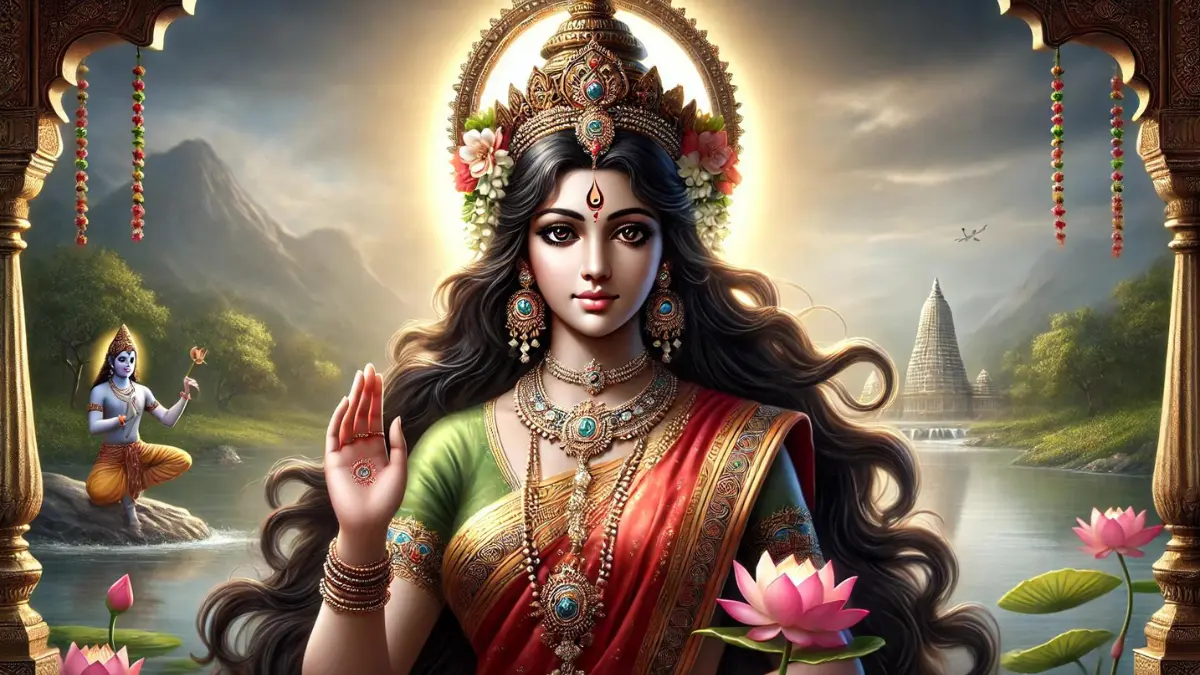
Sigyn stands out in mythology for her unique traits and loyalty to Loki. By looking at goddesses from different cultures, we see common themes and what makes Sigyn special.
Like Hera in Greek mythology, Sigyn shows loyalty to her husband, Loki, despite his faults. Both goddesses endure challenges in their marriages, highlighting their dedication.
Sigyn’s loyalty and hard work remind us of other faithful goddesses. For example, Hera in Greek stories stayed true to Zeus through tough times. Parvati in Hindu tales shows deep devotion to her husband Shiva, showing what a good partner should be.
But Sigyn is unique because she helps Loki when he’s suffering. Her act of catching venom shows her selfless love, unlike many other goddesses. While Hera and Parvati face their own challenges, Sigyn actively supports her husband.
Unlike Athena, who represents wisdom and warfare, Sigyn is more about loyalty and patience. Athena often takes an active role in guiding heroes, while Sigyn tends to be more passive, focusing on support and endurance. This difference shows how goddesses can represent diverse aspects of human experience.
Similar to Isis from Egyptian mythology, Sigyn shows deep love and dedication. Isis searches tirelessly for her husband Osiris’s body, much like Sigyn stays by Loki’s side during his punishment. Both goddesses display a strong commitment to their loved ones, showing the power of love and loyalty.
In comparing Sigyn to these other goddesses, we see a range of feminine qualities and roles. While Sigyn may not have the same level of action or power as some goddesses, her loyalty and patience offer a different kind of strength.
Conclusion
Sigyn is a symbol of unmatched loyalty and devotion in Norse mythology. We’ve looked at her strong support for her husband, Loki, through tough times. Her story shows how loyalty can overcome even the toughest challenges.
Norse mythology teaches us a lot, not just about the stories but also about the divine feminine. Sigyn shows us compassion, strength, and unwavering support. These traits make her more than just a mythological figure; she’s an icon of virtue for today.
In the end, Sigyn is a key figure who inspires and makes us think. Her story teaches us about the importance of loyalty and the lasting impact of Norse mythology. By celebrating Sigyn, we honour her and gain deeper insights into Norse mythology and the divine feminine.