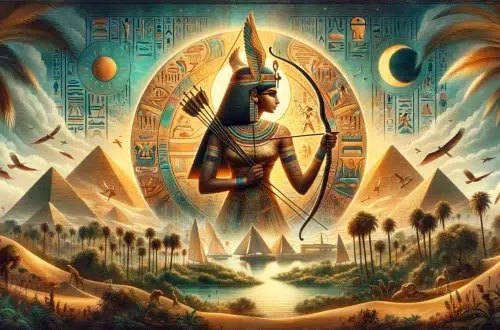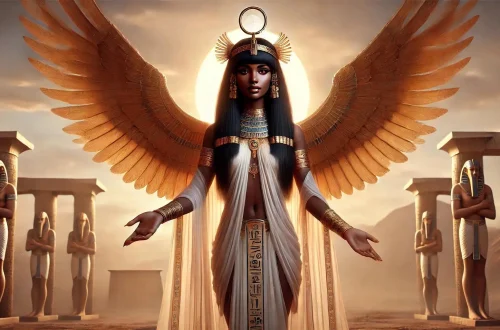
Sekhmet Egyptian Goddess of War & Healing
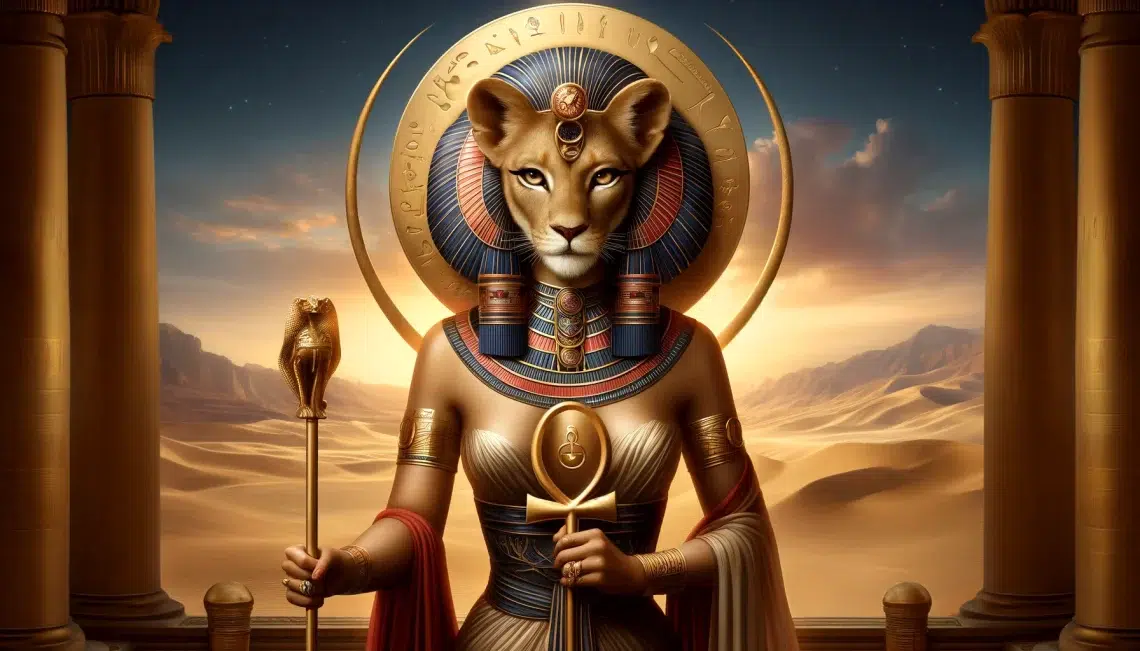
Sekhmet, the powerful Egyptian goddess, embodies war, healing, and protection. Often depicted as a fierce lioness or a woman with a lioness head, she symbolizes strength and ferocity.
Sekhmet’s name means “the powerful one,” and she protects pharaohs in battle, ensuring victory.
Besides her warrior aspect, Sekhmet also has a nurturing side. She heals the sick and helps maintain balance in the world.
Her dual nature reflects the ancient Egyptians’ belief in balance and harmony. Sekhmet’s followers honour her with rituals and prayers, seeking her protection and healing powers.
As a revered deity, she represents both the destructive and nurturing forces of the universe.
The Many Names of Sekhmet Egyptian Goddess
Sekhmet’s name means “She who is powerful” or “the One who loves Ma’at.” Her name captures her essence as a mighty force. She embodies power, justice, and balance, reflecting her deep connection to Ma’at, the concept of truth, order, and cosmic balance.
Sekhmet holds various epithets that highlight her many roles and attributes.
“Eye of Ra” signifies her as a fierce protector of the sun god Ra. She acts as his vengeful aspect, punishing those who oppose him. This epithet shows her role in maintaining order and protecting the divine order of the universe.
Another epithet, “Mistress of Dread,” underscores her fearsome nature. She inspires awe and fear in both mortals and gods. This title reflects her immense power and the respect she commands as a deity of war and destruction.
Sekhmet is also known as the “Lady of Slaughter.” This epithet highlights her role on the battlefield, where she unleashes her fury against enemies. She protects her followers and ensures victory in battles, embodying the raw, destructive power necessary for survival and dominance.
“She Before Whom Evil Trembles” is another of Sekhmet’s epithets. It emphasizes her role in confronting and vanquishing evil forces. Her presence alone strikes fear into the hearts of those with ill intentions. This title showcases her as a guardian against chaos and malevolence.
Sekhmet’s names and epithets reveal her complex nature. They capture her as a powerful, protective, and sometimes fearsome goddess. She embodies the balance of destruction and healing, justice and vengeance. Her names reflect the deep respect and reverence she commands in ancient Egyptian culture.
The Origins of Sekhmet

Myth: Creation From Ra’s Eye
Sekhmet’s origins start with her creation from the fire of Ra’s eye.
Ra, the sun god, saw humanity’s disobedience and decides to punish them. He was angry at people for not following Ma’at, the divine order. Ra creates Sekhmet from his eye, giving her the power to cause great harm.
She emerges as a powerful force, embodying Ra’s wrath and fury. This made her a fierce warrior goddess from the start.
She looks like a woman with a lion’s head. This shows her strength and protection. Sometimes, she’s seen as the child of Geb and Nut, showing her divine family line.
Sekhmet’s fierce nature came from this divine fire, making her a formidable and terrifying goddess. Her mission is to enforce Ra’s justice and maintain cosmic order. Sekhmet’s connection to Ra highlights her role as his enforcer, a powerful protector of divine law.
Myth: Ra’s Vengeance

In the myth of Ra’s vengeance, Sekhmet plays a crucial role.
Ra sends her to destroy mortals conspiring against him. She unleashed her wrath upon humanity, causing widespread destruction. Her ferocity seems unstoppable, and she revels in her task, demonstrating her power and dedication to Ra. As she continues her rampage, the gods grow concerned about the extinction of humanity. To stop Sekhmet, they devise a clever plan.
The gods trick Sekhmet into drinking beer dyed red to resemble blood. Believing it to be the blood of her enemies, she eagerly drinks it. The beer intoxicates her, calming her fury and halting her rampage.
This act of trickery saves humanity from total annihilation. Sekhmet’s role in this myth illustrates her dual nature: a relentless destroyer and a being capable of mercy, albeit through divine intervention.
Sekhmet’s origins and mythology highlight her as a powerful and complex goddess. She embodies the destructive and protective aspects of divine justice. Her creation from Ra’s eye and her role in the myth of Ra’s vengeance demonstrate her fierce loyalty and immense power. Sekhmet’s stories reveal her significance in maintaining balance and order in the universe, making her a revered figure in ancient Egyptian mythology.
Sekhmet’s Relationship With the Other Deities
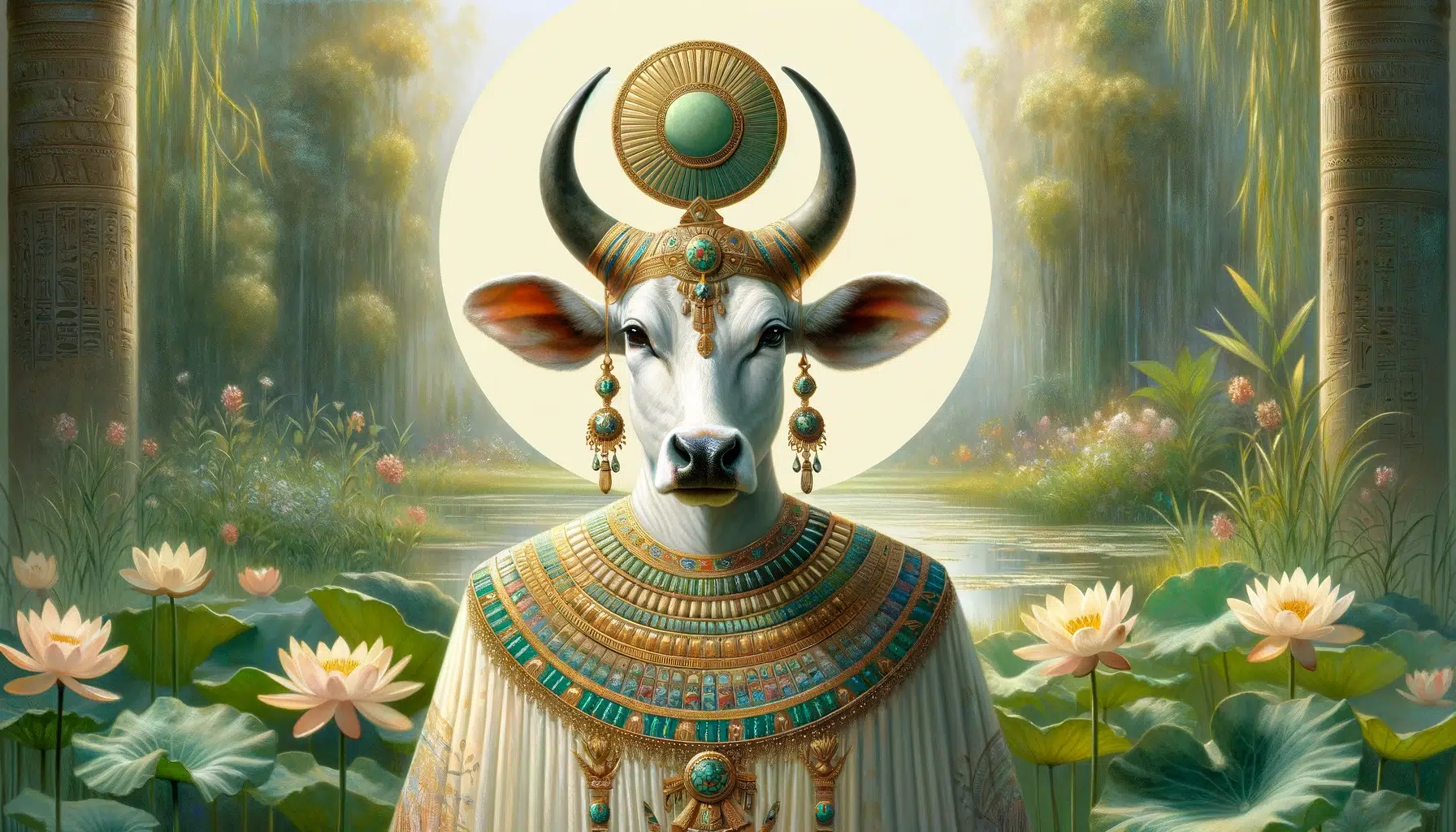
Sekhmet associates with several other goddesses, reflecting her multifaceted nature. Her connections to Hathor, Bastet, and Mut reveal different aspects of her identity and influence.
Hathor
Sekhmet’s association with Hathor highlights her transformative aspect.
Hathor, the goddess of love, beauty, and joy, represents a more benign side. When Sekhmet’s rage subsides, she transforms into Hathor, embodying kindness and nurturing qualities. This transformation symbolizes the balance between destruction and creation.
It shows how Sekhmet can shift from a fierce warrior to a loving protector. Her connection to Hathor illustrates the duality present in many deities, where opposites coexist to maintain cosmic order.
Bastet
Another goddess closely linked to Sekhmet, Bastet represents a calmer, more domestic aspect. She is depicted as a lioness or a woman with a lioness head, shares Sekhmet’s feline imagery.
However, Bastet embodies gentleness, home protection, and fertility. She guards households and nurtures family bonds, contrasting with Sekhmet’s warrior nature. This association shows the dual roles these goddesses play in Egyptian mythology, reflecting both the ferocious and nurturing sides of the divine feminine.
Mut
During the New Kingdom, Sekhmet absorbs attributes from the goddess Mut.
Mut, a mother goddess, represents divine maternity and queenly power. By integrating Mut’s qualities, Sekhmet gains a broader role in the pantheon. She embodies maternal care and royal authority, enhancing her status as a protector of both gods and humans.
This assimilation underscores the fluid nature of Egyptian deities, where attributes merge to reflect evolving religious beliefs.
Sekhmet’s associations with Hathor, Bastet, and Mut highlight her complex identity. She balances fierce protection with nurturing care, embodying the full spectrum of divine power. These connections enrich her character, making her a versatile and influential goddess in Egyptian mythology.
Her multifaceted nature reflects the ancient Egyptians’ understanding of the divine, where balance and harmony reign supreme.
The Many Roles of Sekhmet Egyptian Goddess
Sekhmet embodies a dual nature, showcasing both destructive and healing aspects. Her roles and attributes highlight her power and influence.
Goddess of War and Destruction
Sekhmet, as the goddess of war and destruction, wields immense power. She unleashes her wrath on enemies, protecting Egypt from threats. Her fierce lioness form symbolizes her ferocity in battle. Warriors invoke her name for strength and victory.
Sekhmet’s destructive nature ensures that she eliminates chaos and maintains order. Her presence on the battlefield strikes fear into adversaries, showcasing her dominance and protecting the divine order.
Learn about goddesses of war in other mythologies:
- Athena (Greek mythology) – Goddess of wisdom, warfare, and strategy
- Freya (Norse mythology) – Goddess of love, fertility, and battle
- Neith (Egyptian mythology) – Goddess of war and hunting
Patron of Physicians and Healers
Sekhmet also acts as the patron of physicians and healers. She possesses the power to cure illnesses and restore health.
Ancient Egyptians prayed to her for healing and protection from diseases. Temples dedicated to Sekhmet often served as healing centres.
Her priests and priestesses practice medicine, using her divine energy. This nurturing aspect contrasts with her warrior side, showing her as a source of life and renewal. Sekhmet’s healing powers illustrate the balance between destruction and creation.
Her cult in Egypt, especially in Memphis, shows her strong connection to health gods.
As one of the first deities, she has a big role in medicine. People believe Sekhmet could both cause and cure diseases. This belief leads to her being a protector from plagues and a source of healing. Her dual nature is in her ability to kill and heal.
The ancient Egyptians could trust in Sekhmet’s healing abilities. Kings show deep respect through building many statues of her at Karnak Temple. These statues show Sekhmet holding symbols of life and power.
Protector of the Pharaohs
Sekhmet stands as the protector of the pharaohs. She shields them in battle and ensures their reign remains unchallenged.
Pharaohs rely on her strength and guidance to lead and protect their people. As a symbol of royal power, she represents divine justice and authority. Sekhmet’s presence beside the pharaohs reinforces their connection to the gods. Her protective role highlights her importance in maintaining the stability and prosperity of the kingdom.
Sekhmet’s dual nature, as a destroyer and healer, defines her unique role in Egyptian mythology. She embodies both the fierce protection needed in war and the nurturing care required for healing. Her attributes showcase her as a powerful, multifaceted goddess essential to maintaining balance and order.
Symbolism of Sekhmet
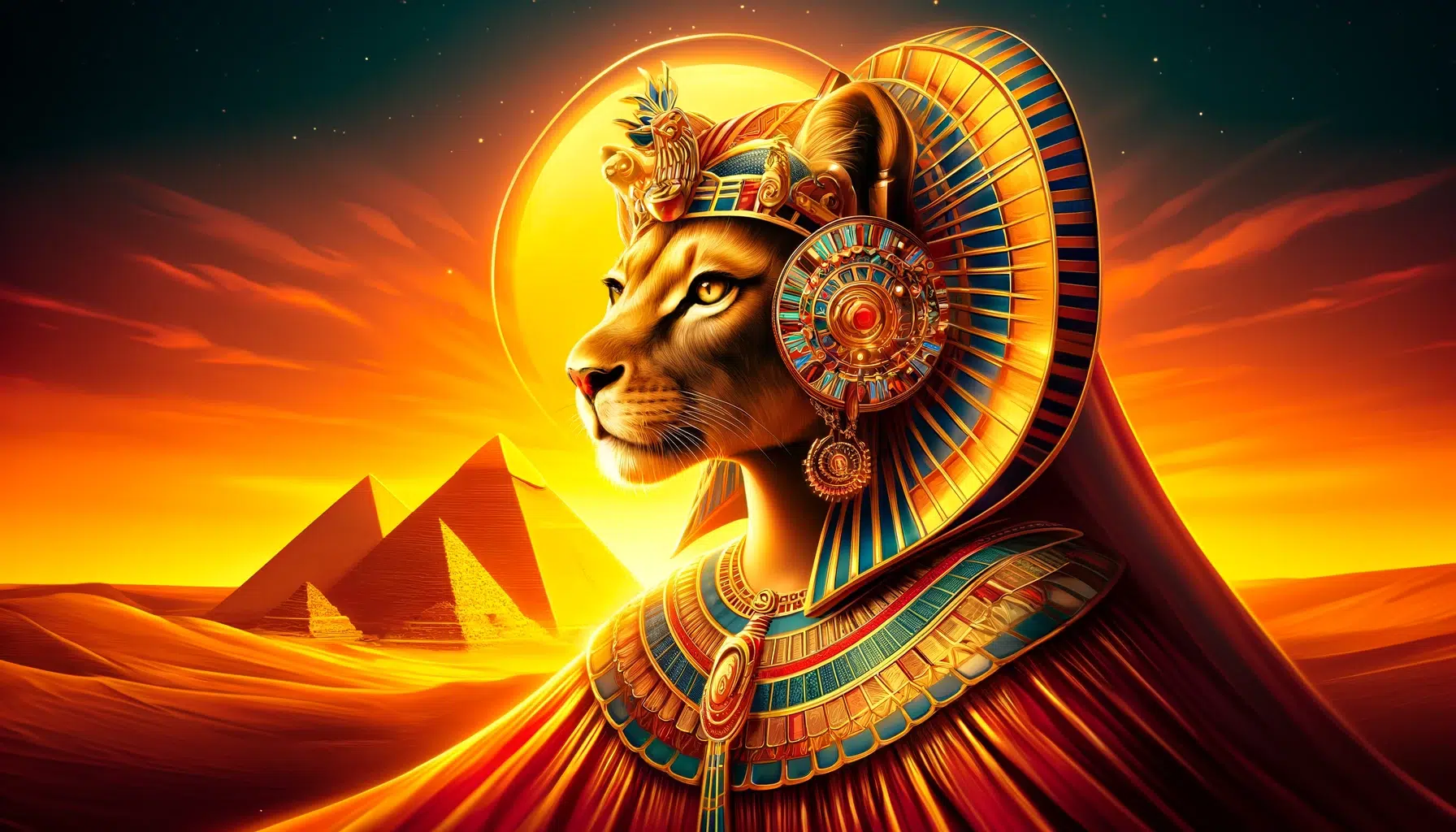
Sekhmet’s symbolism conveys her power and influence in Egyptian mythology. Her distinct symbols reveal her roles and attributes.
Sun Disk and Uraeus Serpent
Sekhmet often wears the sun disk and uraeus serpent on her head. The sun disk represents her connection to Ra, the sun god, highlighting her role as his fierce protector. The uraeus serpent signifies royalty and divine authority, symbolizing her power to protect and destroy. Together, these symbols underscore her status as a powerful goddess who upholds cosmic order and protects the pharaohs.
Papyrus Sceptre and Ankh Symbol
Sekhmet carries a papyrus sceptre and an ankh symbol. The papyrus sceptre represents growth and renewal, reflecting her nurturing and healing aspects. It signifies life and regeneration, showing her ability to restore health and vitality. The ankh symbol, representing eternal life, further emphasizes her connection to life and healing. It illustrates her role in granting life and ensuring the well-being of her followers.
The Colours Red and Orange
The colours red and orange symbolize Sekhmet’s passion and power. Red signifies her fierce, destructive nature and her warrior spirit. It represents blood, fire, and strength, highlighting her role as a goddess of war and destruction. Orange reflects her energy and vitality, illustrating her life-giving and healing abilities. These colours capture the dual nature of Sekhmet, showcasing her as both a fierce protector and a nurturing healer.
Sekhmet’s symbols—the sun disk, uraeus serpent, papyrus sceptre, ankh, and her colours—convey her complex identity. They highlight her roles as a protector, warrior, healer, and nurturer. These symbols help us understand her importance in maintaining balance and harmony in the universe. Through her powerful imagery, Sekhmet stands as a multifaceted and revered goddess in ancient Egyptian mythology.
Popular Myths and Stories Involving Sekhmet Egyptian Goddess
Sekhmet is a powerful figure in Egyptian folklore. She has an intense personality. Being Ra’s daughter, she’s both a bringer of violence and a healer.
Previously we discussed two popular myths involving the origins of Sekhmet: Creation from Ra’s Eye and The Myth of Ra’s Vengeance. Here are some more myths that highlight Sekhmet’s complex character. They showcase her as a powerful, multifaceted goddess who balances destruction and healing.
Myth: The Distant Goddess
In this myth Sekhmet flees to Nubia in her wrathful form. She leaves Egypt, taking her destructive power with her. This departure causes chaos, disrupting the balance of the world. Without Sekhmet, Egypt suffers from a lack of protection and order.
Ra, the sun god, realizes the importance of her return. He sends Thoth, the god of wisdom, to find Sekhmet and bring her back. Thoth uses his intelligence and persuasive skills to soothe Sekhmet’s anger. He convinces her to return to Egypt, restoring harmony and balance.
Sekhmet agrees and travels back, bringing her protective and healing powers with her. Her return marks the end of chaos and the beginning of a renewed, balanced world. This myth illustrates Sekhmet’s dual nature as both a destroyer and a healer. It highlights the importance of her presence in maintaining cosmic order.
This myth shows how even a powerful and wrathful deity can find balance and restore harmony. It underscores the interconnectedness of deities and their roles in preserving the world. Sekhmet’s journey and return emphasize the need for balance between destruction and healing in the universe.
Myth: Sekhmet’s Seven Arrows
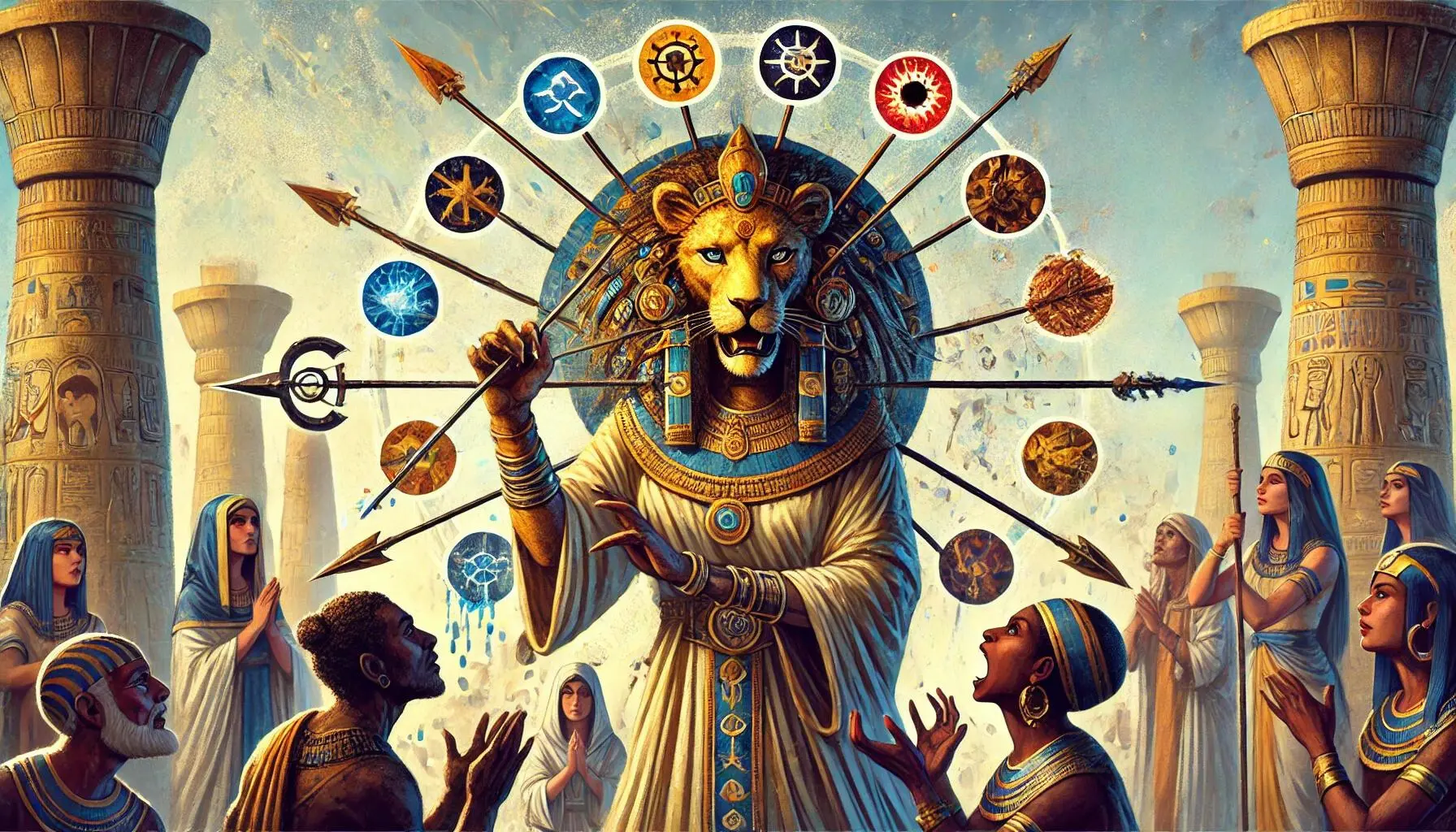
Sekhmet wields seven powerful arrows in this myth. Each arrow represents a different plague or disease. She uses these arrows to punish those who defy the gods and disrupt cosmic order.
People fear Sekhmet’s arrows because they bring illness and suffering. To protect themselves, they pray to Sekhmet for mercy and healing. They offer her rituals and sacrifices, seeking her favour and protection from her deadly arrows.
Despite her destructive power, Sekhmet also controls healing. When appeased, she uses her knowledge to cure the very diseases she unleashes. This dual role highlights her complex nature as both a destroyer and a healer.
The myth of Sekhmet’s Seven Arrows underscores the importance of balance in the universe. It shows how Sekhmet’s power can bring both destruction and restoration. Her followers understand that honouring her ensures protection and health.
This myth illustrates the delicate balance between chaos and order. Sekhmet’s arrows symbolize the fine line between life and death, reminding people of her immense power and the need to respect the divine forces that govern their world.
Myth: Sekhmet and the Red Flood
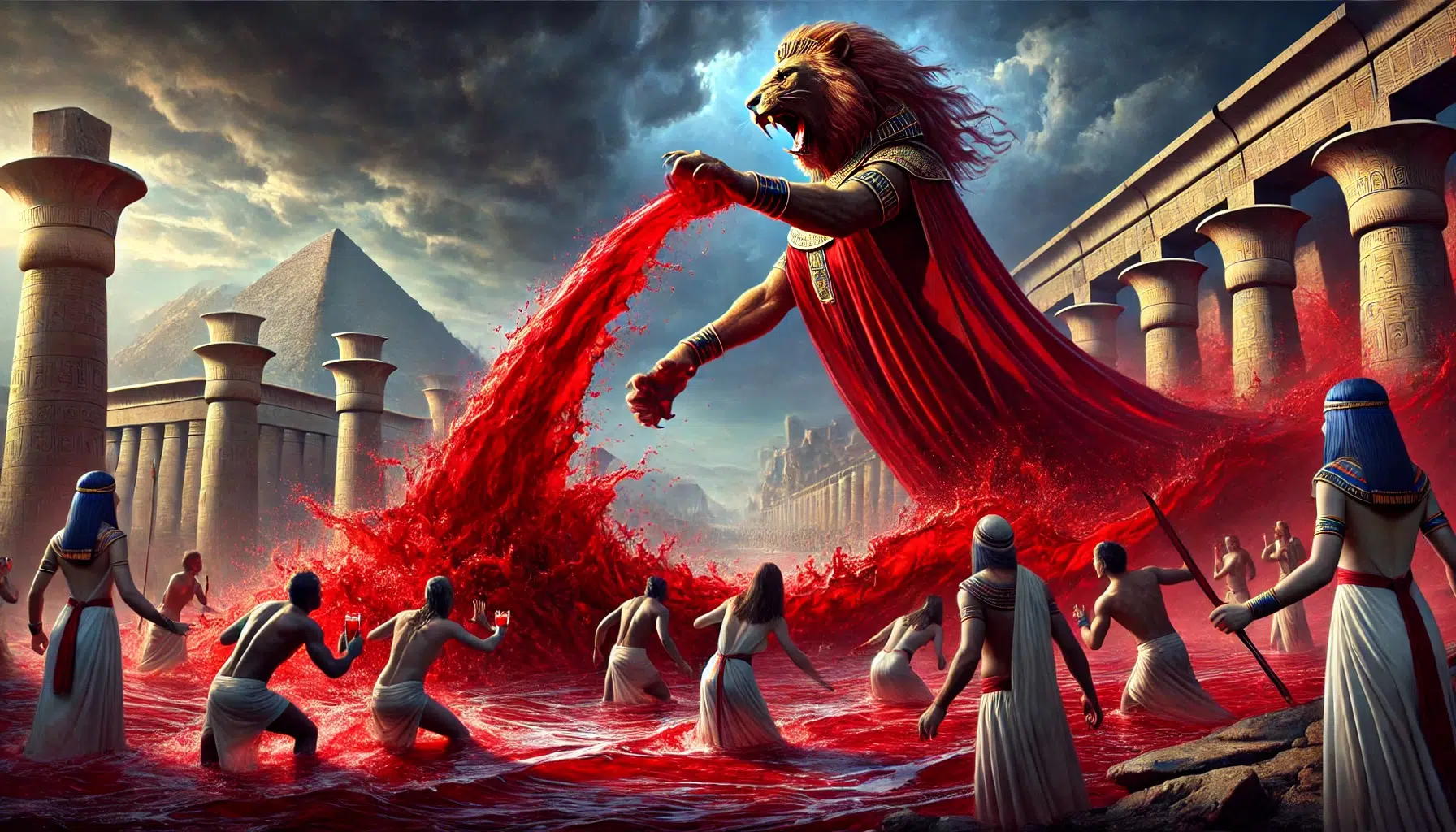
In this myth Sekhmet unleashes a flood of red upon Egypt. This flood symbolizes her wrath and represents blood. She aims to punish humanity for their sins and restore cosmic order.
The red flood terrifies the people, causing widespread fear and destruction. It sweeps across the land, demonstrating Sekhmet’s immense power. The gods, worried about the devastation, seek a way to calm her fury.
To stop the flood, the gods dye beer red to resemble blood. Sekhmet drinks the beer, believing it to be blood. The intoxicating drink calms her rage, ending the flood. Her wrath subsides, and balance returns to Egypt.
This myth highlights Sekhmet’s dual nature as a destroyer and a force for renewal. Her flood purifies the land, removing sin and corruption. Yet, her calm state also brings healing and restoration.
This myth underscores the need for balance between destruction and creation. It reminds people of Sekhmet’s power and the importance of respecting divine forces. Her myth teaches lessons about the consequences of human actions and the restorative power of the gods.
The Depiction of Sekhmet in Art
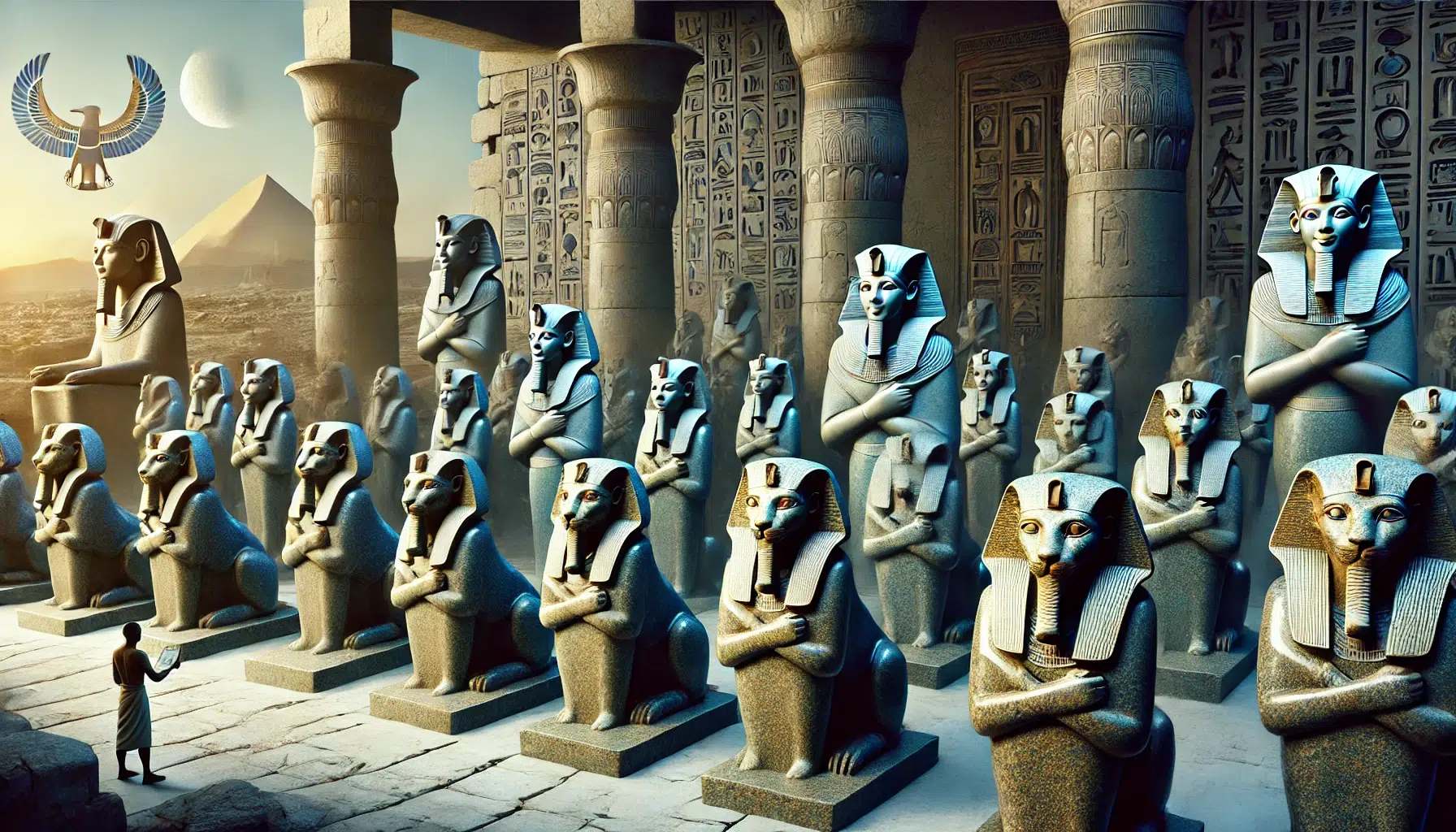
Sekhmet’s artistic depictions reveal her powerful presence and revered status in ancient Egyptian culture. Artists often portrayed her in specific ways that highlight her attributes and significance.
The Walters Art Museum has a Sekhmet aegis. It talks about her solar powers, showing she’s still very important in our culture and history.
Artists commonly depicted Sekhmet as a seated or standing lioness-headed woman. This form showcases her fierce, protective nature. She often holds a papyrus-shaped sceptre, symbolizing growth and renewal, and an ankh, representing eternal life. These symbols emphasize her roles as a goddess of war, healing, and life. Her lioness head signifies her strength and ferocity, reminding viewers of her power and divine authority.
Statues of Sekhmet Egyptian Goddess
Numerous granodiorite statues from the reign of Amenhotep III depict Sekhmet. These statues, numbering in the hundreds, reflect her importance during this period. Many of these statues now reside in museums and archaeological sites worldwide. They offer valuable insights into the craftsmanship and religious practices of ancient Egypt. The granodiorite material, known for its durability, underscores the enduring nature of Sekhmet’s influence.
French Egyptologist Jean Yoyotte says there are over 730 Sekhmet statues from Amenhotep III’s time. This shows how important lioness symbols were in ancient artworks.
These statues are found all over. You can see many in places like Turin, London, Paris, Berlin, New York, and Cairo. A lot of statues are also in Mut’s temple in Karnak. Many Sekhmet statues were made showing how rich people wanted to honour her.
Mutilation of Statues
Many Sekhmet statues show signs of defacement or mutilation, particularly targeting the head and hands. This damage often resulted from later periods when political or religious changes led to the destruction of earlier deities’ images. The targeting of her head and hands suggests efforts to diminish her power and influence. Despite this, the surviving statues still convey her strength and significance.
Sekhmet’s depiction in art highlights her dual nature as a warrior and healer. The lioness-headed woman holding a sceptre and ankh symbolizes her protective and life-giving attributes.
The numerous statues from Amenhotep III’s reign showcase her prominence in ancient Egyptian religion. Even the defaced statues testify to her enduring power and the impact she had on those who followed her. Sekhmet’s artistic representations continue to fascinate and inform us about her complex and vital role in Egyptian mythology.
Rituals, Worship and Cult Centres of Sekhmet
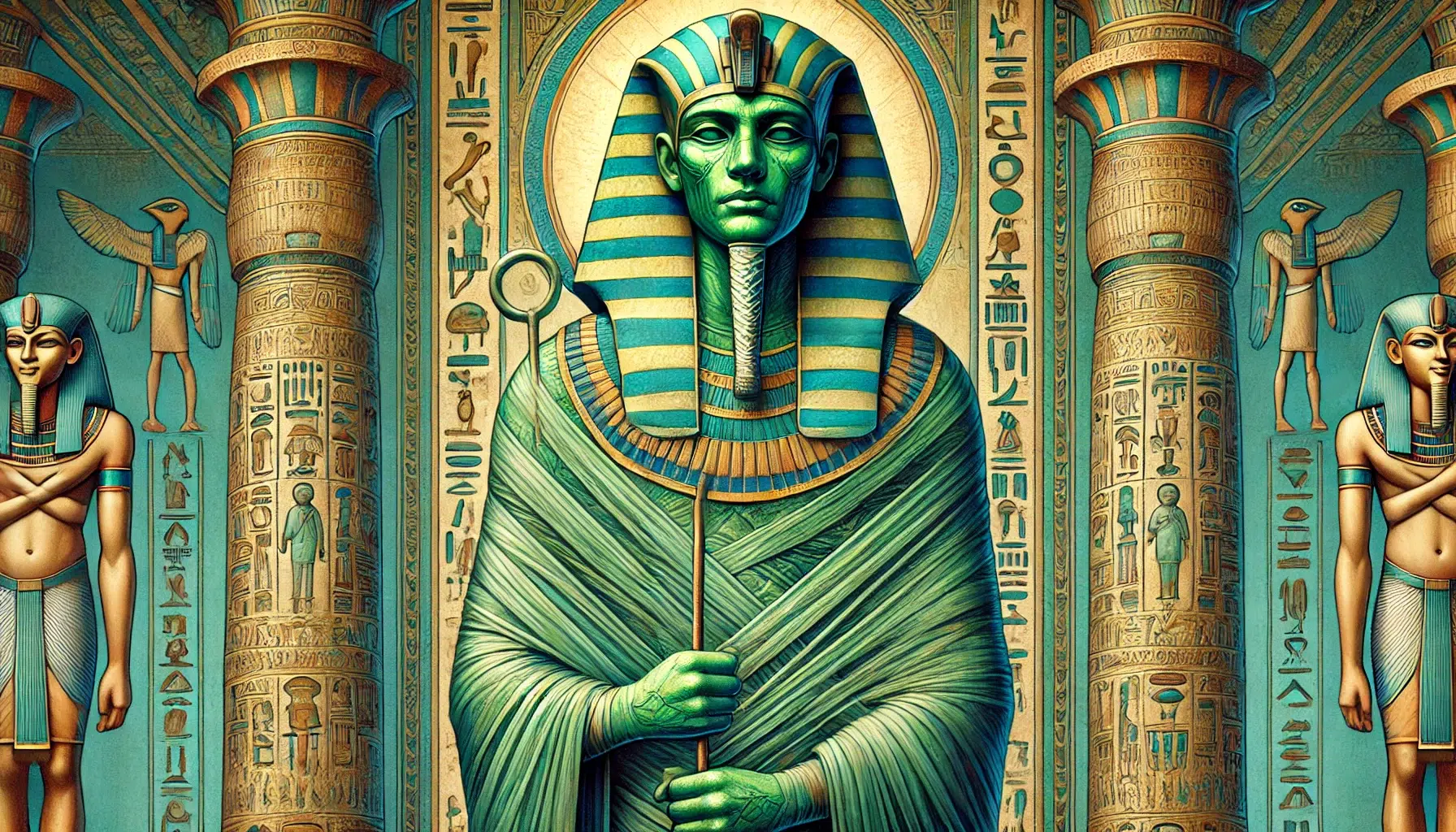
Major Cult Centres: Memphis and Leontopolis
Memphis, a primary cult centre, honoured Sekhmet as a major deity. The city served as a spiritual hub where priests conducted rituals and ceremonies. Temples in Memphis dedicated to Sekhmet attracted many devotees seeking her protection and healing powers.
Leontopolis, another important centre, emphasized her lioness aspect. The city’s name, meaning “City of Lions,” reflects Sekhmet’s fierce nature.
Annual Festivals: Festival of Intoxication
The Festival of Intoxication aimed to soothe Sekhmet’s wrath. This annual celebration involved rituals designed to calm her fierce nature. Worshippers used music, dance, and beer stained with pomegranate juice to create an atmosphere of joy and relaxation.
The red-stained beer symbolized blood, tricking Sekhmet into drinking it, mirroring the myth where she becomes intoxicated and her rage subsides. This festival ensured her benevolence and protection for the coming year.
Part of the Memphite Triad
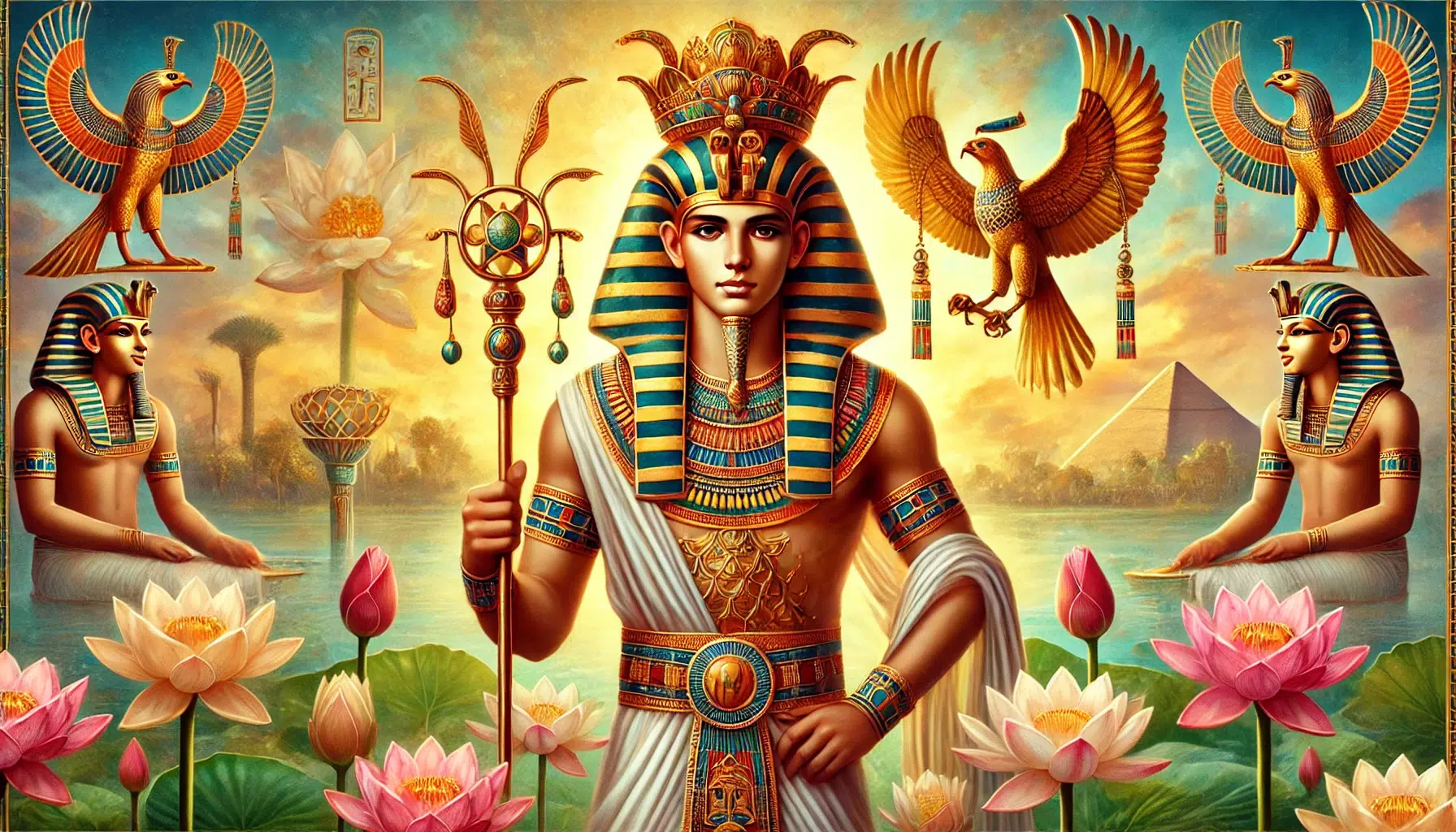
Sekhmet formed part of the Memphite Triad with Ptah and Nefertum. Ptah, her consort, represented creation and craftsmanship, while Nefertum, their son, symbolized healing and beauty.
Together, they embodied a balance of destructive and creative forces. The triad’s worship centred in Memphis, highlighting Sekhmet’s importance in maintaining cosmic order. Devotees honoured the triad to seek harmony, protection, and prosperity.
Sekhmet’s worship and cult centres illustrate her complex nature and significant role in ancient Egyptian religion. Major centres like Memphis and Leontopolis emphasized her power and influence.
Annual festivals, particularly the Festival of Intoxication, showcased efforts to balance her destructive and healing aspects. As part of the Memphite Triad, Sekhmet’s worship contributed to the harmony and stability of the universe. Her enduring reverence underscores her vital presence in Egyptian mythology.
Comparative Mythology: Sekhmet and Kali
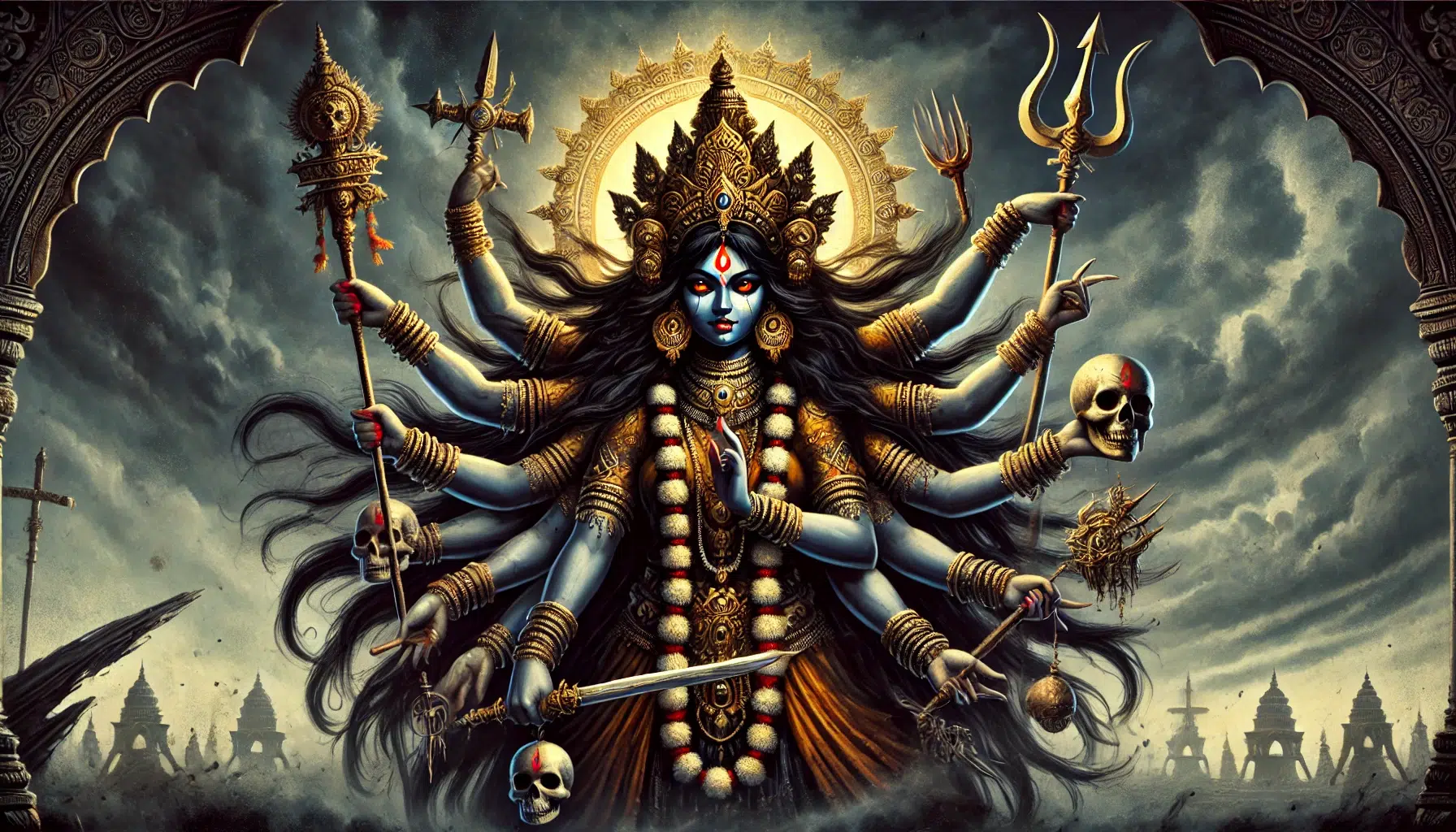
Sekhmet and Kali, goddesses from Egyptian and Hindu mythology respectively, share many similarities despite their cultural differences. Both embody dual natures, reflecting their roles as powerful deities of destruction and protection.
Sekhmet
Sekhmet, the Egyptian lioness-headed goddess, represents war, healing, and protection. She can unleash devastating fury on enemies, maintaining cosmic order. Yet, she also heals and restores balance. Her symbolism includes the sun disk and uraeus serpent, highlighting her connection to Ra, the sun god. Sekhmet’s festivals and rituals, such as the Festival of Intoxication, aim to soothe her wrath and invoke her healing powers.
Kali
Kali, the Hindu goddess, embodies destruction and creation. Depicted with a fierce, wild appearance, she represents time, change, and the power of destruction. Kali’s imagery includes multiple arms holding weapons and a garland of skulls, symbolizing her dominance over evil forces. Despite her fearsome nature, Kali also protects her devotees and aids in spiritual transformation.
Common Themes
Both goddesses wield immense power and command respect. Sekhmet and Kali balance their destructive capabilities with protective and nurturing roles. They serve as guardians of cosmic order, using their fierce aspects to eliminate chaos and restore harmony. Their depictions and rituals emphasize their complex natures, showcasing the duality inherent in many mythological figures.
Sekhmet and Kali illustrate the universal theme of duality in mythology. Their roles as fierce protectors and compassionate healers highlight the balance between destruction and creation. By comparing these goddesses, we gain insight into how different cultures understand and revere the forces that shape our world.
Conclusion
Sekhmet, Egyptian goddess of war and healing, embodies a powerful dual nature. Her depictions as a lioness-headed woman and her symbols, like the sun disk and ankh, highlight her strength and protective qualities.
Sekhmet’s associations with other goddesses, such as Hathor, Bastet, and Mut, reflect her multifaceted identity. Worshippers in Memphis and Leontopolis revered her, celebrating annual festivals to honour her and soothe her wrath. Her statues, particularly those from Amenhotep III’s reign, showcase her enduring significance in Egyptian culture.
Comparing Sekhmet with Kali from Hindu mythology reveals universal themes of duality and balance. Both goddesses wield immense power to protect and nurture. Sekhmet’s legacy continues to inspire and fascinate, demonstrating the timeless importance of balance between destruction and creation in mythology. Her enduring presence in art and worship underscores her vital role in maintaining cosmic order.