Roman Mythology Gods: Ancient Gods Jupiter to Venus
The Origins of Roman Mythology Gods
Roman mythology gods reflects a blend of native traditions and influences from neighbouring cultures. Early Romans worshipped spirits, known as numina, which they believed inhabited natural objects, homes, and places. These spirits protected daily life and played key roles in agriculture, family, and community.
As Rome expanded, contact with other civilizations like the Greeks, introduced new gods and stories.
Romans adapted Greek mythology, giving their gods Latin names and associating them with Roman values. For example, Jupiter mirrors Zeus, and Venus parallels Aphrodite.
Over time, Roman mythology became a rich tapestry of traditions, combining local beliefs with borrowed ideas. Roman mythology continues to inspire with its themes of power, balance, and the human connection to the divine.
The Influence of Greek Mythology on Roman Mythology
Greek mythology had a profound impact on the development of Roman mythology. The Romans held the Greek pantheon of gods in high regard.
The integration of Greek mythology into the fabric of Roman beliefs gave rise to a complex and diverse system of gods and goddesses. One of the major areas where the influence of Greek mythology is evident is the Roman pantheon itself.
The Romans identified their gods with their Greek counterparts, assigning similar attributes and domains of influence.
For example, Zeus, the king of the Greek gods, was assimilated with Jupiter in Roman mythology, while Hera became Juno. This process of assimilation allowed the Romans to synthesize the deities of both pantheons, creating a uniquely Roman understanding of the divine.
Roman Gods and Goddesses
Roman gods and goddesses represent different forces of nature, human experiences, and universal themes. They govern aspects like love, war, wisdom, and the afterlife. Each deity holds a unique role and often influences myths and stories. Together, they reflect values like strength, balance, and harmony, shaping Roman beliefs and culture.
Roman God Jupiter – Ruler of the Gods, Sky, and Thunder

Juno – Goddess of Marriage and Childbirth

Juno stands as the queen of the Roman gods and the wife of Jupiter. She protects marriage, family, and childbirth. Known for her fierce loyalty and sharp intelligence, Juno also acts as a guardian of women’s rights and roles. Her Greek counterpart is Hera, and they share similar responsibilities and myths.
Juno’s main symbols include the peacock, pomegranate, and crown. These represent beauty, fertility, and authority. She often uses her wisdom and influence to guide others, especially women, through challenges.
One of her most famous myths involves her role in aiding the birth of Mars, the god of war. Another story shows her cleverness when she outwits other gods during their disputes. Juno values loyalty and strength, often intervening to defend families or uphold justice.
As a powerful goddess, Juno embodies protection, fairness, and love. Her stories inspire confidence in those who value strength and commitment in their relationships.
Neptune – God of the Sea and Earthquakes
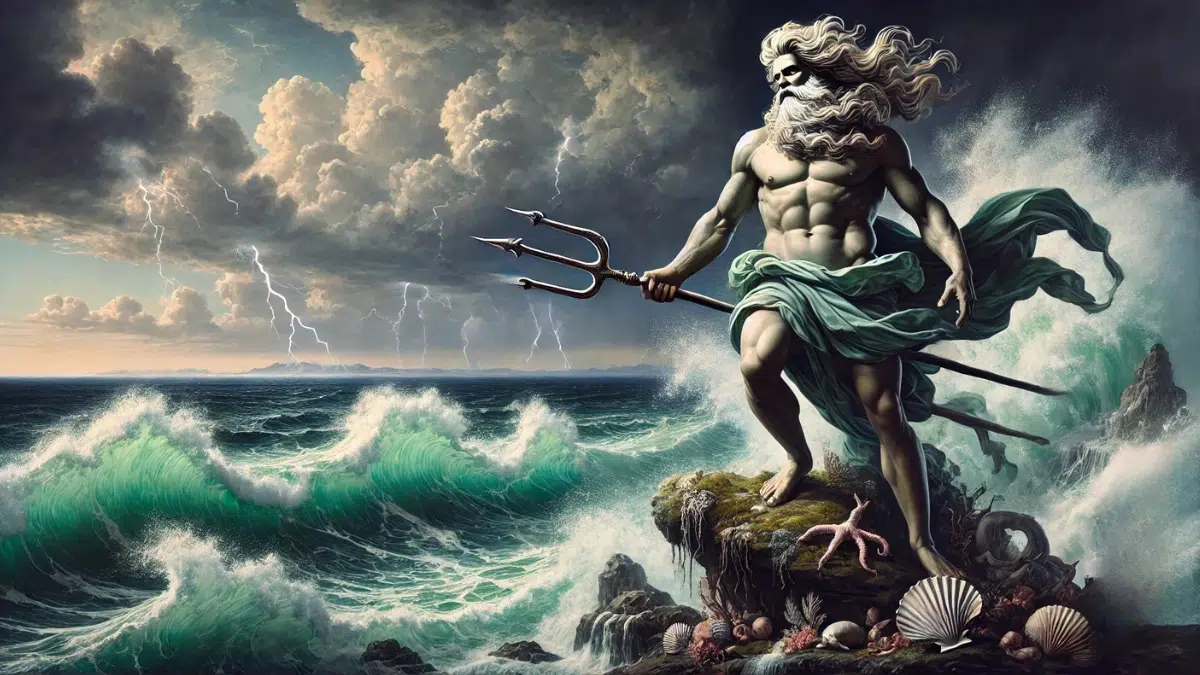
Neptune rules the seas as the Roman god of water and oceans. He governs rivers, lakes, and all aquatic life. Known for his strong and unpredictable nature, Neptune often represents the balance between calm and chaos in the water. His Greek counterpart is Poseidon, and their myths often overlap.
Neptune’s main symbols include the trident, dolphins, and horses. His trident represents power and control over the seas. Dolphins and horses highlight his connection to both sea creatures and swift movement. Neptune often uses his strength to calm storms or unleash them when provoked.
One of Neptune’s famous myths involves his creation of the horse. He shapes it to demonstrate his power and skill. Another story features him competing with other gods for control over various domains. Neptune stands as a symbol of strength, adaptability, and the forces of nature.
Through his myths, Neptune reminds us of the power and beauty of water in all its forms.
Pluto – God of the Underworld and Wealth
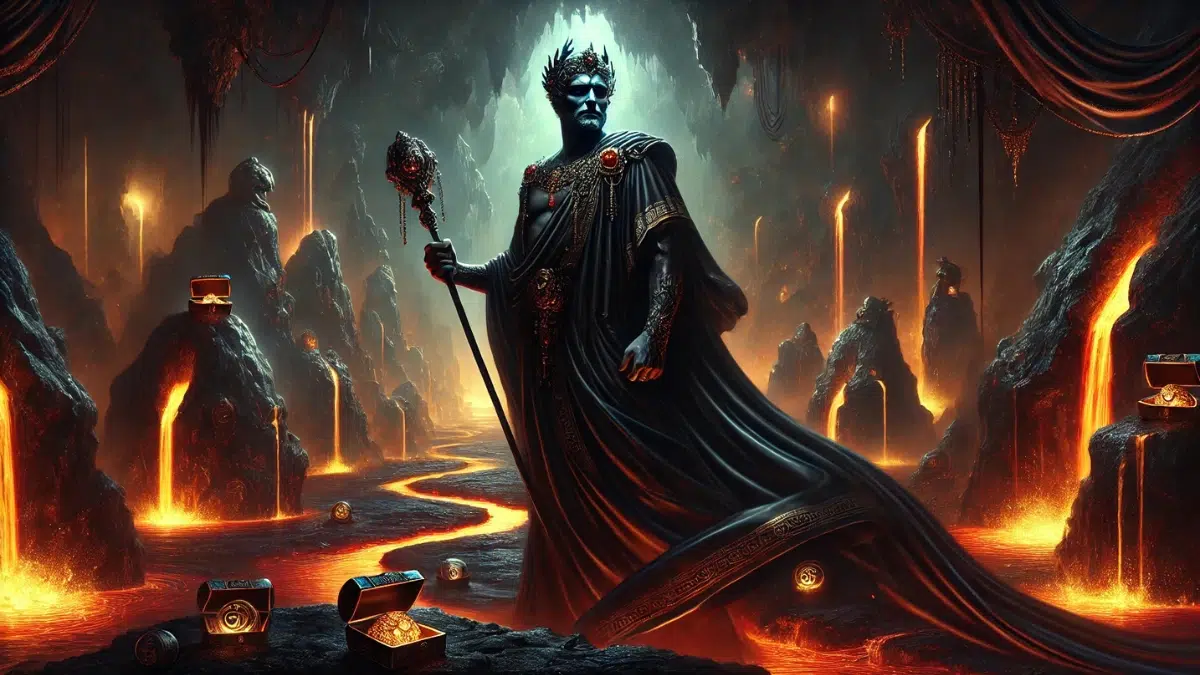
Pluto rules the underworld as the Roman god of the dead and wealth. He governs over the realm of the afterlife and precious resources beneath the earth. His Greek counterpart is Hades, and they share many stories and traits.
Pluto’s main symbols include the bident, Cerberus, and a crown. The bident represents his authority over the underworld, while Cerberus, his loyal three-headed dog, guards its gates. The crown symbolizes his power and status as a ruler.
Pluto oversees the balance between life and death, ensuring souls reach their proper destinations. He also controls the earth’s riches, like gold and gems, connecting him to prosperity and abundance.
One of his most well-known myths involves abducting Proserpina, his wife, who spends part of the year with him in the underworld. This myth explains the changing seasons and highlights Pluto’s role in maintaining natural cycles.
Pluto embodies mystery, authority, and balance. He represents the unseen forces that influence life and nature, reminding us of life’s cyclical nature.
Cupid – God of Desire and Love

Cupid serves as the Roman god of love and desire. He inspires affection, attraction, and emotional connections between people. His Greek counterpart is Eros, and their myths explore themes of romance and passion.
Cupid’s main symbols include the bow, arrow, and heart. His arrows create love or longing in those struck by them. Cupid often appears as a playful figure, stirring emotions and influencing relationships.
One of his most famous myths involves his love for Psyche, a mortal woman. In the story, Cupid defies challenges to prove their love, showcasing his determination and devotion. This myth highlights the power of love to overcome obstacles.
Cupid also plays an important role in myths involving other gods, often intervening to create unexpected unions. He represents both the joy and complexity of love.
With his charm and influence, Cupid reminds us of love’s unpredictable and transformative power. His stories continue to inspire those who seek connection and understanding in relationships.
Venus – Goddess of Beauty and Love

Venus stands as the Roman goddess of love, beauty, and fertility. She inspires passion, harmony, and the appreciation of beauty. Her Greek counterpart is Aphrodite, and they share many myths and characteristics.
Venus’s main symbols include roses, doves, and seashells. These symbols represent love, purity, and her connection to the sea. Venus often influences relationships and emotions, fostering connections between gods and mortals alike.
One of her most famous myths involves her affair with Mars, the god of war. This story highlights the balance between love and conflict. Another well-known myth explains her role in the creation of Aeneas, a hero of Roman legend.
Venus also intervenes in mortal lives, helping lovers overcome obstacles and celebrate their bonds. Her beauty and charm influence both the heavens and the earth.
Venus embodies love, desire, and the power of attraction. Her myths continue to inspire the pursuit of connection, harmony, and appreciation for life’s beauty.
Mercury – God of Commerce, Communication, and Travel

Mercury serves as the Roman god of communication, travel, and commerce. He guides messages, protects travellers, and ensures fair trade. His Greek counterpart is Hermes, and they share many stories and roles.
Mercury’s main symbols include the caduceus, winged sandals, and a winged helmet. The caduceus represents negotiation and balance. His winged sandals and helmet give him speed, allowing him to travel quickly between worlds.
As a messenger of the gods, Mercury carries important messages and resolves disputes. He also helps souls journey to the underworld. Mercury often displays cleverness and adaptability, solving problems and navigating challenges with ease.
One famous myth involves Mercury stealing Apollo’s cattle as a child. This act shows his wit and ability to avoid blame. Another myth highlights his role in assisting heroes like Aeneas on their journeys.
Mercury embodies intelligence, movement, and connection. His stories remind us of the value of communication, quick thinking, and adaptability in life.
Minerva – Goddess of Wisdom, Strategy, and Crafts
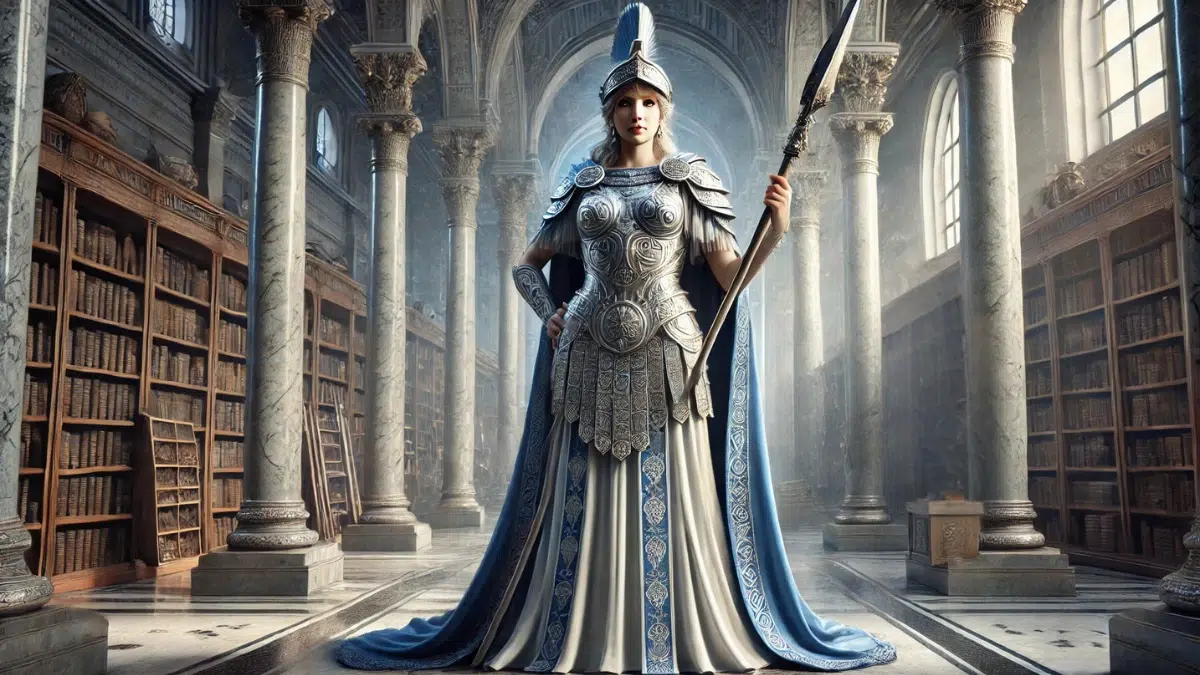
Minerva stands as the Roman goddess of wisdom, strategy, and crafts. She inspires intelligence, creativity, and thoughtful decision-making. Her Greek counterpart is Athena, and they share similar traits and stories.
Minerva’s main symbols include the owl, olive tree, and shield. The owl represents knowledge, the olive tree signifies peace, and the shield reflects her strategic strength. Minerva values logic and encourages careful planning in all aspects of life.
Minerva often helps heroes and mortals overcome challenges by offering guidance and clever strategies. She avoids conflict when possible but uses her skills to win battles when necessary.
One famous myth features Minerva competing with Neptune to create a gift for humanity. Her olive tree brings nourishment and peace, earning her victory. Another story highlights her ability to resolve disputes with wisdom and fairness.
Minerva embodies intelligence, skill, and focus. Her stories remind us of the power of knowledge and the importance of strategy in achieving success.
Mars – God of War and Agriculture
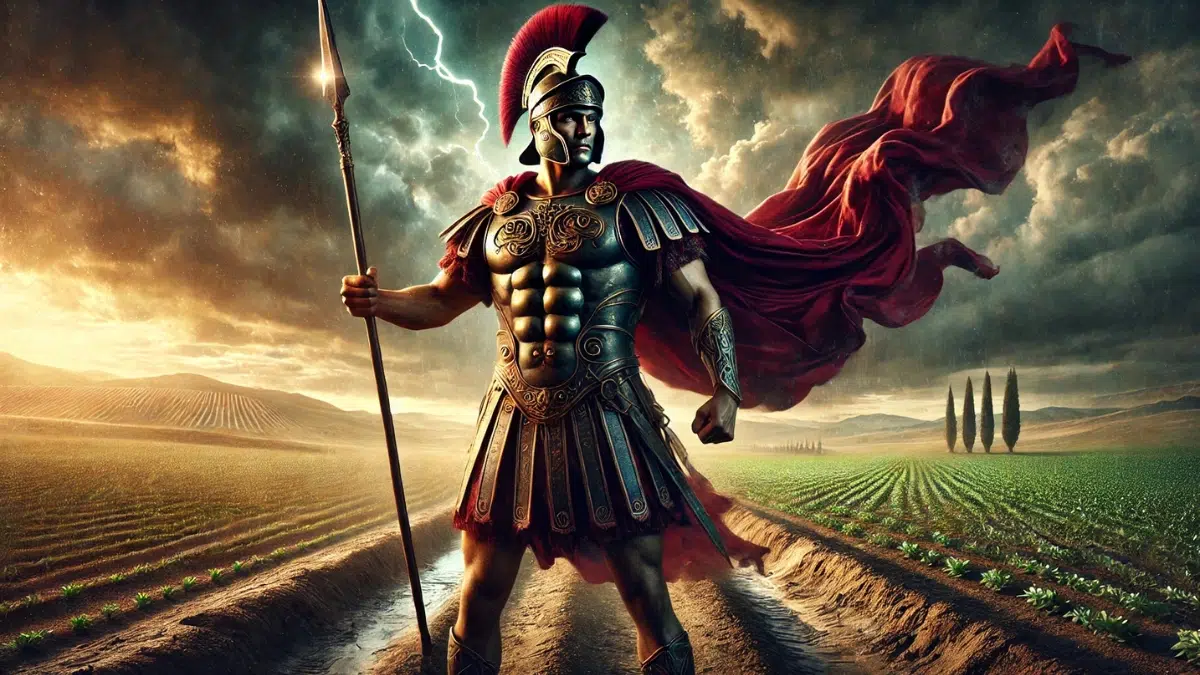
Mars serves as the Roman god of war, strength, and courage. He represents power, discipline, and the will to conquer. His Greek counterpart is Ares, but Mars plays a more respected role in Roman culture.
Mars’s main symbols include the spear, shield, and wolf. The spear and shield reflect his warrior nature, while the wolf signifies loyalty and protection. Mars embodies the drive to defend and expand territory, inspiring warriors and leaders alike.
Mars often appears in myths about battles and conflict, offering guidance or strength to those in need. One well-known myth connects him to the founding of Rome, as he fathers Romulus and Remus. His influence shapes Rome’s identity as a powerful and disciplined civilization.
Mars values bravery and the ability to face challenges head-on. While he encourages conflict, he also emphasizes the importance of strategy and loyalty.
Mars inspires those who strive for victory and honour. His stories remind us of the strength required to overcome obstacles and achieve greatness.
Vulcan – God of Fire, Volcanoes, and Blacksmiths

Vulcan serves as the Roman god of fire, metalworking, and craftsmanship. He controls the forces of fire and forges powerful creations. His Greek counterpart is Hephaestus, and they share many traits and myths.
Vulcan’s main symbols include the hammer, anvil, and volcano. The hammer and anvil represent his skill in crafting tools and weapons, while the volcano symbolizes his fiery domain. Vulcan displays great ingenuity, transforming raw materials into masterpieces.
As a master craftsman, Vulcan creates weapons for gods and heroes. He also builds intricate traps and defences. One famous myth describes how he forged Jupiter’s thunderbolts, showcasing his unmatched talent and strength.
Vulcan often works in isolation, focusing on his craft and perfecting his designs. His abilities highlight the importance of dedication and creativity. Another story features Vulcan building a magnificent palace for the gods, emphasizing his role as an essential figure in their world.
Vulcan embodies resilience, precision, and innovation. His myths remind us of the value of hard work, skill, and determination in creating something extraordinary.
Diana – Goddess of the Hunt, the Moon, and Childbirth
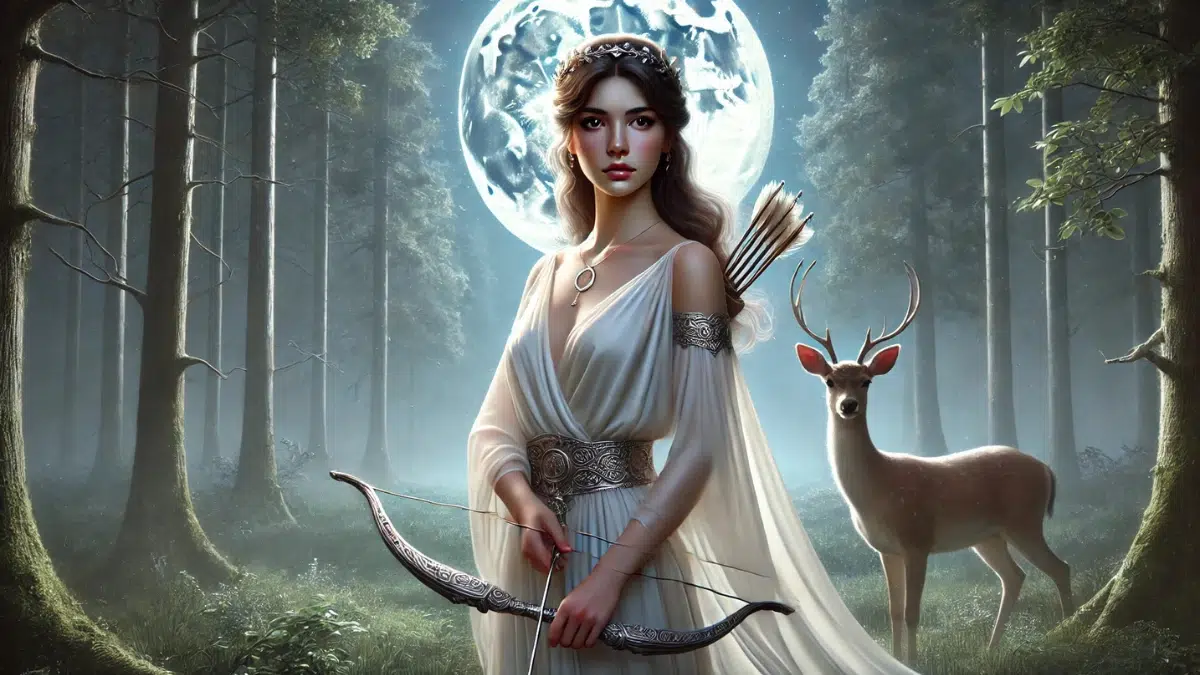
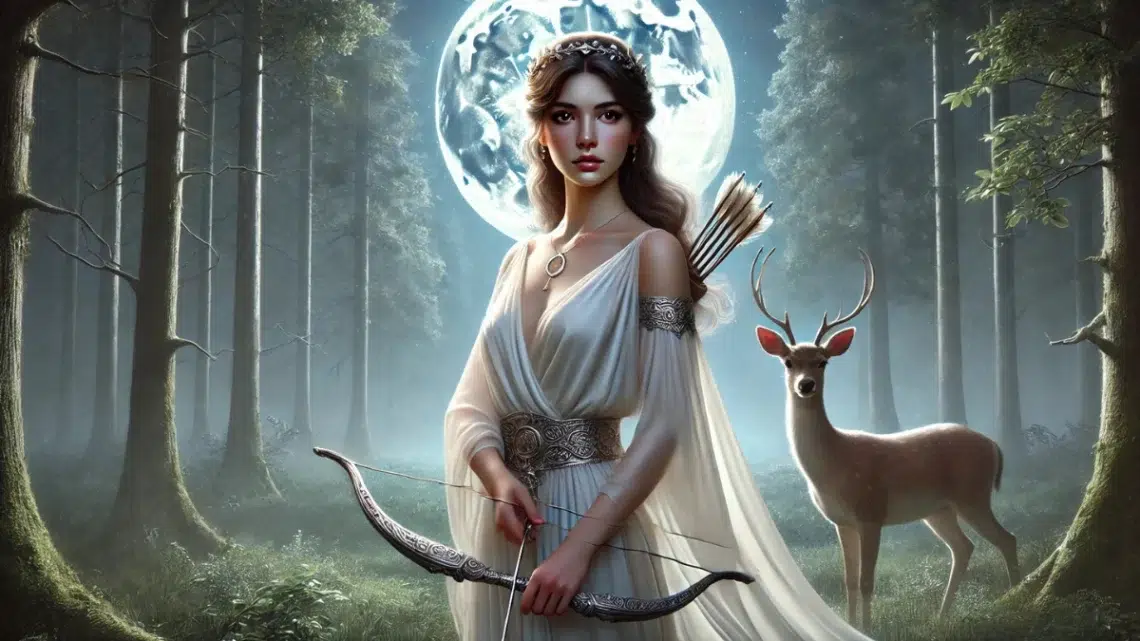
Diana stands as the Roman goddess of the hunt, wilderness, and the moon. She protects nature, animals, and women. Her Greek counterpart is Artemis, and they share many similarities in myths and roles.
Diana’s main symbols include the bow, quiver, and crescent moon. The bow and quiver represent her hunting skills, while the crescent moon highlights her connection to the night. Diana values independence and strength, often venturing into the wild with her loyal companions.
She embodies freedom and balance, ensuring harmony between humans and nature. Diana also watches over women during childbirth, symbolizing her nurturing side. Her loyalty to her followers shows her protective and fierce nature.
One famous myth describes Diana transforming a hunter named Actaeon into a stag when he invades her privacy. This story illustrates her sense of justice and respect for boundaries. Another tale highlights her ability to bring peace by taming wild animals.
Diana inspires strength, independence, and harmony. Her myths encourage respect for nature, self-reliance, and standing firm in the face of challenges.
Apollo – Roman God of the Sun, Music, and Prophecy
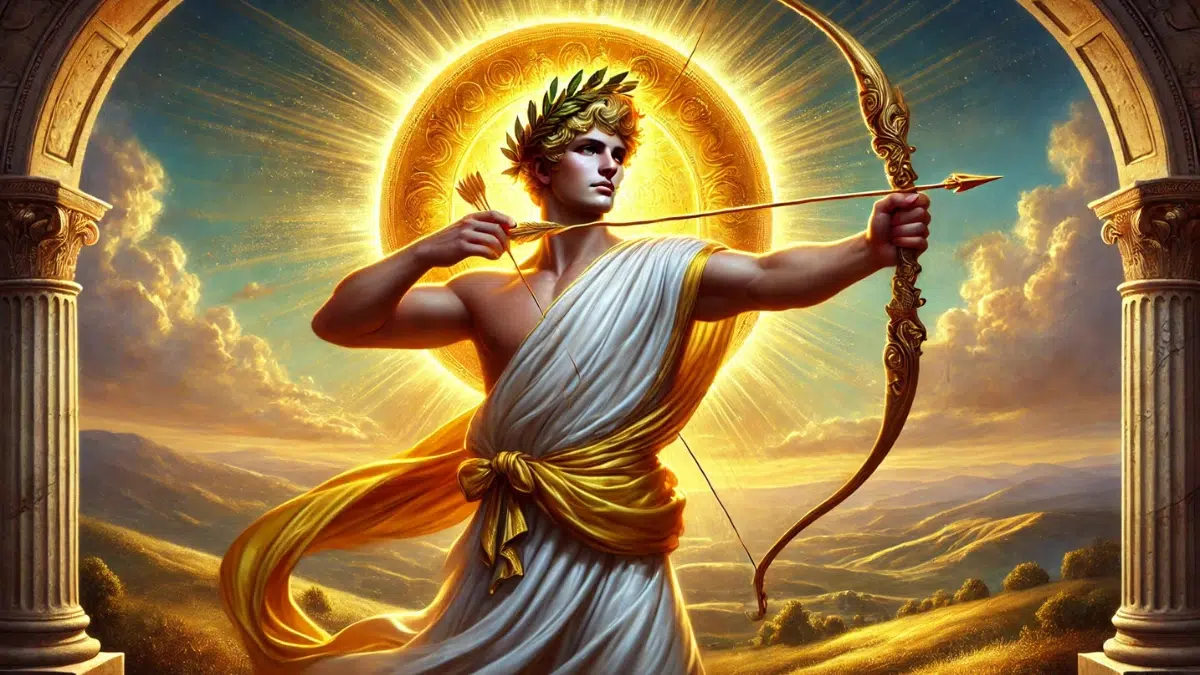
Apollo serves as the Roman god of the sun, music, healing, and prophecy. He embodies harmony, creativity, and enlightenment. His Greek counterpart is also Apollo, making him unique among Roman gods for sharing the same name.
Apollo’s main symbols include the lyre, laurel wreath, and the sun. The lyre represents his musical talent, while the laurel wreath signifies victory and wisdom. The sun highlights his role as a bringer of light and truth.
Apollo often delivers prophecies and guidance to gods and mortals. His connection to healing allows him to cure illness and provide protection. As a skilled archer, Apollo also ensures justice and order when needed.
One famous myth features Apollo slaying the serpent Python to protect the sacred Oracle of Delphi. Another tale highlights his musical contest with Marsyas, showcasing his artistic excellence and sense of fairness.
Apollo inspires creativity, clarity, and the pursuit of knowledge. His myths encourage balance between strength and intellect while valuing truth and beauty in life.
Roman Mythology Gods and the Afterlife

In Roman mythology, the afterlife focuses on the journey of souls and the realm of the underworld. Pluto governs this realm, ensuring balance between life and death. He oversees the dead and controls the treasures hidden beneath the earth.
Proserpina, Pluto’s queen, represents the cycle of life, death, and rebirth. Her time split between the underworld and the living world symbolizes seasonal changes. Together, Pluto and Proserpina maintain harmony in the afterlife.
Mercury guides souls to the underworld, acting as a messenger between the mortal world and the realm of the dead. His speed and skill ensure a smooth journey for departed souls.
Dis Pater also shares duties in the underworld, focusing on its riches and the spirits residing there. Libitina, another key figure, connects to funerals and death rituals, helping with the transition between life and the afterlife.
These gods create a system that emphasizes order, renewal, and the natural cycles of existence. Roman beliefs about the afterlife highlight respect for these cycles and the importance of divine guidance for both life and death.
Roman Mythology Gods and Goddesses Associated with the Afterlife
Religion played a central role in shaping Roman afterlife beliefs. The traditional Roman gods influenced the concept of the afterlife. These beliefs and practices provided comfort and guidance to the Romans.
The following gods are associated with the Afterlife.
- Pluto
Pluto rules the underworld as the primary god of the dead. He governs the realm of souls and controls wealth beneath the earth, like gems and minerals. His Greek counterpart is Hades. - Proserpina
Proserpina, Pluto’s wife, represents the cycle of life, death, and rebirth. She spends part of the year in the underworld and the rest above, symbolizing seasonal changes. Her Greek counterpart is Persephone. - Mercury
Mercury acts as a psychopomp, guiding souls to the underworld. His swift movement allows him to travel between the mortal world and the afterlife. His Greek counterpart is Hermes. - Libitina
Libitina is associated with funerals and burials. Romans connected her to death rituals and the transition of souls. - Dis Pater
Dis Pater governs the underworld alongside Pluto. He often represents the riches of the earth and the realm of the dead.
Roman Mythology Gods Fides and Fortuna
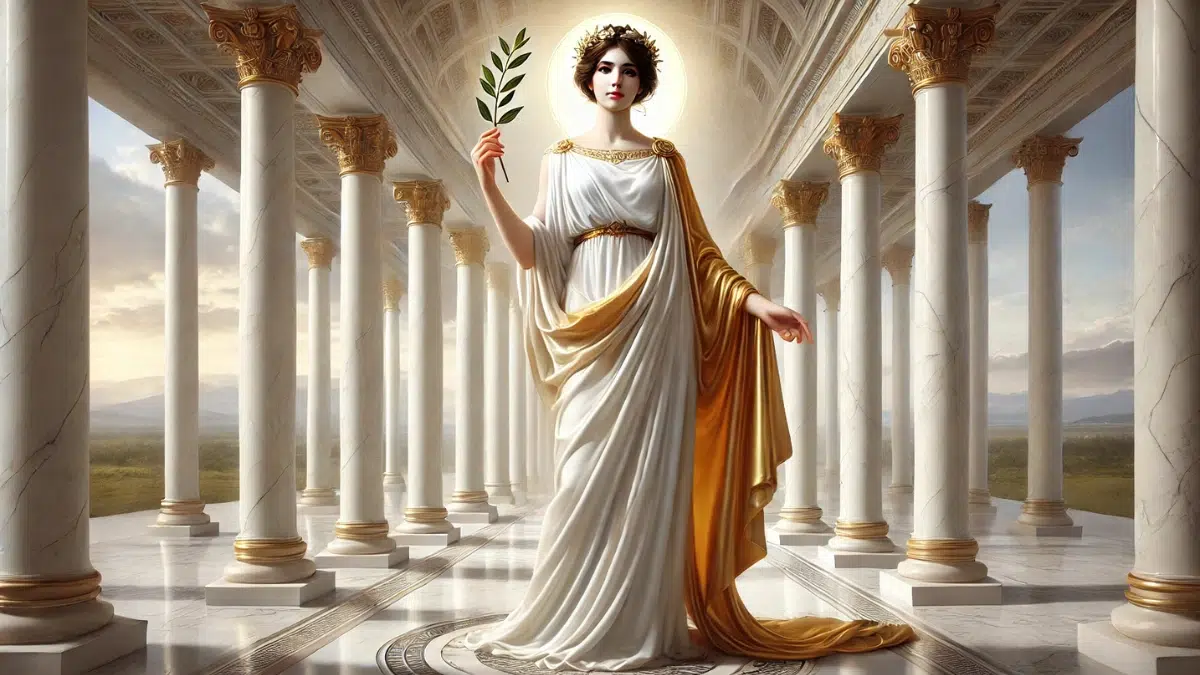
While Fides and Fortuna are not directly associated with the afterlife in Roman mythology they have important roles in other aspects of life and belief:
Roman Goddess Fides
- Fides represents trust, faith, and loyalty.
- She embodies the integrity of agreements, particularly in legal and political contexts.
- Romans revered her as a guardian of oaths and commitments, ensuring harmony and mutual respect in society.
- While not linked to the afterlife, her influence may touch on moral obligations and trustworthiness that could transcend life.
Roman Goddess Fortuna
- Fortuna is the goddess of luck, fate, and fortune.
- She governs the unpredictable aspects of life, bringing either good or bad fortune.
- Her wheel, “the Wheel of Fortune,” symbolizes the changing nature of life and fate.
- While Fortuna’s domain focuses on life’s unpredictability, she is not typically associated with death or the afterlife. However, her control over fate might imply some connection to the broader cycle of existence.
Conclusion
Roman mythology, with its ancient gods and mythological stories, is a fascinating aspect of Roman culture. Drawing heavily from Greek mythology, the Roman pantheon is filled with diverse deities representing different aspects of life and nature. The myths and legends of Roman mythology delve into themes of power, fate, love, and heroism, providing valuable insights into the beliefs and values of ancient Rome.
These captivating stories have had a lasting impact on Western culture and continue to inspire and captivate audiences to this day. From the origins of Roman mythology, influenced by Greek culture, to the concept of the afterlife and the belief in the existence of a realm beyond death, Roman mythology offers a profound window into the ancient world and its rich folklore.
The mythological creatures and tales of the Roman pantheon have been an enduring source of inspiration for literature, art, and religious practices throughout history. They have shaped the cultural fabric of ancient Rome and influenced various aspects of Roman society. The intersections between Greek and Roman mythology have created a unique and distinct mythological system that showcases the ingenuity and adaptability of the Roman civilization.
So, whether it’s the legendary figures of Romulus and Remus, the all-powerful Jupiter, or the captivating myths of love and passion personified by Venus and Cupid, Roman mythology continues to leave an indelible mark on our collective imagination.