
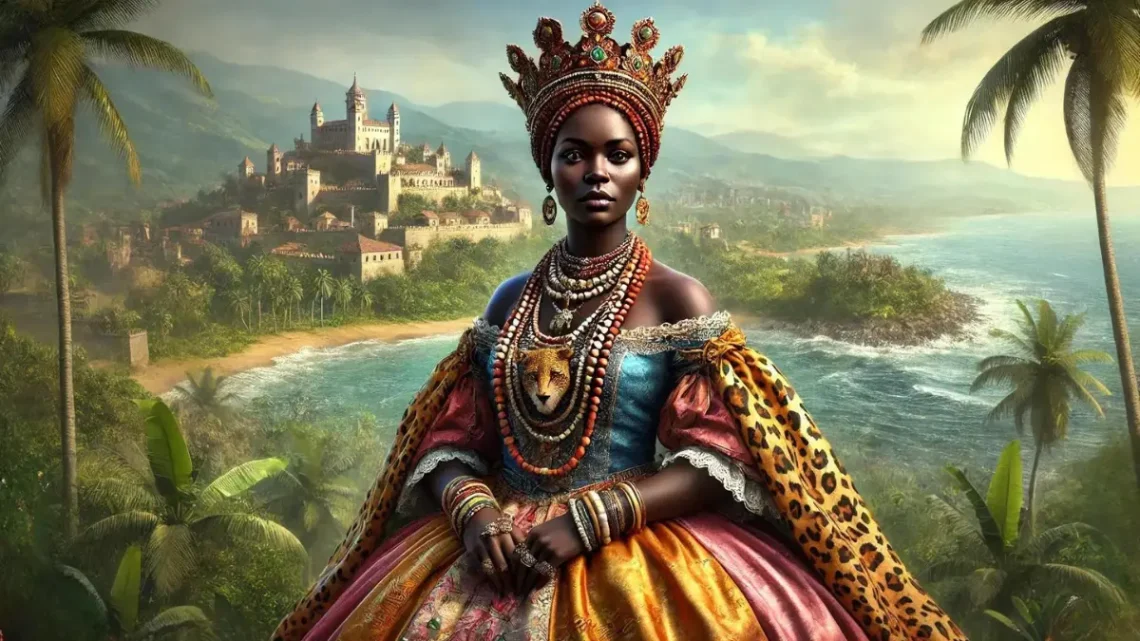
Queen Nzinga: Diplomatic Genius Defied Europe
Queen Nzinga of Ndongo and Matamba led her people in Angola during the 17th century. She became a symbol of resistance against Portuguese colonization and the Atlantic slave trade. Nzinga used her intelligence and strategic skills to protect her kingdom.
Her diplomatic negotiations with the Portuguese were famous. Nzinga showed resilience and courage, proving that women could lead and fight for freedom. She formed alliances and adapted tactics to maintain her people’s independence.
Nzinga’s legacy inspires many, highlighting the importance of determination and strength in leadership. Her story reminds us of the power of resistance and the impact one leader can have. As a warrior queen, Nzinga’s life demonstrates the struggle for sovereignty and justice against oppressive forces.
Early Life of Queen Nzinga
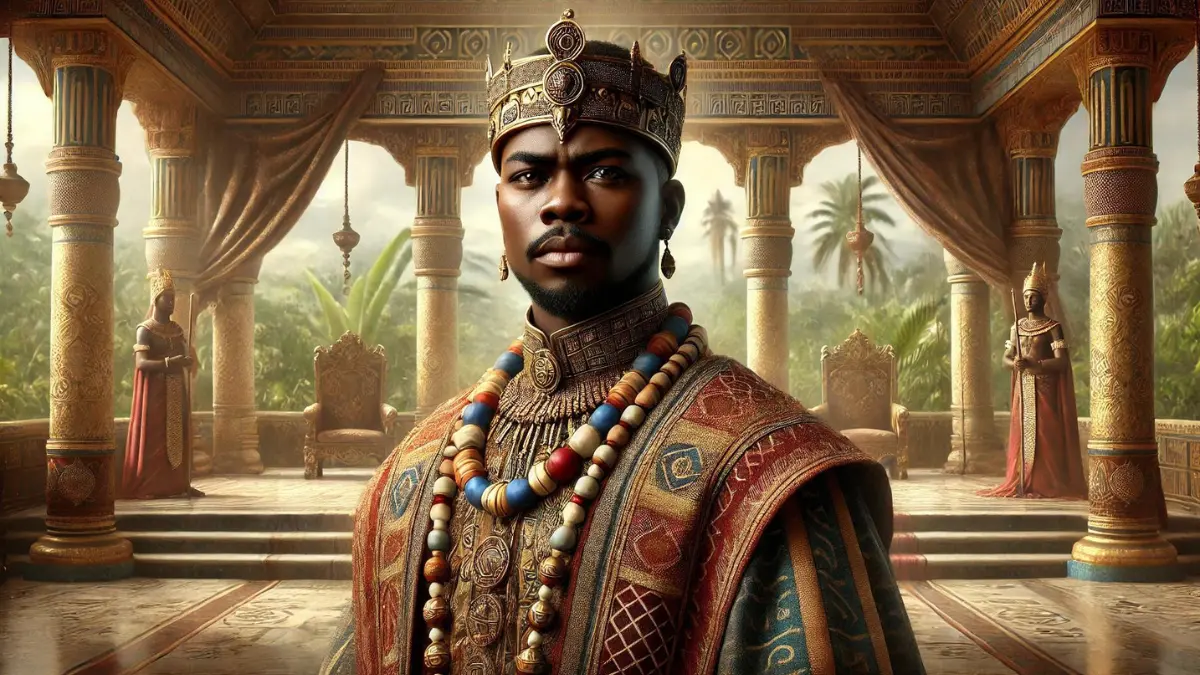
Queen Nzinga of Ndongo and Matamba, born in 1583 in the Ndongo kingdom (present-day Angola), came from a royal family. Her father, Ngola Kilombo Kia Kasenda, ruled as the king. From a young age, Nzinga trained in military and political skills, preparing her for future leadership roles.
Nzinga grew up with her siblings in a complex and challenging environment. Her father’s reign brought various conflicts, which shaped her early life. Nzinga’s childhood included learning warfare, diplomacy, and governance, essential skills for a future queen.
Her brother Mbandi became king after their father’s death. He saw Nzinga’s intelligence and ambition as a threat. To secure his rule, Mbandi exiled Nzinga, forcing her to leave the court. Despite this, Nzinga’s resilience grew stronger. She continued to develop her skills and knowledge, waiting for the right moment to return.
Nzinga’s early challenges and experiences shaped her into a formidable leader. Her family’s dynamics, particularly with her brother, played a significant role in her development. Nzinga’s determination and adaptability set the stage for her later achievements as a queen and warrior. Her story highlights the importance of preparation, resilience, and strategic thinking in overcoming obstacles.
Queen Nzinga’s Rise to Power
Diplomatic Mission to the Portuguese
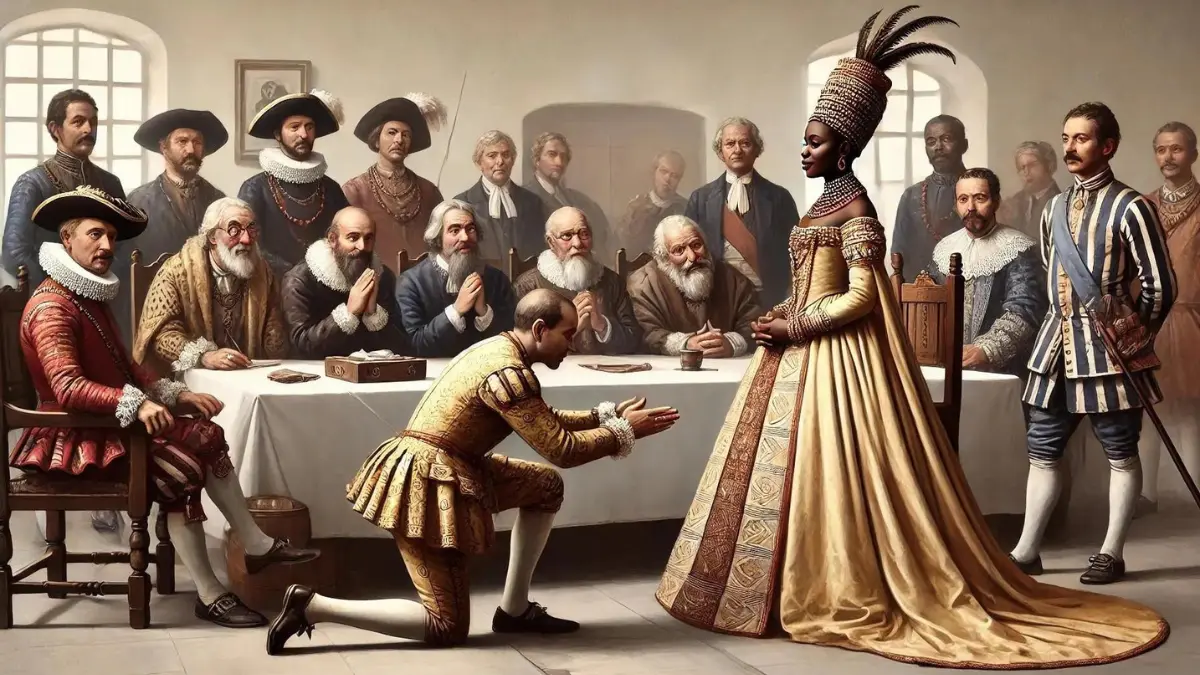
Queen Nzinga of Ndongo and Matamba embarked on a diplomatic mission to the Portuguese in 1622. She met with Governor João Corria de Sousa, aiming to negotiate peace and protect her people.
In a notable incident, the Portuguese tried to humiliate Nzinga by offering her no chair. Refusing to show weakness, Nzinga ordered one of her attendants to kneel. She then sat on the attendant’s back, maintaining her dignity and authority. This act impressed the Portuguese and demonstrated her cleverness and determination.
Nzinga’s negotiations with Governor de Sousa showcased her diplomatic skills. She secured a peace treaty that included the withdrawal of Portuguese forces from Ndongo lands. Her success in these talks marked a significant step in her rise to power.
After her brother Mbandi’s death, Nzinga took the throne. She became queen and led her people with strength and wisdom. Nzinga continued to resist Portuguese colonization and the Atlantic slave trade.
Queen Nzinga’s rise to power highlights her intelligence, resilience, and strategic thinking. Her diplomatic mission in 1622 stands as a testament to her ability to lead and protect her kingdom against powerful adversaries.
Nzinga’s Conversion to Christianity
Queen Nzinga of Ndongo and Matamba converted to Christianity in 1622. She took the baptismal name Dona Anna de Sousa. This conversion held significant religious and political implications.
By adopting Christianity, Nzinga aimed to strengthen her diplomatic ties with the Portuguese. Her new Christian identity helped her gain their respect and trust. This strategic move allowed Nzinga to negotiate more effectively and protect her people.
Nzinga’s conversion also showed her adaptability and intelligence. She recognized the benefits of aligning with the dominant European religion. While embracing Christianity, Nzinga continued to honour her cultural heritage and traditional beliefs.
Queen Nzinga’s baptism and adoption of the name Dona Anna de Sousa demonstrate her strategic thinking. Her ability to blend religious and political strategies highlights her leadership skills and determination to safeguard her kingdom’s future.
Reign as Queen Nzinga

Military Campaigns and Resistance

30 Year War Against the Portuguese
In 1641, Queen Nzinga formed an alliance with the Dutch West India Company. This partnership aimed to challenge Portuguese control in her region. With the Dutch as her allies, Nzinga strengthened her military capabilities.
The alliance led to a significant victory in 1647. Nzinga’s forces, combined with Dutch support, defeated the Portuguese in a major battle. This victory boosted the morale of her people and showcased her strategic brilliance.
However, despite the initial success, Nzinga faced setbacks. The Dutch withdrew their support, seeking peace with the Portuguese. This shift left Nzinga to confront the Portuguese with diminished resources.
Undeterred, Nzinga continued her fight. She employed guerrilla tactics and maintained her people’s resistance. Her determination and leadership kept the struggle alive for thirty years.
Queen Nzinga’s initiation of a thirty-year war against the Portuguese highlights her resilience and strategic acumen. Her alliance with the Dutch, victory in 1647, and ability to adapt to setbacks underscore her legacy as a formidable leader who fought for her people’s freedom and independence.
Queen Nzinga’s Warfare Tactics
Diplomacy and Governance

Queen Nzinga’s Legacy and Impact
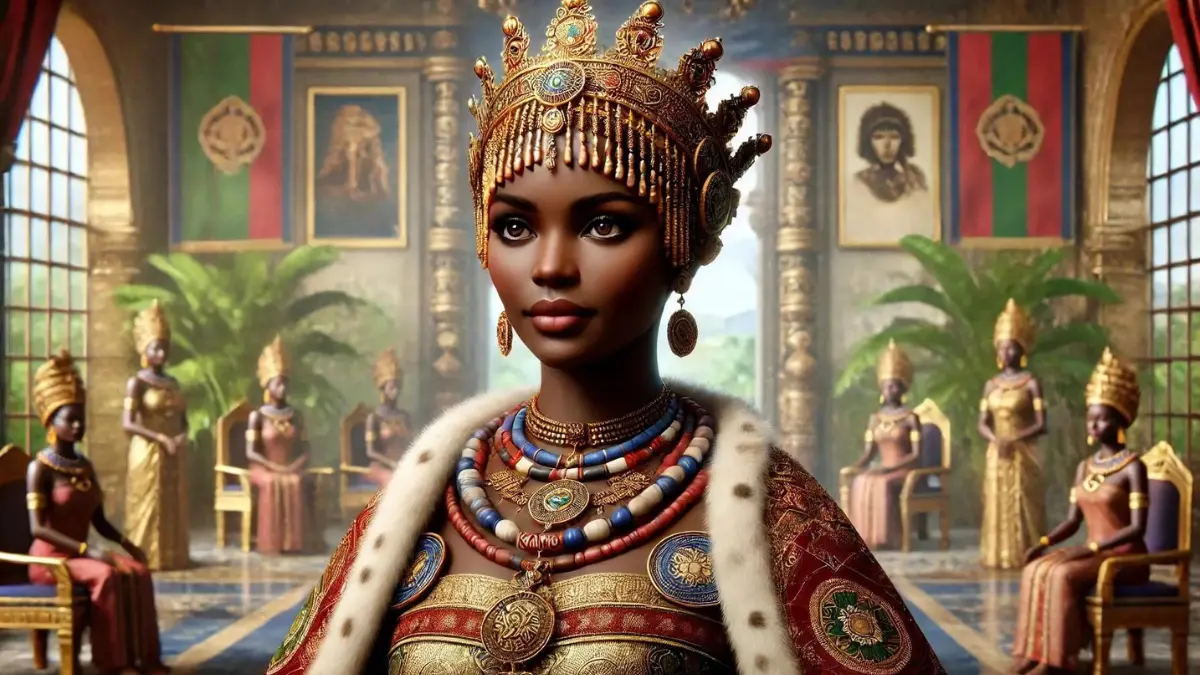
Queen Nzinga passed away peacefully in 1663. Her death marked the end of a remarkable reign. Her sister, Kambu, also known as Lady Barbara, succeeded her as ruler. Kambu’s succession ensured the continuity of Nzinga’s legacy and the stability of her kingdom.
Nzinga’s influence extended far beyond her lifetime. Her resistance against Portuguese colonization inspired future generations of Angolan leaders and warriors. Nzinga’s strategies and determination provided a powerful example for those fighting against oppression.
In the 20th century, Nzinga’s legacy inspired Angolan independence movements. Leaders and activists drew strength from her story, seeing her as a symbol of resistance and empowerment. Her life’s work highlighted the importance of fighting for freedom and sovereignty.
Modern recognition of Nzinga’s contributions continues to grow. Many commemorate her through statues, monuments, and historical studies. Schools and institutions teach her story, ensuring that her achievements and impact are not forgotten.
Nzinga stands as a symbol of resistance in African history. Her leadership, intelligence, and courage continue to inspire people worldwide. Nzinga’s story reminds us of the power of resilience and strategic thinking in overcoming challenges.
Queen Nzinga’s peaceful passing in 1663 did not end her influence. Her sister’s succession helped preserve her legacy. Nzinga’s impact on Angolan resistance and 20th-century independence struggles highlights her enduring significance.
Modern recognition and commemoration ensure that Nzinga’s story continues to inspire future generations. As a symbol of resistance and empowerment, Nzinga’s legacy remains a powerful testament to her strength and leadership.
Comparisons to Other Strong Women

Nzinga often draws comparisons to other strong women in history.
Queen Nzinga, like several other historical figures, led significant rebellions. Boudica, a Celtic queen, led an uprising against Roman forces in Britain, showcasing her fierce resistance. Yaa Asantewaa, the Ashanti queen mother, led a war against British colonial forces in Ghana, demonstrating her bravery and leadership.
Both women, like Nzinga, symbolize resistance and courage in the face of oppression.
Queen Nzinga, like other notable women, excelled in diplomacy.
Cleopatra, the last active ruler of Egypt, formed strategic alliances with Roman leaders to protect her kingdom. Hatshepsut, a female pharaoh of Egypt, skillfully navigated political landscapes to maintain her power and promote prosperity.
Catherine the Great of Russia used diplomatic strategies to expand her empire and implement significant reforms. Empress Dowager Cixi of China adeptly managed political affairs during the late Qing dynasty, maintaining her influence and control. These women all demonstrate exceptional diplomatic skills and strategic thinking.
Learn more about:
Conclusion
Queen Nzinga’s life and achievements showcase her as a powerful leader and warrior. She resisted Portuguese colonization, used diplomatic strategies, and developed Matamba into a commercial power.
Her intelligent leadership and strategic alliances preserved her kingdom’s sovereignty.
Nzinga’s legacy endures, inspiring resistance movements and independence struggles. Modern recognition celebrates her resilience, courage, and strength. Queen Nzinga remains a symbol of empowerment and leadership in African history. Her story continues to inspire and motivate future generations to fight for freedom and justice.


