
Popular Athena Myths: Pallas, Arachne and Tiresias
Athena is one of the most powerful goddesses in Greek mythology. She rules wisdom, war, and skilled crafts.
But her stories aren’t just about strength—they show friendship, pride, justice, and loss. These myths reveal how even a goddess faces hard choices.
Athena Myths: Pallas and Athena – The Tragic Duel

Before Athena becomes known across Greece, she trains in battle with a close friend named Pallas. They are both warrior maidens—strong, skilled, and fearless. Together, they practise sparring, using spears and shields under the bright sky.
The matches are friendly, but serious. Both want to win. They trust each other deeply and treat each duel as a way to grow stronger. Pallas fights with bold moves and quick reflexes. Athena respects her, but also wants to prove herself.
During one match, the gods watch from above. Zeus, Athena’s father, fears Pallas may overpower his daughter. As the match heats up, Zeus distracts Pallas by flashing the Aegis—a powerful shield linked to Athena.
Pallas turns her head for just a moment. Athena strikes in that instant, hitting her with a sharp blow. Pallas falls. She does not get up.
Athena stands frozen. She never means to hurt her friend, and now Pallas lies still. The match is over. So is their friendship—and Pallas’ life.

Grief wraps around Athena like a cloak. She mourns deeply. Pallas is gone, and Athena feels fully responsible. She cannot undo what happened. But she can honour her friend’s name.
From that moment on, Athena carries a new title: Pallas Athena. She speaks the name with pride and sorrow. It reminds her of the friend she once loved and lost. It also keeps her humble, even as she rises in fame.
This myth shows that even a goddess makes mistakes. Even a warrior feels pain. Athena does not hide her grief. Instead, she uses it to shape her identity.
When you hear “Pallas Athena,” remember it means more than just wisdom or war. It holds a story of friendship, loss, and respect. A name that once belonged to two—now carried by one.
Athena Myths: Arachne – The Weaver’s Challenge
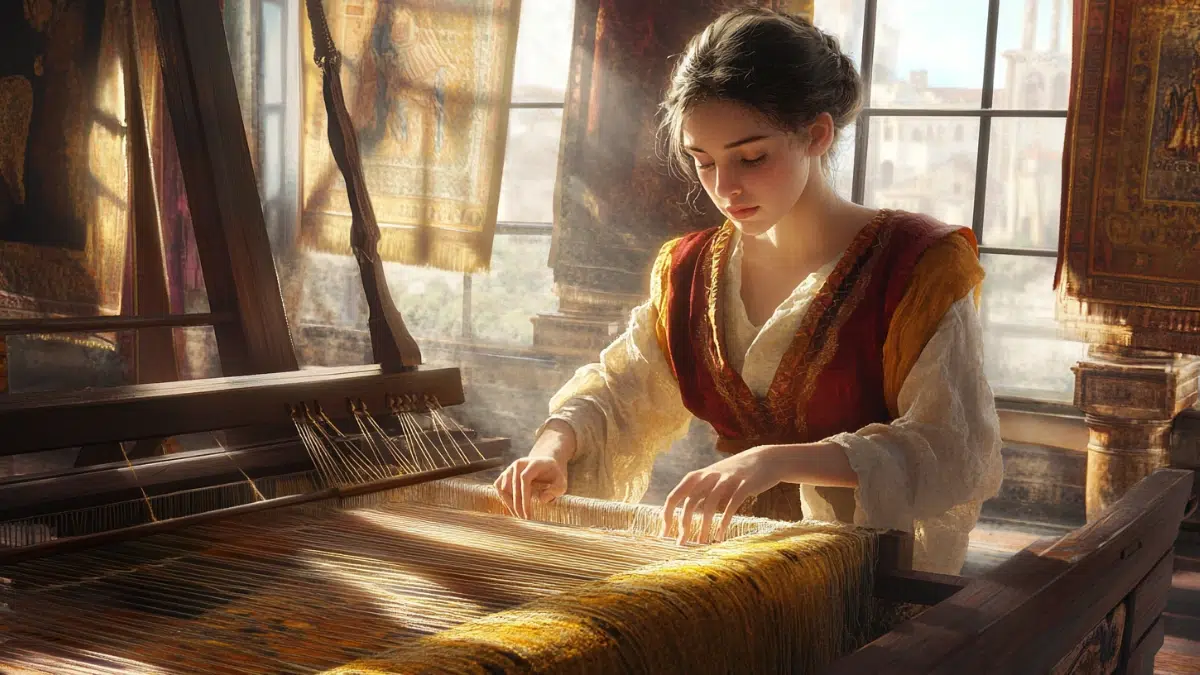
One of the well-known myths about Athena involves her and a talented young weaver named Arachne.
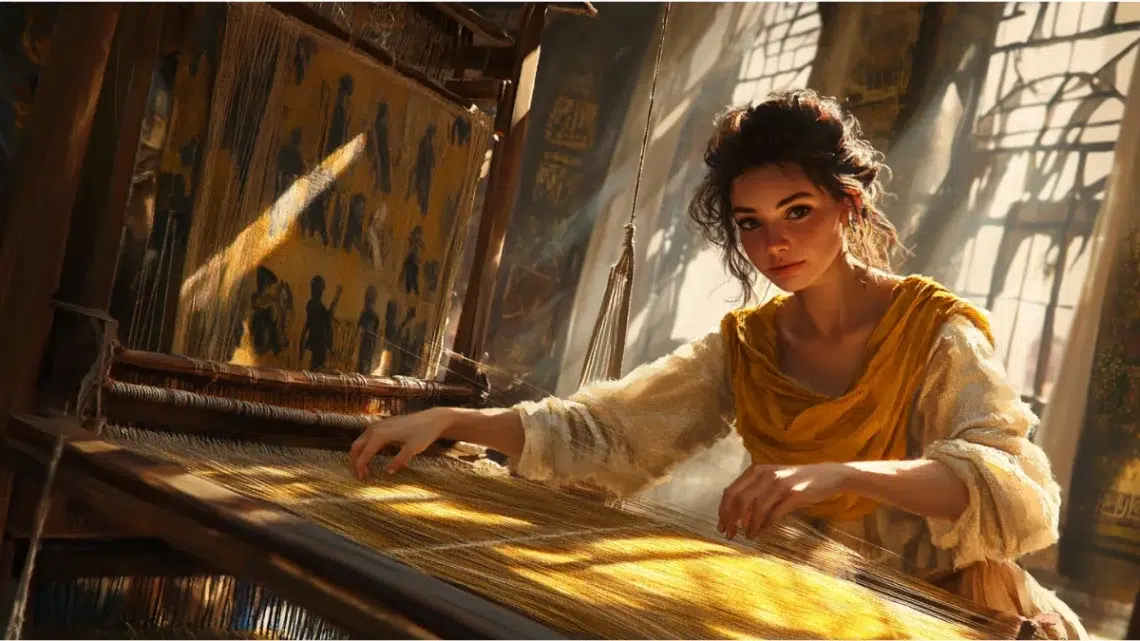
Arachne grows up in a small town known for beautiful cloth. She weaves with golden thread and bright dyes. Her hands move fast, and her patterns amaze everyone who sees them.
People start saying, “Her skill must come from the gods.” But Arachne disagrees.
“No god taught me,” she says. “I’m better than Athena herself.”
Athena hears this. She is the goddess of wisdom and crafts—including weaving. She disguises herself as an old woman and speaks to Arachne.
“You should be grateful,” she warns. “Show respect to the gods.”
Arachne refuses. “I challenge Athena to a contest.”
Athena drops her disguise. Light shines from her body. She stands tall, proud, and ready.
The Competition
The two begin their contest. Athena weaves images of the gods in glory. Arachne’s tapestry shows gods tricking and harming humans. Her work is perfect—every thread placed with care.
Athena sees the beauty but also the insult. She tears Arachne’s tapestry and strikes her with the shuttle. Arachne runs away, crushed with shame. She ties a rope and tries to end her life.
Before she dies, Athena sees her. The goddess feels a mix of anger and pity. She gently touches Arachne and speaks:
“Live on, but hang as you tried to. Keep weaving—forever.”
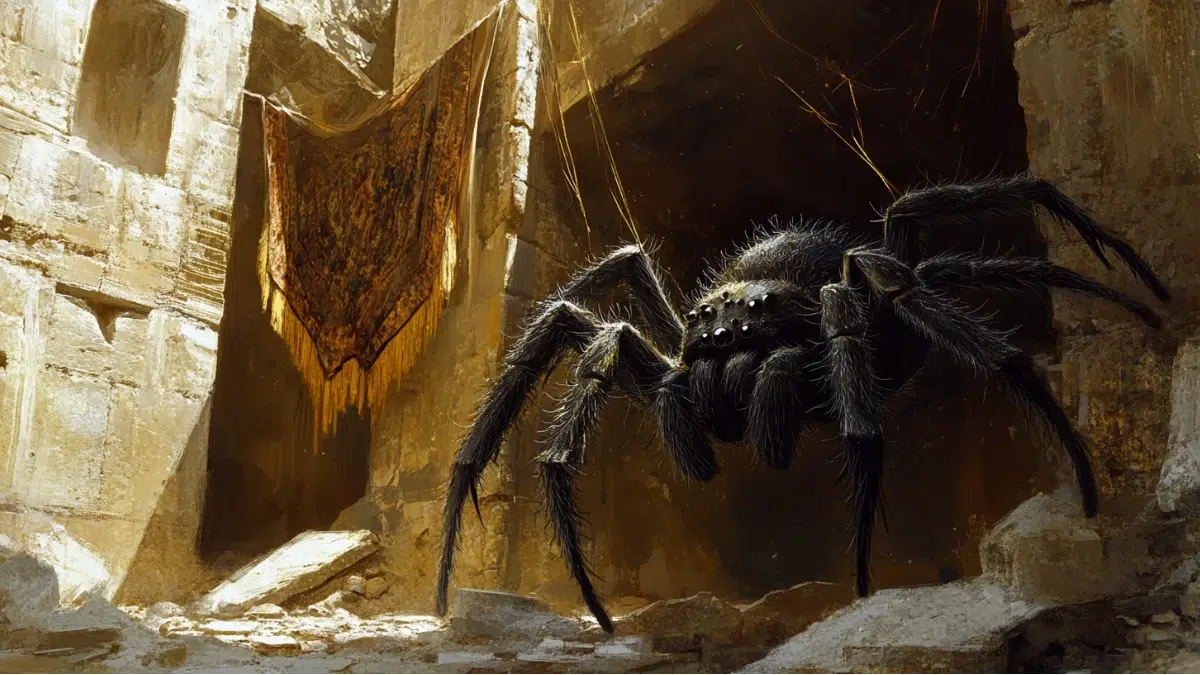
Arachne’s body shrinks. Her legs grow long and thin. Silk flows from her fingers. She becomes the first spider, cursed and gifted to weave forever.
This story carries a strong lesson: skill and pride must walk a careful line. Arachne’s talent shines, but her disrespect leads to tragedy. Athena shows both justice and mercy.
Every spider spinning its web today carries a thread of this ancient tale—beautiful, bold, and never-ending.
Athena Myths: Athena and Tiresias – The Accidental Glance

Tiresias is a young man walking through the forest. He follows the sounds of running water. He does not know that nearby, Athena bathes in a hidden spring. She believes she is alone.
Tiresias steps through the trees and sees her by accident. He turns away, but it is too late. Athena notices. She is the goddess of wisdom, but also of strict rules. No one can see her naked form—not even by mistake.
Athena reacts quickly. She raises her hand, and darkness falls over Tiresias’s eyes. He stumbles back. He is blind.
His mother, Chariclo, is one of Athena’s followers. She hears what happens and begs the goddess to undo it. She cries, not with anger, but sadness. “It was not his fault,” she says. “Please show mercy.”
Athena listens. She cannot reverse the blindness—it is already part of fate. But she gives Tiresias another gift: the power of prophecy.
She touches his head and grants him wisdom beyond human limits. He sees not with eyes, but with insight. He can speak the truth of gods and men and becomes a famous seer, guiding kings and heroes for generations.
This myth shows a different side of Athena. She holds firm to her laws but also shows kindness when asked with respect. She balances power with fairness.
Tiresias loses sight, but gains vision. Athena makes sure his future still holds purpose. The story reminds us that actions have consequences—but also that compassion and wisdom can grow from difficult moments.
Learn more about other Athena myths and Greek stories:
- Athena Goddess of Wisdom & Strategic Warfare
- Famous Greek Myths: Love, Conflict and Tragedy
- Most Popular Greek Myths in Greek Mythology
- Greek Myths About the Stars: Orion to Sagittarius
Conclusion
Athena stands for clear thinking, fairness, and strategy. Her myths remind us that even gods learn through challenge and pain.
She honours lost friends, defends what’s right, and inspires growth. In every thread woven and every wise choice made, her spirit lives on.