

Nemesis: The Goddess of Balance and Fairness
Nemesis, the goddess of Balance and Fairness.
In ancient Greece, people believed in many gods and goddesses. Each one had a job. Some ruled the sky or sea. Others helped with farming or love. But one goddess made sure no one got too proud. Her name is Nemesis.
Nemesis keeps balance. She stops people from acting too full of themselves. If someone brags or cheats, Nemesis shows up. She reminds people to stay fair and humble.
People feared her, but they also respected her. She didn’t punish people for fun. She made sure justice wins. If someone hurts others or breaks the rules, she gives them what they deserve.
Today, people still use the word “nemesis.” It means a strong enemy or someone who brings you down when you go too far. In superhero stories, a nemesis is often the villain who challenges the hero.
Let’s meet one of the most powerful goddesses of ancient times!
Nemesis’s Origins: Where She Comes From

Nemesis is a child of the night. In some stories, her mother is Nyx, the goddess of night. Nyx has many children, like Hypnos (Sleep), Thanos (Death), and Fates. All of them play big roles in the world.
In other stories, she is the daughter of Oceanus, the great river that circles the world. This shows how old and powerful she is.
Some people say Zeus is her father. Zeus is the king of the gods. But this is less common. Most people say Nyx made her without any help.
Nemesis’s name means “to give what is due.” That means she brings people what they earn—good or bad. She doesn’t like unfairness. When someone brags, cheats, or forgets their place, she steps in. Her job is to protect balance in the world.
Even the gods respect her. No one wants to upset her. She doesn’t play favourites. If you do wrong, she acts.
Her powers link her to Fate and Justice. She works closely with goddesses like Dike (Justice) and Themis (Order). Together, they keep the world running fairly.
Nemesis isn’t kind like Aphrodite or wise like Athena. But she plays a key role. Without her, the strong would crush the weak, and no one would answer for bad choices.
Symbols and Clues to Her Power
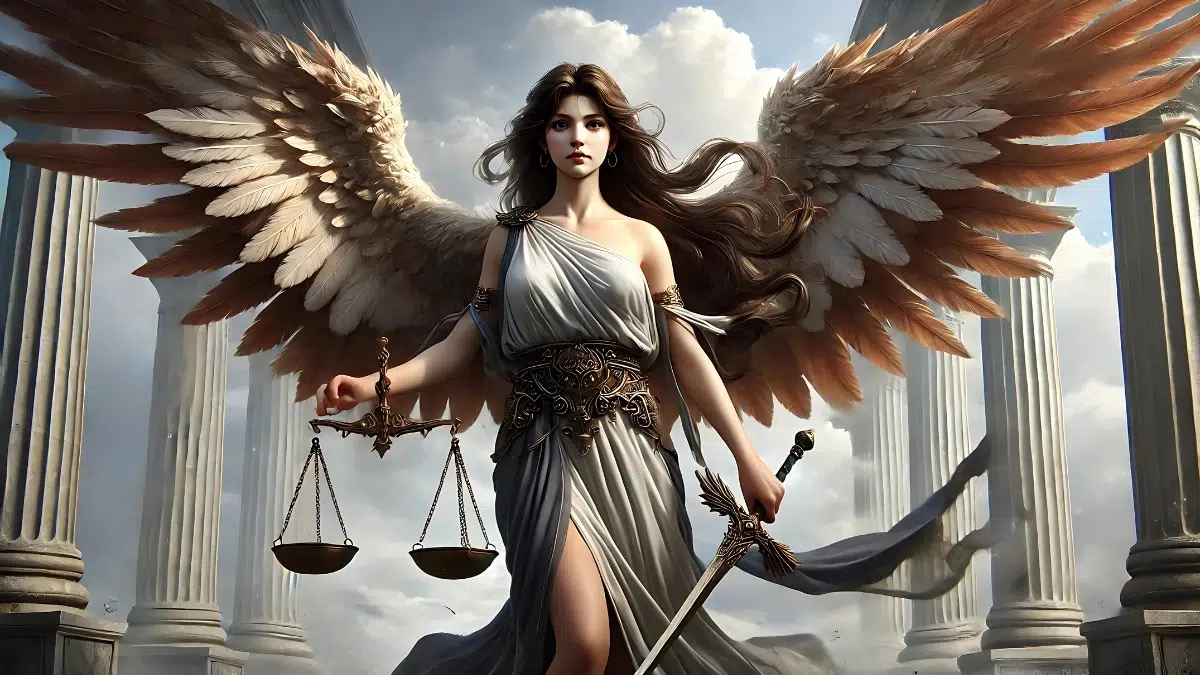
Every Greek god has symbols. These help people understand their power. Nemesis has many strong symbols. Each one shows what she stands for.
Her most common symbol is a scale. This shows balance and fairness. She weighs people’s actions. If someone tips the scale, she sets things right.
Nemesis also carries a sword. It reminds us she acts when needed. She doesn’t just watch—she cuts through lies and pride. Her sword shows justice can hurt, but it helps in the end.
Sometimes she holds a measuring stick or ruler. This tells us she checks if people go beyond their limits. No one gets away with too much.
A bridle is another symbol. It’s something people use to control horses. Nemesis uses it to show that people must control their actions. She reminds them to slow down and think.
Wings often appear on her back. They show how fast she moves. Justice can fly in when you least expect it.
Some coins from ancient times even show her standing on a wheel. This symbol shows how life turns. What goes around comes around.
Each symbol teaches a lesson. They remind us that pride leads to a fall, and balance keeps the world fair. If we pay attention, Nemesis teaches us how to live with honour.
Myths and Stories of the Goddess of Balance

Nemesis and Helen of Troy Myth
Nemesis doesn’t show up in every Greek myth, but when she does, big things happen.
One of the most famous stories links her to the Trojan War. In some tales, she helps create Helen of Troy, the woman whose beauty starts the war.

Zeus wants to have a child with Nemesis. To escape him, she turns into animals—including a goose. Zeus becomes a swan and catches her. Their child is an egg. A woman named Leda finds it and raises Helen.
This story shows how even gods chase beauty and how Nemesis tries to avoid trouble. But trouble still finds her.
Nemesis vs Narcissus

In another story, a man named Narcissus falls in love with himself. He is very handsome but full of pride. He breaks hearts everywhere he goes.
Narcissus refuses to love anyone, even a kind nymph named Echo.
One day, a girl named Echo falls for him and he mocks her. Nemesis sees his cruelty and pride. To teach him a lesson, she curses him.
He falls in love with his own reflection in a pool of water. Unable to look away, he stares at it until he dies.
This myth teaches us not to be too proud. Don’t be vain or cruel. It also shows that beauty without kindness leads to sorrow.
Nemesis as a Balancer of Fortune

Sometimes, she works with other gods. She often helps Dike, the goddess of justice. Together, they watch over courts and laws.
When someone becomes too lucky, rich, or proud, Nemesis steps in. She sends misfortune or shame to balance their success.
Some stories say she brings down arrogant kings or punishes boastful heroes.
Ancient Greeks believed too much pride (called “hubris”) made the gods angry. Nemesis kept things fair.
In every myth, she reminds us that actions have results. If you brag, cheat, or hurt others, she brings you back down. She doesn’t forget.
Nemesis and Tyche (Fortune)
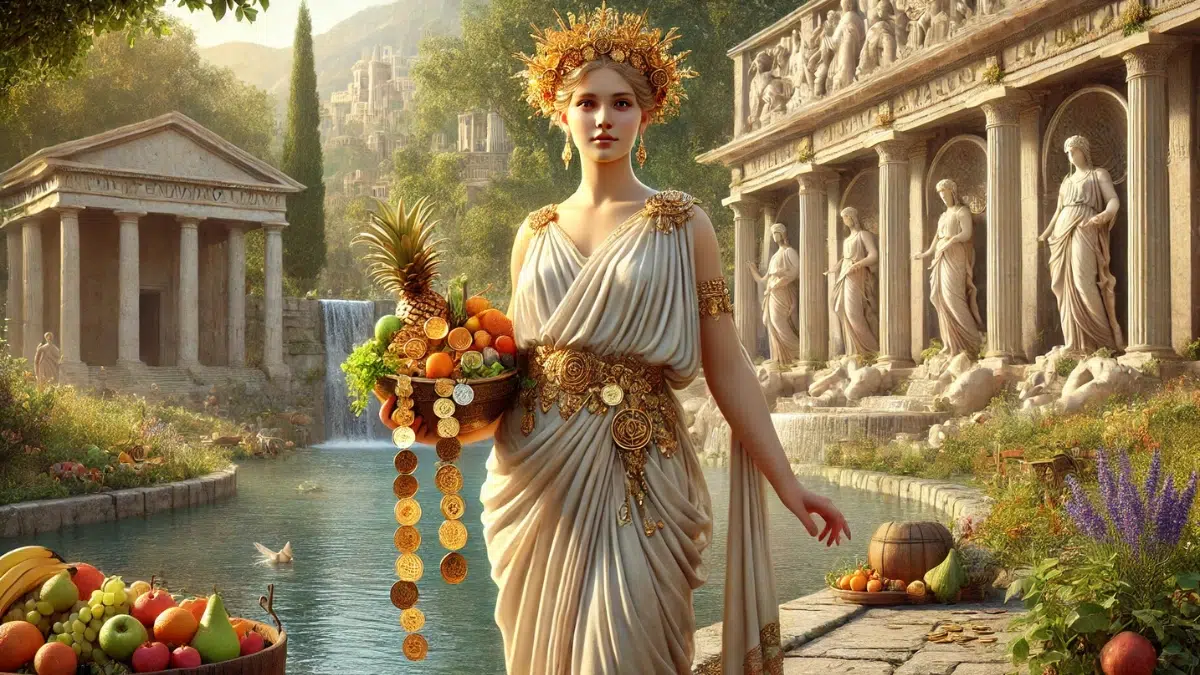
In some myths, she works alongside or against Tyche, the goddess of fortune.
Tyche gives people random luck. Nemesis corrects the outcome if it becomes unfair.
The gods had checks and balances. Tyche might lift someone up. Nemesis ensures they don’t stay up if they don’t deserve it.
Lessons from Nemesis: Why She Still Matters
Even though people don’t believe in the Greek gods today, Nemesis still matters. Her story teaches us about balance, fairness, and pride.
Have you ever seen someone brag or act like they’re better than everyone? That’s what Nemesis watches for. She reminds us to stay humble. If we get too proud, she makes sure we learn a lesson.
She also shows that justice takes time. Sometimes, it feels like unfair people get away with things. But Nemesis reminds us that things even out in the end.
The word “nemesis” now means someone or something that brings you down. In sports, your nemesis is the team that always beats you. In stories, the villain is the hero’s nemesis.
But the real Nemesis is not evil. She is fair. She makes sure good people rise and bad people fall and helps the world stay in balance.
In school, at home, or with friends, you can learn from her. Share credit. Say sorry when you mess up. Don’t cheat. Help others. These small acts keep things fair.
So next time you hear the word “Nemesis,” don’t just think of revenge. Think of fairness. Think of a world where no one acts too big or too small. That’s her gift.
Final Thoughts: Respecting the Goddess of Balance
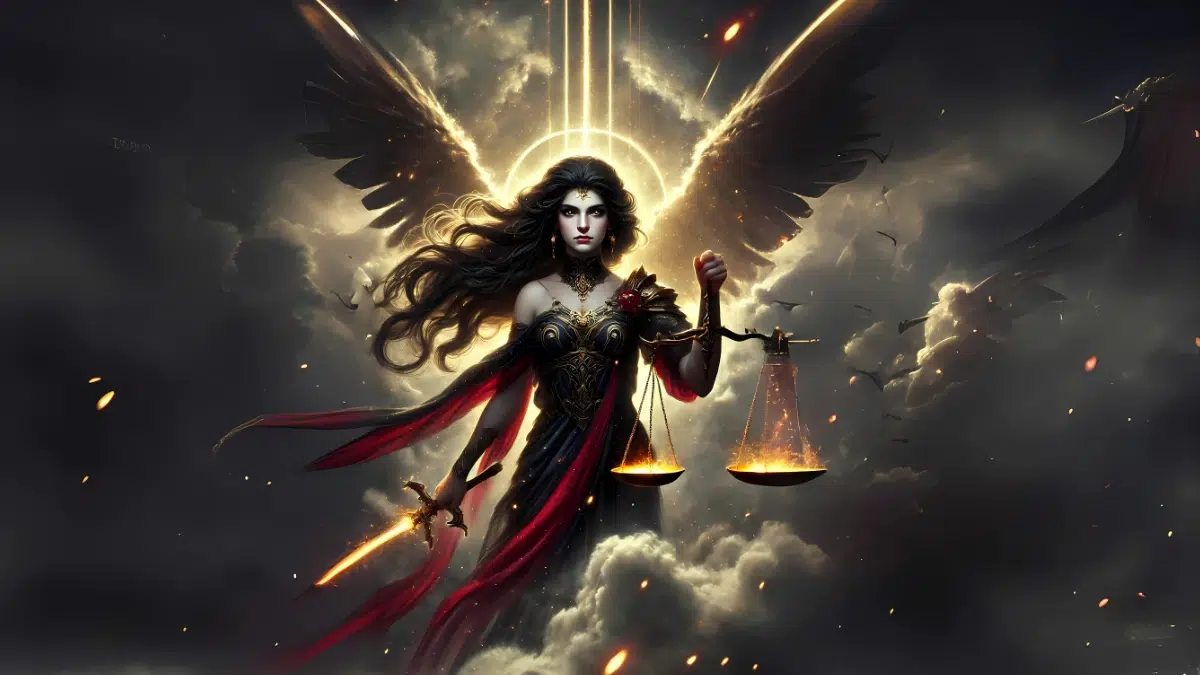
Nemesis may not be as famous as Zeus or Athena, but she plays a huge role. Nemesis watches over the balance of the world. She doesn’t ask for worship. She asks for fairness.
Her job is not easy. She punishes pride. Nemesis reminds the mighty to be humble. She defends those who get hurt by others’ actions.
Her symbols—scales, swords, wings—teach us that life should stay balanced. If we go too far, she pulls us back. If others treat us unfairly, she helps set it right.
In many Greek plays and poems, Nemesis doesn’t appear in person.
Instead, her spirit of revenge or justice shows up when characters commit crimes or grow too proud. She’s often mentioned as the invisible force that brings justice in the end.
In the end, Nemesis reminds us of a simple truth: What you do comes back to you. So do your best. Stay humble. Live fair.