Nekhbet & Wadjet: Twin Cobra and Vulture Goddesses
In ancient Egypt, two goddesses rise above all others as protectors of the land and rulers: Nekhbet and Wadjet. Known together as the “Two Ladies,” they guard Upper and Lower Egypt. Standing on either side of the king’s crown and watching over his throne.
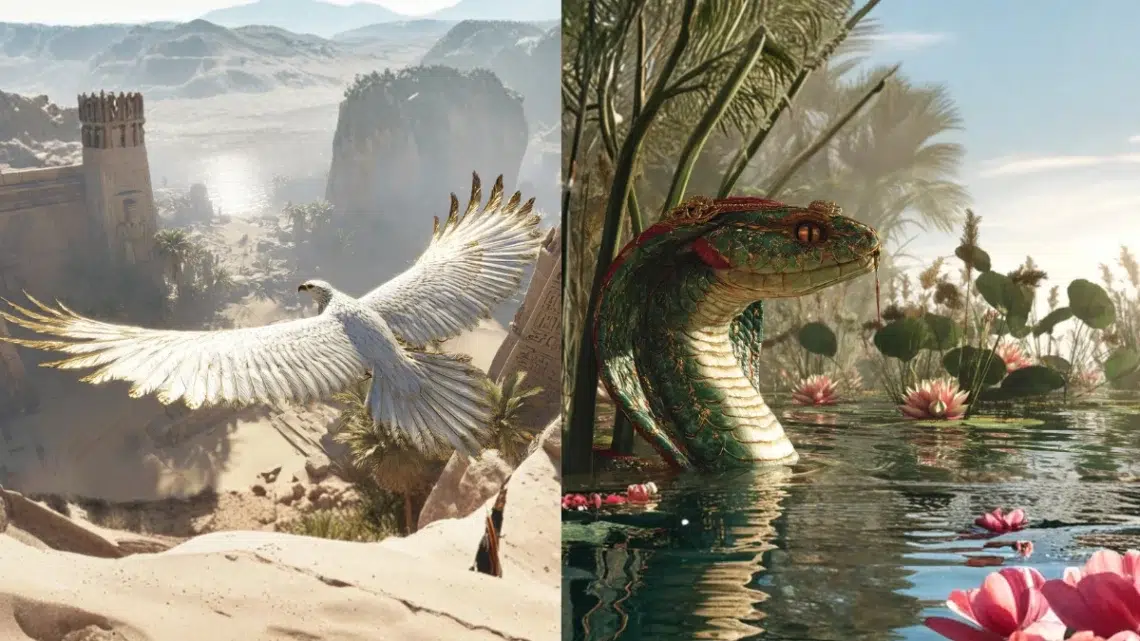
Nekhbet, the vulture goddess, comes from Upper Egypt. Wadjet, the cobra goddess, belongs to the green, fertile Delta of Lower Egypt. Together, they represent unity, balance, and divine protection. You often see them perched on the pharaoh’s headdress. Nekhbet spreading her wings above his head, Wadjet rearing as a cobra from his crown.
Their presence shows more than power. It shows that the king rules both halves of the country with their blessing. For thousands of years, these two goddesses symbolize harmony across Egypt’s “Two Lands.”
Learn more about Egyptian mythology:
- Nut: The Egyptian Sky Goddess Who Swallowed the Sun
- Nephthys: Ancient Egyptian Goddess of Protection
- Sekhmet Egyptian Goddess of War & Healing
Background: Origins and Parentage of Nekhbet and Wadjet
Nekhbet and Wadjet are among the oldest goddesses in Egyptian mythology. with roots stretching back to the Predynastic Period, long before Egypt unified under one ruler. Each goddess represents one half of Egypt. Nekhbet for Upper Egypt (the southern Nile valley) and Wadjet for Lower Egypt (the northern Delta region).
Nekhbet the Vulture Goddess of Upper Egypt
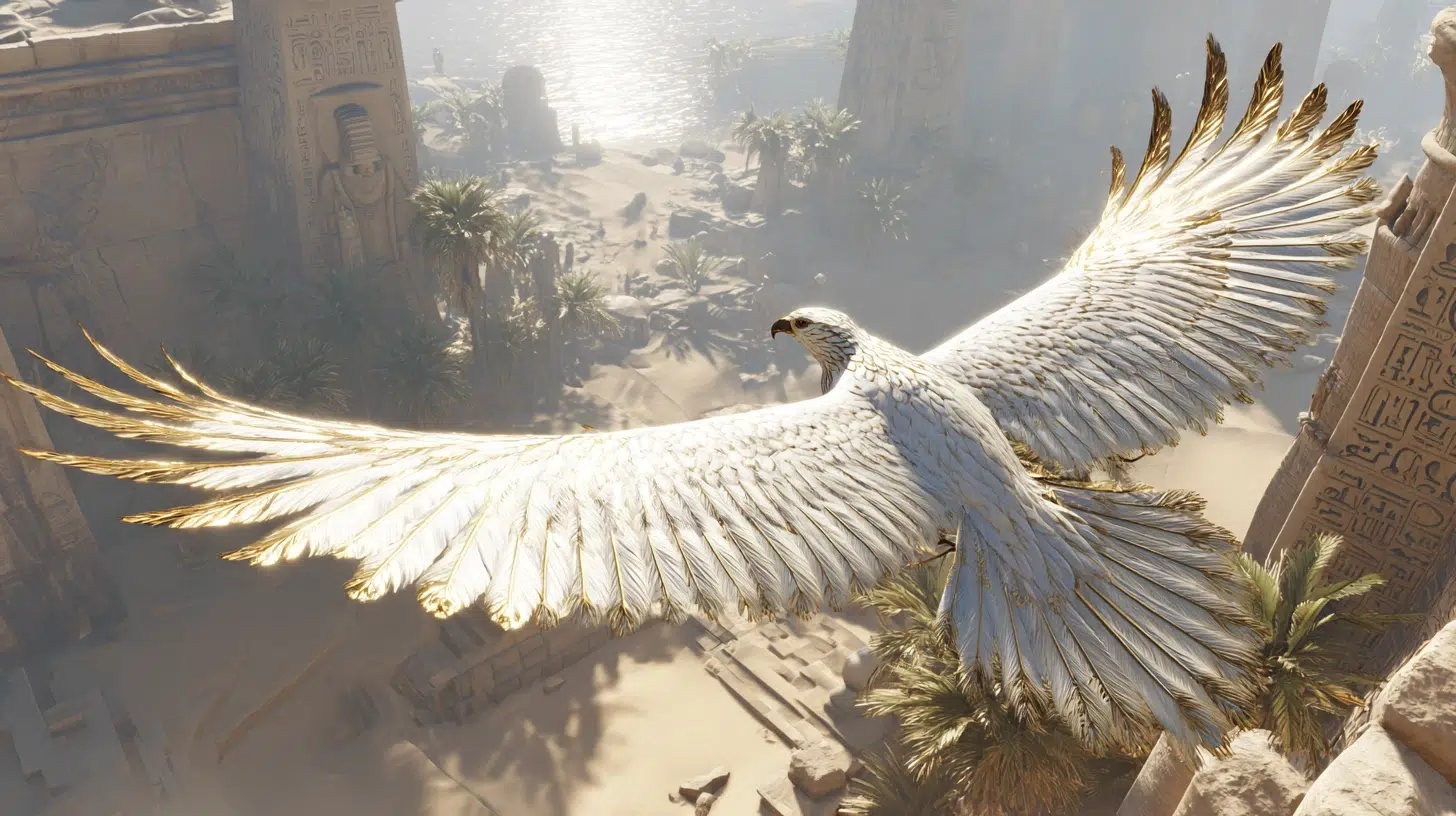
Nekhbet’s name comes from Nekheb, a city near modern-day Elkab in southern Egypt. Her worship likely began around 3500 BCE, where she appears as a local protector of the king. She often takes the form of a white vulture, an animal linked to motherly protection, watchfulness, and the heavens. Nekhbet becomes the patron goddess of Upper Egypt and appears on crowns, temple walls, and royal birth scenes throughout Egyptian history.
Wadjet the Cobra Goddess of Lower Egypt
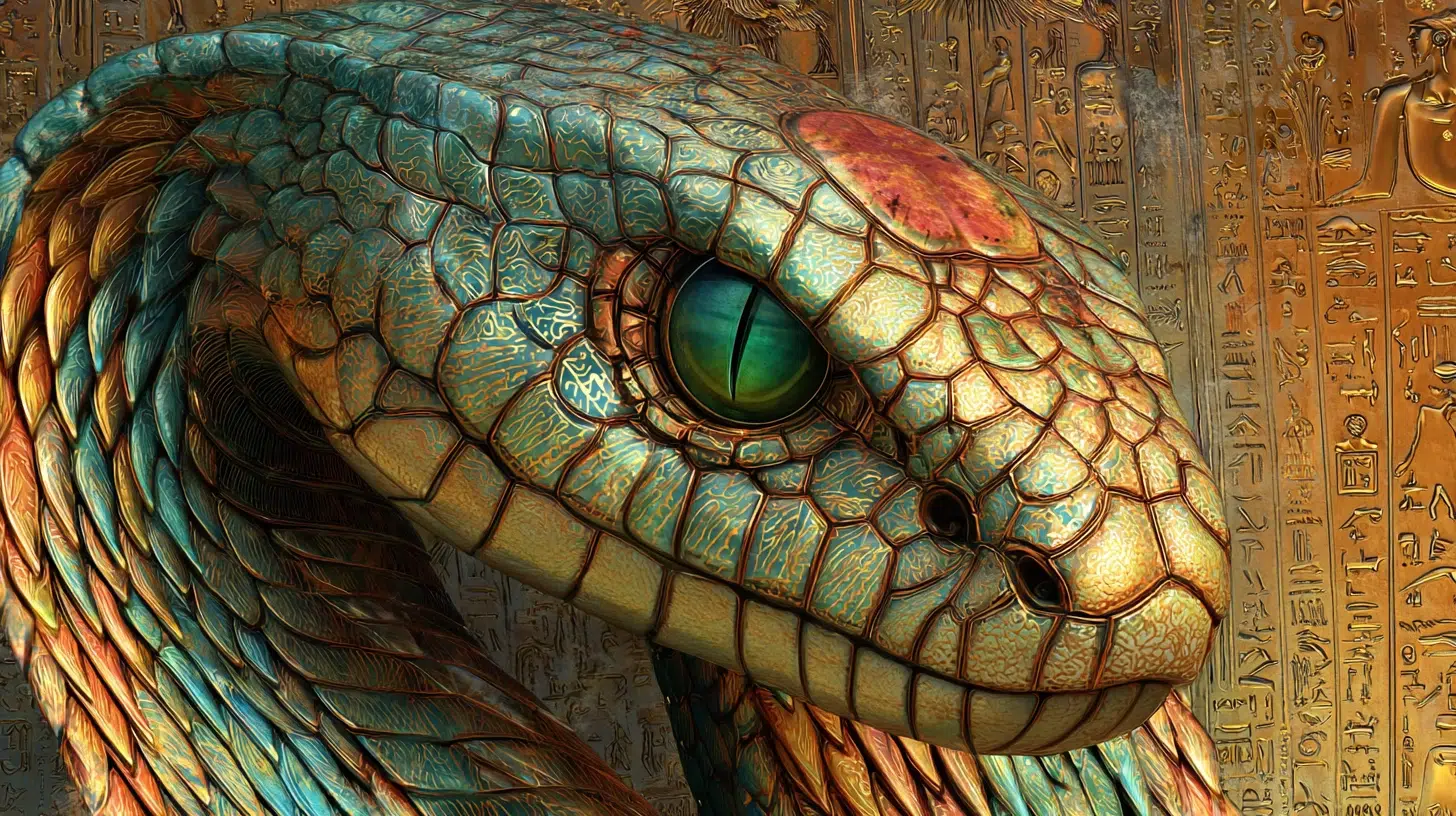
Wadjet originates from Per-Wadjet, later called Buto, in the Nile Delta. Her name means “The Green One,” symbolizing the lush papyrus swamps of Lower Egypt. As a cobra, she’s fierce and quick to strike—often shown rearing up in attack, ready to defend. Her image becomes the uraeus, the upright cobra worn on the pharaoh’s forehead.
The Two Ladies: Symbols of Unity
Together, Nekhbet and Wadjet form the “Nebty” or “Two Ladies”, one of the five royal names of the pharaoh. This dual title symbolizes the pharaoh’s divine right to rule both Upper and Lower Egypt. Their pairing shows balance between north and south, heaven and earth, defence and nurture. This mirrors Egypt’s belief in cosmic order (ma’at).
Their worship continues for over 3,000 years, from early dynasties through to the Greco-Roman period.
Describe What They Look Like
Nekhbet and Wadjet each take powerful animal forms, vulture and cobra. They often appear alongside or above the pharaoh as divine protectors. Their appearances carry deep symbolic meaning in Egyptian religion and art.
Nekhbet the White Vulture
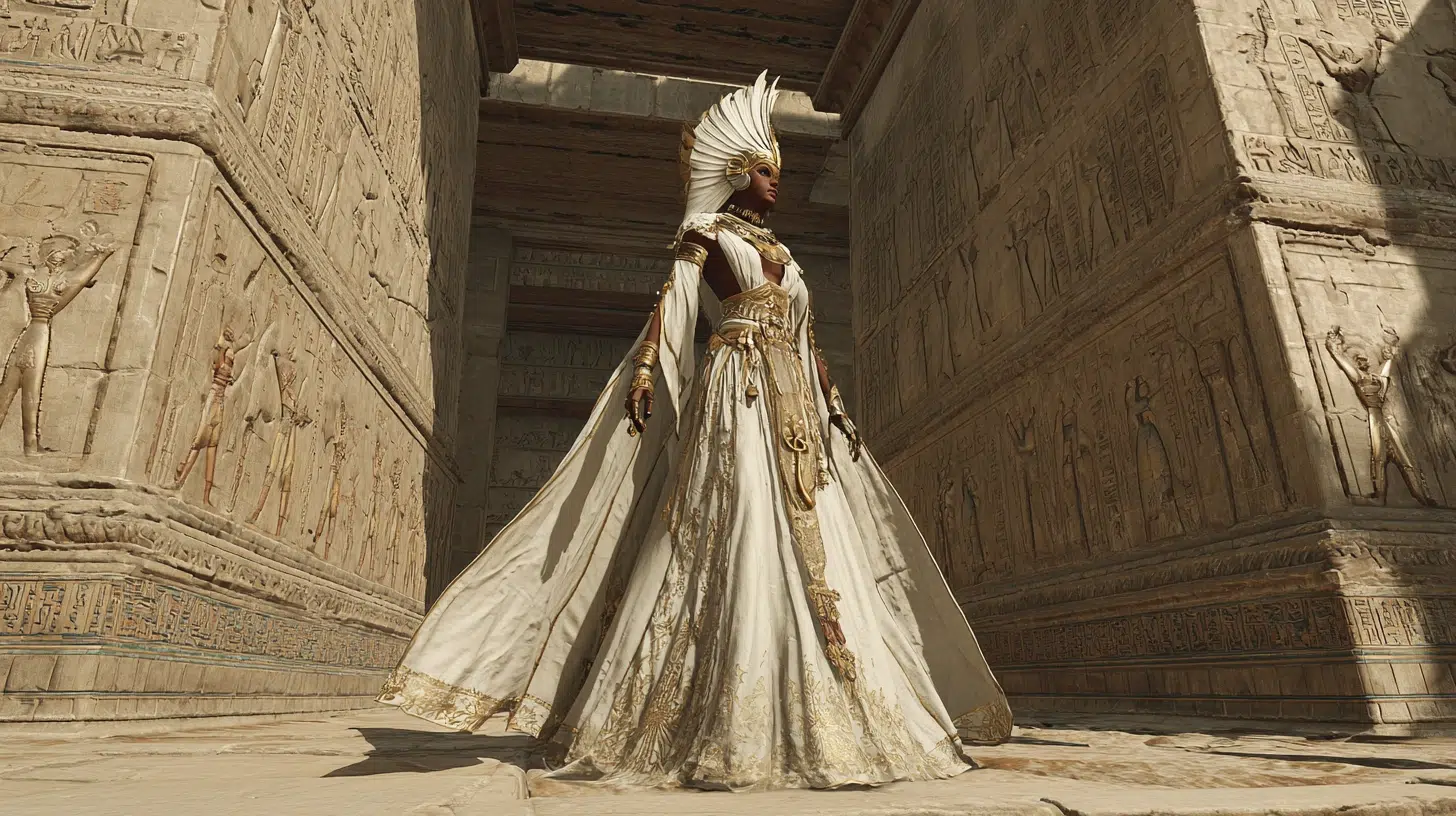
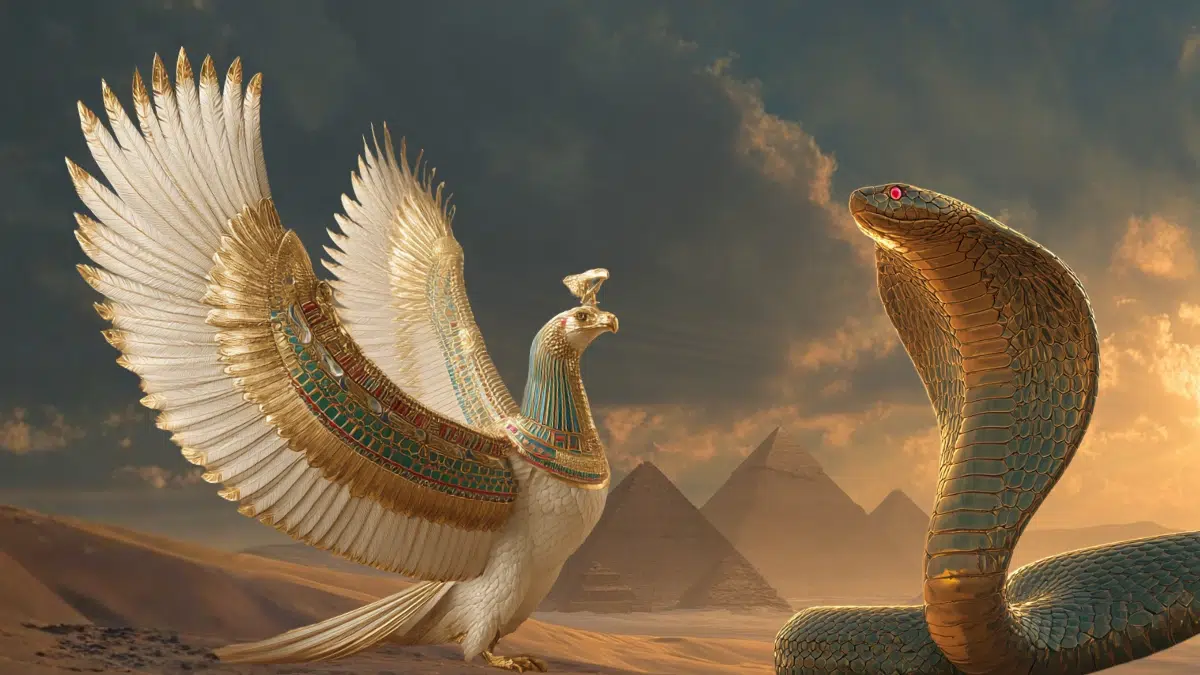
Nekhbet appears as a white vulture, wings outstretched in flight, often hovering over the pharaoh with her wings open in a protective gesture. In many images, she carries the royal shen ring, a symbol of eternal protection, or the ankh, the symbol of life.
She may also appear in human form. A woman wearing the vulture crown, sometimes with the tall White Crown of Upper Egypt (Hedjet). The vulture itself was seen by ancient Egyptians as a maternal and watchful bird. Always circling above and keeping her young safe. Nekhbet’s appearance emphasizes protection, motherhood, and royalty.
Wadjet the Upright Cobra
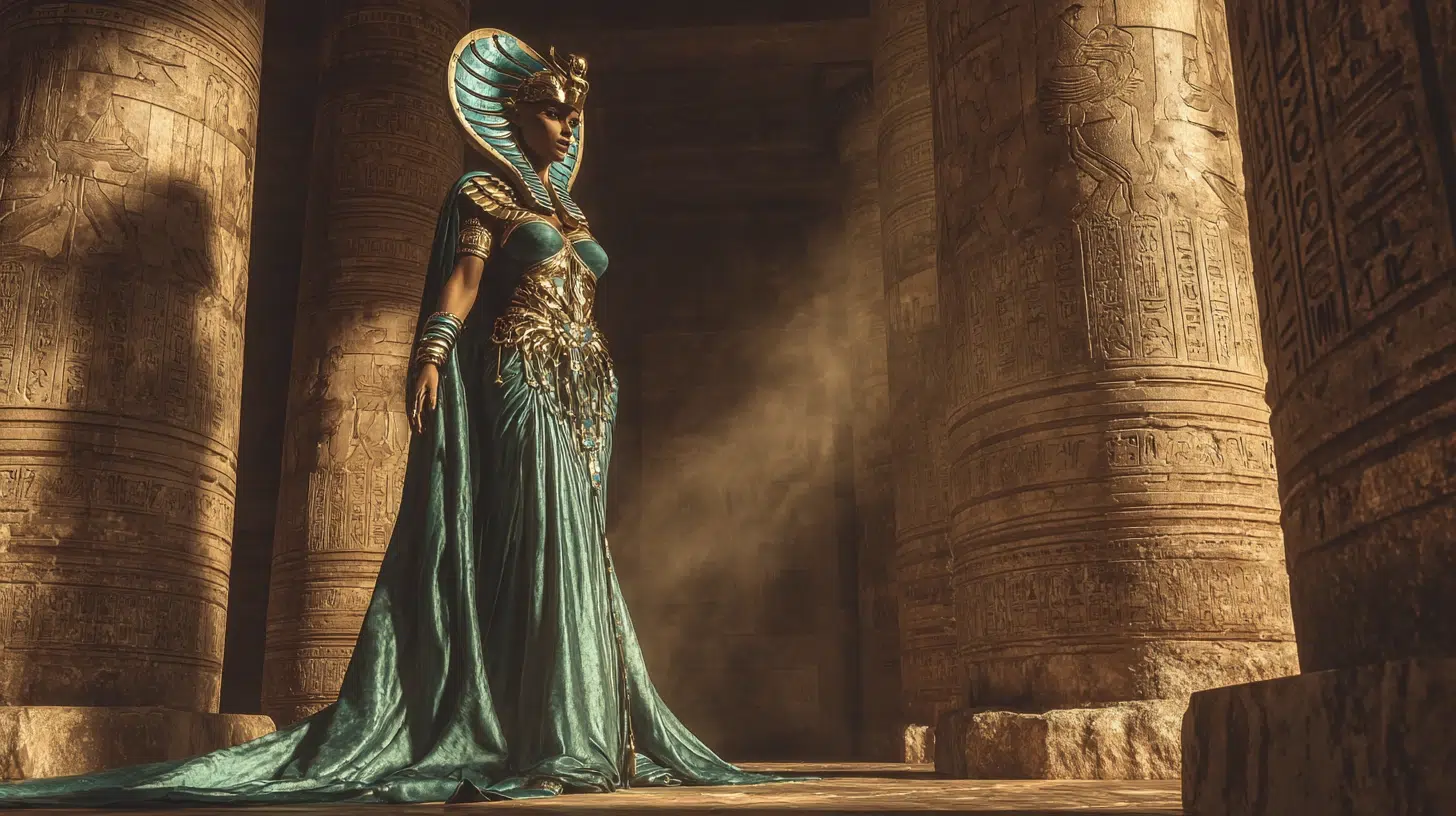
Wadjet takes the form of a rearing cobra, ready to strike. She is most famous as the uraeus—the upright cobra on the pharaoh’s forehead. This image is more than decoration. It is meant to spit fire at enemies, destroying threats before they reach the king.
She is often shown wearing the Red Crown of Lower Egypt (Deshret) and sometimes holds a papyrus stalk, which represents the Delta region she protects. In some depictions, Wadjet appears as a woman with a cobra head or with a cobra headdress.
In royal art, Nekhbet and Wadjet often appear side by side, spreading their wings or coiling above the pharaoh’s head. This combined image reflects the unity of the Two Lands and the goddess’s shared role as protectors of Egypt’s rulers.
Roles and Influence of Nekhbet and Wadjet
Nekhbet and Wadjet served as powerful protectors of both Egypt’s land and its king. Their presence stood for not just spiritual guardianship, but also for the political unity of Upper and Lower Egypt. A constant theme in ancient Egyptian rule.
Guardian of Upper Egypt
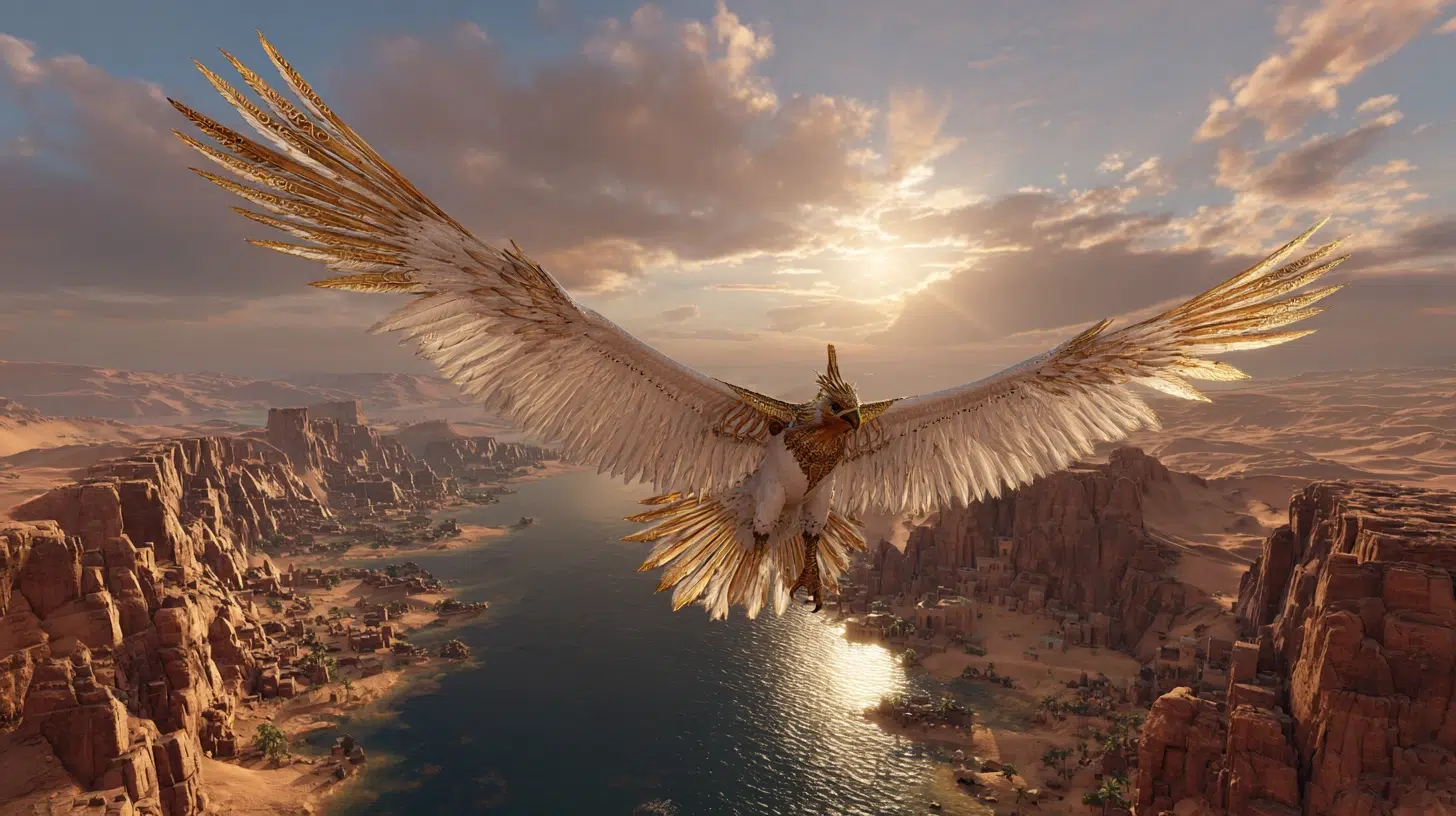
Nekhbet watches over Upper Egypt from the city of Nekheb, her main cult centre. She is deeply connected to royal motherhood. Many temple scenes show her spreading her wings to shield the king, queen, or even royal infants. She is also invoked during coronations and birth rituals.
Nekhbet becomes the spiritual mother of the king and sometimes even appears suckling infant pharaohs.
Her vulture form makes her a symbol of protection, loyalty, and high status. Vultures were ever-present protectors, circling high above and swooping in when danger nears. Nekhbet’s protective presence is tied to the pharaoh’s survival, especially in battle and in divine judgement.
Cobra of Lower Egypt
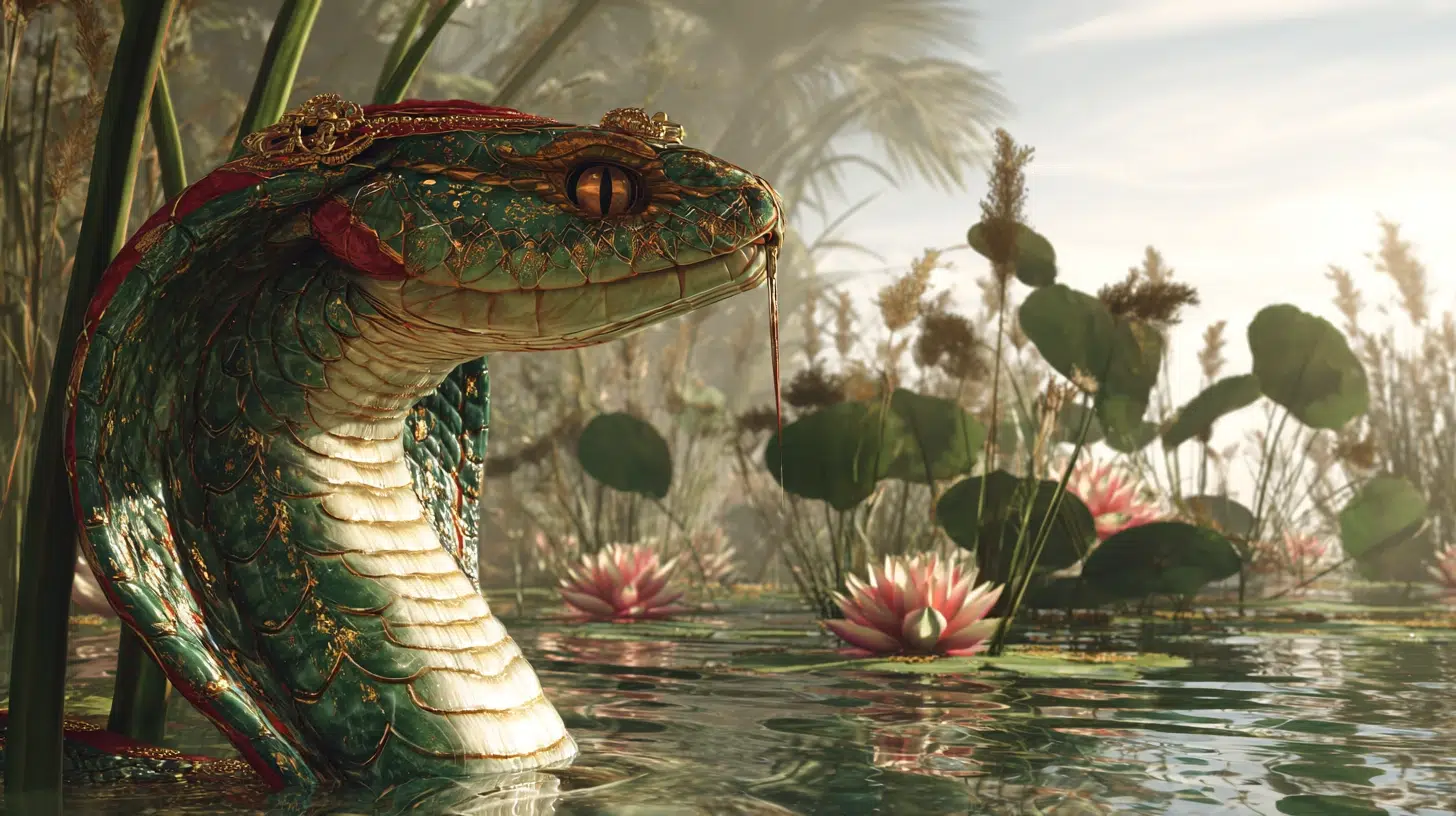
Wadjet’s influence comes from the lush, green Delta region. Her name, meaning “The Green One,” reflects her connection to fertility and land. She is also known as an Eye of Ra, acting as a fiery force of protection for the sun god—and, by extension, the king.
Wadjet becomes especially well-known for her role as the uraeus, the upright cobra on the pharaoh’s forehead. She was said to spit fire at enemies, guarding the king from harm. In some myths, she also helps protect Horus as a child, linking her to the divine right of kingship.
She has oracular power as well—her cult centre at Per-Wadjet (Buto) was known for prophecy and spiritual advice.
Together, they form the “Nebty” name, one of the five names every pharaoh holds. When placed side-by-side, these two goddesses show that the pharaoh rules both halves of Egypt, north and south, with divine support. They appear in temple art, royal regalia, and on crowns. Reminding all who see them that the king’s power is balanced, blessed, and protected.
Associated Myths of Nekhbet and Wadjet
1. Nekhbet the Mother of Mothers and Royal Protector
In ancient inscriptions and temple scenes, Nekhbet is often called the “Mother of Mothers.” She takes on the role of divine protector and wet nurse, not only to pharaohs but also to gods like Horus.
One early myth connects her to the birth of divine kingship.
In this story, Nekhbet hovers over the young king as a vulture, spreading her wings to shield him from harm. She carries the shen ring, symbolizing eternal protection, and places it above his crown. She also nourishes him with divine milk, granting him strength and legitimacy.
While not a warrior goddess, she offers powerful, passive protection. She appears in many birth chambers and coronation reliefs, ensuring the pharaoh is not just born with divine favour but ruled with it as well. Her role mirrors the importance of maternal guardianship, and shows how ancient Egypt valued the balance between strength and nurture.
2. Wadjet the Fiery Eye of Ra

Wadjet plays a major role in one of Egypt’s oldest myths: the story of the Eye of Ra. According to this tale, Ra sends his eye. Often personified as Wadjet to search for lost knowledge or punish disobedient humans.
As the Eye, Wadjet transforms into a fierce cobra, slaying enemies with fiery breath. When worn as the uraeus on the pharaoh’s brow, she is not just decoration. She actively protects the king by destroying enemies with her fire.
In later versions, she helps defend the child Horus from the god Set, nursing him alongside Isis in the marshes of the Delta.
This makes her both a mother figure and a warrior, capable of fierce action when needed. Her dual nature reflects Lower Egypt’s fertile yet dangerous terrain, lush but filled with hidden threats.
3. The Pairing of the Goddesses
When Upper and Lower Egypt unite under one crown around 3100 BCE, the kingship itself becomes a symbol of divine order. To reflect this, Nekhbet and Wadjet are paired as the “Two Ladies,” representing the balance of power across the land.
In this mythic concept, each goddess lends her strength to the pharaoh. Nekhbet offers maternal care and long-term protection, while Wadjet strikes down enemies and wards off threats.
Together, they ensure the king rules with balance, justice, and unity.
The “Nebty name,” one of the five royal titles, uses both goddesses to declare that the king has divine approval to rule both halves of Egypt. The pairing reflects Egypt’s focus on duality, night and day, desert and floodplain, life and death. It shows how even goddesses with different natures can work in perfect harmony.
Interesting Facts About Nekhbet and Wadjet
1. They Were Worshipped Before Pharaohs Ruled Egypt
Both Nekhbet and Wadjet have roots in the Predynastic Period, over 5,000 years ago. Their worship predates the unification of Egypt and shows how local goddesses became national symbols when Upper and Lower Egypt joined. Nekhbet was honoured in Nekheb (Elkab), and Wadjet in Per-Wadjet (Buto).
2. Their Symbols Are Built Into the Pharaoh’s Regalia
Wadjet becomes the uraeus, the cobra symbol that rises from the pharaoh’s brow, ready to strike at enemies. Nekhbet’s image as a vulture with spread wings often appears behind or above the king. Their symbols are not just religious. They are part of the pharaoh’s crown, robes, and titles, showing divine protection at all times.
3. The Red and White Crowns Represent Them
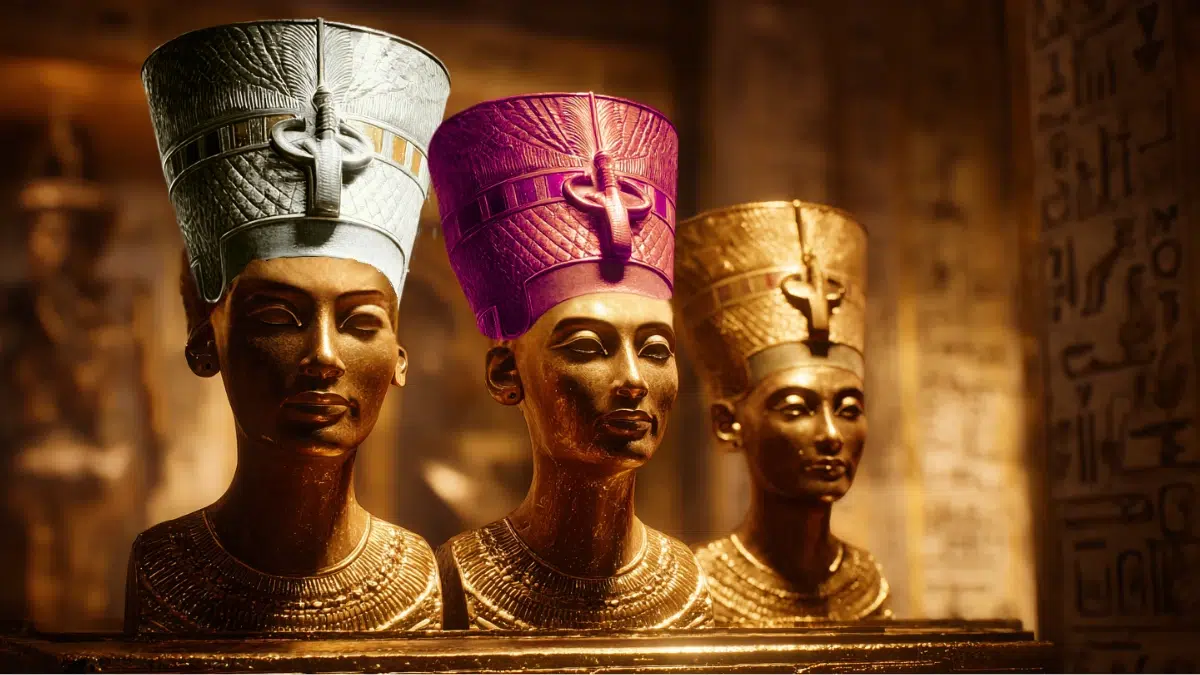
The White Crown (Hedjet) symbolizes Nekhbet and Upper Egypt. The Red Crown (Deshret) represents Wadjet and Lower Egypt. When combined, these form the Double Crown (Pschent). The ultimate mark of pharaonic authority.
Together, they represent a unified, balanced kingdom under the guardianship of the Two Ladies.
4. Wadjet’s Name Means “The Green One”
Wadjet’s name reflects the green, fertile lands of the Delta linking to papyrus. A plant associated with Lower Egypt, rebirth, and writing. Her colour is often green or blue, unlike the fiery red sometimes used for cobra goddesses in other traditions.
5. Nekhbet Protects Royal Children
Many temple carvings show Nekhbet nurturing and shielding royal infants, especially young pharaohs. She often appears with open wings around the baby king, offering life and divine right.
Conclusion
Nekhbet and Wadjet are more than symbols of north and south. They represent the heart of ancient Egypt’s belief in balance, unity, and divine rule. As protectors of the pharaoh, they offer both nurture and defence, showing how power must be guided by wisdom and order.
Nekhbet, with her vulture wings, wraps the ruler in maternal care. Wadjet, with her raised cobra hood, strikes down threats with divine force. Together, these “Two Ladies” form a partnership that echoes across Egyptian history, appearing in every royal name, crown, and temple wall.
Their legacy still inspires today. They remind us that true leadership requires both strength and protection. Unity is not just a goal, but something carefully guarded by those wise enough to honour both sides of a kingdom.