
Meaning Behind Each Greek Goddess Name From Athena to Nyx
Greek mythology has many powerful goddesses, each Greek goddess name has a special meaning. These names tell us about their roles, powers, and stories.
From goddesses of love and war to those of night and day, each one teaches something important. This blog explains who they are in simple words. Whether you’re new to mythology or just curious, you’ll enjoy learning about these amazing figures.
1. Athena – Goddess of Wisdom and War Strategy

Athena, Greek goddess name means “mind” or “divine intelligence.”
She stands for wisdom, war strategy, and fairness. People see her as a smart leader who solves problems. Athena carries a shield and often wears a helmet. She protects cities and teaches people how to think before they fight.
Her symbol is the owl, which also shows wisdom. Athena comes from Zeus, the king of the gods. Some stories say she appears fully grown from his head. That shows how powerful her mind is. Many cities, like Athens, honour her with temples and statues. She brings smart choices and strong leadership.
2. Artemis – Goddess of the Hunt and the Moon

Artemis means “safe one” or “butcher,” depending on the story.
She protects animals and wild places. Artemis uses a silver bow and arrow. She loves the moon and often shines under it. Artemis stays away from cities and enjoys the quiet forests.
She helps women during childbirth. She also keeps young girls safe. Artemis promises to stay single forever. She likes her freedom and space. Many people see her as strong and independent.
She acts fast when someone breaks a promise. Her twin brother is Apollo, the sun god. They work together to bring balance to nature.
3. Aphrodite – Goddess of Love, Beauty and Desire
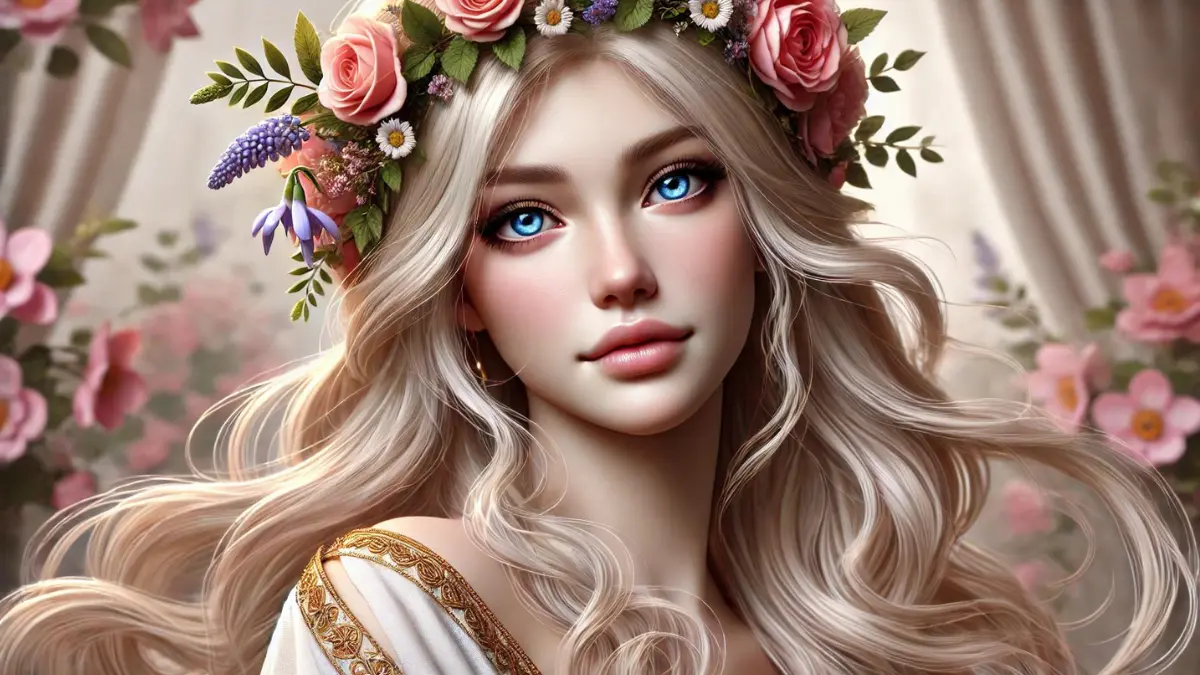
Aphrodite, the Greek goddess name means “born from sea foam.”
She comes from the ocean and shines with beauty. Aphrodite stands for love, desire, and joy. People often ask her to help with romance. Her symbols include the dove, rose, and seashell. She wears flowing clothes and charms everyone around her.
Aphrodite does not like war or fighting. She brings people together with kindness. Some stories say she causes trouble by making people fall in love. Even the gods pay attention to her. She reminds everyone that love is powerful. Aphrodite shows that beauty can change the world.
4. Demeter – Goddess of Harvest and the Seasons
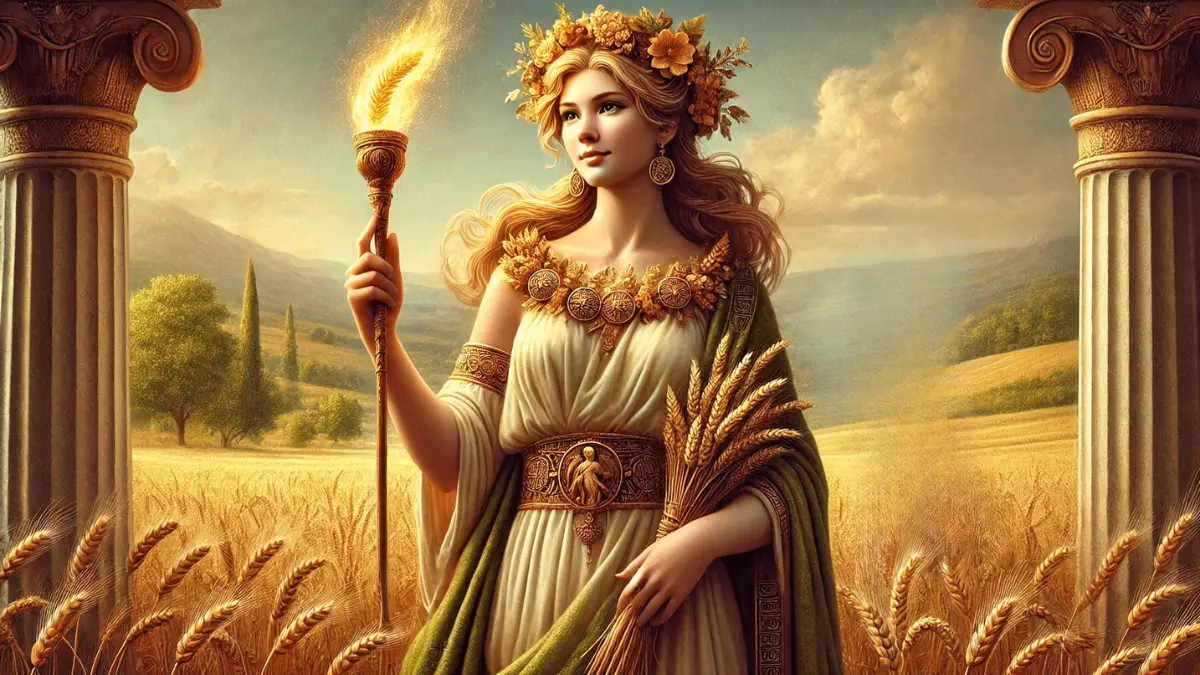
Demeter means “Earth mother.”
She looks after farms, plants, and the harvest. Demeter loves to see things grow. Her symbol is a bundle of wheat. She teaches people how to plant and store food. Demeter cares deeply for her daughter, Persephone.
When Persephone leaves, Demeter makes the world cold. That is why winter comes. When her daughter returns, the plants grow again. That brings spring and summer.
Demeter shows how love and loss affect the Earth. She gives food, warmth, and life. Many people honour her at harvest time. She helps the world stay green and full.
5. Hera – Goddess of Marriage and Queen of the Gods

Hera means “lady” or “protector.”
She is the queen of all gods and goddesses. Hera watches over marriage and family. People ask her for help with weddings and children. She wears a crown and sits on a throne. Hera stands tall and proud. She wants respect and loyalty.
Hera does not like lies or cheating. She cares deeply about her role as queen. Some stories show her as angry, but others show her strength. Her symbols are the peacock and cow. Hera reminds everyone to treat others with honesty and care. She brings order to the heavens.
6. Hestia – Goddess of the Hearth and Home
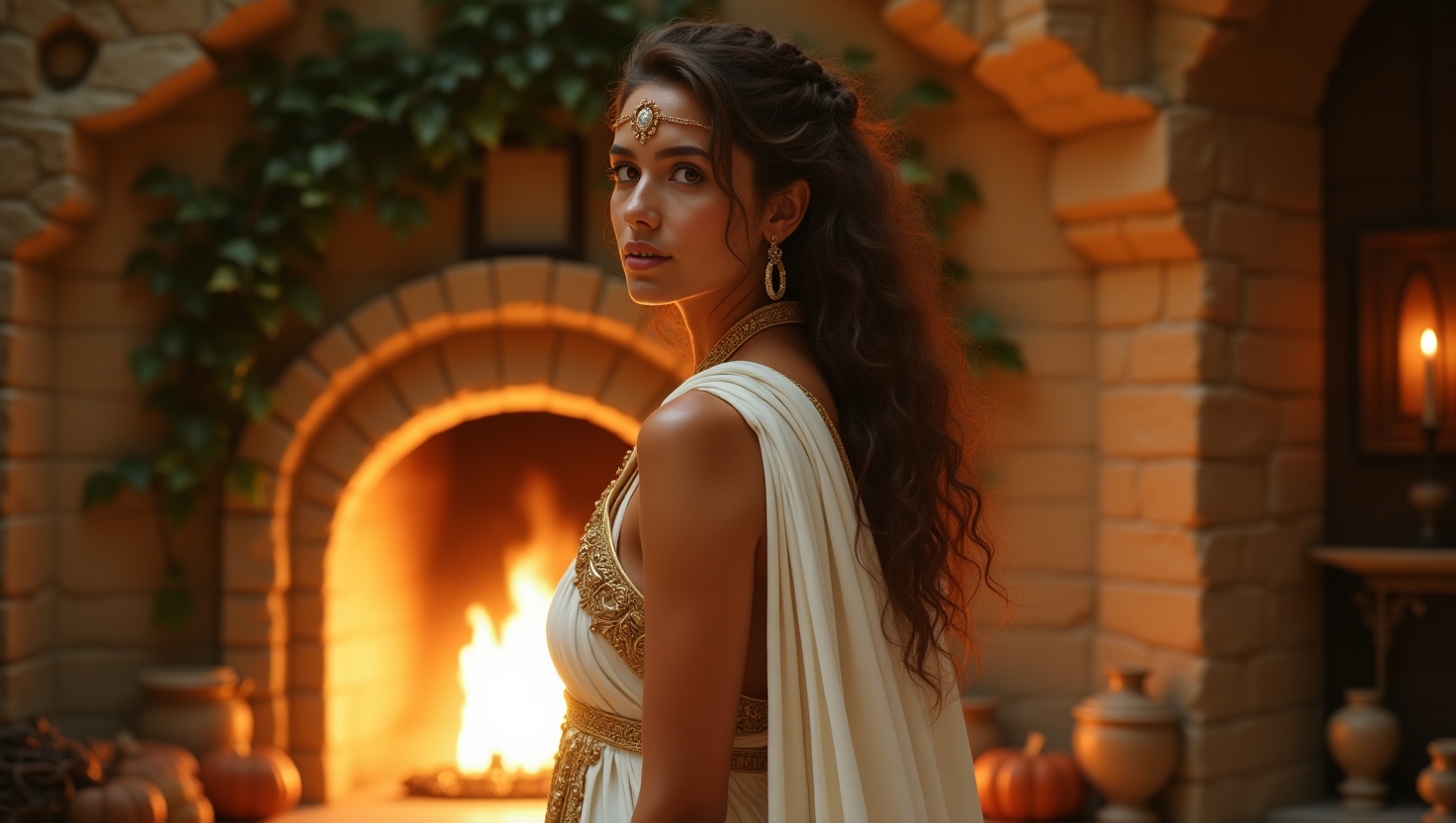
Hestia means “hearth,” which is the fire at the centre of the home.
She keeps families warm and safe. Hestia watches over cooking, food, and peaceful homes. People offer her the first part of every meal. She does not go on many adventures. Instead, she stays in the background and keeps things calm.
Hestia loves quiet places and kind hearts. Her fire never goes out. That shows her steady and gentle nature. Even though she does not fight, the other gods respect her. Hestia brings peace and comfort to every home. She keeps the heart of the family alive.
7. Persephone – Goddess of Spring and Queen of the Underworld
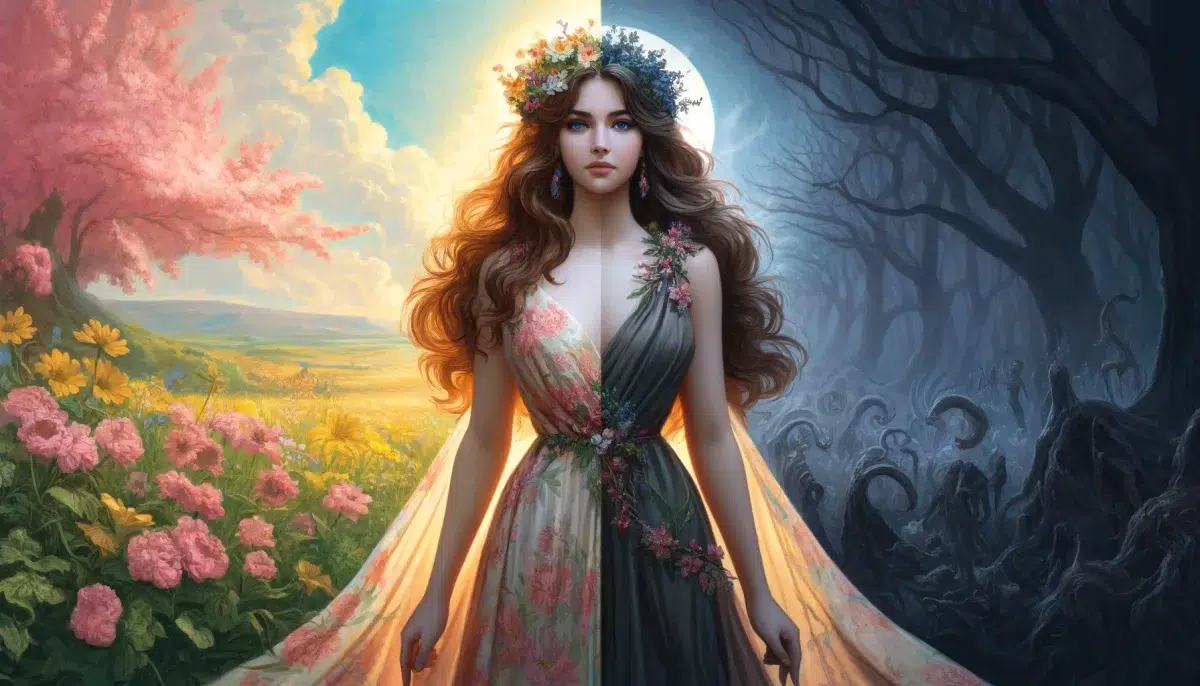
Persephone, her Greek goddess name means “bringer of destruction.”
That may sound scary, but she also brings life. She rules the underworld with Hades. At the same time, she helps plants grow in spring. Her story explains the seasons.
When Persephone stays in the underworld, the world becomes cold. When she returns, flowers bloom. Her mother is Demeter, who misses her deeply. People see Persephone as both gentle and strong. She lives in two worlds—light and dark.
Her symbols include flowers and torches. Persephone helps people understand change. She shows how to move between sadness and joy. She brings balance to life and death.
8. Gaia – Primordial Goddess of the Earth

Gaia means “Earth.” She is the goddess of the whole world.
Gaia gives birth to the sky, sea, and mountains. She is the mother of all life. People honour her as the first goddess. Gaia keeps everything in balance. She does not fight, but she stays strong. She watches over nature and helps plants grow.
Animals, people, and gods all live because of her. Gaia brings power through peace. Some stories say she rises from the ground. Others say she always exists. Her love fills the world. Gaia reminds everyone to care for the Earth.
9. Nyx – Primordial Goddess of Night
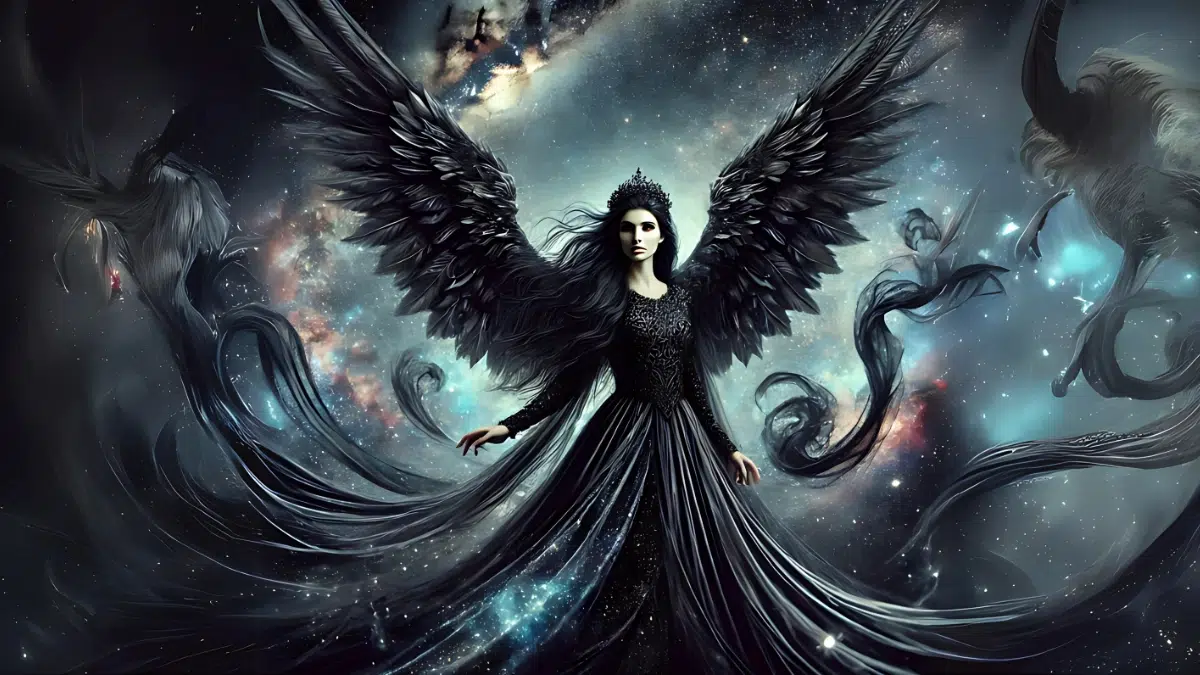
Nyx means “night.” She is the goddess of darkness and shadow.
Nyx controls the sky after the sun sets. Stars shine in her black cloak. Even Zeus shows respect for her. She gives birth to dreams, sleep, and even death. Nyx helps people rest and think deeply. She brings quiet and stillness.
Nyx moves silently but leaves a strong mark. Her presence feels both scary and peaceful. People honour her for guiding them through hard times. Her power does not come from light, but from mystery. Nyx shows that night can hold beauty and strength.
10. Nemesis – Goddess of Retribution and Justice
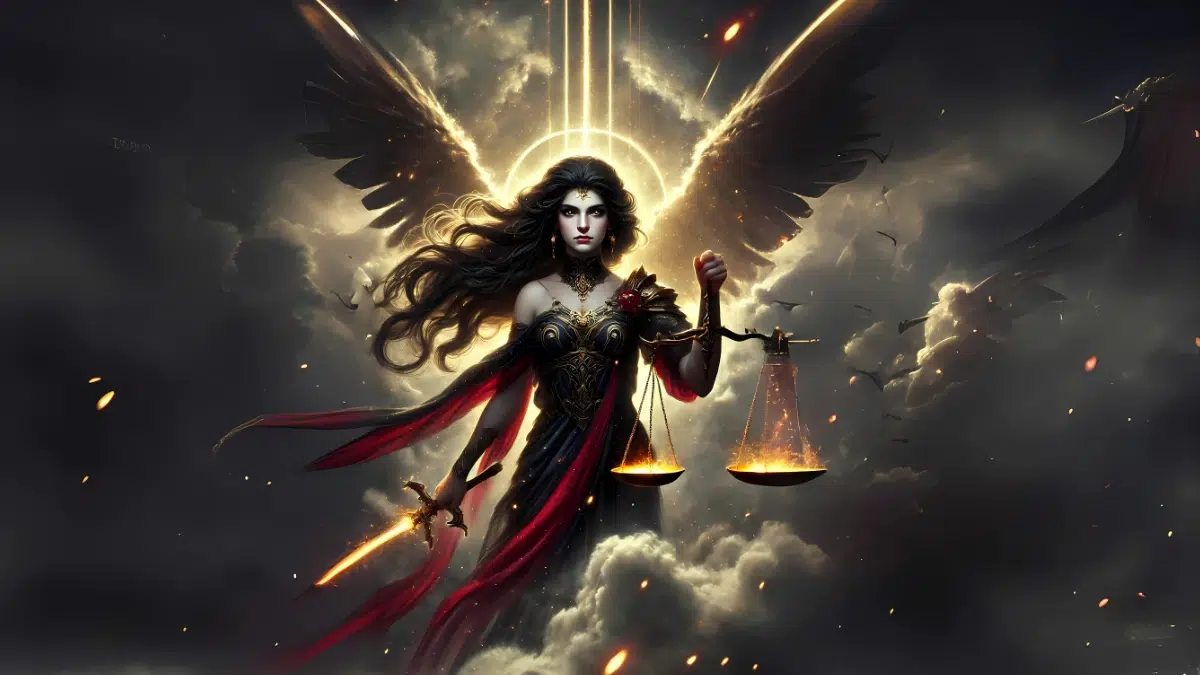
Nemesis means “to give what is due.”
She is the goddess of balance and justice. Nemesis punishes those who act with too much pride. She watches people and gives fair outcomes. If someone brags or cheats, Nemesis brings them down.
She does not act from anger. She brings what is fair. Her symbol is a scale or a sword. Nemesis teaches people to be humble. She works quietly but always finds a way. Her power keeps things equal. People know they cannot run from her. Nemesis reminds everyone to treat others with respect and fairness.
11. Hecate – Goddess of Magic and Witchcraft

Hecate, Greek goddess name means “worker from afar.”
She is the goddess of magic, witchcraft, and crossroads. Hecate holds two torches and lights the way at night. She helps people make hard choices. People ask for her help during full moons.
She guards doors, graveyards, and paths. Dogs often follow her. Hecate knows many secrets and speaks to spirits. She brings power to spells and protects those who honour her.
Some call her the Queen of Witches. She moves between the living and the dead. Hecate shows that wisdom can grow in dark places. She reminds us to trust our inner strength.
12. Eos – Goddess of the Dawn

Eos means “dawn.”
She is the goddess of the morning light. Each day, Eos opens the gates of the sky. She rides across the world with rosy fingers. Her light wakes the birds and warms the land. Eos brings hope and fresh beginnings.
Her job is important but quiet. She moves fast and never stops. Some stories say she loves a man who never dies. That brings her joy and sadness. Her golden hair shines like the sun. Eos shows that even small moments can bring light. She reminds everyone to welcome each new day with a full heart.
13. Melinoë – Goddess of Ghosts, Nightmares, and Spirits

Melinoë means “having the colour of quince,” which is pale and ghostly.
She is the goddess of ghosts, spirits, and nightmares. Melinoë moves through the world at night. She helps souls cross into the afterlife. Some stories say she is the daughter of Hades and Persephone. She brings dreams that feel both real and strange.
People light candles for her to find peace. Melinoë is not evil, but she can be scary. She helps people understand their fears. Her presence feels cold and quiet. Melinoë reminds us to face what hides in the dark. She brings truth through shadow.
14. Macaria – Goddess of Peaceful Death

Macaria means “blessed death.”
She is the goddess of peaceful death. Macaria does not bring pain or fear. Instead, she offers rest after a full life. She helps good souls leave the world with honour. People believe she is the daughter of Hades.
She guides the kind and brave to a gentle end. Macaria stands in the light of the underworld. Her presence feels calm and quiet. She does not chase or punish. She waits with open arms. Macaria reminds us that death can be kind. She shows that every life has beauty, even at the end.
15. Ananke – Primordial Goddess of Fate, Necessity, and Inevitability
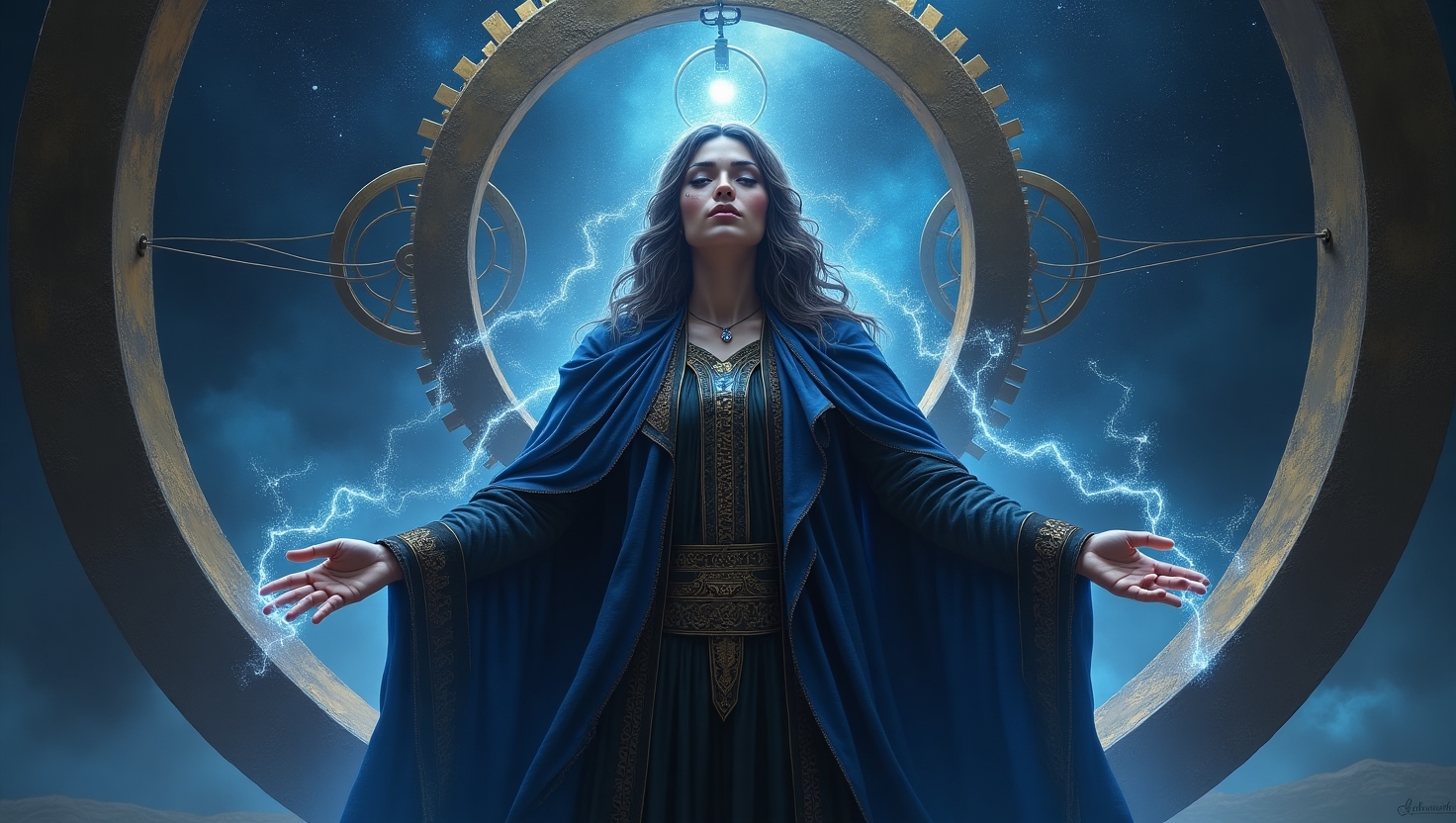
Ananke means “necessity” or “force.”
She is the goddess of fate and time. Ananke controls things that must happen. Even gods cannot escape her power. She wraps the universe in unbreakable rules.
Her presence feels quiet but strong. Ananke does not show feelings. She follows the path that must be. Some stories say she appears as a serpent or binds the stars.
She works with Chronos, the god of time. Together, they shape the world. Ananke reminds us that some things happen for a reason. She shows that destiny holds its own kind of wisdom.
16. Hemera – Goddess of Daylight
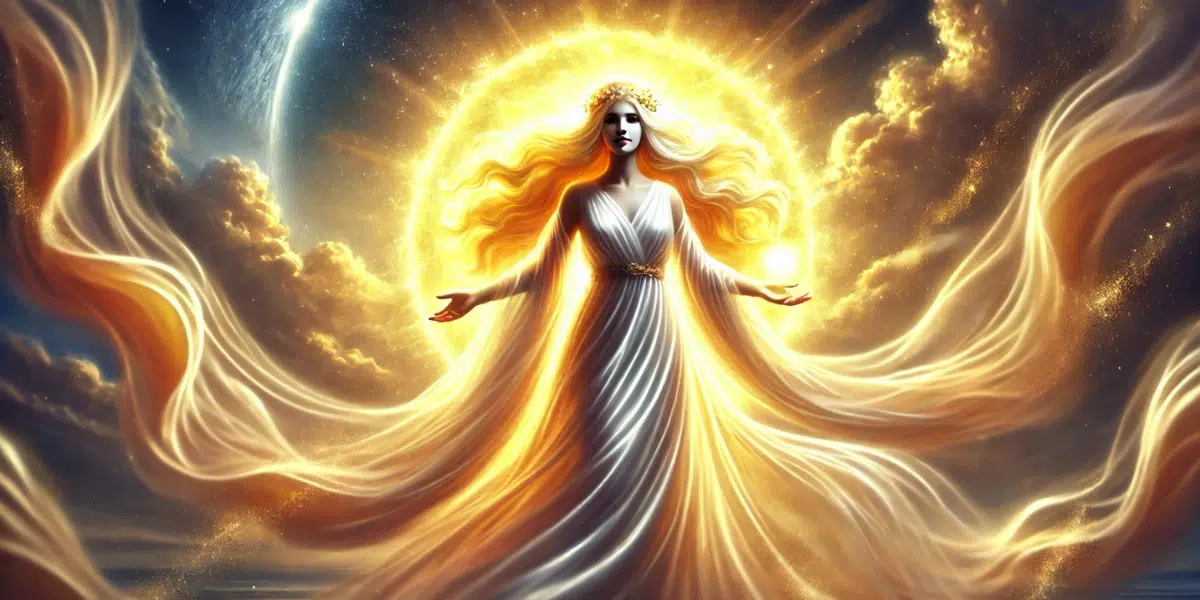
Hemera means “day.”
She is the goddess of daylight. Hemera rises when her mother, Nyx, fades into the shadows. She fills the sky with soft light. Her glow helps plants grow and warms the earth.
Hemera brings safety, vision, and new chances. She clears the darkness and opens paths. Even though her role is quiet, it matters to all life. Without her, nothing wakes. Hemera works gently but never fails. People see her in the morning sun. She reminds everyone that even a little light brings hope. Hemera shows that day always returns.
17. Eris – Goddess of Strife, Chaos, and Discord

Eris means “strife.”
She is the goddess of chaos and fighting. Eris likes to stir things up. She watches arguments, battles, and harsh words. Some fear her, but others see her as needed. Eris shows what happens when people lose control.
She tosses the golden apple that starts the Trojan War. Her power causes trouble, but also teaches. She makes people think before they speak. Eris shows how small actions can grow into big problems. Her presence brings loud change. Eris reminds everyone that peace takes work. She shows the cost of pride and conflict.
18. Enyo – Goddess of War and Destruction
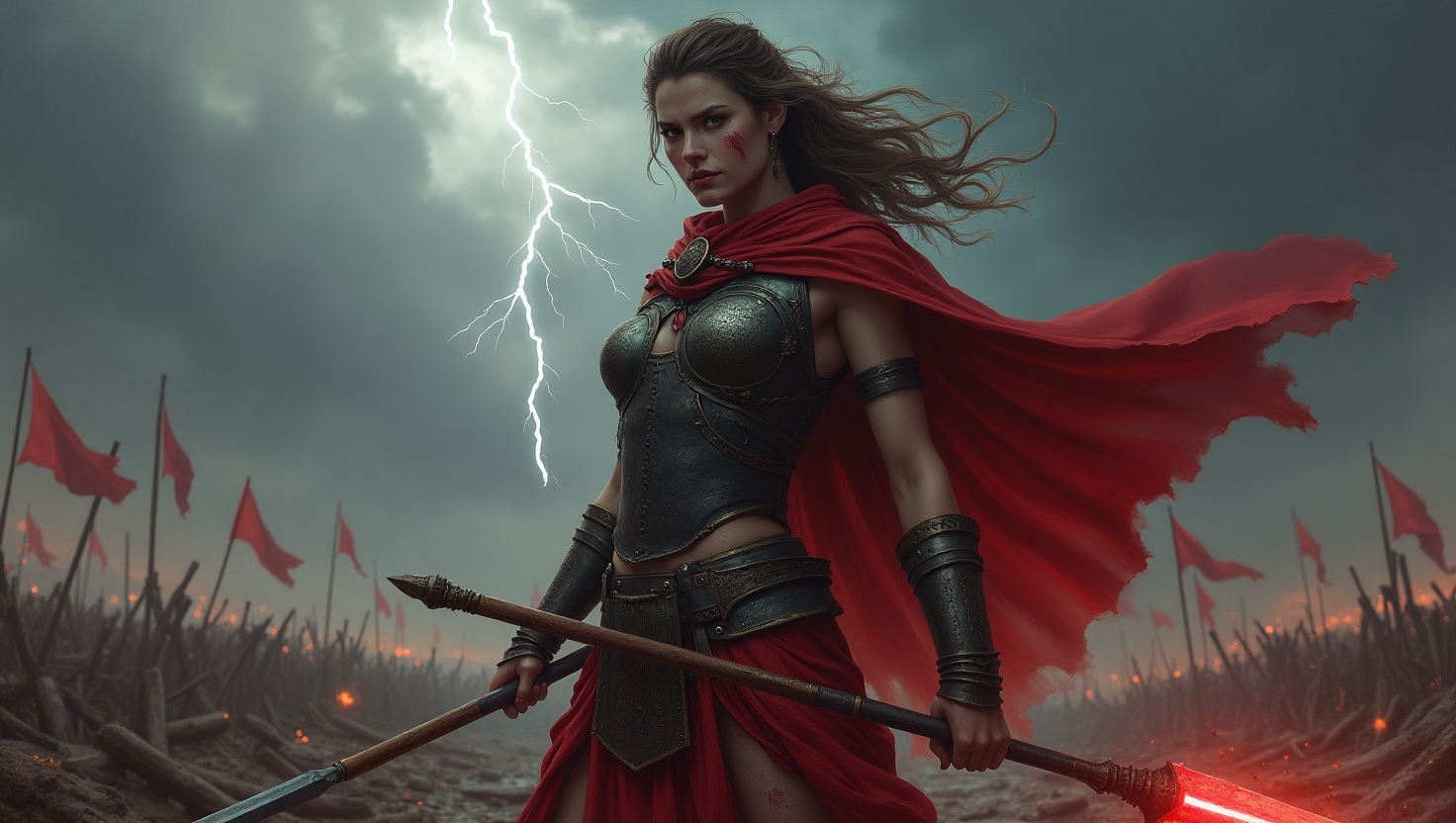
Enyo means “warlike.”
She is the goddess of battle and destruction. People call her the female Ares. She moves with soldiers and watches over bloodshed.
Enyo brings the roar of war and the crash of armour. She enjoys chaos in battle but does not fight for one side. Enyo stays calm while everything falls apart. Her role is to witness the power of war.
She shows the harsh truth of conflict. Enyo walks through fire and leaves silence behind. People fear her but also respect her. She reminds everyone that war changes everything.
19. Harmonia – Goddess of Harmony and Peace

Harmonia, Greek goddess name means “harmony” or “balance.”
She is the goddess of peace and unity. Harmonia helps people get along. She brings calm to chaos and joy to anger. Her parents are Ares and Aphrodite. She brings balance between love and war.
At her wedding, the gods give her a beautiful necklace. That gift brings both peace and pain. Harmonia works quietly to heal hearts. She shows that true strength lies in kindness. Her presence feels gentle but firm. Harmonia teaches people to listen. She reminds everyone that peace is something we create together.
20. Tyche – Goddess of Luck, Fortune, and Chance
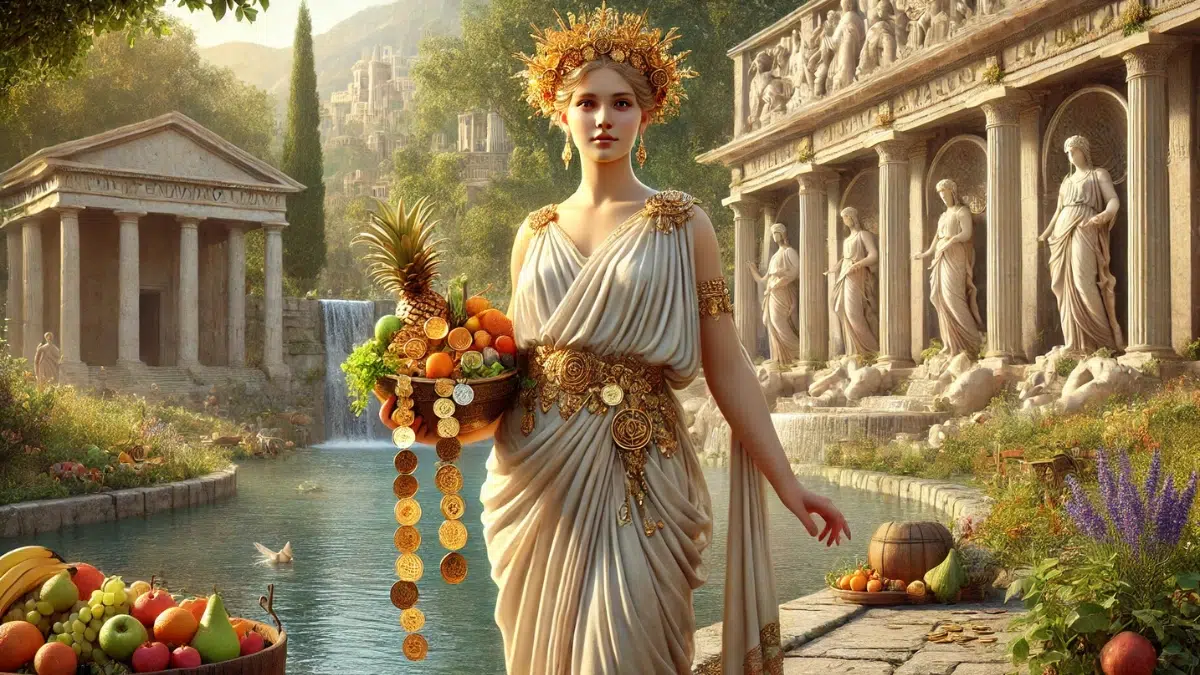
Tyche means “luck” or “fortune.”
She is the goddess of chance and surprise. Tyche controls how events turn out. She may bring good luck or take it away. Cities often build statues to honour her. She holds a cornucopia full of gifts.
Sometimes she wears a crown shaped like a wall. That shows her power over cities. People pray to her before big moments. Tyche does not always play fair. She keeps things exciting and unknown. Her ways feel random, but they shape lives. Tyche reminds everyone that luck can change fast.
21. Eileithyia – Goddess of Childbirth and Labour
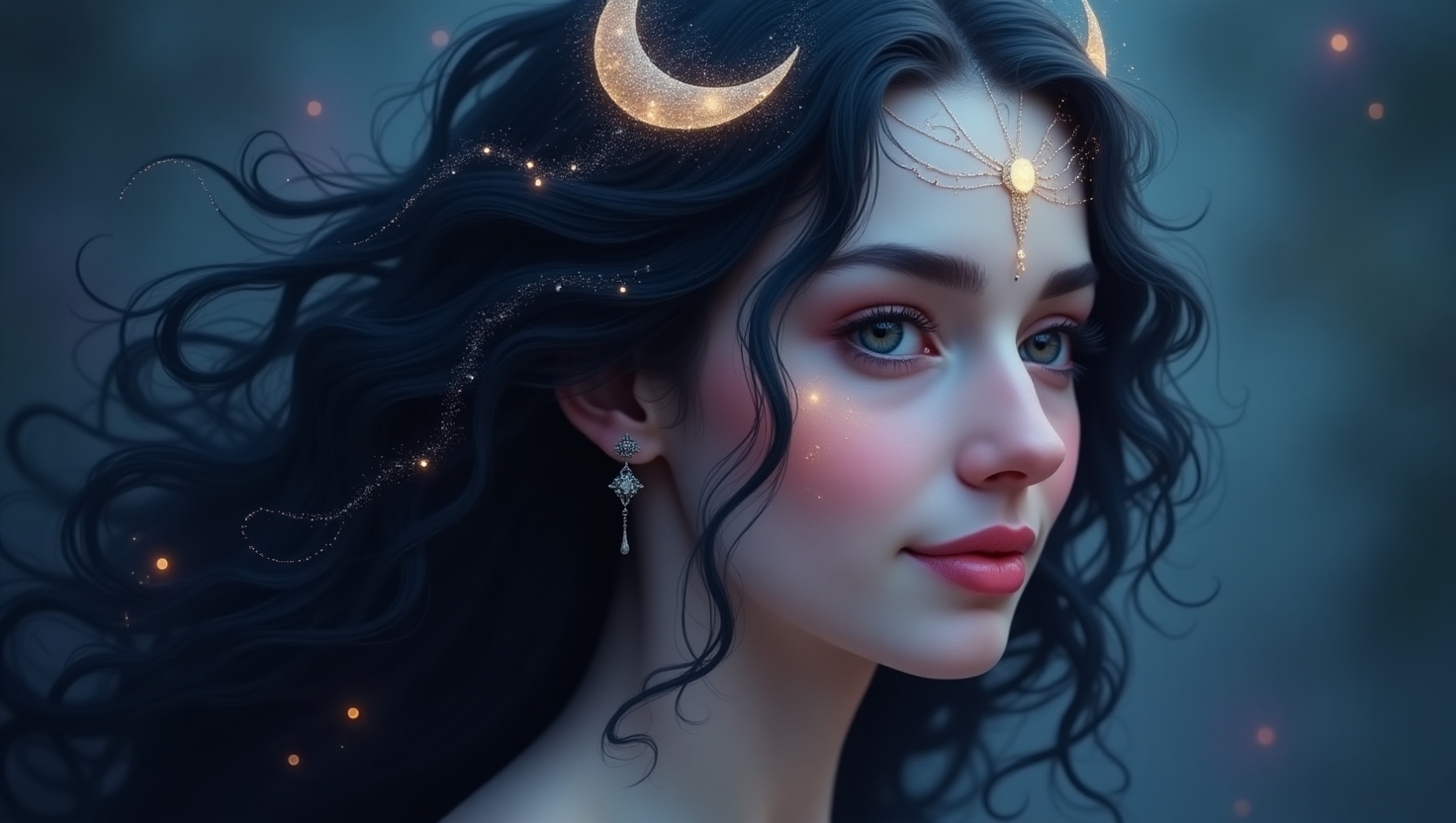
Eileithyia, Greek goddess name means “to bring forth.”
She is the goddess of childbirth. Eileithyia helps babies come into the world. She watches over mothers and midwives. When she arrives, labour begins. She stays until the child is born. People pray to her for safe delivery.
Eileithyia brings both pain and joy. Her presence means life is starting. She is one of the oldest goddesses. Even Hera trusts her help. Eileithyia shows that birth is powerful. She reminds everyone that every life begins with strength. She honours the start of every human journey.
So What’s in A Greek Goddess Name?
Greek goddesses show us many sides of life—love, war, peace, magic, and more. Their names carry stories that still inspire people today. Knowing what each name means helps us understand their powers and symbols. These goddesses remind us that strength comes in many forms. Keep exploring mythology—you never know what lessons you’ll find next.