A Light Crossbow is Your Perfect Companion
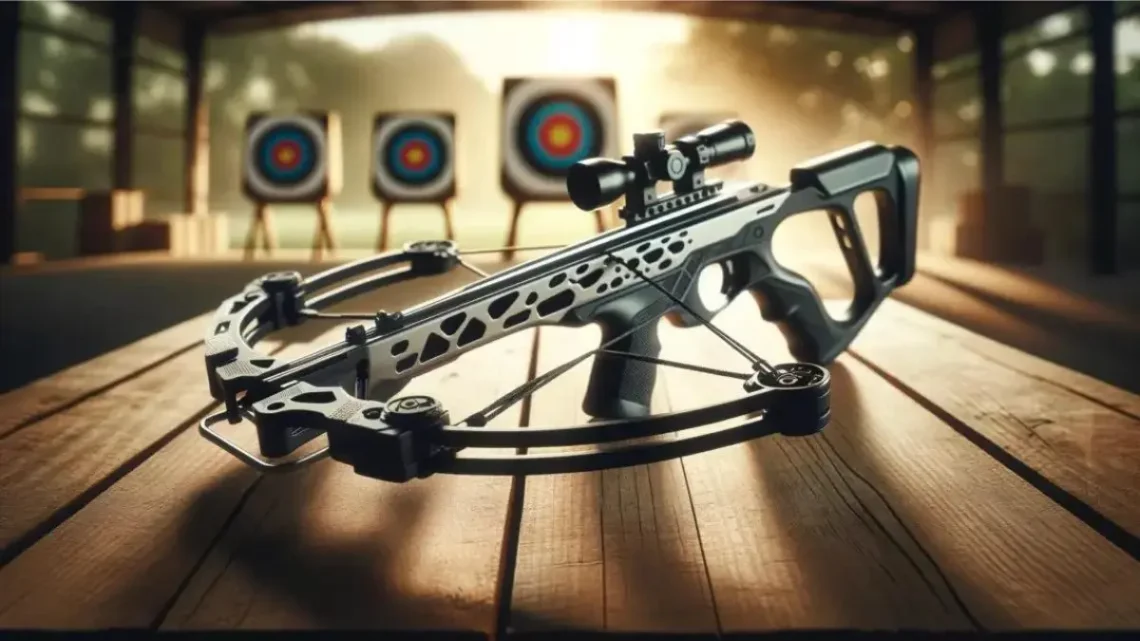
In the realm of target shooting, a light crossbow emerges as an excellent choice for enthusiasts and experts alike.
While traditional bows and heavy crossbows have their place, a light crossbow offers distinct advantages.
It combines ease of handling with precision, making it a quintessential tool for honing shooting skills.
This section delves into the five compelling reasons that illuminate why a light crossbow stands out as an exemplary companion for target shooters, encompassing features such as portability, ease of use, and accuracy that contribute to its growing popularity in the sport of archery.
- Portability for convenience
- Simplicity in operation
- Quick learning curve for beginners
- Precision and accuracy
- Comfortable for extended use
Historical Background and Progression
The light crossbow has a storied history dating back to ancient China.
Throughout the centuries, it evolved from a military weapon to a sport shooting apparatus.
During the medieval period, crossbows diversified with lighter versions for faster reloading.
The 19th century’s sportification of archery brought the light crossbow into competitive arenas.
Technological advancements have since optimized these weapons for precision and ease, offering:
- Enhanced materials for durability and weight reduction
- Mechanisms for improved accuracy and consistency
- Ergonomic designs for shooter comfort
- Standardized specifications for competitive shooting
- Accessibility for enthusiasts of all skill levels
Learn more about: Crossbows and Longbows – Pros and Cons
Key Principles and Concepts of the Light Crossbow
- Portability: A light crossbow’s lightweight design makes transport and maneuverability effortless during target shooting sessions.
- Accuracy: Such crossbows typically feature precise sighting systems, enhancing shooting accuracy for both novices and veterans.
- Ease of Use: The simple mechanism of a light crossbow allows for quick mastery, making it suitable for shooters of all skill levels.
- Minimal Physical Strain: The light crossbow’s reduced weight and mechanized operation lessen physical exertion, allowing for extended practice without fatigue.
- Versatility: These crossbows are adaptable to various shooting conditions and targets, offering a broad range of use within the sport of archery.
Current Trends and Applications
The use of light crossbows in target shooting has seen a resurgence, influenced by several factors:
- Innovative Designs: Manufacturers are now offering light crossbows with ergonomic features and adjustable components to cater to a wide range of users.
- Outdoor Recreation: An increase in outdoor activities has fueled interest in archery and crossbow shooting as accessible forms of recreation and skill development.
- Competitive Shooting: Light crossbows have become popular in competitive shooting events, with specific categories for their use to ensure fair competition.
- Youth Involvement: They serve as an ideal introduction to archery for younger shooters due to their manageable size and lower draw weight.
- Survival Training: There is a growing trend of including light crossbows in survival training programs for their simplicity and effectiveness in varied conditions.
Challenges and Controversies Surrounding the Light Crossbow
While lauded for its ease and accessibility, the light crossbow faces scrutiny.
Purists argue it diminishes traditional archery skills, oversimplifying the sport.
Critics also voice concerns over safety, noting that its resemblance to firearms could lead to misuse or heightened regulation.
Moreover, the debate on whether crossbows should be permitted during archery seasons for hunting persists.
Environmental impact is another point of contention, as retrieval rates of bolts can be lower than arrows, leading to litter and potential harm to wildlife.
Despite its appeal, the light crossbow must navigate a landscape of ethical and regulatory challenges.
Future Outlook and Potential Developments
The light crossbow industry is poised for innovative advancements. Anticipated developments include:
- Enhanced Materials: The integration of stronger, lighter composites will likely create even more manageable and durable crossbows.
- Improved Accuracy: Technological advancements may lead to enhanced sighting systems, potentially incorporating digital displays for precision targeting.
- Quiet Mechanisms: Noise reduction features are expected to evolve, making light crossbows quieter and more suitable for discrete target practice.
- Customization Options: A growing demand for personalized crossbows is leading to a market with more accessories and customization choices tailored to the shooter’s preferences.
- Sustainability Efforts: As environmental concerns increase, eco-friendly materials and manufacturing processes will become more prevalent in crossbow design and production.