Laskarina Bouboulina: The Courageous Greek War Naval Admiral
Laskarina Bouboulina stands as a key figure in Greek history. She plays a crucial role in the Greek War of Independence against the Ottoman Empire.
Born in 1771, she uses her wealth and fleet to support the fight for freedom. Bouboulina commands her own ships and leads troops with courage inspiring many and earning respect for her leadership.
Her legacy lives on as a symbol of bravery and determination. Today, people honour her contributions to Greek independence. Her story teaches us the power of courage and dedication in the face of adversity.
Early Life of Laskarina Bouboulina
Laskarina Bouboulina was born on May 11, 1771, in Constantinople. Her family had a rich history and deep roots in the region.
Her father, Stavrianos Pinotsis, participated in the Orlov Revolt against the Ottoman Empire. His involvement led to his imprisonment, which brought hardship to the family.
After her father’s arrest, Laskarina and her mother faced many challenges. They decided to move to Hydra, seeking a new start. Hydra provided a safer environment, but the family continued to face difficulties. Despite this, they remained strong and resilient.
New Start in Spetses
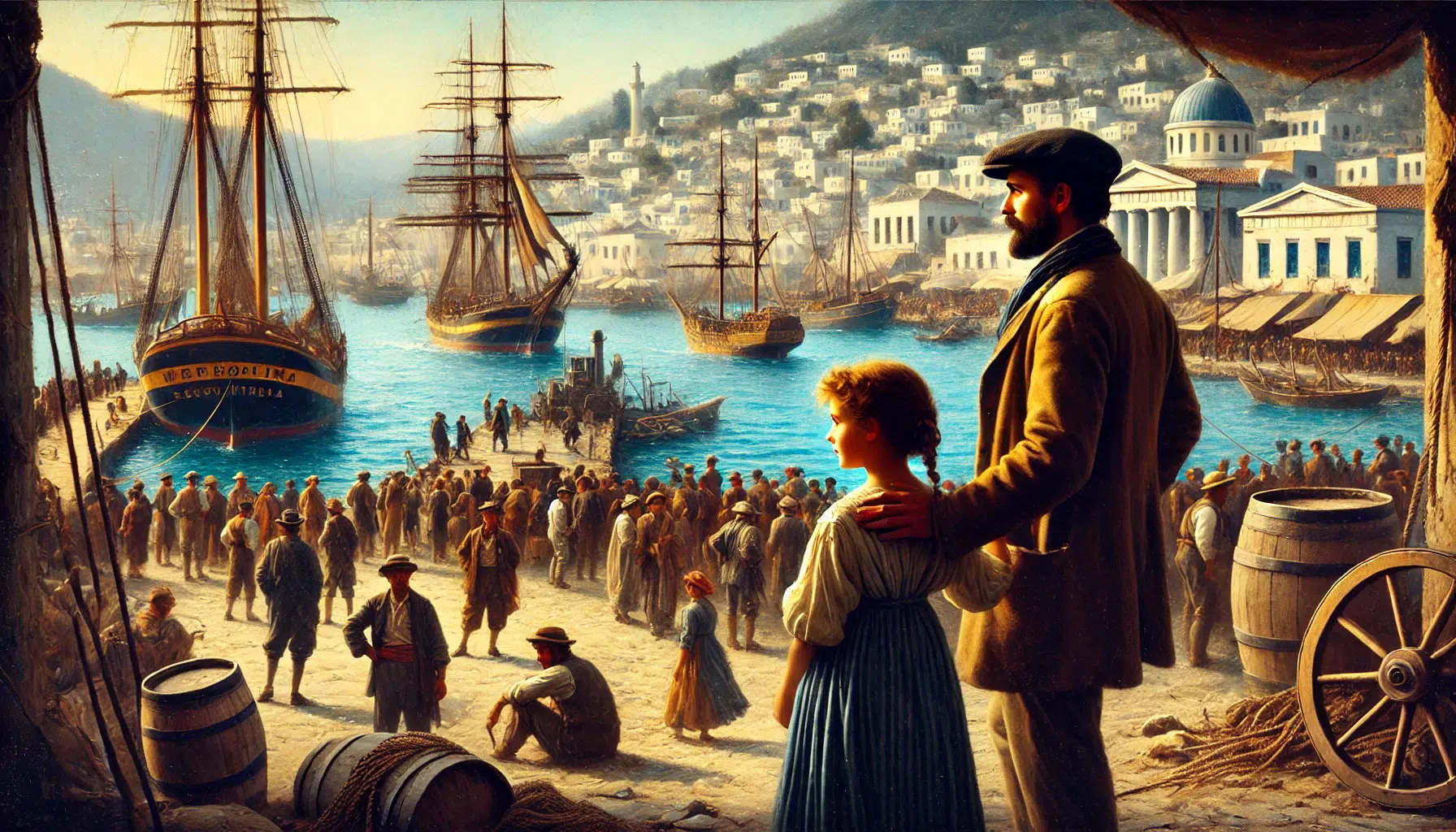
Eventually, Laskarina’s mother married again. Her new husband was a shipowner from Spetses. This marriage changed their lives and opened new opportunities. The family relocated to Spetses, a small but vibrant island. This move proved significant for young Laskarina.
In Spetses, Laskarina found herself surrounded by the sea and the bustling life of a naval community. She learned about ships, trade, and navigation. Her stepfather’s work as a shipowner influenced her greatly. Laskarina showed a keen interest in maritime activities from an early age.
Laskarina Bouboulina’s early life set the stage for her future as a naval commander. Her experiences in Hydra and Spetses shaped her character and skills.
Despite many challenges, she grew into a determined and capable woman. Her background played a crucial role in preparing her for her significant contributions to the Greek War of Independence.
Personal Life and Marriages of Laskarina Bouboulina
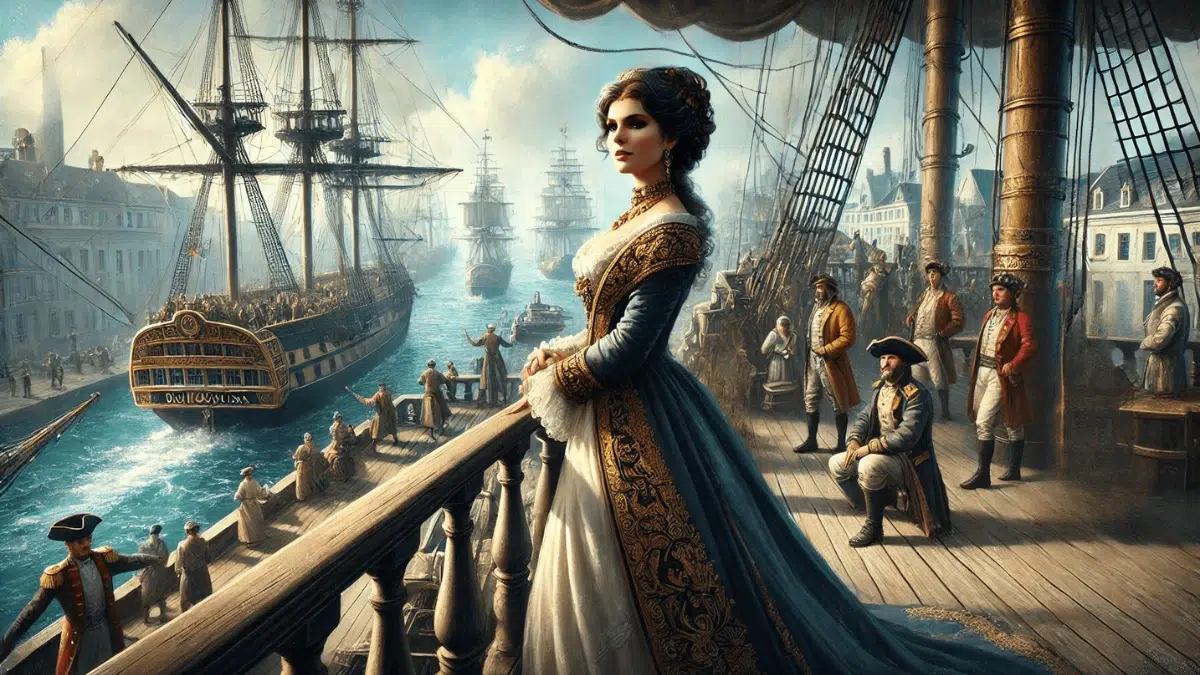
Laskarina Bouboulina marries Dimitrios Yiannouzas, a wealthy shipowner when she was 17 years old. He supports her interest in naval activities. They build a strong partnership, both in marriage and in business. Unfortunately, Dimitrios was killed by Algerian pirates in 1797. His death leaves Laskarina widowed at a young age of 26.
Laskarina then marries Dimitrios Bouboulis, another prominent shipowner when she was 30 years old in 1801. This union brings stability and further involvement in the shipping industry. Dimitrios Bouboulis also supports her maritime interests. They work together, expanding their fleet and business. Tragically, Dimitrios dies during a naval battle against Algerian pirates. Bouboulina is again a widow in 1811.
Bouboulina had three children with her first husband and four children with her second husband.
Widowed a Second Time
After his death, Laskarina inherits a significant fortune. She gains control of a large fleet of ships. Her wealth and resources empower her to take on new challenges. She becomes deeply involved in the shipping business. Laskarina shows exceptional skill in managing her fleet and finances.
Her leadership in the shipping business gains respect from peers and rivals. She proves herself as a capable and determined leader. Laskarina’s fleet becomes one of the largest in Greece. Her business success also funds her future involvement in the Greek War of Independence.
Laskarina Bouboulina’s personal life and marriages shape her path to becoming a notable figure. The deaths of her husbands bring challenges, but also opportunities. Her resilience and determination allow her to thrive. Laskarina’s ability to manage and expand her fleet plays a crucial role in her later achievements.
Through her marriages and personal experiences, Laskarina gains valuable skills and resources. She uses these to support Greece’s fight for independence. Her personal journey highlights her strength and capability. Laskarina Bouboulina stands as a symbol of perseverance and leadership. Her story inspires many, showing the impact one person can have through courage and dedication.
Involvement in the Greek War of Independence
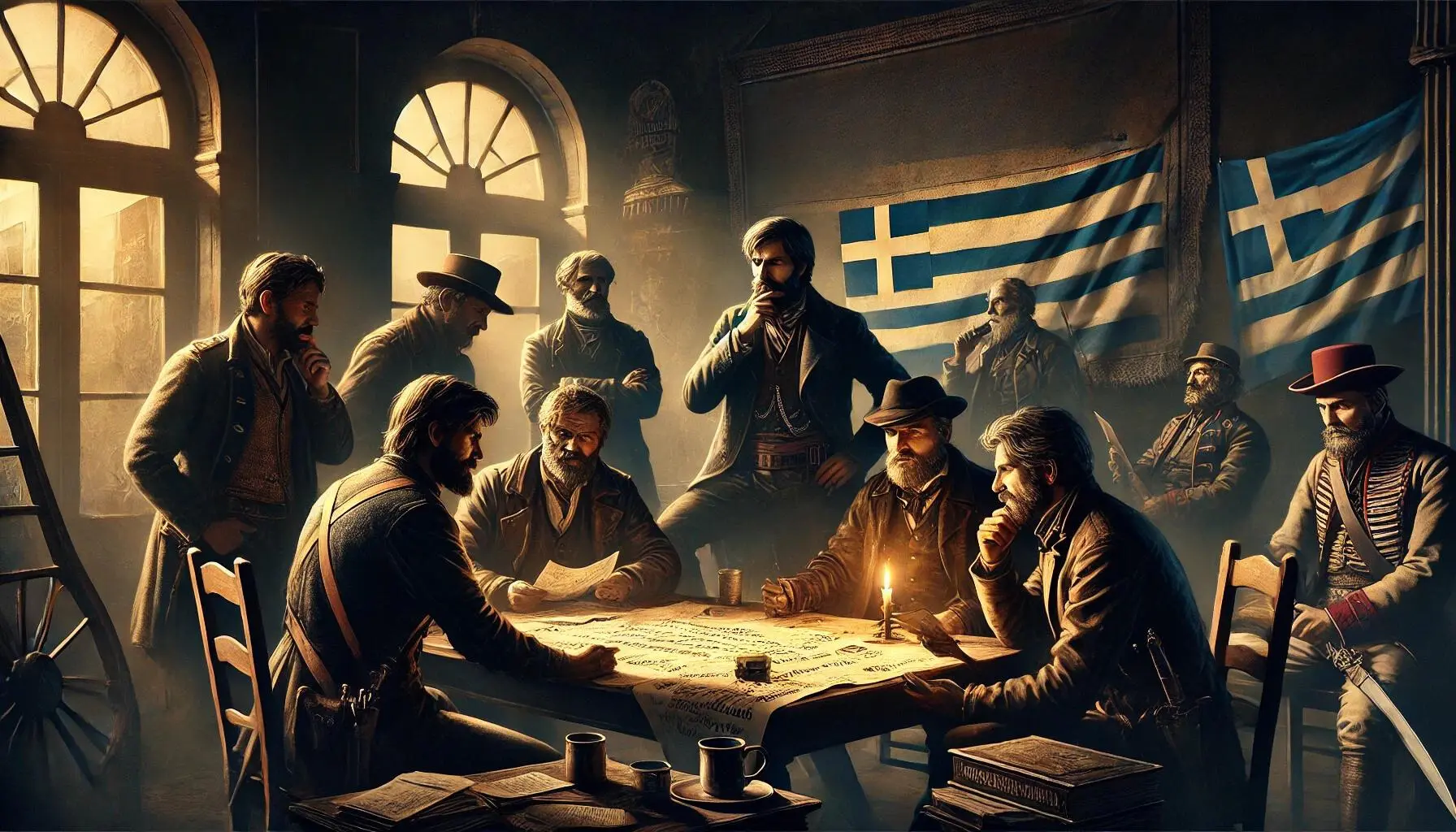
Greek War of Independence and the role of the Filiki Eteria
The Greek War of Independence, beginning in 1821, marks Greece’s struggle to break free from Ottoman rule. The war lasts until 1829, resulting in Greece’s independence.
The Filiki Eteria, or Society of Friends, plays a crucial role in this revolution. Founded in 1814, this secret organization unites Greek patriots and prepares for an uprising against the Ottomans. Members of the Filiki Eteria plan and coordinate rebellions, spread revolutionary ideas, and gather resources.
Their efforts ignite the Greek people’s desire for freedom, leading to a successful fight for independence and the establishment of a sovereign Greek state.
Laskarina Bouboulina Joins the Filiki Eteria
Laskarina Bouboulina joins the Filiki Eteria in 1818. This secret organization works to overthrow Ottoman rule in Greece. Laskarina’s commitment to the cause becomes evident through her actions and leadership.
Laskarina uses her wealth to construct and arm a powerful ship, the Agamemnon.
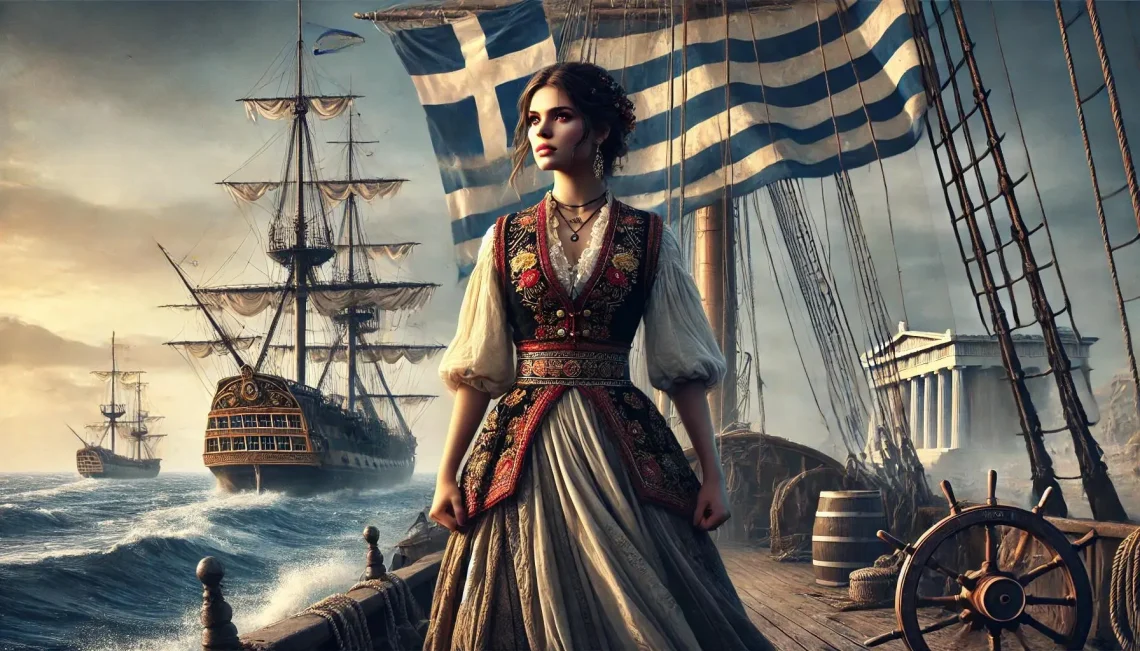
In a bold move, Laskarina raises the Greek flag on Agamemnon. This act symbolizes defiance against the Ottoman Empire and inspires others to join the struggle. Laskarina initiates several naval strategies and tactics against the Ottomans.
Naval Strategies and Tactics
Laskarina’s leadership and strategic planning prove vital in these naval operations. She coordinates with other Greek forces, ensuring effective and coordinated attacks. Her efforts significantly contribute to the success of the Greek War of Independence.
Laskarina Bouboulina’s involvement in the war highlights her bravery and dedication. She uses her resources and skills to support the Greek cause, playing a pivotal role in the fight for freedom. Her actions inspire others to join the struggle, and her legacy continues to be honoured in Greece today.
The Warship Agamemnon
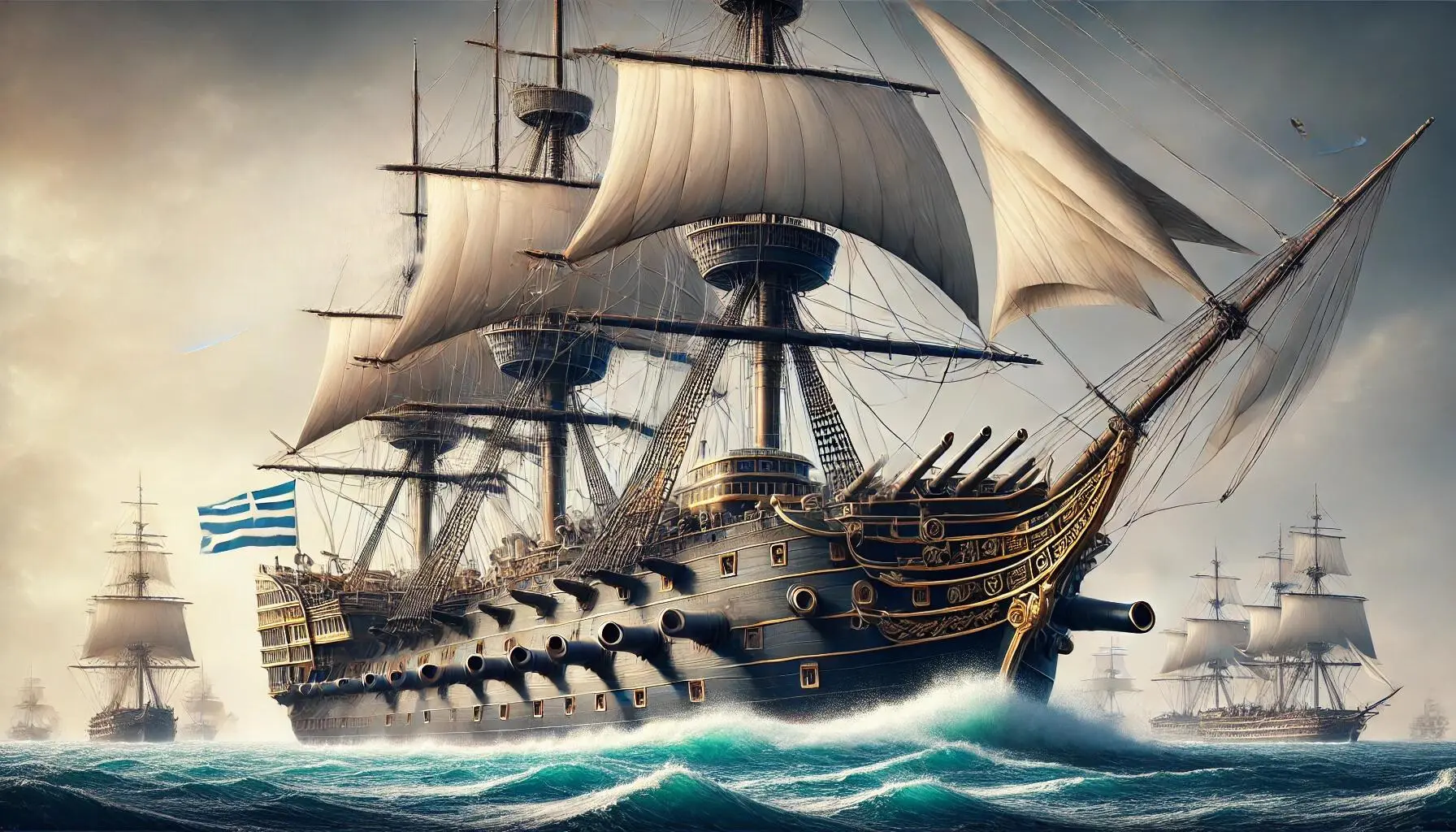
Bouboulina builds the warship Agamemnon, one of the largest and strongest ships in the Greek fleet. Armed with 18 cannons, Agamemnon plays a big role in several naval battles. Its size and firepower let Bouboulina show significant naval strength and support many sieges and blockades.
This ship becomes a crucial asset in the fight for Greek independence, with Bouboulina defiantly flying the Greek flag.
Fire Ships and Naval Blockades
Laskarina Bouboulina and other Greek naval commanders use fire ships against the Ottoman fleet. They load these ships with explosives, set them on fire, and direct them towards enemy vessels to cause maximum damage. This tactic disrupts and destroys larger Ottoman warships.
Bouboulina organizes and leads naval blockades. She cuts off Ottoman supply lines and isolates their garrisons. One major effort is the blockade of Nafplion. By stopping supplies and reinforcements from reaching the city, she helps capture it.
Coordination with Land Forces
Bouboulina coordinates her naval operations with land forces. During the siege of Tripolis, she helps with the naval blockade. She also provides support and reinforcements to land forces, ensuring a combined attack on Ottoman defences.
Diplomacy, Leadership and Morale Boosting
Bouboulina uses diplomacy, such as bribery, to handle political challenges. When the Ottomans send an admiral to inspect her new ship, she bribes him to report that the ship is a long-range trade vessel. This avoids Ottoman limits on ship weapons and size.
Bouboulina’s presence and leadership boost the morale of her crew and allies. Her direct involvement in battles and reputation as a fearless leader inspire her men and earn respect from both Greek and Ottoman forces. Her ability to rally and lead her fleet in tough times shows her strategic skill and leadership.
These strategies and tactics show Laskarina Bouboulina’s key role in the Greek War of Independence. Her smart approach to naval warfare and legacy as a pioneering female naval commander continue to inspire and be celebrated in Greek history.
Military Contributions of Laskarina Bouboulina
Siege of Nafplion
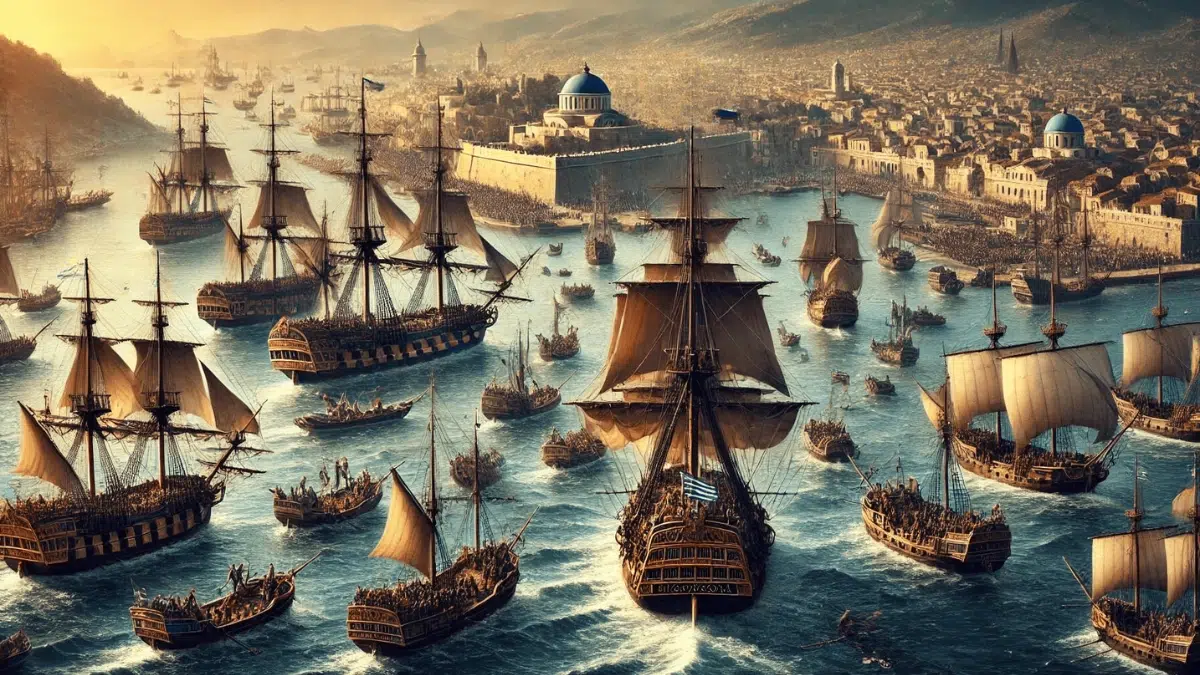
Laskarina Bouboulina plays a key role in the siege of Nafplion. She leads her fleet to blockade the port, cutting off supplies to Ottoman forces. This blockade forces the Ottoman garrison to surrender, marking a significant victory for the Greek revolutionaries.
Other Battles
Bouboulina also contributes to other important battles. She commands her ships in various naval engagements, disrupting Ottoman supply lines. Her strategic planning and leadership skills help secure several crucial victories.
In addition to her direct involvement in battles, Bouboulina provides financial and logistical support to the Greek revolutionary forces. She uses her wealth to fund the construction of warships and the purchase of weapons and supplies. Her support ensures that the Greek forces remain well-equipped and ready for battle.
Bouboulina’s logistical efforts include organizing the transport of troops and supplies. She coordinates with other revolutionary leaders, ensuring that resources reach the front lines. Her contributions significantly bolster the Greek war effort.
Loss of Her Son
Bouboulina makes many personal sacrifices for the cause of Greek independence. She invests her entire fortune in the revolution, demonstrating her unwavering commitment. Her dedication comes at a high cost, including the loss of her eldest son in battle. Despite this tragedy, Bouboulina remains steadfast in her support for the Greek struggle.
Her sacrifices and contributions earn her immense respect and admiration. She becomes a symbol of bravery and patriotism, inspiring others to join the fight for freedom. Bouboulina’s efforts play a crucial role in the eventual success of the Greek War of Independence.
Laskarina Bouboulina’s military contributions highlight her exceptional courage and leadership. Her financial and logistical support, combined with her direct involvement in key battles, significantly impact the Greek fight for independence. Her legacy continues to inspire future generations with her story of sacrifice and dedication to her country.
Later Life and Death of Laskarina Bouboulina
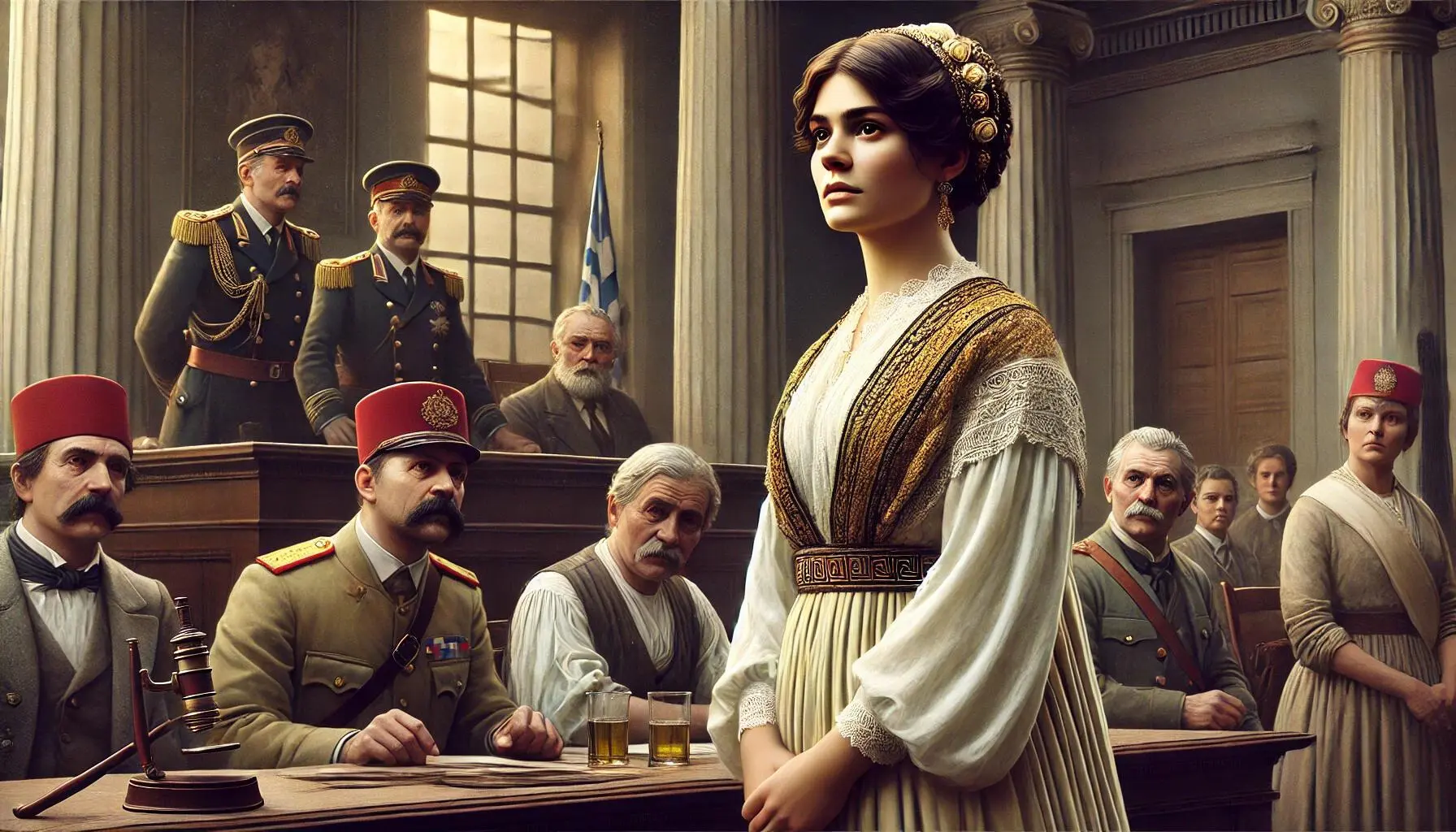
After the Greek War of Independence, Laskarina Bouboulina faces challenges. The Greek civil war creates divisions among the revolutionaries. As a strong supporter of Greek freedom, Bouboulina finds herself in conflict with rival factions.
Imprisonment and Exile of Bouboulina
The new Greek government views her as a threat. Authorities arrest and imprison her, stripping her of her titles and honours. Despite her sacrifices, she suffers unjust treatment from those in power. Her imprisonment and subsequent exile to her home on Spetses highlight the turbulent political landscape.
While in exile, Bouboulina remains resilient. She continues to support her fellow Greeks, even in difficult times. Her spirit and determination never waver. However, her later years bring personal challenges as well.
Tragic Death of Bouboulina
In May 1825, Bouboulina was killed on the island of Spetses. Her death occurred during a family feud on the island of Spetses, which escalates into violence.
The dispute involved her son Georgios Yiannouzas and the Koutsis family, whose daughter had eloped with him. During a heated confrontation, Bouboulina was shot in the head and died instantly. Her death marks a sorrowful end to a life dedicated to her country.
Laskarina Bouboulina’s later life and death reflect the complexity of the post-war period. Her imprisonment and exile reveal the struggles many revolutionaries face after the war. Despite these challenges, Bouboulina’s legacy endures. Her bravery, leadership, and sacrifices remain an inspiration for future generations.
Powerful Women in Warfare
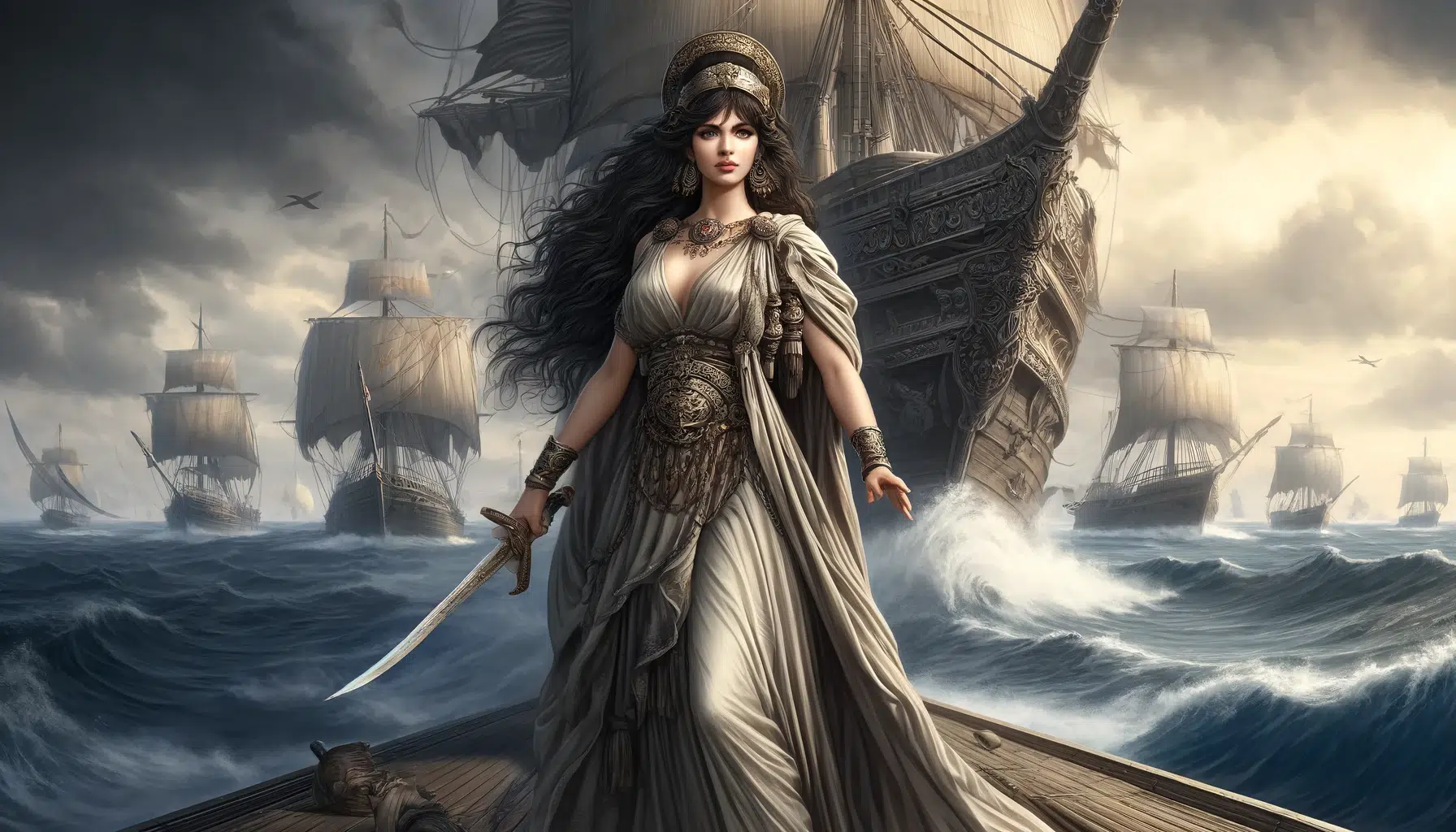
Laskarina Bouboulina’s remarkable contributions to the Greek War of Independence position her alongside several other powerful women in warfare history.
Artemisia I of Caria (Persia) was a naval commander who fought for Xerxes I during the Battle of Salamis against the Greek city-states in 480 BC.
Both Artemisia and Bouboulina were naval commanders who played significant roles in critical battles. They are remembered for their strategic acumen and leadership in naval warfare.
Joan of Arc was a peasant girl who claimed divine guidance and played a crucial role in lifting the siege of Orléans during the Hundred Years’ War, leading to several important victories for France.
Both Joan of Arc and Bouboulina were instrumental in their respective national struggles against foreign domination. They demonstrated exceptional leadership and inspired their compatriots despite the male-dominated military environment.
Boudica was the queen of the Iceni people who led a major uprising against the occupying Roman forces in Britain around 60-61 AD.
Like Bouboulina, Boudica led her people in a fierce resistance against a powerful empire. Both women are celebrated for their bravery and tactical prowess in the face of overwhelming odd.
These comparisons highlight the extraordinary achievements of Laskarina Bouboulina and place her among the ranks of other legendary women who have made significant impacts in military history.
Legacy and Honours
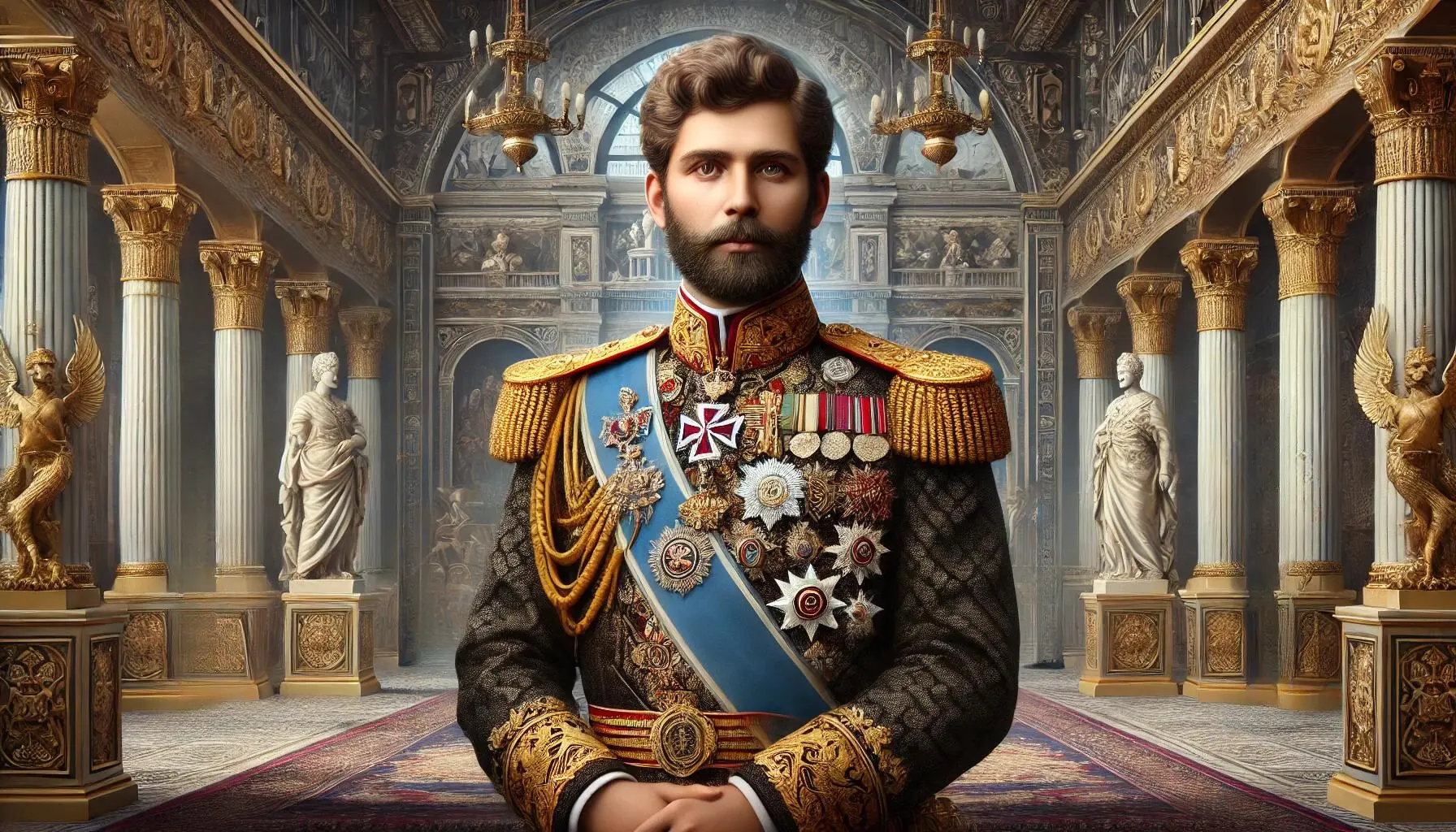
Laskarina Bouboulina Awarded Title of Admiral
Laskarina Bouboulina leaves a lasting legacy. Her courage and leadership in the Greek War of Independence earn her many honours.
Laskarina Bouboulina was posthumously awarded the honorary rank of Admiral by Tsar Alexander I of Russia, making her one of the few women in history to hold such a title. This honour acknowledges her significant impact on naval warfare. Bouboulina becomes one of the few women in history to receive such a title. Her leadership and strategic skills gain international admiration.
This recognition was given in acknowledgment of her significant contributions to naval warfare during the Greek War of Independence. Her leadership and strategic skills have garnered international admiration, solidifying her legacy as a prominent figure in naval history
Cultural Impact
In Greece, many streets and institutions bear her name. These honours keep her memory alive and inspire future generations. Towns and cities celebrate her legacy, reminding everyone of her valour and dedication.
One of the most significant tributes is the establishment of the Bouboulina Museum in Spetses. This museum preserves her personal belongings, including her weapons, letters, and household items. Visitors learn about her life and contributions, gaining insight into her remarkable story. The museum stands as a testament to her enduring impact on Greek history.
- Bouboulina Museum in Spetses – Dedicated to her life, displaying personal items, and providing detailed historical context.
- National Historical Museum of Greece – Features exhibits on her contributions to the war.
Legacy in Literature, Art and Media
Her cultural impact extends far beyond her lifetime. Through literature, art, and popular culture, Bouboulina’s story remains a source of inspiration. Her legacy encourages others to pursue their ideals with courage and determination.
Laskarina Bouboulina’s life reminds us that one person’s dedication and bravery can indeed change the course of history. Her story continues to inspire and uplift, proving that the spirit of freedom and justice endures across generations.
Writers and artists often depict her as a symbol of bravery and resistance.
- Laskarina Bouboulina by Stelios Xefloudas – A biography detailing her life and achievements.
- Bouboulina: The Rebel Lady by Vassilis Vassilikos – A historical novel that explores her role in the Greek War of Independence.
- Bouboulina by Kostas Kyriazis – A children’s book that tells her inspiring story.
Paintings and sculptures celebrate her heroism, showcasing her in moments of triumph and struggle. In popular culture, Bouboulina’s image appears in films and television series.
- Portrait of Laskarina Bouboulina by Nikiforos Lytras – A well-known painting showcasing her commanding presence
- Statue of Laskarina Bouboulina in Spetses – A prominent sculpture honouring her contributions
- Bouboulina Leading Her Fleet by various Greek artists – Several paintings depict her at the helm of her ships
- Bouboulina (1959) – A Greek historical drama film directed by Kostas Andritsos, starring Irene Papas as Bouboulina.
Conclusion
Laskarina Bouboulina contributes significantly to the Greek War of Independence. Her leadership, bravery, and strategic skills leave a lasting impact. Bouboulina’s actions demonstrate the power of dedication and courage.
As a pioneering female figure in military history, she breaks barriers and inspires many. Her story shows that women can lead and excel in traditionally male-dominated fields. Bouboulina’s legacy continues to inspire new generations.
Her life teaches us the importance of fighting for justice and freedom. Bouboulina’s determination and sacrifice remind us that one person can make a difference. Her legacy lives on, encouraging others to pursue their goals with valour and perseverance.