Kublai Khan: Emperor & Grandson of Genghis
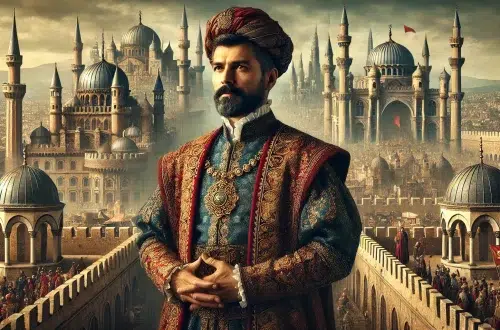
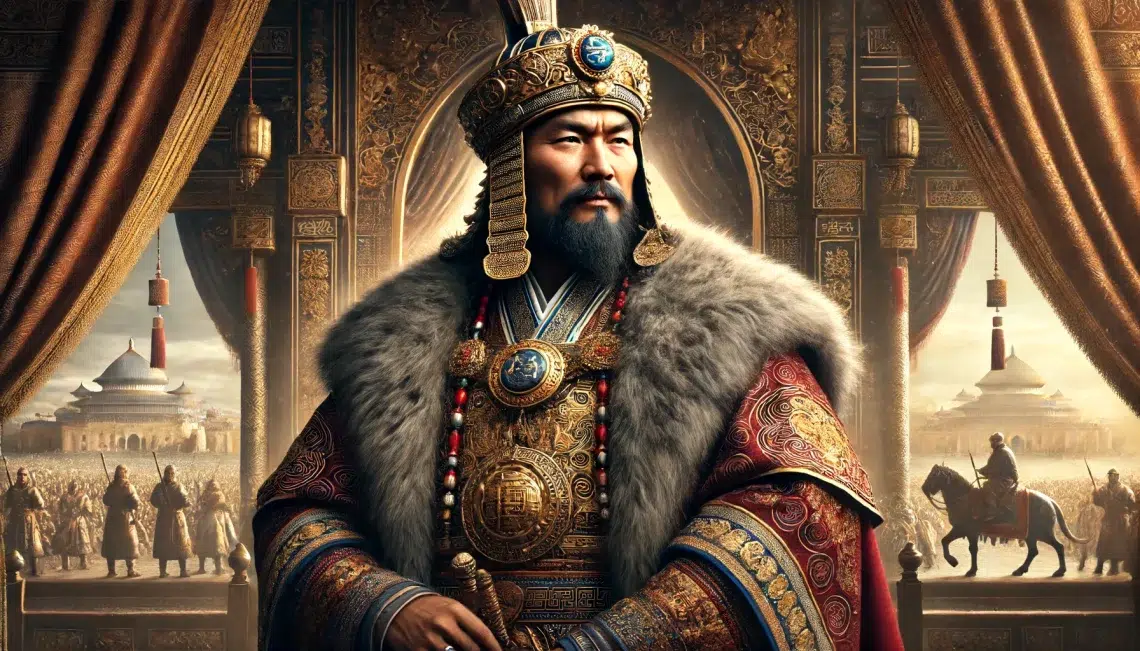
Kublai Khan was an esteemed figure in Mongolian history. He was Genghis Khan’s grandson and the fifth Khagan of the Mongol Empire.
Kublai Khan led the empire from May 1260, to February 1294. During this time, he expanded the Mongol Empire, making it a vast territory from Eastern Europe to Asia.
In 1271, Kublai Khan founded the Yuan Dynasty, changing East Asia significantly. This change lasted until his death, marking a new period in Mongolian history.
Known as the “Wise Khan,” he mixed Chinese culture with Mongol traditions, which would help bring stability and growth to the Yuan Dynasty.
The Early Life and Family of Kublai Khan

Kublai Khan grows up in the vast Mongolian steppes. Born in 1215, he belongs to the powerful Mongol Empire. His grandfather, Genghis Khan, rules the empire with strength and wisdom.
His parents were Tolui and Sorghaghtani Beki. He was the fourth son in his family, and they were a high-ranking part of the Mongol Empire. Both his parents were nobles, ensuring Kublai grew up rich in culture and knowledge.
Kublai learns the ways of the Mongol warriors from a young age. He practices archery, horseback riding, and hunting. These skills prepare him for leadership and battle.
Kublai’s mother, Sorghaghtani Beki, plays a crucial role in his upbringing. She teaches him about different cultures and religions. She encourages him to value knowledge and wisdom.
Kublai studies Chinese, Persian, and Islamic traditions, broadening his understanding of the world.
As a boy, Kublai spends time with his grandfather, Genghis Khan. He listens to stories of bravery and conquest. These stories inspire him to become a great leader.
Genghis Khan teaches Kublai about the importance of unity and loyalty. Genghis Khan died in 1227, when Kublai Khan was twelve.
Kublai also learns about the vast lands of the empire. He travels with his family and experiences different cultures. These travels shape his vision for the future. Kublai dreams of uniting the diverse peoples under his rule.
In his early years, Kublai Khan builds a strong foundation. He gains skills, knowledge, and wisdom. These qualities will help him lead the Mongol Empire to greatness.
Becoming Skilled in Archery and Horseback Riding

Kublai Khan learns archery and horseback riding through rigorous training and practice. From a young age, he participates in daily exercises with skilled Mongol warriors.
These warriors teach him the art of archery, showing him how to aim and shoot accurately.
Kublai practices shooting arrows at targets while standing still and while riding a horse. This training helps him become a precise and swift archer.
For horseback riding, Kublai spends hours each day with experienced riders. They show him how to control and bond with his horse.
He learns to ride at different speeds, from a gentle trot to a full gallop. Kublai practices riding in various terrains, like open plains and steep hills. This helps him become a skilled and confident rider.
These skills are essential for Mongol warriors, as they often fight on horseback. By mastering archery and horseback riding, Kublai prepares himself for future battles and leadership.
Kublai Khan and His Grandfather, Genghis Khan

Kublai Khan, one of the greatest rulers in history, is best known for his accomplishments as the founder of the Yuan Dynasty in China.
However, his legacy is deeply intertwined with that of his grandfather, Genghis Khan, the founder of the Mongol Empire.
One notable story that showcases the relationship between Kublai and Genghis Khan is a tale of mentorship, ambition, and the passing of the torch from one great leader to another.
A Tale of Kublai Khan and Genghis Khan
When Kublai was a young boy, his grandfather, Genghis Khan, was already a legend. Genghis Khan had united the Mongol people and created an empire that spanned from the steppes of Mongolia to the fringes of Europe.
As a ruler, Genghis Khan was both feared and respected, known for his military genius and his ability to inspire loyalty among his followers.
The Meeting in the Steppes
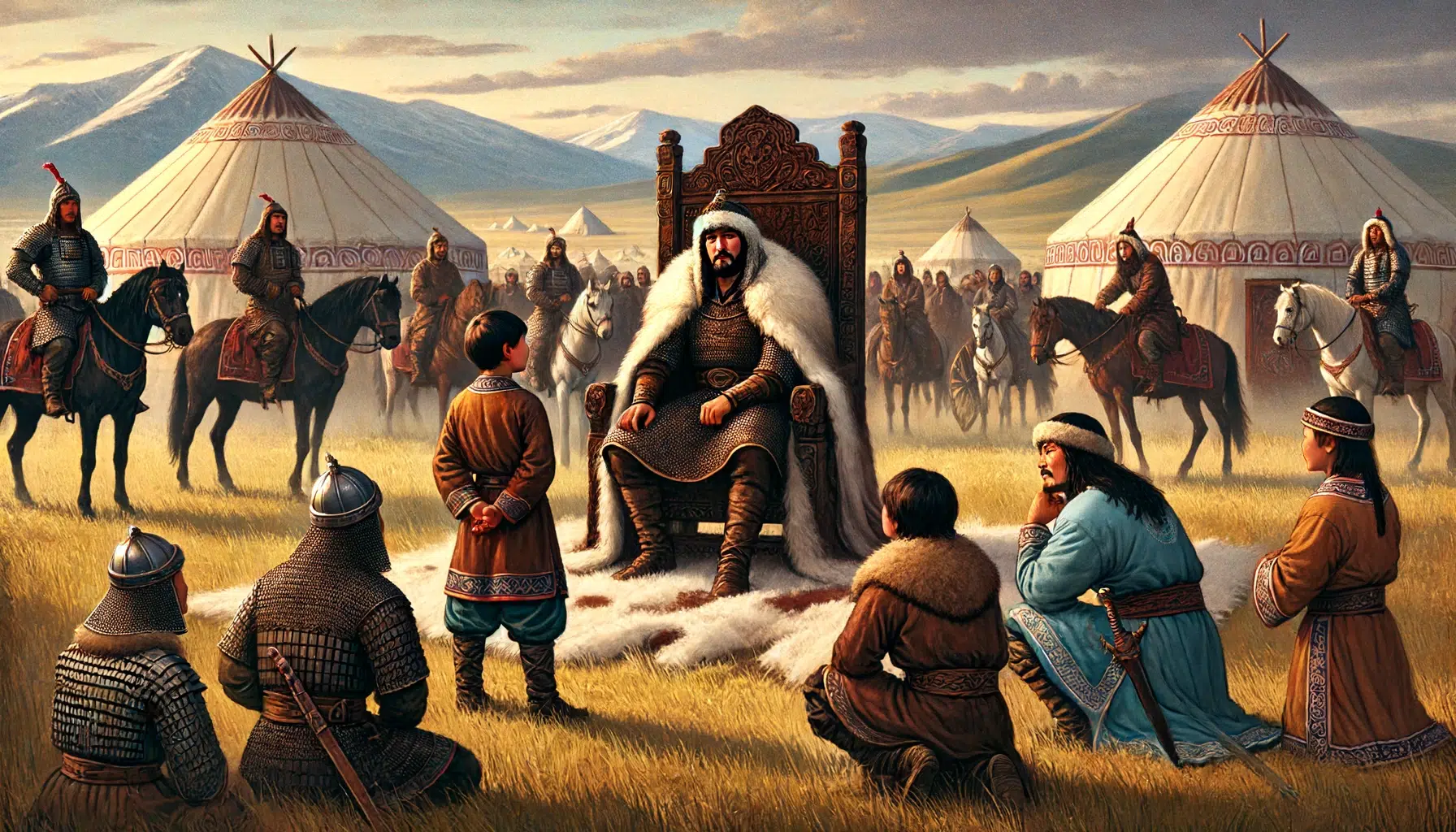
One summer, Genghis Khan summoned his grandsons to his camp in the vast steppes of Mongolia. Among them was Kublai, who had shown great promise from a young age.
Genghis Khan wanted to impart his wisdom and assess the potential of his descendants. The camp was abuzz with activity as warriors prepared for yet another campaign, but this time, Genghis Khan’s focus was on the future leadership of his empire.
Kublai arrived with his brothers, eager and a little anxious. The young boys were brought before the great Khan, who was seated on a large wooden throne covered in rich furs. The air was thick with the scent of the grasslands and the smoke from the campfires.
A Lesson in Leadership
Genghis Khan spoke to his grandsons about the importance of unity, strength, and wisdom. He recounted stories of his own rise to power, emphasizing the need for a leader to be both ruthless and just.
He then turned his gaze to Kublai and said, “A leader must not only conquer lands but also win the hearts of his people.”
To illustrate his point, Genghis Khan gave Kublai a task. He handed him a bundle of arrows and asked him to break them one by one. Kublai easily snapped each arrow. Then, Genghis Khan handed him a tightly bound bundle of arrows and asked him to break it.
Try as he might, Kublai could not break the bundle. Genghis Khan smiled and said, “Remember, unity is strength. Alone, you may break, but together, you are unbreakable.”
The Seeds of Greatness
This lesson stayed with Kublai throughout his life. He admired his grandfather’s ability to inspire loyalty and command respect. Kublai aspired to be a leader who not only expanded the empire but also fostered unity and prosperity among his people.
Years later, as Kublai ascended to power and founded the Yuan Dynasty in China, he often reflected on his grandfather’s teachings.
Learn more about the Khans and Mongolian History:
Rise to Power in the Mongol Empire
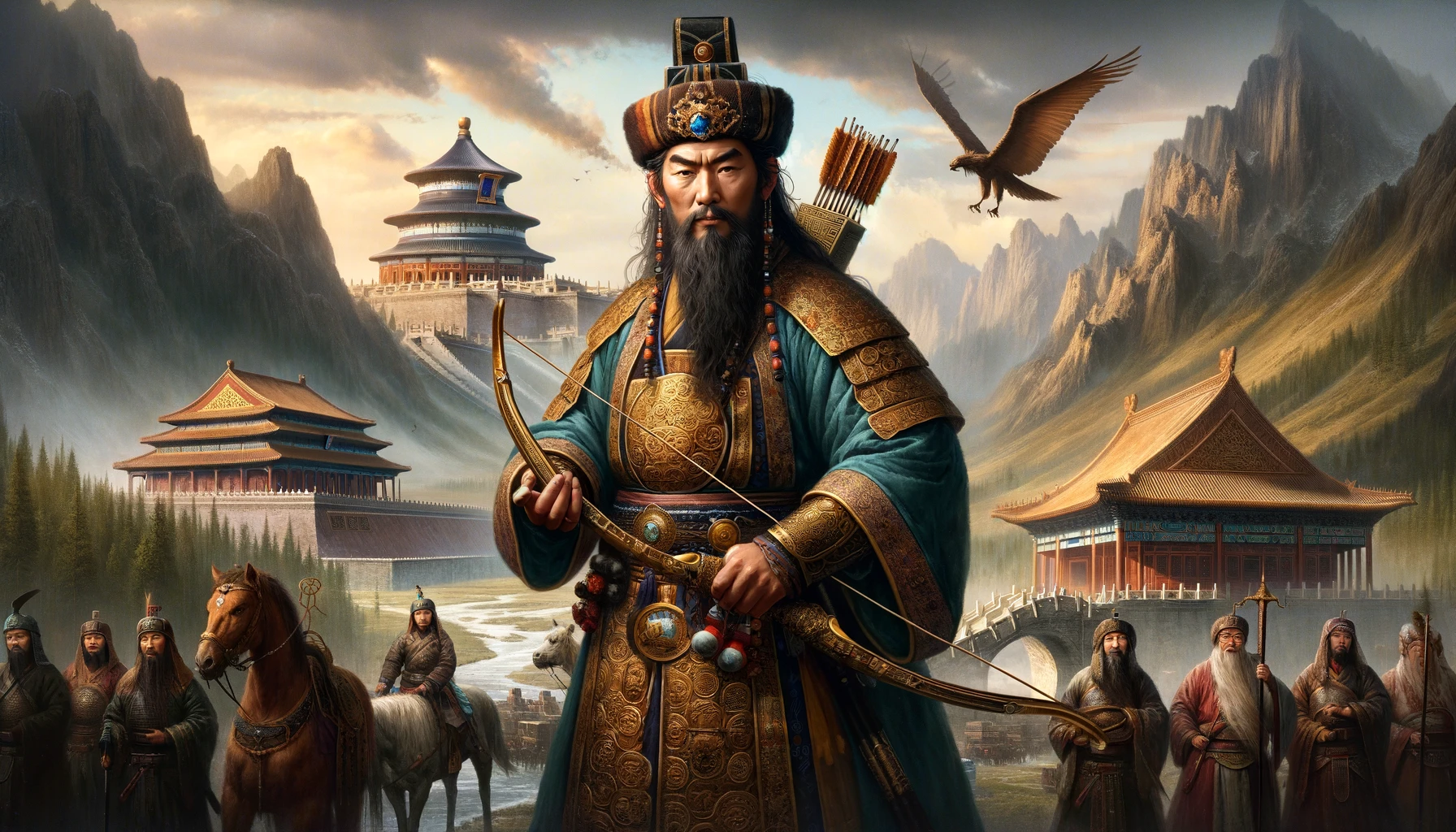
Kublai Khan’s rise to power in the Mongol Empire begins in 1251 when he receives his first leadership role.
His brother, Möngke, the Great Khan, appoints him as the governor of northern China. Kublai quickly shows his ability to lead effectively. He focuses on improving the economy and reduces taxes, which helps the people and gains their loyalty.
Kublai also supports agriculture, ensuring food security for his subjects.
Kublai’s policies and reforms strengthen his reputation. He earns respect from both the Mongol and Chinese populations. His leadership style blends Mongol traditions with Chinese administrative practices. This approach helps him manage the diverse regions under his control.
Kublai leads successful military campaigns in China. He captures important cities and expands Mongol territory. His victories boost his status within the empire. Kublai’s strategic thinking and ability to command respect from his troops play crucial roles in his success.
In 1260, Kublai’s brother Möngke dies. This event triggers a power struggle within the Mongol Empire.
Kublai faces a challenge from his brother, Ariq Böke. Both brothers claim the title of Great Khan.
The conflict leads to a civil war, but Kublai emerges victorious. He becomes the Great Khan, solidifying his position as the leader of the Mongol Empire.
- First Leadership Role: In 1251, Kublai becomes the governor of northern China.
- Economic Reforms: Kublai reduces taxes and supports agriculture.
- Military Success: Kublai leads successful military campaigns in China.
- Becoming Great Khan: In 1260, Kublai becomes the Great Khan.
After becoming the Great Khan, Kublai establishes the Yuan Dynasty in 1271.
Establishment of the Yuan Dynasty
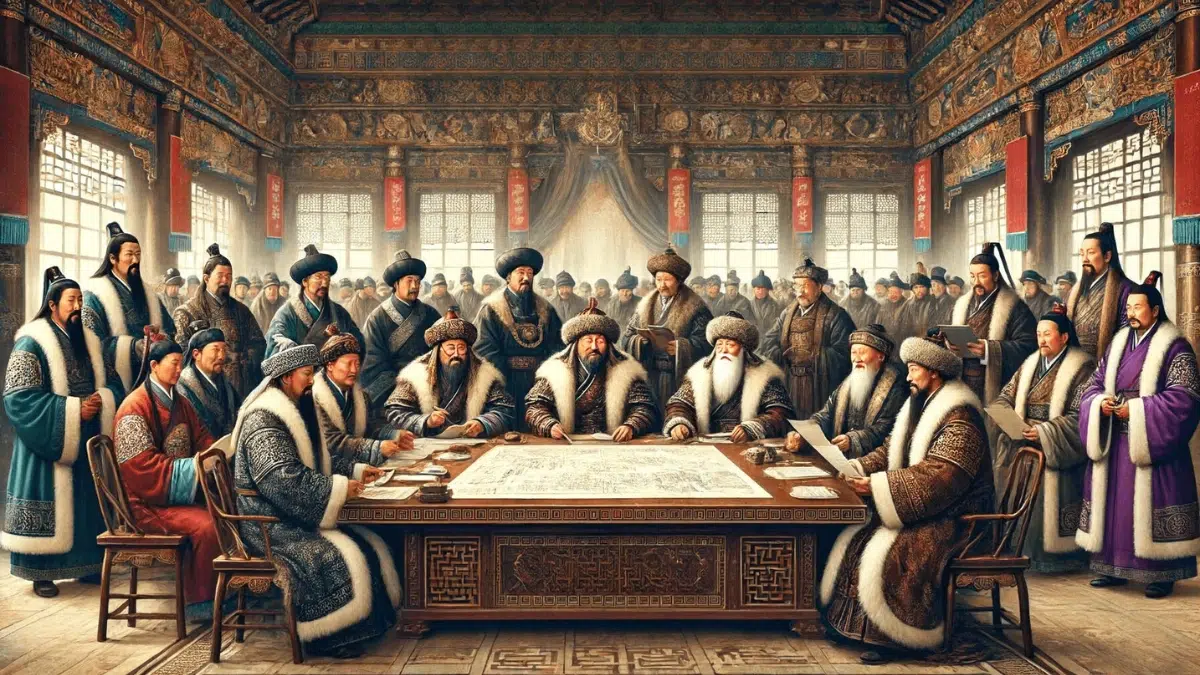
Kublai Khan establishes the Yuan Dynasty in 1271.
- Capital Move: Kublai moves the capital to Dadu (modern-day Beijing).
- Administration: Kublai uses a mix of Mongol and Chinese officials.
- Economic Reforms: Kublai supports agriculture, trade, and infrastructure.
- Cultural Exchange: Kublai promotes learning and cultural exchange.
Administrative Reforms
Kublai uses a mix of Mongol and Chinese officials in his administration.
This approach ensures loyalty and expertise. He establishes a system of provinces, each with its own governor. These governors oversee local administration and report directly to Kublai.
- Mixed Officials: Kublai uses both Mongol and Chinese officials.
- Provincial System: Each province has a governor who reports to Kublai.
This decision strengthens his control over China. Kublai blends Mongol and Chinese traditions to create a unique and powerful dynasty. His rule brings many changes to the region.
This helps him manage the diverse regions of his empire. Kublai also establishes a system of provinces, each with its own governor. This structure helps maintain order and efficiency.
Kublai also creates a postal system to improve communication.
This system includes relay stations and couriers, allowing messages to travel quickly across the empire. Effective communication helps maintain order and efficiency.
- Postal System: Kublai creates a network of relay stations and couriers.
Improves the Economy With Reforms
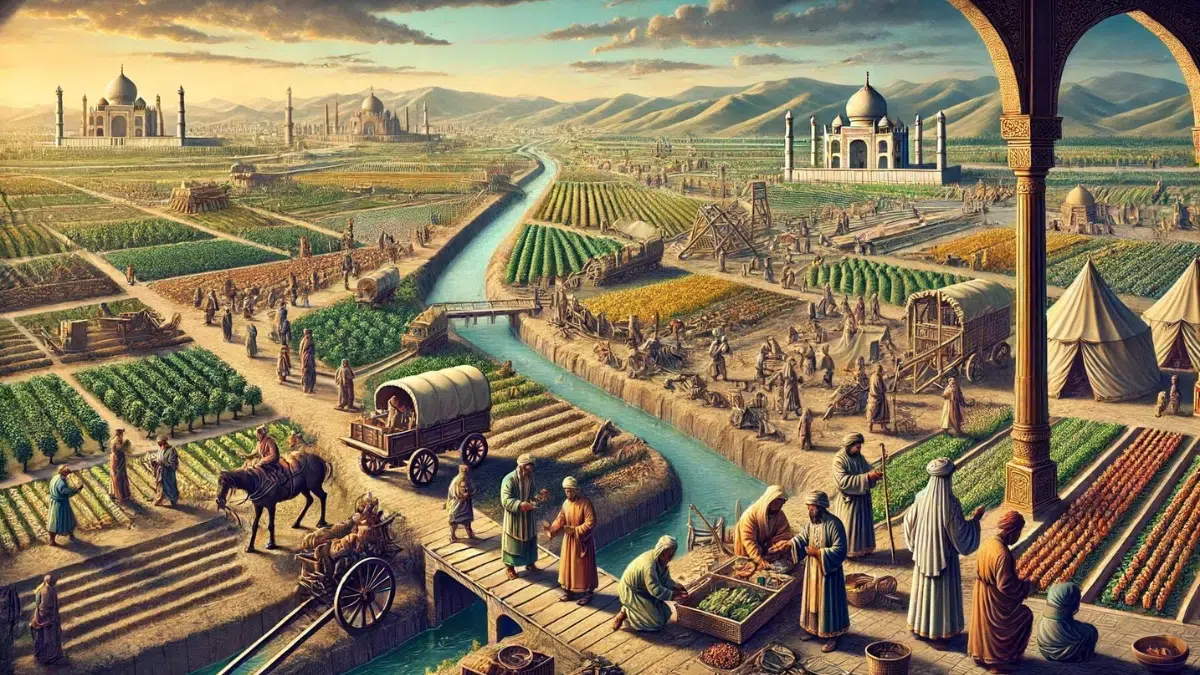
He supports agriculture, trade, and infrastructure. Kublai builds roads and canals, which help move goods and people.
Kublai reduces taxes for farmers and supports agriculture.
This policy boosts food production and helps the economy. He also invests in infrastructure, building roads and canals to facilitate trade.
- Tax Reduction: He reduces taxes for farmers, boosting food production.
- Infrastructure: Kublai invests in roads and canals to promote trade.
Promotes Cultural Exchange and Learning
He encourages scholars and artists from different cultures to come to his court. This leads to a rich blend of ideas and traditions. Kublai supports the translation of important texts into different languages, spreading knowledge throughout the empire.
- Cultural Exchange: Kublai promotes learning and cultural exchange.
- Support for Scholars: He encourages scholars from various backgrounds.
Challenges During His Reign

Kublai faces challenges during his reign.
He deals with rebellions and resistance from some Chinese groups. However, his strong leadership and policies help maintain stability.
Kublai also attempts to expand his empire further but faces difficulties in Southeast Asia and Japan. Despite these challenges, Kublai’s rule brings prosperity and growth.
The Yuan Dynasty becomes a powerful and influential period in Chinese history. Kublai Khan’s leadership leaves a lasting impact on the region.
These administrative reforms ensure efficient governance and promote stability. Kublai’s policies strengthen his control and help the Yuan Dynasty thrive. His leadership blends tradition with innovation, leaving a lasting legacy in Chinese history.
He successfully blends different cultures and creates a thriving empire. Kublai’s establishment of the Yuan Dynasty marks a significant chapter in the history of the Mongol Empire.
The Conquest of the Song Dynasty
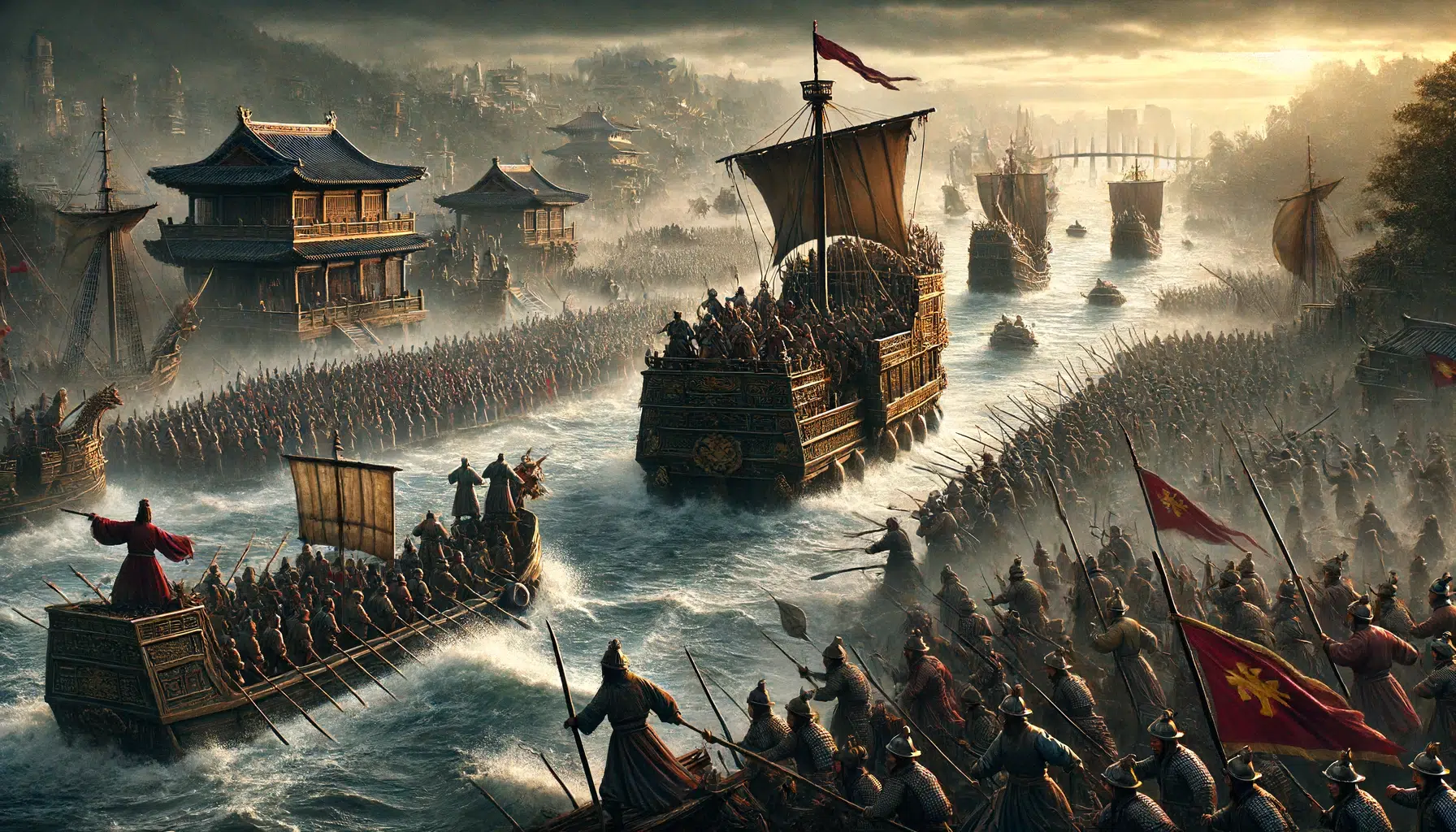
Kublai Khan’s conquest of the Song Dynasty marks a significant achievement.
The Song Dynasty rules southern China. They resist Mongol control for many years. Kublai, determined to unite China, launches a series of campaigns against them.
Kublai uses both military force and strategic alliances. He builds a strong navy to challenge the Song forces. Kublai’s troops capture important cities, weakening the Song defenses. His use of siege tactics proves effective.
- Strong Navy: Kublai builds a powerful navy to challenge the Song forces.
- Siege Tactics: Kublai uses effective siege tactics to capture cities.
In 1276, Kublai’s forces capture the Song capital, Lin’an. This event marks a turning point. The young Song emperor and his court surrender. However, some loyalists continue to resist. Kublai pursues them to the south.
The final battle occurs in 1279 at Yamen. Kublai’s navy defeats the remaining Song forces. The last Song emperor, a young boy, dies in the battle.
This victory completes Kublai’s conquest of China.
- Capture of Lin’an: Kublai’s forces capture the Song capital in 1276.
- Battle of Yamen: Kublai’s navy defeats the remaining Song forces in 1279.
Kublai’s conquest of the Song Dynasty unites China under Mongol rule.
He integrates Song officials and scholars into his administration. This helps stabilize the region and ensures a smooth transition. Kublai’s victory over the Song Dynasty strengthens his control and expands the Mongol Empire.
Kublai Khan’s Cultural and Religious Influence
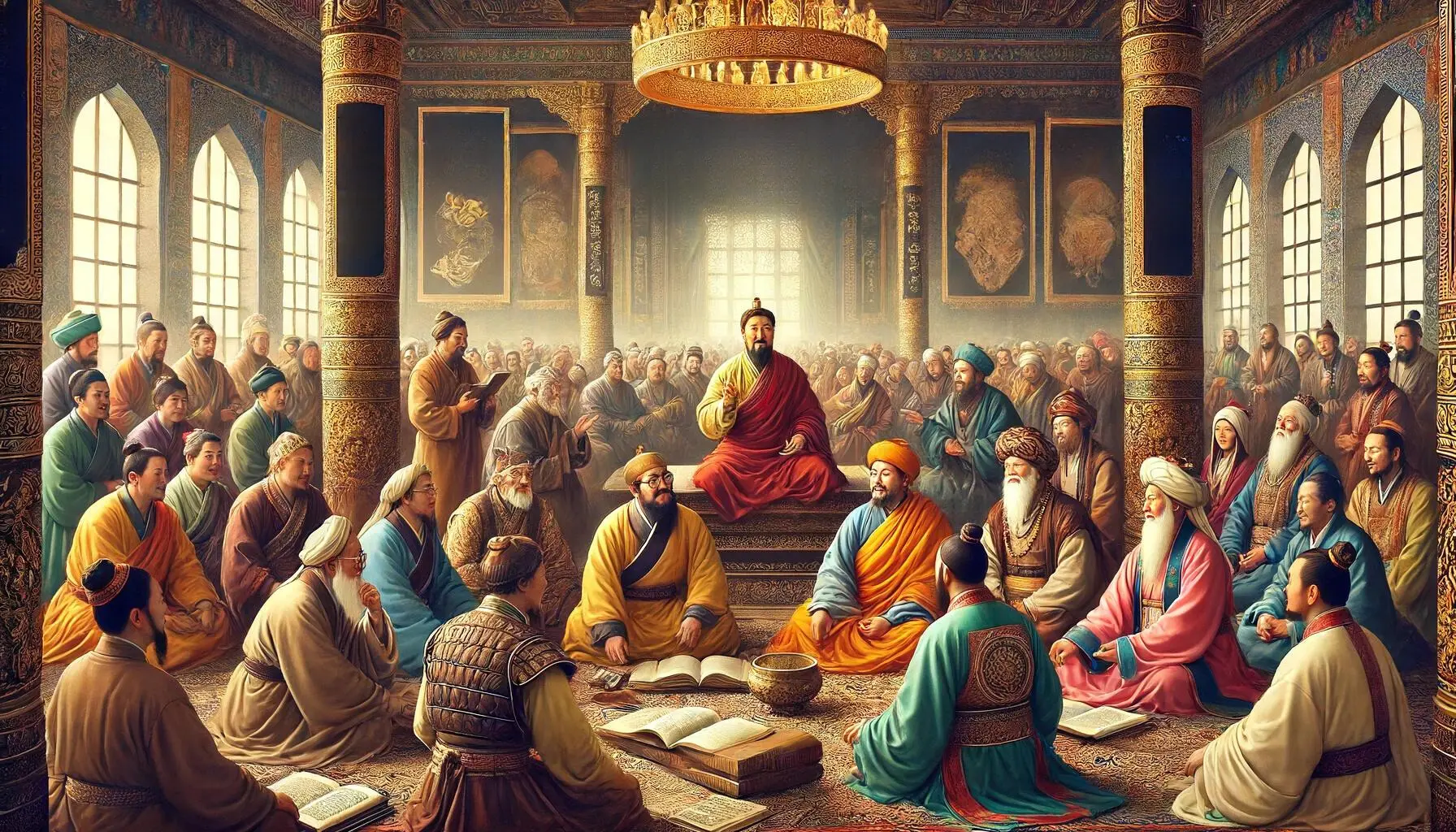
Kublai Khan ruled from 1260 to 1294 and his cultural and religious influence shapes the Yuan Dynasty.
He encourages a blend of different traditions and beliefs. Kublai supports scholars, artists, and religious leaders from various cultures. This approach creates a rich and diverse society.
Kublai promotes cultural exchange by inviting scholars from different regions. They share their knowledge and ideas, enriching the intellectual environment. Kublai also supports the translation of important texts into multiple languages. This effort spreads knowledge throughout the empire.
- Cultural Exchange: Kublai invites scholars to share knowledge and ideas.
- Translation of Texts: He supports translating important texts into multiple languages.
Kublai respects and promotes various religions.
- Religious Tolerance: Kublai promotes dialogue among Buddhist, Christian, Muslim, and Taoist leaders.
- Peace and Unity: His religious tolerance helps maintain peace in the empire.
Kublai also supports the arts. He funds the creation of paintings, sculptures, and architectural projects. These cultural contributions leave a lasting legacy and showcase the empire’s wealth and diversity.
- Support for the Arts: Kublai funds paintings, sculptures, and architectural projects.
Kublai’s influence extends to everyday life. He introduces new agricultural techniques and foods from different regions. These innovations improve living standards and strengthen the economy.
- Agricultural Innovations: Kublai introduces new techniques and foods.
- Improved Living Standards: His innovations strengthen the economy and improve daily life.
Kublai Khan’s cultural and religious influence creates a vibrant, diverse, and prosperous empire. His support for knowledge, art, and religious tolerance leaves a lasting impact on Chinese history.
Expansion Beyond China
Kublai Khan’s expansion beyond China shows his ambition to extend the Mongol Empire. He targets neighbouring regions to increase his influence. Kublai uses both military force and diplomacy to achieve his goals.
- Targeting Neighbors: Kublai aims to extend the empire by targeting neighboring regions.
- Military and Diplomacy: He uses both force and diplomatic efforts to expand.
Kublai’s forces invade Vietnam, aiming to bring it under Mongol control. The difficult terrain and strong resistance pose challenges. Despite several campaigns, full control of Vietnam remains elusive. However, Kublai manages to establish some influence.
In the west, Kublai seeks to expand into Burma. He launches military campaigns, which result in significant battles. The Mongol forces capture key cities and territories, extending the empire’s reach.
- Vietnam Campaigns: Kublai invades Vietnam but faces tough resistance and challenging terrain.
- Burma Expansion: Kublai’s campaigns capture key cities and territories.
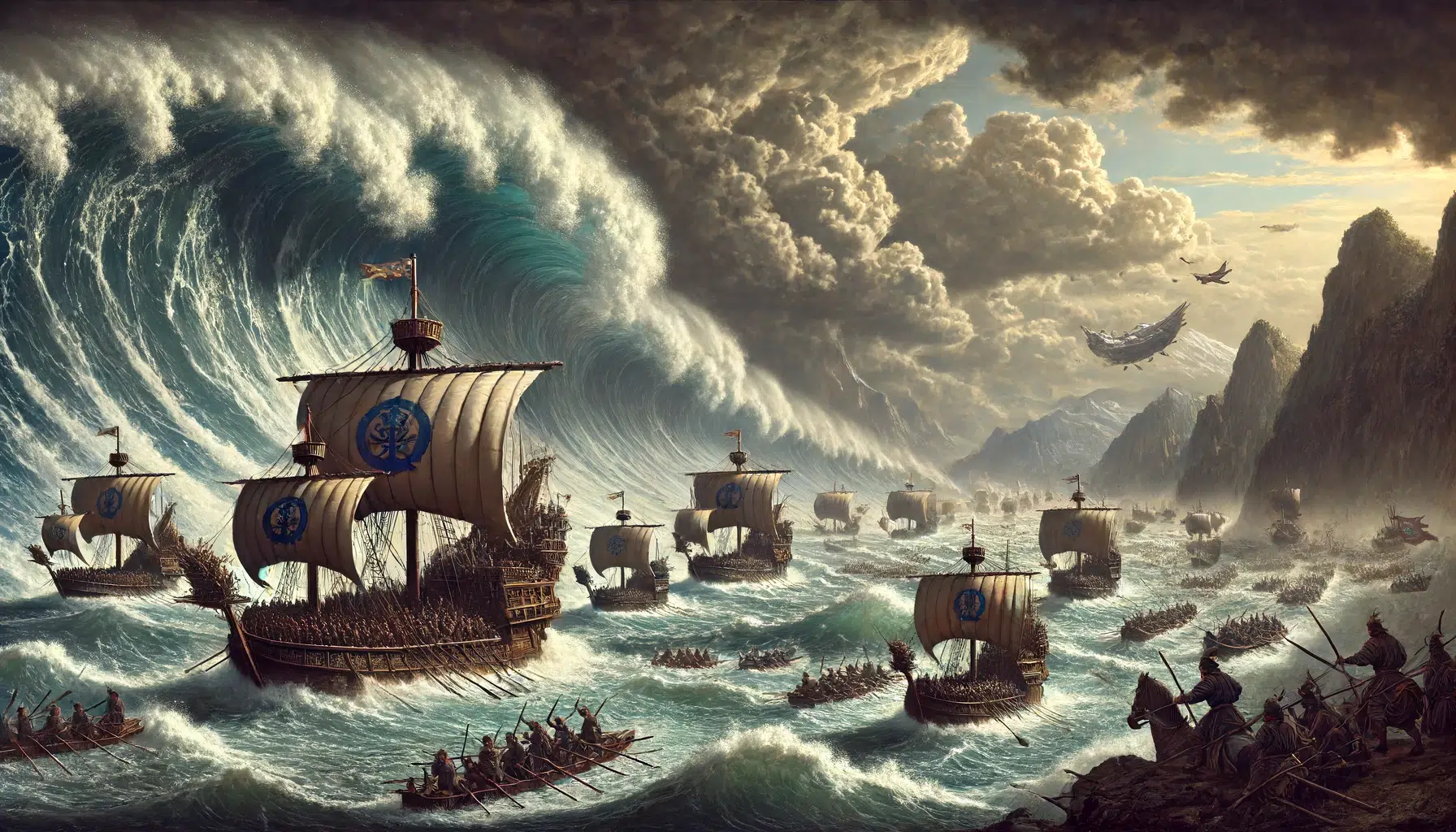
Kublai also turns his attention to Japan. He sends a large fleet to invade, but severe storms, known as typhoons, destroy the Mongol ships. The Japanese call these storms “kamikaze” or divine winds. The invasion fails, but Kublai’s attempt showcases his determination.
- Japanese Invasion: Kublai’s fleet faces destruction by typhoons, leading to a failed invasion.
Despite mixed results, Kublai Khan’s expansion efforts demonstrate his desire to spread Mongol influence.
His campaigns extend the empire’s reach and showcase his leadership. Kublai’s ambition leaves a lasting impact on the regions he targets, even if some conquests remain incomplete.
Kublai Khan’s expansion beyond China highlights his strategic thinking and relentless pursuit of power.
Relations with the Western World

Kublai Khan maintains relations with the Western world through diplomacy and trade. He recognizes the importance of connecting with distant lands. Kublai’s court welcomes envoys from Europe, including merchants, scholars, and religious leaders.
- Diplomacy and Trade: Kublai values connections with distant lands through diplomacy and trade.
- Welcoming Envoys: His court welcomes European envoys, merchants, scholars, and religious leaders.
Kublai sends ambassadors to Europe, seeking alliances and knowledge exchange. These diplomatic missions help establish communication between the East and West. Kublai’s interest in Western technology and culture strengthens these ties.
Kublai’s reign sees increased trade along the Silk Road. This ancient trade route links China with the Mediterranean, facilitating the exchange of goods and ideas. Kublai supports the safety and efficiency of this route, benefiting both his empire and Western traders.
- Ambassadors to Europe: Kublai sends ambassadors to Europe for alliances and knowledge exchange.
- Silk Road Trade: He increases trade along the Silk Road, linking China with the Mediterranean.
Kublai also interacts with Christian missionaries. He allows them to preach and build churches within his empire. This religious tolerance fosters mutual respect and understanding.
- Christian Missionaries: Kublai allows missionaries to preach and build churches, promoting religious tolerance.
Marco Polo, a Venetian merchant, visits Kublai’s court and spends many years in China. His accounts of Kublai’s empire fascinate the Western world, sparking interest and curiosity.
Kublai Khan’s relations with the Western world reflect his open-minded approach and desire for cultural exchange. His efforts to connect with Europe through diplomacy, trade, and religious tolerance leave a lasting impact on both regions.
Kublai Khan and Marco Polo

Marco Polo, a Venetian merchant, travels to China and meets Kublai Khan. His journey begins in 1271 when he sets out with his father and uncle. They travel along the Silk Road, facing many challenges.
In 1275, they reach Kublai Khan’s court. Kublai welcomes them warmly and takes a special interest in Marco. He is impressed by Marco’s intelligence and curiosity. Kublai invites Marco to stay and serve in his court.
- Arrival: Marco Polo reaches Kublai Khan’s court in 1275.
- Kublai’s Interest: Kublai welcomes them and takes an interest in Marco.
Kublai assigns Marco important tasks. He sends Marco on missions across his vast empire. Marco visits distant regions and learns about different cultures and customs. He records his observations in detail. Marco’s accounts provide a unique perspective on the Mongol Empire.
- Important Tasks: Kublai assigns Marco missions across the empire.
- Cultural Exchange: Marco learns about different cultures and customs.
- Long Stay: Marco spends 17 years in China.
- Trusted Adviser: He gains Kublai’s trust and becomes a trusted adviser.
In 1292, Marco returns to Venice. He writes a book about his travels and experiences in Kublai’s court. His book, “The Travels of Marco Polo,” fascinates readers and sparks interest in Asia.
Marco Polo’s relationship with Kublai Khan highlights the cultural exchange between the East and West. His detailed accounts provide valuable insights into Kublai’s empire.
This exchange of knowledge and culture enriches both worlds. Marco Polo and Kublai Khan’s story remains a testament to the power of exploration and understanding.
Conclusion
Kublai Khan, a remarkable leader, transforms the Mongol Empire. He blends Mongol and Chinese traditions, creating the powerful Yuan Dynasty. Kublai focuses on economic growth, cultural exchange, and administrative reforms. His policies improve the lives of his subjects and strengthen his control.
Kublai’s reign sees increased trade along the Silk Road, promoting wealth and knowledge exchange. He supports scholars, artists, and religious leaders from various cultures. Kublai’s tolerance fosters peace and unity within his diverse empire.
Despite challenges and resistance, Kublai’s leadership leaves a lasting legacy. He successfully unites China and expands the Mongol Empire. His innovative policies and cultural openness enrich both his empire and the world.
Kublai Khan’s story shows the power of effective leadership and cultural understanding. His impact on history remains significant and enduring.