
Isabella of France: Medieval Queen & Strategic Diplomat
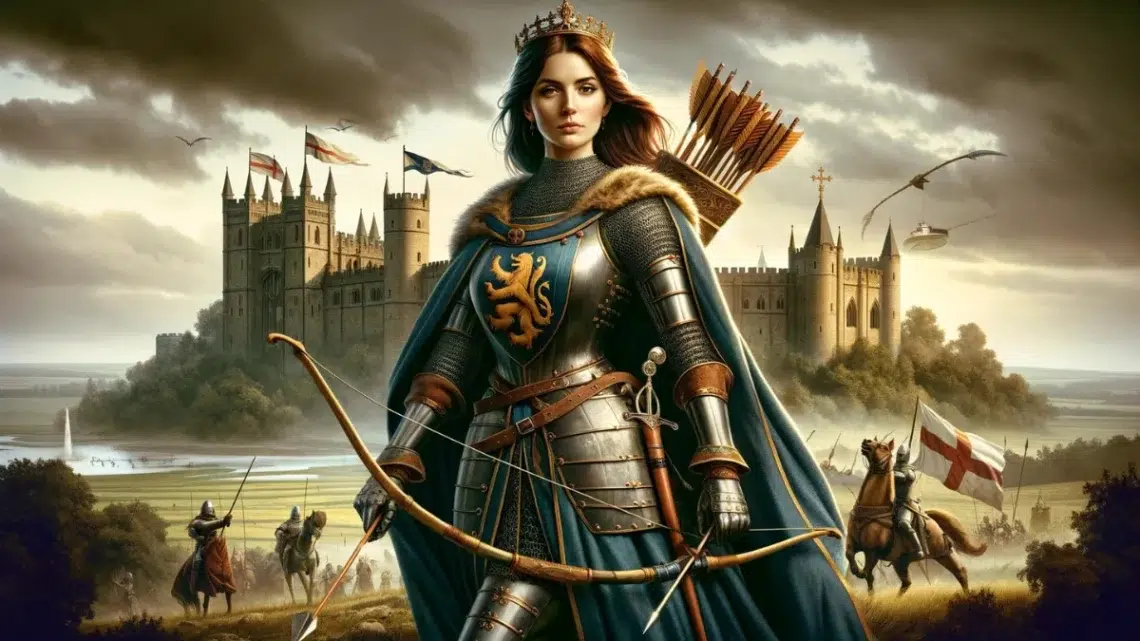
Isabella of France was a key figure in medieval times. She is still studied and admired today. Queen by marriage to Edward II of England, she had great influence. Isabella played an important role in the diplomatic world of the Plantagenet era.
Her diplomatic skills remain well-known. Isabella’s legacy shines through her expert handling of political matters. Her life story not only shows her as a strong royal. It also highlights her significant impact on medieval Europe.
Isabella’s tale gives us great insights into diplomacy in her time. It was a challenging era. Yet, she managed to leave a lasting mark on history.
Early Life of Isabella of France
Isabella of France grew up in the fascinating world of French royalty. Her parents were King Philip IV, also known as Philip the Fair, and Queen Joan I of Navarre. This connection to the Capetian dynasty shaped her future as a major player in medieval society.
She was born in 1295, surrounded by the luxurious and powerful Capetian court. Here, she learned about culture and politics, which influenced her greatly. The Capetian dynasty’s focus on royal power introduced Isabella to governance and diplomacy early on.
Isabella’s education matched her noble birth, covering literature, languages, and the arts. This learning reflected her high status and prepared her for a big role in the world.
The Capetian court was always buzzing with intellectual and political activity. Isabella closely watched her father, learning about power and politics from him. Her mother, Queen Joan I, taught her the important values of French royalty.
In her early years, Isabella got ready for her future marriage to Edward II of England. Thanks to her family’s standing and the wide education she got, she was well-prepared. This preparation made her one of the notable people of her era in English politics.
Isabella of France Marriage to Edward II
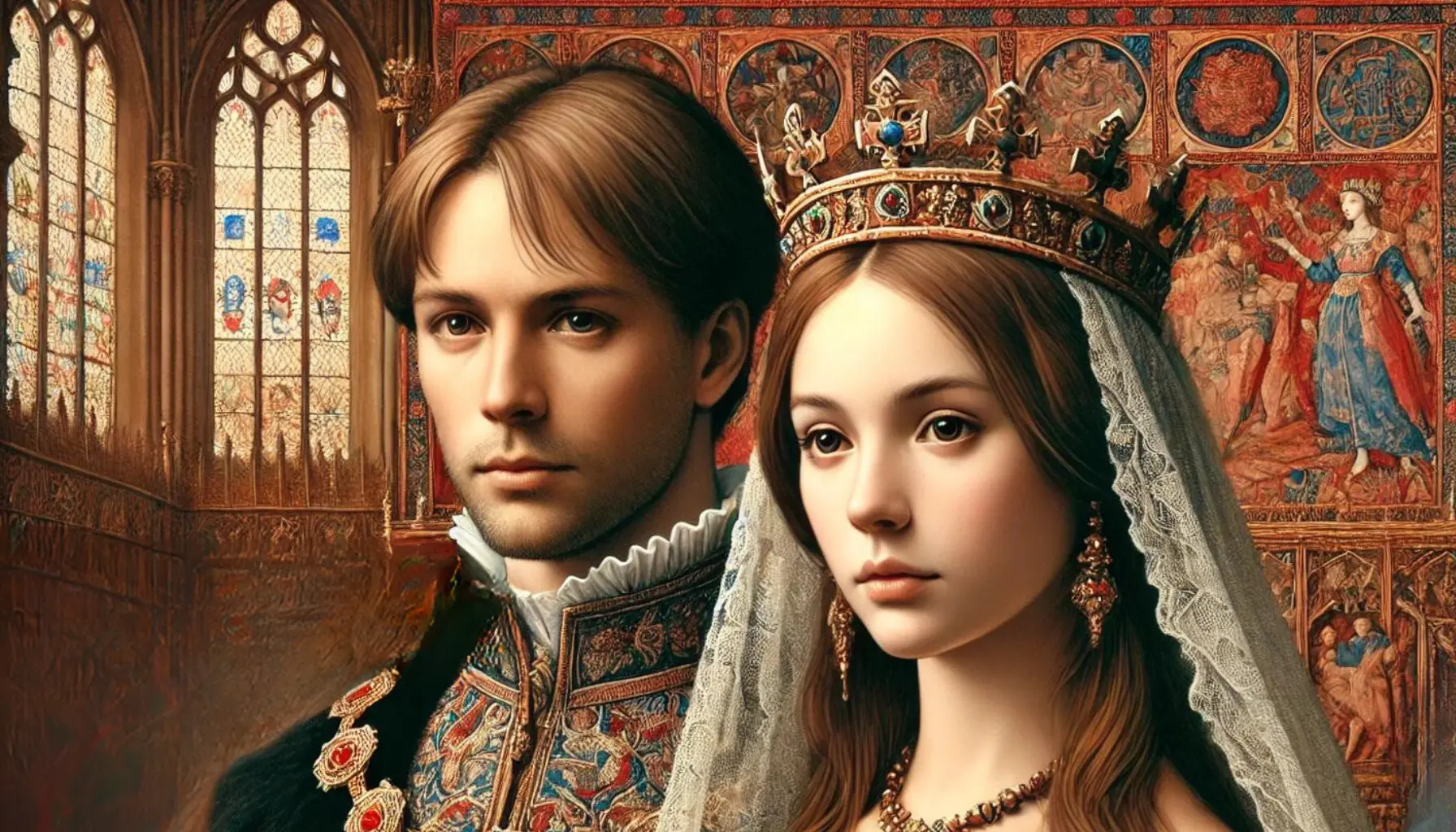
In the early 1300s, Europe’s politics were greatly influenced by royal alliances and medieval marriage arrangements. The marriage of Isabella of France to Edward II of England played a key role. It was arranged to cement a strong bond between England and France through diplomacy.
Their union in 1308 was significant for both countries. Isabella, known as the “She-Wolf of France,” entered England’s complicated and sometimes unstable court life. Her marriage illustrated how political unions were used by leaders to strengthen their power and influence.
Being the Queen consort of England was not easy for Isabella. Early on, she faced challenges due to Edward II’s strong friendships with some at court. Yet, Isabella remained a vital part of the court, symbolizing the hope for peace and cooperation between England and France.
Isabella faced these challenges head-on. The goal behind her marriage to Edward II of England was to bring about stability. However, their personal relationship was complex and showed the delicate balance between obligation and personal joy.
Isabella’s Diplomatic Skills
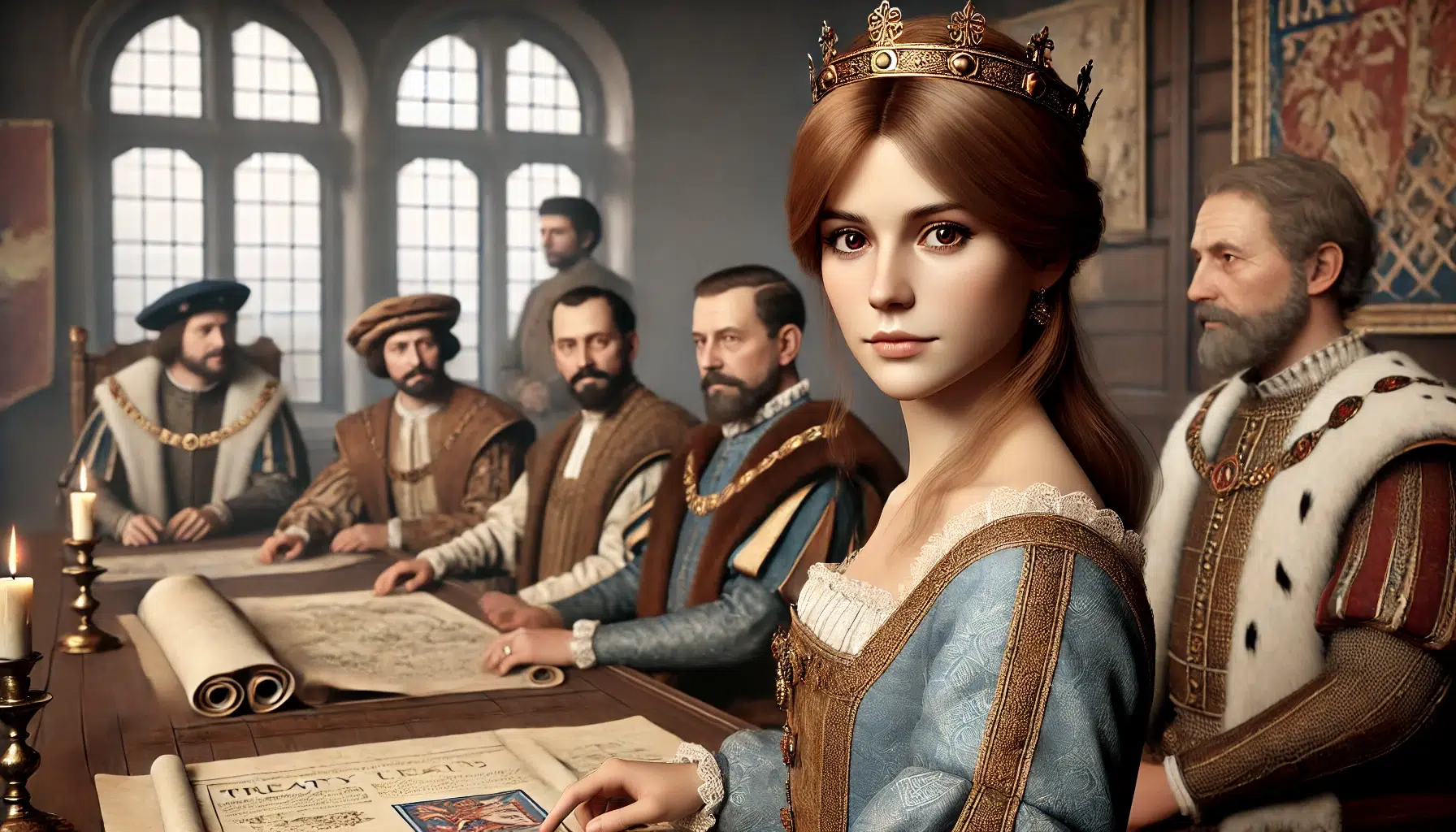
Isabella of France was a key player in Middle Ages diplomacy. Her sharp mind and strategic thinking changed political scenes. A big moment was when she worked on the Treaty of Paris in 1325. She made sure the terms were fair for both England and France.
She was really good at being a royal messenger, moving through politics with care. Being both a queen and a diplomat helped her a lot. Thanks to her work on the Treaty of Paris, there was some peace that allowed for more diplomatic work later on.
Isabella did a lot more than just the Treaty of Paris. She was great at handling Europe’s wider politics too. She managed friendships and rivalries, showing how to do diplomacy well in her time. Her impact lasted long past her own era, influencing future English and French ties.
In the end, Isabella was a shining example of diplomatic excellence. With her intelligence and adaptability, she shaped the future of English-French relations. Her legacy in diplomacy is remembered even today.
Isabella of France Relationship with Roger Mortimer
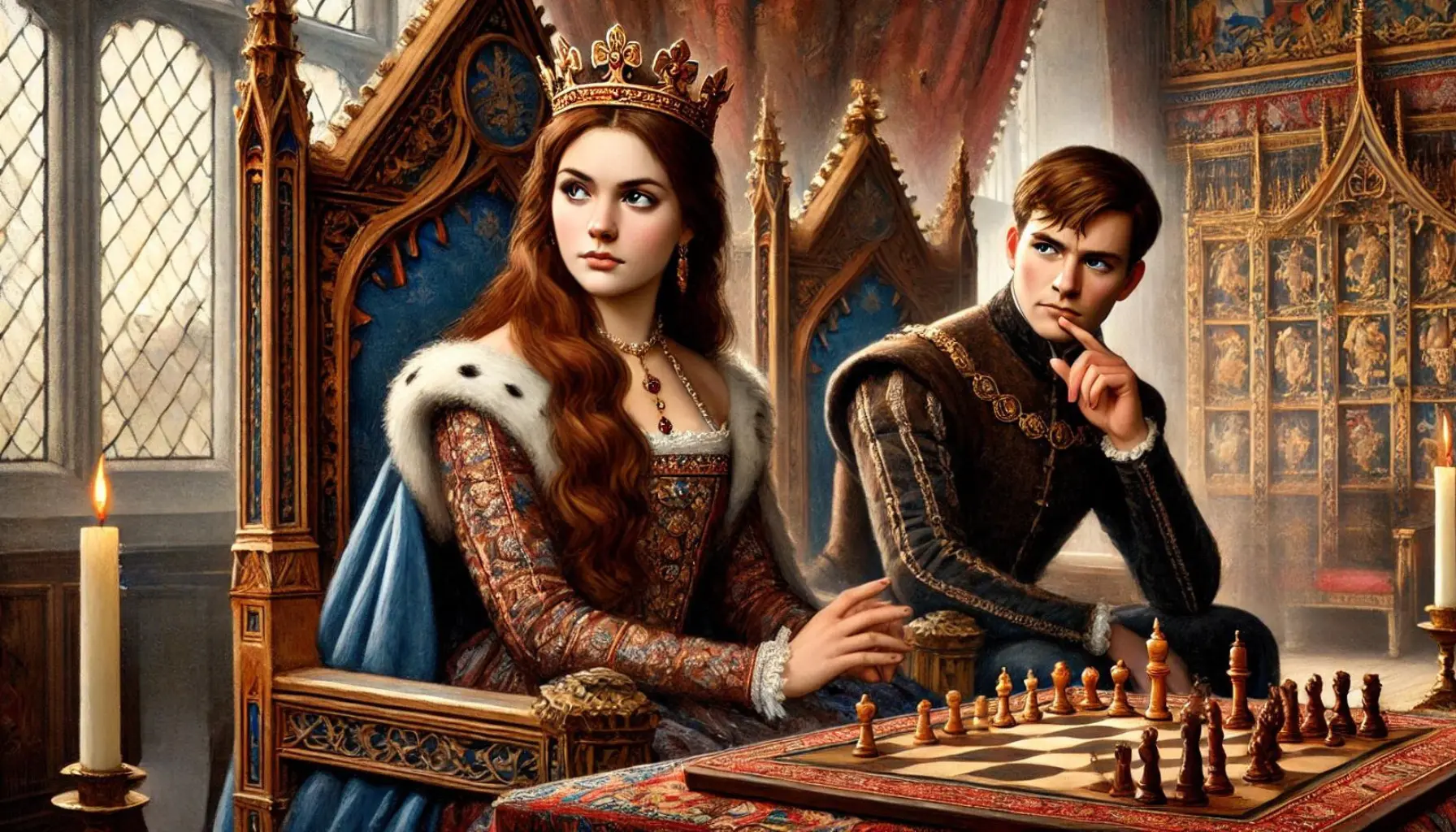
Isabella of France and Roger Mortimer teamed up to beat Edward II. Mortimer was once a friend of the king. But, he turned against him because of political and personal reasons. This brought Isabella and Mortimer closer. They planned and acted together, which not only changed politics but also started rumours about a love affair.
Mortimer was a key player in getting rid of Edward II. The two didn’t just plan behind the scenes. They also led troops to conquer, leading to the king stepping down. This event marked the start of Isabella leading England not as queen but as regent.
Their success made others envious and critical. But, Isabella and Mortimer’s teamwork redefined power in England. It’s a key moment in English history. Looking at how they worked together tells us a lot about the time they lived in.
The Downfall of Edward II
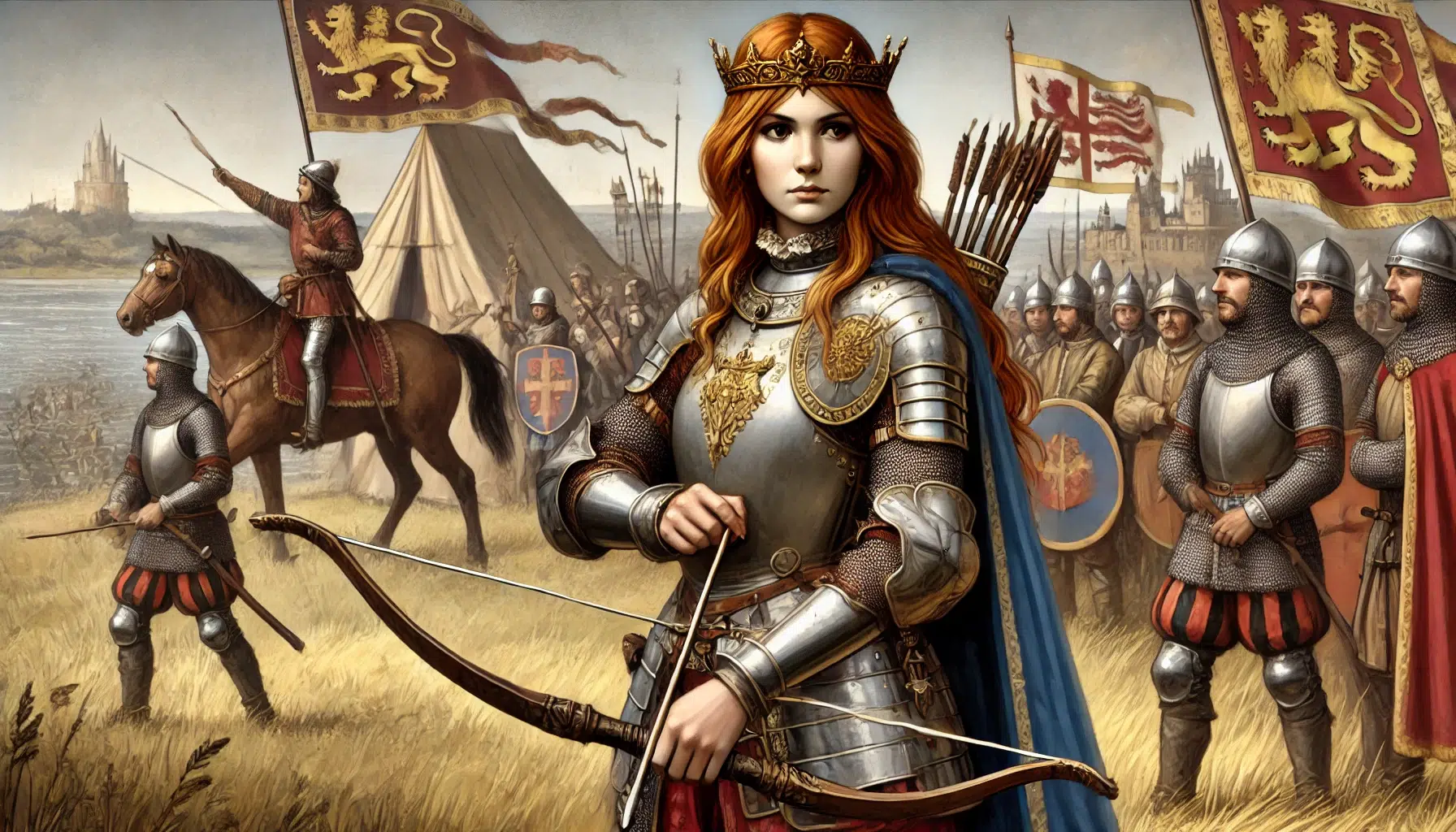
Edward II faced tough times in English history with challenges to the medieval monarchy. Isabella played a key role in his overthrow by aligning with powerful barons. She took advantage of Edward II’s unpopular choices, especially his strong friendship with Hugh Despenser.
In 1326, Isabella and Roger Mortimer led an invasion of England. This move showed Isabella’s determination and clever planning. The barons, unhappy with Edward II, joined her, weakening Edward II’s position. These events sparked a period of intense conflict that changed the way England was ruled.
On January 25, 1327, Edward II was made to give up his crown to his son, Edward III. Isabella’s strategic moves had worked, leading to Edward II’s abdication. These events show us how complex medieval politics was, with ever-changing alliances affecting the monarchy.
Isabella of France Regency
Isabella of France was a key figure in medieval times. She acted as a regent for her son, Edward III. During her rule, she kept the kingdom stable. This was no small feat in a time of intense politics and power struggles.
Isabella made several important choices that shaped England’s path. She fixed many problems, showing her fairness and smart leadership. These moves not just settled the kingdom but paved the way for Edward III’s future rule.
In a tough political scene, Isabella bolstered her power by making friends with top nobles. She skillfully balanced her authority and groomed Edward III for his role. She made sure he was ready to lead when his time came.
Through these efforts, Isabella laid the groundwork for her son’s rule. She wasn’t just focused on her own power. She worked hard to ensure a smooth and stable handover to Edward III. Her impact as a regent is a big part of her story in history.
Isabella of France Influence on English Monarchy
Isabella of France had a deep impact on English royal history. Her wise diplomatic moves and strong decisions during her regency time changed the power of the monarchy. She showed great skill in dealing with complicated political situations. Isabella established many important things. These included rights that would affect future generations of royals.
One key thing Isabella did was get rid of her husband, Edward II. This changed who had power in the monarchy. It made a more fair relationship between the king and the people. Isabella’s actions changed not just the present but also how future kings and queens ruled.
Isabella also showed that queens could be very powerful in the government. She made it clear that women, too, could make a big difference in England’s leadership. Isabella’s time as queen helped pave the way for other strong women to have a say in politics.
Her impact was lasting, changing political and cultural parts of England. Isabella’s bravery, smart planning, and care for her land’s history are still remembered. She played a key role in English royal history.
Later Life and Death
Isabella of France went through tough political times, losing her power as a queen dowager. Her son, King Edward III, started to rule, making Isabella step back from politics. This led to her retirement, a phase of life when she thought a lot and kept to herself.
Isabella’s later life became calmer, with less public or political activity. She chose a quiet life at Castle Rising in Norfolk. Being away from the spotlight helped her avoid past problems and enjoy peace.
During her retirement, Isabella focused on religion and charity. She found comfort in spiritual practices after facing many political challenges. Edward III made sure she had good care, which improved their relationship over time.
Isabella of France died on August 22, 1358. Her death marked the end of her significant and controversial life as a queen dowager. She was buried with respect at Christ Church Greyfriars in London, a tribute to her influence in medieval Europe.
Legacy of Isabella of France

Isabella of France is often called the “She-Wolf of France.” Her legacy intrigues historians and the public. She was key in removing Edward II and ruling during her son’s youth, changing England’s course.
People view Isabella in different ways. Some think she was power-hungry, while others see her as a great ruler. Her strategies are important when we talk about women leaders. The mix in opinions shows her depth and her lasting impact.
Isabella’s legacy is also found in books and movies. Her strong character and deeds have sparked discussions on what medieval female leaders could achieve. She is a central figure in reevaluating women’s power in history.
Today, historians are still looking at Isabella’s significance. They are painting a more detailed picture of her life and influence. Her story talks about her successes and the talk around her rule. Isabella is a crucial figure in European history. Her story lives on.
Conclusion
Looking at Isabella of France’s life shows us how deeply she changed medieval queenship and politics. From growing up in France to her marriage with Edward II, Isabella showed she was skilled and smart. She was able to handle difficult political situations with grace and intelligence.
Isabella’s actions with Roger Mortimer and Edward II’s fall prove her courage. As a regent, she ruled England well, leaving a strong impact on its government. Even though she later stayed out of public sight, she still influenced history deeply.
Studying Isabella’s life makes it clear she was more than a queen by the side of a king. Her work in medieval queenship and her smart moves during chaos set her apart as a powerful historical figure. Her legacy teaches us a lot about politics in medieval Europe and the strength of women in royal families. This look into Isabella’s life broadens our view of the important and complex role of queens in the medieval period.
Learn more about: