Essential Tips for Mastering the Hand Crossbow
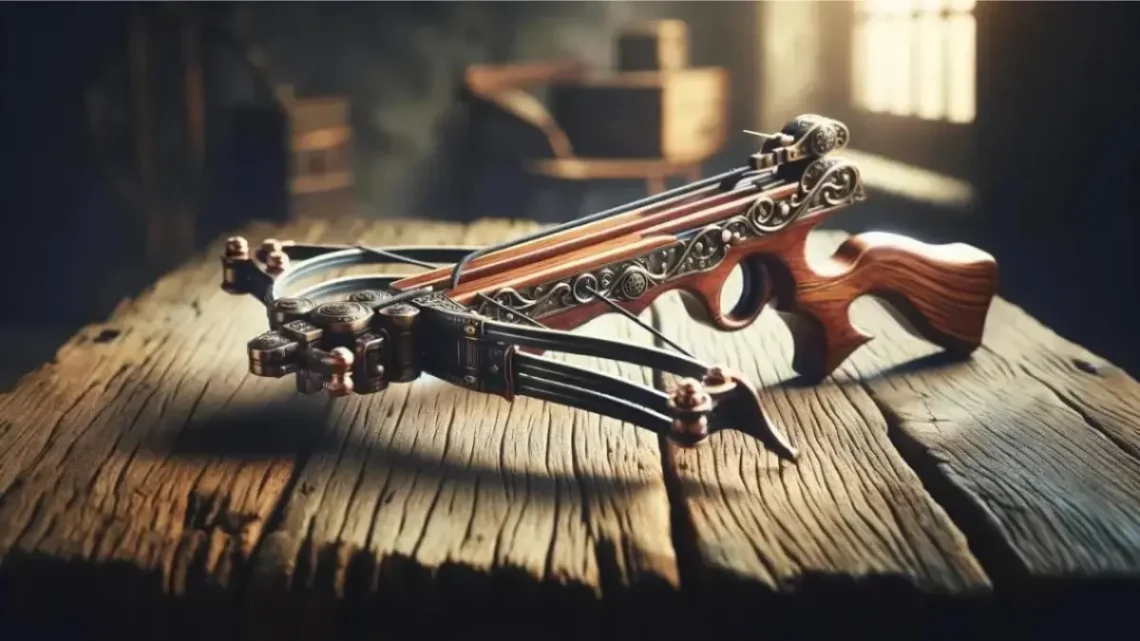
The hand crossbow is a small, lightweight ranged weapon prized for its portability and ease of concealment.
Originating from ancient designs, this nimble weapon allows archers and enthusiasts to engage targets with remarkable accuracy.
Its mechanical operation distinguishes itself from traditional bows, utilizing a trigger mechanism to release tension and propel bolts at high velocity.
Ideal for discreet hunting or as a secondary weapon for self-defense, the hand crossbow offers users a unique combination of precision and stealth. This makes it an intriguing choice for medieval reenactors, modern sportsmen, and tactical enthusiasts alike.
Understanding the Mechanics: How a Hand Crossbow Works
A hand crossbow is a compact, one-handed weapon designed for agility and ease of use. When operating a hand crossbow:
- Cocking: The user pulls back the string, locking it in place. This action compresses the bow’s limbs, storing potential energy.
- Loading: A bolt (a short arrow) is then placed on the track or groove of the crossbow.
- Trigger Mechanism: With the string held back by a latch, the user aims the crossbow. Upon pressing the trigger, the latch releases, and the stored energy propels the bolt forward with significant force.
- Recovering: After each shot, the crossbow must be manually re-cocked and reloaded, making rate of fire dependent on the user’s skill and strength.
Choosing the Right Hand Crossbow for Your Needs
To select an appropriate hand crossbow, one must consider several factors:
- Purpose: Decide whether the crossbow is for sports shooting, hunting, or self-defense. Each usage might demand different specifications.
- Weight and Size: Opt for a crossbow that feels comfortable to hold and use. A heavier model might offer stability, while a lighter one could be more manageable for prolonged use.
- Draw Weight: The draw weight impacts the arrow speed and overall force. Higher draw weights are suitable for hunting, while lower weights suffice for target practice.
- Quality of Construction: Look for durable materials and solid construction to ensure longevity.
- Additional Features: Consider crossbows with user-friendly features such as safety mechanisms, sights, and easy-loading systems.
- Budget: Balance the quality and features of the crossbow with affordability.
Remember to consult local regulations, as crossbow ownership might be restricted.
Learn more about: Archery Bows – How to Choose the Right One
The Art of Loading: Techniques for Quick and Safe Reloading
When mastering the hand crossbow, proficient reloading is vital. Here are effective techniques:
- Practice Repetition: Muscle memory is key. Repeat the loading process until it becomes second nature.
- Use Both Hands: One should hold the bow, with the other pulling the string back into the lock position.
- Stay Mindful of Fingers: Always keep fingers away from the path of the string to avoid injury.
- Secure Bolts: Securely place bolts in the groove to prevent them from falling out or misfiring.
- Invest in a Loading Aid: For those with less strength or those seeking speed, a cocking device can be invaluable.
Aiming for Accuracy: How to Improve Your Targeting Skills
Improving targeting skills with a hand crossbow requires focused practice and technique refinement:
- Stance and Grip: Establish a consistent stance and grip on the crossbow. One’s feet should be shoulder-width apart for stability, and the grip should be firm yet relaxed to allow for a controlled shot.
- Sight Alignment: Practice aligning the sight with the target. This could involve adjusting the sight for different distances to maintain accuracy.
- Breathing Control: Work on breathing techniques. Inhale deeply and exhale halfway before taking the shot to minimize body movement.
- Release Consistency: Ensure the release mechanism is operated smoothly each time. Jerky releases can significantly impact the bolt’s flight path.
- Regular Practice: Regularly engage in target practice to refine skills. Both stationary and moving targets can help in simulating various hunting scenarios.
Consistency is key; one’s accuracy with a hand crossbow will improve noticeably with disciplined training and attention to these details.
Maintenance Musts: Caring for Your Hand Crossbow to Ensure Longevity
Proper maintenance is crucial for the reliability and longevity of a hand crossbow. Here are key steps to ensure it stays in top condition:
- Regular Cleaning: After each use, wipe down your crossbow to remove dirt and debris. Pay extra attention to the string and limbs, making sure they are free of any materials that could cause damage over time.
- String Care: Apply wax to the string regularly to prevent fraying and snapping. Check string integrity before each use.
- Limb Inspection: Inspect the limbs for cracks or warping, which signify the need for repair or replacement.
- Bolt Examination: Examine your bolts before shooting. Ensure fletchings are intact and tips are secure.
- Storage: Store your crossbow in a dry, temperature-controlled environment. Avoid leaving it cocked for extended periods to prevent string stretch.
Remember, a well-maintained hand crossbow means a safe and effective hunting or target-shooting experience.
Learn more about: Archery Maintenance and Care of Your Bow and Arrow
Mastering the Stance
A correct stance is crucial for consistent hand crossbow shooting. Adhering to these principles ensures a stable platform:
- Feet Positioning: Place feet shoulder-width apart, parallel to the target, distributing weight evenly.
- Body Alignment: Align shoulders and hips perpendicular to the target, with the arm holding the crossbow straight and steady.
- Grip and Support: Grasp the crossbow’s handle firmly with your dominant hand while supporting its weight with your other hand, ensuring a secure and controlled shot.
- Balance: Maintain a balanced posture to absorb the crossbow’s recoil and prevent fatigue during prolonged sessions.
- Consistency: Repetition of the same stance improves muscle memory, resulting in more accurate shots.
Perfecting stance is not instantaneous—it requires dedicated practice. Commit to these basics, and the foundation of your hand crossbow mastery will be set.
The Hunter’s Companion: Tips for Using a Hand Crossbow in the Field
- Practice Reloading: Speed is crucial; practice reloading your hand crossbow to minimize downtime during hunting.
- Steady Aim: Use a bracing technique or support your shooting arm with your off-hand for increased accuracy.
- Silent Movement: Hand crossbows are quieter than firearms—move silently to match their stealth capability.
- Maintain Your Gear: Regularly check bolts, strings, and the crossbow mechanism to ensure function and safety.
- Know Your Limits: Understand the effective range of your hand crossbow and do not take shots beyond what you can confidently hit.
Advanced Techniques: Tricks for Becoming a Hand Crossbow Pro
To elevate one’s proficiency with a hand crossbow, several advanced techniques should be employed:
- Stance and Grip: Optimize both for stability and comfort. Aim for a stance that provides a solid base, and a grip that ensures both control and ease of movement.
- Breathing Control: Just like with traditional archery, control your breath to steady your aim. Inhale deeply before you line up your shot and exhale as you pull the trigger.
- Rapid Reloading: Enhance your dexterity to decrease reloading time. Practice swift and smooth motions until they become second nature.
- Precision Practice: Set up targets at varying distances and practice hitting them with accuracy. Use this to gauge your improvement and to adapt your aiming technique to different ranges.
- Moving Targets: To simulate real scenarios, practice hitting moving targets. This hones your timing, leading, and anticipatory skills, which are crucial for a hand crossbow pro.
By integrating these advanced techniques into their practice routine, one can gain a marked advantage and truly master the art of the hand crossbow.
Safety First: Hand Crossbow Handling and Shooting Etiquette
When managing a hand crossbow, one must prioritize safety above all. Adhering to these guidelines ensures not only the archer’s protection but that of bystanders as well:
- Always Treat as Loaded: Assume your crossbow is loaded at all times to foster a cautious approach.
- Mind Your Surroundings: Be aware of your environment; never point the crossbow at anything you do not intend to shoot.
- Finger Placement: Keep fingers below the rail to avoid injury when firing.
- Proper Loading: Use correct bolts and load them securely to prevent misfires or damage.
- Safety Mechanism: Engage the safety catch until you’re ready to shoot.
- Check Before Shooting: Inspect for people or obstacles in your firing line.
- Respect Range Rules: Follow all regulations at shooting ranges for a harmonious experience.
- Education and Training: Seek proper guidance to become proficient in safe crossbow handling and operation.
Respecting these etiquette rules will ensure a safe and enjoyable shooting experience.
Incorporating Accessories: Upgrading Your Hand Crossbow Experience
When improving one’s hand crossbow skills, the correct accessories can enhance performance significantly. Consider:
- Bolts: Invest in high-quality bolts tailored for your crossbow; they directly influence accuracy and impact.
- Quivers: A lightweight quiver enhances mobility and allows for quick reloads.
- Scopes: For precision aiming, a compatible scope can be a game-changer.
- Grip: Upgrading to an ergonomic grip reduces fatigue and improves control.
- Silencers: Minimize noise and vibration with crossbow silencers, which can help in remaining undetected.
Select accessories that complement your style and hand crossbow; they should work synergistically to uplift the overall experience.
Training Drills: Practice Routines to Sharpen Your Skills
To excel with a hand crossbow, one must engage in consistent and purposeful practice. Here are some drills to integrate into your training routine:
- Target Acquisition Drill: Set up multiple targets at different ranges. Practice quickly acquiring, aiming, and shooting each target to improve your reflexes and accuracy.
- Timed Reload Drill: Time yourself on how quickly you can safely reload your hand crossbow. Repeat to enhance your dexterity and reloading speed.
- Precision Shooting: Place small targets at various distances. Focus on hitting the exact spot to refine your precision shooting skills.
- Moving Targets: Have moving targets or simulate movement to better your tracking and shooting while adjusting for motion.
- Stress Shooting: Simulate stressful conditions by adding physical activity (like running in place) before shooting. This mimics real-life scenarios and improves shooting under pressure.
Incorporate these drills regularly, and monitor your progress for skill enhancement.
Conclusion
To truly master the hand crossbow requires the seamless integration of the aforementioned skills. Understanding the weapon, focusing on stance and grip, practicing with purpose, maintaining the crossbow, and participating in continuous learning are essential. Each skill complements the others, forming a synergistic effect that elevates a user’s expertise. Success lies not in mastering individual skills in isolation, but in harmonizing them into a coherent whole, allowing for instinctual execution during use, and ultimately transforming a novice into a hand crossbow maestro.