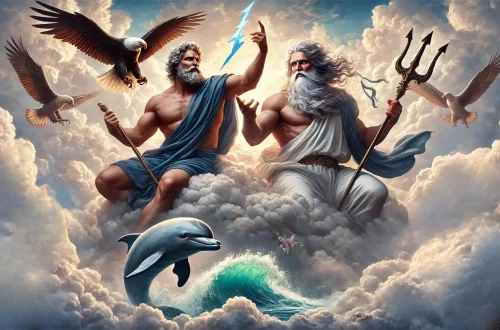
Greek Mythology Family Tree: Primordial, Titan & Olympian Gods
Did you know that the ancient Greek mythology family tree is a complex network of gods and goddesses with intricate relationships?
From the primordial gods to the Titans and the Olympians, these divine figures are interconnected in fascinating ways.
Exploring the Greek mythology family tree allows us to delve into the captivating world of Greek gods and goddesses and unravel the tales that have left a lasting impact on art, literature, and culture.
Sources of Greek Mythology and Stories
Greek mythology has a rich and diverse history, with its origins rooted in both oral tradition and written literature.
Unlike other religions, there is no single original text that encompasses Greek mythology, as it was shaped and evolved over time through storytelling and the written word.
The ancient Greek myths were initially passed down through generations via oral tradition, starting in the Bronze Age. These myths were shared through spoken narratives, allowing them to be adapted and modified based on the audience and the storyteller’s interpretation.
Written Literature – Greek Mythology
Over time, the myths began to take written form during the archaic and classical periods of the ancient Mediterranean world.
Written literature played a crucial role in the development and preservation of Greek mythology, offering a more structured and standardized version of the stories.
One of the most significant contributions to Greek mythology was made by the poet Homer. His epics, The Iliad and The Odyssey, serve as a primary source for understanding the mythological world of ancient Greece. These epic poems are not only tales of heroism and adventure but also prominently feature gods and goddesses.
Another important written work is Theogony by Hesiod. This poem provides a written cosmogony that explains the origin of the gods and offers intricate details about the family tree of Greek mythology. It serves as a valuable source for understanding the relationships between various gods and goddesses.
The Greek Mythology Family Tree: Primordial Gods
The Greek mythology family tree is complex, beginning with the primordial gods who existed before everything.
Primordial gods are the first gods in mythology. They come before the well-known gods like Zeus or Odin. These gods often represent basic forces of nature or the universe—like night, sky, earth, sea, or chaos.
They are not always human-like and sometimes don’t have clear shapes or stories. But they create or give birth to other gods, titans, and creatures.
So, “primordial” means “first” or “earliest,” and these gods form the foundation of the world in many myths.
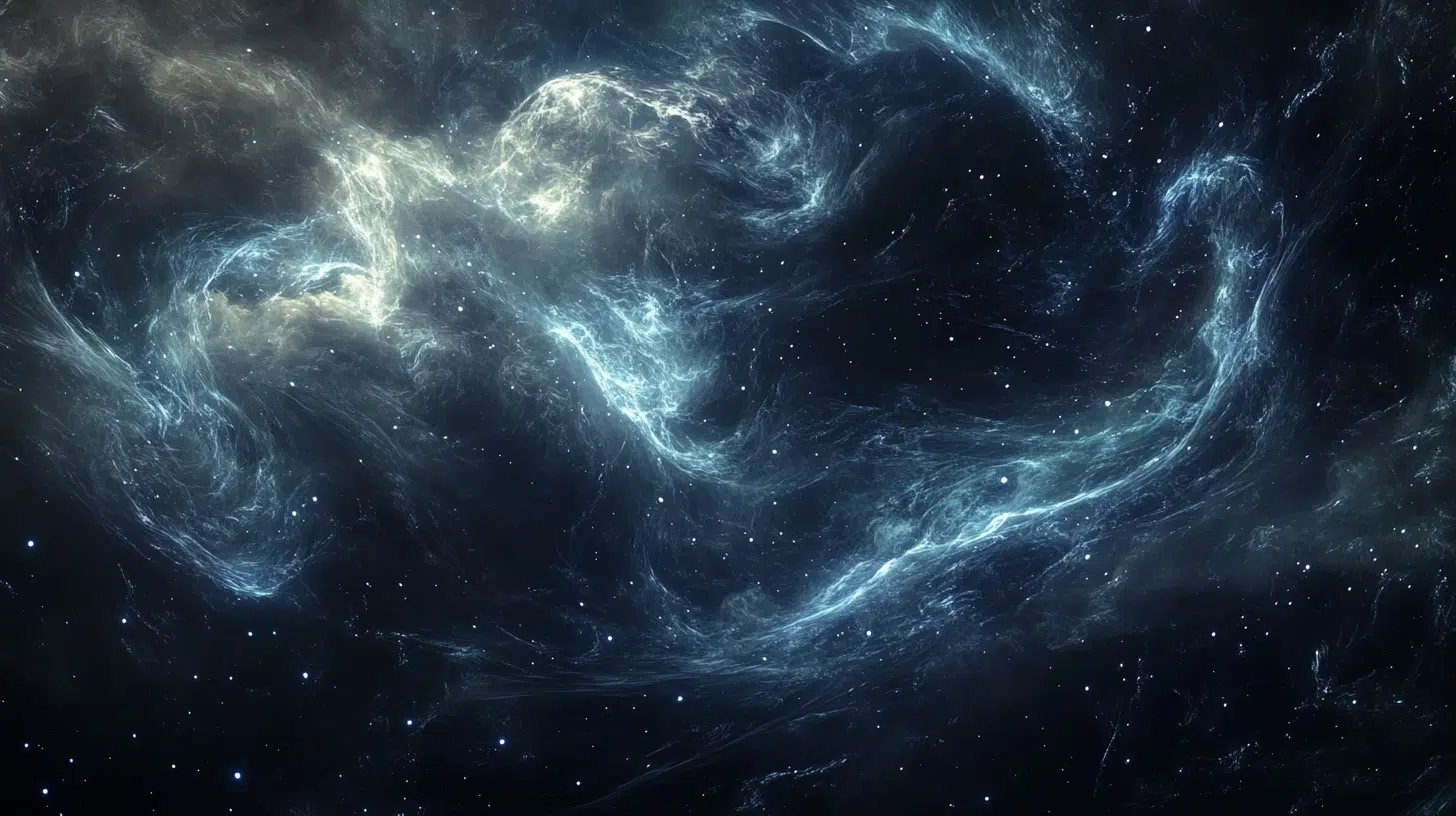
Chaos: Primordial void and origin of all creation
Chaos came first. It was not a person, but a vast, dark emptiness. From Chaos, the first beings emerged, giving shape to the world.
Chaos gave birth to:
-
Gaia (Goddess of the Earth)
-
Tartarus (God of the Abyss/Underworld)
-
Erebus (God of Darkness)
-
Eros (God of Love and Desire, in some versions, a primordial god)
Gaia: Primordial Goddess of the Earth
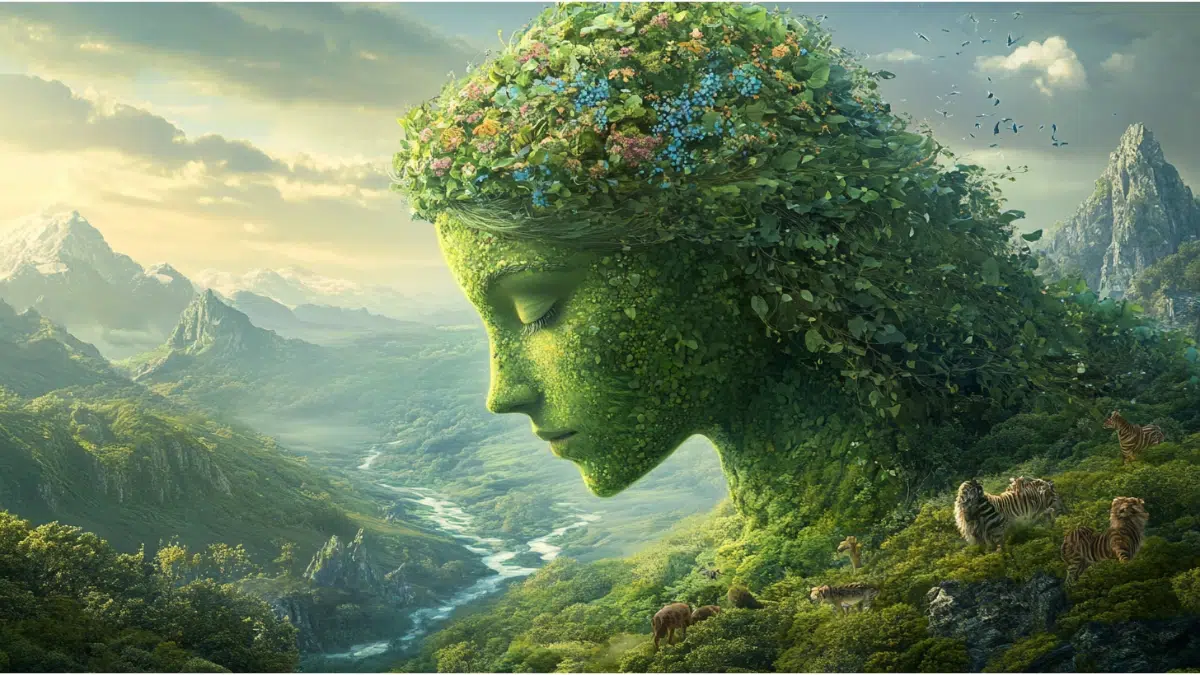
Gaia personified the Earth and was the source of all life. She emerged from Chaos and became the great mother of gods and creatures.
Gaia gave birth to:
Uranus: Primordial God of the Sky
Uranus personified the sky and covered the Earth like a dome. He was Gaia’s firstborn and later became her mate. He feared the power of their children and tried to trap them inside Gaia, leading to his downfall at the hands of Cronus.
-
Children (with Gaia):
-
The 12 Titans
-
The Cyclopes (One-eyed giants)
-
The Hecatoncheires (Hundred-handed giants)
-
Aphrodite (Born from Uranus’ severed parts and sea foam, in one version)
-
Ourea: Primordial Gods of the Mountains
The Ourea were personified mountain gods, each representing a specific mountain in Greece. They were silent, eternal, and rooted in the Earth, divine spirits of individual mountains. Born from Gaia alone, they did not have major myths or children but symbolized the raw, unchanging power of the land.
-
Children: None mentioned in myth
-
Known for representing individual mountains like Mount Olympus, Mount Othrys, and Mount Ida
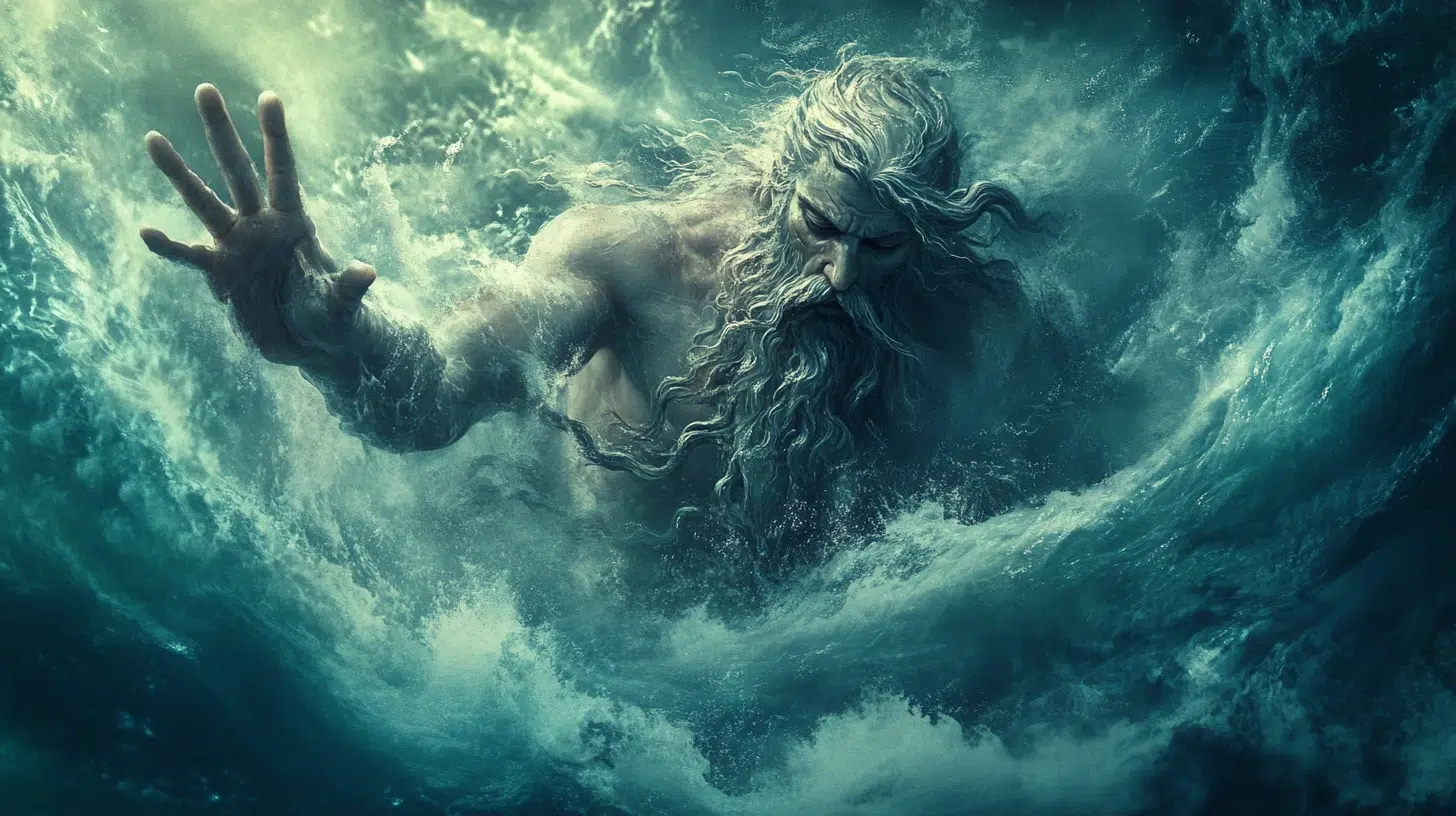
Pontus: Primordial God of the Sea
Pontus was the sea itself—deep, salty, and mysterious. He emerged from Gaia without a father and later became her consort. He ruled before Poseidon and fathered many ancient sea beings.
-
Children (with Gaia):
-
-
Nereus (The Old Man of the Sea)
-
Thaumas (God of sea wonders)
-
Phorcys (Sea god with crab-claw arms)
-
Ceto (Goddess of Sea Monsters)
-
Eurybia (Goddess of mastery over the sea’s forces)
-
Uranus: Primordial God of the Sky

Uranus was the Sky, who covered Gaia, the Earth. He became her mate and ruled the heavens. He feared his powerful children and hid them, leading to his downfall.
With Gaia, he fathered:
-
The 12 original Titans
-
The Cyclopes
-
The Hecatoncheires
(Uranus was overthrown by Cronus, one of his Titan sons)
Tartarus: Primordial God of the Deep Abyss
Tartarus was both a place and a deity, representing the deepest pit of the Underworld. It served as a prison for the wicked and defeated gods.
With Gaia, Tartarus fathered:
-
Typhon (A monstrous, fire-breathing giant who challenged Zeus)
Nyx: Primordial Goddess of the Night
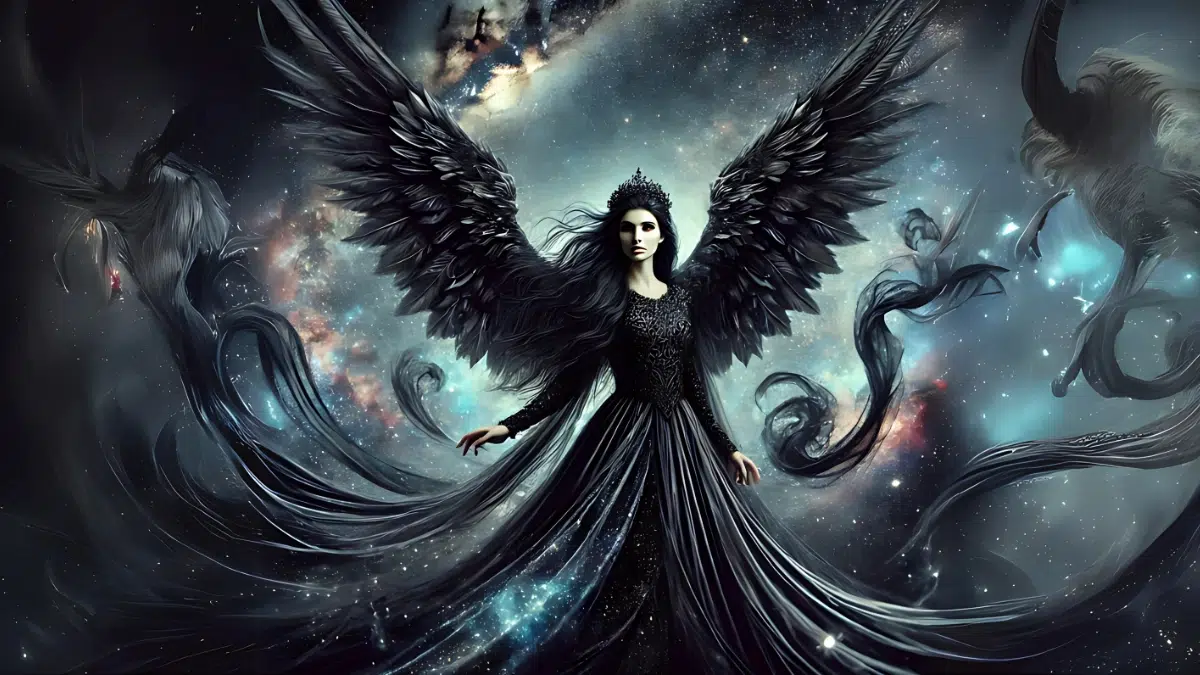
Nyx was the night itself—dark, mysterious, and powerful. Even Zeus feared her. She was born from Chaos and gave birth to many abstract beings.
Some of her children were born alone, others with Erebus (Darkness).
Children (with Erebus, God of Darkness):
-
Aether (God of the upper Sky and Light) – treated more like a cosmic force
-
Hemera (Goddess of Day)
Children born from Nyx alone:
-
Hypnos (Sleep)
-
Thanatos (Death)
-
Moros (Doom)
-
Eris (Strife)
-
The Fates (Clotho, Lachesis, Atropos – in some versions)
-
Charon (Ferryman of the Underworld – in some versions)
-
Geras (Old Age)
-
Oneiroi (Dream spirits)
Erebus: Primordial God of Darkness
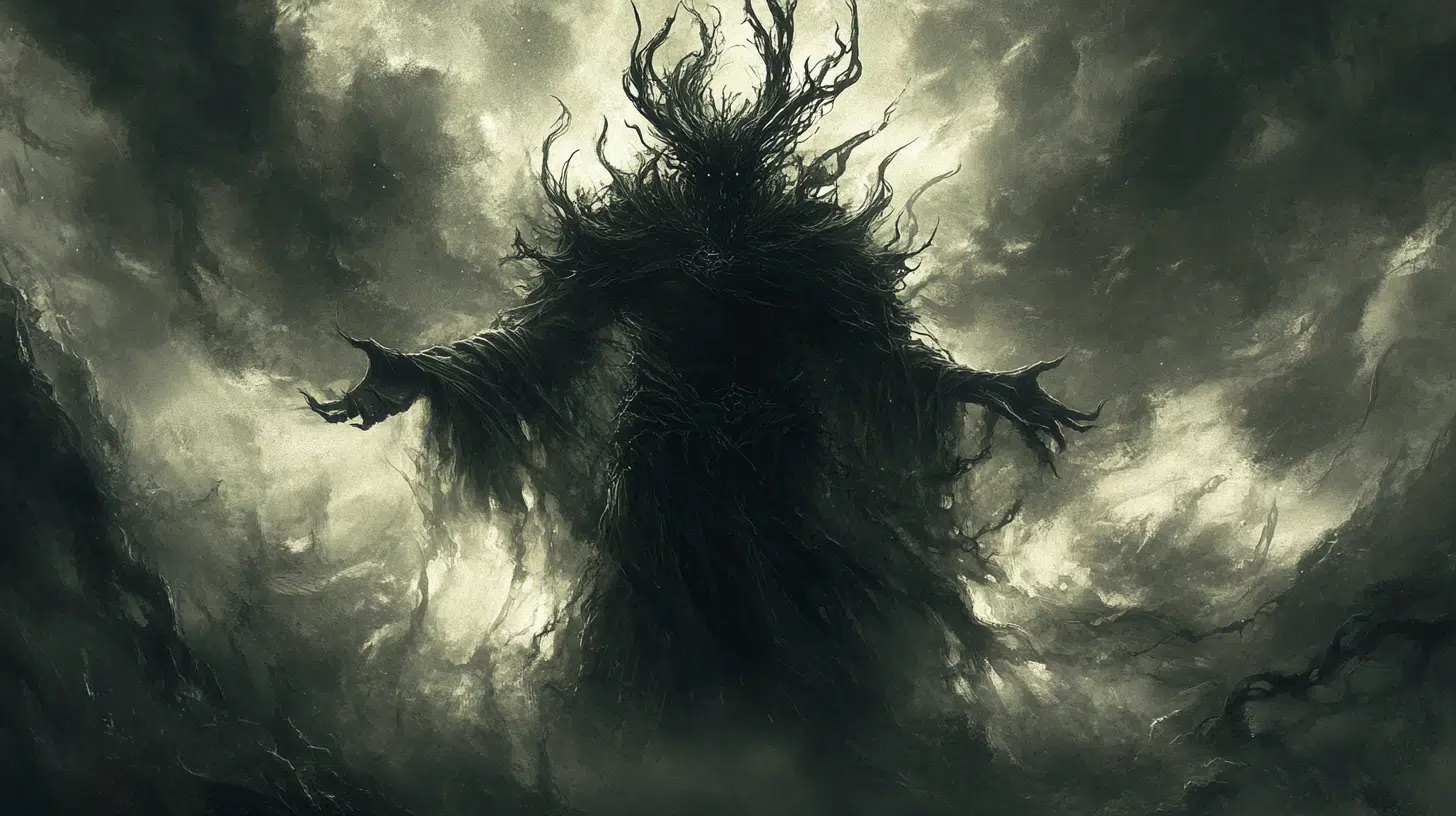
Erebus was the god of deep, shadowy darkness—especially the kind found between the living world and the Underworld. He emerged from Chaos and filled the gaps between night and death. Often paired with Nyx, Erebus helped shape the boundary between light and gloom.
Children (with Nyx):
-
Aether (God of Upper Air and Light)
-
Hemera (Goddess of the Day)
The Greek Mythology Family Tree: Greek Titans
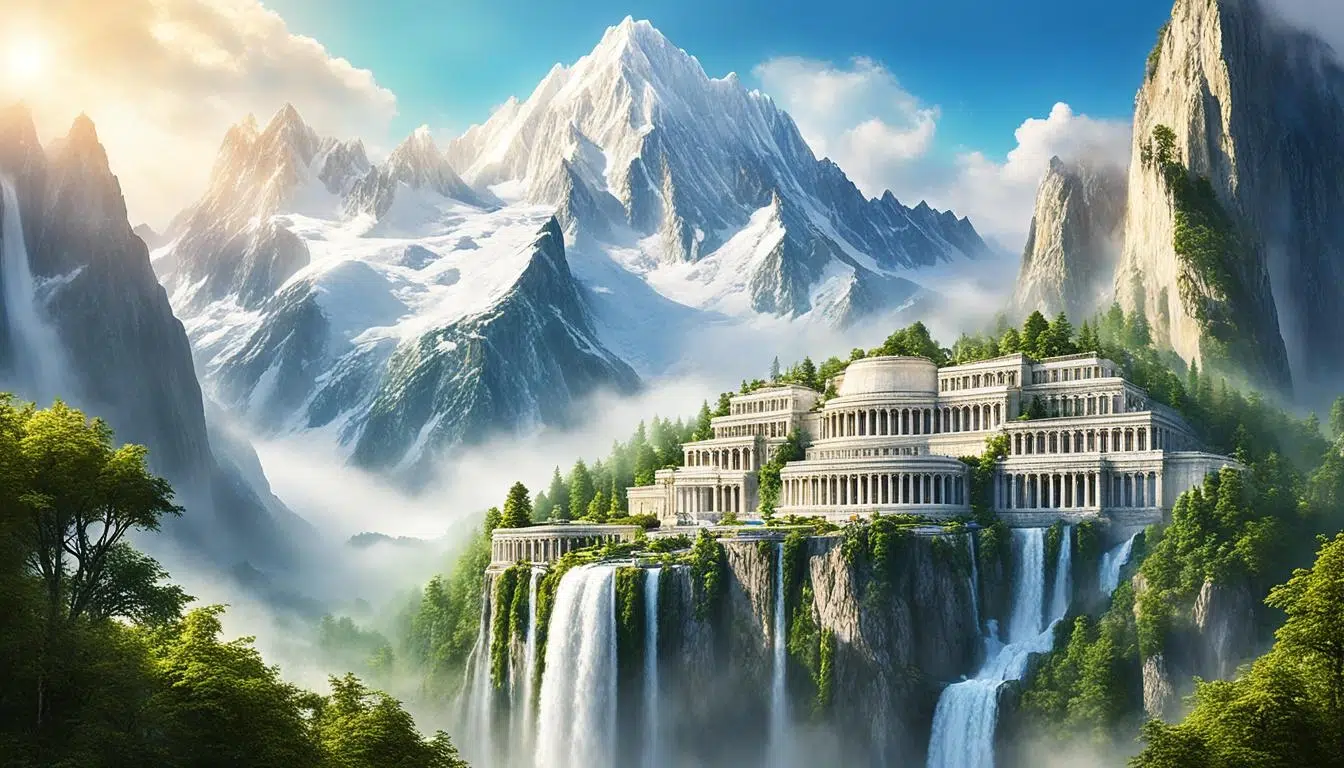
From the primordial gods, the twelve Greek Titans emerged. These powerful beings ruled over different aspects of the world and were part of the second generation of divine beings.
The Greek Titans played significant roles in Greek mythology and paved the way for the rise of the famous and prominent twelve Greek Olympian gods.
The Greek Titans were powerful gods who ruled over various domains. In Greek mythology, they occupied a significant place in the hierarchy of divine beings. Let’s explore some of the prominent Greek Titans and their roles:
Oceanus: Titan of the great river that encircles the world
Oceanus personified the vast waters that surrounded the Earth. As a Titan of the ocean, he governed the endless river believed to encircle the known world. He fathered many river gods and sea nymphs, symbolizing the life-giving force of water.
He is the father of:
-
All river gods (like Achelous and Alpheus)
-
Oceanids (sea nymphs), including Metis, Styx, and Dori
Cronus: Titan of time and ruler of the Titans

Cronus represented time—especially the destructive force of it. He led the Titans after overthrowing his father, Uranus. Known for swallowing his children to prevent a prophecy, he was later defeated by his son Zeus during the Titanomachy.
With Rhea, he fathered the six original Olympians:
-
Hestia – Goddess of the Hearth and Home
-
Demeter – Goddess of Agriculture and the Harvest
-
Hera – Goddess of Marriage and Queenship
-
Hades – God of the Underworld and the Dead
-
Poseidon -God of the Sea, Earthquakes, and Horses
-
Zeus – God of the Sky, Thunder, and Kingship
Rhea: Titaness of motherhood and fertility

Rhea was the sister and wife of Cronus and known as the mother of the Olympian gods. She protected Zeus by hiding him away at birth, saving him from Cronus. Her nurturing spirit earned her a place as the Titaness of motherhood.
She is the mother of:
-
Hestia – Goddess of the Hearth and Home
-
Demeter – Goddess of Agriculture and the Harvest
-
Hera – Goddess of Marriage and Queenship
-
Poseidon -God of the Sea, Earthquakes, and Horses
-
Zeus – God of the Sky, Thunder, and Kingship
Hyperion: Titan of light and heavenly cycles
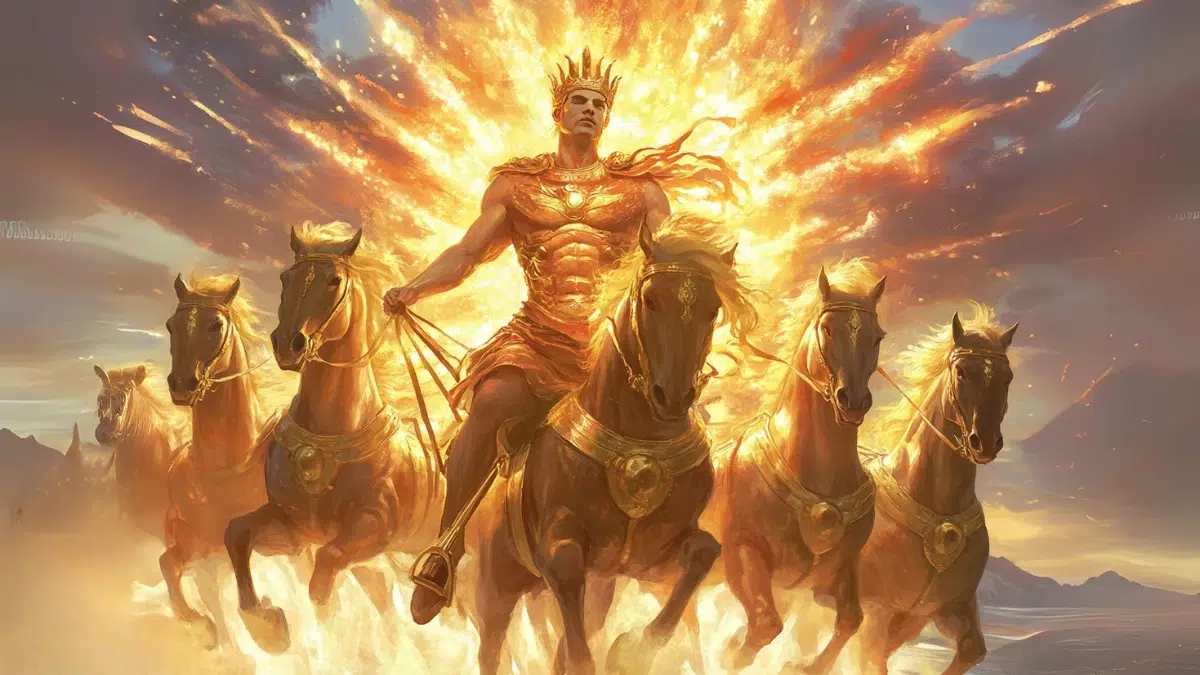
Hyperion embodied the light of the heavens. He helped bring order to the sky. His role lit the path for day and night, making him a key force in celestial balance. With Theia, he fathered three powerful celestial gods:
-
Helios (God of the Sun)
-
Eos (Goddess of the Dawn)
Themis: Titaness of law, order, and justice
Themis symbolized fairness, balance, and divine law. As a Titaness of order, she guided gods and mortals alike with moral rules. She also served as a prophetic voice at Delphi before passing that role to Apollo.
With Zeus, she became the mother of:
-
The Horae (Goddesses of the Seasons and Natural Order): Eirene (Peace), Eunomia (Law), Dike (Justice)
-
The Moirai (Fates): Clotho, Lachesis, and Atropos
Iapetus: Titan of mortality and craftsmanship
Iapetus was a Titan linked to life spans, mortality, and skill. He was the father of notable figures like Prometheus, Epimetheus, and Atlas. Through his children, he played a key role in shaping humanity and its struggles.
With the Oceanid Clymene, he fathered:
-
Prometheus (Forethought; God of Creation and Fire)
-
Epimetheus (Afterthought; God of Excuses and Hindsight)
-
Atlas (Bearer of the sky)
-
Menoetius (God of violent anger and doomed pride)
Coeus: Titan of intellect and inquiry
Coeus represented the mind, wisdom, and deep questioning. He was considered the Titan of intelligence and was often connected to prophecy and the stars. He fathered Leto, who gave birth to Apollo and Artemis.
With Phoebe, he fathered:
-
Leto (Mother of Apollo and Artemis)
-
Asteria (Goddess of falling stars and nighttime divination)
Crius: The forgotten Titan of constellations
Crius is one of the less-detailed Titans, but he was often tied to the measurement of time through the stars. He symbolized the power of observation and celestial order in the early cosmos.
With Eurybia (daughter of Pontus and Gaia), he fathered:
-
Astraeus (God of Dusk and Stars)
-
Pallas (God of Warcraft)
-
Perses (God of Destruction and peace through power)
Phoebe: Titaness of bright intellect and prophecy
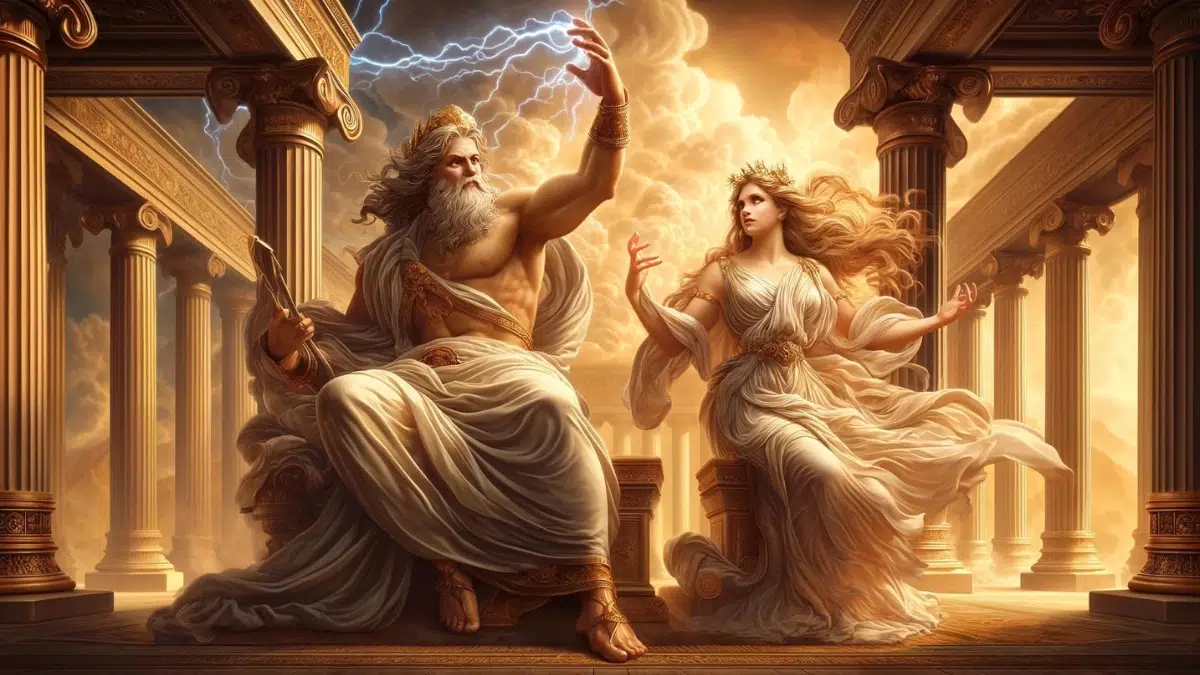
Phoebe stood for shining brilliance and was often linked to oracular wisdom. As the grandmother of Apollo and Artemis, she helped carry the gift of prophecy to future generations.
With Coeus, she became the mother of:
-
Leto (Mother of Apollo and Artemis)
-
Asteria (Goddess of falling stars and dream prophecy)
Mnemosyne: Titaness of Memory and Words
Mnemosyne personified memory and gave birth to the nine Muses after uniting with Zeus. She preserved history, stories, and knowledge, ensuring the past was never forgotten.
With Zeus, she gave birth to:
- The Nine Muses (Goddesses of the arts and sciences):
- Calliope (Epic Poetry)
- Clio (History)
- Erato (Love Poetry)
- Euterpe (Music)
- Melpomene (Tragedy)
- Polyhymnia (Sacred Hymns)
- Terpsichore (Dance)
- Thalia (Comedy)
- Urania (Astronomy)
Tethys: The nurturing Titaness of Fresh Water
Tethys governed rivers, streams, and fresh waters. As Oceanus’ wife, she helped raise the rivers and fostered many children who governed waterways across the world.
With Oceanus, she became the mother of:
-
Thousands of river gods
-
Oceanids (including Doris, Styx, Metis, and Eurynome)
Theia: Titaness of sight and heavenly splendour
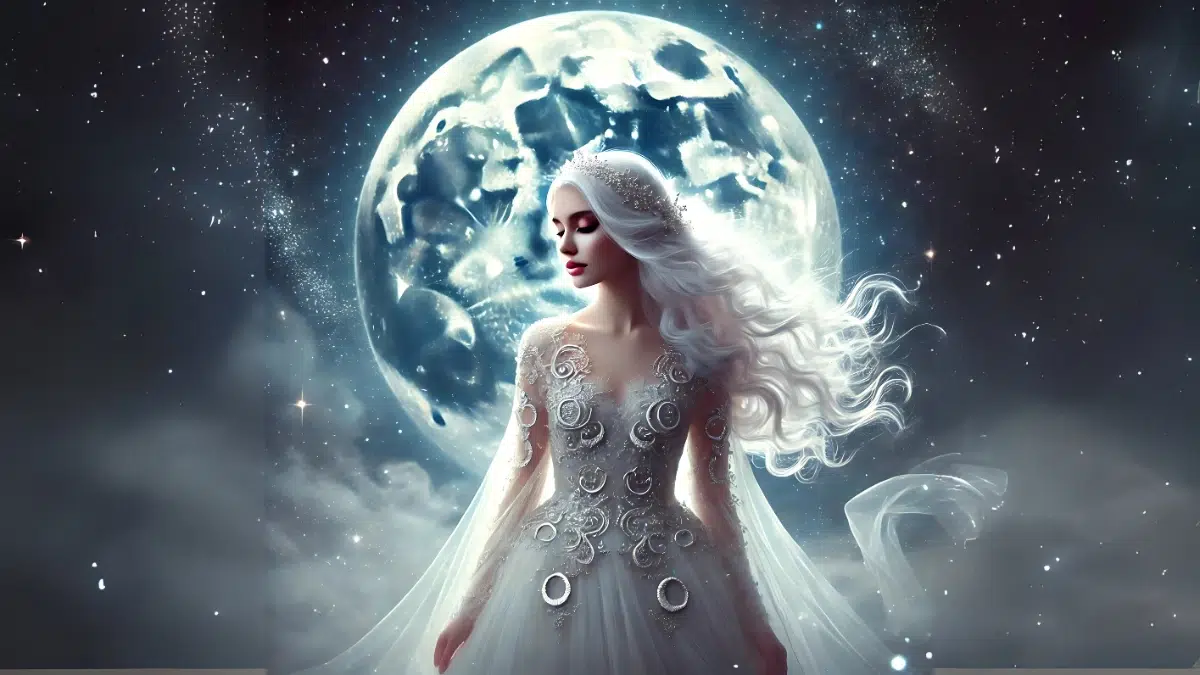
Theia brought light and beauty to all she touched. She is the Titaness of vision, glory, and radiance. She helped fill the world with brilliance.
With Hyperion, she became the mother of:
-
Helios (God of the Sun)
-
Eos (Goddess of the Dawn)
These Titans, among others, formed the foundation of Greek mythology and paved the way for the rise of the Greek Olympian gods.
The Greek Mythology Family Tree: Greek Olympian Gods
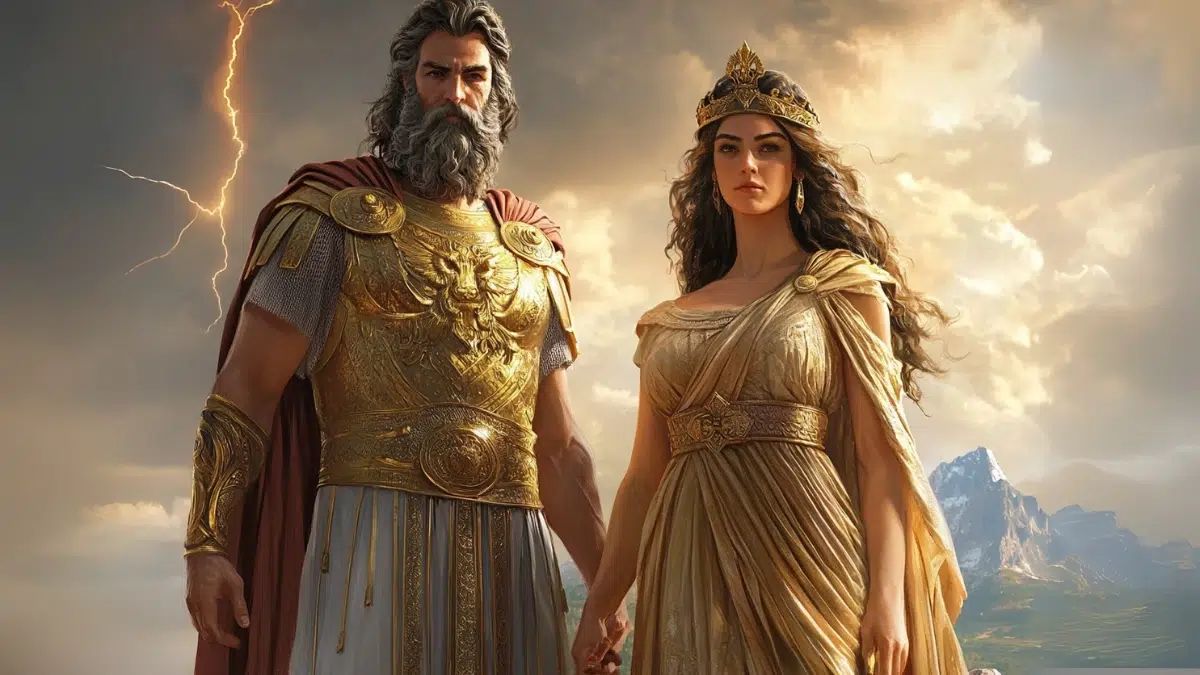
In Greek mythology, the central figures are the Olympian deities who resided on Mount Olympus. These powerful gods and goddesses held dominion over various aspects of human life and the natural world. Let’s explore these divine figures and their roles:
These Olympian deities formed a complex pantheon, each wielding immense power and possessing unique qualities that impacted the lives of mortals. Their interactions and conflicts sparked countless myths, legends, and tales that have fascinated generations for centuries.
The Greek Olympian gods hold a prominent place in Greek mythology as the most revered and influential figures. Each god and goddess played a distinct role in shaping the ancient Greek world.
The Olympian Deities on Mount Olympus
The Olympian gods and goddesses, as the principal divine beings of Greek mythology, resided on Mount Olympus, a mythical mountain believed to be the abode of the gods. This majestic peak, stretching towards the heavens, was a place of immense power and divine presence.
From this lofty vantage point, the Olympian deities observed and intervened in the affairs of both mortals and immortals. Here, they held council, engaged in rivalries, and forged alliances that shaped the destiny of the world.
1. Zeus: God of the sky, lightning, and kingship
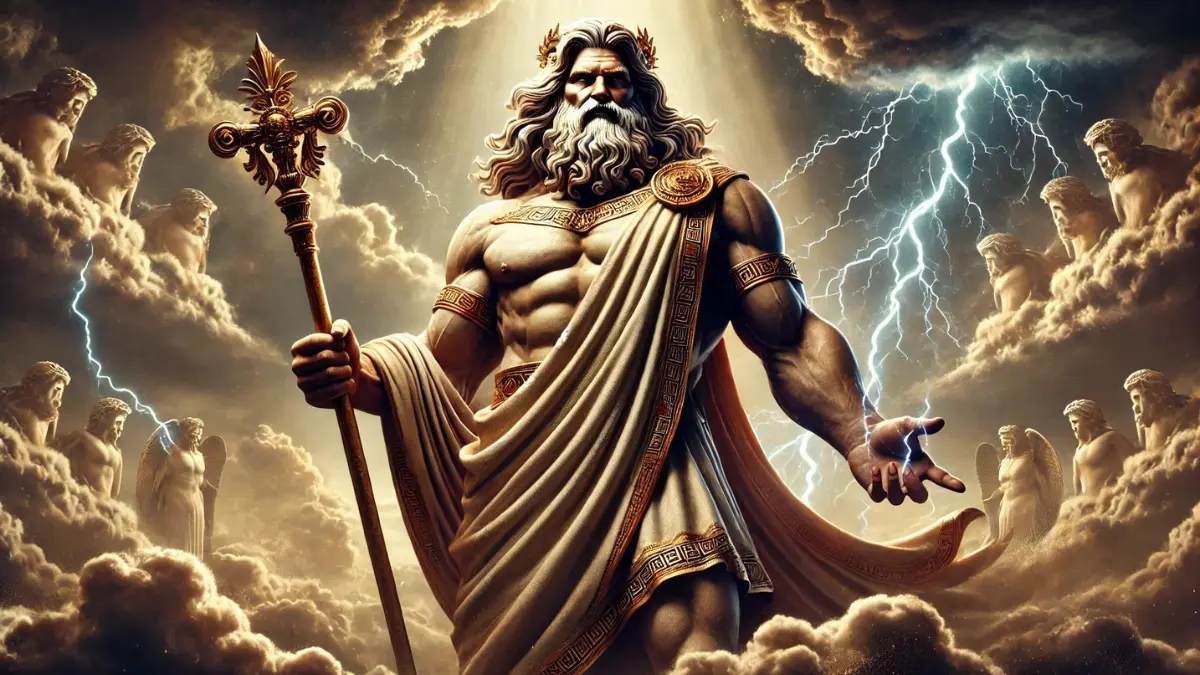
Zeus ruled the heavens and was king of the gods. He upheld justice, law, and order among gods and mortals. Known for many affairs, he fathered gods, heroes, and mortals alike.
His children include:
-
Apollo (God of the Sun, Music, and Prophecy)
-
Dionysus (God of Wine and Theatre)
-
Persephone (Queen of the Underworld – with Demeter)
-
Heracles (Hero and demigod)
-
Helen of Troy (With Leda, in some myths)
2. Hera: Goddess of marriage, women, and queenship
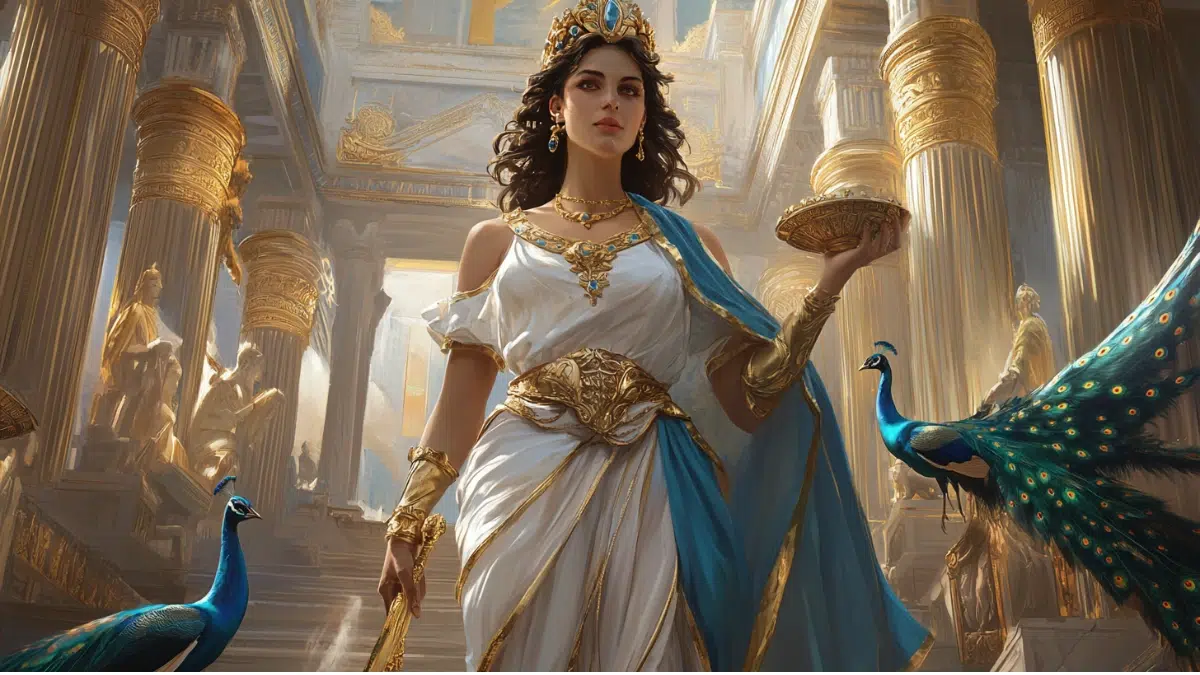
Hera was Zeus’s wife and queen of the gods. She protected marriage, birth, and family life. Though often jealous of Zeus’s affairs, she had children of her own.
Her children include:
-
Hebe (Goddess of Youth)
-
Hephaestus (God of Fire and Craftsmanship – in some myths, born without Zeus)
3. Poseidon: God of the sea, earthquakes, and horses
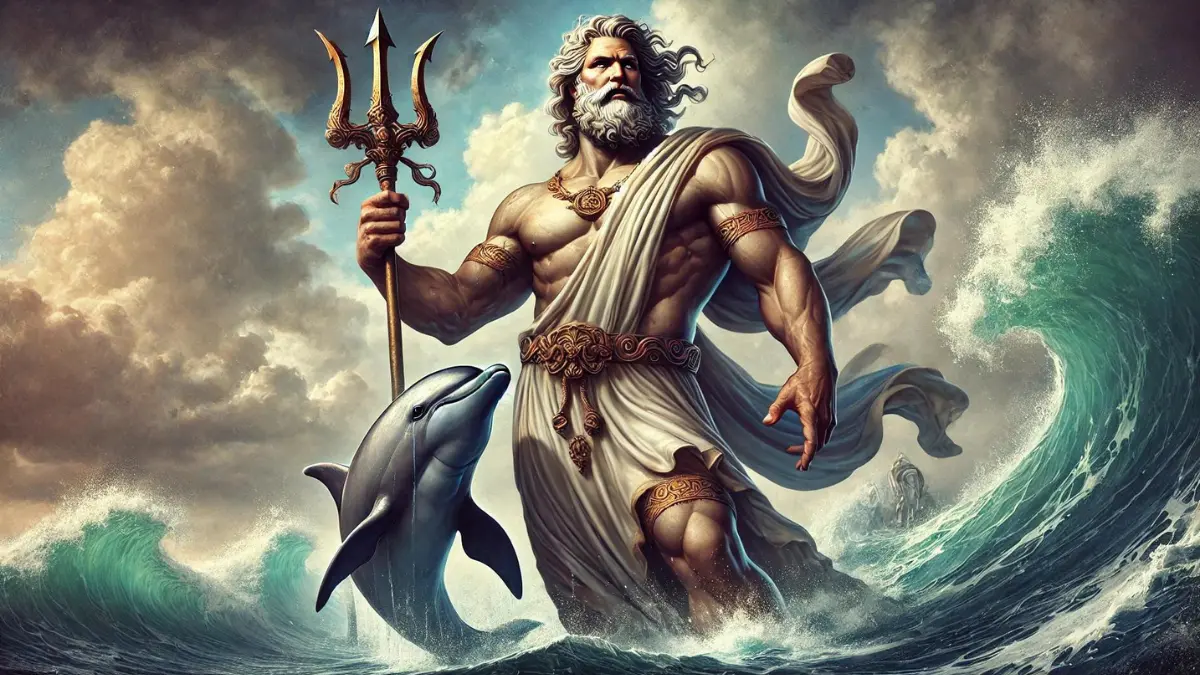
Poseidon ruled the oceans and caused storms, quakes, and floods. He was known for his temper and his trident.
His children include:
-
Triton (Sea god with a conch shell)
-
Theseus (Hero of Athens – in some versions)
-
Polyphemus (Cyclops defeated by Odysseus)
-
Pegasus (Winged horse – with Medusa)
4. Demeter: Goddess of agriculture, grain, and the harvest
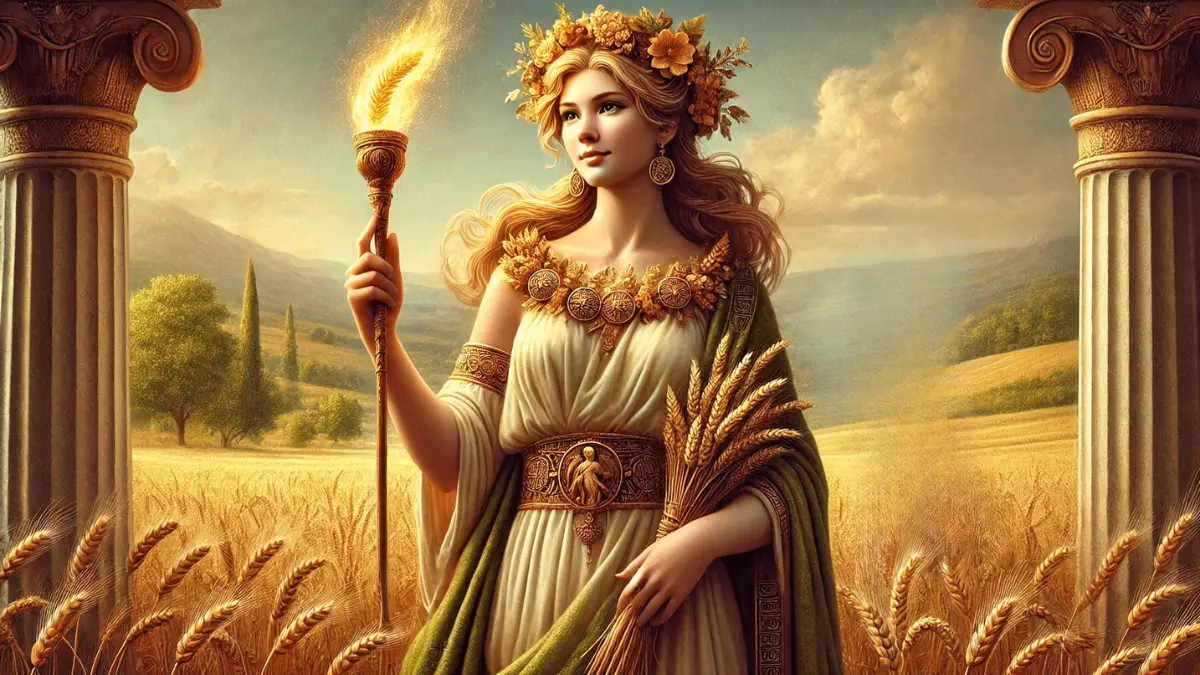
Demeter controlled the fertility of the earth and the growth of crops. She taught humans how to farm and worship the land.
Her most famous child is:
-
Persephone (Goddess of Spring and Queen of the Underworld – with Zeus)
5. Athena: Goddess of Wisdom, War, and Strategy
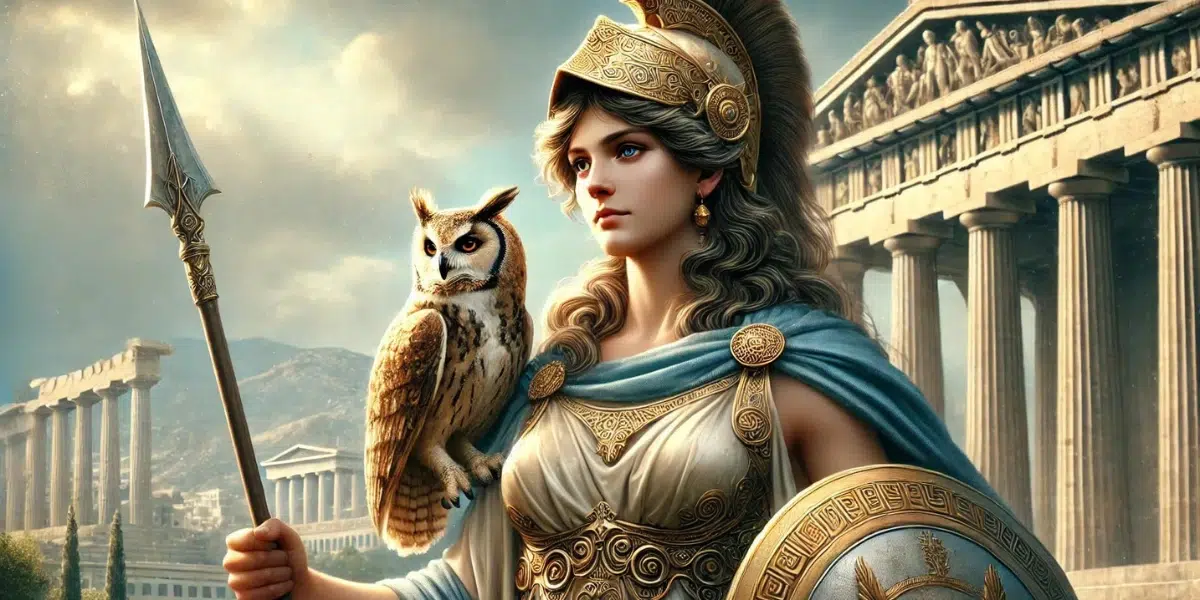
Athena ruled over wisdom, battle tactics, and crafts. She guided heroes and protected cities, especially Athens. Born fully grown from Zeus’s head, she had no mother and no children. She remains one of the few Olympian virgins.
-
No children
-
Known for: Guiding Odysseus, Perseus, and Heracles
6. Apollo: God of the Archery, Music, Healing, and Prophecy

Apollo was the twin brother of Artemis and brought light, order, and knowledge. He ruled the sun’s path and spoke through oracles.
He never married but had several children, including:
-
Asclepius (God of Medicine)
-
Orpheus (Legendary musician – in some versions)
-
Troilus (Trojan prince – in some myths)
-
Linus (Musician and teacher)
7. Artemis: Goddess of the Hunt, Moon, and Wild Animals
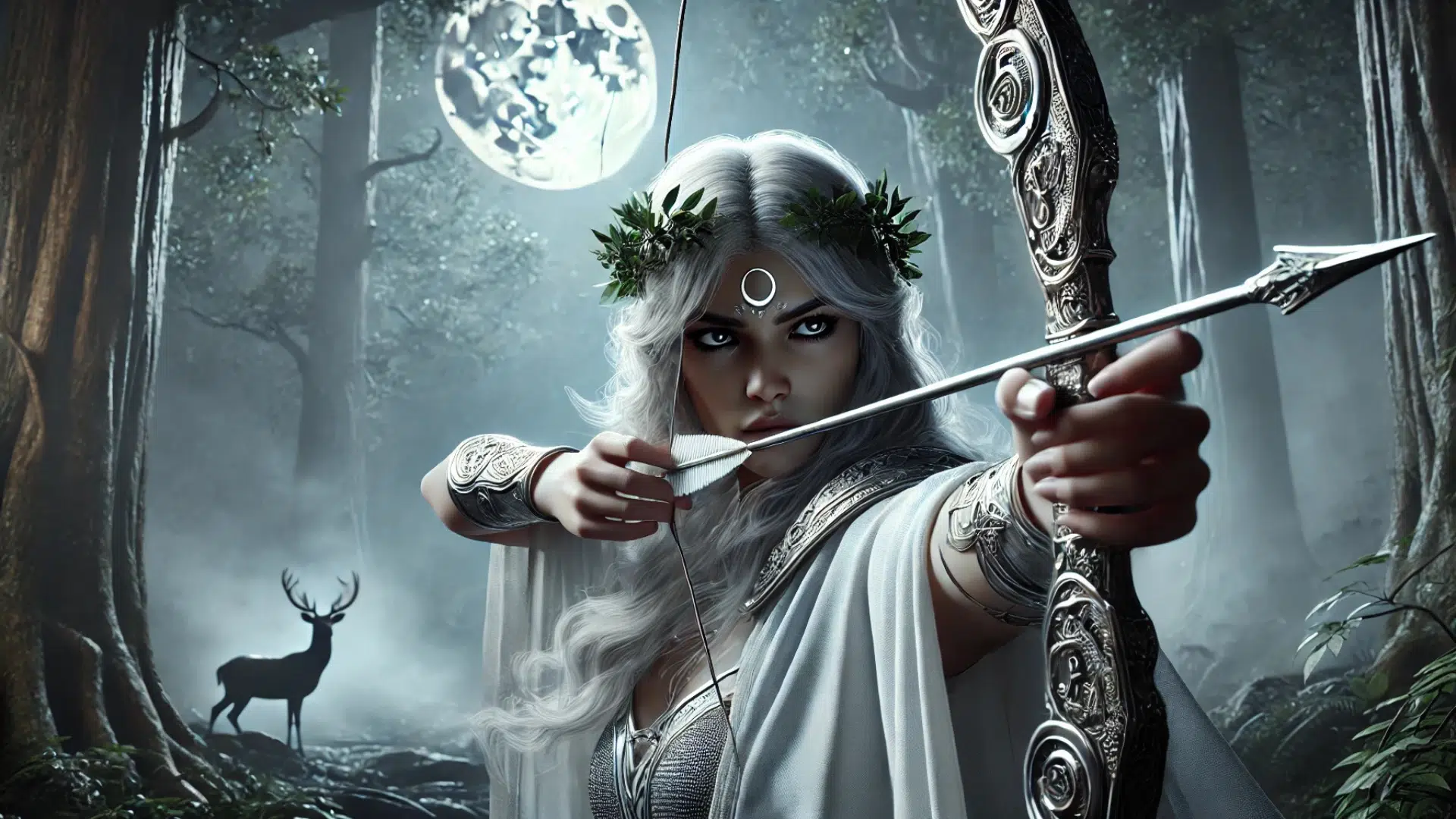
Artemis was a virgin goddess who protected wildlife, women, and childbirth. She lived in the forests and never married or had children. Like Athena, she remained fiercely independent.
-
No children
-
Known for: Punishing Actaeon, saving Iphigenia, guarding maidens
8. Ares: God of war, bloodlust, and courage
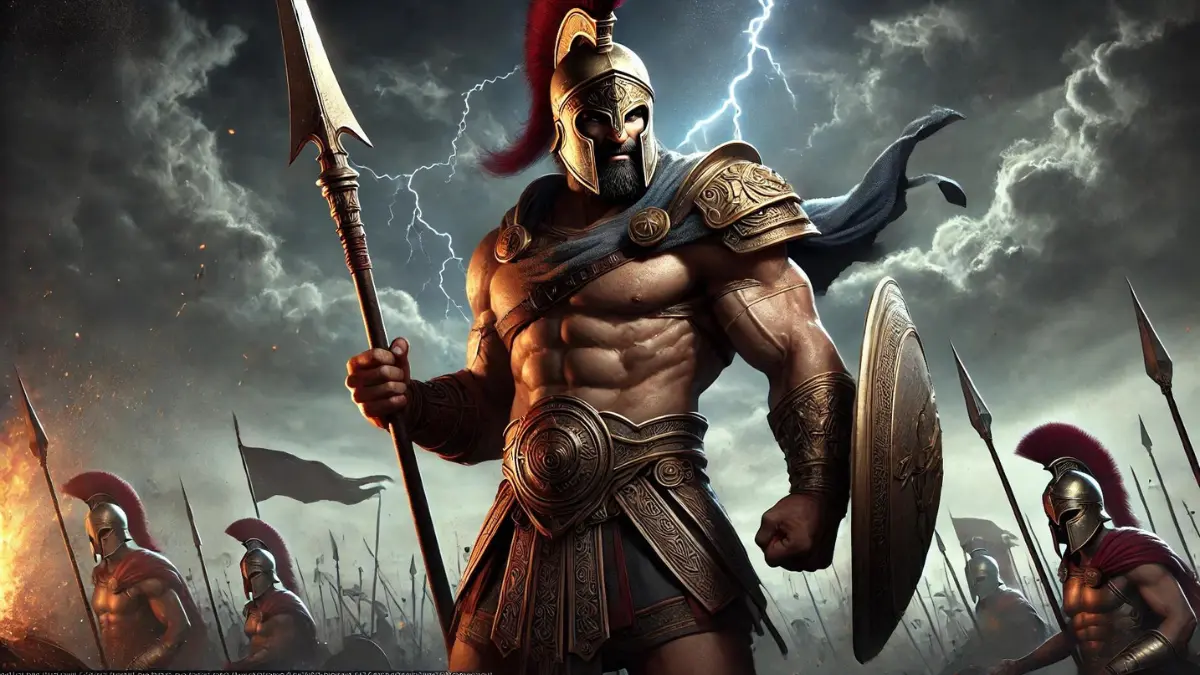
Ares represented the chaos and violence of war. Though often disliked by other gods, he was still powerful in battle.
With Aphrodite, he fathered:
-
Eros (God of Love – in some myths)
-
Phobos (God of Fear)
-
Deimos (God of Terror)
-
Harmonia (Goddess of Harmony)
-
Anteros (God of requited love – in some myths)
9. Hephaestus: God of fire, metalwork, and craftsmanship
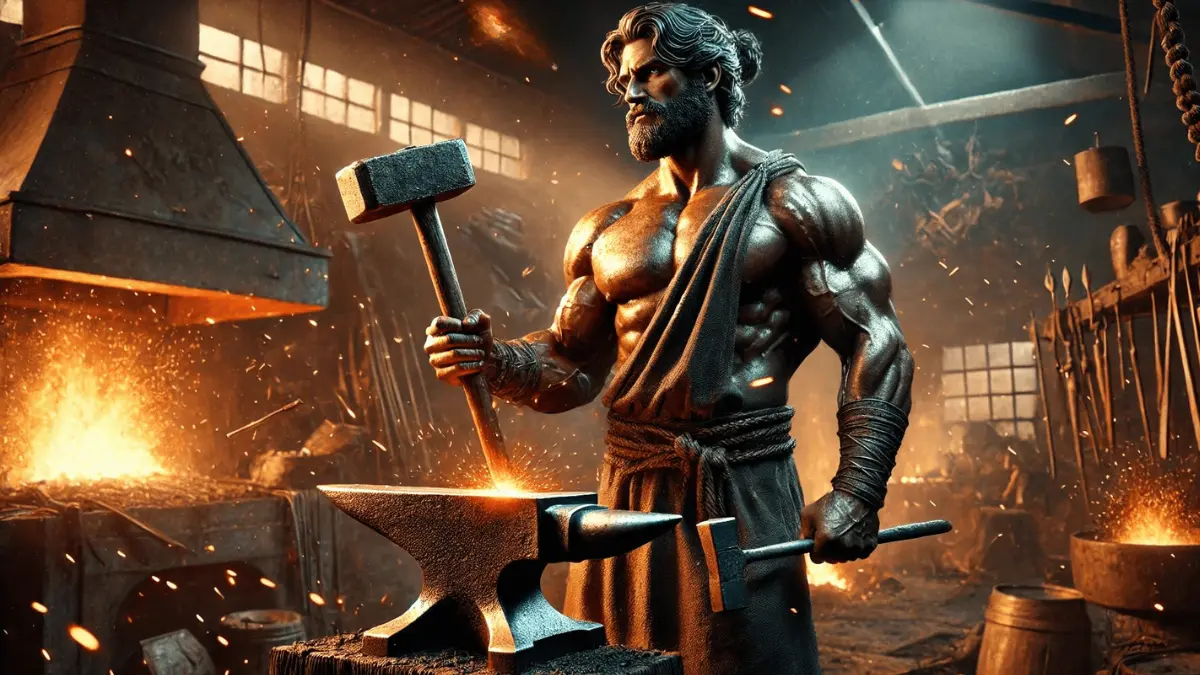
Hephaestus was the master smith of the gods, building palaces, weapons, and magical items. In some myths, Hera birthed him alone; in others, he is the son of Hera and Zeus. He married Aphrodite, though she was unfaithful. His children include:
-
Thalia (One of the Kharites – in some versions)
-
Eucleia, Euthenia, Eupheme, and Philophrosyne (Spirits of virtue – in some myths)
-
Palici (Volcanic twin gods – in some Sicilian myths)
10. Aphrodite: Goddess of love, beauty, and desire
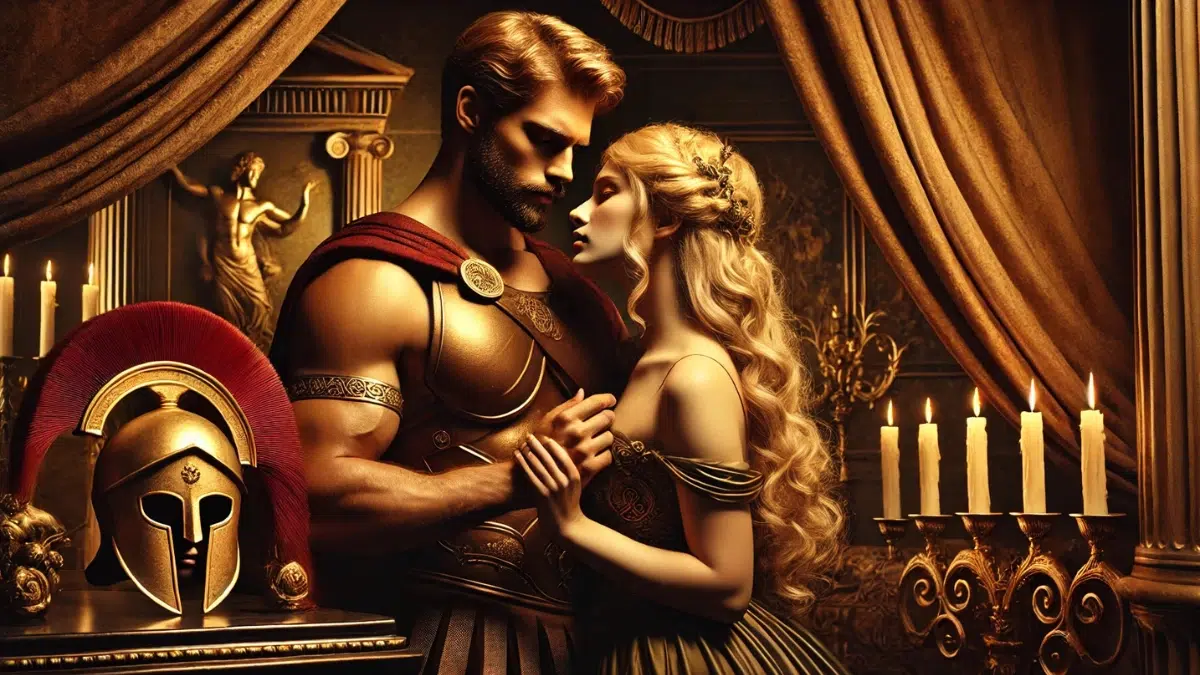
Aphrodite enchanted gods and mortals with love and attraction. In some myths, she was born from sea foam; in others, she is the daughter of Zeus and Dione. She had many lovers and children, including:
-
With Ares:
-
-
Eros (God of love)
-
Phobos (God of Fear)
-
Deimos (God of Terror)
-
Harmonia (Goddess of Harmony)
-
-
-
With Anchises:
-
Aeneas (Hero of Troy)
-
-
With Hermes:
-
Hermaphroditus (God of Androgyny and unity of male and female traits)
-
11. Hermes: God of Travel, Trade, Thieves, and Messages
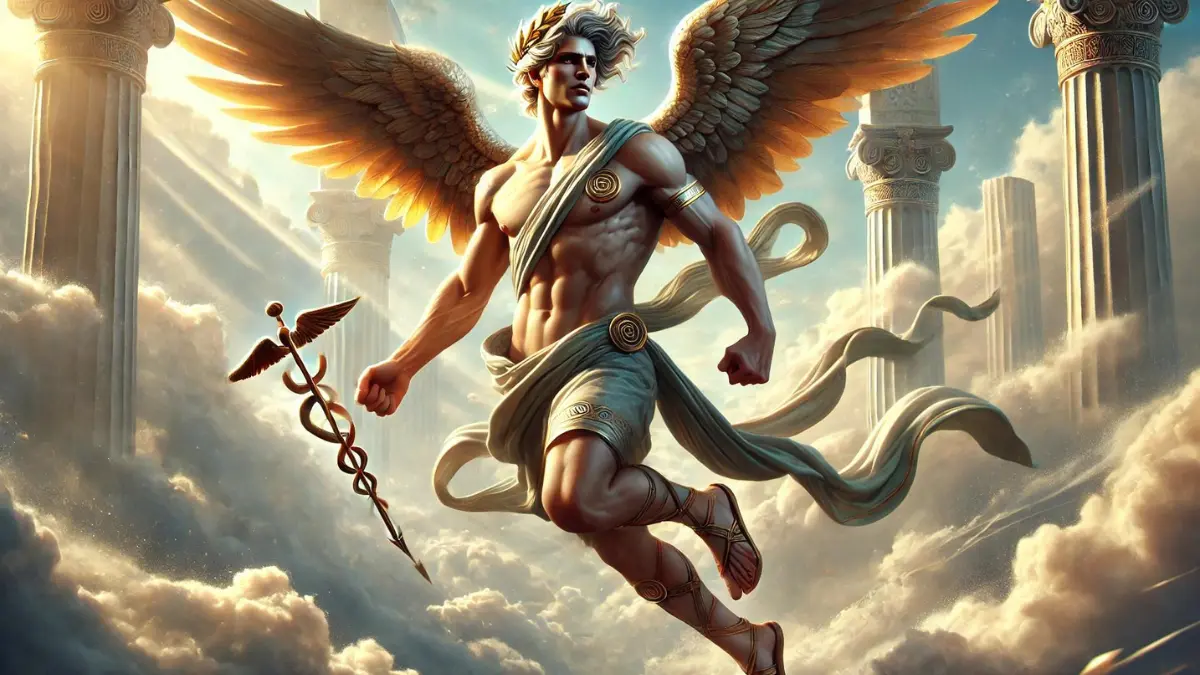
Hermes moved freely between worlds, guiding souls and delivering messages. He wore winged sandals and carried the caduceus. A clever trickster, he fathered several children, including:
-
Pan (God of Wild Places – with a nymph)
-
Hermaphroditus (God of Androgyny with Aphrodite)
-
Abderus (Companion of Heracles)
-
Autolycus (Master thief and shapeshifter)
12. Dionysus: God of Wine, Theatre, and Transformation
Dionysus brought joy, madness, and freedom. He taught the art of winemaking and inspired creativity and ritual. Born from Zeus and the mortal Semele, he had a few known children, including:
-
Priapus (God of Fertility – in some myths)
-
Hymenaios (God of Marriage)
-
Comus (Spirit of Revelry)
Conclusion
Greek mythology is a fascinating and influential body of stories that has left an indelible mark on art, literature, and culture. From the primordial gods to the Titans and the Olympians, the family tree of Greek gods and goddesses provides a framework for understanding the intricate relationships between these ancient divine figures.
The enduring legacy of Greek mythology ensures that these ancient tales will continue to inspire and fascinate for generations to come. Whether it’s the grandeur of Zeus and the Olympians or the tragedies and triumphs of the heroes and monsters, the stories of the ancient Greek gods have transcended time and continue to hold a prominent place in our collective imagination.