
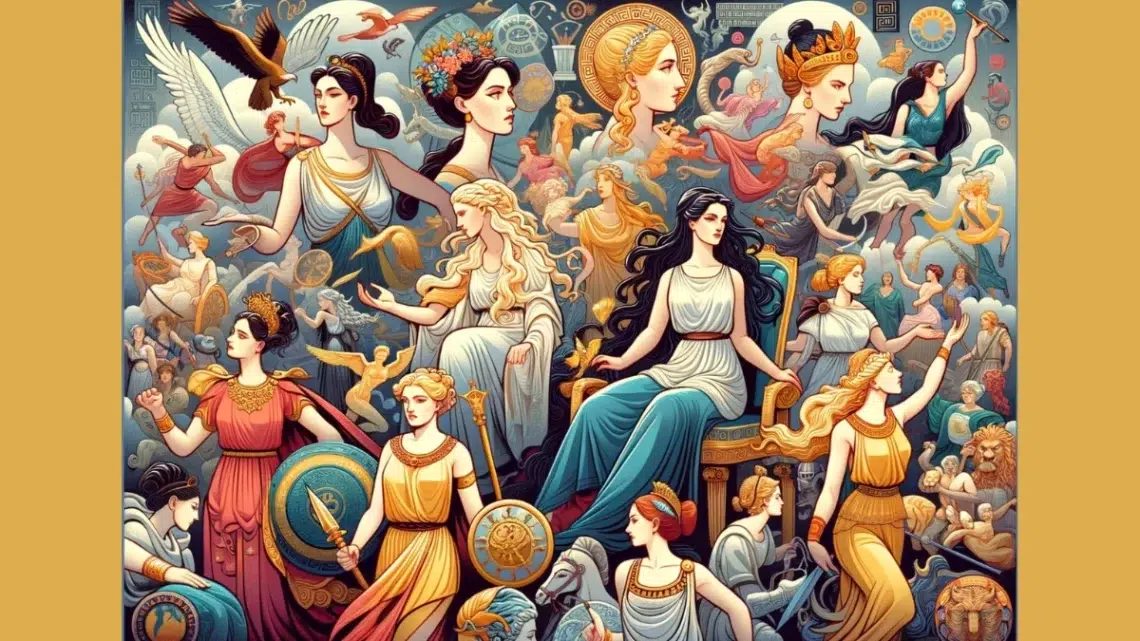
Legacy of Archers: Women in Greek Mythology
In ancient Greek culture, the bow was more than a weapon.
It symbolizes skill, honour, and divine providence. There are notable women in Greek mythology embodying independence and strength in archery.
Myth and society revered archery, attributing it to deities and heroes alike. It often had associations with the divine huntress Artemis and using it in rituals to ward off evil.
Athletic competitions, such as the pentathlon, showcased archery to celebrate physical prowess and strategic expertise.
Powerful Women in Greek Mythology
The bow’s presence in tales of female archers like Artemis and Atalanta reflects its deep-rooted significance.
This embodies a blend of femininity, strength, and independence that was emblematic of esteemed ideals in Greek society.
Hippolyta and Penthesilea: Amazon Warriors
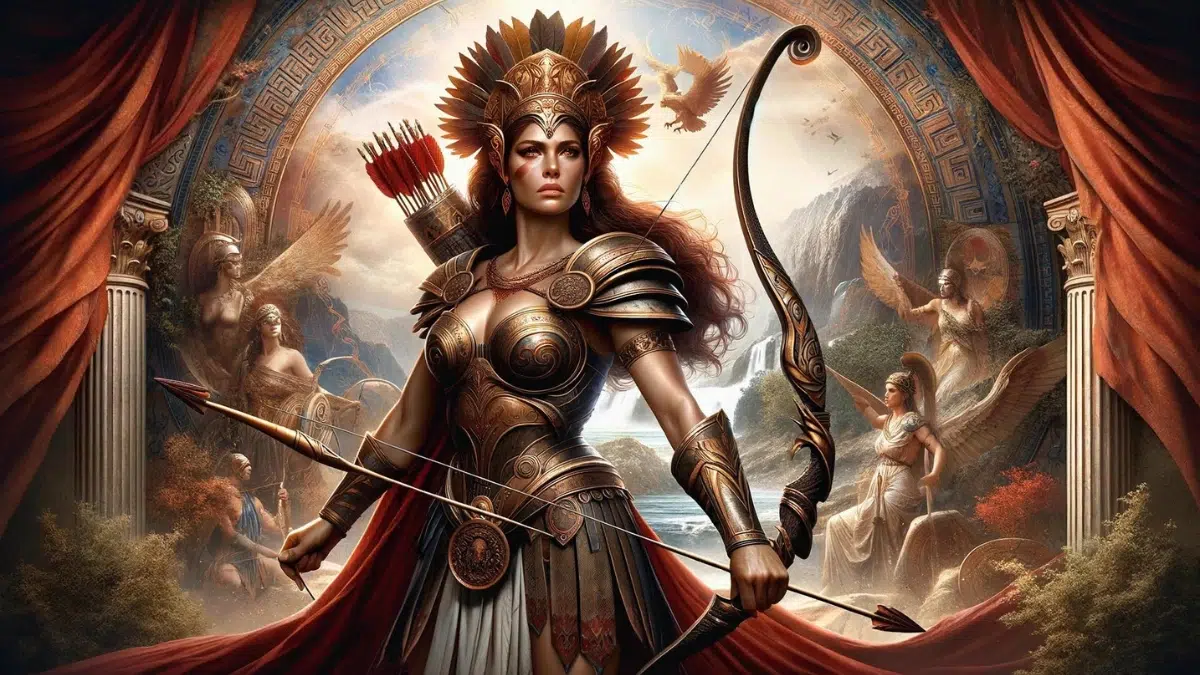
The Amazons, fabled female warriors, were a prominent part of Greek mythology.
In these tales, they symbolize the antithesis to the contemporary Greek society, wherein women, often confined within domestic spheres, contrasted with these fierce matriarchs.
- Descriptions of the Amazons portray a society where women train in combat and warfare, embodying strength, freedom, and independence
- They often appear fighting Greek heroes, reflecting ancient conflicts between the Greek world and foreign, often “barbaric” cultures
- Key figures like Hippolyta, Antiope, and Penthesilea featured in stories with heroes such as Heracles and Achilles, blending the themes of love, war, and tragedy
- The Amazons did not just act as warriors. They also served as a mythological mirror, reflecting cultural anxieties and ideals about gender roles, power, and sexuality
Artemis: Goddess of the Hunt and Protector of Women
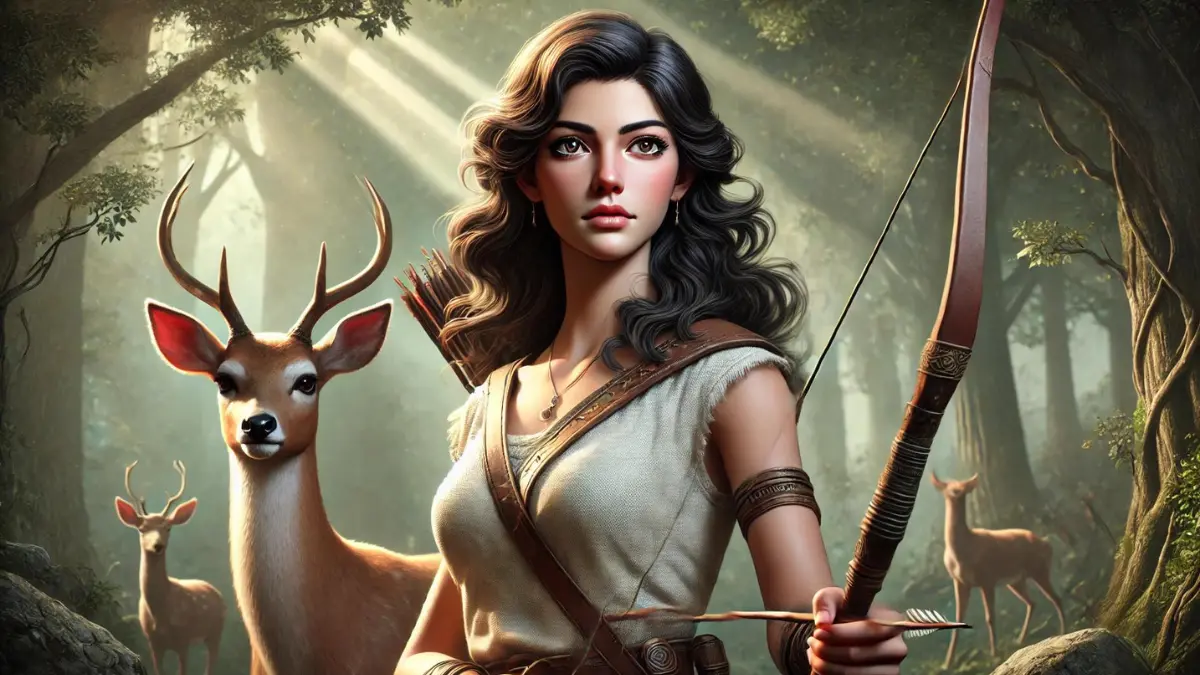
Artemis stands as a paramount deity in ancient Greek mythology, embodying independence, strength, and virginal purity.
Her Roman equivalent is Diana.
Artemis, daughter of Zeus and Leto and twin sister of Apollo, inherited many responsibilities and powers.
She is most famously the goddess of the hunt and wilderness. Skilled with a bow and arrow, she roamed the forests accompanied by a pack of loyal hounds and nymphs.
The bow-wielding Artemis also fiercely guarded her chastity and that of her followers, offering protection to women, especially in childbirth and young girls until marriage.
Reflecting nature’s untamed beauty and human independence, Artemis personifies the free spirit and empowerment, characteristics that have resonated through the ages. Thus inspiring the portrayal of female archers in both ancient and contemporary narratives.
Atalanta: The Swift-Footed Heroine and Her Adventures
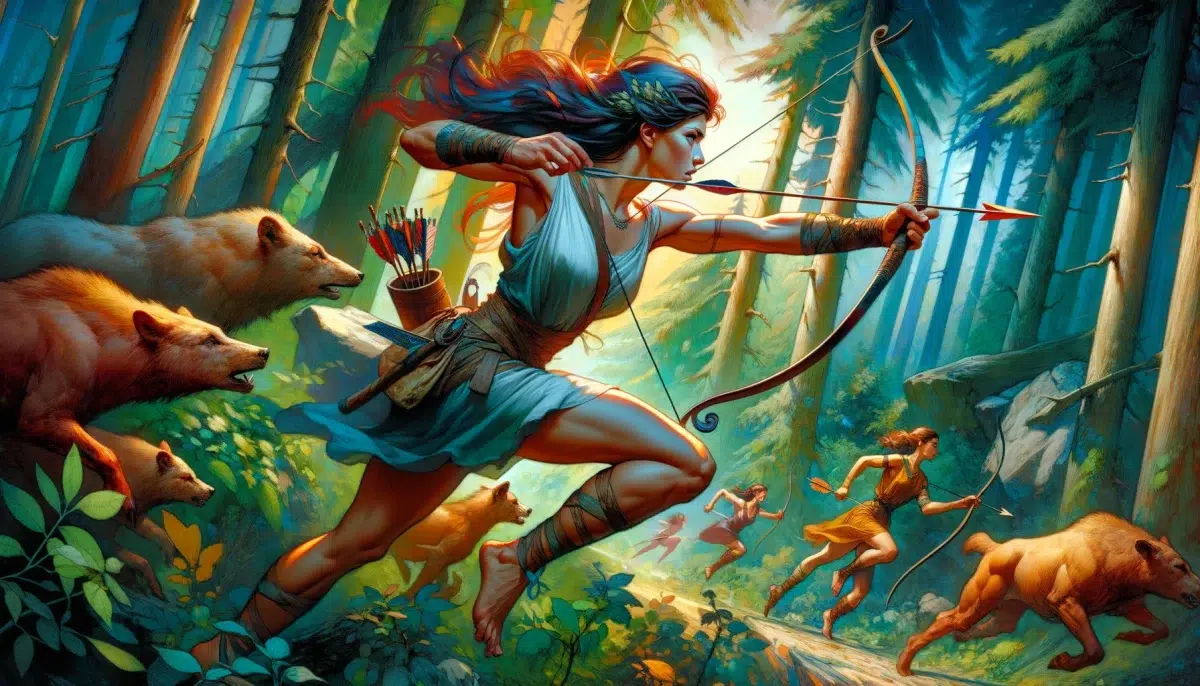
Greek mythology celebrates Atalanta for her remarkable speed and unmatched hunting skills.
Abandoned at birth and raised by bears, she pledged virginity to the goddess Artemis.
Atalanta’s fame grew through her participation in the Calydonian Boar hunt and her swiftness allowed her to draw the first blood.
She also triumphed in wrestling matches and was a formidable warrior during the Argonauts’ quest for the Golden Fleece.
Renowned for her swiftness, Atalanta set a challenge to her suitors: she would marry only if a man could outrun her.
Numerous contenders failed until clever Hippomenes employed golden apples, given by Aphrodite, to distract and defeat her.
Despite this, a tragic twist ends their tale due to neglected divine gratitude, transforming both into lions.
Ancient Symbolism: The Bow as a Marker of Female Autonomy
In the ancient world, the bow was more than a hunting tool or weapon of war; it symbolized independence and freedom.
Female archers like Artemis, the Greek goddess of the hunt, and Atalanta, a renowned heroine, personified autonomy.
The bow allowed them to navigate traditionally male-dominated spaces, symbolically challenging societal norms.
Artemis’s silver bow, especially, was emblematic of her virginity and self-reliance, untethered by matrimonial bonds.
The bow’s embrace by female figures in myth underscores a subtle, yet potent, narrative of female empowerment and resistance to patriarchal constraints.
Learn more about: Greek Mythology Symbols
Female Archers in Homeric Epics
In the Homeric epics, which include “The Iliad” and “The Odyssey,” female characters are not prominently featured as archers.
These epic poems focus more on male warriors and heroes, reflecting the societal norms and martial focus of the times in which they were composed.
However, Greek mythology, which provides the backdrop for these epics, does feature prominent female figures associated with archery.
While they may not be directly mentioned in Homer’s works, they are part of the broader mythological context of that era.
Notable among these are:
- Artemis: The goddess of the hunt, wilderness, and childbirth, Artemis is often depicted as a skilled archer. She is a key figure in Greek mythology, known for her hunting prowess and her ability to use her bow both for protection of the natural world and for bringing sudden death to women during childbirth.
- Atalanta: A renowned huntress and a key figure in Greek mythology. She was known for her speed and unmatched skill in archery. She played a crucial role in the Calydonian Boar hunt and was a remarkable character in Greek lore for her independence and strength.
The epics primarily focus on male heroes like Achilles, Odysseus, and Hector.
Female characters like Helen, Penelope, and Andromache playing roles more related to their interactions with these male heroes rather than as warriors or archers themselves.
Learn more about: Euripides Famous Playwright of Greek Tragedy
The Integration of Women Archers in Greek Rituals and Festivities
In ancient Greece, female archers were symbolically significant during rituals and festivals honoring deities like Artemis, the goddess of the hunt and chastity.
Women partook in ceremonial hunting contests, which were integral to celebrations, especially in rural locales.
Such events emphasized prowess with the bow, a skill deeply intertwined with the divine imagery of Artemis.
These ritualistic activities reinforced the societal roles and expectations of women but also cultivated a connection with the mythological and religious spheres.
Thus situating the female archer as a celebrant within the sacred narrative of Greek culture.
Depictions of Women in Greece Mythology in Art
Women in Greek mythology have been depicted in art for centuries.
Ranging from ancient sculptures and pottery to Renaissance paintings and modern illustrations.
These depictions often emphasize the attributes, stories, and roles of these mythical figures within Greek mythology.
Athena, Goddess of Wisdom
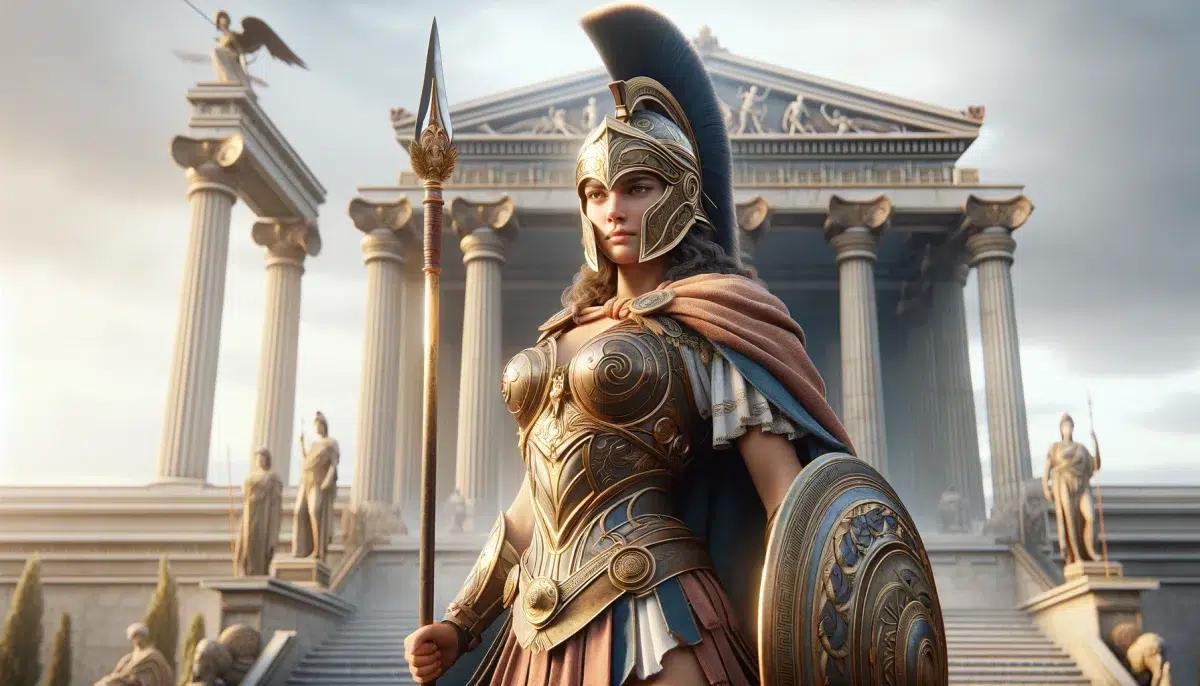
As the Greek goddess of wisdom and war, Athena wears armour and carries a shield and spear, frequently with an owl by her side.
Athena loves justice and helps heroes like Odysseus and Perseus. People respect her for her intelligence and strength.
She springs fully grown from Zeus’s head, showing her unique birth.
Athena watches over the city of Athens, named in her honour. She guides people in battle and protects the city.
Her symbol is the owl, representing wisdom. Athena inspires people to value knowledge and fairness.
She stands as a powerful and wise figure in Greek mythology.
A massive statue in the Parthenon in Athens depicts her as the city’s protector.
Aphrodite, Goddess of Love

Aphrodite is the Greek goddess of love and beauty. She charms everyone with her stunning looks and graceful presence.
Aphrodite rises from the sea, symbolizing her unique birth.
She inspires love and passion in both gods and mortals.
Her husband is Hephaestus, the god of fire and metalwork.
Aphrodite often helps heroes like Paris, guiding their romantic endeavours.
Her symbols include the dove, rose, and seashell. People pray to her for love and happiness.
Aphrodite represents the power of love and beauty in Greek mythology. She remains an enchanting and influential figure.
Artists often depict Aphrodite, the goddess of love and beauty, emerging from the sea, as in Sandro Botticelli’s famous painting “The Birth of Venus.”
Various artworks also show her adorned with symbols of beauty and love, such as roses and myrtles.
Persephone
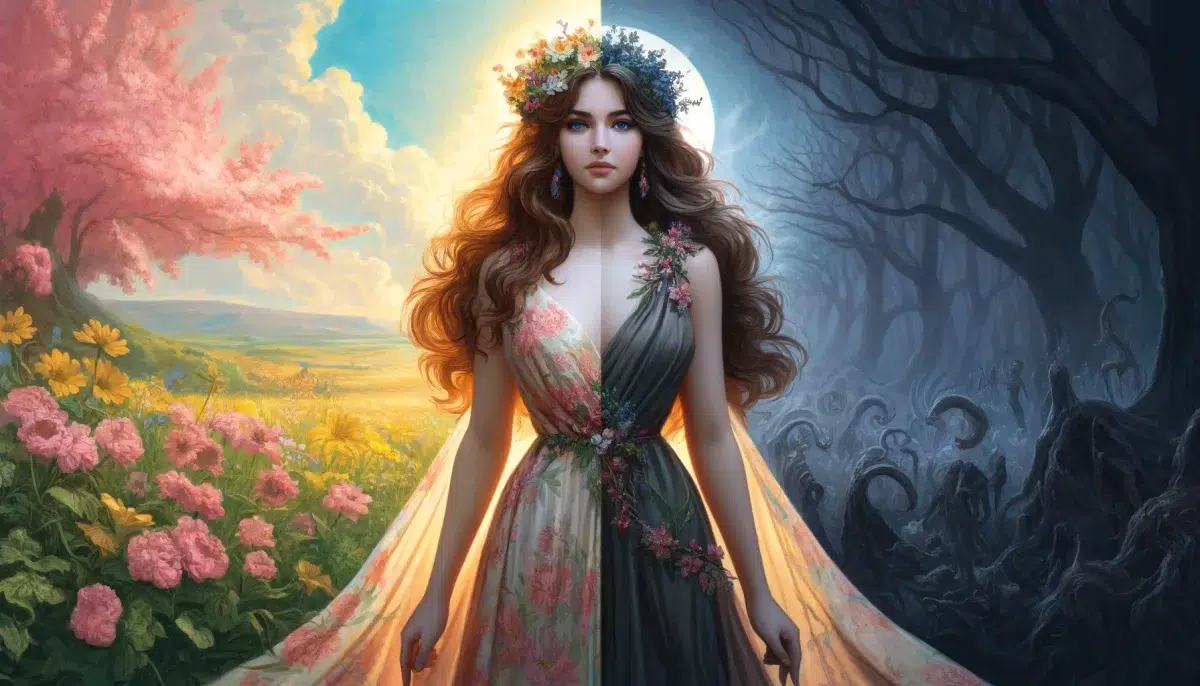
Persephone is the Greek goddess of spring and the underworld.
Hades, the god of the underworld, takes her to be his queen.
Persephone spends part of the year with her mother, Demeter, and part in the underworld.
This causes the changing seasons. When Persephone returns to the earth, spring begins.
She represents growth and rebirth. Persephone also shows strength and resilience as queen of the underworld.
Her story highlights themes of loss and return.
People honour her for bringing life and renewal. Persephone’s tale is a powerful part of Greek mythology.
Countless artworks draw inspiration from Persephone’s story with Hades.
They show her during her abduction or as the queen beside Hades.
Thus symbolizing her dual role as a figure of death and rebirth.
Medusa
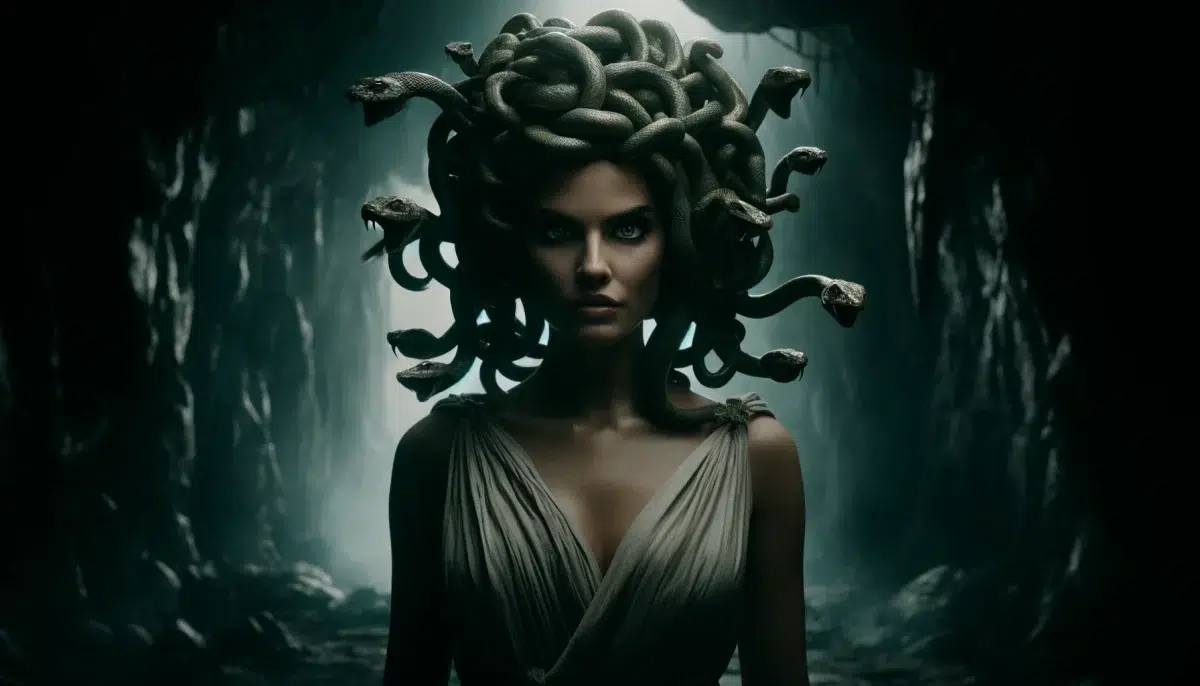
Medusa is a famous figure from Greek mythology.
She has snakes for hair and turns people to stone with her gaze.
Once a beautiful woman, Athena curses her for being with Poseidon in Athena’s temple.
Medusa lives in isolation, feared by all. Perseus, a hero, receives help from the gods to defeat her.
He uses a mirrored shield to see her reflection and avoid her deadly gaze.
Medusa’s story teaches about the power of the gods and the consequences of angering them.
She remains a well-known character in myths and art.
Despite originally being a monstrous figure, various artworks depict Medusa with a tragic beauty.
Caravaggio’s “Medusa” is among the most famous depictions, showing her head with a gaze that could turn onlookers to stone.
Helen of Troy
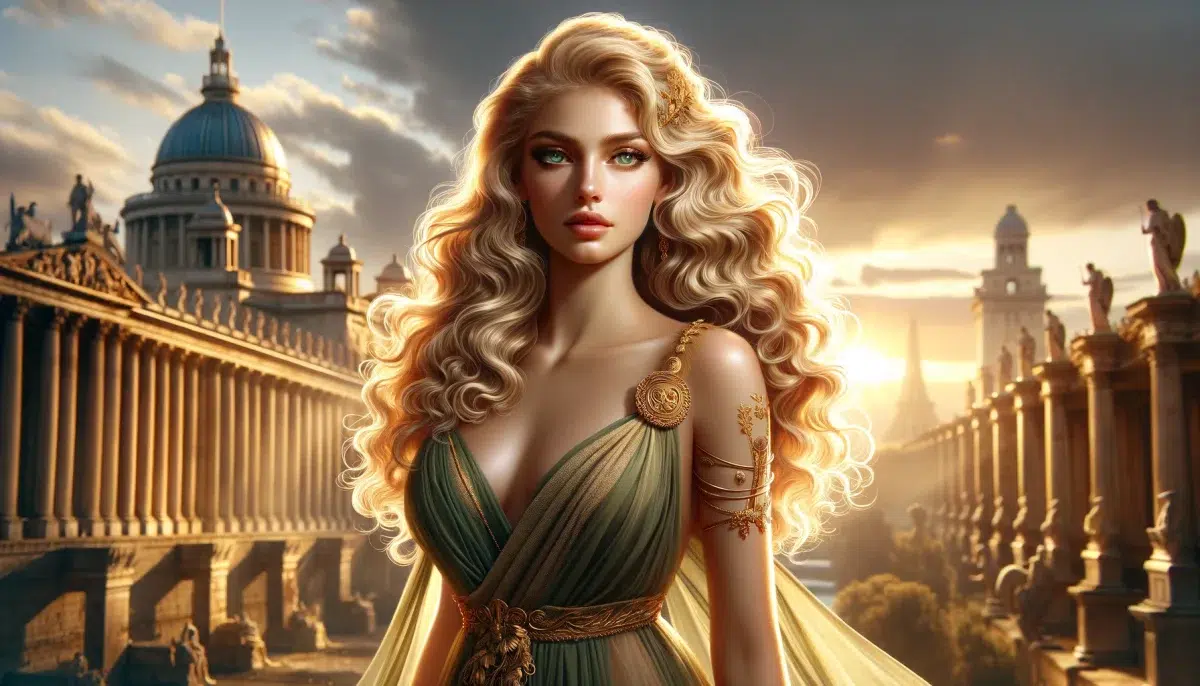
Helen of Troy is a legendary figure from Greek mythology.
She is famous for her stunning beauty. Known as “the face that launched a thousand ships,” artists depict Helen of Troy as the epitome of beauty and the cause of the Trojan War.
Paris, a prince of Troy, takes her to his city, which would trigger the Trojan War.
Many Greek heroes, including Achilles and Odysseus, fight to bring her back. Helen stands out for her grace and charm.
She becomes a symbol of love and conflict. Her story shows the power of beauty and its impact on history. Helen of Troy remains a captivating figure in myths and legends.
Her portrayals often highlight her role in sparking one of mythology and literature’s most famous conflicts.
The Bow in Greek Philosophy
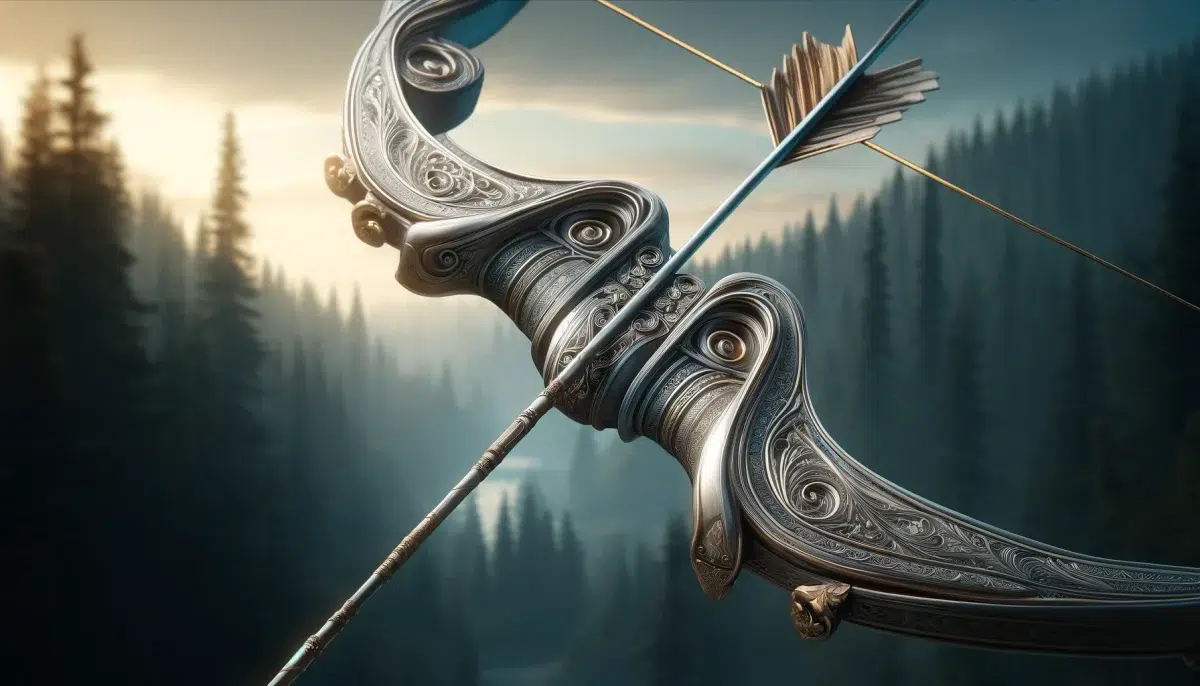
In ancient Greek philosophy, the bow served as more than a mere weapon; it was a potent symbol laden with metaphors and gender implications.
Philosophical texts often depicted the act of drawing a bow as a balance between tension and release, akin to the pursuit of virtue between extremes, illuminating Aristotelian views on ethics.
Moreover, the bow’s association with female deities, such as Artemis, underscored a nuanced connection between femininity and power.
This instrument, entwined with women in myth, challenged prevailing gender norms by granting females agency through mastery of the bow.
A tool traditionally linked to male prowess in both warfare and hunting.
The Legacy of Greek Female Archers in Modern Media

Women in Greek mythology, as archers have left an indelible mark on modern media, continuing to influence portrayals of strong, independent women.
Frequent depictions in films, books, and video games echo ancient myths, showcasing these characters’ prowess and complexity.
Notable examples include:
- Katniss Everdeen: The protagonist of “The Hunger Games” series who embodies the survivalist spirit and archery skills reminiscent of Artemis
- Merida: The fiery-haired heroine of Disney’s “Brave,” whose archery expertise and determination mirror the traits of legendary huntresses
- Lara Croft: This iconic character from the “Tomb Raider” franchise also exhibits superior archery capabilities
These contemporary cultural icons continue to inspire and empower, reflecting the enduring legacy of Greek female archers.
Learn more about:
Comparison with Other Ancient Civilizations
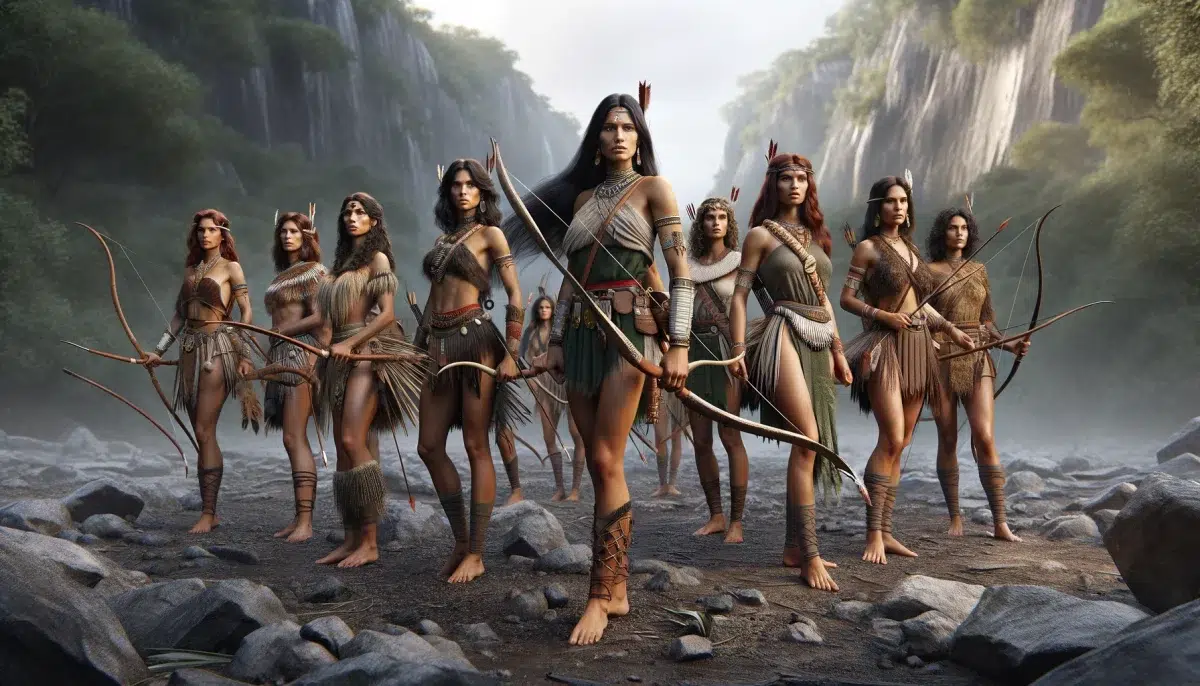
In ancient Egypt, Neith was worshiped as a warrior goddess. She was occasionally depicted with a bow, akin to Artemis of Greece.
Similarly, Scythian women, like the fabled Amazonians, were renowned for their archery skills.
On the Indian subcontinent, the epic Mahabharata recounts the prowess of Draupadi and other female figures handling bows with exceptional dexterity.
Though these civilizations and myths varied widely, they each showcase a recurring motif: the female archer, symbolizing strength, autonomy, and a break from traditional gender roles.
Learn more about: Women in Archery in Different Cultures
Reimagining the Role of Women in Greek Mythology
Reevaluating the narratives of classical mythology through a modern lens empowers the reinterpretation of female characters.
Ancient mythical archers, like Artemis and Atalanta, were often boxed within the confines of their era’s gender norms.
Contemporary perspectives offer a reimagination where their stories are not merely reflections of the limited roles permitted to women but are instead emblematic of enduring strength, independence, and complexity.
These reinterpretations contribute to a richer, more inclusive understanding of classical mythology and its resonant power to inspire across generations.


