20 Native American Women Warriors, Leaders & Diplomats
Native American Women – Warriors, Leaders and Diplomats
Native American women have always played powerful roles in their communities. They lead as warriors, fight for justice, and build bridges through diplomacy. These women show incredible strength, whether in battle, negotiations, or cultural preservation. Each woman holds a unique place in history, proving that leadership, bravery, and resilience are not limited by gender.
As warriors, they defend their people with courage, fighting alongside men in battles that shape the future.
In their role as leaders, they protect their land, culture, and rights, standing firm against injustice.
As diplomats, they use wisdom to foster peace and preserve their communities’ traditions.
Their stories inspire generations, reminding us that leadership comes in many forms. These women show how a commitment to their people and culture creates lasting impact. From the battlefield to the negotiation table, they demonstrate how strength, courage, and wisdom can protect and uplift entire nations.
Learn more about: Native American Mythology and Archery
Native American Women Warriors & Trailblazers
These women led their people with strength, courage, and vision. They fought in battles, led war parties, and proved that leadership knows no gender. As warriors and trailblazers, they inspired their communities with their bravery and determination.
Whether defending their lands or protecting their people, their actions left a lasting impact. Each of these women holds a special place in history for breaking barriers and leading with unwavering resolve. Their stories show how determination and skill shape the course of events, even in the face of great challenges.
These women led in battle and changed the landscape of warfare and leadership for their people.
Lozen (Apache)
- c. 1840 – 1889
- Warrior and spiritual leader who fought alongside Geronimo
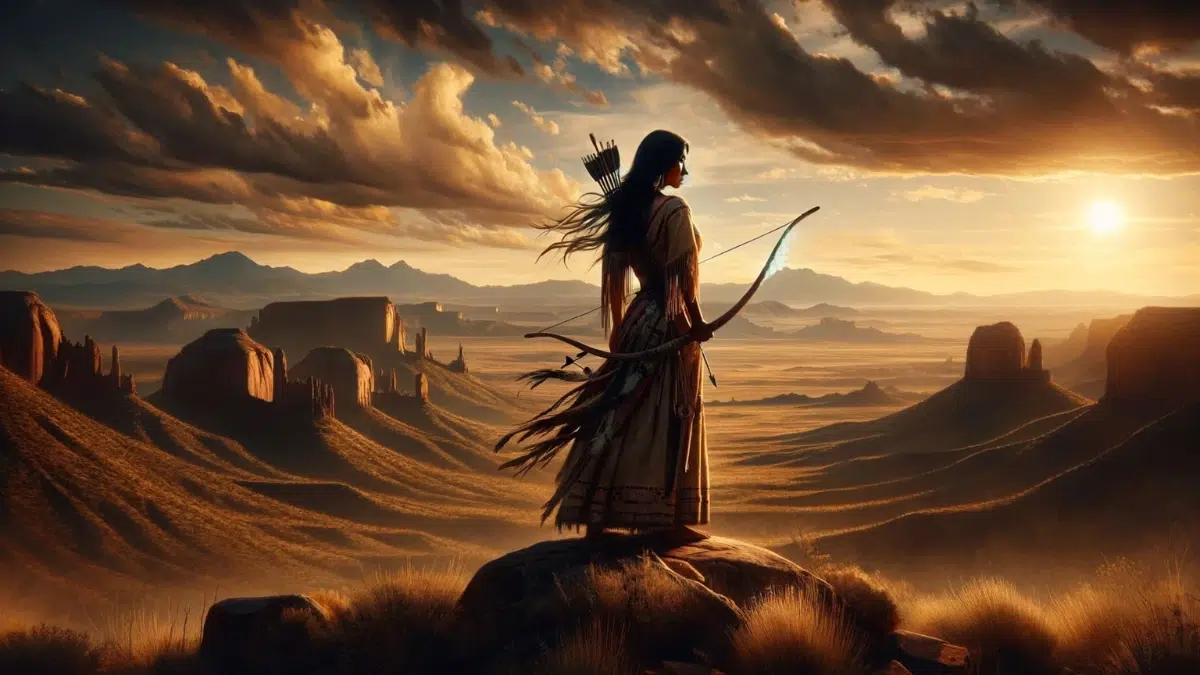
Lozen, an Apache warrior and spiritual leader, fought alongside Geronimo to protect her people. Known for her extraordinary bravery and vision, Lozen used her spiritual gifts to foresee the movement of enemies. This skill helped guide Apache forces in battle, making her a trusted leader. Lozen defended her people with unwavering courage, fighting in multiple campaigns against U.S. forces. Her strength and wisdom earned her respect, and she remains an icon of resistance and leadership within Apache history.
Pine Leaf (Crow)
- c. 1806 – c. 1854
- Warrior woman who was adopted by the Crow and led war parties
Pine Leaf, adopted by the Crow, became a respected warrior woman and leader. She led war parties and fought alongside men, proving her strength and skill in battle. Pine Leaf showed an early interest in combat, earning a reputation as a fierce warrior. Her leadership in battle earned her the admiration of her tribe. Pine Leaf’s bravery and commitment to the Crow people made her a legend, and she remains an important symbol of warrior spirit.
Buffalo Calf Road Woman (Northern Cheyenne)
- c. 1850 – 1879
- Fought in the Battle of the Rosebud and the Battle of the Little Bighorn
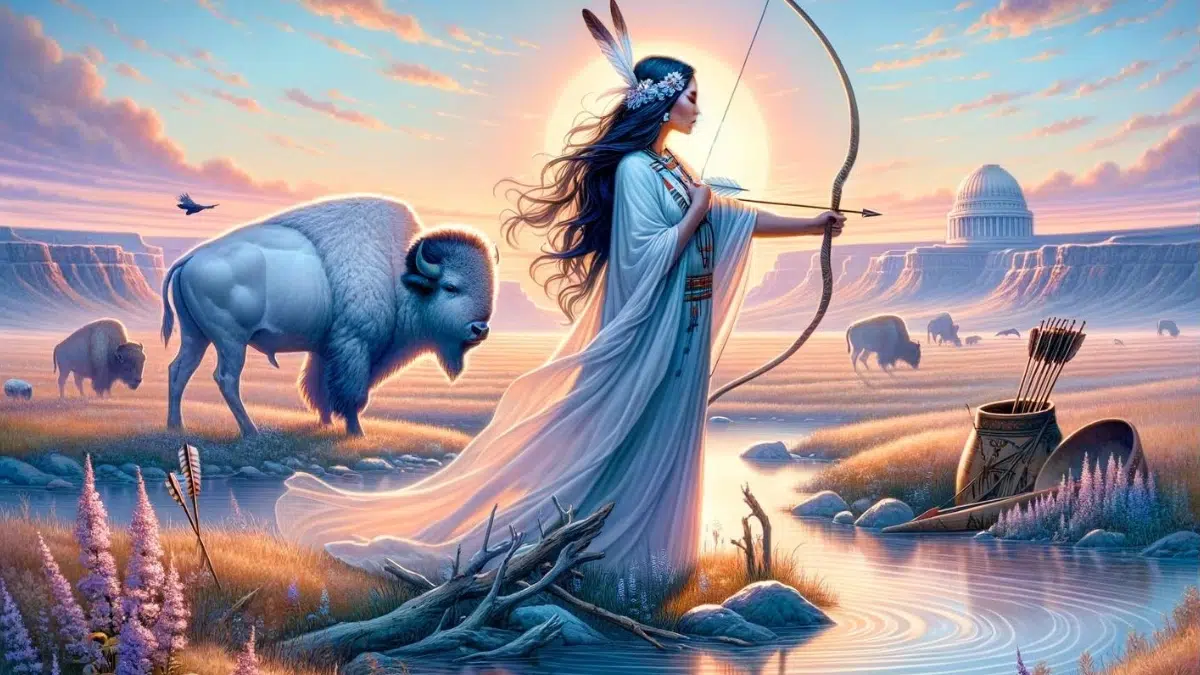
Buffalo Calf Road Woman fought in two major battles: the Battle of the Rosebud and the Battle of the Little Bighorn. Her bravery helped turn the tide in both conflicts. During the Battle of the Rosebud, she rescued her brother, inspiring other warriors. At the Battle of the Little Bighorn, she fought against General Custer’s forces, helping secure a historic victory for her people. Buffalo Calf Road Woman stands as a symbol of courage and strength within Northern Cheyenne history.
Colestah (Yakama)
- The exact birth and death years are not well-documented but fought during the Yakama War in the mid-1850s
- Fought alongside her husband, Chief Kamiakin, during the Yakama War
Colestah, a Yakama warrior, fought alongside her husband, Chief Kamiakin, during the Yakama War. Known for her strength and healing abilities, Colestah stood by her people in battle. She combined her skills as a healer and warrior, often aiding the wounded while also fighting U.S. forces. Colestah’s courage in defending her tribe made her an integral part of the Yakama resistance. Her legacy is one of both compassion and fierce determination.
Running Eagle (Blackfoot)
- Dates unknown, but she was active during the early 19th century
- Led war parties and was renowned for her bravery in battle
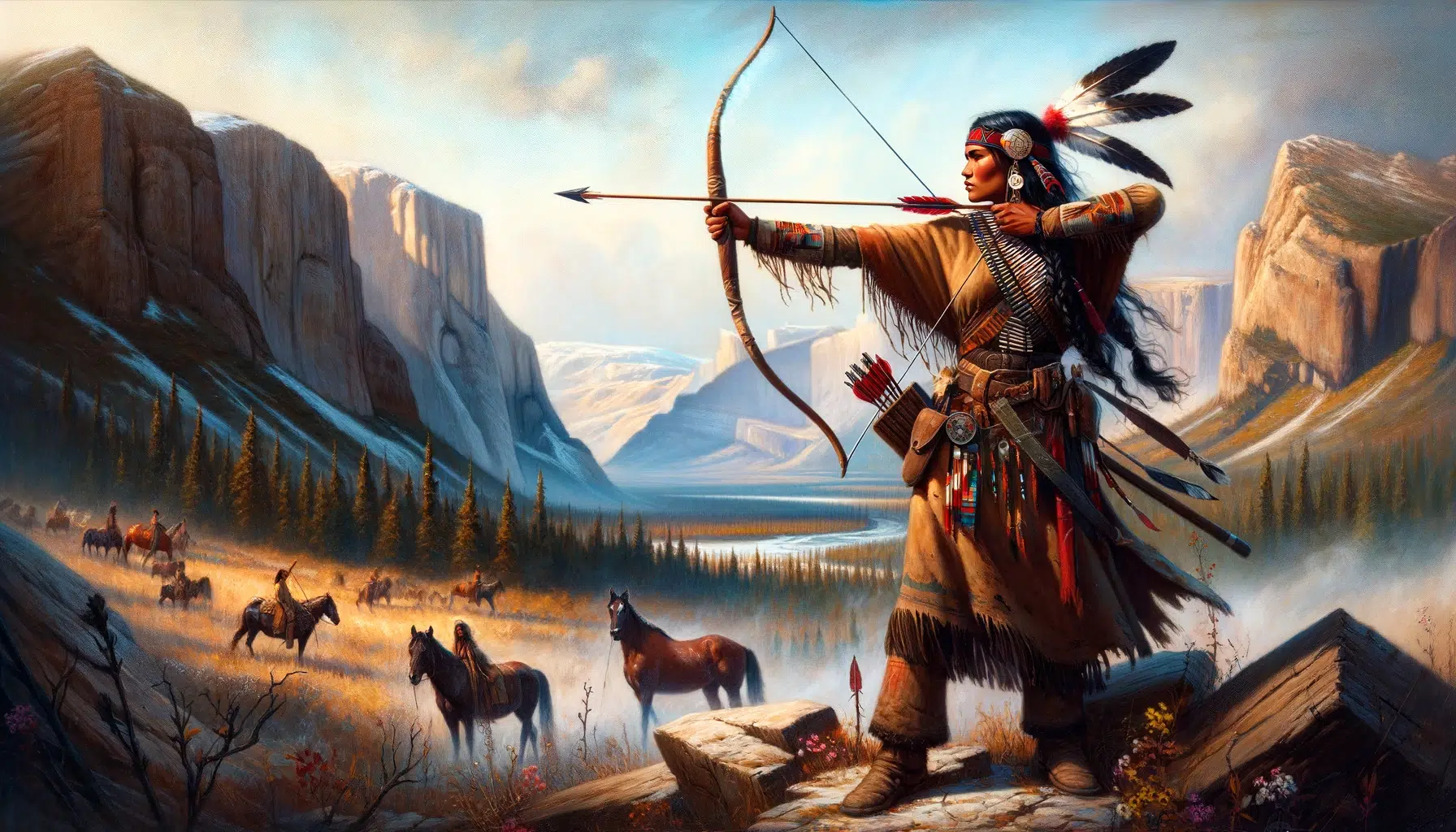
Running Eagle, a Blackfoot warrior, earned renown for her skill in battle. Known for leading war parties, she was one of the few women to achieve this status within her tribe. Running Eagle showed exceptional bravery, often fighting alongside men and defending her people. Her fearless leadership in raids and skirmishes set her apart, and her legacy as a warrior lives on. Running Eagle remains a powerful figure in Blackfoot history, symbolizing strength and independence.
Dahteste (Apache)
- c. 1860 – 1955
- Fought alongside Geronimo and was known for her combat skills and tactical prowess
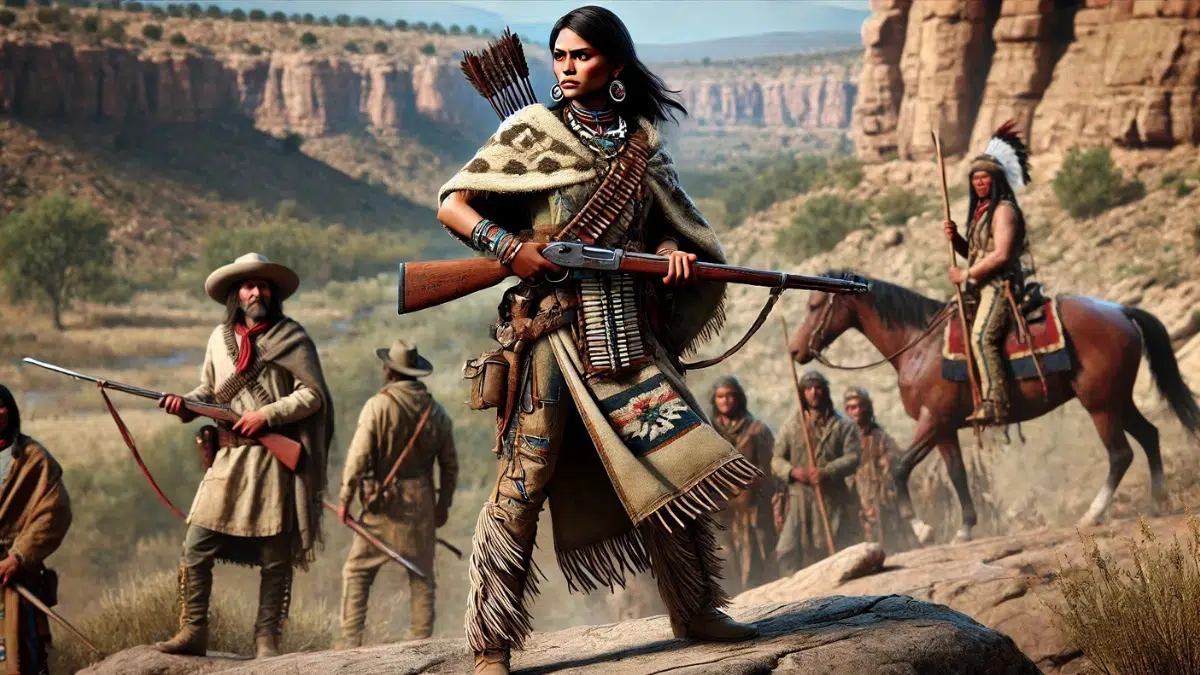
Dahteste, an Apache warrior, fought alongside Geronimo in battles against US forces. Known for her exceptional combat skills and tactical abilities, Dahteste was highly respected among her people. She not only fought bravely but also served as a negotiator in efforts to find peaceful resolutions. Dahteste’s courage and intelligence made her a key figure in the Apache resistance. Her legacy remains a testament to the strength and resilience of Apache women in both warfare and diplomacy.
Pretty Nose (Shoshone)
- c. 1851 – 1952
- Participated in the Battle of the Little Bighorn
Pretty Nose, a Shoshone warrior, participated in the Battle of the Little Bighorn. Known for her courage, she stood alongside other warriors in the fight against General Custer’s forces. Her role in the battle exemplified the bravery of Shoshone women who defended their people. Pretty Nose’s strength and leadership earned her respect within her tribe and beyond. She remains a symbol of female empowerment and resilience in Native American history.
Native American Women of Resistance
These women stood up against oppression, protecting their people, culture, and land. Their resistance showed the power of courage in the face of injustice. Whether through battle or advocacy, they played critical roles in defending their communities.
They stood as symbols of strength and hope, leading by example and resisting threats to their way of life. These women demonstrate how resistance, even under difficult circumstances, can inspire change and preserve identity. Their legacy continues to inspire those who seek justice and protection for their communities.
These women stood against injustice, leading efforts to protect their lands, people, and culture.
Martha Bad Warrior (Hunkpapa Lakota)
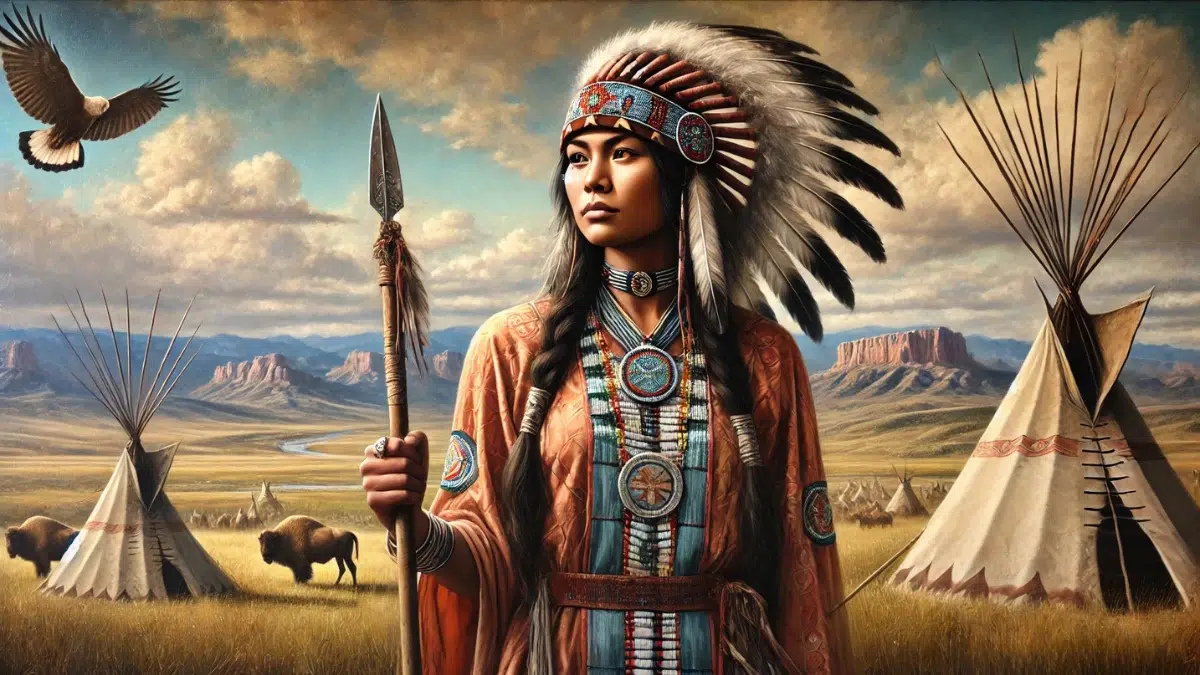
- Exact dates are unknown
- Served as a warrior and defender of her people
Martha Bad Warrior, a Hunkpapa Lakota warrior, defended her people with great courage. She fought alongside others to protect her tribe during times of conflict. Known for her bravery, Martha stood out as a defender of Lakota rights and lands. Her commitment to her people made her a respected figure among the Hunkpapa Lakota. Martha Bad Warrior’s legacy continues to inspire strength and resilience within her community.
Mochi (Cheyenne)
- c. 1840 – 1881
- Fought against US forces after the Sand Creek Massacre
Mochi, a Cheyenne warrior, took up arms after the tragic Sand Creek Massacre. Following the attack on her village, she fought against US forces to defend her people. Mochi’s bravery in battle became legendary as she rode into combat alongside other Cheyenne warriors. Her actions demonstrated resistance to the injustice faced by her tribe. Mochi’s fierce dedication to her people made her one of the few known female warriors in Cheyenne history.
Sarah Winnemucca (Northern Paiute)
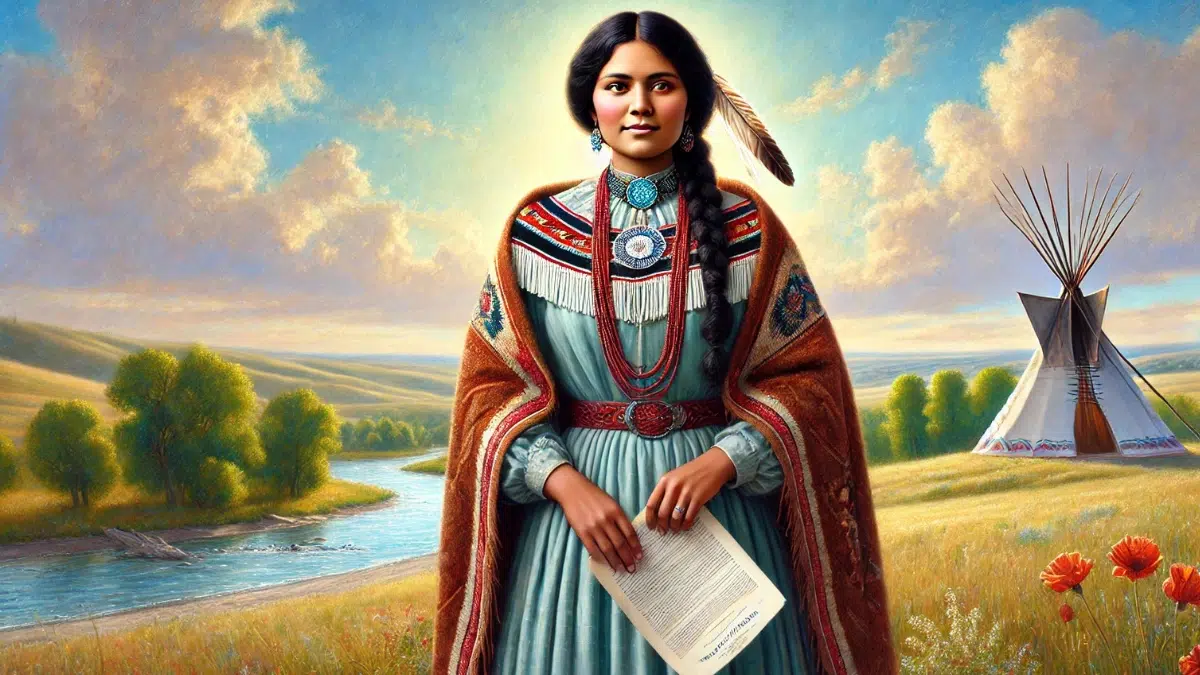
- 1844 – 1891
- Advocate for her people, played a crucial role in negotiations and peace efforts
Sarah Winnemucca was a strong advocate for her people, the Northern Paiute, and worked tirelessly for their rights. She played a crucial role in peace efforts, often serving as a translator and negotiator between her tribe and the U.S. government. Sarah used her voice to speak out against injustices and fight for the welfare of her community. Her powerful speeches and writings brought attention to the struggles of Native Americans. Sarah’s dedication to her people made her an important figure in both Native and U.S. history.
Tashina Dela (Lakota)
- 1954 – 2013
- Also known as Mary Brave Bird, she was involved in the Wounded Knee incident and other activist movements
Tashina Dela, also known as Mary Brave Bird, played a key role in Native American activism. She participated in significant movements, including the Wounded Knee incident. Tashina fought for the rights and dignity of her people, becoming a voice for the Lakota. Her dedication to activism and preserving her culture helped bring attention to Native American struggles. She remains a powerful symbol of resistance and hope for future generations.
Native American Women Cultural Diplomats
These women acted as bridges between different worlds, negotiating peace and preserving Native cultures. As cultural diplomats, they worked to protect their people’s heritage while fostering relationships with outside groups.
Their efforts ensured that Native voices were heard in important discussions about land, rights, and survival. They combined wisdom, negotiation skills, and cultural understanding to secure better futures for their communities.
These women highlight how diplomacy, when rooted in respect and collaboration, can create lasting peace. Thus protecting Native heritage and preserving traditions for future generations.
Sacajawea (Shoshone)
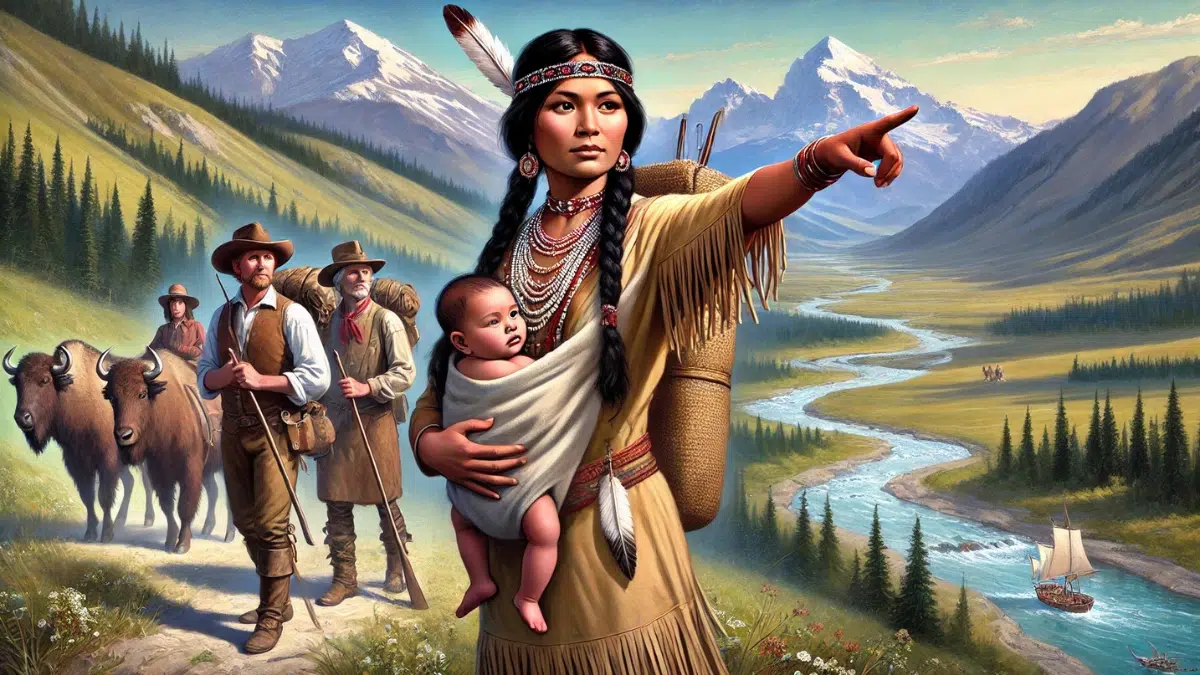
- c. 1788 – c. 1812
- Played a key role in the Lewis and Clark expedition, providing crucial guidance and diplomacy
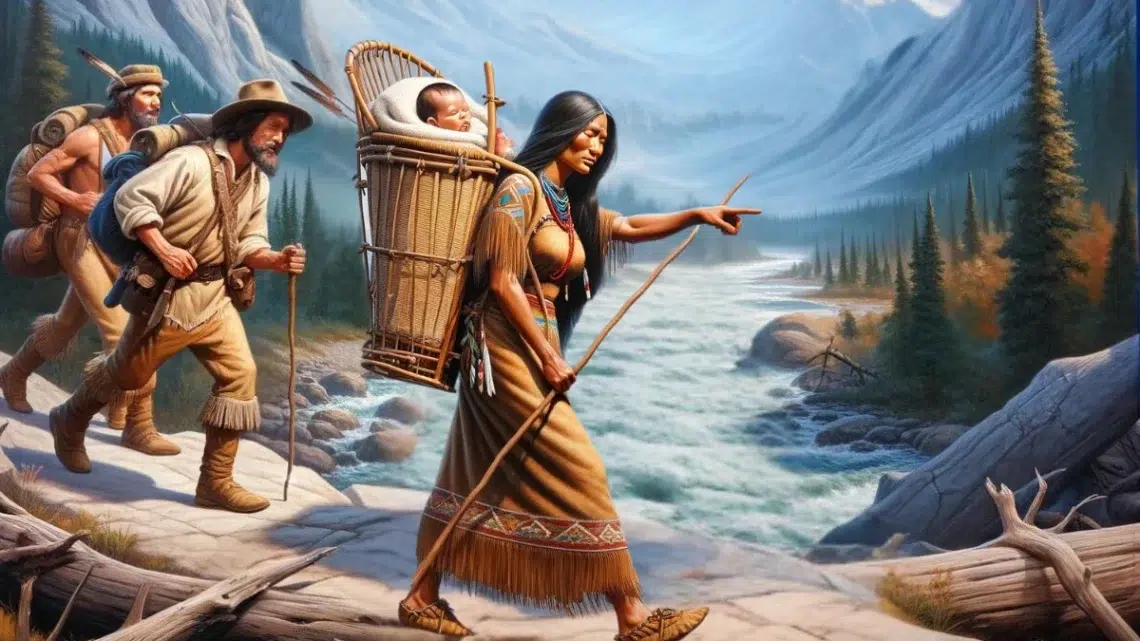
Sacajawea, a Shoshone woman, played a vital role in the Lewis and Clark expedition. As a guide and interpreter, she helped the explorers navigate unfamiliar territory and establish peaceful relations with Indigenous groups. Her knowledge of the land and languages made her indispensable to the success of the journey. Sacajawea’s contributions ensured the safety of the expedition, and her presence symbolized diplomacy and cooperation between cultures. Today, she is celebrated as a remarkable figure in both Shoshone history and American exploration.
Eagle Woman That All Look At (Hunkpapa Lakota)
- 1820 – 1888
- Negotiated peace treaties and was a key figure in diplomacy with the U.S. government
Eagle Woman That All Look At was a respected leader and diplomat within the Hunkpapa Lakota. She played a crucial role in negotiating peace treaties between the Lakota and the U.S. government. Her skill in diplomacy helped ease tensions during a period of great conflict. Eagle Woman’s leadership earned her the respect of both her people and U.S. officials, making her a key figure in promoting peace. Her legacy as a mediator highlights the importance of Indigenous women in diplomacy and leadership.
Nanyehi (Nancy Ward) (Cherokee)
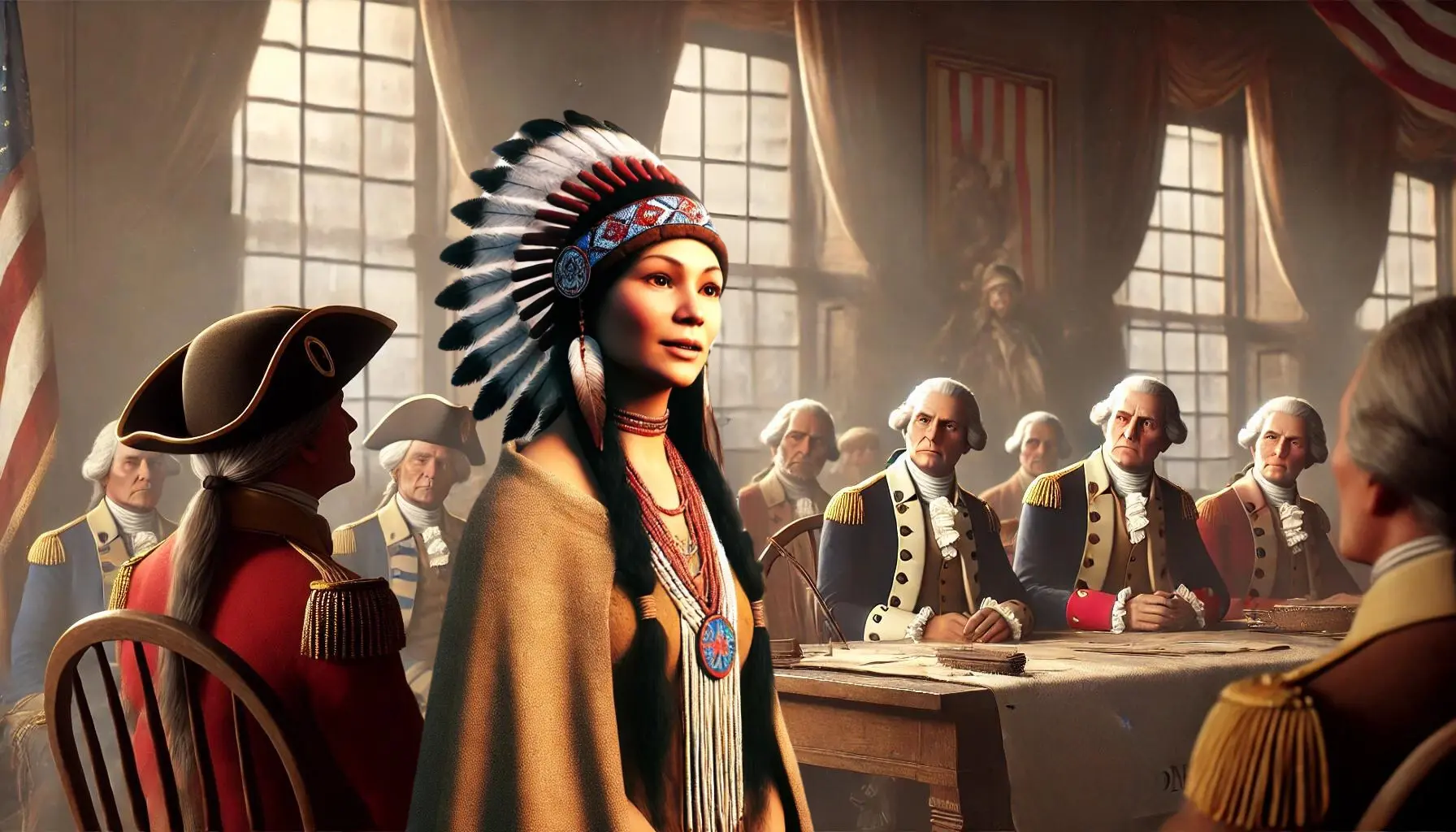
- c. 1738 – 1822
- War leader and diplomat, she played a significant role in peace negotiations
Nanyehi, also known as Nancy Ward, was a Cherokee war leader and diplomat. She gained fame for her bravery in battle and later played a significant role in peace negotiations with European settlers. Nanyehi advocated for peaceful coexistence and was instrumental in negotiating treaties that helped protect Cherokee lands. Her leadership in diplomacy earned her the title of “Beloved Woman,” a highly respected position among the Cherokee. Nanyehi’s work for peace and understanding continues to be remembered in Cherokee history.
Mary Musgrove (Creek)
- c. 1700 – c. 1765
- Played a vital diplomatic role between the Creek people and British colonists in Georgia
Mary Musgrove, a Creek woman, played a vital role in diplomacy between her people and British colonists in Georgia. As a translator and negotiator, she helped bridge cultural differences and foster peaceful relations. Mary’s deep understanding of both Creek and British cultures made her an essential figure in negotiations. She worked to protect her people’s interests while facilitating trade and cooperation with the colonists. Mary’s diplomatic skills helped maintain peace during a critical period in colonial history.
Lyda Conley (Wyandot)
- 1869 – 1946
- Fought legally and diplomatically to protect her tribe’s burial grounds
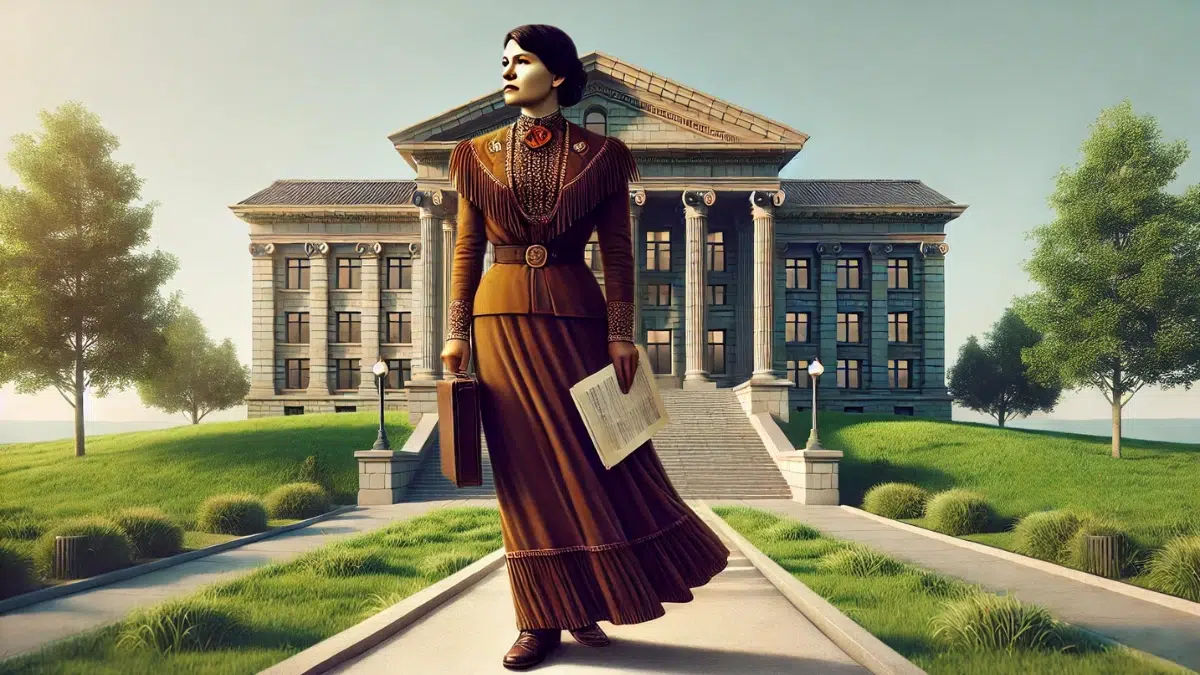
Lyda Conley, a member of the Wyandot Nation, fought to protect her tribe’s burial grounds in Kansas. As one of the first Native American women to become a lawyer, she took legal action to prevent the desecration of these sacred sites. Lyda’s determination to safeguard her ancestors’ resting places led her to the U.S. Supreme Court, where she argued for the preservation of her tribe’s heritage. Her efforts paved the way for future legal battles defending Native American rights and cultural landmarks.
Susette La Flesche (Omaha)
- 1854 – 1903
- Activist and spokesperson for Native American rights, influential in diplomacy
Susette La Flesche, an Omaha activist, was a passionate advocate for Native American rights. As a spokesperson for her people, she worked tirelessly to raise awareness about the injustices faced by Native communities. Susette used her voice to influence U.S. policies, arguing for better treatment and protection of Native lands and sovereignty. Her efforts in diplomacy and activism brought national attention to the struggles of Native Americans, making her a powerful figure in the fight for justice.
Annie Dodge Wauneka (Navajo)
- 1910 – 1997
- While primarily known for her work in public health, she also played a crucial role in negotiating better living conditions for her people
Annie Dodge Wauneka, a Navajo leader, focused on improving public health for her people. She worked tirelessly to combat tuberculosis and other diseases affecting the Navajo Nation. Annie also advocated for better living conditions, ensuring that her community had access to clean water, healthcare, and education. As a prominent voice in negotiations, she played a significant role in advocating for her people’s rights. Annie’s dedication to health and well-being earned her recognition as a trailblazer and a leader who improved the quality of life for many Navajo.
Wilma Mankiller (Cherokee)

- 1945 – 2010
- First female Principal Chief of the Cherokee Nation, notable for her leadership and advocacy
Wilma Mankiller became the first female Principal Chief of the Cherokee Nation, breaking barriers with her leadership. Her time in office was marked by significant progress in education, healthcare, and economic development for her people. Wilma championed self-sufficiency and empowerment, working to improve the lives of Cherokee citizens. Her leadership and advocacy made her a role model for women and Indigenous people everywhere. Wilma’s legacy continues to inspire future generations in the fight for equality and justice.
Te Ata (Chickasaw)
- 1895 – 1995
- Though more known for her cultural diplomacy, she played a significant role in preserving Native American heritage during tumultuous times
Te Ata, a Chickasaw cultural figure, played a crucial role in preserving Native American heritage. Though not known for combat, her contributions to cultural diplomacy were vital during times of turmoil. She traveled across the world, sharing Native stories and traditions, helping bridge understanding between cultures. Te Ata’s work helped protect Native identity and history, ensuring that future generations could learn and appreciate the richness of their heritage.
Resources for Native American Women and Their Nations
Northeast & Great Lakes Region
- Wyandotte Nation
- Location: Oklahoma (formerly from Ohio, Michigan, and Kansas)
- This federally recognized tribe is based in Oklahoma and descends from several distinct groups that unified after facing hardships
- Descended from several smaller tribes, the Wyandotte Nation has a rich history tied to the Great Lakes region and Kansas City
- The Wyandotte Nation provides information about their history, culture, and ongoing programs: Wyandotte Nation
Plains Region
- Oglala Sioux Tribe (Lakota)
- Location: Pine Ridge Reservation, South Dakota
- The Oglala Sioux Tribe has a long history of leadership and resilience
- One of the largest reservations in the U.S., the Oglala Sioux continue to preserve Lakota traditions and history: Oglala Sioux Tribe
- Crow Creek Sioux Tribe (Lakota)
- Location: Central South Dakota, along the Missouri River
- The Crow Creek Sioux Tribe continues to uphold its Lakota traditions while also focusing on community development
- This tribe maintains a deep connection to the Lakota culture and works on economic and community development: Crow Creek Sioux Tribe
- Omaha Tribe of Nebraska
- Location: Macy, Nebraska
- Known for their strong tribal governance and community initiatives, the Omaha Tribe preserves their heritage while focusing on development: Omaha Tribe of Nebraska
Southwest Region
- Mescalero Apache Tribe
- Location: New Mexico
- In South Central New Mexico, the Mescalero Apache have a long history as nomadic hunters and gatherers
- Learn more about the Mescalero Apache people, their history, governance, and businesses: Mescalero Apache Tribe
- Navajo Nation:
- Location: Arizona, Utah, New Mexico
- One of the largest Native American nations
- Their site offers a wide range of resources on governance, programs, and tribal affairs: Navajo Nation
- Pyramid Lake Paiute Tribe (Northern Paiute)
- Location: Nevada
- Home to the Northern Paiute people, the Pyramid Lake Paiute Reservation includes a vast desert landscape and one of the largest lakes in the region, Pyramid Lake
- Explore their cultural and natural resources: Pyramid Lake Paiute Tribe
West Region
- Burns Paiute Tribe (Northern Paiute)
- Location: Oregon
- This tribe is composed of the descendants of the Wadatika Band of Northern Paiutes
- Their history of resistance and survival continues to shape the community today: Burns Paiute Tribe
- Yakama Nation
- Location: Washington
- The Confederated Tribes and Bands of the Yakama Nation in Washington manage over 1.2 million acres of reservation land
- Their website provides information about their history, governance, and community services: Yakama Nation
- Shoshone-Bannock Tribes
- Location: Idaho
- Based in Fort Hall, Idaho, the Shoshone-Bannock Tribes manage their own government and services
- Visit their official page to explore their history and governance: Shoshone-Bannock Tribes
- Eastern Shoshone Tribe
- Location: Wyoming
- The Eastern Shoshone preserve their traditions while focusing on community development: Eastern Shoshone Tribe
-
Blackfeet Nation
-
Location: Montana
- It is one of the largest Native American tribes in the US
-
Discover their government, history and ongoing community efforts: Blackfeet Nation
-
-
Northern Cheyenne Tribe:
- Location: Montana
- The Northern Cheyenne Reservation is home to over 12,000 tribal members
- Learn more about their government, culture, and history on their official website: Northern Cheyenne Tribe
Southeast Region
- Muscogee (Creek) Nation
- Location: Oklahoma
- One of the largest federally recognized tribes in the US
- The Muscogee (Creek) Nation preserves its Southeastern heritage and focuses on governance and services: Muscogee (Creek) Nation
- Cherokee Nation
- Location: Oklahoma
- The Cherokee Nation is the largest federally recognized Native American tribe in the United States, with more than 390,000 citizens
- Their website offers extensive information on governance, programs, and Cherokee history: Cherokee Nation
- Chickasaw Nation:
- Location: Oklahoma
- Its historical roots include present-day Mississippi, Alabama, and Tennessee
- The Chickasaw Nation is based in Oklahoma, where they relocated during the 1830s under the forced removal known as the Trail of Tears
- The Chickasaw Nation offers insights into their culture, rich heritage, history, and the various programs: Chickasaw Nation
Native American Women Warriors, Leaders and Diplomats
Native American women have shaped history as warriors, leaders, and diplomats. They stood at the front lines of battles, defended their cultures, and led their communities with wisdom.
These women, from various tribes, show the power of courage, resilience, and diplomacy in safeguarding their people and traditions.
Their contributions inspire generations, reminding us that strength takes many forms. By learning from their stories, we honour their legacies and ensure that their impact endures.
Each of these women proves that leadership, whether in war or peace, comes from a deep commitment to justice and cultural preservation.