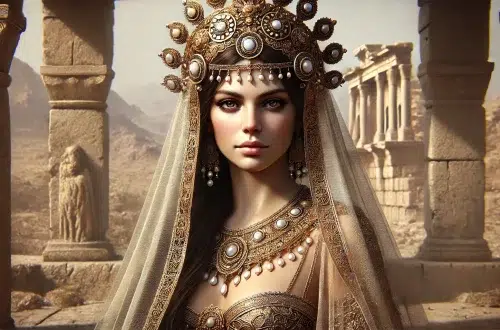
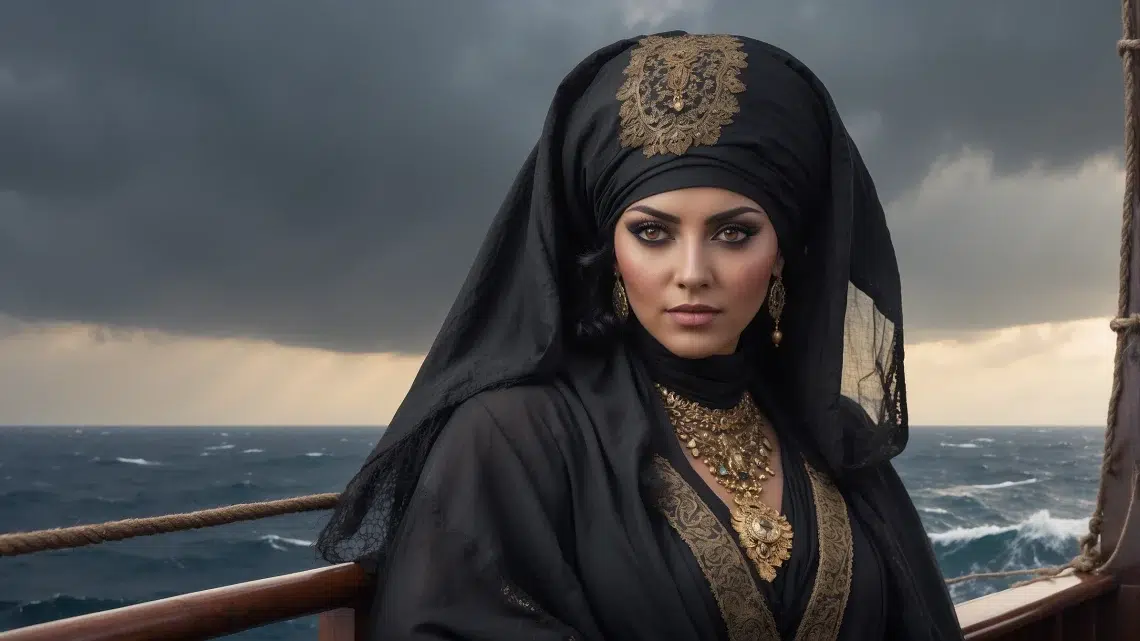
Western Asian Women Warriors: Brave Leaders in Battle
Western Asia holds powerful stories of women who led armies, resisted invaders, and shaped history through war. While often overshadowed by male warriors, these women showed courage, skill, and vision.
Some commanded forces on horseback. Others planned revolts, guarded cities, or advised kings. Across regions from Mesopotamia to Persia, they carved their names into history.
Let’s review the lives of remarkable Western Asia women warriors who fought for freedom, honour, and change. Their actions defied expectations and left a lasting legacy.
Learn more about other warrior women:
- India Women of Warfare: Heroines, Warriors and Leaders
- 20 Native American Women Warriors, Leaders & Diplomats
- Women Who Changed the World During World War II
- Eastern Asia Women of Warfare: Warriors Who Shaped History
- Brave Women Disguised As Men Join Their Nation’s Military
Western Asian Women Warriors in Arabia
Samsi (Arabia)
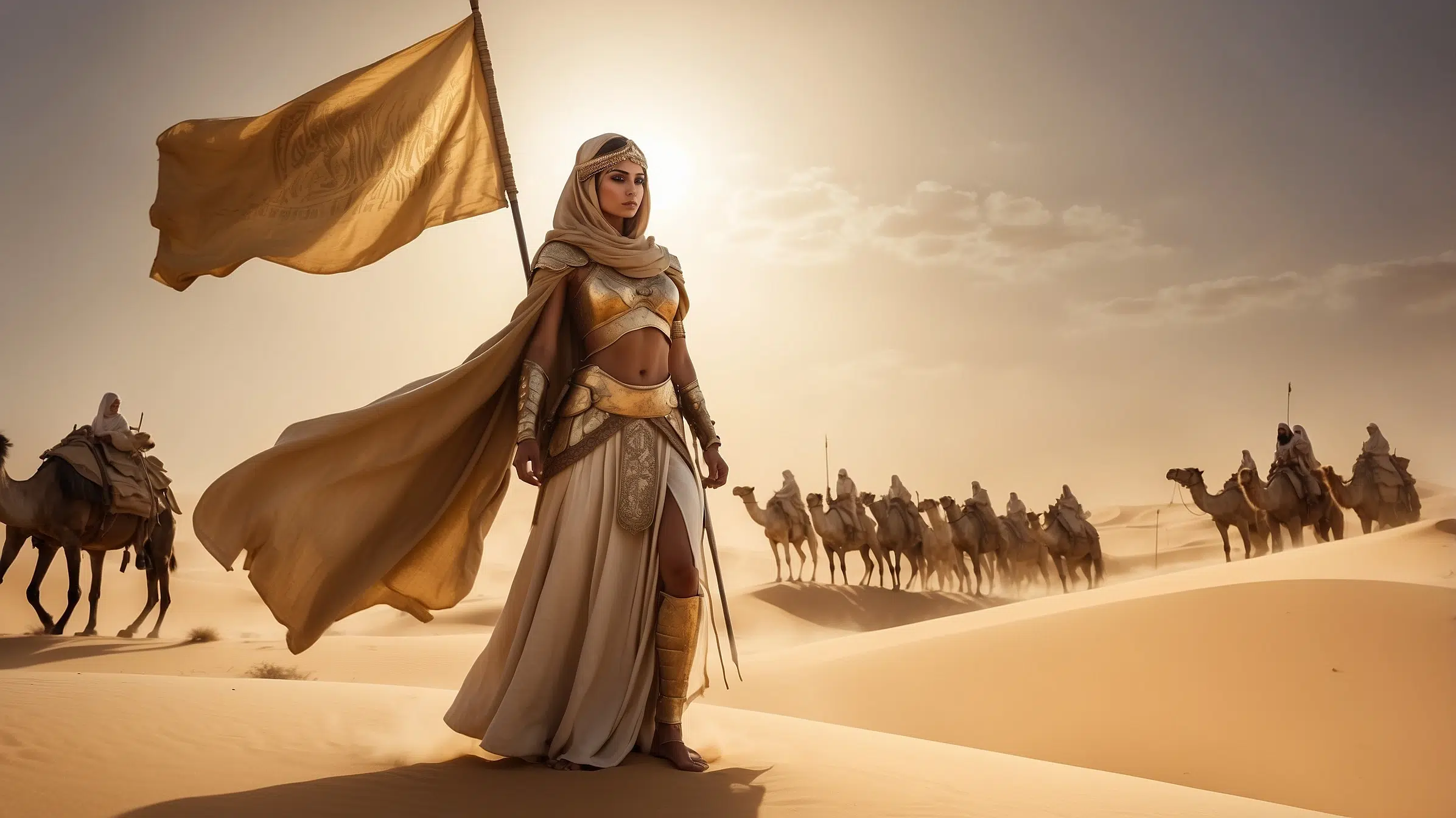
Queen Samsi led Arab tribes against the Assyrian Empire in the 8th century BCE. She ruled in a harsh desert region but built alliances and defended trade routes. When the Assyrians pushed into her lands, Samsi fought back.
She led troops herself, showing both bravery and strategy. Though eventually forced to submit, she negotiated peace and continued to rule under Assyrian oversight. Her leadership helped keep her people together through political and military pressure.
As one of the earliest recorded Western Asia women warriors, Samsi proved that desert queens could wield swords and political power with equal force.
Umm al-Darda (Arabia)
Umm al-Darda lived during the 7th century and stood out as both a scholar and a fighter. She taught Islamic law and philosophy, attracting students from across the Islamic world. But she also trained in physical defence and joined early military campaigns.
Her wisdom and strength earned her deep respect among both men and women. She proved that intellectual mastery and battlefield skill could coexist.
As one of the lesser-known Western Asia women warriors, Umm al-Darda shows how courage takes many forms. She balanced faith, intellect, and defence during a time of great change.
Queen Mavia (Arabia)
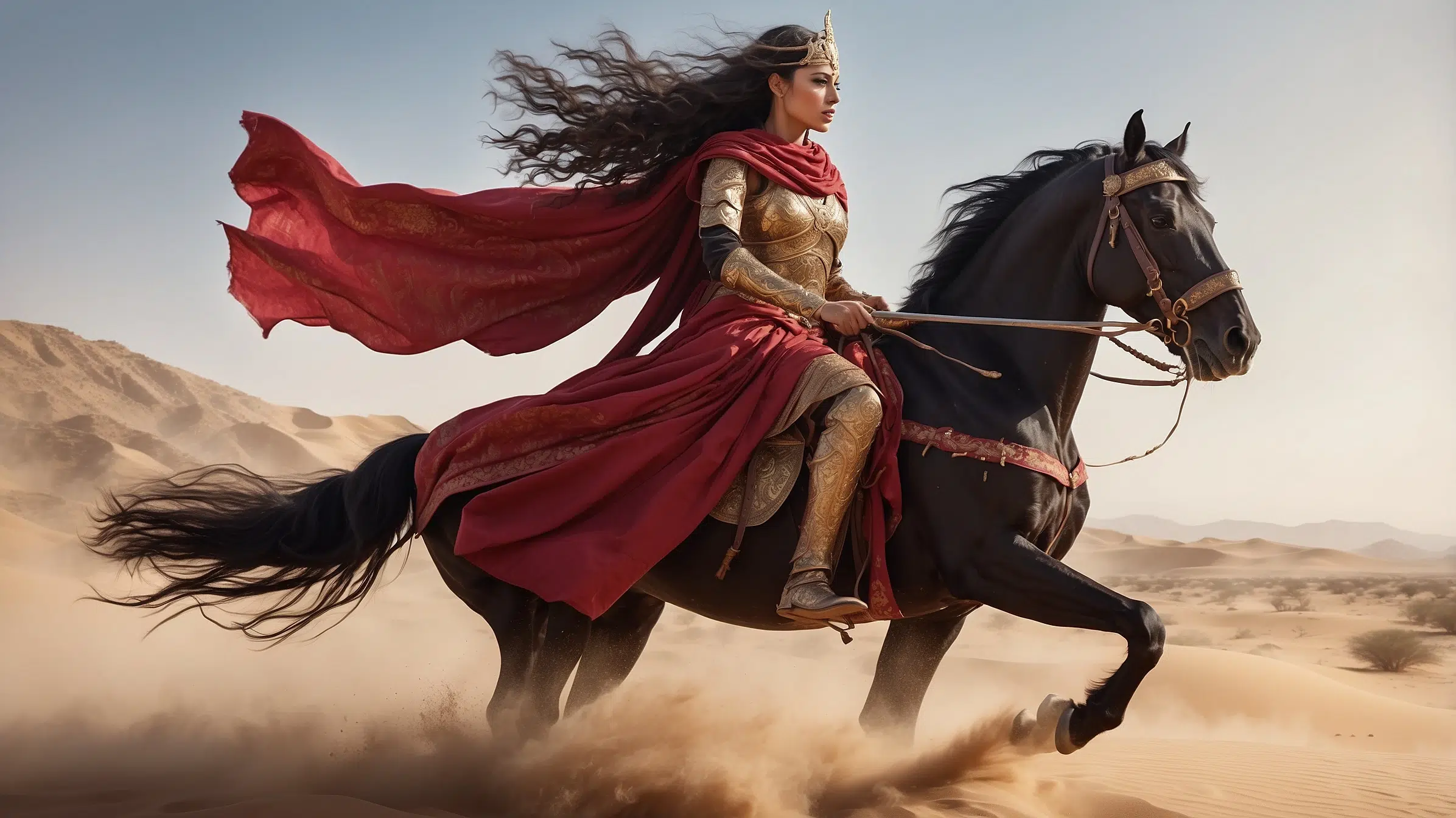
Queen Mavia led a major revolt against Roman control in the 4th century. As a warrior queen, she united desert tribes and launched a series of swift attacks on Roman forts. Her cavalry overwhelmed imperial forces, forcing Rome to negotiate.
She demanded religious freedom for her people and won it through strength and persistence. Mavia later sent troops to support Rome against invaders—but only on her terms.
Among Western Asia women warriors, Queen Mavia stands out for her independence, leadership, and military success. She defended both her land and her beliefs with boldness few rulers could match.
Western Asian Women Warriors
Zenobia (Syria)
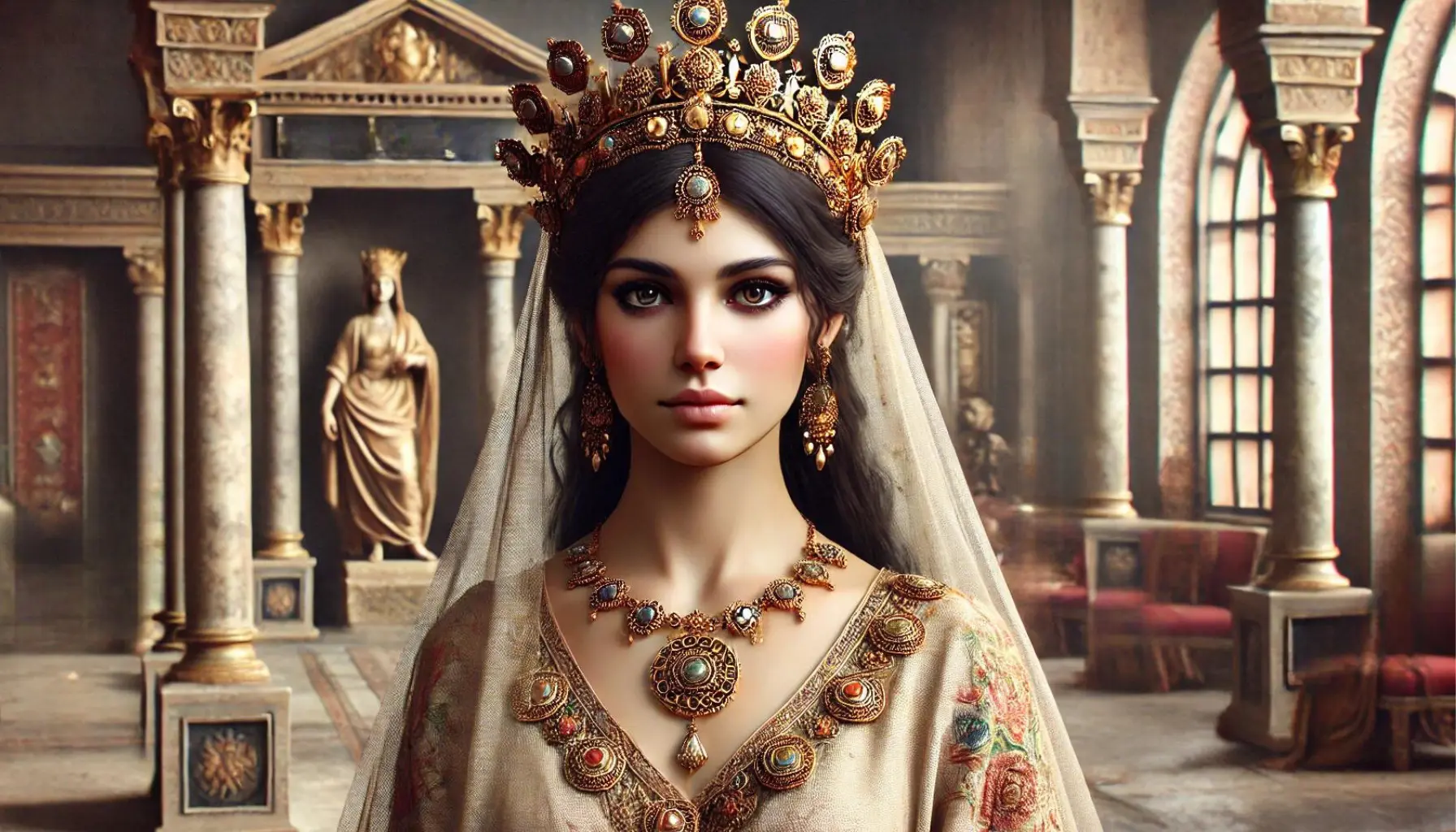
Zenobia, queen of Palmyra, challenged Roman authority and almost created an empire of her own. After her husband’s death, she ruled as regent but soon declared independence. She expanded her territory into Egypt and Asia Minor, controlling trade and territory alike.
Zenobia led troops, advised generals, and studied languages, philosophy, and politics. Her reign threatened Rome itself until Emperor Aurelian captured her.
Though defeated, she remains one of the most famous Western Asia women warriors. Zenobia’s ambition, intellect, and strength turned a desert kingdom into a rising empire—if only for a moment.
Semiramis (Assyria)
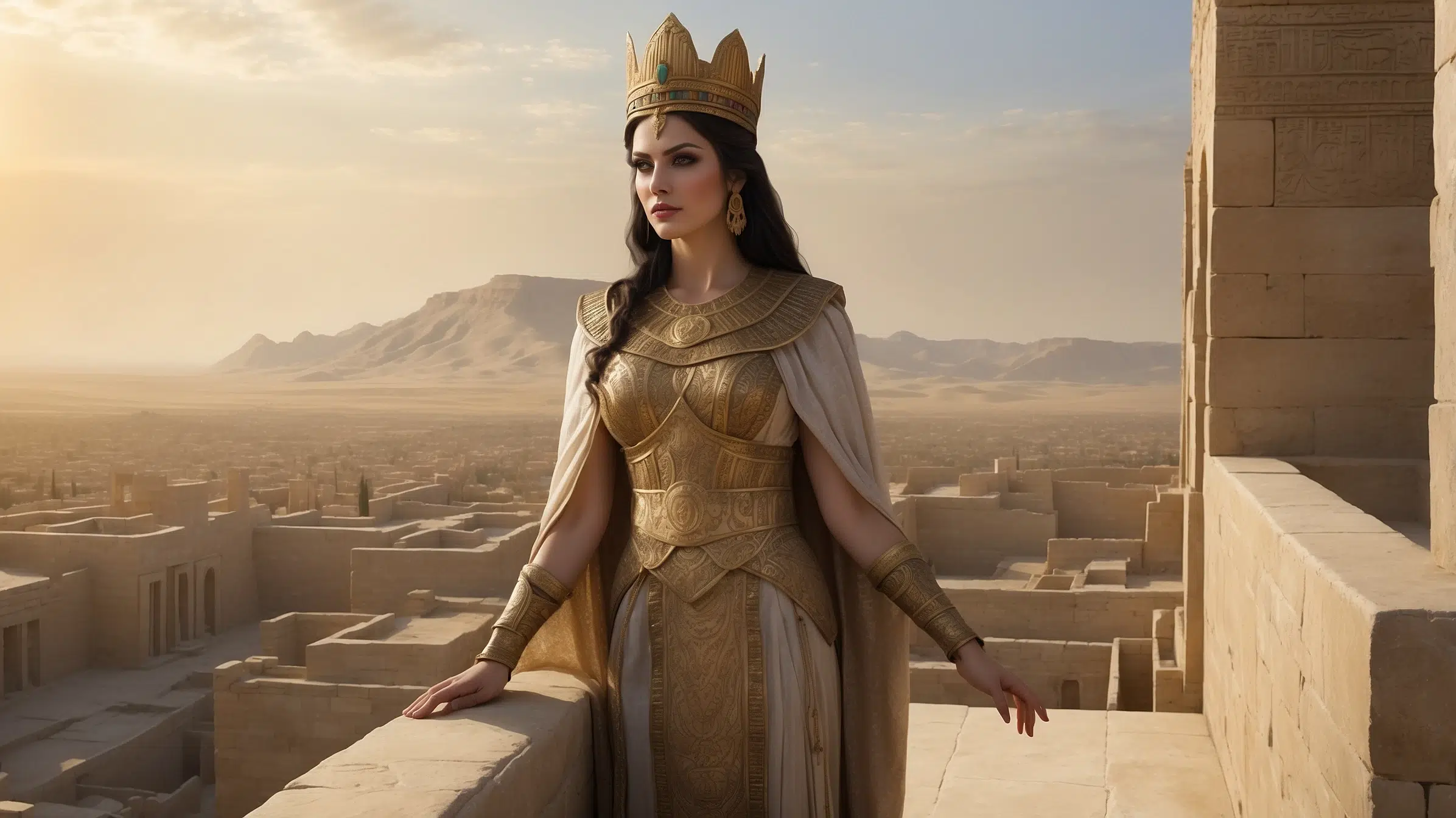
Semiramis remains one of the most legendary rulers of ancient Assyria. Though part myth, her story holds strong symbols of power. She’s said to have led successful military campaigns, expanded the empire, and built mighty cities—including Babylon’s walls.
Some accounts credit her with innovations in war strategy and command. Whether myth or history, Semiramis reflects how women’s leadership stirred both awe and fear.
As a towering figure among Western Asia women warriors, she shows how legend preserves the impact of women in power. Her legacy blends architecture, conquest, and the idea that queens could command empires.
Zeinab Pasha (Iran)
Zeinab Pasha led resistance in 19th-century Iran during the Tobacco Protest. When foreign powers tried to control trade, she gathered women and stormed warehouses. She mobilized protests and became a voice of rebellion.
Armed with resolve, she disrupted economic control and inspired broader national movements. Her leadership helped spark resistance against colonial interference and corrupt elites.
Zeinab did not command armies, but she shook systems. As one of the boldest Western Asia women warriors, she proved that protest is its own form of warfare. Her strength came from community and conviction, not weapons.
Artemisia I of Caria (Turkey)
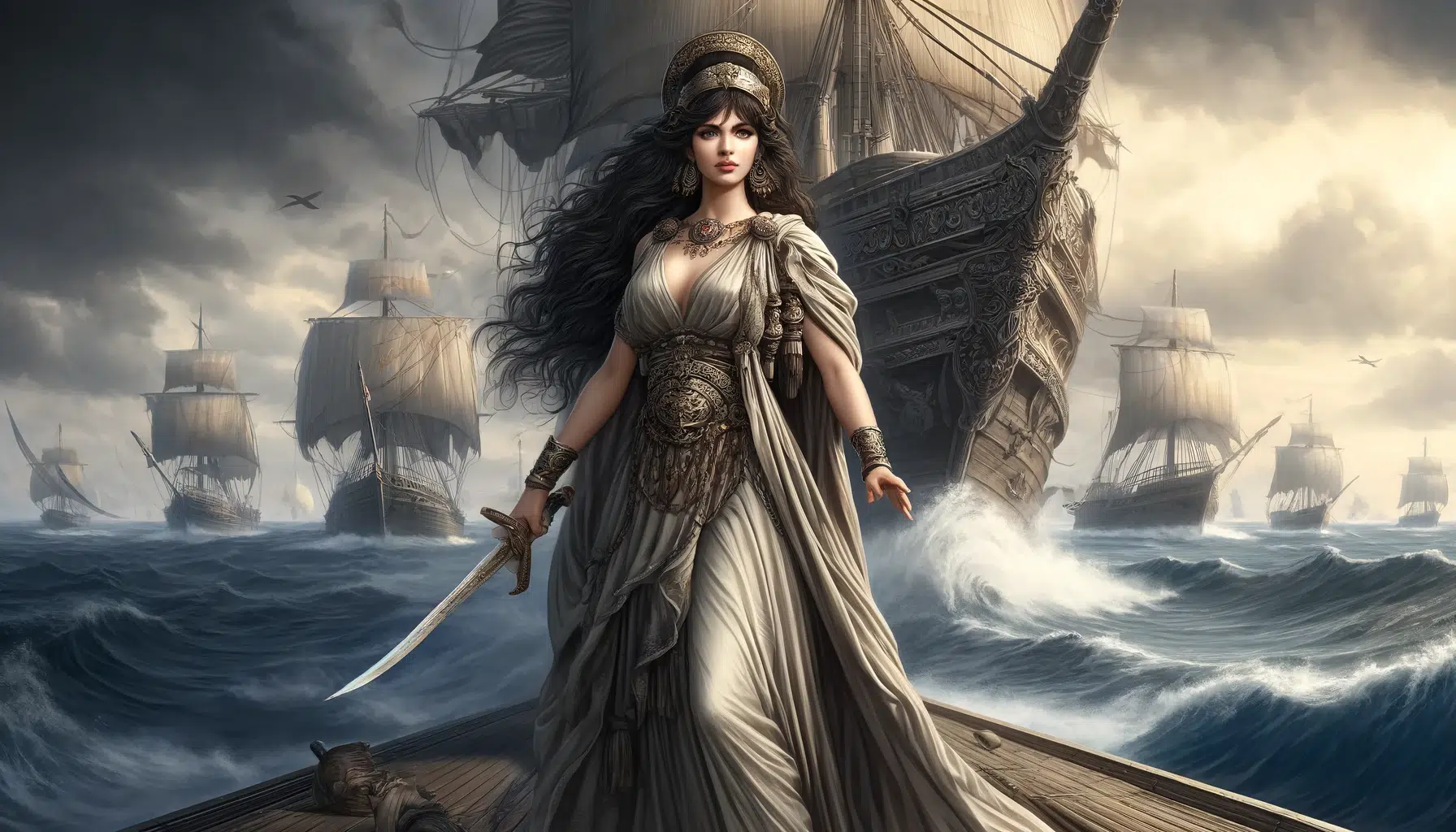
Artemisia I ruled Caria and commanded ships during the Greco-Persian Wars in the 5th century BCE. She led her fleet under King Xerxes of Persia at the Battle of Salamis. While many commanders failed, Artemisia showed sharp tactics and bold leadership.
Even the king praised her insight, saying his men became women—and she, a man—for her bravery. She advised against attacking the Greek fleet, but when overruled, she still fought with skill.
Among Western Asia women warriors, Artemisia shines as a rare female naval leader in ancient history. She earned respect not through royalty alone, but through results.
Khanzada Begum (Uzbekistan)
Khanzada Begum, sister of Mughal founder Babur, played a key role in politics and wartime diplomacy. She brokered peace, supported alliances, and acted as a trusted advisor. During moments of crisis, she helped hold the empire together.
Captured and later released in political exchanges, she returned with resolve. Her influence reached across the battlefield, even without leading troops directly.
Khanzada represented both royal dignity and political strength. She proved essential in early Mughal consolidation. As one of the influential Western Asia women warriors, she showed how strategy, loyalty, and sharp judgment shaped empires.
Shirin (Persia)
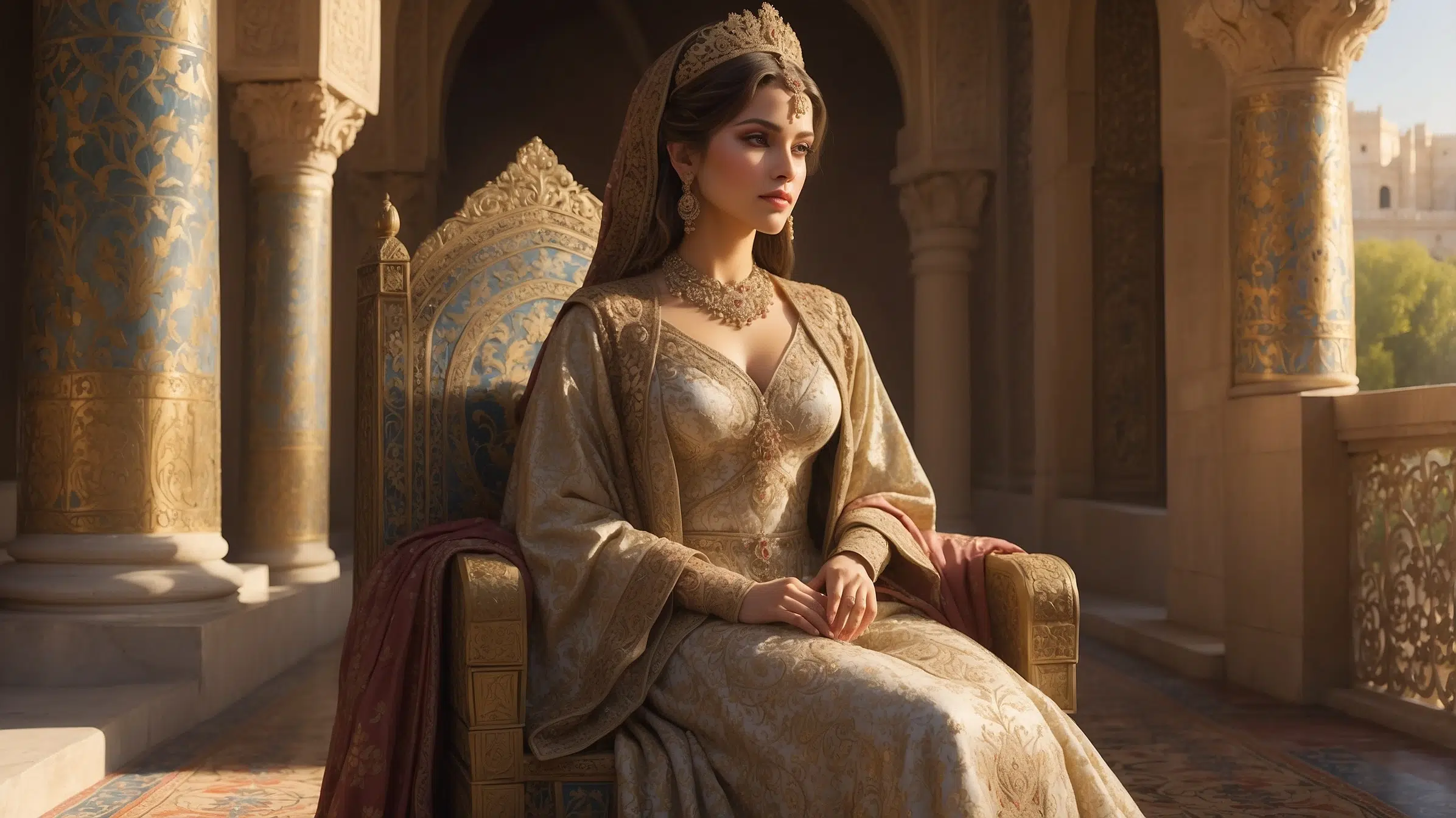
Queen Shirin, consort to Sassanian King Khosrow II, held rare influence in court and strategy. A Christian queen in a Zoroastrian land, she used diplomacy and generosity to win loyalty.
She protected the poor, supported soldiers, and advised during military campaigns. Shirin’s influence extended beyond royal duties—she directed aid, inspired cultural works, and maintained power through shifting alliances.
Her strength came through compassion and intelligence. While not a warrior in battle, she still counts among Western Asia women warriors for her role in sustaining stability and shaping policy during war. Her story blends heart, politics, and legacy.
Tamar the Great (Georgia)
Tamar the Great ruled Georgia during its golden age in the 12th century. Crowned as “king” to affirm full authority, she led military campaigns that expanded the empire’s borders.
Tamar defended Christian states, launched offensives against Muslim powers, and unified nobles under her command. Her court became a cultural hub, but her rule also brought military triumph.
Her faith guided decisions, but her rule showed strength and independence. Tamar never ruled through men—she commanded alone. Among Western Asia women warriors, she stands as one of the most successful and respected. Her empire flourished under her iron will.
Western Asian Women Warriors – Morocco & North Africa
Sayyida al-Hurra (Morocco)
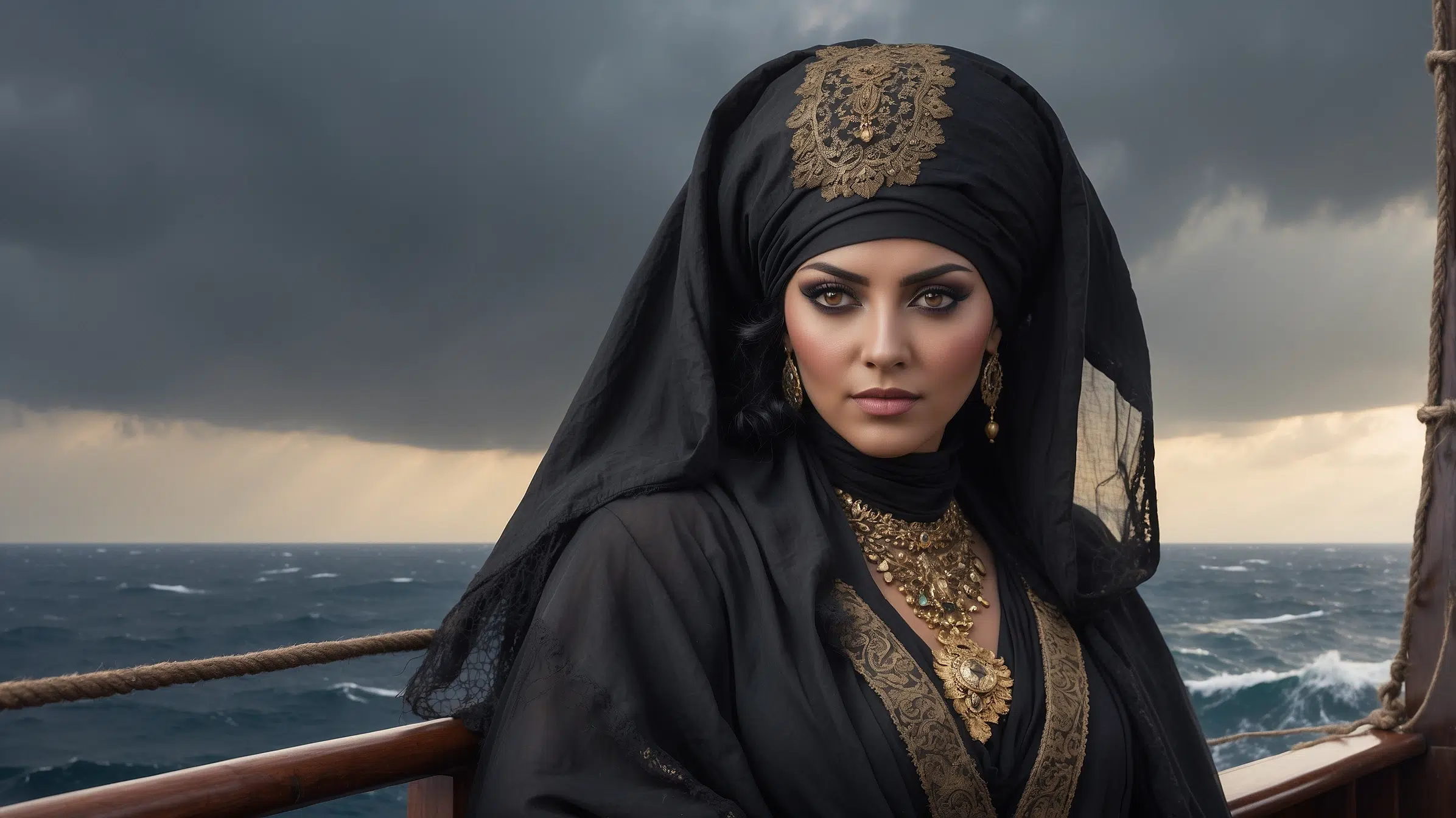
Sayyida al-Hurra ruled coastal Morocco and commanded the western Mediterranean as a feared pirate queen. After her husband’s death, she ruled independently and formed an alliance with Ottoman pirates.
She disrupted Spanish and Portuguese shipping, defended Muslim territories, and used naval power as both defense and resistance. Sayyida also governed Tetouan with wisdom and strength.
Though based in North Africa, her political and religious ties linked her deeply to the Islamic world and Western Asia. Among Western Asia women warriors, Sayyida al-Hurra stands out as a ruler of the seas. Her legacy shows that power moves with the tide—and some queens ride the waves.
Fatimah al-Fihri (Morocco)
Fatimah al-Fihri founded the University of al-Qarawiyyin in the 9th century, now considered the world’s oldest existing university. She used her inheritance to build a centre for Islamic scholarship, defence strategy, and community resilience.
Though not a battlefield leader, Fatimah played a vital role in cultural defence. Her institution trained future generals, diplomats, and scholars who shaped political and military strategies.
Her legacy reaches beyond borders. As part of the Islamic world’s influence on Western Asia, she earns a place among Western Asia women warriors. Her strength came through knowledge, vision, and lasting foundations that outlived empires.
Dihya (Kahina) (North Africa)
Dihya, known as the Kahina, led Berber resistance against Arab expansion in the 7th century. She united tribes and pushed back against Islamic forces advancing through North Africa.
She used both military strength and psychological strategy—burning fields to deny invaders supplies. Dihya held power for years, defending her land from religious and cultural conquest.
Though her resistance ended in battle, she remains a symbol of freedom and defiance. As parts of her region connected with Western Asia, her impact crossed cultures. Dihya belongs among Western Asia women warriors for her leadership in a war of identity, survival, and sovereignty.
Learn more about warrior women:
- India Women of Warfare: Heroines, Warriors and Leaders
- 20 Native American Women Warriors, Leaders & Diplomats
- Women Who Changed the World During World War II
- Eastern Asia Women of Warfare: Warriors Who Shaped History
- Brave Women Disguised As Men Join Their Nation’s Military
Conclusion
These women prove that warriors are not defined by gender but by strength, strategy, and purpose. From ancient queens to fierce rebels, Western Asia women warriors helped defend their people and reshape empires.
Their stories challenge old ideas and deserve a place in history.
By remembering their courage, we honour their fight—and remind the world that every battlefield has room for women who lead.