Valkyries: Norse Warrior Maidens of Fate
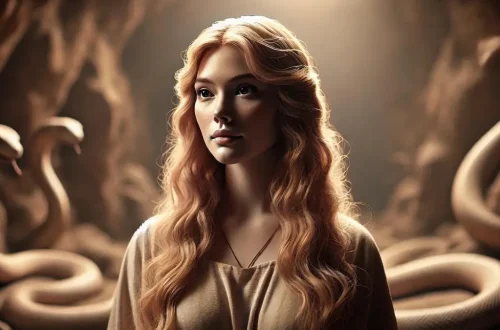
The Valkyries are fierce, mystical maidens in Norse mythology. Their name means “chooser of the slain.” These powerful figures ride into battle, not to fight, but to decide who will die and who will live. When warriors fall with bravery, Valkyries carry their souls to Valhalla—Odin’s grand hall of the dead.
But the Valkyries are more than just escorts of the fallen. They reflect Norse beliefs about honour, fate, and the afterlife. Often seen as beautiful yet intimidating, they blur the line between life and death. Their presence on the battlefield is a sign that the gods are watching.
Over time, their stories have inspired art, opera, films, and even fantasy games. Their legend lives on—not just as warriors of the gods—but as symbols of strength, fate, and mystery.
Who Are the Valkyries?
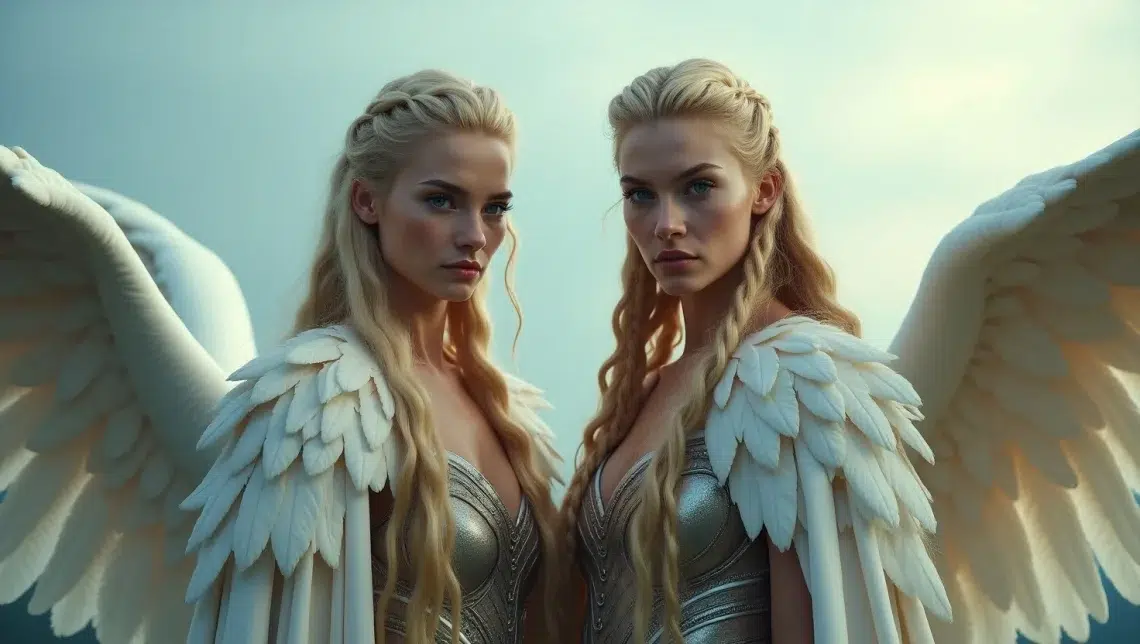
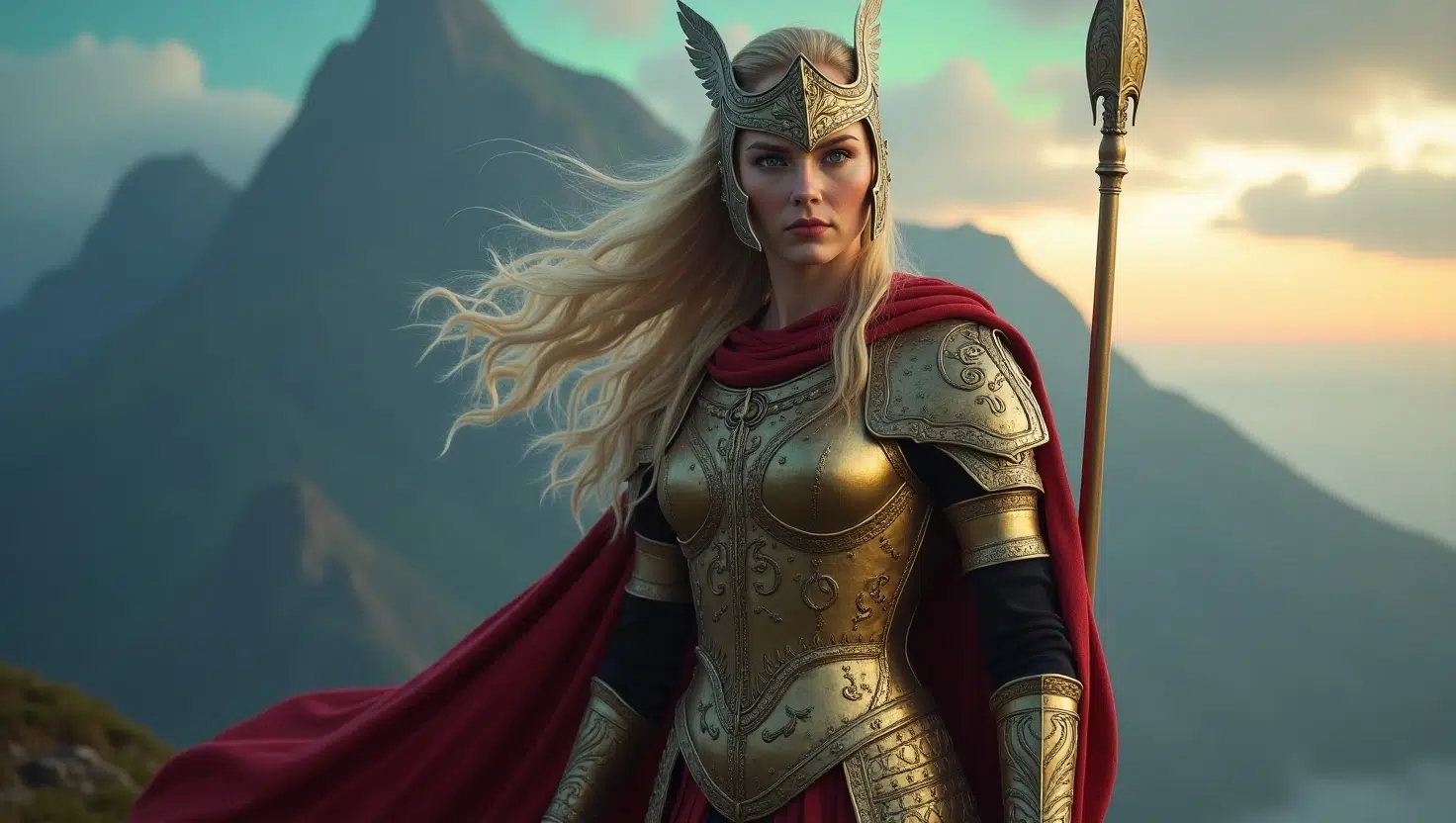
In Norse mythology, Valkyries serve Odin, the Allfather. They are divine maidens, often described as riding winged horses across the sky. Each carries a spear and wears shining armour, with hair as gold as the sun or pale as moonlight.
Their role is sacred and fearsome.
During battle, Valkyries select the bravest warriors to die. These chosen souls are called the einherjar.
After death, the Valkyries lead them to Valhalla, where they train for Ragnarök—the final battle at the end of the world.
Valkyries don’t just follow orders. In some tales, they have free will and emotions. They can fall in love with mortals, disobey Odin, or choose mercy. Some myths even show them punished for defying fate.
The number of Valkyries varies. Some sagas name six; others list thirteen or more.
Famous Valkyries include Brynhild, Sigrún, and Göndul, each with her own story of loyalty, battle, or love.
More than warriors, Valkyries act as symbols of fate and honour. They show how Norse people valued courage, sacrifice, and a glorious afterlife.
The Role of Valkyries in Norse Afterlife Beliefs
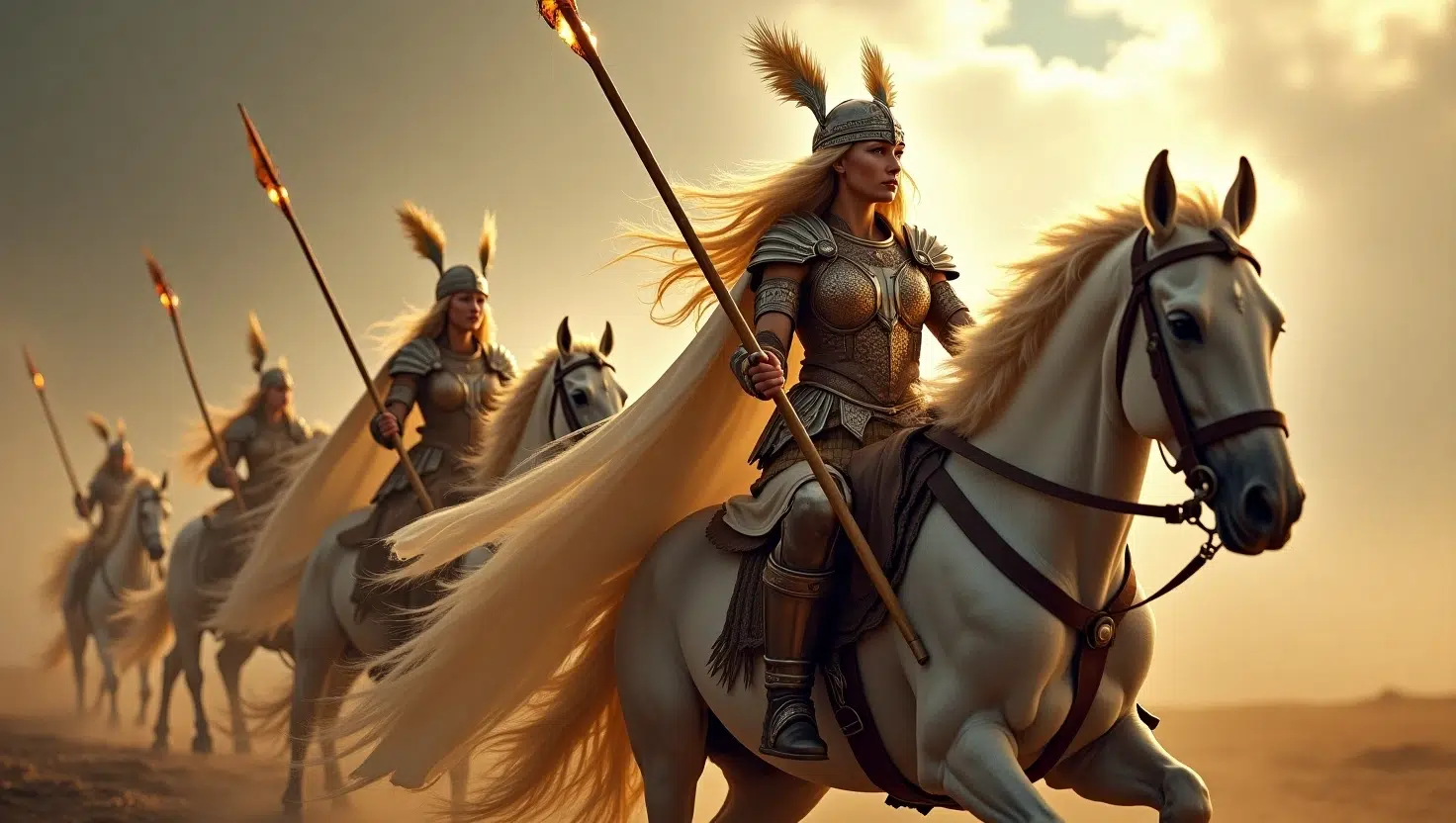
In Norse beliefs, death in battle leads to two possible destinations: Valhalla or Fólkvangr.
In Norse mythology, Valhalla and Fólkvangr are the two main afterlife realms for fallen warriors—but they belong to different gods and reflect different values.
Valkyries decide who goes where. Half of the fallen warriors go to Odin’s Valhalla. The other half go to Fólkvangr, ruled by the goddess Freya.
Valhalla: Odin’s Hall of the Slain
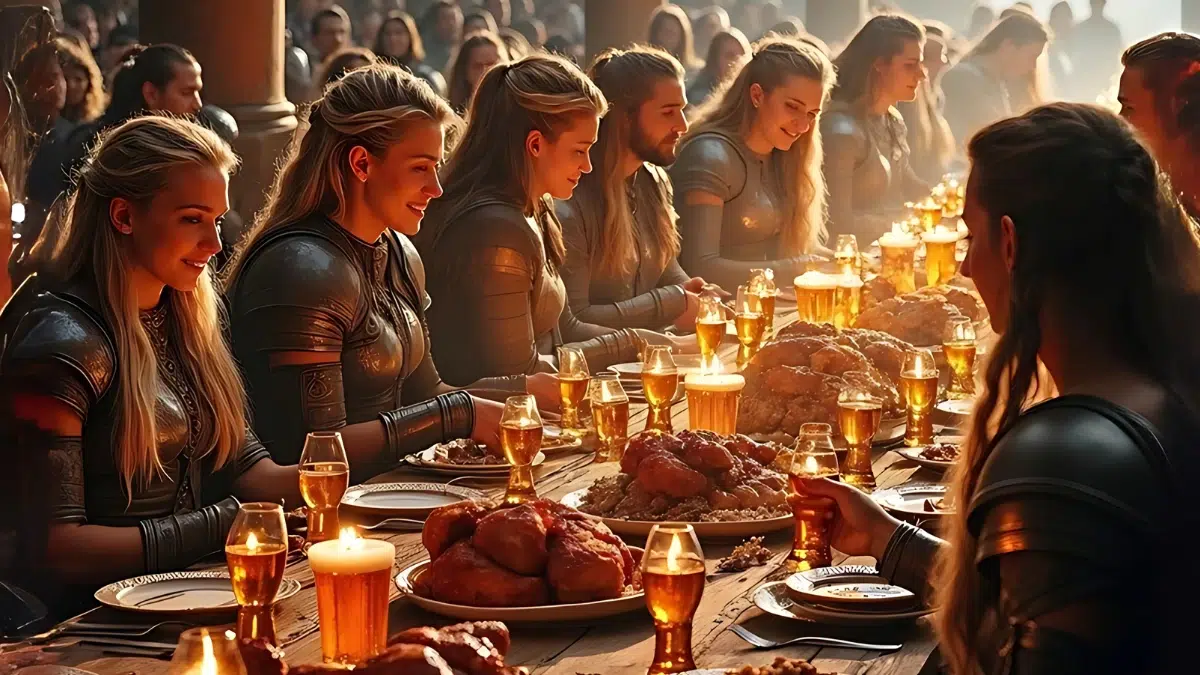
Valhalla, ruled by Odin, is the most well-known.
Warriors who die bravely in battle may be chosen by Valkyries to join him there. Valhalla is a grand hall in Asgard with a golden roof and hundreds of doors. Inside, the dead (called Einherjar) feast, drink mead, and train for Ragnarök—the final battle.
Odin seeks the strongest, fiercest fighters, those who will help defend the gods in the end times.
The Valkyries’ choices are not random. They choose those who fight with bravery and honour. Their judgment shapes the warrior’s fate and reflects deep Norse values—heroism, strength, and loyalty.
Fólkvangr: Freyja’s Peaceful Field
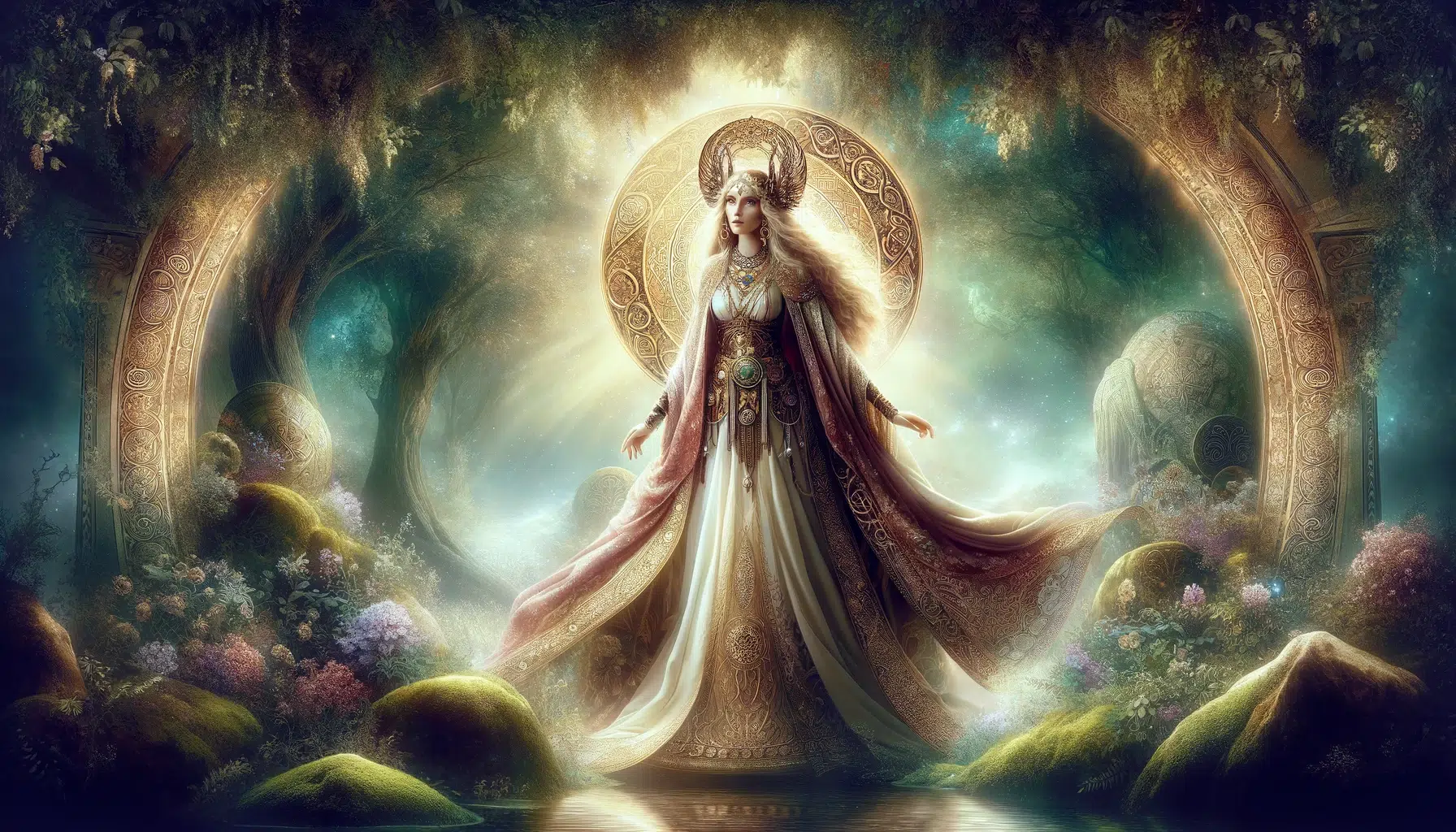
Fólkvangr, meaning “field of the host,” is the domain of Freyja, the goddess of love and war. She also receives warriors slain in battle—but she chooses first.
Half of the honoured dead go to Fólkvangr instead of Valhalla. Unlike Odin’s hall, Fólkvangr is often seen as a more peaceful and beautiful realm, though still reserved for the brave.
It’s linked not only to war but also to love, healing, and rest.
This belief offered comfort. Death in battle wasn’t an end. It was a gateway to a warrior’s reward. Valkyries became symbols of divine justice, courage, and the promise of eternal glory.
Norse Valkyries and Their Stories

While many Valkyries remain nameless, several stand out in Norse texts. Each has a unique name and meaning—often tied to war, fate, or strength.
Brynhildr: The Tragic Valkyrie Heroine
Among the many Valkyries in Norse mythology, Brynhildr stands out as a powerful and complex figure.
Brynhildr is the most famous. She appears in the Völsunga saga and the Poetic Edda. A powerful shieldmaiden and Valkyrie, Brynhildr defies Odin, who curses her to live as a mortal.
Her tragic love story with the hero Sigurd shows her strong will and sorrow.
Once a mighty shieldmaiden who chose which warriors lived or died, her story took a dramatic turn after she disobeyed Odin.
Brynhildr defied his wishes by saving a warrior he wanted to die. As punishment, Odin stripped her of her Valkyrie status and put her into a deep magical sleep. He placed her in a ring of fire, declaring that only a fearless hero could awaken her.
That hero was Sigurd (or Siegfried, in later German tales). He passed through the flames and woke her, and they pledged themselves to each other. But their love story took a dark twist. Brynhildr became entangled in betrayal, deception, and tragedy—most notably involving memory loss spells, false marriage promises, and revenge.
Her tale ends with heartbreak and death, but not before she claims her place in Valhalla once more. Brynhildr’s story reflects deep Norse values—loyalty, pride, justice—and the painful cost of honour in a world ruled by fate.
Other Notable Valkyries and Their Unique Roles
While Brynhildr often steals the spotlight, many other Valkyries play important roles in Norse myths. Each brings a different energy to the battlefield, and some even shape stories of love and destiny.
Sigrún – Her name means “victory rune,” and she appears in the Helgakviða Hundingsbana poems. Sigrún defies her father to be with the hero Helgi, whom she chooses to protect in battle. Their love endures beyond death, with hints that they reincarnate in later lives. Her tale reveals the emotional depth Valkyries can hold—choosing love and loyalty over orders and duty.
Hildr – Literally meaning “battle,” Hildr has a haunting role. In some legends, she revives the dead every night so that they can fight again the next day. This endless cycle symbolizes eternal warfare and the Norse view of heroic struggle. She reminds us that battle is not just a one-time event, but something woven into fate itself.
Göndul and Skögul – These two are among the oldest recorded Valkyries, named in Heimskringla and Eddic poetry. As Odin’s messengers, they ride across skies and fields to select who dies and who lives. Göndul often appears in strategic roles, while Skögul’s name, meaning “shaker,” reflects the chaos of battle. Their presence shows that Valkyries serve not just as battlefield assistants, but as divine agents carrying out the will of the gods.
Together, these Valkyries show a wide range of roles—fierce warriors, devoted lovers, bringers of fate, and mystical guides. They are far more than silent battle spirits. They carry emotions, make choices, and shape legends.
These Valkyries show varied roles—lovers, fighters, and guides. They are not just servants of war, but beings with emotion, loyalty, and purpose.
Norse Valkyries and the Northern Lights (Aurora Borealis)
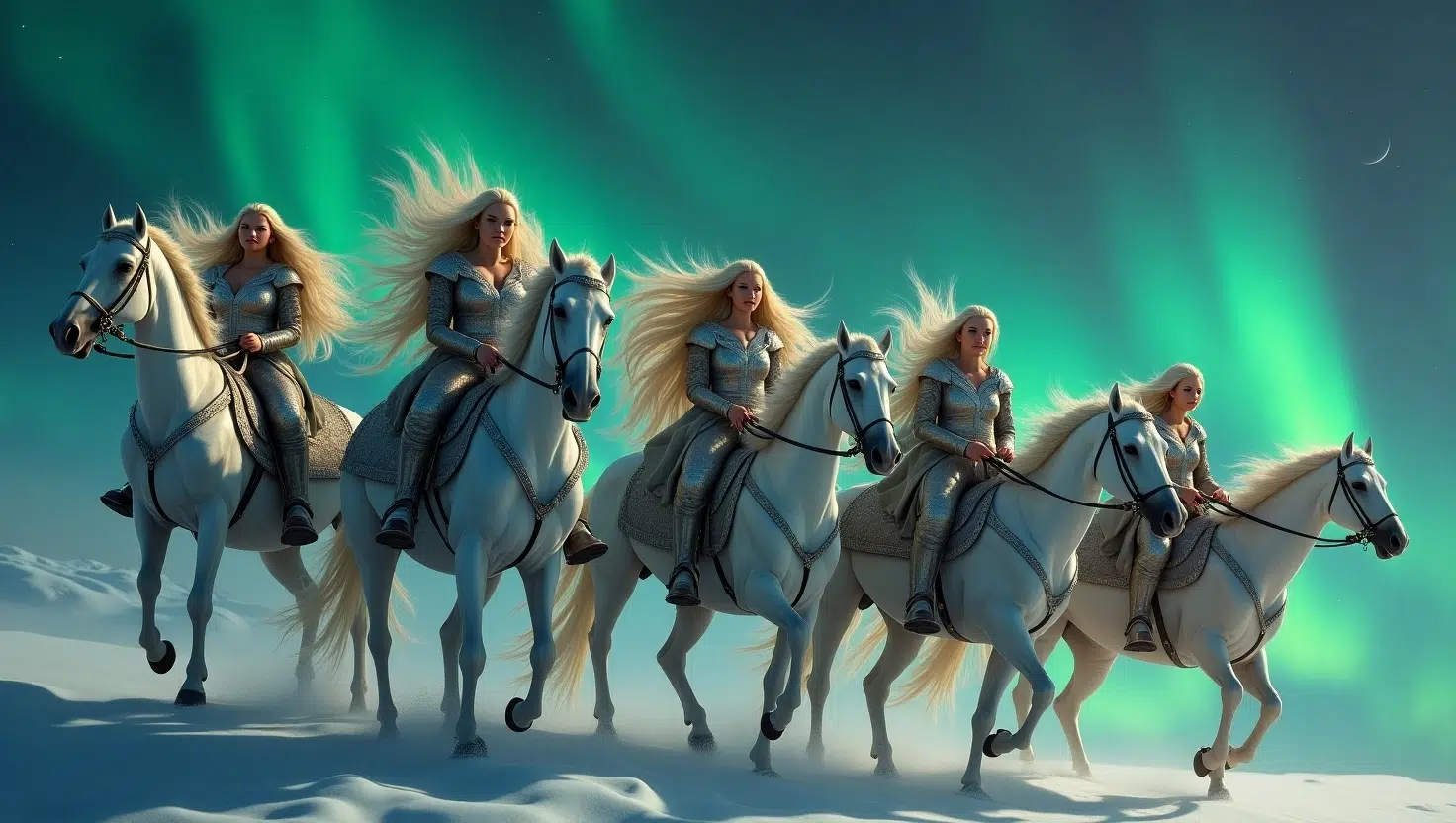
The shimmering lights across the northern sky were often believed to be the reflections or glimmering of Valkyrie armour as they rode across the heavens on horseback. Their armour and spears would catch the light and ripple across the sky, creating the glowing, dancing colours people saw.
In some tales, the northern lights were said to be:
-
Sparks from Valkyrie weapons as they flew to or from battle
-
Bifröst, the glowing rainbow bridge between Earth and Asgard
-
Souls of fallen warriors being carried to Valhalla
This belief helped reinforce the idea that brave warriors were never truly gone—they lived on in the skies, and the lights were a sign of the gods still watching over Midgard (Earth).
The northern lights became a celestial honour guard, a magical reminder of the bond between gods, Valkyries, and the chosen dead.
While not found in the earliest written myths (like the Poetic or Prose Edda), this connection between the Valkyries and the aurora is a rich part of Norse-inspired oral traditions and folklore from Iceland, Norway, and other northern cultures.
Symbolism and Cultural Impact
Valkyries represent more than death and battle. They symbolize the transition from life to the afterlife, acting as divine guides for brave souls. Their name means “chooser of the slain,” but they also honour the courage of fallen warriors.
In Norse culture, dying in battle was noble. Being chosen by a Valkyrie meant eternal glory in Valhalla. This idea gave meaning to life and death for Viking warriors.
Valkyries also stand for feminine power. They are not passive figures—they ride into battle, wield weapons, and follow Odin’s command. This blend of beauty, might, and divine purpose makes them enduring symbols in modern fantasy and media.
You’ll find them in operas like Wagner’s Ride of the Valkyries, in comics, games, and even modern TV shows. Their image continues to evolve, but they remain rooted in myth and honour.
Conclusion: Why the Norse Valkyries Endure
Valkyries continue to captivate us because they blend strength, honour, and mystery. As powerful female figures, they challenge the idea that warriors must be men. As divine messengers, they show that death in battle was not an end—but a path to eternal glory.
They remind us that bravery gets remembered. That choices in life—and death—carry weight. And that the stories we pass down shape how we see power and purpose.
In today’s books, films, and games, Valkyries still ride—just as fierce, just as proud. Their legacy remains unshaken, echoing across myth and time.