

Trưng Sisters: The Warriors Who Defied an Empire
In 40 CE, two sisters led an army against one of the most powerful empires in the world.
They were not queens yet. They were daughters of a noble family who refused to accept foreign rule.
Trưng Sisters Trưng Trắc and Trưng Nhị grew up in a household that valued strength and discipline. Their father served as a general. Their mother, Lady Man Thiện, raised them to be independent and fearless.
When Chinese authorities executed Trưng Trắc’s husband, the sisters chose resistance. They gathered nearly 80,000 supporters, including dozens of women commanders, and launched a rebellion against Han control.
Within a year, they seized more than sixty citadels across northern Vietnam. Trưng Trắc declared herself queen.
Three years later, Han general Ma Yuan defeated their forces. But defeat did not erase their legacy.
The Trưng Sisters became lasting symbols of courage, resistance, and national pride in Vietnam.
Quick Facts: Trưng Sisters
Era: 40–43 CE
Names: Trưng Trắc and Trưng Nhị
Notable for: Leading Vietnam’s first uprising
Opponent: Han Dynasty (China)
Legacy: National heroes in Vietnam
Who Were the Trưng Sisters?
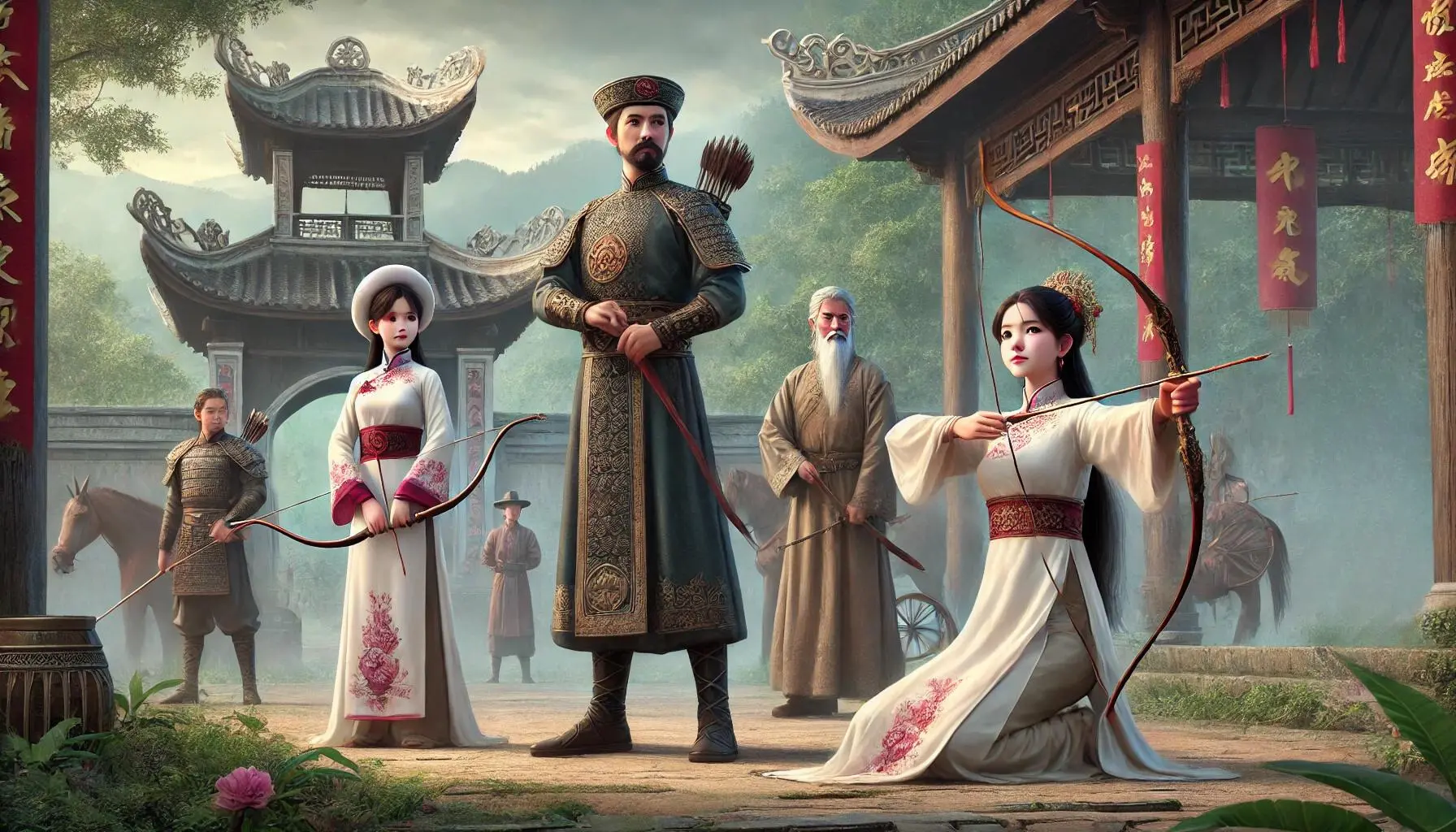
Trưng Trắc and Trưng Nhị, known as the Trưng Sisters, were born in northern Vietnam around 14 A.D. Their family had strong ties to Vietnamese nobility.
Their father, a local leader, and their mother, Lady Man Thien, raised them in defiance of Chinese rule.
Lady Man Thien was a pivotal figure, teaching her daughters to stand against oppression.
Unfortunately, the Trưng sisters lost their father early. This made them witness the harsh Chinese rule, which imposed heavy taxes and eroded local customs.
Amazingly, ancient Vietnamese society was quite progressive, granting women lots of rights.
This allowed Trưng Trắc and Trưng Nhị to enjoy an education in politics, martial arts, and have access to ownership of property. This was crucial in preparing them for their future leadership roles.
The fair rights for women stood out in the world at that time. Trưng Trắc and Trưng Nhị grew up in a society that prepared them for greatness. They were taught to resist oppression from a young age, and this translated into their later roles as leaders in the fight for freedom.
Their story shows how well they were educated, from learning about war to skilled archery. It also highlights the strong female leaders who supported them, like their mother. This support was a crucial element in their fight against Chinese rule, leading a massive army to regain independence.
Why Did the Trưng Sisters Rebel?
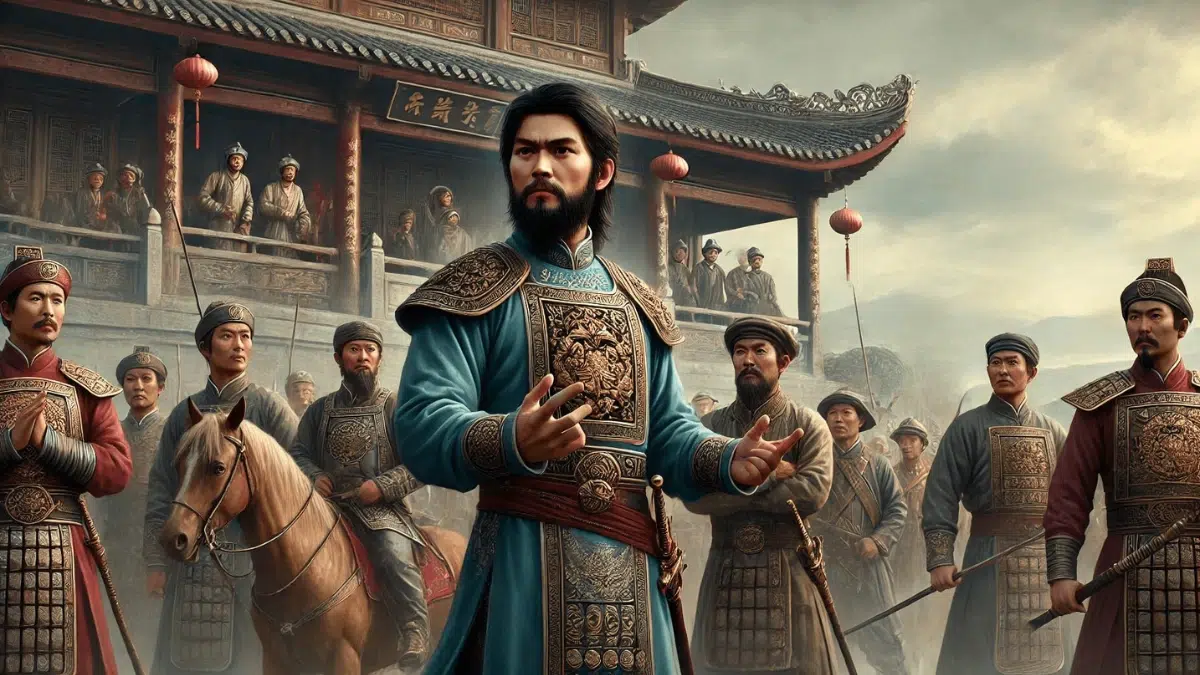
Thi Sách, Trưng Trac’s husband and a general, was executed brutally, without a trial. This moment became a turning point for the Vietnamese fight against the Chinese.
Thi Sách strongly opposed China’s strict rules, especially the high taxes, making him a target. He began to organize other aristocrats to rebel against these changes. The Chinese governor saw his actions as dangerous and had him killed to scare others away from rebelling.
But rather than quiet down, Thi Sách’s death pushed the Vietnamese people to stand up.
The Trưng sisters, already fed up with Chinese rule, sprang into action. Trưng Trac, after losing her husband, became even more determined to fight back. She began communicating with the local landlords and farmers to continue the fight.
His death transformed her sadness into a rallying cry that united the whole country against the common enemy.
The reaction showed how much the Vietnamese resented Chinese control. The Trưng sisters used Thi Sách’s death to gather a huge army. This army included many women, showing that everyone was ready to fight. Women played a big part, thanks to leaders like the Trưng sisters and the idea of working together for their country.

The Han dynasty brought their own ways and rules, trying to make Vietnam a part of their empire.
- Imposed Chinese customs on the people taking away their Vietnamese cultural identity
- Changed the way Vietnamese society worked, removing equality and introducing a system where men were at the top.
- Replaced local Vietnamese leaders with Chinese administrators were also put in charge, removing their control
This resulted in a lot of unrest, with uprisings and rebellions, like the one started by the Trưng Sisters in 40 AD.
The Rebellion of 40 CE
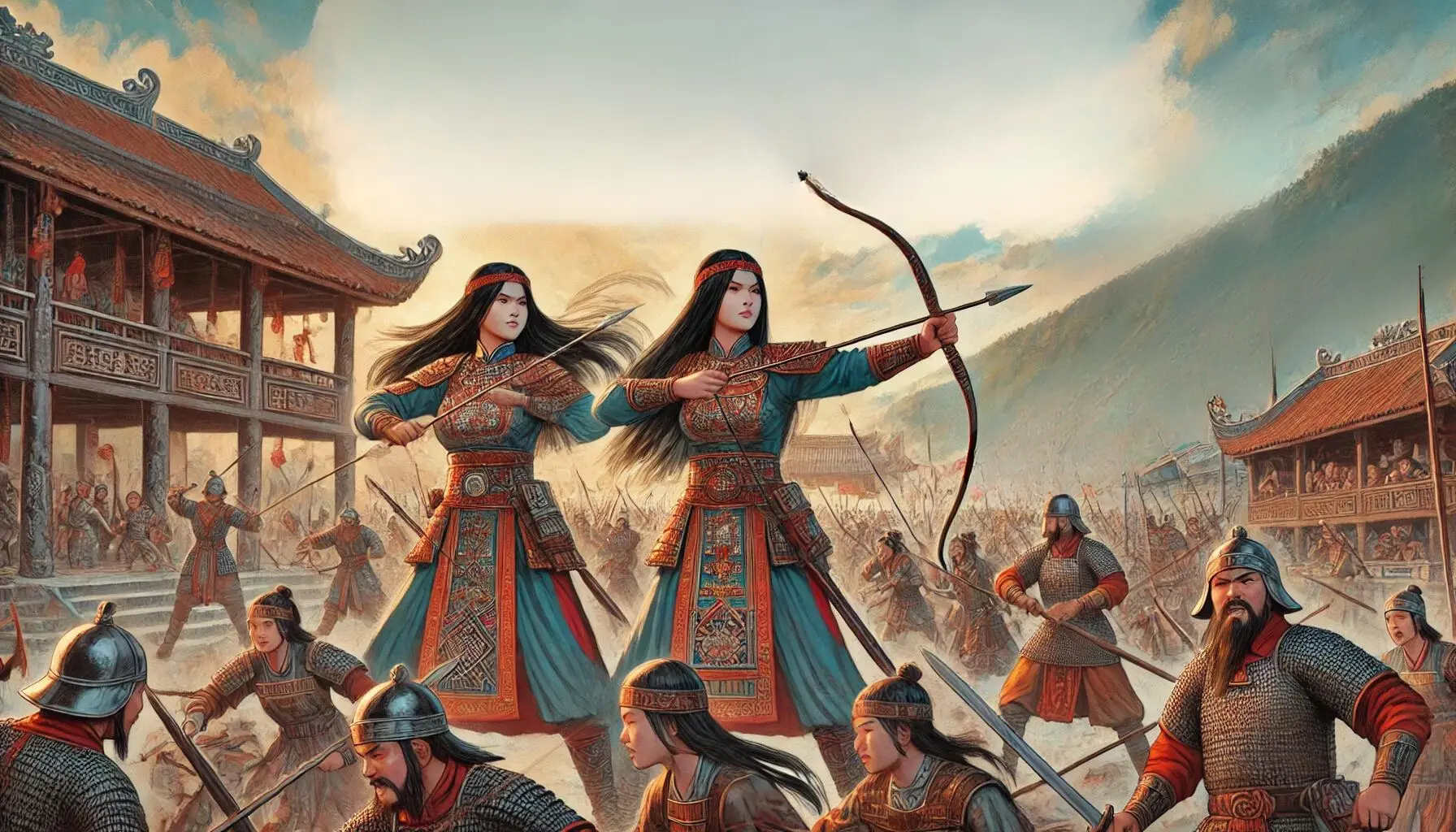
After Thi Sách’s execution, the Trưng Sisters galvanized a Vietnamese revolution. They gathered help from the ground up. Their powerful cry for freedom touched many, bringing together 80,000 fighters.
These soldiers aimed to shake off Chinese control. The Trưng Sisters chose 36 women, including their mother, as generals. This broke from the usual male leadership in Vietnam.
This showed how everyone joined forces for a common cause. These wins laid the groundwork for a powerful time in Vietnamese history, showing the strength of the Trưng Sisters’ fight against China.
The Trưng Sisters’ army was swift and fierce and sparked Vietnam’s first victories against a century-long Chinese rule. Trưng Trắc’s smart planning and Trưng Nhị’s impressive combat skills led the way.
The sisters began by freeing sixty-five Chinese fortresses from Chinese rule, shocking the Han emperor.
They stormed the Chinese-run settlements and the governor’s home, successfully forcing the Chinese leader out of the region. They fought with bows and arrows, swords, axes and spears.
This marked a huge first step towards freeing Vietnam. This victory led to the birth of an independent area.
The sister’s unique leadership inspired many. They marked a new era for Vietnamese resistance against outsiders.
For two years, this region thrived under their rule. Their brave stand not only fought oppression but also boosted Vietnamese pride.
Their Rule Over Northern Vietnam
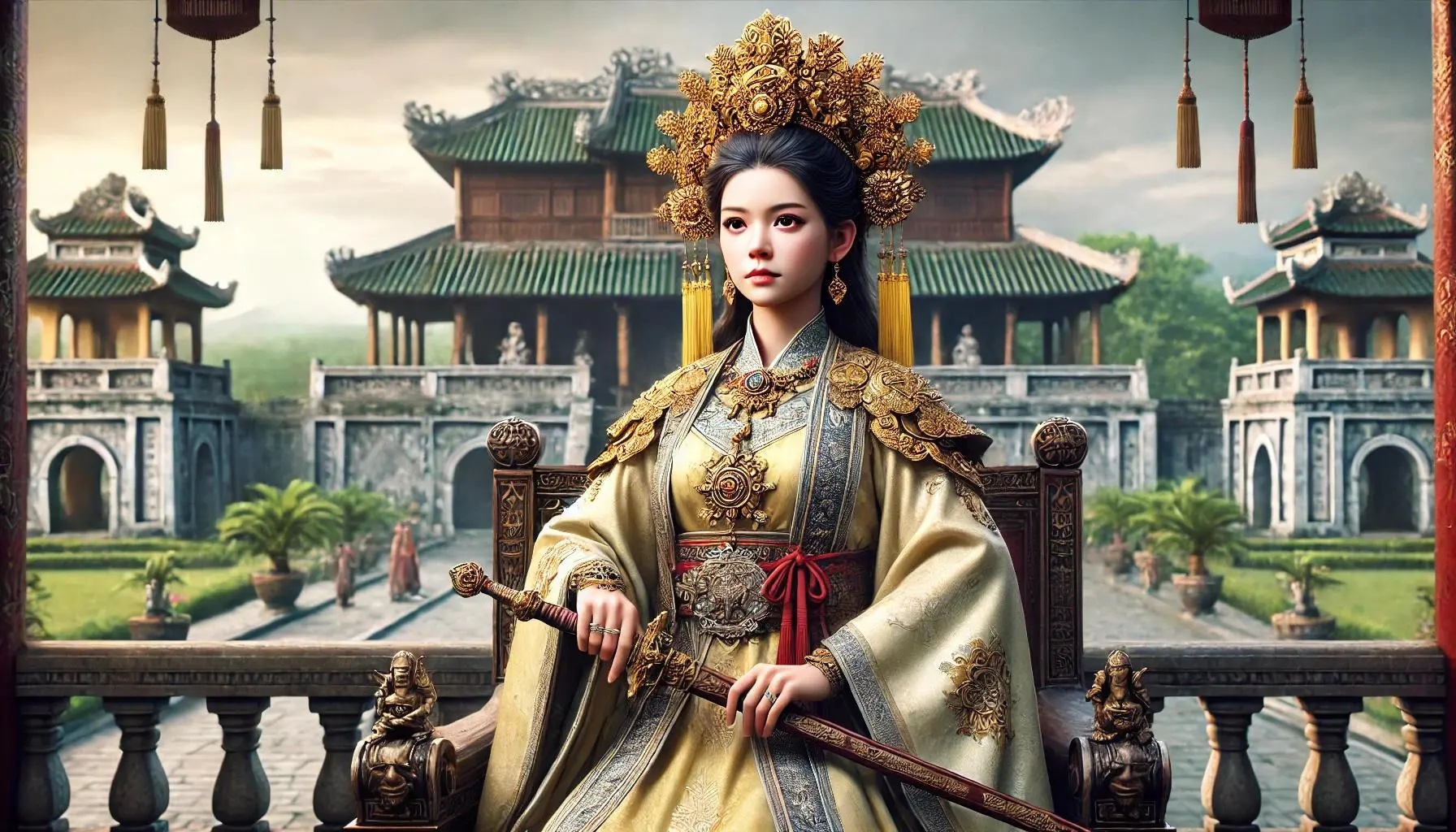
After defeating the Chinese, the Trưng Sisters became co-rulers of Vietnam.
They marked a turning point in Vietnamese governance. They quickly changed the harsh rules Chinese leaders had put in place. The sisters focused on bringing back Vietnamese ways and making the government simpler.
They stopped tribute taxes that had hurt people during the Chinese rule. And they worked to revive Vietnamese culture.
Despite their wins, the sisters faced ongoing threats from the Chinese.
In their three years in charge, they fought hard to keep Vietnam free. Trưng Trắc, the elder sister, became Vietnam’s first female monarch. She was called Queen Trưng as a sign of respect.
The danger from the Chinese Empire never really disappeared. This made their freedom a fragile thing. As leaders, the Trưng Sisters symbolized Vietnam’s spirit of endurance and the fight to keep its culture alive during tough times.
The Final Battle Against Ma Yuan
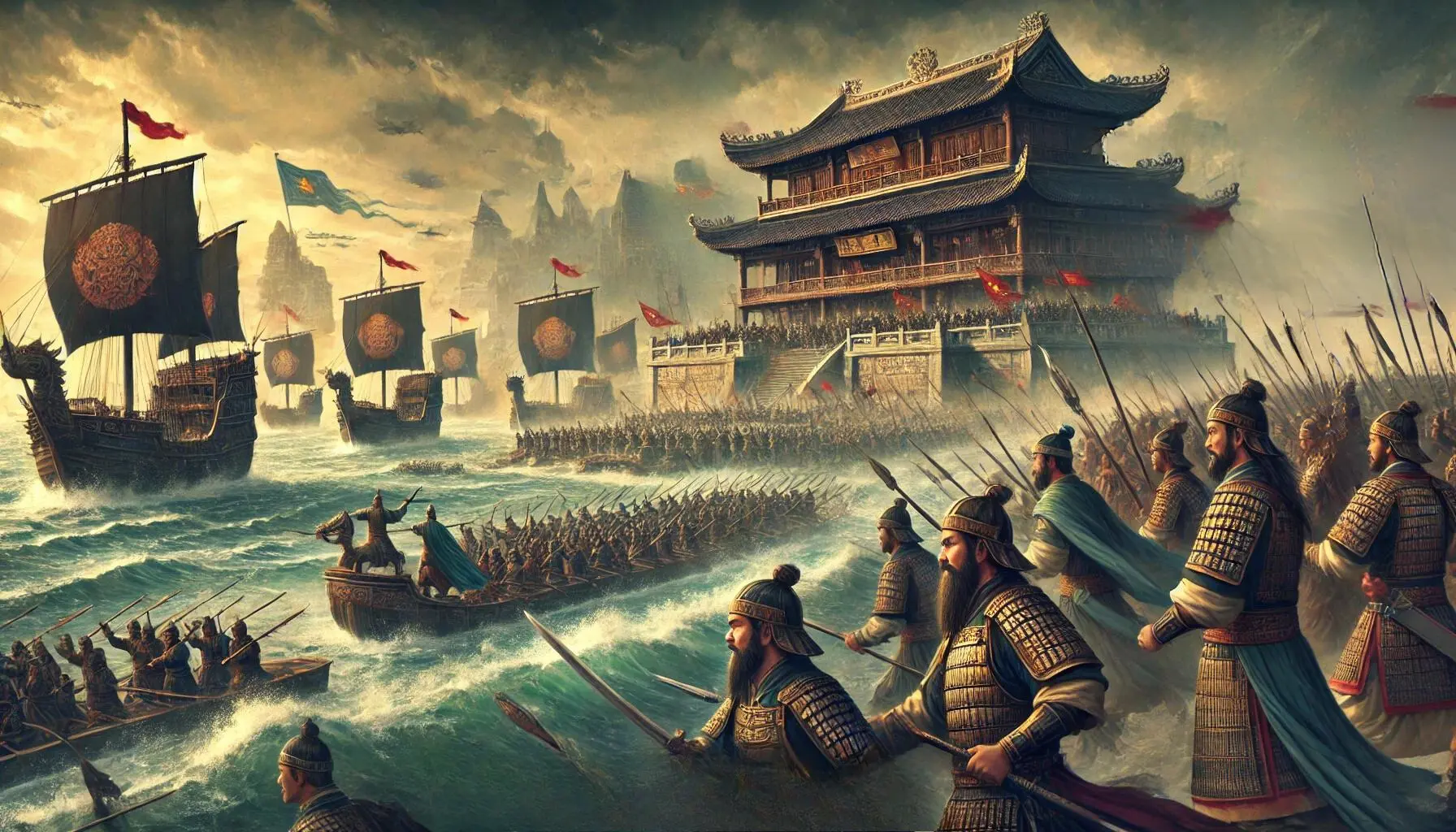
In 43 AD, the Trưng Sisters’ brave fight against Chinese rule came to a dramatic end.
With about 80,000 in their army, including elder women as leaders, the sisters had won big battles at first.
China’s Han Emperor Guang Wu Di would send General Ma Yuan to lead the Chinese to victory over them, bringing Vietnam back under Chinese control.
Ma Yuan used a smart strategy, sending support ships along the coast from Guangdong. His 20,000 strong army arrived with 2,000 ships, dominating the final battle near today’s Hanoi. The Chinese army’s size and organization proved too much for the Vietnamese.
Even though their forces fought hard, they couldn’t withstand the Chinese attack. Many fighters died, over 20,000 surrendered, and their key leaders faced heavy losses.
How Did the Trưng Sisters Die?
General Ma Yuan is said to have captured and beheaded the sisters, showing the Chinese authority brutally.
However, Vietnamese records would insist that once their defeat was imminent, the sisters would kill themselves by jumping into the river.
After the Trưng Sisters’ defeat, the Han Chinese took harsh control of the area, now North and Central Vietnam and South Guangxi. This changed the lives of the locals, but the Han army also suffered badly due to diseases. Still, by 43 AD, they managed to suppress the Vietnamese uprising.
The Trưng Sisters’ courage and their fight have become a lasting symbol in Vietnamese history. Today, their bravery lives on through various tributes and reminders, showing their significant impact on Vietnam’s culture.
The Legacy of the Trưng Sisters
In AD 40, the Trưng Sisters stood against Chinese rule, becoming icons in Vietnamese history. They showed a spirit of bravery and empowerment. As the first Vietnamese queen, Trưng Trắc, known as Queen Trưng, and Trưng Nhị controlled the Red River Delta. They got support from sixty-five towns.
Their fight involved thousands of warriors, most being women. These forces took over many areas quickly. But, in 43 AD, the Chinese army led by General Ma Yuan stopped them. Facing capture, the Trưng Sisters ended their lives rather than give up, showing their endless love for Vietnam.
Today, people honour the Trưng Sisters with temples and statues all over Vietnam. Places like the Hai Bà Trưng Temple in Hanoi and the Suoi Tien Amusement Park honour them. Every February, Hai Ba Trung Day celebrates their bravery. They stand as national heroes and symbols of great courage.
Their names on streets and schools keep their story alive. Their tale is recorded in texts from both Chinese and Vietnamese sources. The Trưng Sisters’ fight has inspired Vietnam’s dream for freedom and preserving its culture. They are remembered for their significant part in Vietnamese history and their resilience.
Why They Still Matter Today
In ancient Vietnam, the Trưng Sisters left a powerful legacy of resilience and leadership. They rebelled against the Han dynasty’s oppressive laws. This revolt showed the strong spirit of the Vietnamese people. They were inspired by Trung Trac’s husband’s death, which united the nation. This led to a brief period of independence from the Chinese rule.
Vietnam was traditionally a society that gave important rights to women. The Trưng Sisters showed this by leading their clans and fighting in battles. However, Chinese rules from 25 CE tried to limit Vietnamese women’s rights. This included making women follow a strict order – fathers, husbands, then sons. Their stories remind us of their courage and achievements as warrior queens.
The Trưng Sisters’ fight for autonomy in Vietnam’s history is unforgettable. They showed the world the human spirit can overcome any challenge. Today, they are remembered for their strong will and leadership in Vietnamese culture and history.
Learn more about other brave women:


