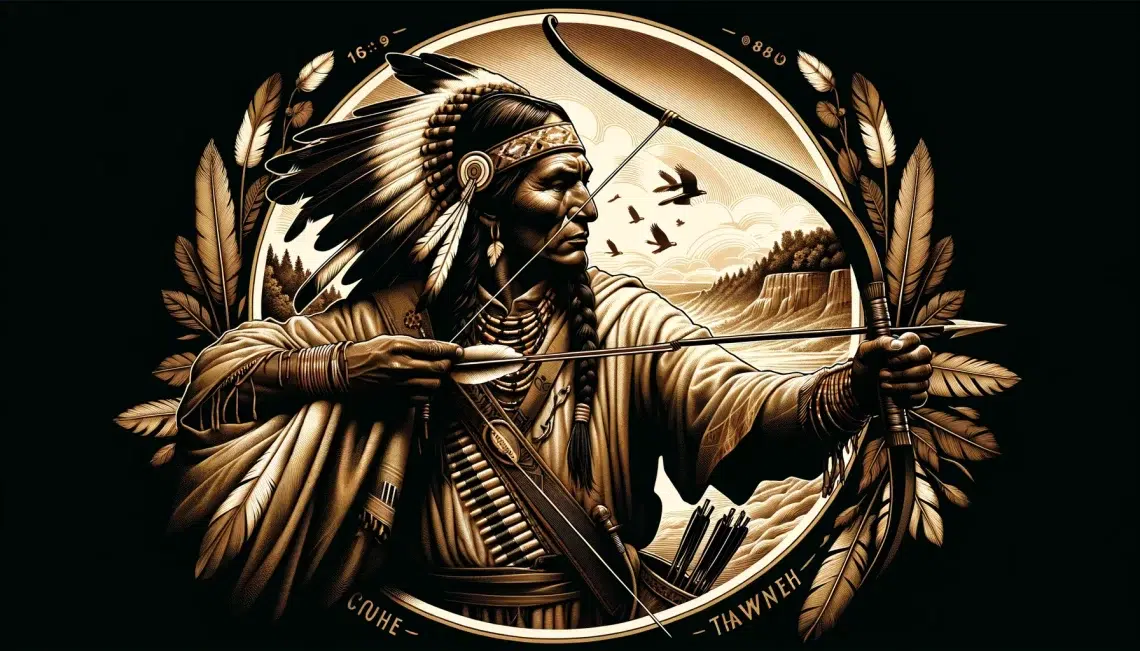
Tecumseh: Shawnee Chief’s Quest for Unity
Introduction to Tecumseh and the Shawnee
Tecumseh was a pivotal Shawnee leader whose life spanned from 1768 to 1813.
He emerged from the Shawnee people, which occupied lands in present-day Ohio, Indiana, and surrounding states prior to European settlement.
Tecumseh’s name, meaning “shooting star” or “panther across the sky,” reflected a warrior’s spirit and destiny to lead.
The Shawnee people, known for their warrior culture and trade networks, experienced significant challenges as European American expansion threatened their territory and way of life.
Tecumseh’s leadership was marked by his charisma, intelligence, and a vision for a unified Native American resistance against encroaching settlers.
Early Life and the Making of a Warrior
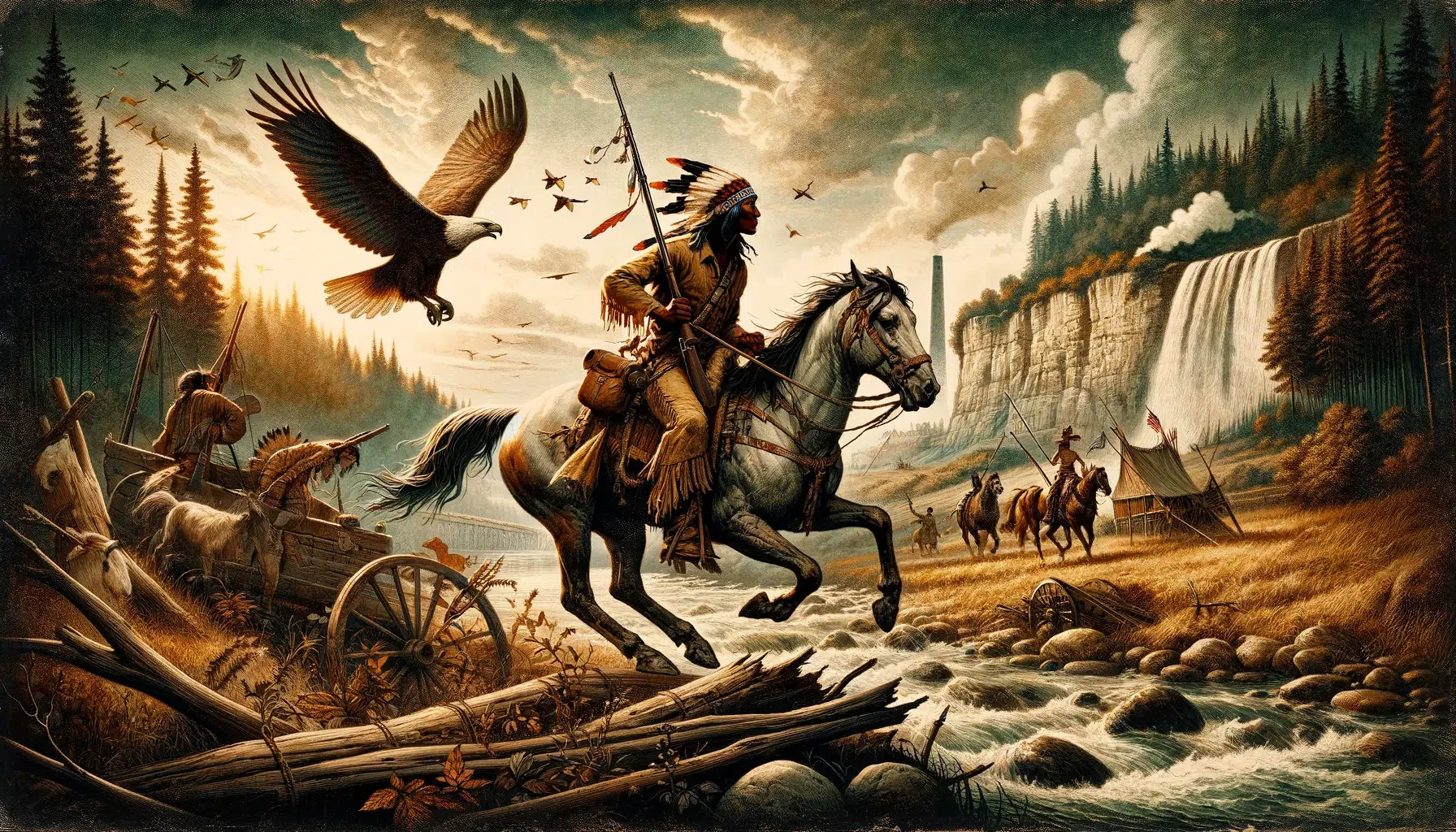
Born in 1768 in the Ohio Valley, Tecumseh emerged from the Shawnee people. His early life was set against the turmoil of the American Revolutionary War and frontier conflicts.
Tecumseh’s father, Puckeshinwa, a respected leader, died in battle against white settlers when Tecumseh was young. His mother, Methoataske, ensured that the values of their people were deeply ingrained within him.
As he grew, Tecumseh’s encounters with settlers’ encroachment fueled his resolve. He witnessed the devastating effects of land loss and cultural invasion on Indigenous communities.
These experiences were pivotal. They shaped him not only into a formidable warrior respected by his peers but also into a visionary leader.
He understood early on that unity among Native American peoples was crucial for resistance and survival.
Tecumseh’s Vision of Indigenous Unity
Tecumseh, a Shawnee chief, held a profound vision for the Indigenous peoples of North America.
His dream was to establish a strong, unified front amongst the diverse Native American peoples against the encroaching European settlers. He sought to transcend tribal boundaries, fostering a shared identity and collective resistance.
Tecumseh believed that land was a common gift from the Creator to all Indigenous peoples, and thus should be defended jointly. His diplomatic travels and eloquent oratory were aimed at rallying peoples from the Great Lakes to the Gulf of Mexico to join his confederacy.
Tecumseh’s vision was ultimately about survival, autonomy, and the preservation of native lands and cultures in the face of an existential threat.
The Formation of the Tecumseh Confederacy
Tecumseh, a Shawnee chief, recognized early the threat posed by European-American settlers. As territories were ceded and tribal lands shrunk, he envisioned a united response.
By the early 1800s, Tecumseh advocated for a confederation of peoples, believing that land was a common possession and could not be owned or sold by individual people.
This ideal resonated across diverse groups, from the Great Lakes to the Gulf of Mexico. The Tecumseh Confederacy, as it became known, gathered numerous indigenous nations, including Shawnee, Creek, and Cherokee, among others.
They embraced Tecumseh’s message: resist the encroachment of settlers and refuse any further land treaties.
Tecumseh, with his brother Tenskwatawa, a religious leader, worked tirelessly to rally the people to this burgeoning alliance.
Thus transcending historical intertribal conflicts in pursuit of a greater indigenous unity against American expansionism.
The Battle of Tippecanoe: A Turning Point
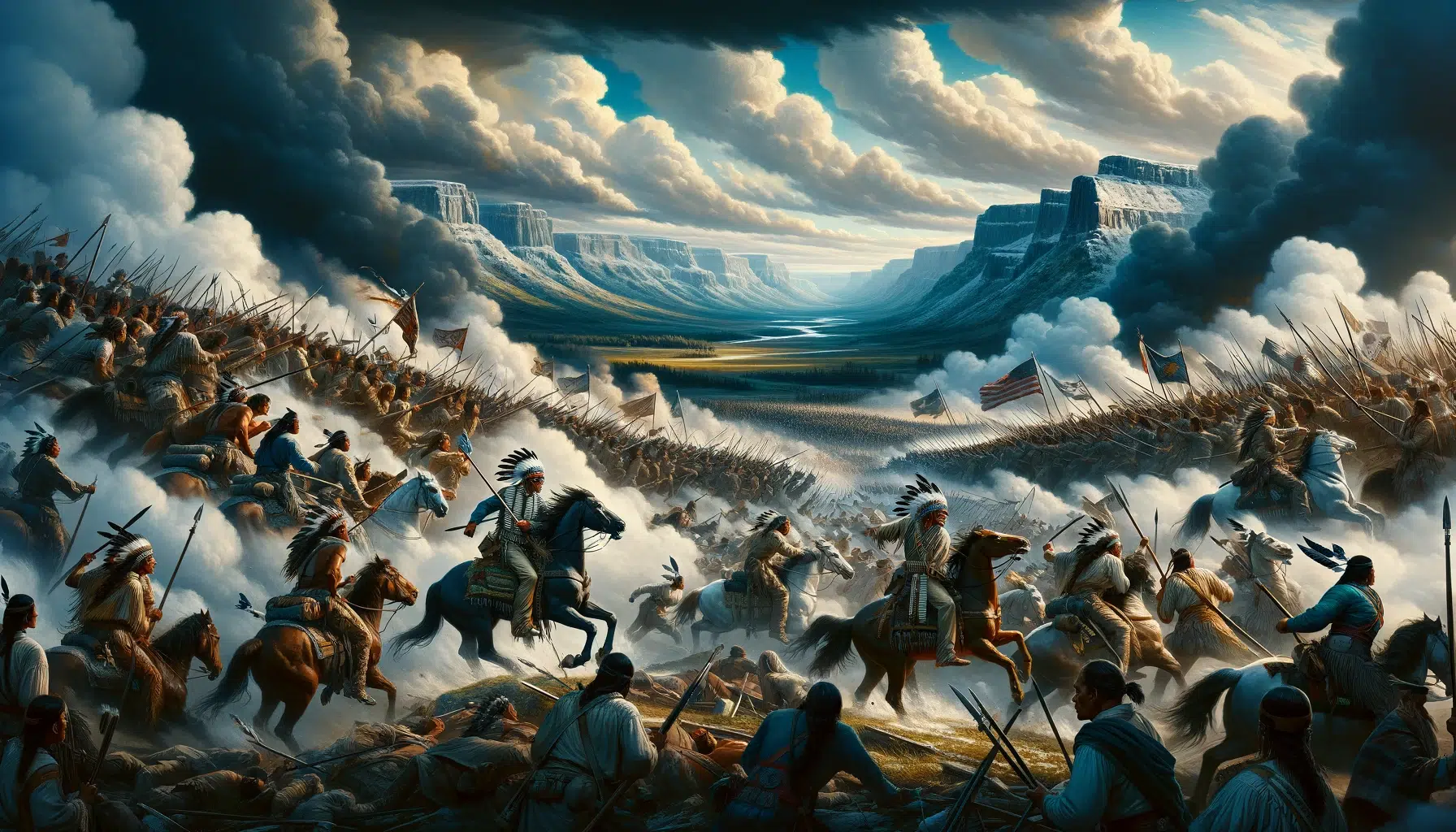
The Battle of Tippecanoe marked a pivotal moment in Tecumseh’s quest for indigenous unity.
On November 7, 1811, American forces led by Governor William Henry Harrison confronted Tecumseh’s brother, Tenskwatawa, also known as the Prophet, near the confluence of the Tippecanoe and Wabash rivers.
Tecumseh’s coalition of Native American peoples was seen as a significant threat to American expansion into the western territories, and the confrontation was provoked by rising tensions over land rights and sovereignty.
The battle itself was inconclusive, but the American forces claimed victory as they managed to destroy Prophetstown, the headquarters of Tecumseh’s confederacy.
This defeat dealt a harsh blow to Tecumseh’s ambitions, as it undermined his efforts to maintain a unified Native American front against American expansion.
The battle also had the unintended effect of pushing some peoples to ally with the British during the War of 1812, further complicating Tecumseh’s strategy for resistance. The loss at Tippecanoe was a defining moment in the decline of the Pan-Indian alliance.
It demonstrated the formidable challenges faced by indigenous leaders in the face of American military and political power.
The War of 1812 and Tecumseh’s Role
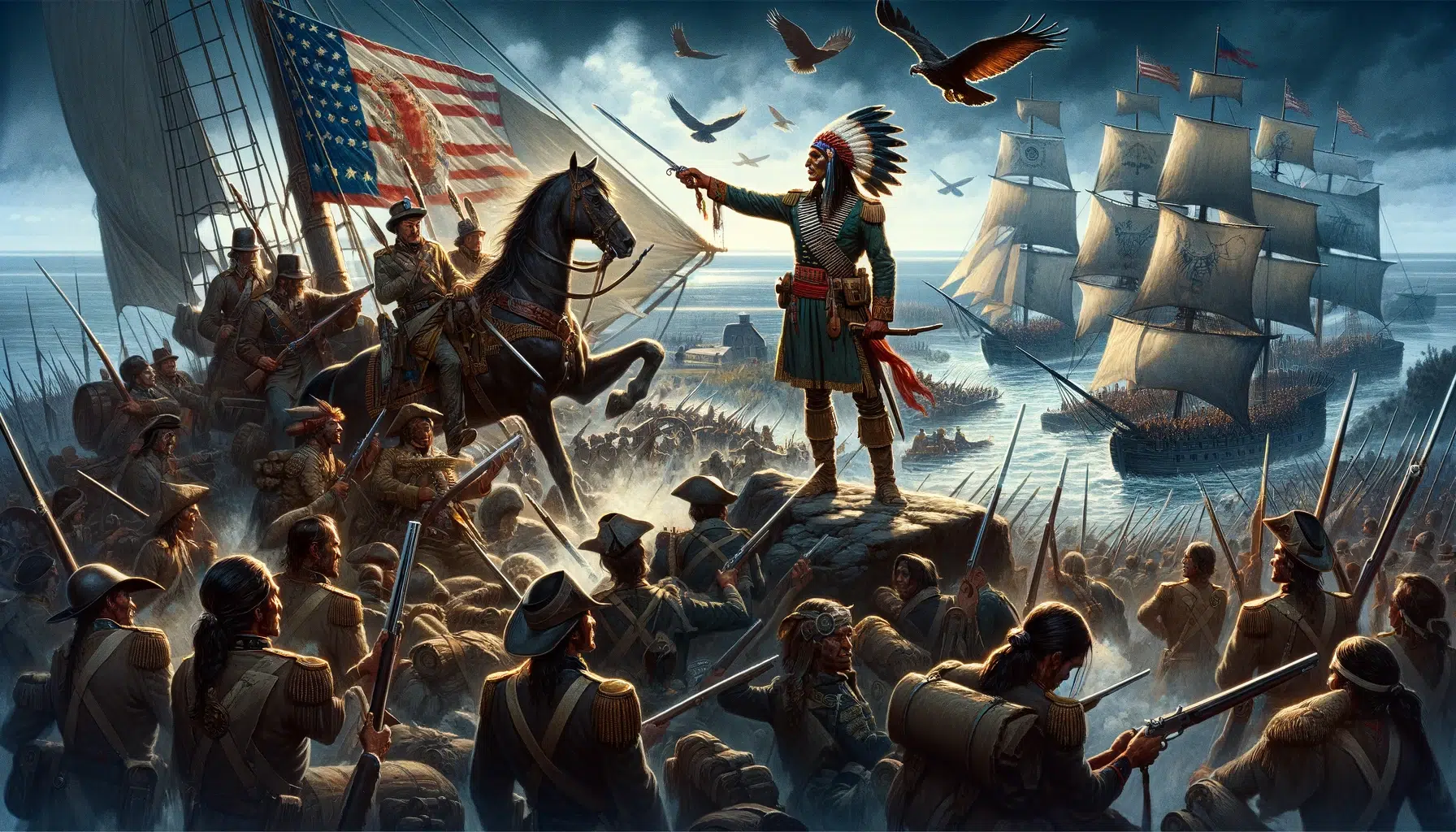
Tecumseh, a Shawnee chief, emerged as a significant Native American ally to the British during the War of 1812. As American settlers pushed into tribal territories, Tecumseh envisioned a united indigenous resistance against U.S. expansion.
He played a pivotal role by recruiting and uniting various peoples to form a confederation. This Native American coalition fought alongside British forces in several key battles, including the Siege of Detroit and the Battle of Thames.
Tecumseh ultimately met his death in 1813, profoundly impacting the morale and unity of his confederation.
Strategies and Diplomacy in Tecumseh’s Campaign for Unity
Tecumseh employed a combination of visionary leadership and strategic alliances to advocate for Indigenous unity. He covered vast distances, engaging peoples from Florida to Canada, articulating a shared vision against American expansion.
Aware of cultural diversity, Tecumseh respected each people’s uniqueness while emphasizing common ground.
By embracing diplomacy, he formed the Tecumseh Confederacy, a formidable coalition that negotiated from a position of collective strength.
His diplomatic approach extended to forging an alliance with the British, providing strategic leverage against American forces.
Cultural and Spiritual Foundations of Tecumseh’s Movement
Tecumseh’s resistance movement was deeply rooted in a cultural renaissance and spiritual revitalization among Indigenous peoples. He was profoundly influenced by the teachings of his brother.
Tenskwatawa, also known as the Prophet, called for a return to traditional Native American values and practices. Together, they fostered a vision that went beyond tribal affiliations to encompass a pan-Indian identity.
- Tecumseh advocated for a collective identity among Native American peoples.
- He emphasized the importance of ancestral lands and cultural heritage.
- Resistance to American expansion was seen as both a spiritual and cultural duty.
- The movement sought to restore tribal sovereignty and autonomy.
- Ceremonies and communal practices were integral to strengthening unity.
Tecumseh’s eloquence and unyielding commitment to this culturally and spiritually charged cause garnered him significant support among various peoples.
Thus underpinning the fabric of the confederation he aimed to create.
Setbacks, Challenges, and the Death of Tecumseh
Throughout his quest for unity, Tecumseh faced numerous setbacks and challenges. Tribal divisions, limited resources, and skepticism from some Indigenous leaders hampered his efforts.
Despite this, he forged a significant multi-tribal confederation.
His biggest challenge came during the War of 1812, where he aligned with the British against the United States.
Tecumseh’s untimely death at the Battle of the Thames in 1813 was a devastating blow. It effectively would lead to dissolving the coalition he had worked so tirelessly to establish.
Tecumseh’s Legacy and Impact on Future Generations
H’s tenacious struggle for indigenous unity left an enduring mark. Generations marveled at his diplomacy, military acumen, and visionary leadership. His resistance against American expansion became legendary, representing a persistent fight for sovereignty and identity.
Tecumseh’s alliance-building efforts inspired future leaders, informing strategies for political and social movement. His vision persists in contemporary indigenous advocacy, echoing the importance of solidarity.
The memory of Tecumseh serves not only as a historical emblem but also as a beacon. Guiding native communities in their ongoing quest for recognition and rights.
Reflections on the Quest for Unity and its Relevance Today
The endeavors of Tecumseh, evoking unity among indigenous peoples, resonate profoundly in contemporary society. Now, the quest for unity transcends borders, encompassing global movements against discrimination and inequality.
Indigenous groups still advocate for sovereignty and respect, underscoring the timeless significance of Tecumseh’s vision.
His legacy advocates for collaborative resistance, inspiring marginalized communities to forge alliances in pursuit of common goals, justice, and a shared respect for diverse cultural heritages.
In celebrating Tecumseh’s memory, we acknowledge the enduring quest for unity as an essential foundation for achieving harmony and equitable treatment for all.