

Robin Hood: Legendary Outlaw Archer and Hero
Robin Hood is one of the most iconic and beloved figures. He is the legendary archer of Sherwood Forest. Robin Hood shows courage and cunning. He robs the rich to give to the poor. Robin Hood has captured the imaginations of many generations.
According to folklore, Robin Hood lived during King Richard the Lionheart’s reign in 12th-century England. He was a nobleman who became an outlaw after Prince John unjustly took his inheritance.
He took refuge in Sherwood Forest and formed a band of merry men. This group included his trusted companion, Little John, and the skilled archer, Will Scarlet.
Introduction to Robin Hood
Robin Hood became famous for his skills with the bow and arrow. He was a marksman without equal. His unmatched precision and accuracy allowed him to defeat the Sheriff of Nottingham and other corrupt officials who abused their power. Through his daring adventures, he helped the oppressed. He robbed the wealthy to provide for the poor and fought against the injustices of the feudal system.
Over the centuries, the legend of Robin Hood has grown. His story enchants audiences in books, films, and TV shows. He symbolizes heroism, rebellion against tyranny, and justice over inequality. Whether seen as a noble leader or a mysterious figure in Sherwood Forest, Robin Hood continues to captivate our imaginations.
Origins of Robin Hood
Robin Hood’s origins are part of his mystery and charm. Some stories say he was born as Robert of Locksley. His parents were minor nobles, giving him a comfortable childhood. He learned to hunt and shoot a bow from an early age.
As a young man, Robin faced trouble. Prince John and the Sheriff of Nottingham began to oppress the common people with heavy taxes and unfair laws. Robin saw the suffering of the poor and decided to fight back.
In some versions of the tale, Robin loses his land and title. The Sheriff of Nottingham or Prince John falsely accuses him of a crime. Forced to flee, Robin escapes to Sherwood Forest. The dense forest provides the perfect hiding place for him.
In Sherwood Forest, Robin meets other outlaws who share his desire for justice. Together, they form a band called the Merry Men. They vow to help the poor and fight against the rich and corrupt.
Robin’s skills in archery and leadership quickly make him the leader of the Merry Men. They use Sherwood Forest as their base, planning raids and rescuing those in need.
Robin Hood’s decision to live in Sherwood Forest defines his legend. His courage and sense of justice turn him into a hero. Despite losing his noble status, Robin gains the love and respect of the people. His story continues to inspire because he fights for what is right, no matter the cost.
Significance of His Exploits
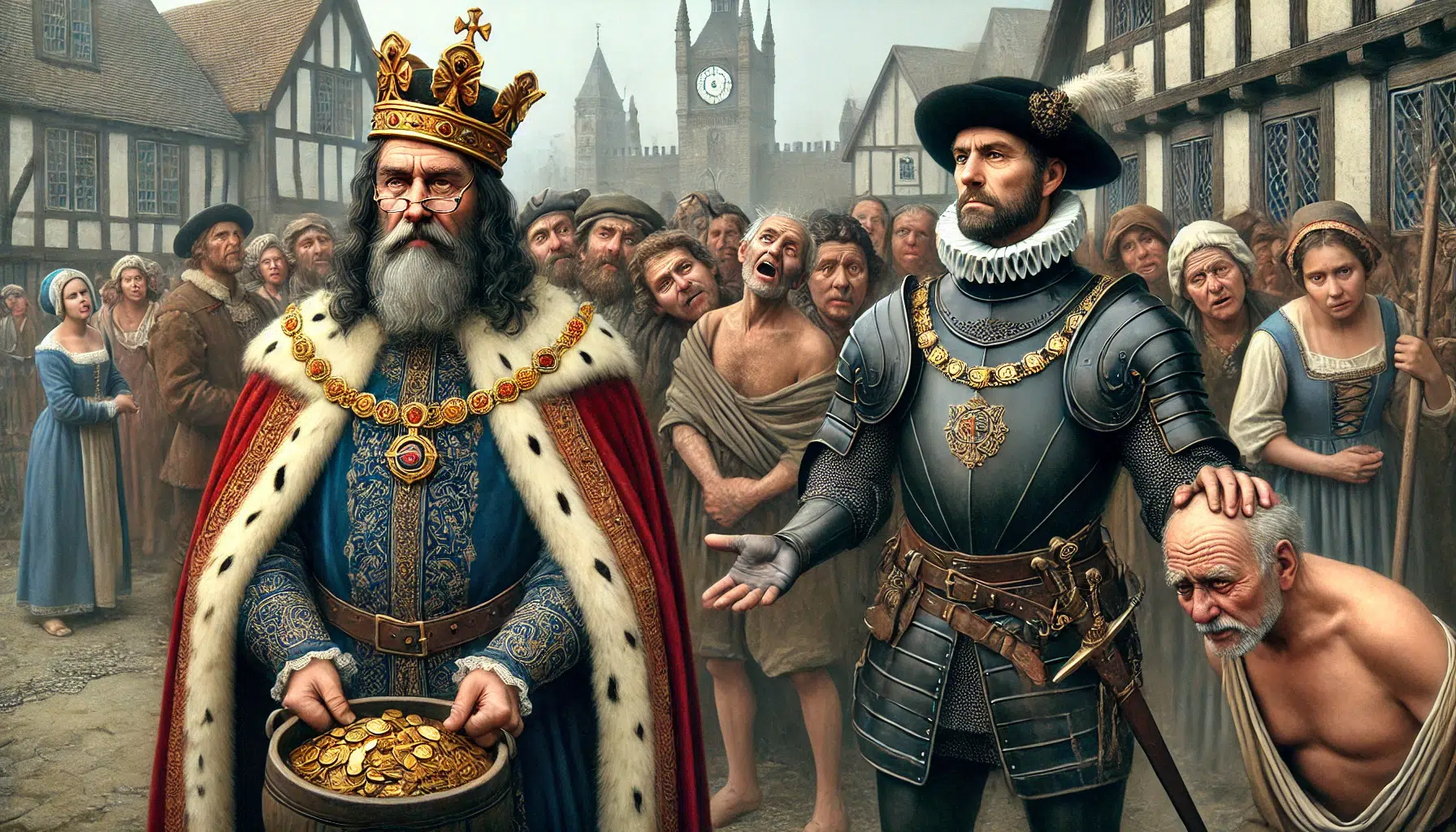
Robin Hood’s actions symbolize justice and compassion. It is a cause of commitment to sharing wealth and challenging oppressive power.
In medieval England, the gap between the rich and poor was huge, with wealthy elites exploiting common people. He defies this unjust system by targeting the rich and sharing his spoils with those in need. His actions remind us that wealth should not be hoarded by a few but used to uplift the community.
His story endures because it speaks to our desire for fairness and equality. We love his daring adventures and loyalty to friends. Through his deeds, he shows that even unlikely heroes can make a difference and that standing up against injustice is worth the risk.
Robin Hood’s Archery Skills
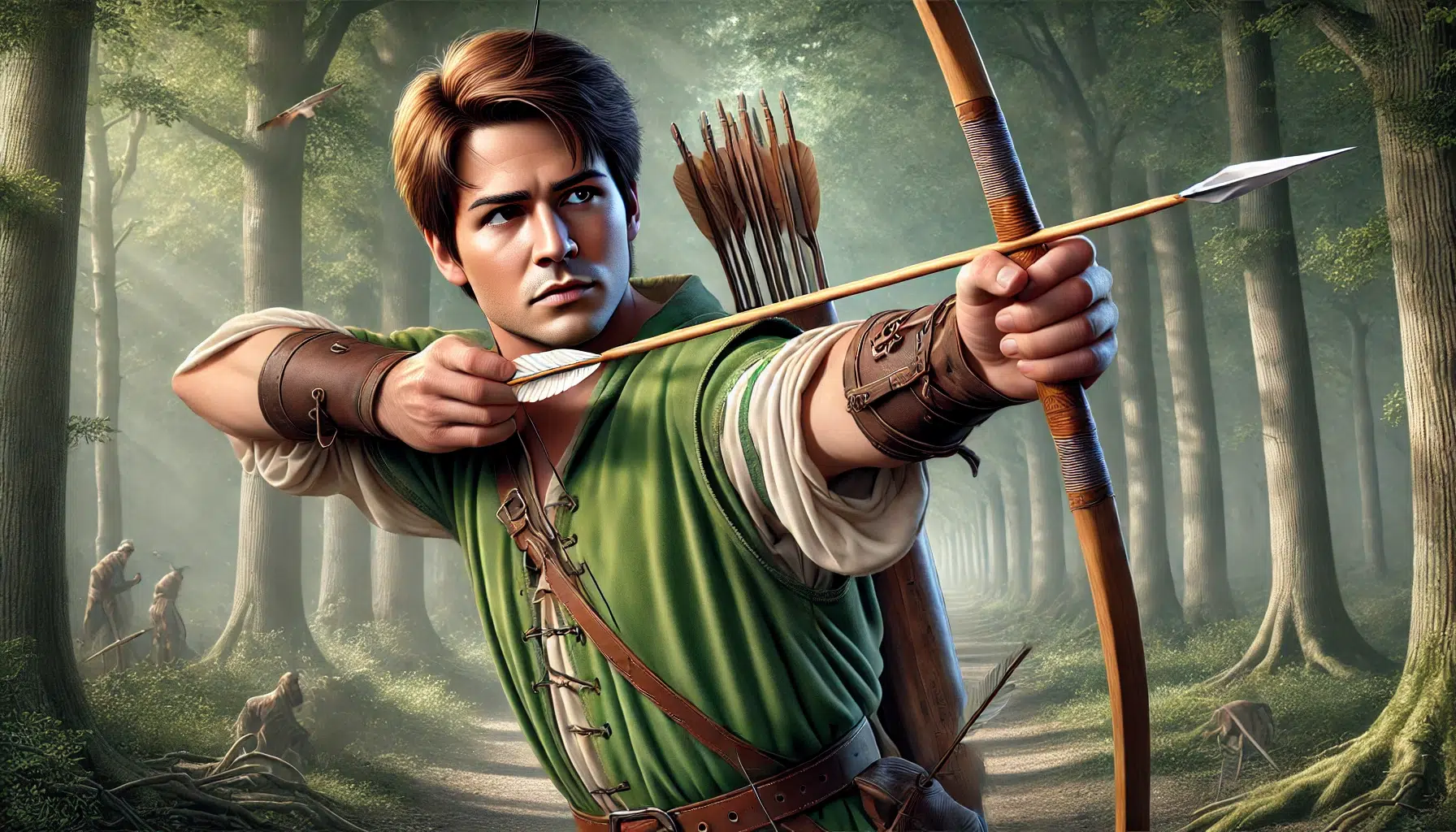
Robin’s exceptional aim makes him a master hunter and a tough opponent in combat. His unmatched accuracy helps him defend the weak, rob from the rich, and challenge corrupt authorities in medieval England.
Robin’s precision with his bow is awe-inspiring. Legend says he can shoot an arrow through the eye of a needle from a great distance. His archery skills help him provide food for his band of Merry Men and strike fear into those who oppress common people. With each bullseye, he gains more supporters who see him as a symbol of hope and justice against tyranny.
Robin Hood’s archery skills are vital in his daring rescues and epic battles against the Sheriff of Nottingham. He swiftly shoots arrows from cover, taking down many enemies with each shot. His quick thinking and calm mind make him nearly unbeatable in battle.
Robin’s prowess with a bow and arrow brings poetic justice amidst the chaos of medieval England. While other outlaws rely on brute force, Robin Hood uses his precise aim to stand out. His sharpshooting abilities forever solidify his place in folklore as the legendary archer of Sherwood Forest.
Archery in Medieval England

Archery is very important in medieval England. People use bows for hunting and warfare making archery skills highly valued.
In warfare, archers play a crucial role, attacking enemies from a distance before they get close. Archers often fight in groups, called units, to create a strong defense. Their arrows can injure or kill soldiers and horses, weakening the enemy’s forces.
For hunting, archers use their skills to provide food. They hunt deer, rabbits, and birds feeding families and villages. Successful hunters are respected for their ability to provide meat.
The longbow and recurve bow are the most common types. The longbow is tall and strong so archers can shoot arrows over long distances with great power. The recurve bow has curved tips giving more power in a shorter bow.
Archery was an essential skill in medieval England, making it a vital part of society.
Learn more about:
The Legend of Robin Hood
In the depths of Sherwood Forest, a legend is born—the legend of Robin Hood. This dashing outlaw, with his merry band of followers, captivates hearts and imaginations for centuries. Whether fact or fiction, the story of Robin Hood inspires with themes of justice, bravery, and fighting oppression.
Robin Hood, known for his incredible archery skills and ability to outwit enemies, symbolizes resistance against tyranny. With King Richard the Lionheart away on the Crusades, corrupt Prince John and the Sheriff of Nottingham rule England.
Sherwood Forest

Sherwood Forest is the main setting for Robin Hood’s adventures. Located in Nottinghamshire, England, this forest is dense and mysterious. Tall trees and thick bushes provide perfect hiding spots for Robin Hood and his Merry Men. The forest is full of wildlife, including deer, rabbits, and birds.
Sherwood Forest is not just a hiding place; it is a home. Robin Hood and his followers build secret camps deep within the woods. They use the forest to plan their actions and escape from the Sheriff’s soldiers. The dense forest helps them stay hidden and protected.
Life in Sherwood Forest is tough but adventurous. The Merry Men hunt for food and protect each other. They know every path, stream, and hidden spot. The forest becomes a symbol of freedom and resistance against the rich and powerful. It is the perfect setting for Robin Hood’s tales of heroism and justice.
The Key Characters of Robin Hood

Robin Hood’s adventures involve many important characters. These characters help shape the stories and add depth to the legend. Robin Hood lives in Sherwood Forest with his Merry Men and always fights for justice.
The Merry Men
The Merry Men are Robin Hood’s loyal followers and friends living with him in Sherwood Forest. Together, they fight against the rich and help the poor.
Little John is Robin Hood’s best friend and second-in-command. Despite his name, Little John is very tall and strong. He is a skilled fighter with a quarterstaff. Little John and Robin meet when they fight and become close friends. Little John is loyal and always stands by Robin’s side.
Friar Tuck is a jovial and kind-hearted monk. He is also a skilled fighter. Despite his religious vows, Friar Tuck joins Robin Hood’s band. He provides spiritual guidance and practical help. Friar Tuck often cooks for the Merry Men and helps them in their plans.
Will Scarlet likes his stylish clothes. He is a skilled swordsman and archer always ready for a fight but has a quick temper. Will Scarlet’s bravery and fierce loyalty make him a valuable member of the group.
Much is the son of a miller and one of the younger members of the Merry Men, known for his bravery and loyalty. He is eager to prove himself to Robin and the others.
Alan-a-Dale is a minstrel and singer. He joins the Merry Men after Robin Hood helps him with a personal problem. Alan’s music and storytelling lift the spirits of the group.
Arthur a Bland is a tanner by trade. He becomes a member of the Merry Men after a fight with Little John. Arthur is strong and skilled in combat. He is loyal and fights alongside Robin Hood in many adventures.
David of Doncaster is skilled in archery and combat. David often helps with planning and executing their missions. His bravery and dedication make him an important part of the group.
Other Characters
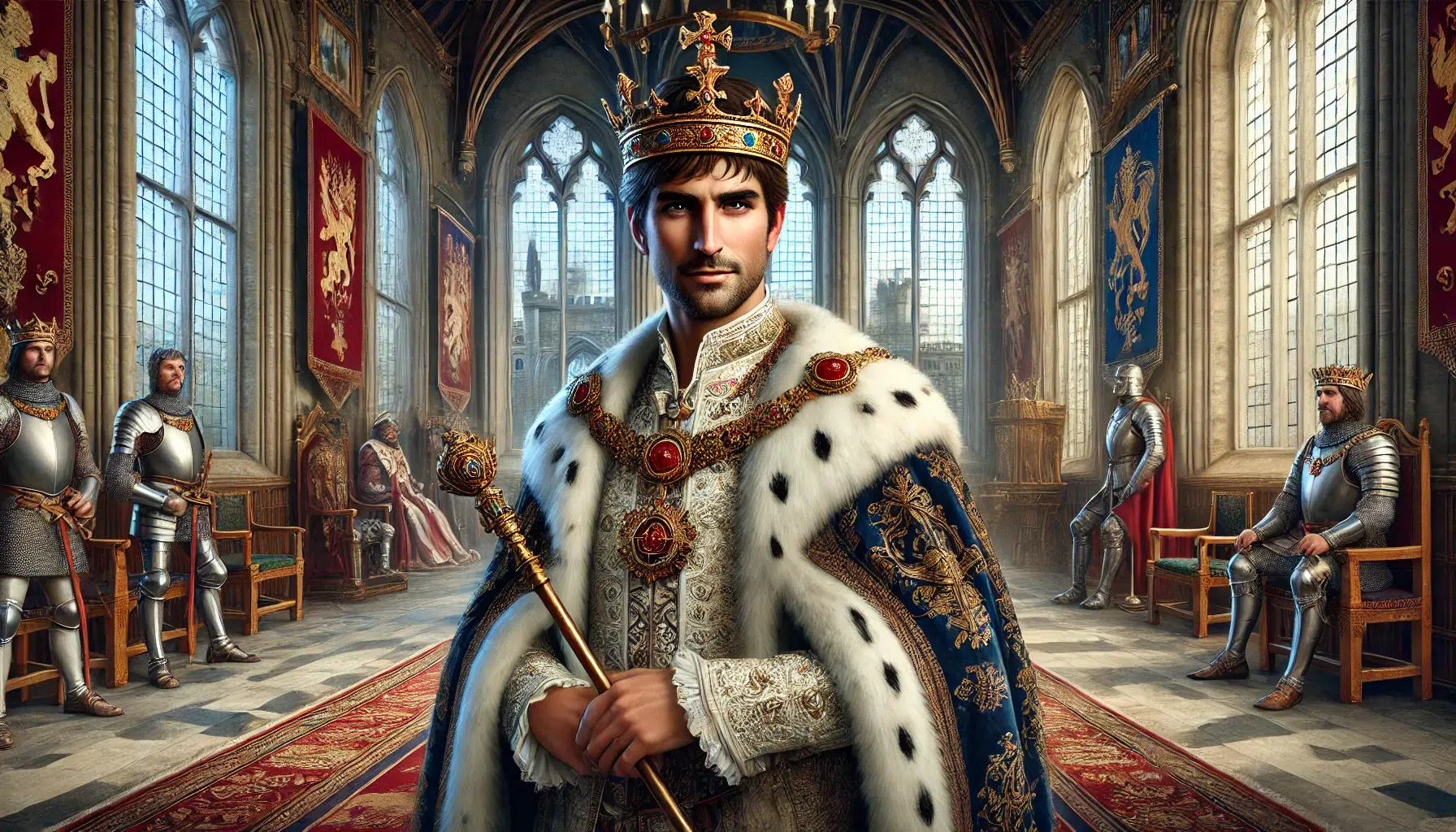
Maid Marian is Robin Hood’s love interest. She is beautiful, intelligent, and brave. Maid Marian often helps Robin and the Merry Men. She sometimes disguises herself to join their adventures. Maid Marian’s bravery and loyalty make her an important part of Robin Hood’s life.
The Sheriff of Nottingham is Robin Hood’s main enemy. He is corrupt and cruel, always trying to capture Robin and the Merry Men. The Sheriff enforces Prince John’s unjust laws. He often sets traps to catch Robin Hood, but he always fails. The Sheriff’s relentless pursuit makes him a constant threat to Robin and his band.
Prince John is the younger brother of King Richard the Lionheart. While King Richard is away on a crusade, Prince John rules England. He is greedy and unjust. Prince John’s heavy taxes and unfair laws oppress the poor. Robin Hood fights against Prince John’s tyranny, hoping to see King Richard return and restore justice.
These key characters bring the legend of Robin Hood to life. Their relationships and adventures create a rich and enduring story that continues to captivate audiences.
Myths and Stories of Robin Hood
The Archery Contest at Nottingham
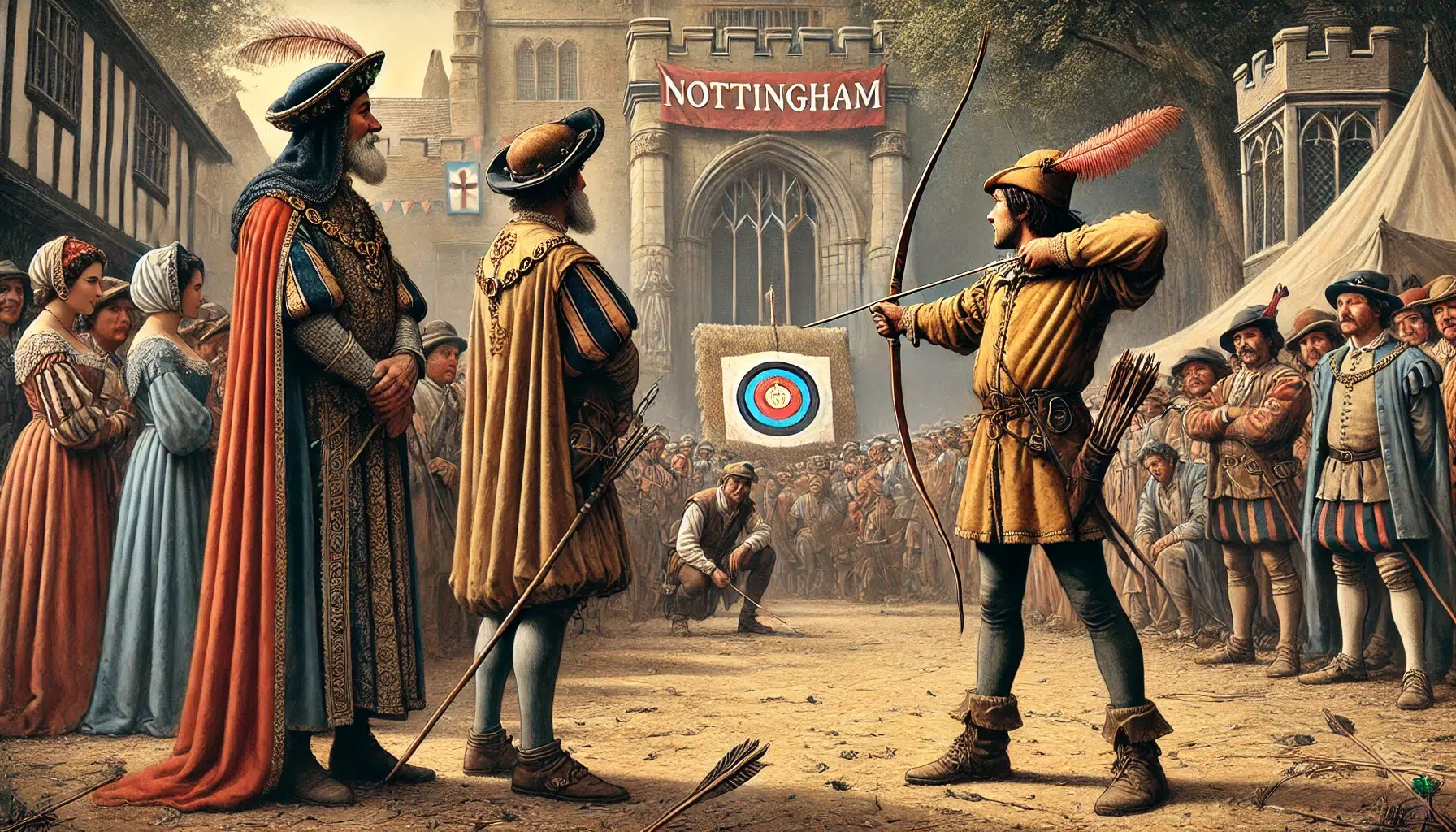
The Sheriff of Nottingham holds an archery contest to catch Robin Hood. He hopes Robin will enter the contest and reveal himself. Robin Hood, always clever and brave, decides to join the contest in disguise. He dresses as a commoner, so no one recognizes him.
At the contest, many skilled archers compete. The Sheriff watches closely, hoping to spot Robin. Each archer takes their turn, showing their best skills. When it’s Robin’s turn, he takes a deep breath and aims carefully. His arrow flies straight and true, hitting the bullseye perfectly.
To everyone’s amazement, Robin then splits his own arrow with another shot. This incredible feat proves his unmatched skill. The crowd cheers, and the Sheriff realizes too late that the winner is Robin Hood.
Despite winning, Robin quickly leaves the contest to avoid capture. The Sheriff’s plan fails, and Robin escapes once again. This tale shows Robin Hood’s bravery, skill, and cleverness. It highlights his ability to outsmart his enemies while inspiring the common people with his daring feats. The contest at Nottingham becomes one of the most famous stories of Robin Hood’s legend.
Robin Hood and Little John
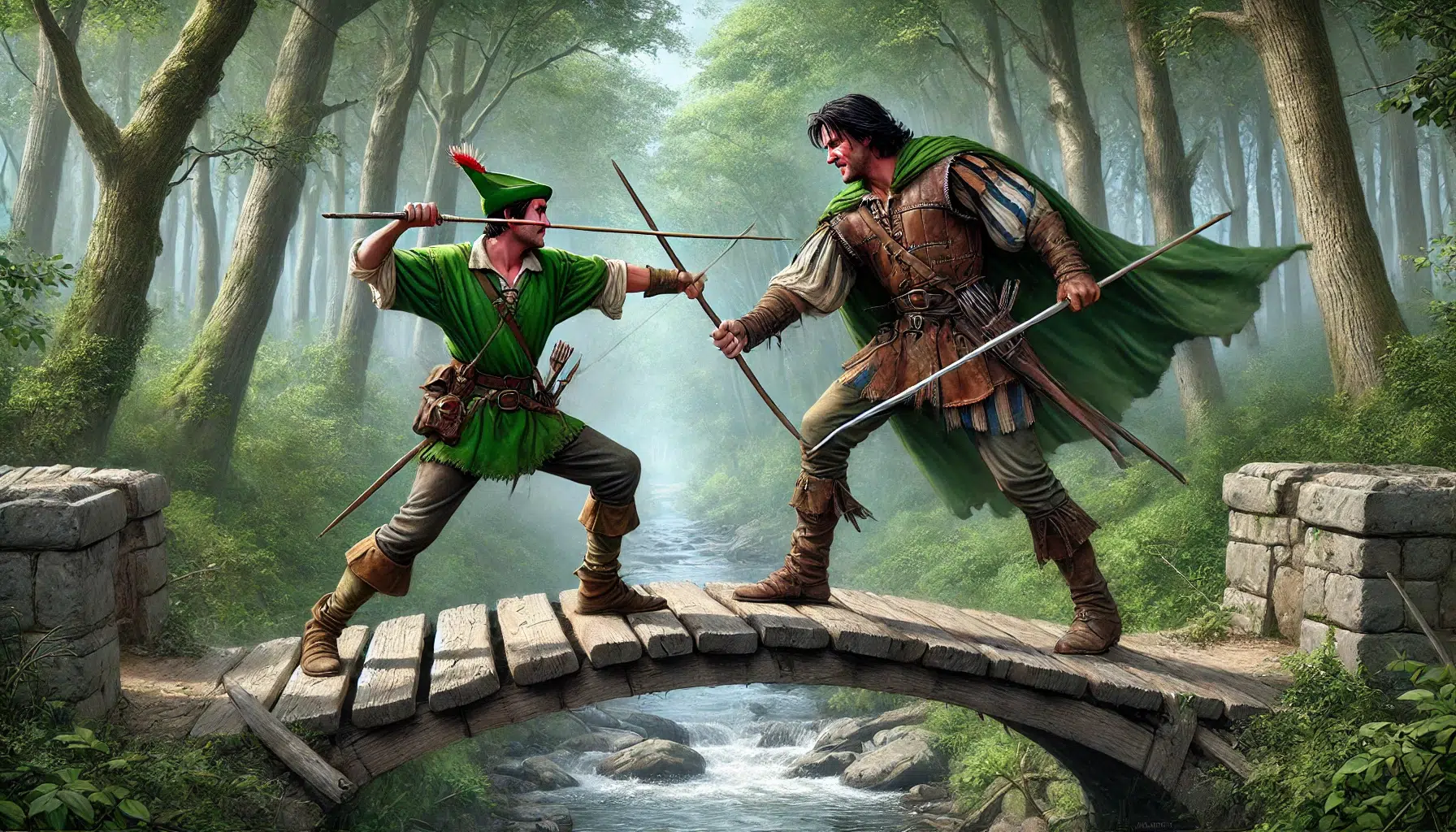
Robin Hood and Little John share a strong friendship. They first meet on a narrow bridge in Sherwood Forest. Neither wants to step aside, so they fight with quarterstaffs. Little John, despite his name, is very tall and strong. He knocks Robin into the stream below.
Impressed by Little John’s strength and skill, Robin invites him to join his band of Merry Men. Little John agrees, and they become best friends and loyal companions.
Little John becomes Robin Hood’s second-in-command. He helps plan and carry out many of their daring adventures. His strength and bravery make him a valuable ally in their fight against the Sheriff of Nottingham and Prince John.
The two friends often work together to protect the poor and outsmart their enemies. They share many adventures, including rescuing friends, stealing from the rich, and helping the needy. Little John’s loyalty to Robin never wavers. He always stands by Robin’s side, ready to fight for justice.
Their friendship is based on mutual respect and trust. They support each other through tough times and celebrate their victories together. Robin Hood and Little John’s strong bond is one of the most enduring parts of the Robin Hood legend. Their teamwork and camaraderie inspire others to join their cause and fight against injustice.
Robin Hood and Friar Tuck

Robin Hood and Friar Tuck share a special friendship. They first meet when Robin tries to cross a river. Friar Tuck, a large and strong monk, agrees to carry Robin across. However, halfway across, Friar Tuck drops Robin into the water.
Robin, impressed by Friar Tuck’s strength and boldness, invites him to join the Merry Men. Friar Tuck agrees, bringing his fighting skills and good humor to the group. He quickly becomes an important member of the band.
Friar Tuck is not only strong but also wise. He provides spiritual guidance and support to the Merry Men. He often cooks meals and keeps everyone’s spirits high with his jokes and laughter. Despite being a monk, Friar Tuck is a skilled fighter and helps in many battles against the Sheriff of Nottingham.
Robin and Friar Tuck work together to fight injustice. They plan many daring missions, using Friar Tuck’s cleverness and Robin’s bravery. Their friendship grows stronger through their shared adventures.
Friar Tuck’s loyalty to Robin never wavers. He stands by Robin’s side in every challenge, ready to fight for justice. Their bond shows the power of friendship and teamwork. Robin Hood and Friar Tuck’s strong relationship inspires others to join their cause and fight for a better world.
Robin Hood and the Golden Arrow
The Sheriff of Nottingham holds another archery contest, offering a golden arrow as the prize. He hopes to catch Robin Hood. The Sheriff believes Robin cannot resist such a valuable prize.
Robin Hood, always clever, decides to join the contest in disguise. He wears simple clothes so no one will recognize him. His Merry Men watch closely, ready to help if needed.
Many skilled archers compete, each aiming for the golden arrow. Robin waits for his turn, watching the other archers carefully. When it’s his turn, he steps forward confidently. He draws his bow, takes aim, and releases the arrow. It flies straight and hits the bullseye.
To everyone’s amazement, Robin Hood shoots another arrow, splitting the first one. The crowd cheers loudly, impressed by his incredible skill. The Sheriff is furious but cannot arrest Robin in front of so many people.
Robin Hood accepts the golden arrow and quickly leaves the contest. His Merry Men celebrate his victory. This tale shows Robin Hood’s bravery and skill with a bow. It also highlights his ability to outsmart the Sheriff and inspire hope among the common people.
Maid Marian and Robin Hood
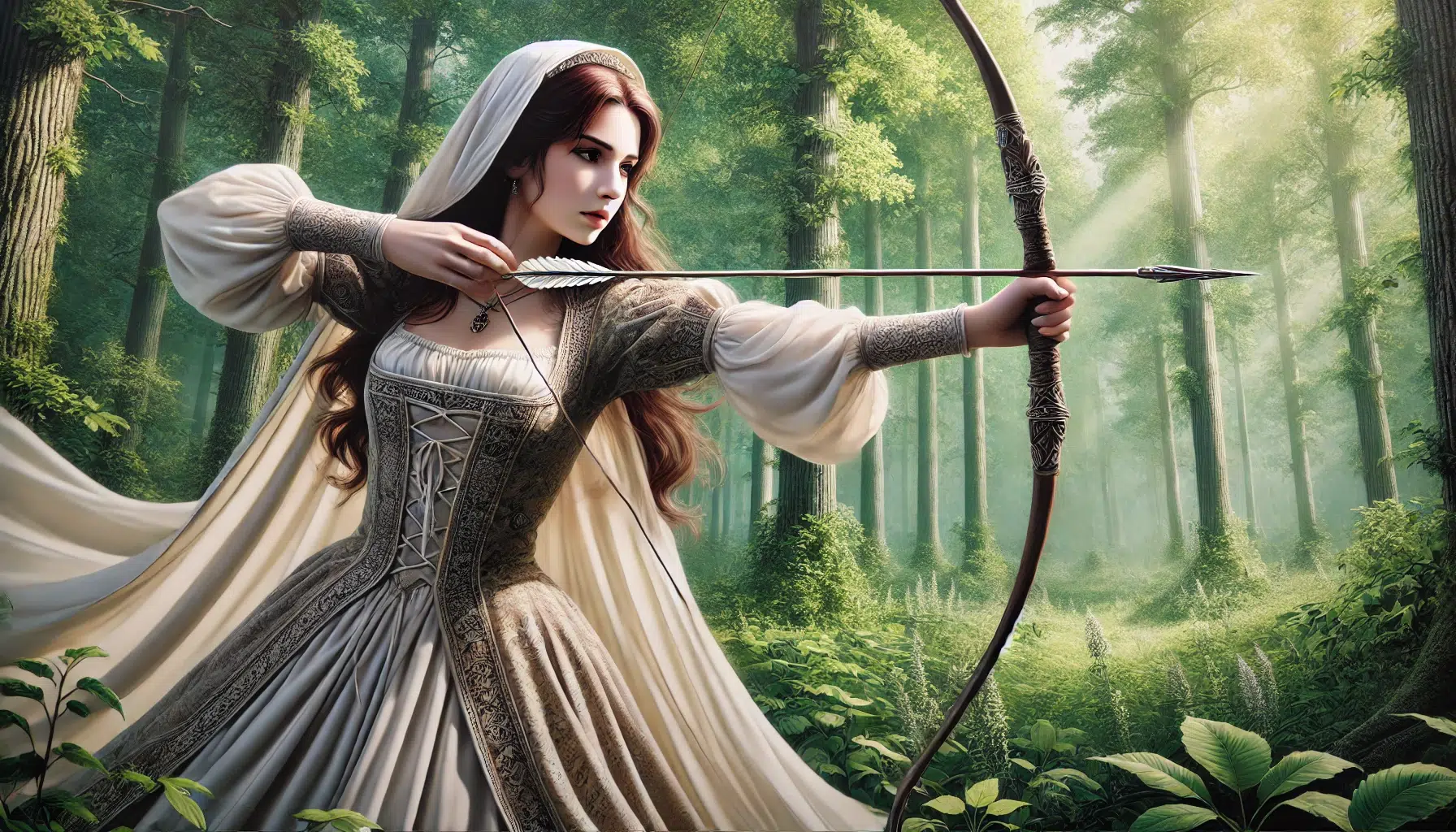
Robin Hood and Maid Marian share a deep love and respect for each other. Maid Marian is beautiful, intelligent, and brave. She often helps Robin and the Merry Men in their adventures.
Robin Hood first meets Maid Marian at a festival. They quickly become friends and then fall in love. Maid Marian supports Robin’s mission to help the poor and fight against the Sheriff of Nottingham. She sometimes disguises herself to join Robin on dangerous missions.
Maid Marian is not just Robin’s love interest. She is also a skilled archer and fighter. She often uses her talents to help Robin and the Merry Men escape from tricky situations. Her bravery and quick thinking save the day many times.
Robin and Marian’s relationship is built on trust and mutual respect. They work together to protect the poor and fight injustice. Their love inspires the Merry Men and gives them hope.
Maid Marian’s presence in the group adds strength and wisdom. She challenges Robin to be better and always supports him. Their love story is a key part of the Robin Hood legend, showing that love and partnership can make a difference in the fight for justice.
Learn more about: Women in Archery in Different Cultures
The Death of Robin Hood
The death of Robin Hood is a sad and powerful tale. As Robin grows older, he becomes weaker and falls ill. He decides to visit Kirklees Priory to seek help from his cousin, the Prioress. However, the Prioress betrays him.
While there, the Prioress pretends to help but instead harms Robin. She opens a vein and lets him bleed, hoping he will die. Realizing the betrayal, Robin is too weak to fight back.
Knowing his end is near, Robin calls for Little John. Little John rushes to his side, but it’s too late. With his last strength, Robin takes his bow and shoots an arrow through the window. He asks Little John to bury him where the arrow lands.
Little John obeys Robin’s last wish and buries him in the spot the arrow lands. The Merry Men mourn their beloved leader. They remember Robin’s bravery, kindness, and unwavering fight for justice.
Robin Hood’s death marks the end of an era, but his legacy lives on. The tales of his heroic deeds continue to inspire people. Robin’s fight against injustice and his care for the poor leave a lasting impact, making him a timeless hero.
Historical and Literary Origins of the Robin Hood Legend
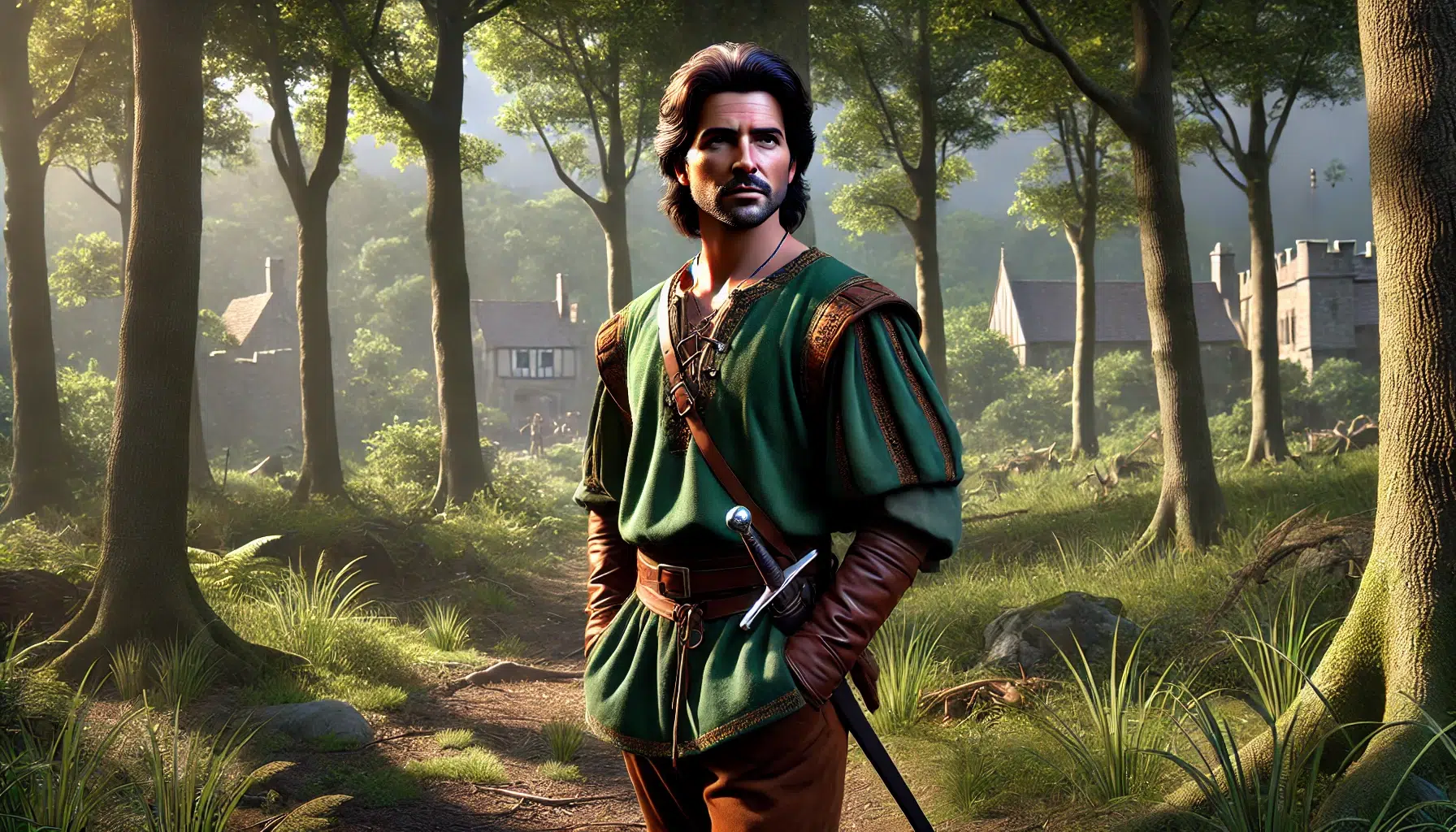
The Robin Hood legend has deep historical and literary roots. The earliest mentions of Robin Hood appear in ballads and songs from the 14th century. These stories spread quickly through England, telling of a heroic outlaw who steals from the rich to give to the poor.
Historians believe the Robin Hood legend may have roots in real-life figures.
Some think Robin Hood was a combination of several outlaws from medieval times. Others believe he was inspired by a man named Robert Hood, who lived during King Richard the Lionheart’s reign.
Literary works have shaped the Robin Hood legend over centuries. The first written ballads, like “A Gest of Robyn Hode,” appeared in the 15th century. These early tales focus on his adventures in Sherwood Forest and his battles with the Sheriff of Nottingham.
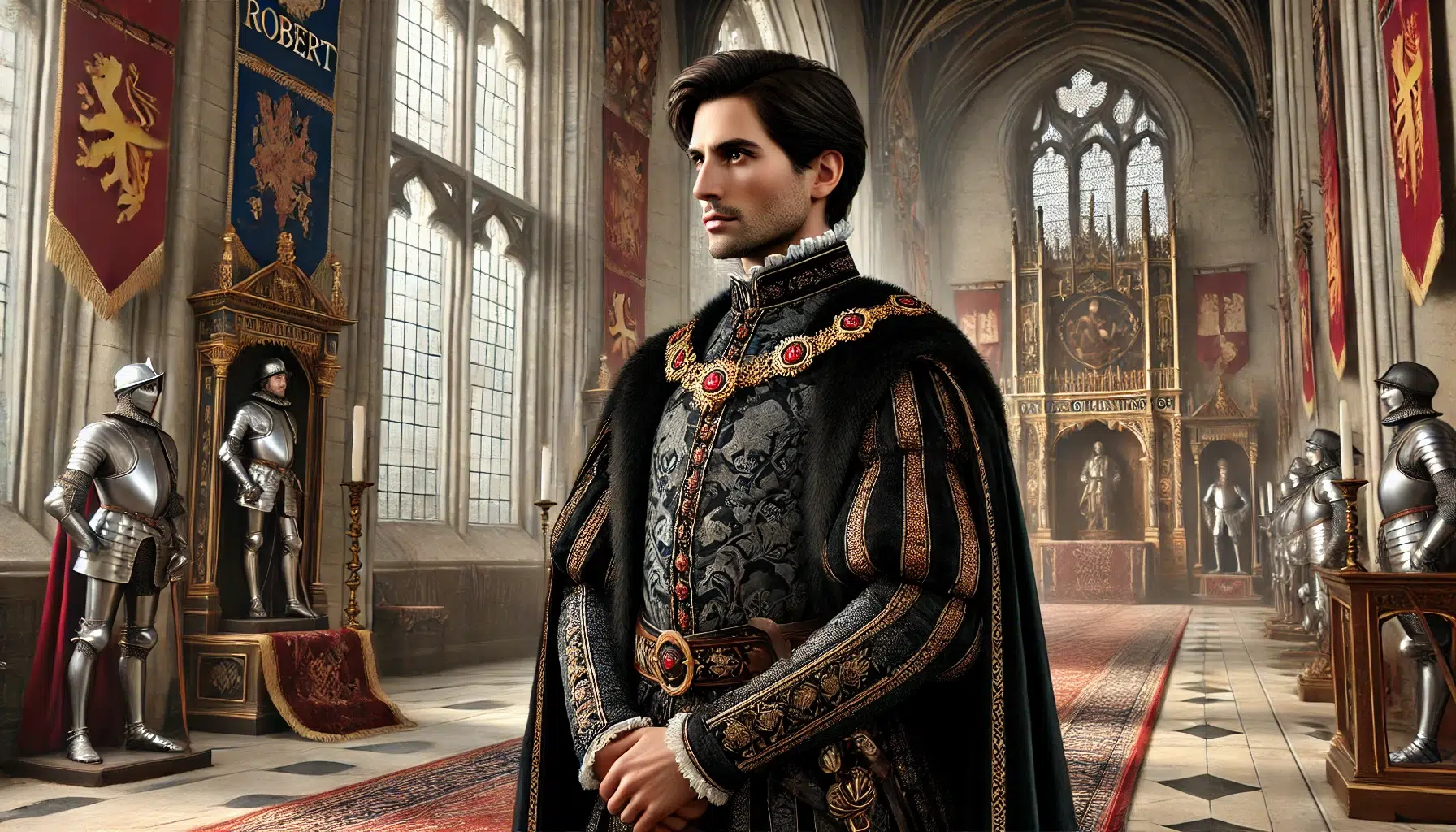
In the 16th century, playwrights and poets expanded Robin Hood’s story. Anthony Munday wrote two plays featuring Robin Hood as a nobleman named Robert, Earl of Huntington. These plays added depth to the character and introduced new elements to his tale.
Over time, authors like Sir Walter Scott and Howard Pyle added their own twists. Scott’s novel “Ivanhoe” features Robin Hood as a minor character, while Pyle’s “The Merry Adventures of Robin Hood” retells the classic tales with vivid illustrations.
The Robin Hood legend continues to evolve, with books, movies, and TV shows keeping his story alive. Despite changes, the core themes of justice, bravery, and helping the poor remain central. These historical and literary origins ensure Robin Hood’s place as a timeless hero.
Robin Hood in Popular Culture
The legend of Robin Hood appears in countless books, movies, and plays. It evolves and adapts to different cultures, each adding unique twists to the tale. From Errol Flynn’s portrayal in the 1938 film “The Adventures of Robin Hood” to Kevin Costner’s version in “Robin Hood: Prince of Thieves,” Robin Hood becomes an iconic figure in popular culture.
Robin Hood’s legacy goes beyond traditional media. He appears in video games, comics, and board games. These adaptations let fans experience the thrill of the forest and the excitement of fighting for justice. Whether aiming an arrow or outwitting the Sheriff of Nottingham, these interactive experiences bring Robin Hood’s legend to life.
Robin Hood’s iconic status and timeless appeal make him a beloved figure in popular culture. As his legend evolves, it reminds us of the enduring power of justice and the importance of standing up for what is right.
Conclusion
In conclusion, the legend of Robin Hood has captivated audiences for centuries, symbolizing justice and heroism. This folklore transcends time and cultures, resonating with people worldwide. While historians debate Robin Hood’s existence, his story’s impact remains clear.
Robin Hood represents the fight against oppression and the pursuit of fairness. His acts of stealing from the rich and giving to the poor inspire many to challenge societal inequalities. From books to movies, Robin Hood’s tale continues to remind us to stand up for what is right.
Robin Hood also shows that one person can make a difference even in tough times. His integrity and fight against injustice inspire us to take action in our own lives. Through acts of kindness or advocacy, we can all strive to be modern-day Robin Hoods, championing a more fair world.
In conclusion, Robin Hood’s legacy lives on as a symbol of courage, compassion, and the belief in a better society. His story reminds us that individual actions can make a lasting impact. Let’s embrace Robin Hood’s spirit and create a world where fairness, equality, and justice prevail.


