

Matilda of Tuscany Defies Henry IV
Matilda of Tuscany was known as la Gran Contessa. Matilda of Canossa was a powerful figure in 11th-century Italy and was the Margravine of Tuscany, so she was also known as Matilda of Tuscany.
This was a time of great political tension. Matilda bravely faced off against Holy Roman Emperor Henry IV.
She would side with the Papacy during a big argument called the Investiture Controversy. She gave shelter to the Papacy’s supporters at her court.
Even after Henry IV visited Canossa Castle to ask for forgiveness, trouble didn’t end. Matilda kept fighting against the emperor’s troops.
Castle Canossa was at the heart of Matilda’s lands. It showed her skill in changing the balance of power between the Church and the state.
After she died in 1115, conflicts over her lands began. These fights were between the popes and the emperors. Matilda’s legacy shaped Italy’s medieval history in powerful ways.
Early Life of Matilda of Tuscany

Matilda of Tuscany was born in 1046. Her parents were Margrave Boniface III of Tuscany and Beatrice of Lorraine.
Matilda of Tuscany came from the important House of Canossa in the Italian Middle Ages. She was born around 1046 in Lucca, Tuscany. She had strong ties to the Attonids, another powerful family.
Matilda grew up in a noble family.
Unfortunately, her early life had struggles due to her father being killed when she was very young.
Matilda of Tuscany started ruling in 1055, when she was only nine years old. Her mother, Beatrice of Lorraine, helped her rule Tuscany. Matilda watched her mother lead with strength and wisdom. This had a big influence on her.
Beatrice took charge until Matilda was old enough to rule alone.
Matilda’s early life was full of learning and training. She learned Latin, which was rare for women then. She also studied military tactics and leadership. As a young girl, she was part of the high politics of elite nobility across Europe.
By learning about leadership, politics, and military strategies she would become a strong ruler. She managed vast lands in Italy and Germany.
Matilda’s Support for the Pope

Matilda’s rule was marked by her support for the Pope. During the Investiture Controversy, she sided with the Pope against the Holy Roman Emperor. This conflict was about who should appoint church officials. Matilda believed in the church’s independence and fought for it.
So She stood against the Holy Roman Emperor, defending the church’s independence.
She built and fortified many castles, strengthening her territories. These castles provided protection and control over her lands. Matilda also supported religious institutions.
She founded and supported many monasteries and churches. Her actions helped spread and strengthen Christianity in her region.
Matilda married Godfrey the Hunchback when she was 16. This marriage strengthened her political position. However, it was not a happy union. Godfrey died a few years later, leaving Matilda a widow.
Matilda inherited vast lands and great power from her family. She ruled over parts of Italy and Germany. Her leadership skills grew as she managed her territories. She became known for her intelligence and bravery.
Being in charge of Tuscany meant she was at the center of important friendships and connections. Her position as Margravine laid the stepping stones for her future.
She would go on to defend her lands and be remembered as a key figure in Italian medieval history.
Matilda of Tuscany’s Struggle with Holy Roman Emperors

Matilda of Tuscany ruled from 1055 to 1115. Her reign included many important events and achievements. She became a strong and influential leader.
She had intense conflicts with Holy Roman Emperors, especially Henry IV. This was over who had power to appoint church officials, a big deal then.
She would side with Pope Gregory VII against Henry IV in 1076, supporting him with her lands in Lombardy, Emilia, Romagna, and Tuscany.
After 1080, Matilda used everything she had to help the Papacy. By backing the Pope, she shifted lots of power. She bravely stood against Henry IV, showing her loyalty to the Church, even though they briefly made peace in 1077 at her castle.
This decision shaped her rule and her legacy.
Matilda Continues to Defy Henry IV
Matilda built and fortified many castles. These structures provided protection and control over her territories. They also served as centers of power and administration.
She supported religious institutions by founding and supporting many monasteries and churches. Her actions helped spread Christianity in her region.
Matilda led her troops in several battles. Her bravery and strategic mind inspired her soldiers. She showed great courage on the battlefield. Her refusal to give in to the emperor’s rule showed how smart she was and how well she could gather allies.
Key events during her rule:
- 1076: Matilda sides with Pope Gregory VII in the Investiture Controversy
- 1077: Emperor Henry IV visits Canossa Castle to seek forgiveness from the Pope
- 1080s: Matilda faces and defeats several rebellions against her rule
- 1081 and 1098: Matilda’s lands suffer as she fought with Henry IV
- 1097: When Henry IV moves north, Matilda quickly takes back her territories
- 1100: Matilda donates lands to the church, strengthening her alliance with the Pope
- May 1111: Henry V, the Emperor, crowns her Imperial Vicar and Vice-Queen of Italy

Her loyalty to the Pope earned her the church’s support. This alliance helped her maintain power and influence throughout her reign. Matilda’s actions and decisions shaped the political and religious landscape of her time.
Matilda of Tuscany’s rule lasted until her death in 1115. Her legacy as a strong and capable leader continues to be remembered in history.
Political Achievements and Alliances
Matilda of Tuscany was named Vice-Queen of Italy by Henry V from the 6th to the 11th of May, 1111. This shows her powerful role in Italian politics during the Middle Ages. She would work with southern German dukes to oppose Henry IV, which changed the region’s balance of power.
She ruled over Lombardy, Emilia, Romagna, and Tuscany, showing her skill in centralizing power.
Matilda’s actions strengthened her rule and helped improve Italian cities. She aimed to free these places from outside control. Her efforts are remembered as crucial in Italy’s medieval history.
Matilda of Tuscany’s Legacy

Matilda of Tuscany’s legacy and cultural impact remain significant. She left a lasting mark on history and culture.
Matilda supported the church and the Pope. Her actions strengthened the church’s influence in her region. She donated lands and resources to religious institutions, helping them grow.
Her support during the Investiture Controversy showed her loyalty. She stood with the Pope against the Holy Roman Emperor. This decision had a lasting impact on church-state relations.
Matilda’s castles and fortifications still stand today. They are symbols of her strength and leadership. These structures attract tourists and historians, showcasing medieval architecture.
She influenced Italian politics and culture. Her rule brought stability and order to her territories. People remember her as a fair and just leader.
Matilda’s bravery in battle inspired many. She led her troops with courage and skill. Her story continues to motivate people today.
Key aspects of Matilda’s legacy:
- Religious Support: Matilda helps spread Christianity and supported religious institutions.
- Political Influence: She plays a crucial role in the Investiture Controversy.
- Architectural Impact: Her castles and fortifications remain important historical sites.
- Cultural Inspiration: Matilda’s bravery and leadership inspire stories, books, and artworks.
Matilda of Tuscany’s life and actions shaped the medieval world. Her dedication to the church, her political acumen, and her military prowess left an indelible mark.
Today, people remember her as a powerful and influential figure in history. Her legacy continues to inspire and educate future generations.
Learn more about:
Cultural Impact of Matilda of Tuscany
Matilda of Tuscany is remembered through many buildings she inspired. Around 136 structures, including churches, stand because of her. UNESCO lists these as world treasures. These treasures are found in many Italian cities.
Matilda made a key move by shifting tax rights to the people in certain cities. This move weakened the empire’s power. It also boosted local control. Her actions would later influence a large political debate.
Displays that tell Matilda’s life story keep her memory alive. A special exhibit in Florence in 2016 shows her impact through ancient items and documents. These events help us see her historical importance clearly.
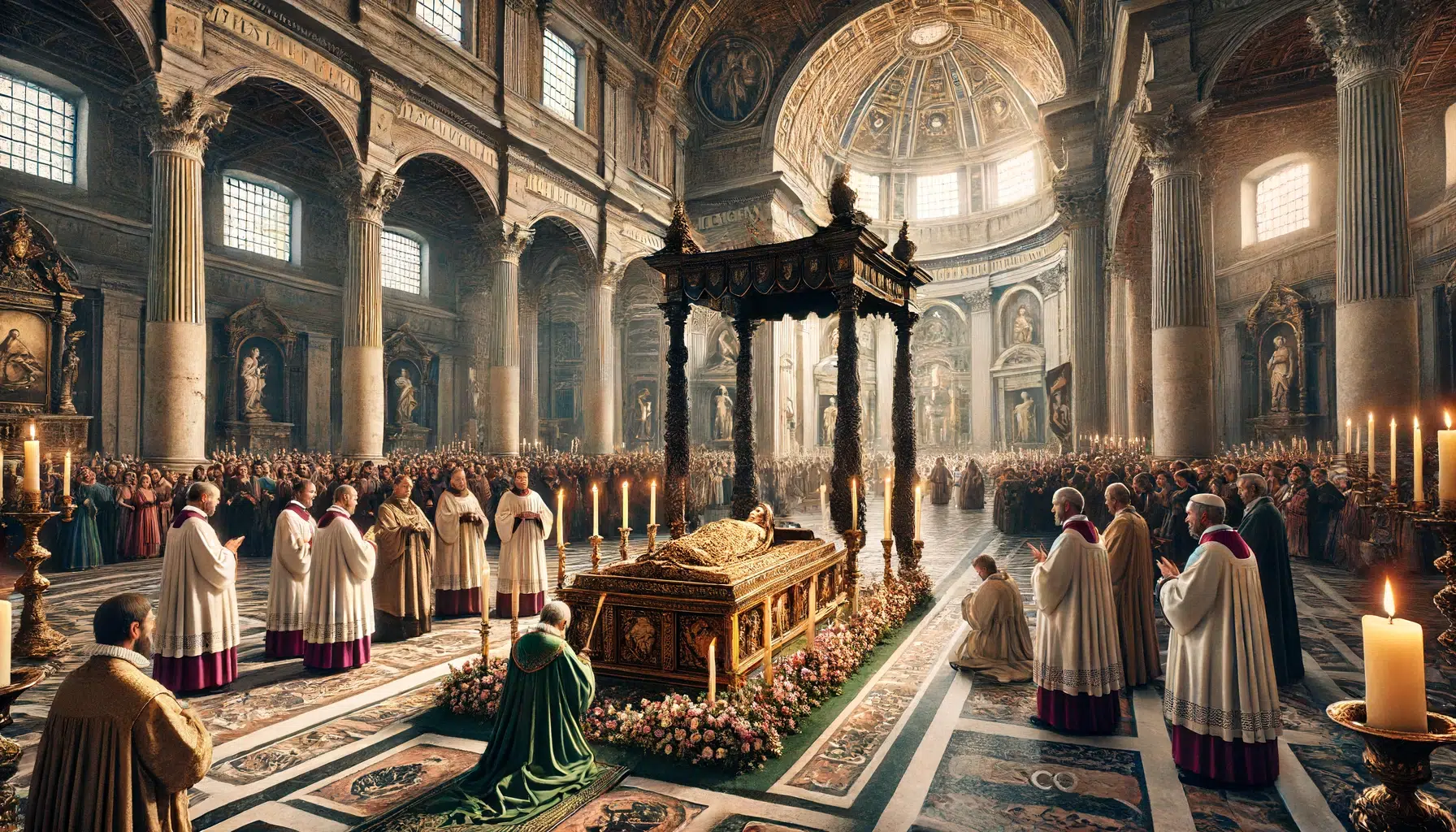
Recognizing her influence, she was buried in Saint Peter’s Basilica. This site is very important in the church. Her burial there shows she was seen as a true leader of her time. The UNESCO site in Siena also highlights her legacy in Italy’s culture.
Matilda’s buildings, tax reforms, and her burial place all reflect her lasting impact. She strengthened the church and local governments, and her actions shaped future political debates. Matilda of Tuscany remains a powerful and influential figure in history, inspiring many through her leadership and vision.
Conclusion
Matilda of Canossa was a key figure in the Middle Ages. She ruled Tuscany and served as Italy’s Vice-Queen from 1111 to 1115. This shows her big role in fighting off strong empires and supporting the Papacy.
Her lands covered important areas like the Po Valley and Tuscany, making her a powerful figure in a key trade spot.
Known for her strong military and political skills, Matilda defended the Pope’s power. This led to big changes in the church during a time of disagreement.
She ruled over places like Lombardy, Emilia, Romagna, and Tuscany. This shows how smart and effective she was as a leader. Her efforts to repair disputes about who should pick church leaders and her partnership with southern German dukes against Henry IV left a lasting mark.
Matilda’s impact remained long after she passed away, shown by fights over her land. She was remembered at Saint Peter’s Basilica, a rare honour for a woman at that time.
Her story is one of bravery and strong leadership against the odds. .