Korean Mythology Gods and Founding Legends
Korean mythology is home to a captivating pantheon of gods and goddesses, each with their own unique powers and stories. From the supreme deity Sang-Je to the ruler of the underworld Yeomna, the world of Korean mythology is vast and intriguing.
Who Are the Main Korean Mythology Gods?
Korean mythology features powerful creation deities, sky gods, and heroic founders who shaped early Korean culture and identity. These myths explain the origins of kingdoms, natural forces, and divine authority.
Major Korean mythology gods and legendary figures include:
-
Hwanin, the heavenly ruler
-
Hwanung, the divine son who descended to earth
-
Dangun, founder of Gojoseon
-
The Three Spirits or Three Goddesses
These figures appear in Korea’s founding myths and reflect themes of divine ancestry, kingship, and cosmic balance.
Origins of Korean Mythology
Korean mythology has deep roots in ancient beliefs and traditions. It includes stories about gods, spirits, and heroes. These stories explain the origins of the world and human life. They also teach important values and lessons.
The mythology blends shamanism, Buddhism, and Confucianism. Shamanism involves worship of nature and spirits. Buddhism adds tales of karma and rebirth. Confucianism brings lessons on morality and family.
Important figures in Korean mythology include Hwanin, the supreme deity, and his descendants Hwanung and Dangun. Hwanung teaches humans valuable skills. Dangun, his son, founds the first Korean kingdom, Gojoseon.
People pass down these myths through generations. They celebrate them in festivals and rituals. These stories remain a vital part of Korean culture, honouring the past and guiding the present.
What Are the Main Korean Mythology Gods?
Korean mythology holds great cultural significance. It shapes the values and beliefs of Korean people. These myths teach lessons about honour, bravery, and wisdom. They also explain the origins of the world and human life.
Stories of gods and heroes inspire people. They provide role models for bravery and kindness. Festivals and ceremonies celebrate these myths. They bring communities together and preserve traditions.
Korean myths open a door to the dreams and views of Korean people. These stories are fun but also teach us what Koreans value and fear.
Korean myths tell about gods, goddesses, and heroes. They show the importance of being brave, honest, loyal, and respectful. These stories encourage everyone to be their best.
These myths give reasons for things like why seasons change, how mountains and rivers formed, why stars move, and why so many types of plants and animals exist. Koreans feel closer to nature by knowing these stories.
Korean traditions and ways of acting often come from these old tales. They show how people should behave, people’s roles, and how everyone fits into society. These stories help shape how Koreans live and treat each other.
Learning about Korean myths helps us understand Korean culture, traditions, and what makes Korea unique.
Founding Myth of Gojoseon
Within Korean mythology, a rich tapestry of gods and goddesses contributes to the vibrant cultural heritage of the Korean people. These divine beings hold unique characteristics and powers, shaping the beliefs and traditions of the Korean nation.
Korean mythology features a rich pantheon of gods, spirits, and mythical figures, deeply rooted in the country’s shamanistic traditions, Buddhism, and Confucianism.
Sang-Je (Hwanin): Supreme Deity and God of the Skies

At the pinnacle of Korean mythology stands Sang-Je (Hwanin), the revered supreme deity and the god of the skies. Sang-Je is frequently used in comparative mythology and modern interpretations. Hwanin is often referenced in traditional and religious contexts, particularly within Korean Native Religion and Shamanism.
Sang-je (Hwanin) is an important god in Korean mythology being called the “Emperor of Heaven.” He rules the heavens and the universe and watches over all other gods and spirits.
Sang-je has great power and he makes sure that everything in the universe runs smoothly. People pray to him for guidance and protection. They believe he can bring good fortune and help solve problems.
Sang-je is wise and fair, listening to prayers and helps those in need. People respect and honour him in many ways. Sang-Je is typically depicted as a wise old man with a long beard, symbolizing wisdom and authority.
Sang-Je’s mythological family includes several important deities. Hwanung and Dangun are key figures in his lineage. Dangun is significant as the god of Earth and the founder of the Korean nation.
Many stories tell about Sang-je’s deeds and his role in the heavens. These stories teach important lessons about right and wrong and show the importance of living a good and honest life.
Sang-je is a symbol of order and justice, reminding people to do good and avoid wrong. By honouring Sang-je, people hope to lead better lives and receive his blessings.
Sang-Je is often compared to other supreme deities across various mythologies. He is likened to the Jade Emperor in Chinese mythology, Zeus in Greek mythology, and Odin in Norse mythology.
Sang-Je’s myths are central to Korean mythology. They reflect themes of creation, divine governance, and cultural heritage.
Hwanung: Son of Hwanin
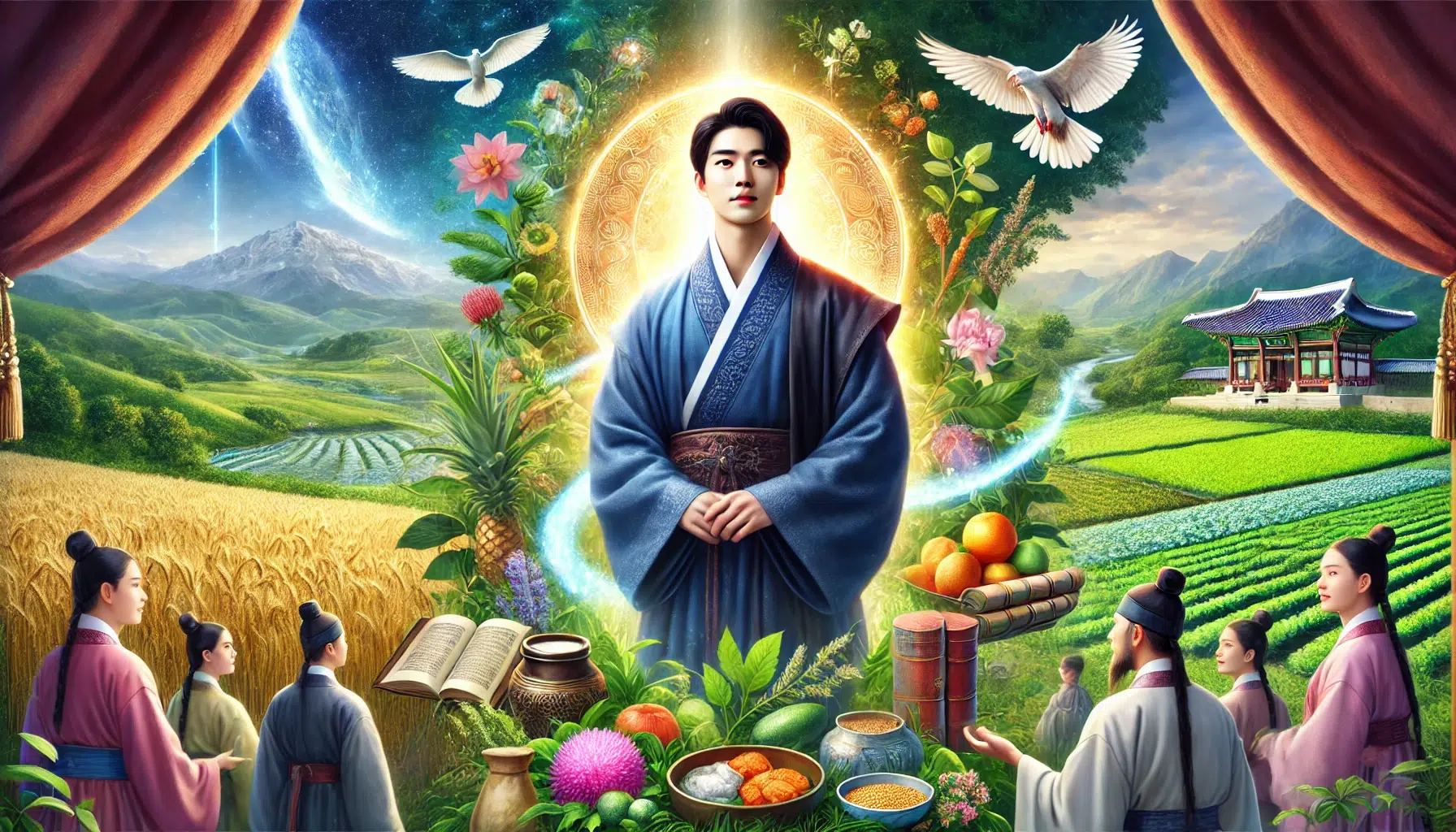
Hwanung is the son of Hwanin, the “Lord of Heaven” and comes down from the heavens to live on Earth. This is part of the Dangun myth where he establishes a kingdom and teach humans valuable skills..
Hwanung brings knowledge and wisdom to the people. He teaches them about farming, medicine, and laws. With his guidance, people learn to live better lives. They honour him for his kindness and wisdom.
One famous story about Hwanung involves a bear and a tiger. Both animals want to become human. Hwanung gives them a challenge. The bear succeeds and turns into a woman, becoming Hwanung’s wife. They have a son named Dangun.
Dangun later becomes the founder of Gojoseon, the first Korean kingdom. Hwanung’s teachings help shape this new kingdom. His influence remains strong in Korean culture and history.
People remember Hwanung for his generosity and knowledge. They respect him as a teacher and leader. Festivals and ceremonies honour his contributions to their lives. Through these traditions, Hwanung’s legacy continues to inspire and guide. His story reminds people of the importance of wisdom, kindness, and leadership.
Dangun: Grandson of Hwanin & Founder of Gojoseon

Dangun is a semi-mythical figure in Korean mythology and the grandson of Hwanin, the “Lord of Heaven.” He is also the son of Hwanung, who comes down to Earth to help people.
Dangun becomes the founder of Gojoseon, the first Korean kingdom. He is known for his wisdom and leadership. People honour him as the legendary first king of Korea.
Dangun’s story begins with his father, Hwanung, teaching people about farming, medicine, and laws. Hwanung transforms a bear into a woman, Ungnyeo. He then marries Ungnyeo and she gives birth to Dangun. This story is recounted in ancient texts such as the Samguk Yusa (Memorabilia of the Three Kingdoms).
The Samguk Yusa is the earliest record that describes the legend of Dangun and the founding of Gojoseon, the first Korean kingdom. This text is compiled by a Buddhist monk in the late 13th century. It contains a collection of legends, folktales, and historical accounts.
Dangun grows up to be a wise and just leader uniting the people and creating a strong kingdom. Under his rule, the people thrive and live in peace.
People celebrate Dangun during festivals and ceremonies honouring his contributions to their culture and history. His story teaches the importance of wisdom, kindness, and strong leadership.
Dangun’s legacy continues to inspire Koreans today. He symbolizes the birth of their nation and the values that hold it together. By remembering Dangun, people find pride and guidance in their heritage. His tale reminds everyone of the power of unity and good leadership.
Gojoseon, the First Korean Kingdom
Gojoseon is a kingdom that straddles the line between mythology and history. It is located in the northern part of the Korean Peninsula and parts of Manchuria.
According to Korean mythology, it was founded by the legendary figure Dangun Wanggeom in 2333 BCE. This date is based on medieval Korean documents and is tied to the reign of the mythical Chinese Emperor Ya.
Dangun is said to be the grandson of Hwanin, the “Lord of Heaven,” and the son of Hwanung. This mythological account is a significant part of Korean cultural heritage. It is celebrated annually on October 3rd as National Foundation Day in South Korea.
While the exact historical details of Gojoseon’s early existence are debated, archaeological findings support the idea of an advanced culture in the region. Items such as above-ground tombs, pottery, and bronze artifacts support its existence.
Gojoseon appears in Chinese texts such as the Guanzi, Shanhaijing, and Shiji. These records suggest that by the 4th century BCE, Gojoseon had developed into a significant territory.
Major Korean Mythology Gods and Goddesses
Yeomna: Ruler of the Underworld
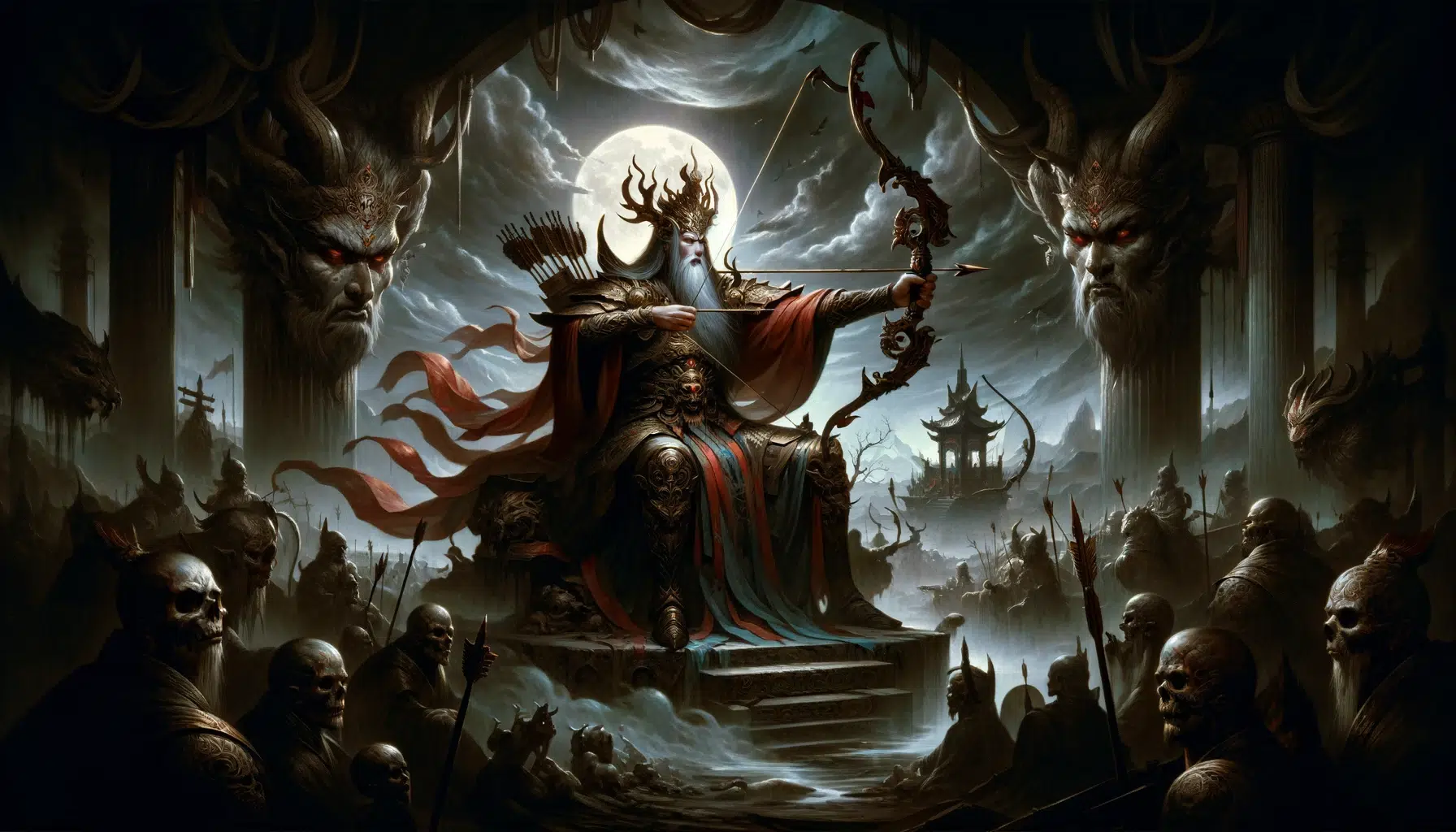
Yeomna rules the Underworld and judges the souls of the dead. People call him Yeomra Daewang.
In Korean myths, the afterlife is very important, and Yeomna rules it. He is key to Korean beliefs about what happens after we die and has the power to decide what happens to people’s souls. Yeomna judges the souls and places them where they should go in the world of the dead, either heaven or hell.
Yeomna makes sure everyone faces the results of their actions, however he is fair but strict. He teaches the importance of living a good life.
Many stories tell of Yeomna’s judgements. These stories show how he keeps balance in the world. People respect and fear him because of his power and role, knowing he holds great power over their afterlife.
Festivals and ceremonies honour Yeomna reminding people to act with honour and kindness. By respecting Yeomna, people hope for a fair judgement in the afterlife. They believe that living a good life will bring them a good afterlife.
Yeomna’s role is vital in maintaining justice and order in the world. He stands as a symbol of fairness and truth. People look to him for guidance on how to live rightly. By honouring Yeomna, they seek to lead better lives and ensure their souls are judged fairly.
Seokga: The Trickster God
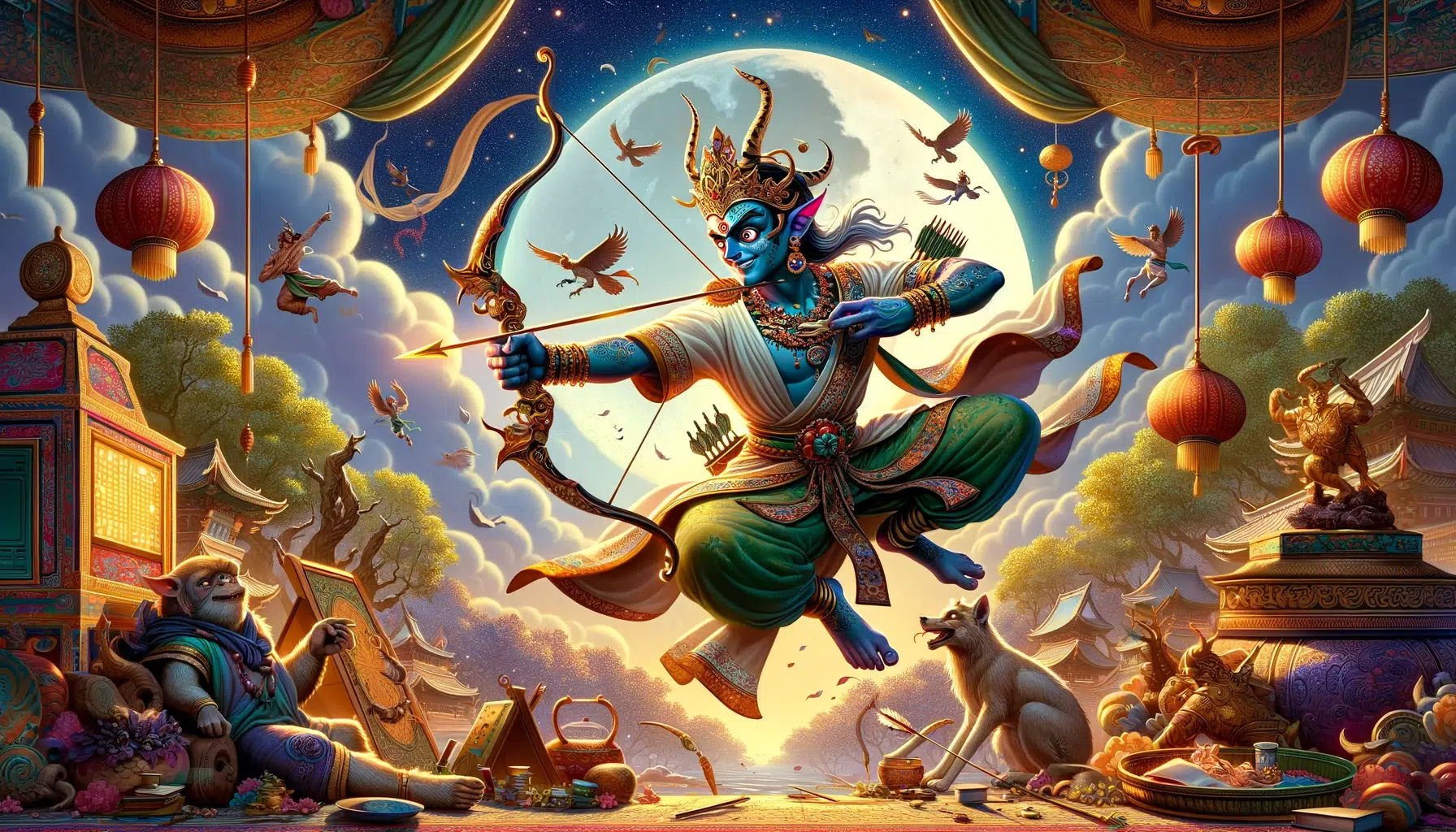
In Korean myths, Seokga is a playful trickster god who loves to challenge people’s limits with his pranks. His name combines “seok” for “trick” and “ga” for “god.” Seokga brings fun and excitement to Korean stories with his smart tricks.
Seokga’s tales not only entertain but also provide cultural insight and guidance. His mischievous nature reminds Koreans of the importance of balance, adaptability, and ingenuity in navigating life’s challenges.
Seokga serves as a symbol of the human spirit and the limitless potential for growth and self-discovery. Through the stories of Seokga, Korean mythology offers valuable lessons in morality, resourcefulness, and the power of imagination.
As a trickster god, Seokga represents the unpredictable and transformative aspects of the human experience. Thus urging us to embrace change, embrace our creativity, and approach life with a spirit of curiosity and adventure.
- Mischievous – Represents the unpredictable nature of life and the need to adapt and think on one’s feet
- Cunning – Emphasizes the importance of wisdom, creativity, and strategic thinking in overcoming obstacles
- Playful – Invites individuals to embrace their inner child and find joy in life’s simplest moments
- Trickster – Challenges societal norms, exposes hypocrisy, and promotes critical thinking
- Transformation – Represents the potential for personal growth, adaptability, and the power of change
Stories about Seokga show how he can outsmart both people and gods. He often changes his look to pull off his pranks, making people laugh and scratch their heads.
Seokga shows us how complex people can be and why being clever matters in life. Seokga is important in Korean myths. He teaches us to be humble, strong, and creative.
His stories warn us to think hard and not just accept things as they are.
Dalnim: The Moon Goddess
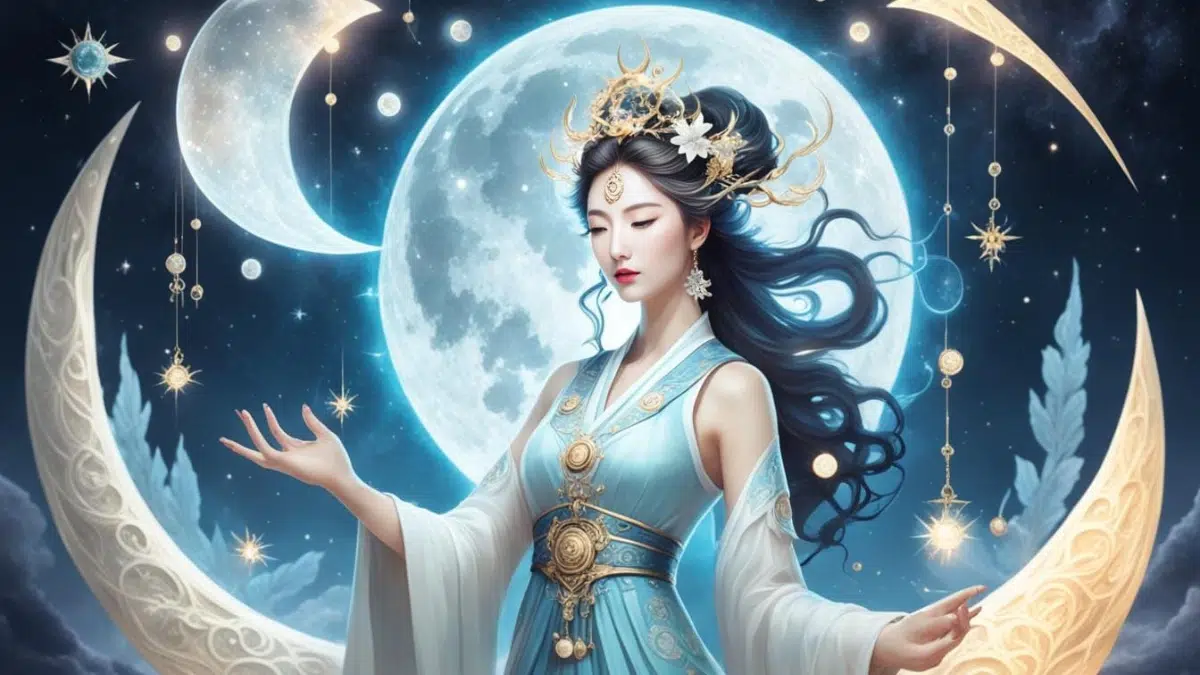
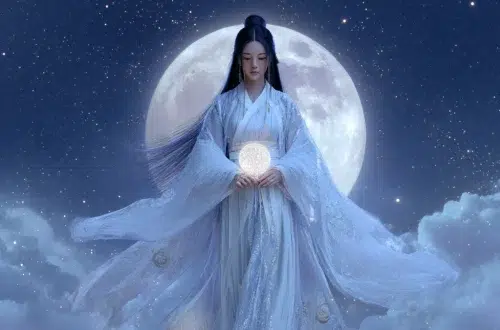
Dalnim, the lovely Moon Goddess, lights up the night with her beauty.
People believe she watches over them from above, feeling a strong connection to her and the night sky. Dalnim’s gentle glow guides travelers and keeps them safe.
One popular story talks about Dalnim traveling across the sky. She brings light and hope to everyone below. The tale says she comes down from the sky to help and guide people who respect her. Her journey has inspired many poems, songs, and art in Korea.
In Korean tales, Dalnim shines as a symbol of beauty and the caring nature of the moon. She stands for things growing, changing, and life itself.
Many stories tell about Dalnim’s beauty and kindness helping those who are lost or in trouble. People pray to her for protection and guidance. They honour her with festivals and ceremonies, showing their respect and gratitude.
Dalnim also controls the tides and influences nature. Her power affects the growth of plants and the behaviour of animals. People rely on her to ensure good harvests and calm seas.
Families look to Dalnim for comfort and hope. Her light symbolizes peace and stability. She reminds people to stay kind and gentle, just like her.
In artwork and literature, she often holds a moon or a rabbit, which are symbols of the moon in Korean culture. People celebrate her during the full moon, believing she brings good luck and happiness. People honour Dalnim with special events and celebrations. These often include giving food, saying prayers, and dancing in the moon’s soft light.
They thank her for being with them and ask for her help with growing crops, having a good harvest, and bringing wealth.
Who Are the Three Korean Goddesses?
The “Three Goddesses” or “Three Spirits” in Korean mythology are :
- Samsin Halmoni
- Jacheongbi
- Baekgugae
They each play important roles in the lives of people, focusing on different aspects of well-being and prosperity.
Together, these three goddesses cover essential aspects of life:
- childbirth
- agriculture and
- the home
They are deeply respected and honoured in Korean culture for their roles in ensuring the well-being and prosperity of the people.
By praying to and honouring these goddesses, people seek their blessings and guidance in everyday life. The “Three Goddesses” symbolize care, protection, and prosperity, and their stories teach the importance of family, hard work, and living in harmony with nature.
Samsin Halmoni: Goddess of Childbirth and Fate

Samsin Halmoni is an important figure in Korean mythology. She is known as one of the “Three Goddesses” or “Three Spirits.”
She is one of the most important figures, overseeing the safe delivery of babies and the health of mothers. Additionally, she influences the fate and destiny of children, making her a significant deity in the lives of families. People honour and pray to Samsin Halmoni for protection and blessings during childbirth and for a prosperous future for their children.
Samsin Halmoni, also known as the Grandmother Samsin, is often depicted as a wise, older woman, embodying the nurturing and protective qualities of a grandmother.
She watches over mothers and newborns. She ensures safe deliveries and healthy babies. They believe she has the power to grant a smooth and safe birth.
Samsin Halmoni also influences fate and is believed to control the destiny of children. Parents honour her to seek blessings for their kids’ futures. They hope for health, happiness, and success in their children’s lives.
People celebrate Samsin Halmoni during special ceremonies. These events show respect and gratitude for her care. They offer food and gifts to please her. These traditions keep her presence strong in their lives.
Stories about Samsin Halmoni teach the importance of family and care. She reminds people to value and protect their loved ones. Her role as a guardian of childbirth and fate makes her a cherished figure.
By honouring Samsin Halmoni, people seek her blessings and protection. She symbolizes care, safety, and good fortune. Her influence remains strong in Korean culture, inspiring respect and gratitude.
Jacheongbi: Goddess of Agriculture and Fertility
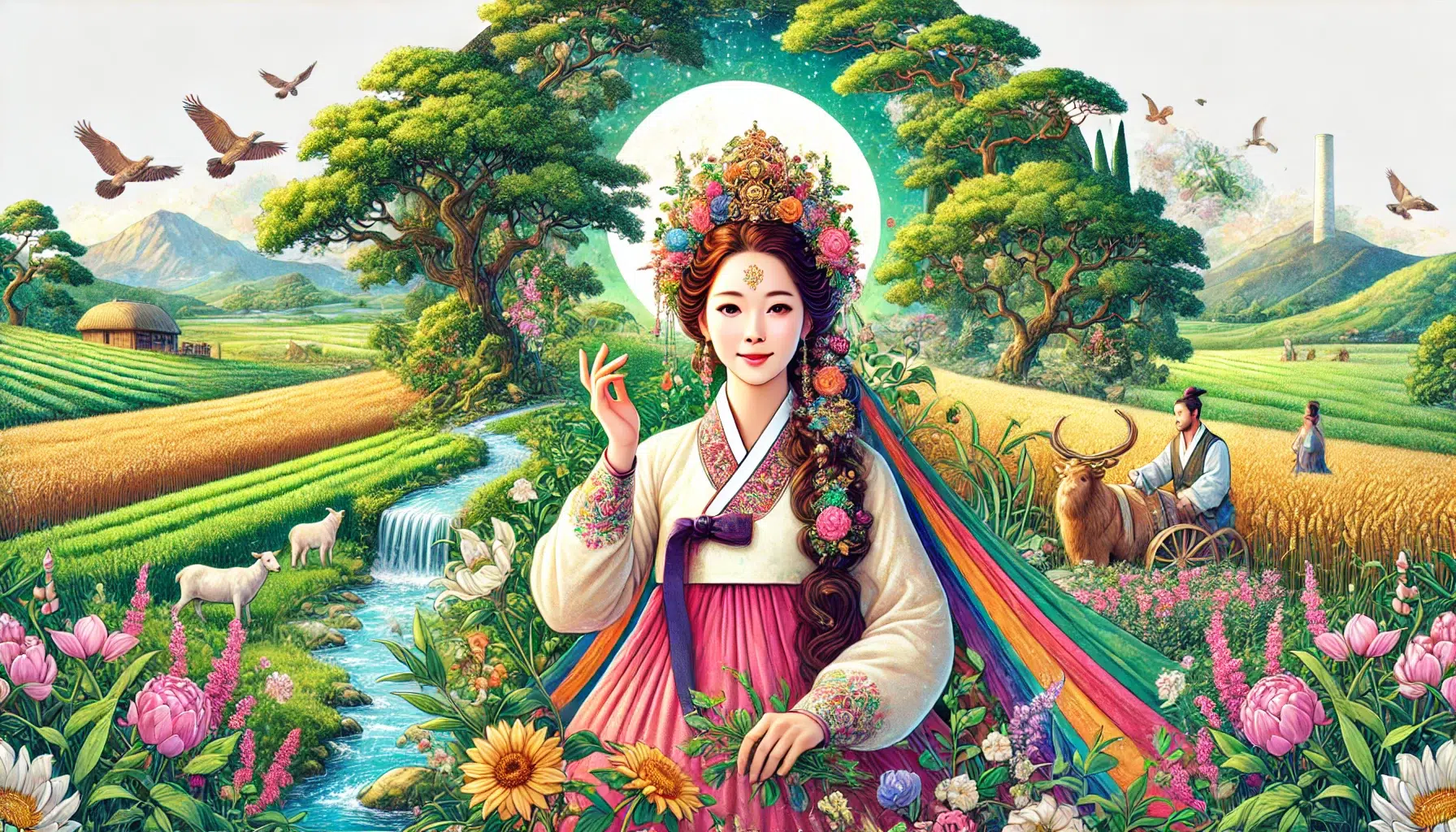
In Korean stories, Jacheongbi is the goddess of farming, standing for wealth and plenty. She is one of the “Three Goddesses” or “Three Spirits.”
People honour Jacheongbi because she helps crops grow and makes the land fertile. She is said to bring good weather, rich soil, and successful farming.
The stories and traditions about Jacheongbi show how important she is in Korean culture. She often appears as a kind and giving goddess, wearing Korean clothes and decorated with farming symbols.
Farmers show their respect with gifts, prayers, and special events, hoping for her help to make their harvests large. Thanks to Jacheongbi’s care, Korean farmers have depended on her help for many years to keep their work going and their communities strong.
Her link to farming and growth shows the close bond between the land and the Korean people’s health.
The myths of Jacheongbi delve into her origins and interventions in the lives of mortals and the agricultural realm. These legends showcase her compassion, wisdom, and her role as a benevolent figure uplifting humanity.
These rituals provide a glimpse into the deep reverence and gratitude shown to Jacheongbi throughout the agricultural calendar. Farmers acknowledge her pivotal role in their prosperity and sustenance. As the goddess of agriculture and fertility, Jacheongbi inspires and nurtures a connection between the Korean people and the land they cultivate.
Baekgugae: Goddess of Home and Hearth

Baekgugae is the goddess of home and hearth and one of the “Three Goddesses” or “Three Spirits.”
She protects families and keeps homes safe and people believe she brings peace and harmony to their households. Very similar to Hestia of Greek mythology.
Baekgugae’s presence means warmth and security. She watches over the family and ensures everyone lives in comfort. People honour her to keep their homes safe from harm and to maintain a happy family life. Her presence is believed to bring warmth and security to the household.
Baekgugae plays a vital role in family life. She helps keep the home environment stable and loving. Her influence reaches every corner of the house, making it a place of refuge and joy. Families feel her protection in their daily lives.
Stories about Baekgugae teach the importance of family bonds and care. She reminds people to cherish and look after their loved ones. Her blessings are seen in the laughter and well-being of family members.
By honouring Baekgugae, people seek her continued protection and favour. They believe she helps resolve conflicts and brings unity. Her role as the goddess of home and hearth makes her a cherished figure in Korean culture. She symbolizes the heart of family life, offering safety and happiness to all.
How Korean Mythology Influenced Culture
Step into the exciting world of Korean mythology, filled with gods, goddesses, and legendary tales that build Korea’s rich culture. These stories play a big part in Korean society, teaching values and history through the ages.
Korean myths are more than just stories; they give us a glimpse into Korea’s past and beliefs. Meet Sang-Je, the top god, Yeomna, the underworld’s king, and Dalnim, the beautiful moon goddess.
Each one has their own story that adds color to Korean myths. These stories remind us to love nature, live in harmony, and keep the universe balanced.
Learning about Korean myths is not just for fun. It helps us see the deep stories and values in these myths. Korean festivals and rituals show how closely Korean people connect to their mythological roots.
Dive into Korean mythology to explore the amazing stories that have shaped Korean culture for thousands of years.