Izanagi and Izanami: The Divine Creators of Japan
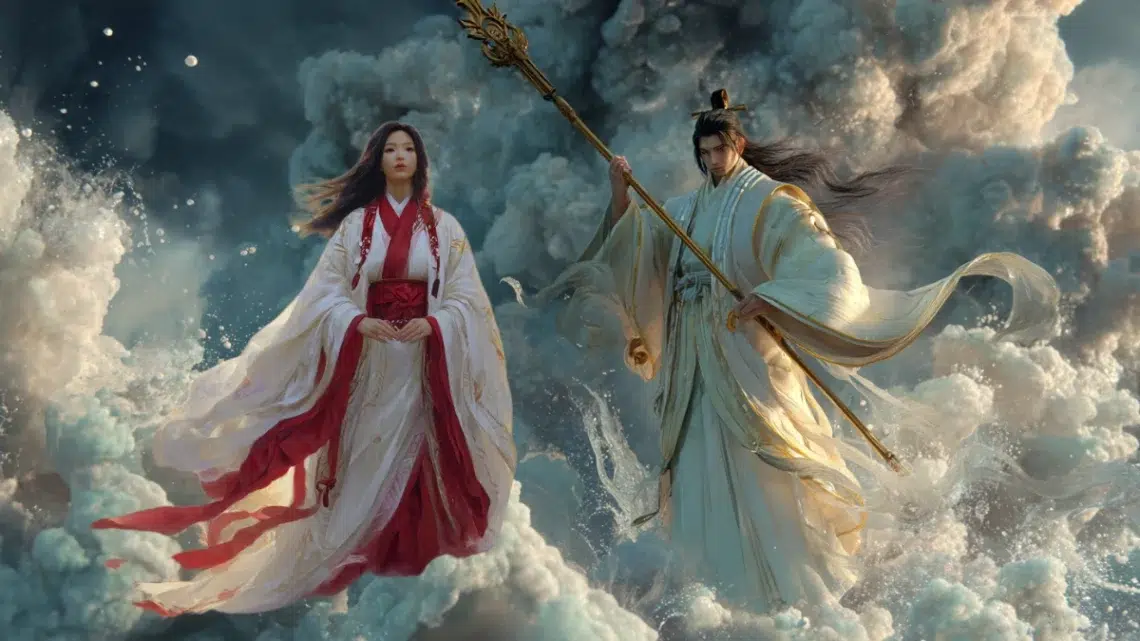
In the beginning, when the world was still a shapeless void, two powerful deities descended from the heavens to bring order.
Izanagi and Izanami are the primordial god and goddess of Japanese mythology.
They are known as the divine couple who created the islands of Japan and gave birth to many of its gods.
The Divine Duo Who Shaped Japan
Their story is one of love, loss, creation, and death.
It explains not only how the world came to be but also why death exists in it.
Unlike many myths that separate life and death, the tale of Izanagi and Izanami weaves them together in a delicate balance.
From the peaceful waters of creation to the dark depths of the underworld, their journey captures the essence of Shinto beliefs, purity, rebirth, and the cycle of life.
Their myth remains one of the most important in Japanese culture.
Izanagi and Izanami Created the World
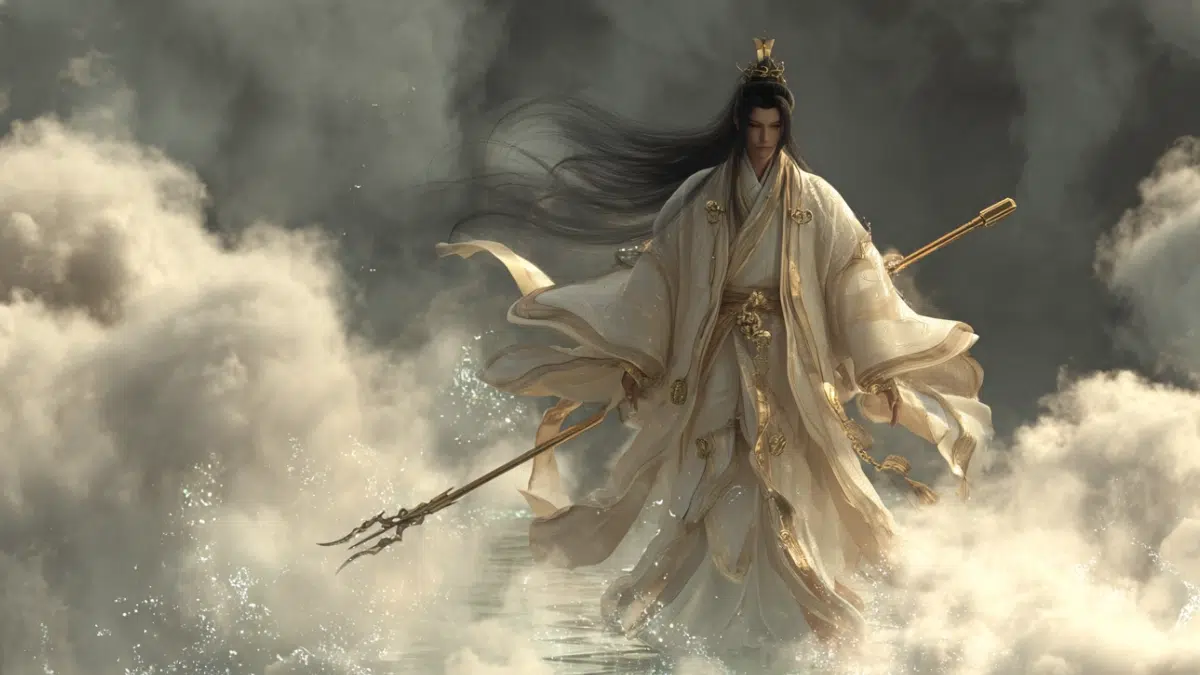
Izanagi and Izanami are central deities in Japanese mythology.
These “records of ancient matters” outline the earliest beliefs of Shinto, Japan’s indigenous religion.
The Myth: Creation of the World
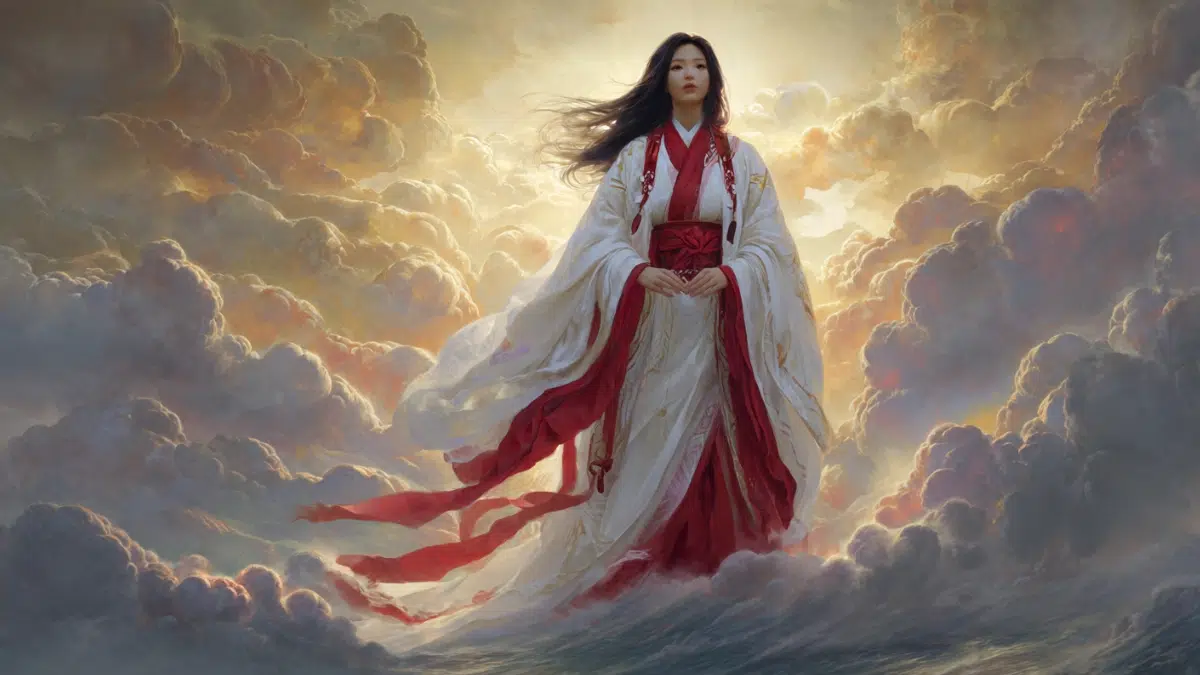
The two deities are considered the primordial couple who created the world and gave birth to many gods.
According to myth, the heavenly gods sent them to form the land below:
- Izanagi (“He Who Invites”)
- Izanami (“She Who Invites”)
Standing on the Heavenly Floating Bridge, they stirred the chaotic ocean with a jeweled spear.
When they lifted it, drops fell and formed the first island, Onogoro-shima.
There, the two descended and built a heavenly pillar to perform their marriage ritual.
Their divine union was meant to bring life to the land.
Giving Birth to Gods
Together, they:
- gave birth to several Japanese islands, a process known as kuniumi, or the “birth of the land”
- produced the kami, or spirits, of wind, mountains, rivers
- a process called kamiumi, or the “birth of the gods.”
However, their union wasn’t flawless. Their first attempt at marriage was done incorrectly, leading to malformed offspring.
Once corrected, they successfully created the islands of Japan and many important deities.
But their happiness was short-lived, leading to one of the most tragic and powerful myths in Japanese folklore.
The Tragic Myth of Izanagi and Izanami
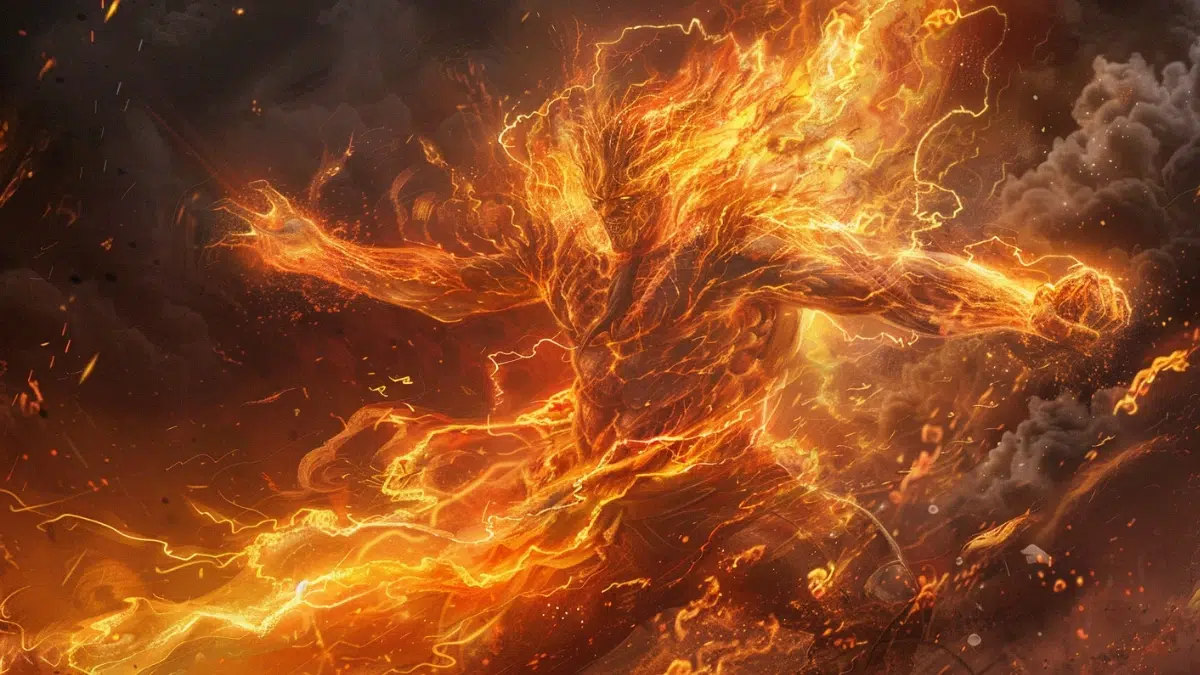
After creating the islands of Japan and many gods, Izanami gives birth to the fire god, Kagutsuchi.
The pain from this birth proves too much. Flames consume her, and she passes into Yomi, the land of the dead.
Grief overwhelms Izanagi. He travels to Yomi to bring her back, determined to see her again.
Inside the dark realm, Izanagi calls out to her. Izanami replies, saying she already eats the food of the underworld and cannot return.
Still, she asks him to wait while she speaks with the gods of Yomi. As he waits, his curiosity grows. He lights a comb to see her, breaking his promise.
What he sees horrifies him. Her body rots, covered in maggots and decay. Thunder gods emerge from her corpse.
Izanagi flees in terror. Izanami, enraged by his betrayal, chases him.
He runs through Yomi, throwing objects that turn into barriers. He finally escapes by placing a massive boulder at the entrance.
Izanami vows to kill a thousand people every day.
Izanagi declares he will bring life to fifteen hundred people each day, balancing death with birth.
Birth of More Gods
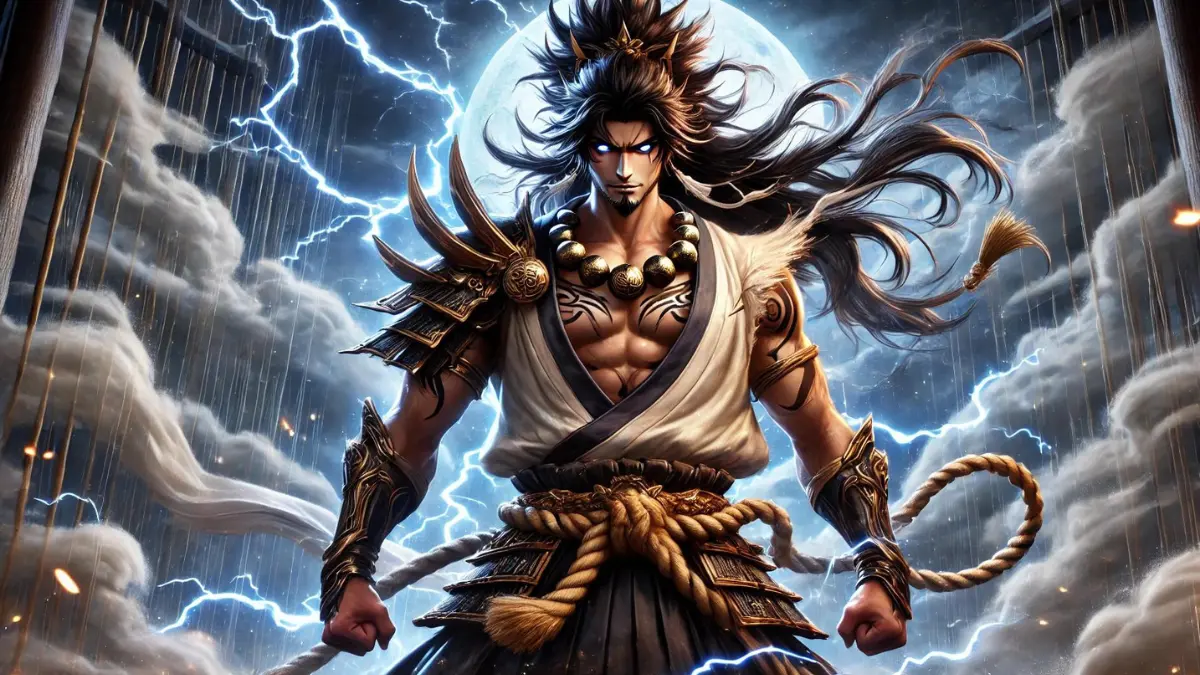
After this, Izanagi washes himself in a river to purify his body and soul. During this act, more gods are born.
- From his left eye comes Amaterasu, goddess of the sun
- From his right eye comes Tsukuyomi, god of the moon
- Then from his nose comes Susanoo, god of storms and the sea
This myth shapes Japanese beliefs about life, death, and purity.
It explains how light enters the world, how death becomes part of the cycle, and how the major Shinto gods come into being.
Izanagi and Izanami: Cycle of Life
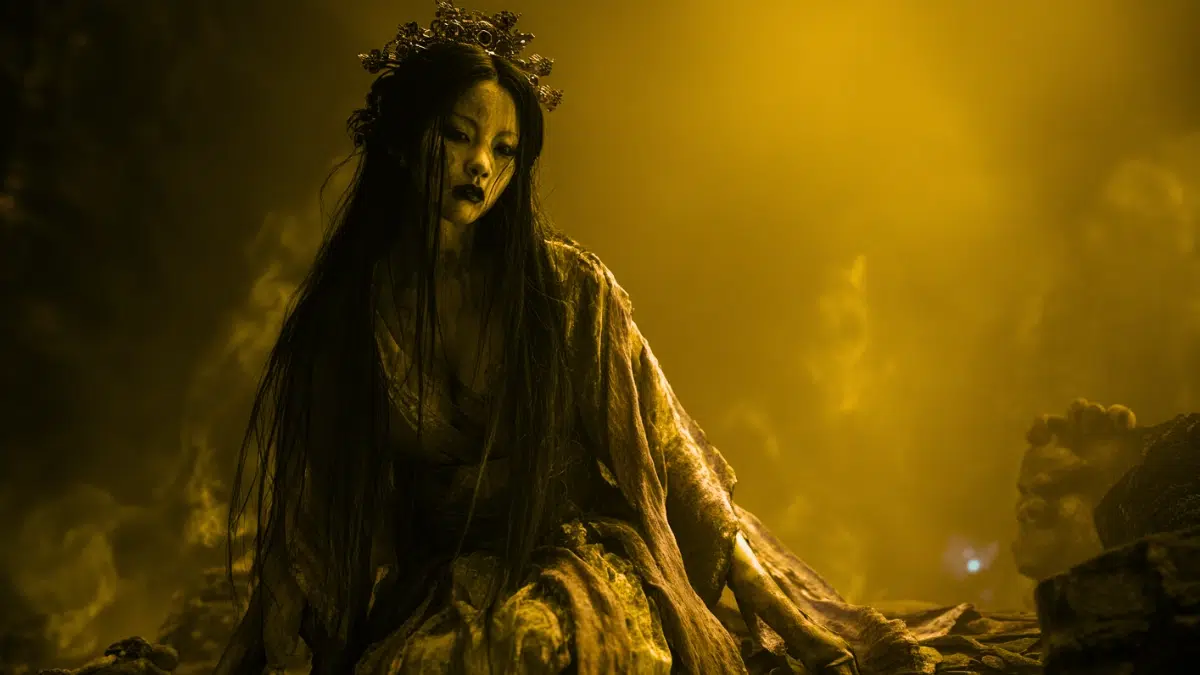
The story of Izanagi and Izanami reflects the balance between creation and destruction.
Their union brings forth land, nature, and gods. Their separation gives rise to death, purification, and rebirth. Together, they represent the cycle of life.
Izanami’s descent into Yomi marks the start of mortality.
Izanami’s transformation into a goddess of death
The sealed gate to Yomi shows how death cannot mix with life. Their vow to balance death with new birth reminds people that life must go on.
Her transformation into a goddess of death introduces the idea that not all life returns.
It reflects how ancient people viewed death as both powerful and sacred. Her anger at Izanagi shows the danger of crossing between worlds and breaking divine trust.
Izanagi’s escape and ritual cleansing shape Shinto beliefs about purity.
In Shinto, cleanliness carries deep meaning. Pollution, both physical and spiritual, needs removal through washing or ritual acts.
This explains why washing hands and rinsing the mouth remain central practices at shrines.
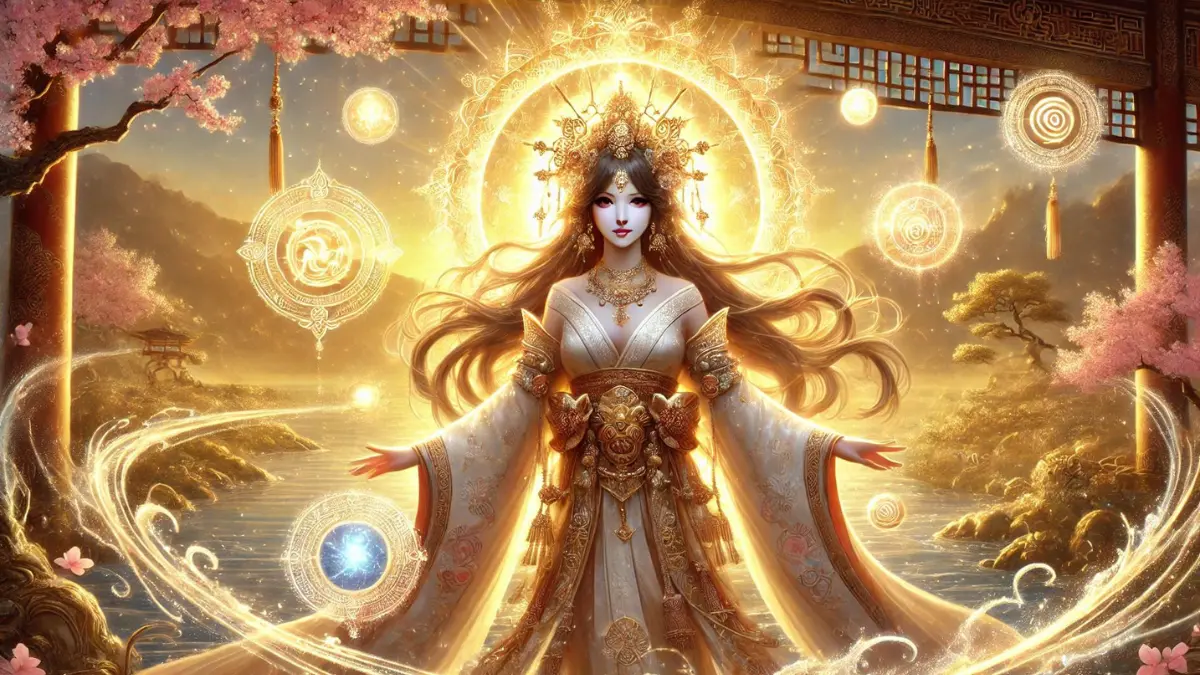
The following gods symbolize forces that shape the world born from Izanagi’s cleansing:
- Amaterasu
- Tsukuyomi
- Susanoo
Light, night, and storms come from his effort to restore balance. These deities also reveal how divine power emerges through pain and recovery.
The rock placed at Yomi’s entrance shows the need for boundaries. Life and death must remain apart. In that divide, both realms thrive.
Altogether, this myth tells us about Japanese views on nature, order, and spiritual harmony. It remains one of the most important creation stories in Shinto tradition.
Similar Figures in Other Cultures
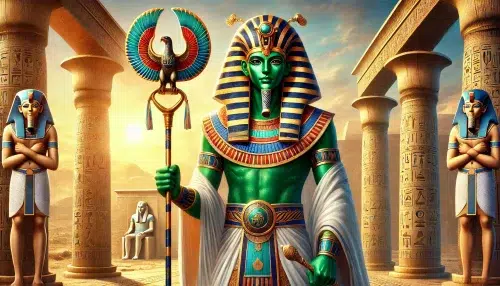
Many cultures have stories of divine couples who create the world, often representing harmony and duality.
Egyptian Mythology: Osiris and Isis
Osiris and Isis embody themes of life, death, and rebirth, much like Izanagi and Izanami. After Osiris is killed and dismembered, Isis travels across Egypt to find his body parts and restore him.
Her devotion and magic briefly bring Osiris back to life. This allows the conception of Horus.
It reinforces the cycle of death followed by spiritual continuation—much like Izanagi’s purification and creation after his journey to the underworld.
Norse Mythology: Odin and Freyja
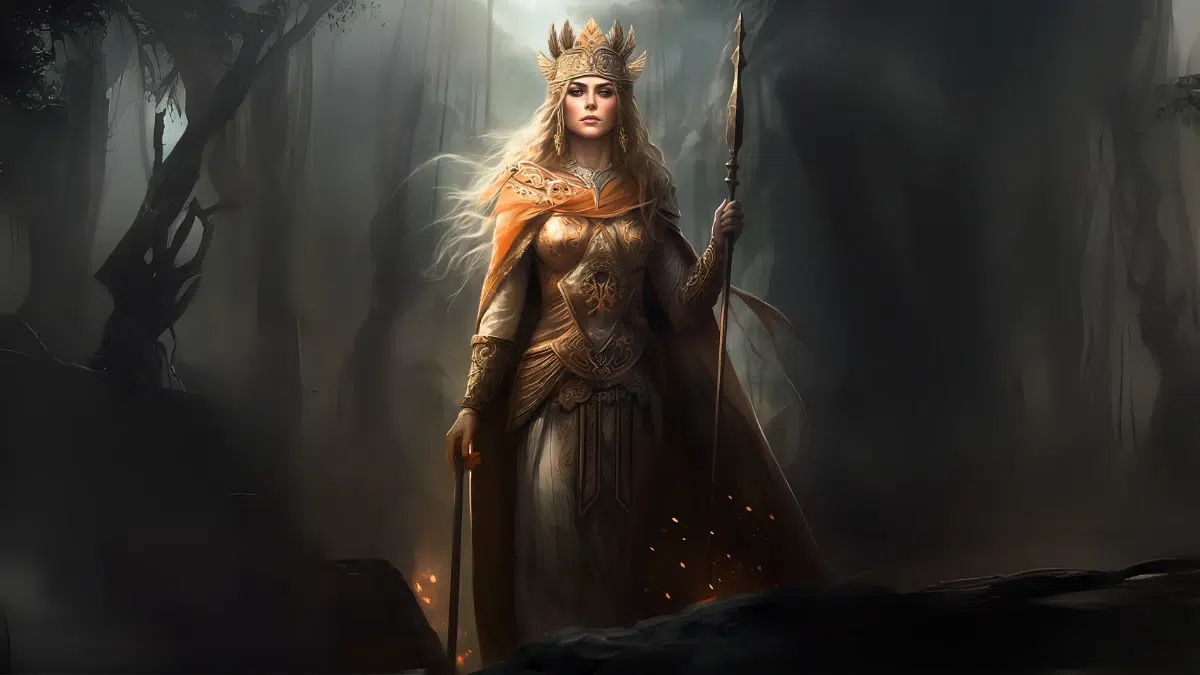
Odin, the Norse all-father, undergoes harrowing trials to gain knowledge, including sacrificing an eye and hanging himself on Yggdrasil to uncover hidden truths. This parallels Izanagi’s trials for wisdom after loss.
Meanwhile, Freyja travels between worlds and is closely associated with the dead, fertility, and magic.
Freyja’s role as a goddess who moves between realms echoes Izanami’s shift from creator to ruler of the underworld, and Freyja’s enduring presence in both life and death mirrors that duality.
Hindu Mythology: Shiva and Parvati
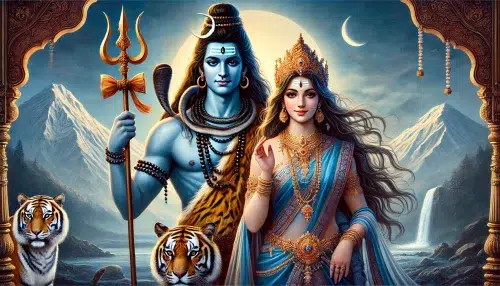
Shiva and Parvati represent powerful opposing forces—destruction and fertility—that come together in balance to maintain the universe.
Shiva brings transformation through his cosmic dance. While Parvati nurtures life and offers grounding strength.
Like Izanagi and Izanami, their union brings forth creation, and their complementary natures symbolize harmony in duality.
Chinese Mythology: Pangu and Nuwa
Pangu separates the heavens from the earth, setting the stage for order to rise from chaos.
Nuwa follows by creating humanity and repairing the broken sky, completing the act of world-building.
This mirrors how Izanagi and Izanami form the islands and breathe life into the world, both myths emphasizing divine roles in shaping nature and civilization.
Greek Mythology Myths
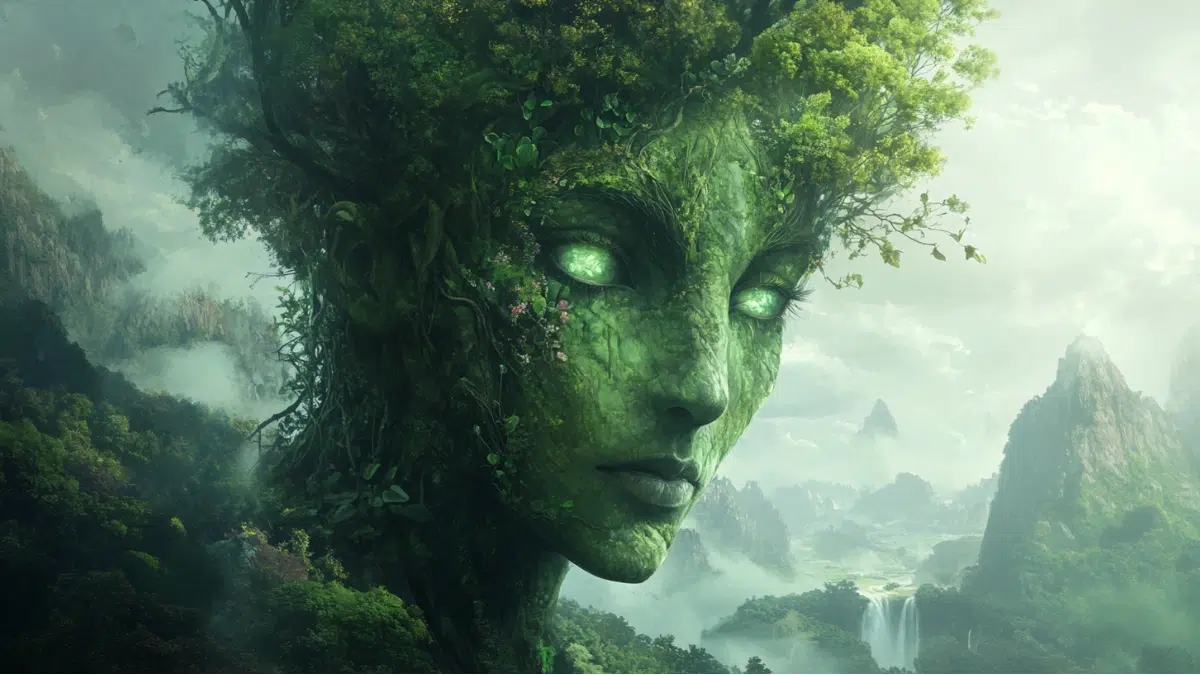
Gaia, the Earth, and Uranus, the Sky, produce many gods. Their children include powerful forces like Cronus and the Titans.
Like Izanagi and Izanami, they show the beginning of a divine family tree that leads to other key deities.
Orpheus and Eurydice from Greek mythology both involve a journey to the underworld to retrieve a lost love. Like Izanagi, Orpheus fails and must return alone.
Māori Mythology: Rangi and Papa
The sky father and earth mother remain tightly bound, keeping their children in darkness. When separated, their children bring light into the world. The theme of creation through separation mirrors Izanagi’s grief and cleansing after Izanami’s death.
These global myths show how many cultures view creation through a divine union. Life begins from love, loss, and powerful choices between light and shadow.
Conclusion
The myth of Izanagi and Izanami sits at the heart of Japanese spiritual thought. Through their story, we see how Japan came into being.
It shows how death became part of life, and how new gods emerged through sorrow and strength.
Their tale offers more than just creation. It explores love, ritual, loss, and hope. Their balance of creation and destruction still echoes in Japan’s spiritual practices today.
They remain timeless figures who remind us that even gods face loss but from that loss, life continues.