Ivan the Terrible: The Russian Tsar and Archer
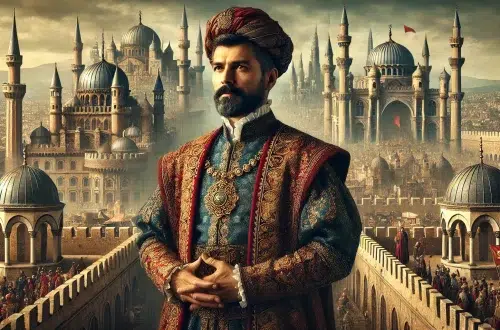
Ivan IV Vasilyevich, known as Ivan the Terrible, became the first Tsar of Russia in 1547. His rule was a key moment in 16th-century Russia. It changed the Tsardom of Russia for many years.
He ruled with power, fear, and violence. Many remember him for killing his own son, but his story includes more than just cruelty. Ivan changes Russian politics, expands its borders, and leaves behind a lasting name.
Learn more about other powerful leaders:
- Origins of Genghis Khan and the Mongol Empire
- Genghis Khan vs. Alexander the Great: Battle of Empires
- Kublai Khan: Emperor & Grandson of Genghis
Early Life and Rise to Power

When Was Ivan the Terrible Born?
Ivan the Terrible was born into royalty on August 25, 1530, in Kolomenskoye, near Moscow. His full name was Ivan IV Vasilyevich.
He was part of the powerful Rurik dynasty. His father, Grand Prince Vasili III, ruled Moscow but died when Ivan was just three years old.
After that, his mother, Elena Glinskaya, served as regent. She ruled in his place until her sudden death when Ivan was eight. Many believe she was poisoned.
After her death, powerful noble families fought for control. Ivan had a tough childhood as the Grand Prince of Moscow and lived in fear and isolation.
Early Life of Ivan
These early years shaped his deep mistrust of others and his hunger for power. He saw how the Russian nobility struggled for power and faced corruption.
As a child, Ivan faced neglect and abuse from the Boyars. Ivan grows up in a hostile court. The boyars, Russia’s powerful nobles, fight for control of the throne.
They neglect young Ivan and treat him badly. He watches as people around him get beaten, imprisoned, or killed. This violence becomes normal for him.
He learns to read early and studies religion and politics. But fear surrounds him. Ivan starts to torture animals and lash out at servants. His childhood is full of anger and pain. This hard start made him very angry with the aristocracy.
Ivar Becomes the First Tsar of Russia
At 16, Ivan surprises everyone and crowns himself “Tsar of All Russia” in 1547. This new title means emperor. No Russian leader ever used it before. By doing this, Ivan says he rules by divine right—not by the will of the nobles.
Ivan showed he was in control over the Boyars who had ruled for so long.
He builds a powerful empire but uses brutal methods. His rule brings both growth and pain. People call him “Terrible,” but in Russian, the word means strong or awe-inspiring—not evil.
In 1547, Ivan was crowned the first Tsar of Russia. This was a big change for the country. It made him more powerful and started a new era of strong leadership.
During his early years as Tsar, Ivan made big changes:
- He created a strong army
- He made a new law book
- He changed the Russian Orthodox Church
- He started trading with Western Europe more
These steps helped make Russia stronger and more united. Ivan’s rise to power was the start of a complex and famous reign in Russian history.
Ivan’s Personal Life and Marriages
Marriage to Anastasia
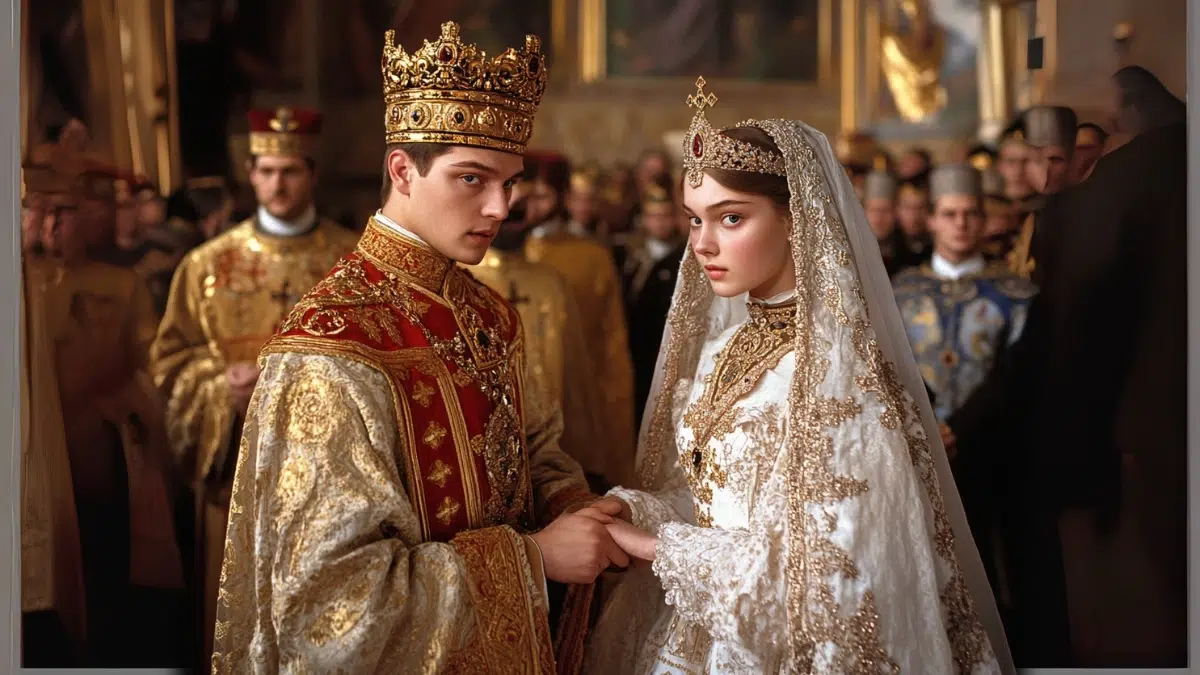
Ivan’s life was filled with turmoil and tragedy. He marries Anastasia Romanovna, who brings calm to his life.
Anastasia becomes Tsarina in 1547. She is kind, wise, and loyal. Many say her calm nature helps balance Ivan’s dark moods. He was happily married to Anastasia, who brought him joy and stability.
While she lives, Ivan rules more peacefully. Together, they have six children, but only two sons survive infancy: Ivan and Fyodor, who could have been future rulers.
With her help, Ivan starts reforms. He creates new laws, strengthens the church, and improves how taxes work. People see hope in these early years.
In 1560, Anastasia suddenly became sick and died. Ivan believes the boyars poisoned her. Rage returns to him. This loss shatters him. He no longer trusts anyone.
He grows suspicious of the boyars and starts punishing those he blames. Her death marks the start of his violent reign and the creation of the Oprichnina.
His rule becomes darker, and fear spreads across Russia.
Ivan’s early life shapes the Tsar he becomes—brilliant, broken, and brutal.
Life After Anastasia
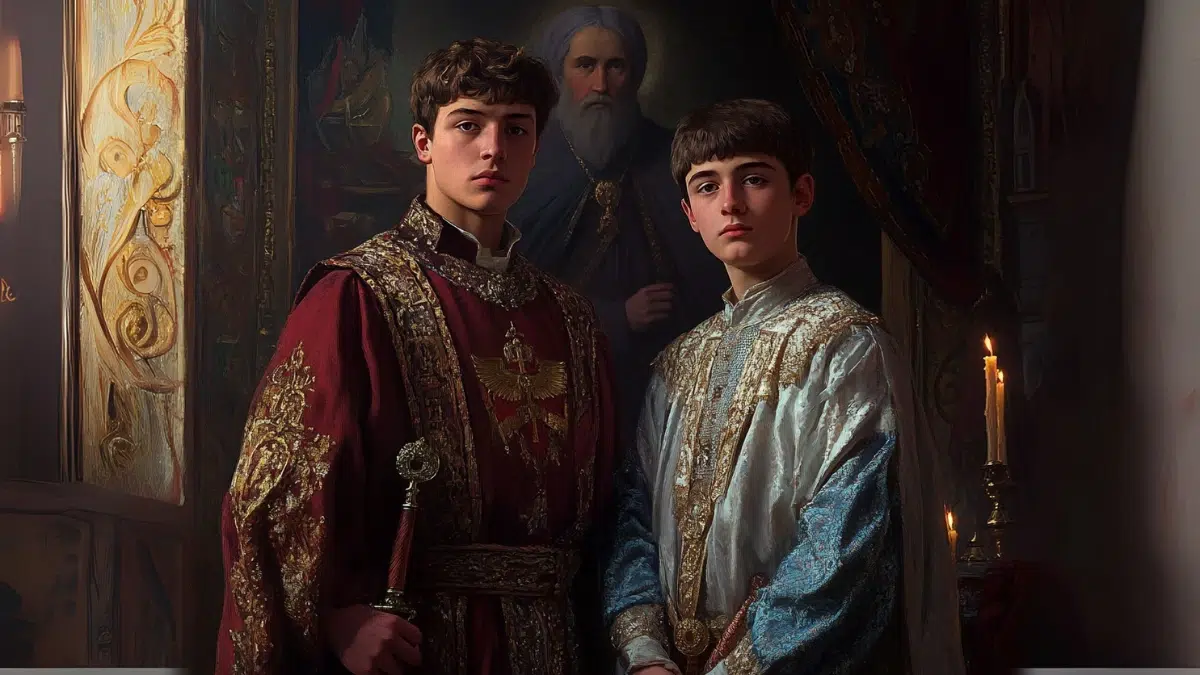
After losing Anastasia, Ivan marries multiple times—possibly as many as eight—although the church only allows three.
Some die mysteriously. Others are sent to convents. One wife, Maria Nagaya, gives birth to his youngest son, Dmitry. Later, Dmitry dies in a strange accident, which adds more pain to the royal family’s story.
Ivan often chooses his wives without approval from the church or the noble class. This leads to tension. His behaviour grows more unpredictable. Some marriages seem more political than personal.
His personal life reflects his rule—unpredictable, dangerous, and full of fear. Ivan searches for love and loyalty but destroys what he finds. His many marriages bring little peace and only more conflict.
His marriage to Maria Temryukovna was especially difficult. She was known for her strong temper, which might have made Ivan’s behavior worse. Their marriage was full of rumours about violence and cheating.
Ivan’s personal losses deeply affected him. Losing his first wife and some of his children made him paranoid and unstable. In a rage, he hit his son and heir, Ivan Ivanovich, causing his death.
This act removed a future ruler and left Ivan in deep sadness.
- Anastasia Romanovna: Ivan’s first and most beloved wife
- Maria Temryukovna: Second wife, known for her fiery temperament
- Six more marriages followed, each ending in tragedy or divorce
- Ivan’s violent outbursts affected his family life and rule
The tsar’s personal life greatly influenced his rule. His unstable relationships and family tragedies made him more tyrannical. This shaped Russian history.
Why Was Ivan the Terrible Called “Terrible”?
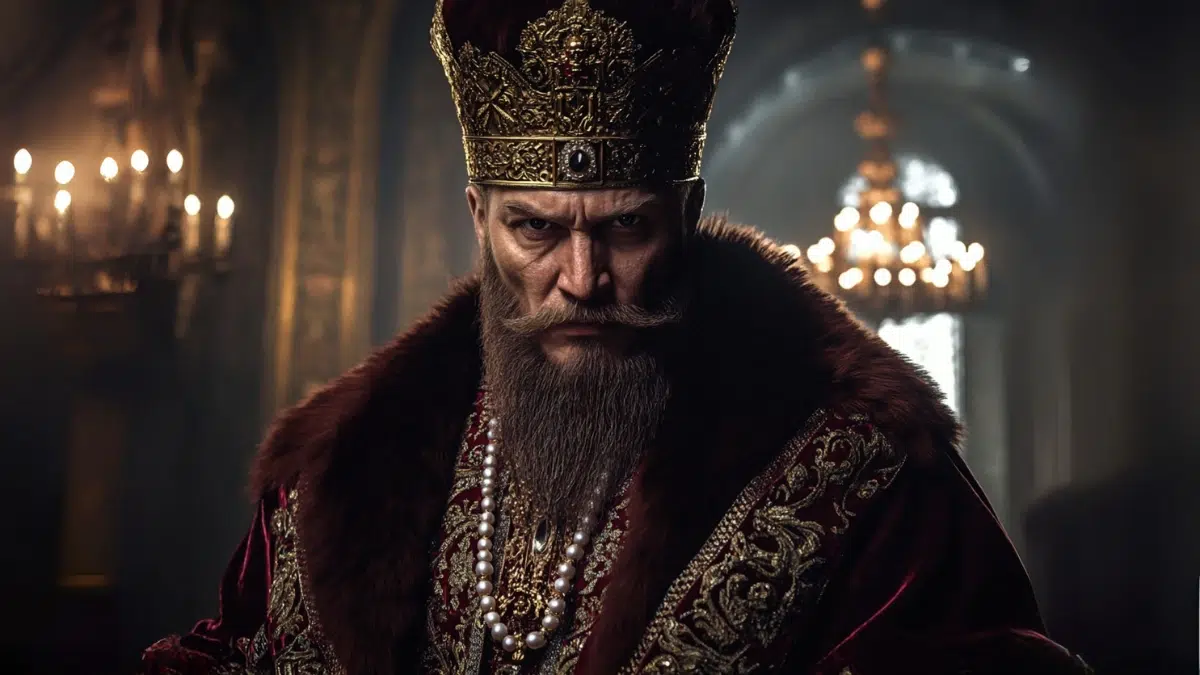
People call Ivan IV “the Terrible,” but the word meant something different in old Russian. It meant “fearsome,” “awe-inspiring,” or “powerful.” Ivan ruled with absolute control and punished enemies with cruelty. His actions shocked people and earned him this title.
Ivan believed he ruled by God’s will. Anyone who challenged him became an enemy. He did not forgive mistakes. Many feared his anger.
After his wife Anastasia died, Ivan changed. He grew paranoid and violent and blamed nobles, especially the boyars, for plotting against him.
He destroyed entire towns and ordered mass killings. His decisions often made people suffer. But Ivan also helped build a stronger central government. He expanded Russia’s borders and made the Tsar more powerful than ever before.
The title “Terrible” captured both sides of Ivan. He was clever and ruthless, holy and violent. People never forgot what he did—or how he did it.
In 1565, Ivan creates the Oprichnina. It becomes his personal army and secret police. He uses it to control nobles, crush rebellions, and spread fear.
The Oprichnina: Ivan’s Reign of Terror
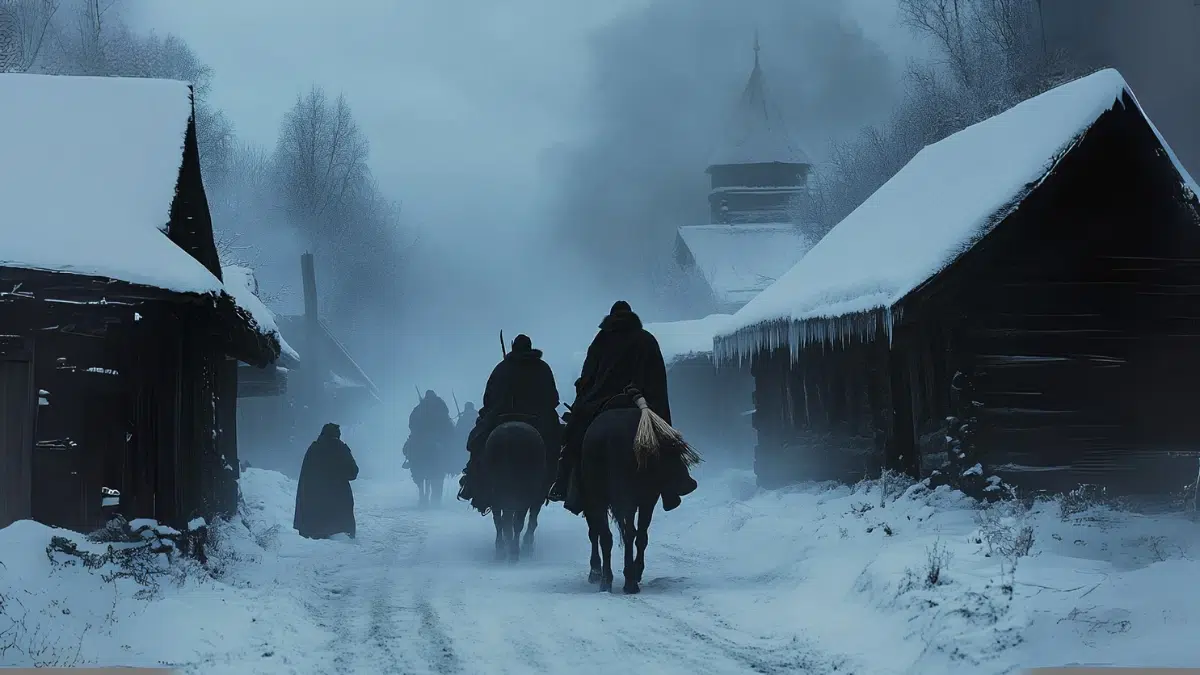
Ivan the Terrible’s rule took a dark turn with the creation of the Oprichnina in 1565. This marked the start of intense political repression in Russia. Ivan formed a secret police force called the Oprichniki. These black-clad horsemen spread fear across the land.
Oprichniki wear black clothes and ride black horses. They carry a dog’s head and broom—symbols of hunting enemies and sweeping away traitors. They torture, arrest, and kill anyone Ivan sees as a threat. No one feels safe.
Ivan gives himself full control over certain parts of Russia. These areas fall under the Oprichnina’s rule. Regular laws no longer apply. People face surprise raids and brutal punishments. Thousands die.
The Oprichniki carried out brutal attacks on the boyars, Russia’s noble class. These boyar purges eliminated many powerful families who opposed Ivan’s rule. The tsar seized their lands and wealth, consolidating his power.
One of the most horrific events during this time was the Novgorod massacre. Ivan believes its people plan to join Poland.
In 1570, Ivan led his forces to the city, suspecting treason. The result was a bloodbath. Thousands of citizens were killed, homes were burned and the city was left in ruins.
Ivan uses fear to keep power. He believes this terror keeps order. But it also weakens Russia’s economy and population. Farms get destroyed. Trade drops. Many people flee.
The Oprichnina period lasted until 1572, leaving a lasting impact on Russian society but the damage remains. Ivan’s reign changes Russia forever. His rule shows what happens when one man holds too much power. It turns into violence, fear, and chaos.
It weakened the nobility, strengthened Ivan’s absolute power, and set a precedent for future political repression in Russia.
What Did Ivan the Terrible Do?
Ivan the Terrible changes Russia in many ways. He grows the Russian empire and strengthens the power of the Tsar. But his actions also cause fear, death, and destruction.
Expands Russia
Ivan expands Russia’s land through war. He leads successful campaigns against the Khanates of Kazan and Astrakhan.
These lands belong to the Mongol descendants who once ruled Russia. By defeating them, Ivan gains control over the Volga River and opens trade routes to Asia. These victories turn Russia into a growing empire.
Military Campaigns and Expansions
Ivan’s rule brought big military wins that grew Russia’s land. His victory over the Kazan Khanate in 1552 was a big deal. Russian troops used new guns to break through Kazan’s walls. This move gave Russia a lot of new land along the Volga River.
Then, Ivan’s army took the Astrakhan Khanate in 1556. This win gave Russia a path to the Caspian Sea and trade links to Persia. These battles against the Tatars made Russia more powerful in the area.
The Livonian War started in 1558 as Ivan wanted to reach the Baltic Sea. This fight against Sweden, Poland-Lithuania, and Denmark was tough. Russia had some wins early on but lost land and faced economic troubles later.
During Ivan’s time, Russia began to move into Siberia. Cossack leader Yermak Timofeyevich led groups east of the Ural Mountains. This move set the stage for Russia’s future as a huge empire across two continents.
- Conquest of Kazan Khanate (1552)
- Capture of Astrakhan Khanate (1556)
- Livonian War (1558-1583)
- Beginning of Siberian expansion
Modernizes the Country
He tries to modernize the country.
Ivan reforms the law system by creating a new legal code. This code, called the Sudebnik of 1550, sets rules for taxes, trials, and punishments. He also gives more structure to the Russian Orthodox Church. He supports local church leaders and creates a council to make key decisions.
Ivan builds grand structures, too.
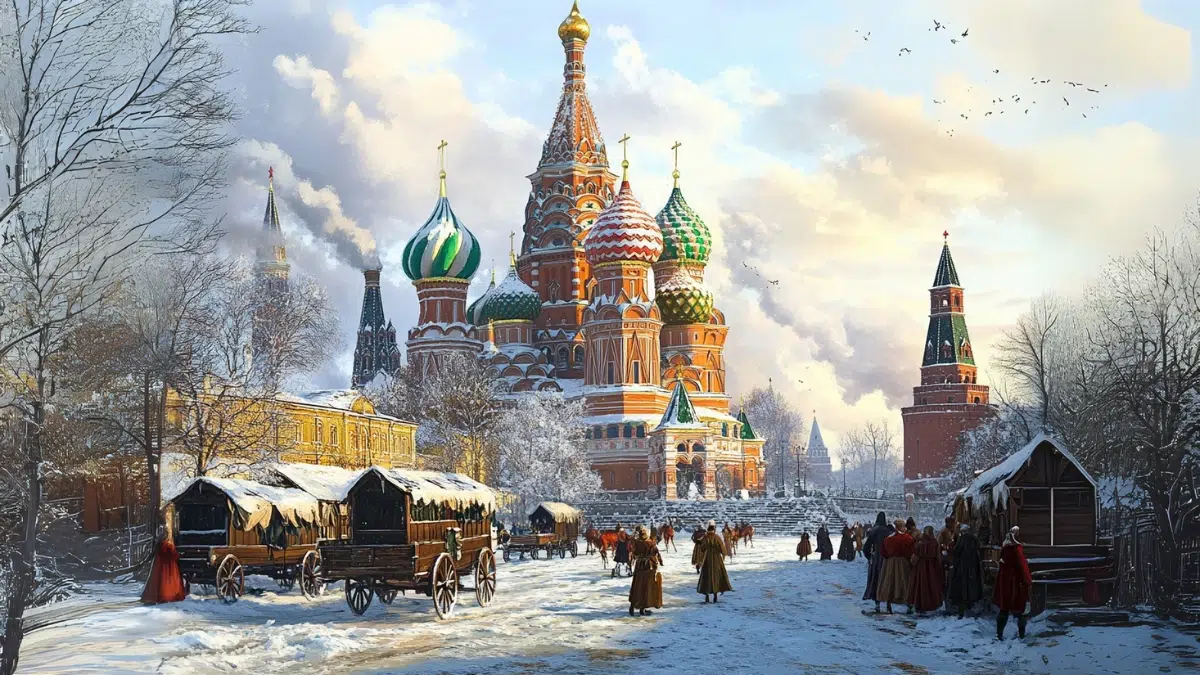
One of his most famous projects is St. Basil’s Cathedral. Located in Moscow’s Red Square, it marks the victory over Kazan. Its colourful domes and bold design still impress visitors today.
Destroys the Boyars
But Ivan also destroys. He does not trust the boyars, Russia’s noble families. Many lose their land or their lives. He uses the Oprichnina to target anyone he sees as a threat.
His rule mixes growth with fear. He helps shape Russia into a strong empire, but the cost is high. Thousands die, cities suffer, and power becomes deadly in one man’s hands.
Ivan the Terrible remains one of history’s most feared rulers. He builds a legacy of strength and terror that still echoes through Russian history.
Why Did Ivan the Terrible Kill His Son?
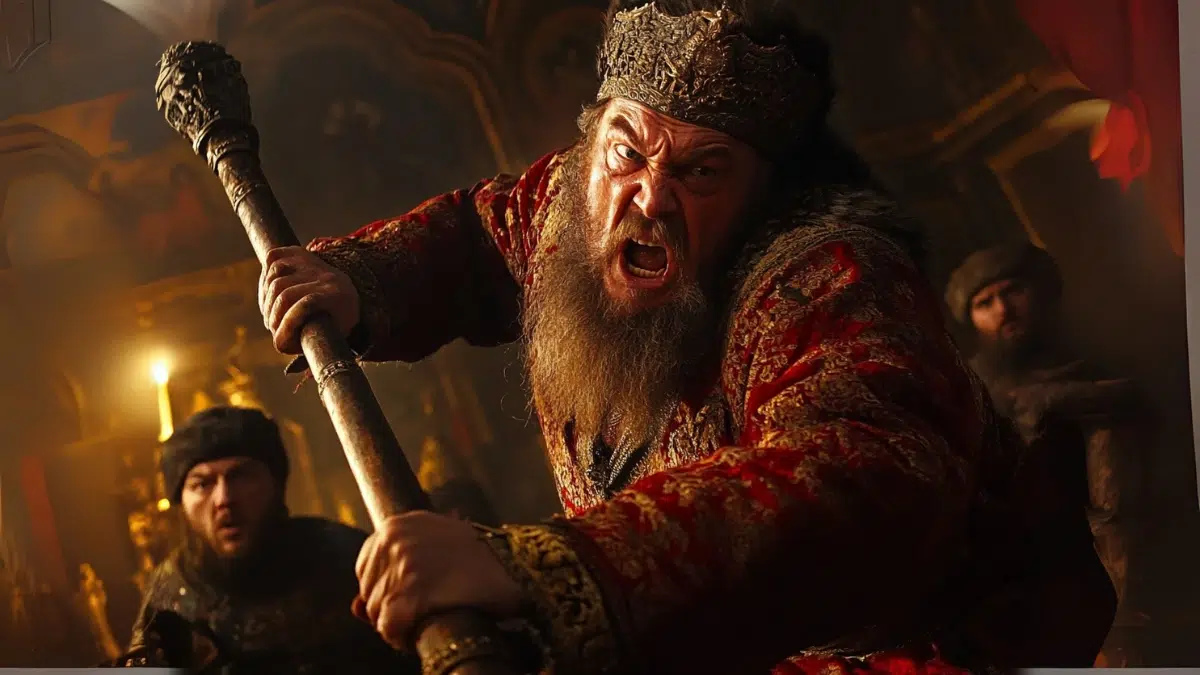
One of the darkest moments in Ivan the Terrible’s life is the death of his own son.
In 1581, Ivan had a violent argument with his eldest son and heir, also named Ivan. The fight ends with the Tsar striking his son in the head with his staff. The blow is so strong that the young man collapses. A few days later, he dies from the injury.
The fight begins over a personal issue. Ivan’s daughter-in-law is pregnant and wears light clothing during a visit. Ivan becomes angry. He believes she is not dressed modestly and may risk the baby’s health. In a fit of rage, he beats her. She later loses the child. His son, horrified, confronts his father.
They argue loudly. Tempers flare. Ivan, filled with anger and paranoia, lashes out. He strikes his son in a moment of fury. As soon as he realizes what he has done, he breaks down. Some reports say he cradles his son’s body and cries, repeating, “I have killed my son!”
Ivan faces no punishment for the act. As Tsar, no one dares to challenge him. The death deeply affects him. It leaves him without a strong heir and creates a crisis in Russia’s future leadership. His younger son, Fyodor, takes the throne later but proves weak and sickly.
This tragic moment shows how Ivan’s violent temper destroys even those closest to him. It also marks the beginning of what historians call the “Time of Troubles,” a period of famine, war, and weak leadership. The loss of his son is not just personal—it changes the future of Russia.
This story reveals more than just Ivan’s cruelty. It shows the danger of unchecked power. Even kings cannot escape the damage they cause when anger controls them.
How Did Ivan the Terrible Die?
Ivan the Terrible dies on March 18, 1584. He is 53 years old. His final moments take place during a quiet game of chess. He sits in his study at the palace in Moscow. Suddenly, he collapses. Servants rush to help him, but it is too late. Ivan dies on the spot.
Many believe he suffers a stroke or heart attack. His health has been poor for years. He deals with joint pain, mood swings, and severe depression. His violent outbursts and paranoia grow worse over time. Some say he also suffers from mercury poisoning, possibly from the medicine he takes.
Others believe his death may not be natural.
Some claim he is poisoned by enemies who fear what he might do next. Even members of his court may want him gone. But there is no clear proof of murder.
In 1963, Soviet scientists examine his remains and find high levels of mercury. Still, this could come from treatments common in that era—not poison.
After his death, Russia falls into crisis. His weak son, Fyodor, becomes Tsar but cannot lead effectively. This begins the “Time of Troubles,” a period filled with famine, war, and chaos.
Ivan’s death ends one of the most terrifying reigns in Russian history. He leaves behind a larger empire, but also a broken and fearful country. His name stays in history not only for what he builds—but also for what he destroys.
Even today, people debate how he really dies. Was it illness, poison, or fate catching up with him? No one knows for sure.
The Tsar’s Artistic and Cultural Contributions
Ivan the Terrible is best known for war and violence. But he also shapes Russia’s culture and religion. He supported the arts, literature, and architecture. His reign brings artistic growth, church reform, and iconic buildings.
Commissioned St. Basil’s Cathedral
One of his most famous contributions is St. Basil’s Cathedral.
Ivan orders it built to celebrate his victory over Kazan in 1552. The cathedral stands in Moscow’s Red Square. Its colourful onion-shaped domes become a symbol of Russia.
No building in Russia looks like it at the time. People say Ivan blinds the architect so he can never build anything like it again—but this story is likely a myth.
Established Russia’s first printing press in Moscow
Ivan also supports the printing press. In 1564, Russia produces its first printed book, a religious text. Ivan backs this project, hoping to spread learning and control church teachings. Printing helps unify religious practices across the growing empire.
Under Ivan, literature thrived. This made books and educational stuff easier to get. Ivan was also a talented writer. He wrote letters, religious texts, and even music for church services.
He sends sharp, angry letters to his enemies, filled with insults and threats. These letters reveal his thinking and style. Some historians consider Ivan Russia’s first Tsar-writer.
Ivan also supported the arts in other ways. He brought in foreign craftsmen to share their skills. This brought new ideas to Russian art. The Tsar’s time saw big steps forward in painting, metalwork, and textiles. These advances helped set the stage for Russian culture’s future.
Supported Russian Orthodox Church expansion
Ivan helped make the Russian Orthodox Church stronger. He built many churches and monasteries all over the country. These places became centers for learning and art. The Tsar also backed the creation of religious texts and icons. This helped keep and grow Russian Orthodox traditions.
He plays a key role in shaping the Russian Orthodox Church. Ivan calls a council to set rules for how priests act and what they teach. He wants order in the church, just like in his government. Religion becomes a tool to support his power.
Though feared as a ruler, Ivan does leave a cultural mark. He builds bold landmarks, promotes religion, and helps launch Russian publishing. These actions show another side of the Tsar—one that seeks to shape not just power, but also Russian identity.
Ivan the Terrible: Master of the Bow

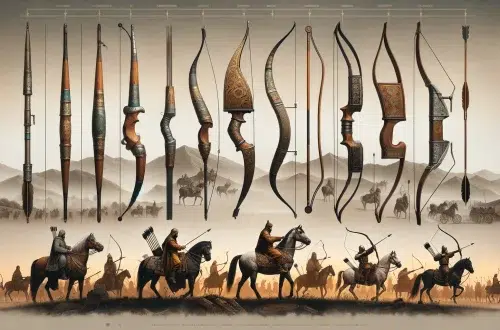
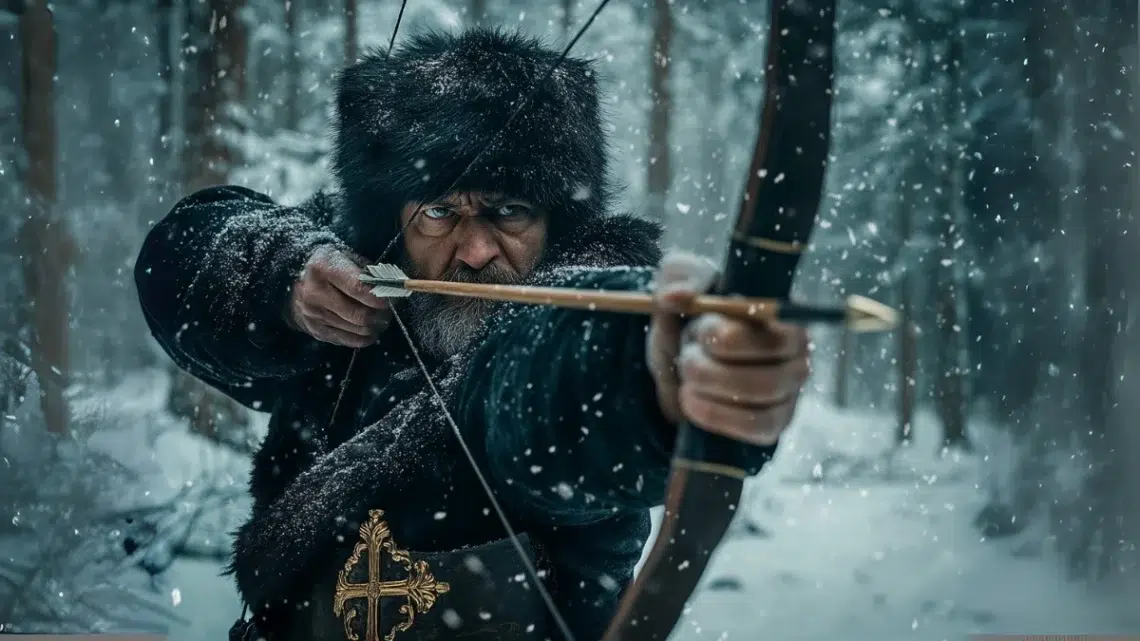
Ivan the Terrible ruled with fear—but he also ruled with precision. Archery was one of his favourite pastimes. As a child, he learned to shoot like many noble boys. But Ivan trained harder. He practised often and became a skilled marksman.
Stories describe him hitting small targets with ease. He competed in tournaments and impressed nobles and soldiers alike. For Ivan, archery was more than a game. It was a symbol of control, focus, and strength.
He sometimes used archery to show dominance. If someone angered him, he might force them to watch him shoot—or use it to punish. The bow became both a weapon and a warning.
Archery gave Ivan rare peace. In a life filled with battles and betrayals, it offered focus. Drawing the bow sharpened his mind and gave him a sense of calm.
Though best known for terror and war, Ivan’s love for archery reveals another side. He valued skill, discipline, and the quiet power of the bow. His accuracy made him even more feared. It showed his control and strength—traits central to his rule.
Archery was also key to Russian culture. Ivan led hunting trips that doubled as military training. These events thrilled the court and prepared soldiers for war. His passion for archery helped shape his image as a complex and commanding leader.
Legacy and Impact on Russian History
Ivan the Terrible’s rule deeply influenced Russian history. His leadership molded the future of Russia, affecting society for centuries. His tough policies and many wars weakened Russia. This led to the Time of Troubles.
After Ivan died, Russia faced a hard time that lasted until 1613. This period was filled with famine, foreign attacks, and internal conflicts. The turmoil ended with the Romanov dynasty taking power. They ruled Russia for 300 years and built the Russian Empire.
People have different views on Ivan’s rule. Some call him a cruel tyrant. Others believe he was a strong leader who brought Russia together. His actions helped Russia become a major world power.
Despite the debate, Ivan’s effect on Russian culture and government is clear. His story still interests historians and affects talks on Russian leadership and building a strong state today.