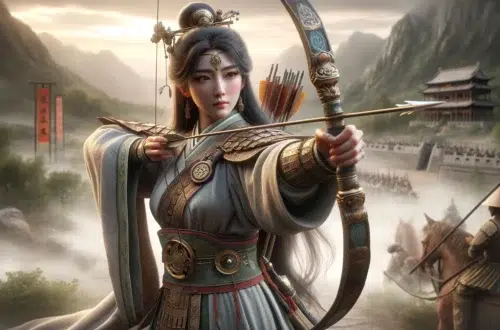

India Women of Warfare: Heroines, Warriors and Leaders
India Women of Warfare shines a light on incredible heroines who show bravery, strength, and leadership throughout history. These women defend their people and lead armies. Some fight in battles, while others lead with wisdom and fairness. They prove that courage knows no limits.
From queens like Rani Lakshmibai and Razia Sultana to warriors like Mai Bhago and Onake Obavva, these women inspire. Each story shows determination and the fight for justice.
These heroines protect their kingdoms, challenge injustice, and lead with honour. Their stories remind us that anyone can stand strong and make a difference.
Learn about other warrior women:
- 20 Native American Women Warriors, Leaders & Diplomats
- Brave Women Disguised As Men Join Their Nation’s Military
- Female Warriors in History Defying Gender Norms
India Women of Warfare: Razia Sultana
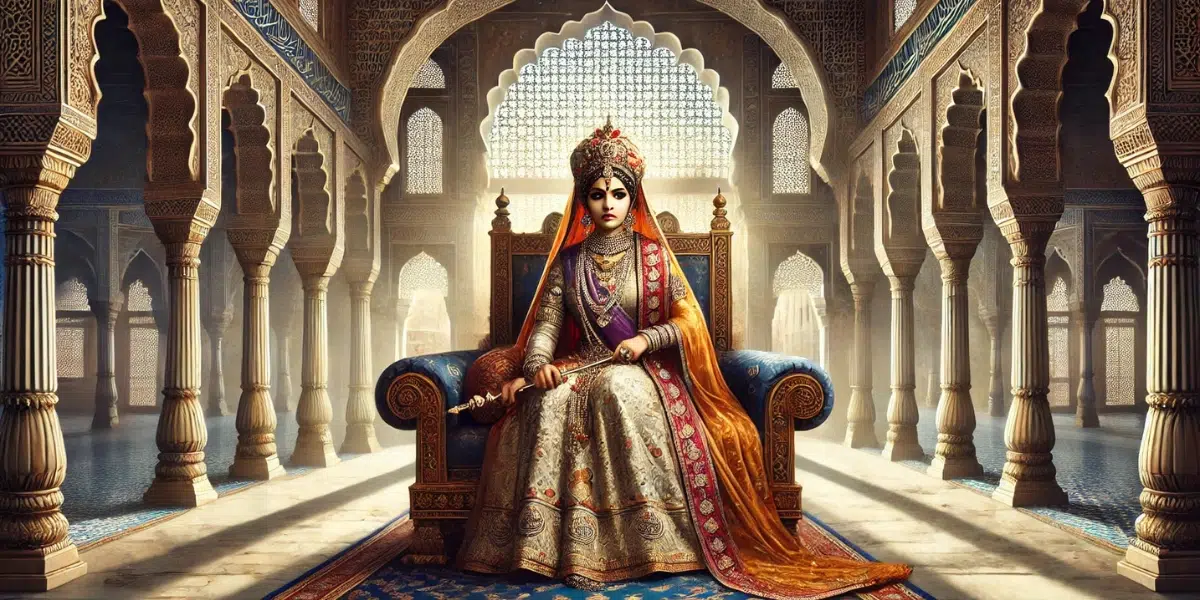
- Year: 1205–1240
- Title: First and Only Female Ruler of the Delhi Sultanate
- Known For: Leading her armies into battle and governing her kingdom with fairness.
Razia Sultana, the first and only female ruler of the Delhi Sultanate, leads with strength, intelligence, and determination. She takes charge of her kingdom and proves that women can rule as effectively as men. Her leadership inspires people and shows that bravery knows no gender.
Razia Sultana commands her armies during battles, riding into war alongside her soldiers. She wears armour, carries weapons, and leads from the front. Her presence on the battlefield boosts the confidence of her troops and strengthens their resolve to protect the kingdom.
She focuses on fairness and justice while ruling. She works to improve her people’s lives by building schools, encouraging trade, and supporting education. Her decisions show that she cares about the well-being of her kingdom.
Razia Sultana faces challenges from those who do not want a woman to rule, but she stands strong. She uses her wisdom and courage to defend her position and protect her people.
Her story teaches the importance of courage, intelligence, and leadership. Razia Sultana proves that women can lead nations and inspire others. Her legacy continues to remind us of the power of determination and the ability to break barriers. She remains a symbol of strength and leadership.
India Women of Warfare: Mai Bhago
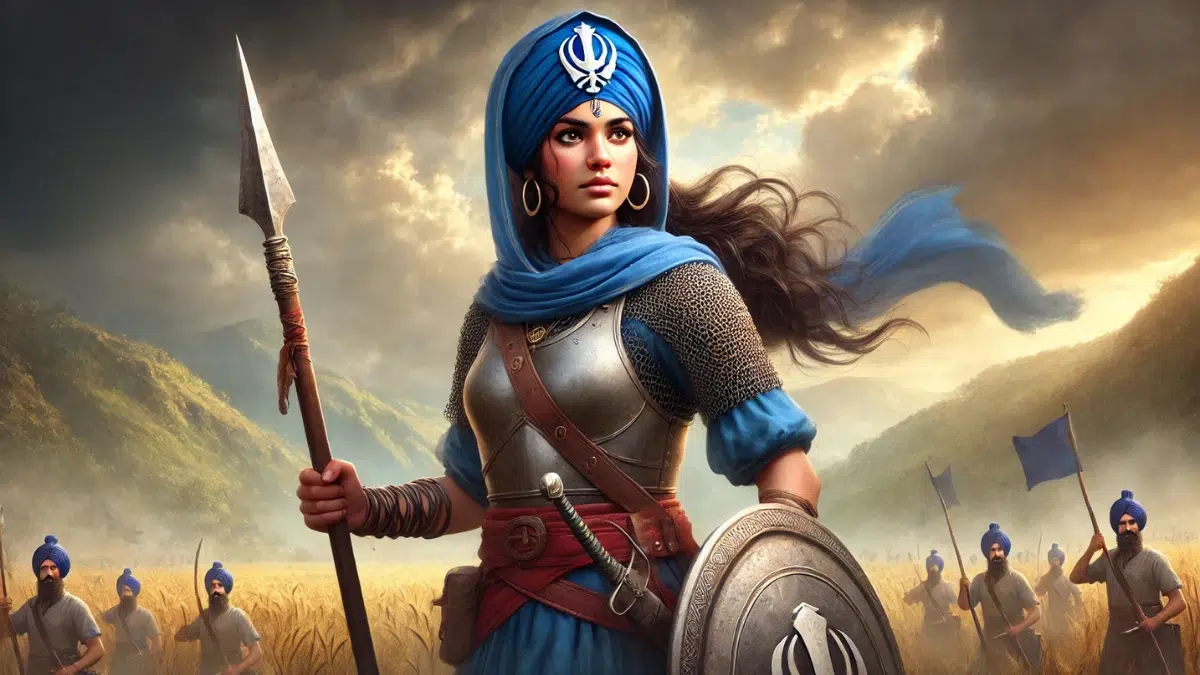
- Year: Early 18th century (specific years vary)
- Title: Sikh Warrior
- Known For: Leading Sikh soldiers back into battle and fighting against the Mughal army.
Mai Bhago, a Sikh warrior, stands as a powerful symbol of courage and faith. She fights bravely against the Mughals to protect her people and her beliefs. Her actions inspire countless others to stand strong, even in the face of great danger.
When some Sikh soldiers leave the battlefield out of fear, Mai Bhago doesn’t lose hope. She encourages them to return and fight for their cause. Her words and determination give them the strength to rejoin the battle. She then leads these soldiers into a fierce fight against the Mughal army.
Mai Bhago’s bravery doesn’t stop with her leadership. She fights alongside her fellow soldiers, armed with her sword and shield. Her skill and courage in battle show her unshakable commitment to protecting her people and her faith.
After her heroic fight, Mai Bhago dedicates her life to spiritual practice and becomes an inspiration for Sikhs everywhere. Her story teaches us the importance of standing up for what is right, even when the odds seem impossible.
Mai Bhago’s legacy reminds us that true strength comes from courage and conviction. She remains a shining example of how determination and faith can create lasting change.
Other Warrior Queens:
India Women of Warfare: Kaikeyi
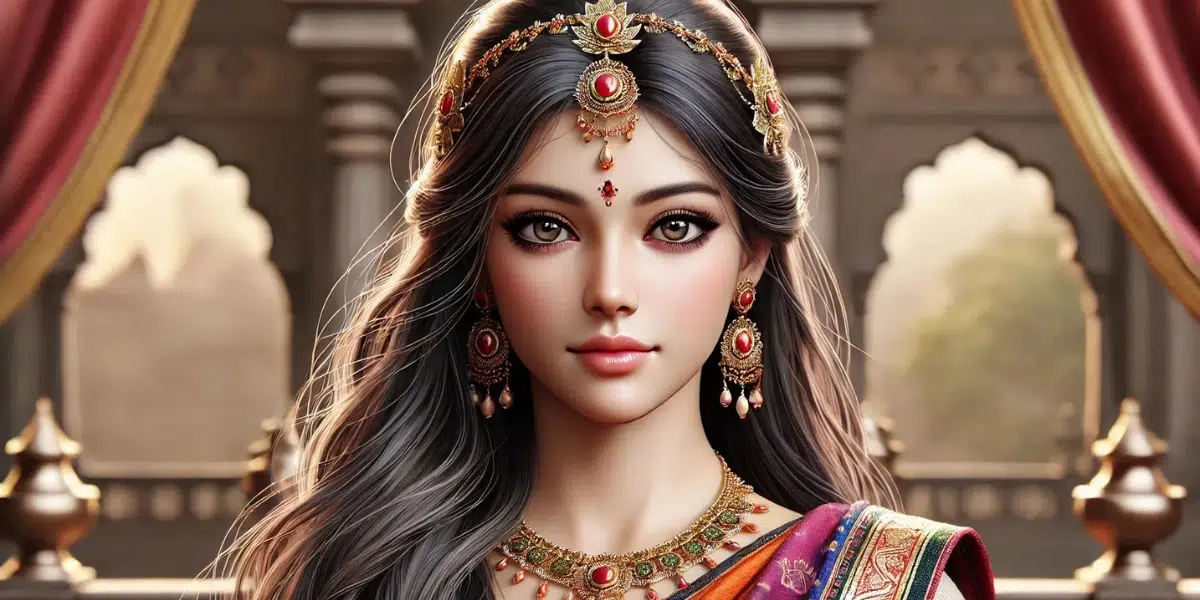
- Year: Mythological figure (no specific dates)
- Title: Queen in the Epic Ramayana
- Known For: Influencing the epic by sending Prince Rama into exile, setting key events into motion.
Kaikeyi, a queen in the epic Ramayana, stands out for her bravery and martial skills. She plays a crucial role in the story, showing strength and intelligence. Kaikeyi learns the art of warfare and becomes a skilled charioteer, often fighting alongside her husband, King Dasharatha.
In one story, Kaikeyi saves King Dasharatha during a fierce battle. She uses her quick thinking and courage to protect him, earning his deep gratitude. Her martial prowess makes her one of the most respected queens in the kingdom.
Kaikeyi also influences the Ramayana’s central events. She requests two boons from King Dasharatha, which he promises to grant. She uses these boons to send Prince Rama, the king’s eldest son, into exile. This decision sets the stage for the epic’s main adventures and lessons.
Though Kaikeyi’s choices create challenges, they also teach important lessons about duty, love, and forgiveness. Her actions remind us that everyone makes decisions that shape their story.
Kaikeyi’s character in the Ramayana shows strength, intelligence, and complexity. She inspires us to think about the impact of our choices. Her story remains a vital part of the epic, teaching lessons about courage and responsibility.
India Women of Warfare: Onake Obavva
- Year: 18th century (specific year unknown)
- Title: Heroine from Karnataka
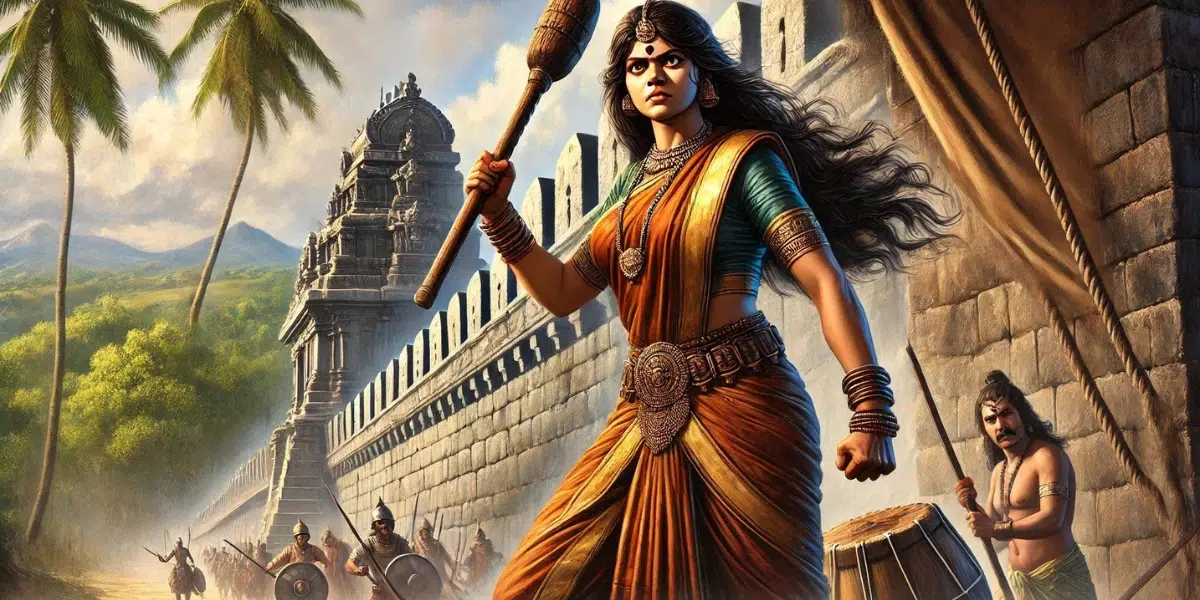
- Known For: Defending a fort with a wooden pestle against Hyder Ali’s troops.
Onake Obavva, a brave heroine from Karnataka, defends her fort against Hyder Ali’s troops with incredible courage. She becomes a symbol of strength and bravery, showing how one person can make a big difference in protecting their land.
Obavva uses her onake, a simple wooden pestle, as her weapon. When she sees enemy soldiers trying to sneak into the fort through a small tunnel, she doesn’t hesitate. She stands her ground and fights back, stopping the invaders one by one. Her quick thinking and fearless actions protect the fort and inspire others.
She defends her people with no armour or army, only her courage and determination. Her bravery shows how ordinary tools can become powerful when used with purpose. Obavva’s actions save many lives and keep her fort safe during a critical moment.
Today, Onake Obavva is remembered as a hero in Karnataka’s history. Her story reminds us that anyone, no matter their size or resources, can show courage and defend what is right. Obavva’s strength continues to inspire people to stand up against challenges and protect their communities. Her legacy proves that bravery comes from the heart, not just weapons or numbers.
India Women of Warfare: Ahilyabai Holkar
- Year: 1725–1795
- Title: Maratha Queen
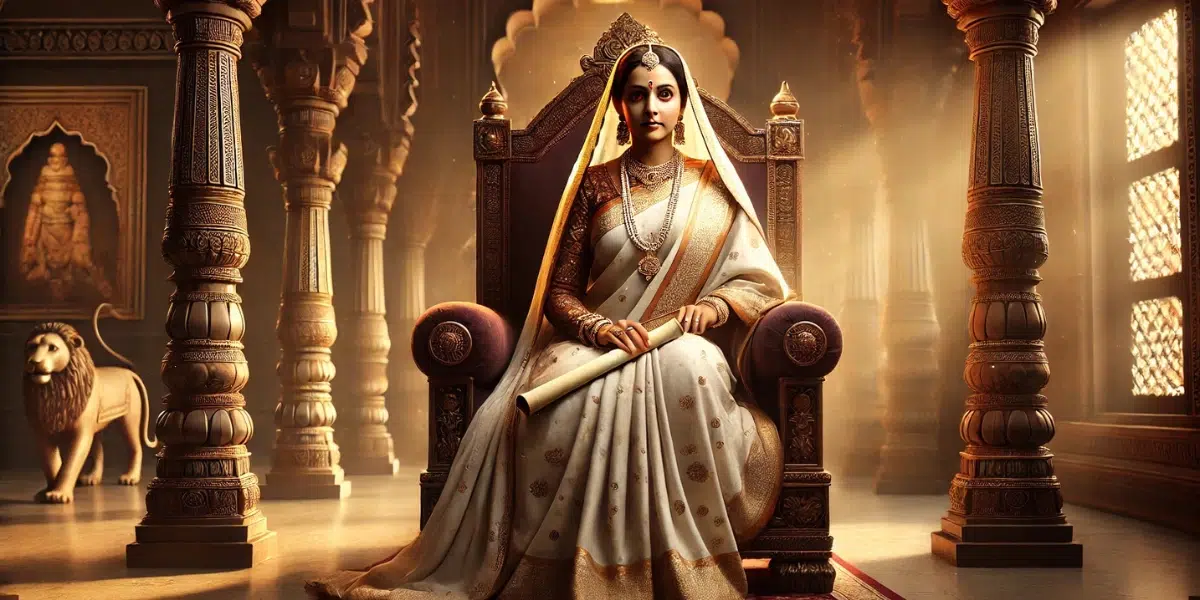
- Known For: Excellent administrative skills and building temples and infrastructure for her people.
Ahilyabai Holkar, a Maratha queen, leads with wisdom, bravery, and kindness. She governs her kingdom with fairness and strength. People remember her as a ruler who cared deeply for her people and their well-being.
Ahilyabai takes charge during battles and defends her kingdom from threats. She plans strategies and inspires her army to fight bravely. Her leadership keeps her land safe and strong. She shows how a queen can rule with courage while also protecting her people.
As a ruler, Ahilyabai focuses on improving her kingdom. She builds temples, wells, and roads to help her people live better lives. She also encourages education and supports those in need. Her actions bring prosperity and peace to her kingdom.
Ahilyabai leads with compassion and fairness, making her beloved by her people. She listens to their concerns and works to solve problems quickly. Her dedication shows that great leaders think about others before themselves.
Ahilyabai Holkar’s story teaches us the importance of strong leadership and kindness. She proves that queens can be just as brave and wise as kings. Her legacy inspires people to lead with courage, care for others, and work hard to build a better future.
Other Wise Women Leaders:
- Isabella of France: Medieval Queen & Strategic Diplomat
- Queen Nzinga: Diplomatic Genius Defied Europe
India Women of Warfare: Bibi Sahib Kaur
- Year: 1770–1801
- Title: Sikh Princess and Military Leader
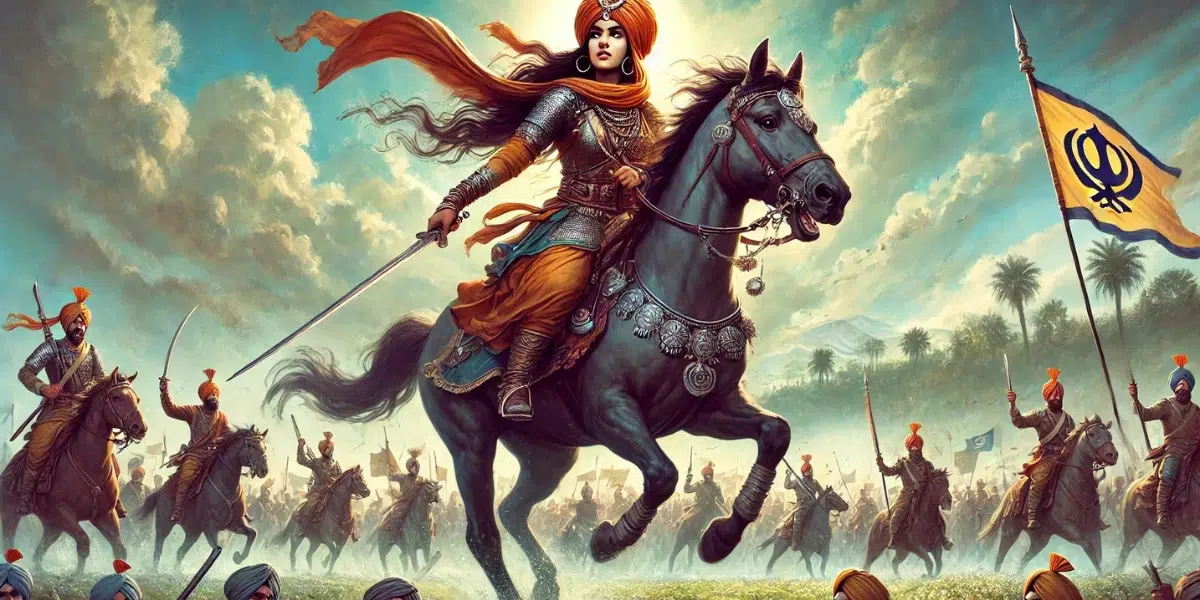
- Known For: Defending her territories against invasions and showing exceptional military leadership.
Bibi Sahib Kaur, a Sikh princess, stands out as a brave military leader who defends her territories with great skill. She comes from a noble family and learns to ride horses, use swords, and lead armies. Her courage and leadership make her a key figure in protecting her land and people.
When enemies threaten her territories, she doesn’t back down. She gathers her army and leads them into battle with confidence. She plans strategies to outsmart invaders and fights fiercely to protect her kingdom. Her actions show how strong leadership can unite people to defend their homes.
Bibi Sahib Kaur doesn’t only fight battles. She also ensures her people feel safe and supported. Her care for her community makes her a beloved leader. She inspires others to stand strong and work together against threats.
Her story reminds us of the importance of courage and determination. She proves that women can lead with strength and wisdom. Bibi Sahib Kaur’s bravery inspires people to protect what matters most and never give up in difficult times. Today, she remains a symbol of leadership and resilience in Sikh history.
Other Warrior Princesses:
India Women of Warfare: Rani Lakshmibai
- Year: 1828–1858
- Title: Queen of Jhansi and Rebellion Leader
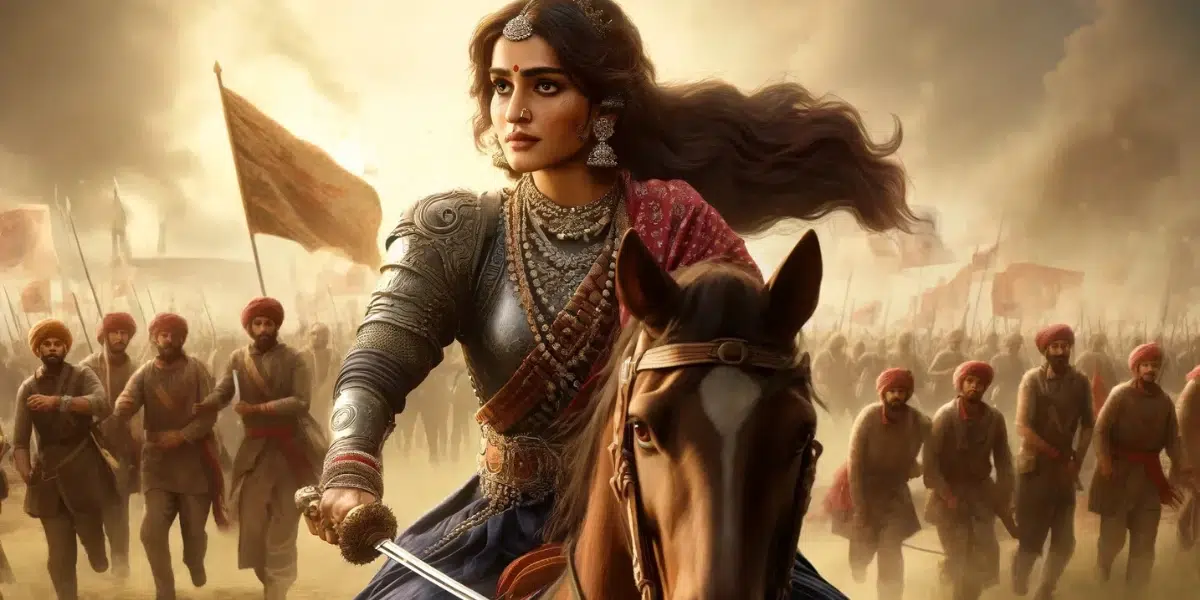
- Known For: Leading her army against the British during the Indian Rebellion of 1857.
She leads her people in the fight against British rule during the Indian Rebellion of 1857. Known for her courage, she becomes a symbol of resistance and bravery.
Rani Lakshmibai learns to ride horses, use swords, and defend herself from a young age. When the British try to take control of her kingdom, she refuses to surrender. Instead, she leads an army to protect Jhansi and its people. Her strength and determination inspire many to join her cause.
She rides into battle dressed in warrior armour, carrying swords and guiding her troops. Stories describe her bravery as she fights to keep her kingdom free. She never gives up, even when facing great challenges.
Rani Lakshmibai’s leadership shows the power of standing up for what is right. She inspires others to believe in freedom and justice. Today, people remember her as a national hero and a symbol of strength. Her story teaches us the importance of courage, resilience, and fighting for what we believe in, no matter how hard the journey seems.
Other Warrior Queens:
India Women of Warfare: Sita Devi
- Year: Indian Rebellion of 1857 (specific years for her life unclear)
- Title: Warrior Queen of Jhansi
- Known For: Fighting alongside others in the Indian Rebellion of 1857 against British rule.
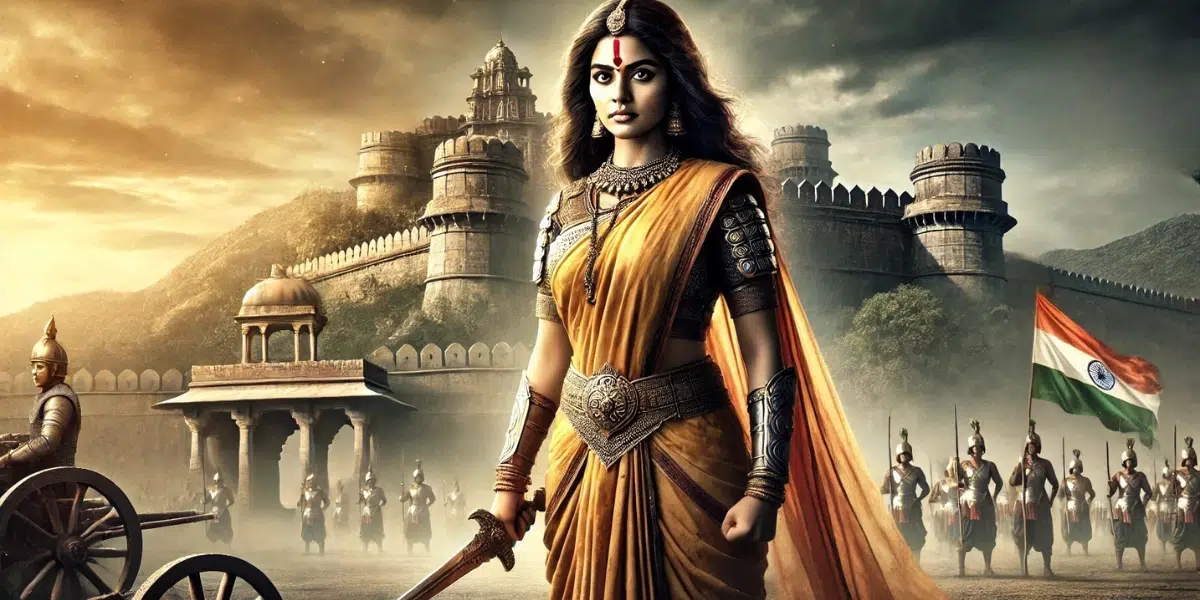
Sita Devi, a warrior queen from the Kingdom of Jhansi, fights courageously against the British during the Indian Rebellion of 1857. She leads her people with determination, showing incredible bravery and strength in one of India’s most important fights for freedom.
When the British threaten her kingdom, Sita Devi refuses to surrender. She gathers her army and prepares to defend her land. She inspires her soldiers with her fearless leadership and encourages them to stand strong against the enemy.
In battle, Sita Devi fights alongside her troops, carrying a sword and shield. Her skill and courage make her a powerful figure in the rebellion. She doesn’t just rely on her soldiers; she personally faces danger to protect her people and her kingdom.
Sita Devi also focuses on uniting her people during the rebellion. She reminds them of their shared goal to fight for freedom and resist British rule. Her leadership gives her people hope and strength.
Sita Devi’s story teaches us the importance of standing up for what is right, even in tough situations. She remains a symbol of courage and determination. Her legacy inspires future generations to fight for justice and protect their land and people.
Other Warrior Queens:
- Trưng Sisters: Brave Warrior Queens of Ancient Vietnam
- Boudica: Celtic Warrior Queen Who Defied Rome
India Women of Warfare: Kiran Bedi
- Year: Born 1949
- Title: First Female Officer in the Indian Police Service
- Known For: Reforming prisons and demonstrating strong leadership during crises.
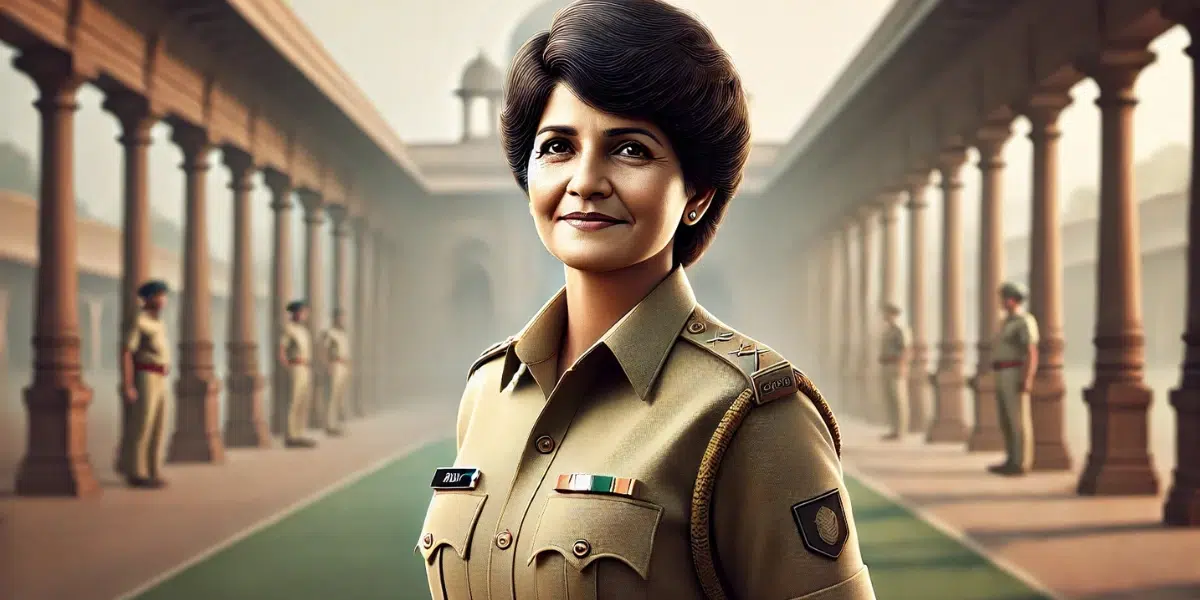
Kiran Bedi became the first female officer in the Indian Police Service, breaking barriers and inspiring millions. She leads with strength and determination, proving that women can succeed in tough roles. Her leadership sets an example for everyone.
Bedi takes charge during challenging situations and ensures law and order. She stays calm in crises and focuses on solving problems quickly. Her actions show courage, discipline, and fairness, making her a respected leader in the police force.
One of her most famous efforts involves reforming prisons. She works to improve the lives of prisoners by introducing education and skill training programs. She believes in giving people a chance to change and contribute positively to society. Her work in this area earns her national and international praise.
Bedi also supports the idea of serving people with honesty and dedication. She uses her position to help others and build a stronger community. Her leadership inspires young people, especially girls, to dream big and work hard.
Kiran Bedi teaches us the importance of courage, fairness, and service. Her story reminds us that strong leaders create positive change by working hard and caring about others. She continues to inspire future generations to lead with purpose and determination.
India Women of Warfare: Gulabi Gang
- Year: Founded in 2006
- Title: Modern Vigilante Women’s Group
- Known For: Fighting against social injustices like violence, corruption, and discrimination in India.
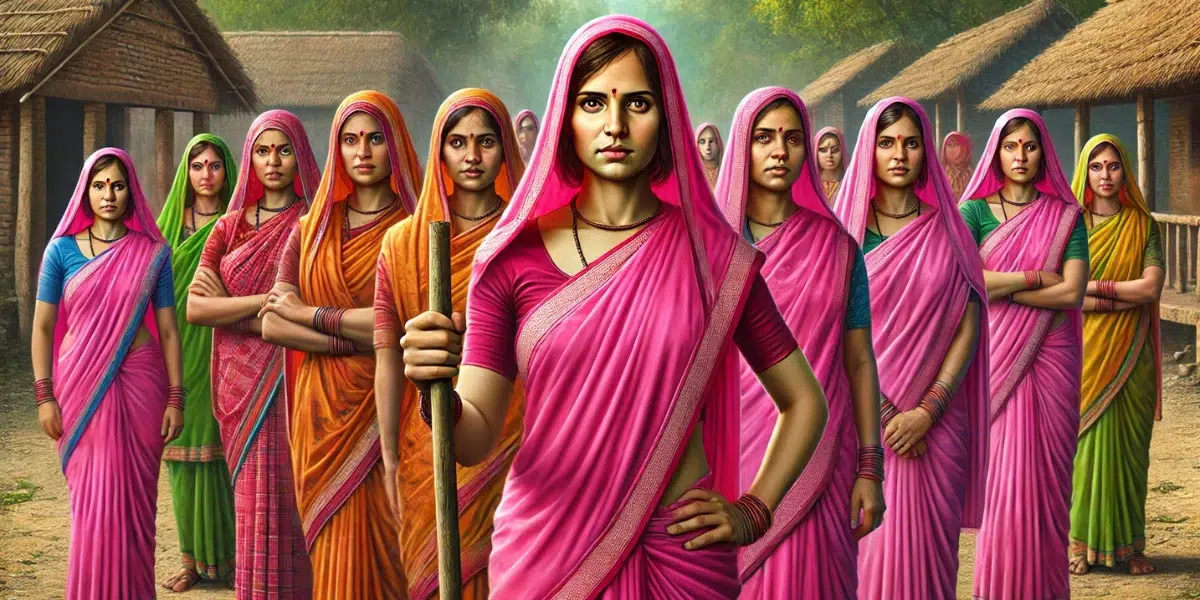
The Gulabi Gang is a group of women in India who fight against social injustices like violence, corruption, and discrimination. These women wear bright pink saris, making them easily recognizable as protectors of fairness and equality. Their name, “Gulabi,” means “pink” in Hindi, symbolizing strength and unity.
The group takes action when women face violence or mistreatment. They stand together to defend those who need help. They approach authorities to demand justice and ensure fair treatment. If authorities refuse to act, the Gulabi Gang steps in to protect victims and bring attention to the issue.
The group also focuses on empowering women. They teach women self-defence skills and encourage them to speak up for their rights. Their work inspires women to challenge unfair practices like forced marriages and dowry demands.
The Gulabi Gang believes that change starts with action. They show how collective effort can make a real difference in fighting injustice. Their bright pink saris remind everyone that courage and unity can transform lives.
The Gulabi Gang teaches us the importance of standing up for what is right. They prove that people, especially women, can bring change by working together and refusing to accept injustice. Their actions inspire hope and strength.
Conclusion