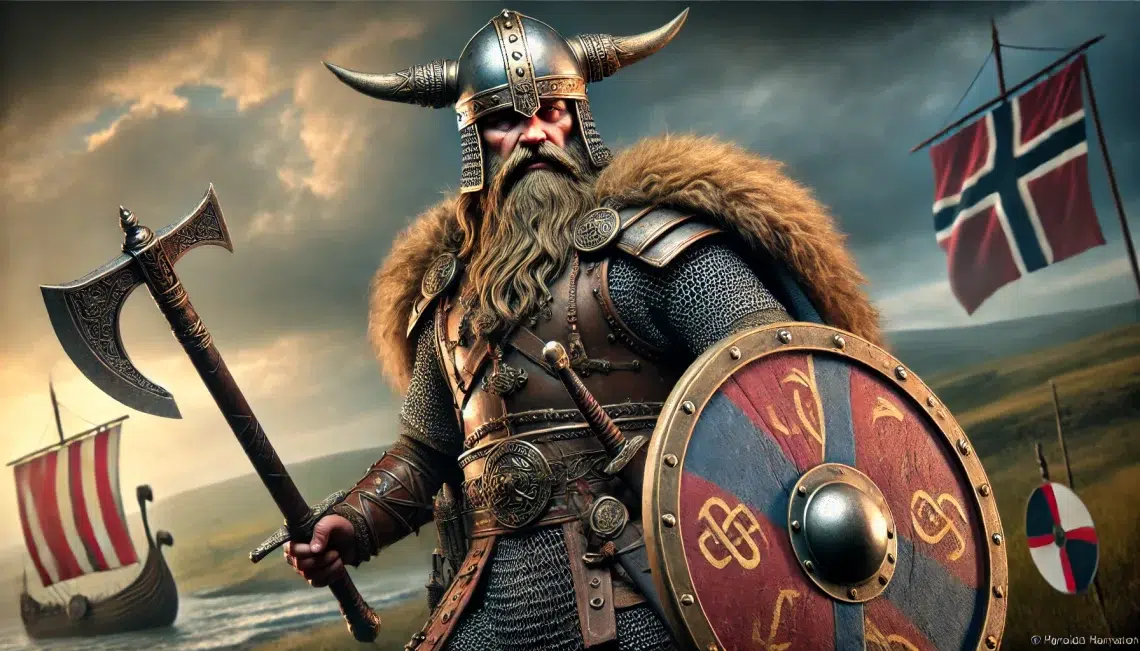
Harald Hardrada: The Last Viking King
Who was Harald Hardrada, and why is he called the last Viking?
Born in Norway, Harald III built his reputation through war, exile, and conquest across Europe.
From serving in the elite Varangian Guard to claiming the Norwegian throne, his life ended dramatically at the Battle of Stamford Bridge in 1066, marking the close of the Viking Age.
Early Life of Harald Hardrada
Harald Hardrada, born in 1015 in Ringerike, Norway, came from a prominent family. His father, Sigurd Syr, was a chieftain, and his mother, Åsta Gudbrandsdatter, was of noble lineage.
Harald came from the Hardrada lineage, tracing back to the fair-haired dynasty. This family was known for its influence and noble roots. His heritage was key in shaping his future, starting a journey filled with battles and royal ambitions.
Harald had a famous half-brother, King Olaf II, also known as Saint Olaf.
He grew up in a Viking childhood filled with tough training. Harald learned how to use weapons and lead from a young age. This training was part of his family’s tradition and needed for the changing world of power and strength.
Harald showed ambition and a rebellious spirit. He admired his half-brother Olaf and aspired to follow in his footsteps. Harald’s strong will and desire for power set him apart from other children. He often engaged in physical training and combat practice, preparing himself for a future in battle.
At the age of fifteen, Harald joined his half-brother Olaf in the Battle of Stiklestad. This major conflict aimed to reclaim Olaf’s throne but ended in defeat. Despite the loss, Harald’s courage and fighting skills stood out. He managed to escape and fled to neighbouring countries, avoiding capture.
Harald’s early experiences shaped his character and ambitions. His determination and bravery marked the beginning of his legendary journey. These traits later helped him become a feared and respected leader. Harald’s early life laid the foundation for his future as “the last great Viking.” His story remains a powerful example of Viking courage and ambition.
Military Beginnings of Harald Hardrada
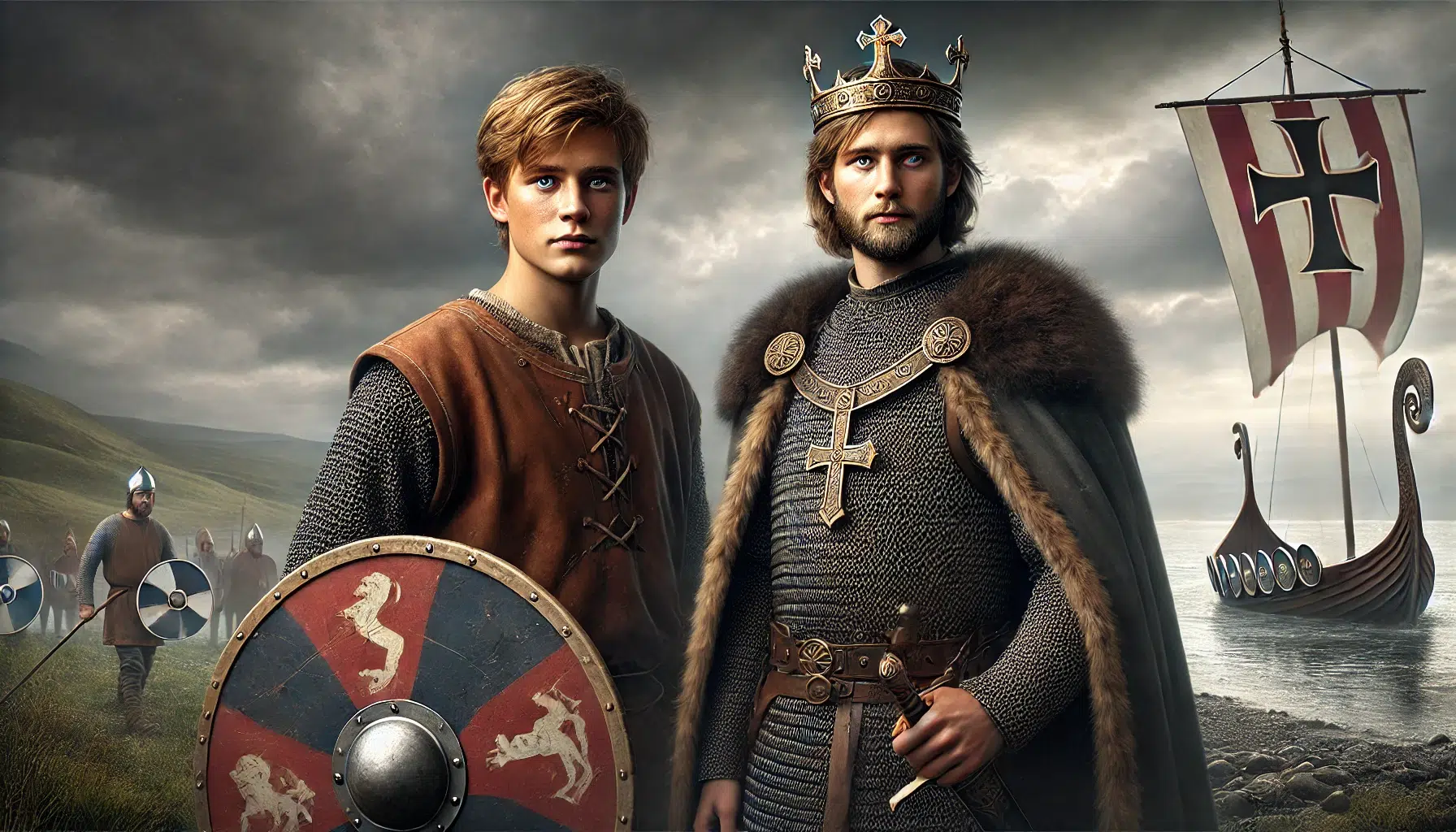
In 1030, Harald Hardrada fought in the Battle of Stiklestad alongside his half-brother Olaf. Harald, only fifteen, showed immense bravery in the battle. The goal was to help Olaf reclaim his throne. Despite their efforts, they faced a crushing defeat. Olaf died during the battle, a significant blow to their cause.
Harald fought fiercely but saw the tide turn against them. He received several injuries, yet he continued to fight with determination. The battlefield was chaotic, with enemies surrounding them from all sides. Despite his young age, Harald’s skills and courage stood out.
Realizing they could not win, Harald decided to escape. His injuries made this difficult, but his willpower kept him moving. He managed to flee the battlefield, avoiding capture by their enemies. Harald’s escape was perilous and required cunning and resilience.
This battle marked the beginning of Harald’s military career. The defeat at Stiklestad and Olaf’s death deeply impacted him. However, it also strengthened his resolve and ambition. Harald’s experiences in this battle taught him valuable lessons in warfare and leadership.
Harald’s early military beginnings, marked by bravery and resilience, set the stage for his future as a great Viking leader. His actions in the Battle of Stiklestad became a crucial part of his legendary journey.
Exile and Service in the Varangian Guard
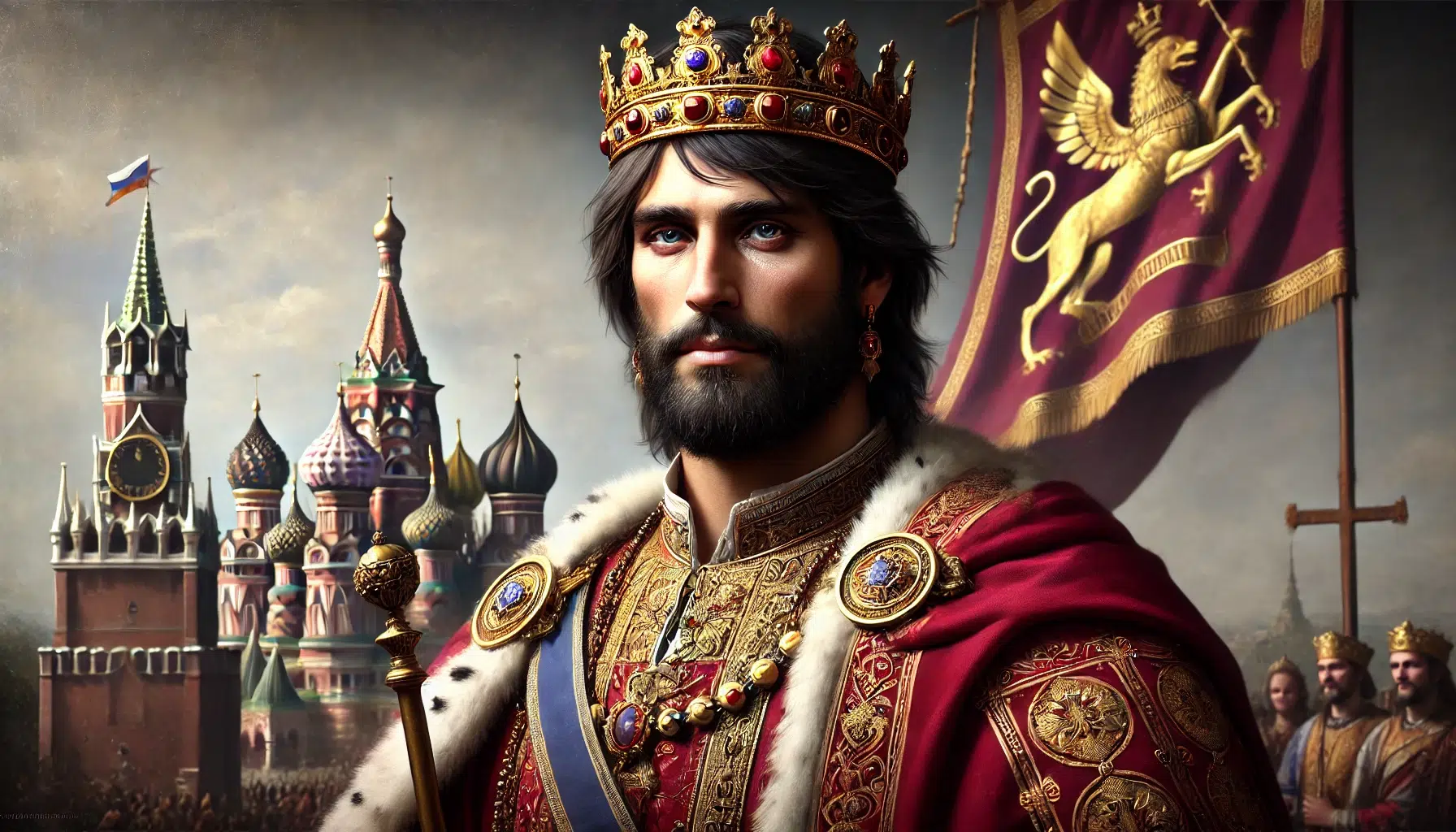
Protection under Prince Yaroslav the Wise
After fleeing the Battle of Stiklestad, Harald Hardrada sought refuge in Kievan Rus.
Kievan Rus, a historical state, existed from the late 9th to the mid-13th century. It spanned parts of modern-day Russia, Ukraine, and Belarus.
Prince Yaroslav the Wise welcomed and protected him. Harald admired the prince’s wisdom and leadership. Under Yaroslav’s protection, Harald gained valuable connections and support.
In Kievan Rus, Harald had many military successes. His ability to adapt and never give up caught people’s attention. Soon, he saw new chances to explore beyond Kievan Rus.
Service in the Byzantine Empire
Seeking greater opportunities, Harald journeyed to the Byzantine Empire. There, he joined the elite Varangian Guard, a group of Norse warriors. The Varangian Guard served as the emperor’s personal bodyguards, providing Harald with prestige and honour.
In the Byzantine Empire, Harald participated in numerous military campaigns. He fought in the Mediterranean, Asia Minor, and the Holy Land. These campaigns allowed Harald to develop his combat skills and learn advanced military tactics. His reputation as a fierce and capable warrior grew.
Accumulation of wealth and military experience
Harald’s service in the Varangian Guard also brought him considerable wealth. He received generous rewards for his bravery and loyalty. With his newfound wealth, Harald gained influence and power. His time in the Byzantine Empire shaped him into a seasoned and ambitious leader.
During his adventures abroad, Harald accumulated invaluable military experience. He learned to navigate complex political landscapes and lead diverse groups of warriors. His experiences in the Mediterranean, Asia Minor, and the Holy Land broadened his understanding of warfare and strategy.
Harald’s exile and adventures abroad played a crucial role in his development. They provided him with the skills, wealth, and connections needed to pursue his ambitions. His time in Kievan Rus and the Byzantine Empire transformed him into a formidable Viking leader.
Harald Hardrada’s journey from exile to prominence illustrates his resilience and determination. His adventures abroad highlight the importance of adaptability and courage. These qualities later defined his legacy as “the last great Viking.” His story continues to inspire and captivate people around the world.
Return to Norway and Claiming the Throne

In 1045, Harald Hardrada returned to Norway with ambitions to reclaim his homeland. He made an agreement to co-rule with King Magnus I. This agreement allowed Harald to share power and strengthen his position.
In 1047, Magnus I died, leaving Harald as the sole ruler of Norway. Harald quickly consolidated his power and focused on expanding his influence. His rule brought stability and a new era of Viking leadership.
Conflicts with Denmark
Harald Hardrada aimed to control not just Norway but also Denmark.
He faced conflicts with Denmark, particularly with King Svein Estridsson. Their rivalry led to numerous battles and skirmishes. Harald’s strategic mind and military experience played crucial roles in these conflicts. He employed tactical raids and plundering to weaken Danish resistance.
Harald launched raids along the Danish coast, targeting key settlements and resources. These raids disrupted Danish stability and showcased Harald’s strength. His forces plundered towns and villages, accumulating wealth and resources.
Despite the fierce battles, Harald maintained control and continued his campaigns. His strategic approach kept Denmark on edge and showcased his prowess as a military leader. Svein Estridsson struggled to counter Harald’s tactics, leading to ongoing conflicts.
Harald’s return to Scandinavia marked a significant chapter in his life. His co-rule with Magnus I provided a foundation for his sole rule. The conflicts with Denmark and strategic raids highlighted his capabilities as a leader and warrior.
Harald Hardrada’s reign in Norway solidified his legacy as a powerful Viking king. His determination and strategic brilliance left a lasting impact on Scandinavian history. Harald’s story continues to inspire and remind us of the fierce spirit of the Vikings. His return to Scandinavia exemplifies his relentless pursuit of power and honour.
Reign as King of Norway
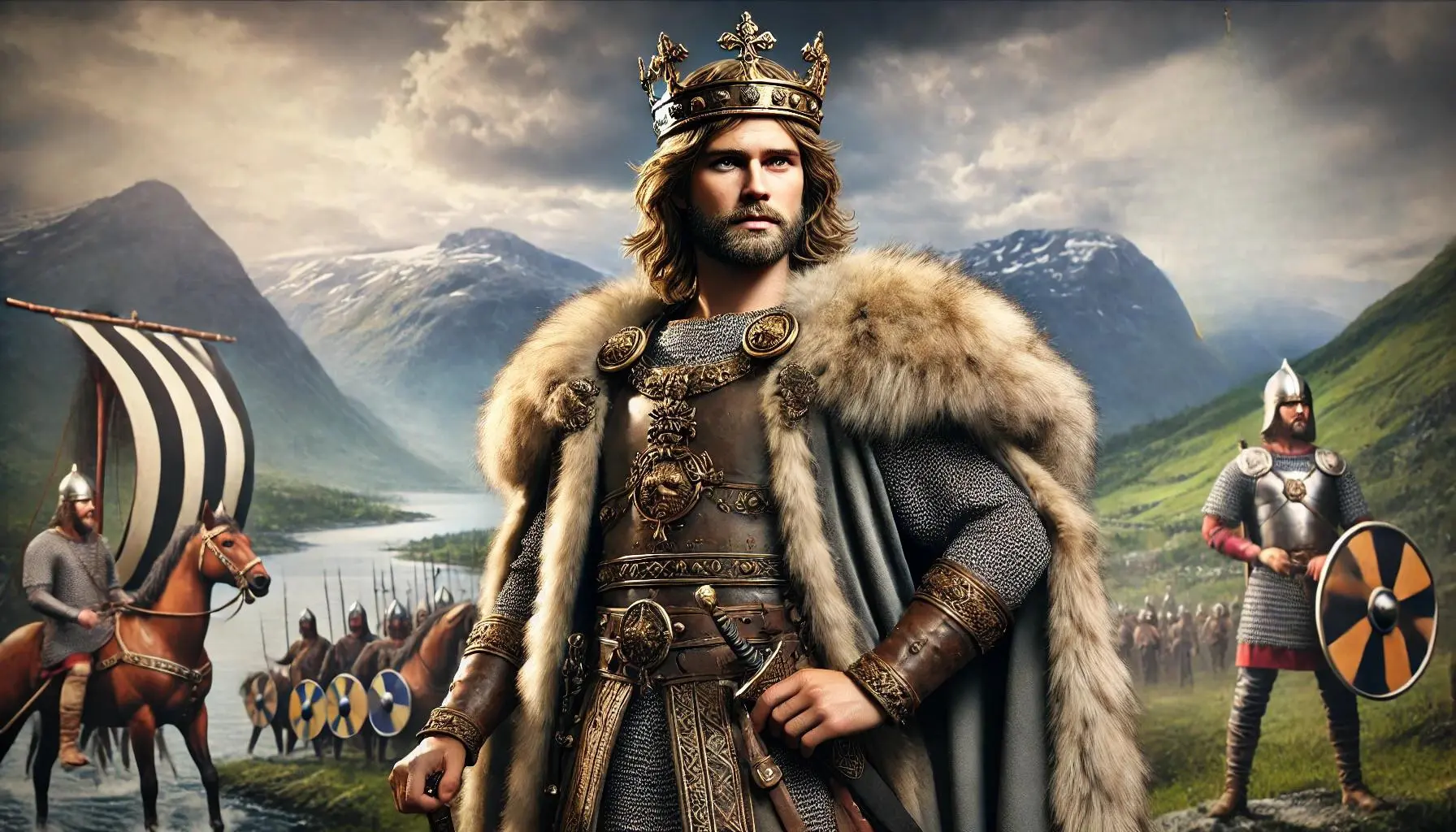
As King of Norway, Harald Hardrada focused on consolidating his power. He suppressed local chieftains to ensure his rule remained unchallenged. By reducing their influence, Harald strengthened his control over the kingdom.
Harald expanded Norway’s colonial possessions, targeting the Orkney, Shetland, and Hebrides islands. These expansions increased his realm’s wealth and strategic reach. His military campaigns in these regions showcased his determination to extend his influence.
Domestically, Harald implemented policies to strengthen his authority. He enforced laws and worked to centralize power. His efforts aimed to create a unified and stable kingdom. However, Harald faced conflicts with the Church.
Arguments With the Pope and Archbishop
Quarrels with Pope Alexander II and Adalbert, Archbishop of Bremen, marked Harald’s reign. These disputes stemmed from Harald’s attempts to control church lands and appointments. He sought to limit the Church’s power and maintain his dominance. This caused tension with the Pope and the Archbishop.
Despite these conflicts, Harald continued to assert his authority. He balanced his domestic policies with his military campaigns, ensuring his rule remained strong. His ability to manage internal and external challenges demonstrated his leadership skills.
Harald Hardrada’s reign as King of Norway left a lasting legacy. His consolidation of power and expansion of colonial possessions showcased his ambition and strategic mind. Despite conflicts with the Church, he maintained control and strengthened his kingdom.
Harald’s reign highlights the challenges and triumphs of a Viking king. His story inspires with its tales of bravery, ambition, and resilience. Harald Hardrada remains a symbol of Viking strength and determination, shaping the history of Norway and beyond.
Invasion of England and the Battle of 1066
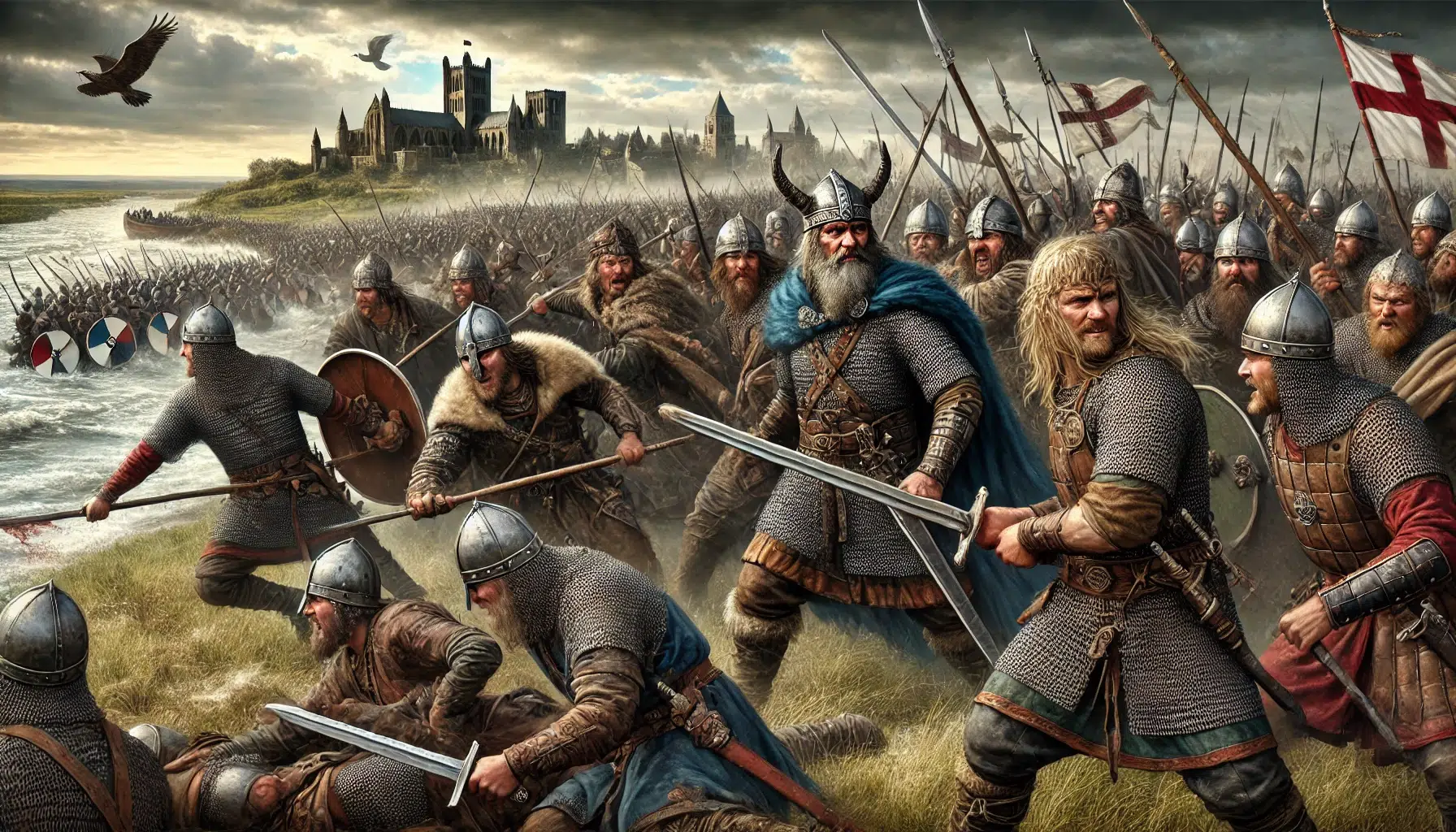
Harald set out to invasion of England to claim the throne, using his family ties. This move was bold, showing Viking strength and legacy.
At the Battle of Fulford, Harald won a big victory against English earls Edwin and Morcar. This showed his skill in battle and made him a respected leader.
His biggest move was the invasion of England, leading to the Battle of Stamford Bridge. Even though he didn’t win, Harald became known as a brave Viking warrior.

Why Did Harald Hardrada Lose?
Surprise Attack
One of the primary reasons for Harald Hardrada’s defeat was the element of surprise. King Harold Godwinson’s army marched approximately 185 miles from London to Yorkshire in just four days, catching the Norwegians completely off guard. The Norwegians were not expecting an attack and were unprepared when the English forces arrived suddenly at Stamford Bridge.
Lack of Armour
Many of Hardrada’s troops had left their armour behind at their ships, assuming they would not face immediate combat. This left them significantly disadvantaged in the ensuing battle. The lack of armour made the Norwegian soldiers more vulnerable to the well-armed and armoured English forces.
Exhaustion and Disorganization
The Norwegian forces were also exhausted from their previous engagements, including the Battle of Fulford, and were not in a state of readiness. The rapid English advance and the subsequent need to quickly form defensive positions added to their disorganization and fatigue.
Death of Leaders
The deaths of key leaders, including Harald Hardrada and Tostig Godwinson, were critical blows to the Norwegian army. Hardrada was killed by an arrow to the throat, and Tostig was also slain during the battle. The loss of their commanders led to a breakdown in morale and command structure, contributing to the disintegration of the Norwegian forces.
The combination of a surprise attack, lack of armor, exhaustion, disorganization, and the deaths of key leaders were the main reasons behind Harald Hardrada’s defeat at the Battle of Stamford Bridge.
Why Was Harald Hardrada the Last Viking?
Harald Hardrada is often called the last Viking because his death at the Battle of Stamford Bridge in 1066 marked the end of major Viking invasions of England.
After his defeat, the Viking Age rapidly declined, and the Norman Conquest reshaped English history.
-
His campaign was one of the final large Viking invasions
-
His death ended Norway’s claim to the English throne
-
1066 symbolically marks the close of the Viking Age
How Does Harald Hardrada Compare to Other Conquerors?
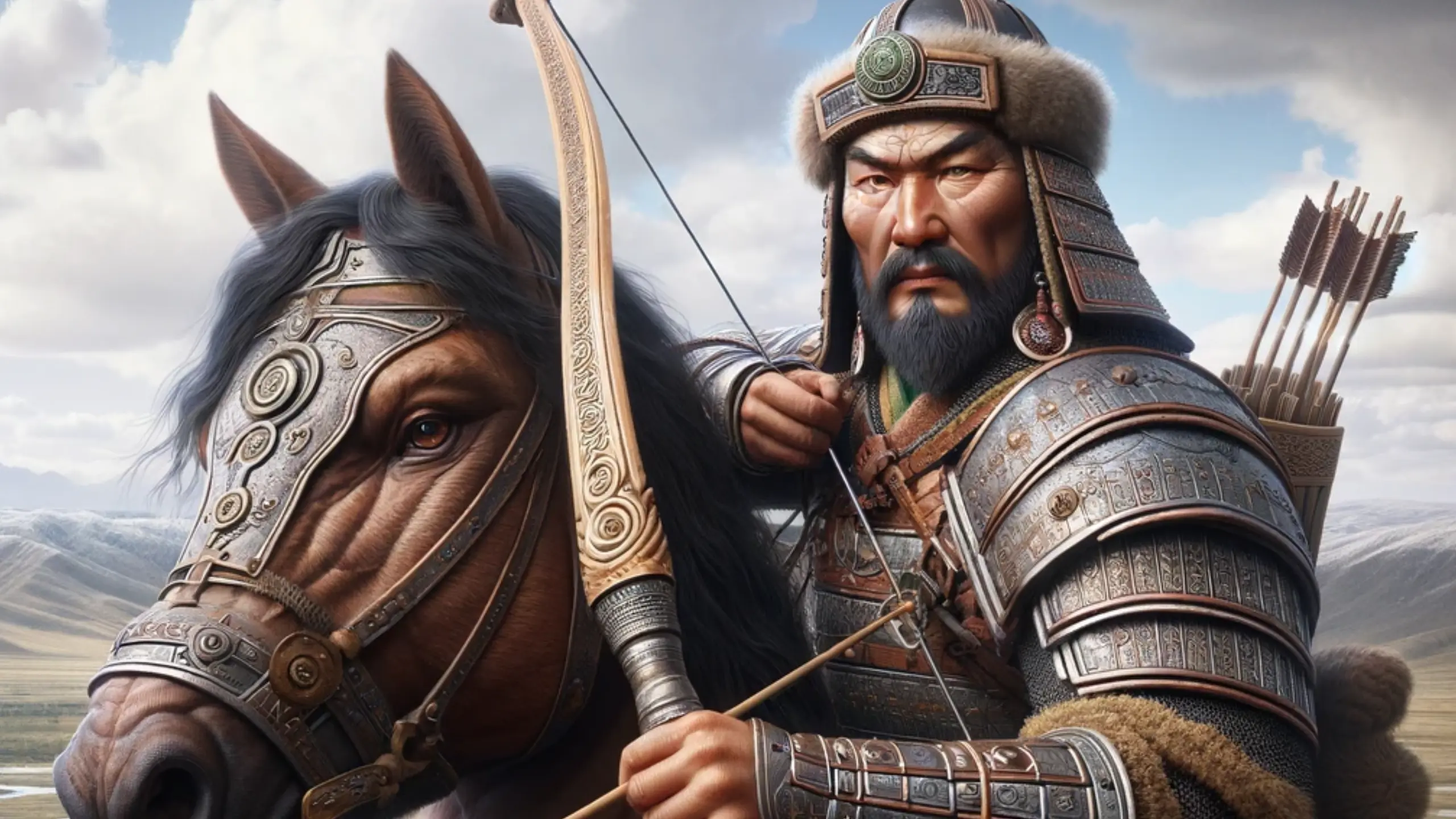
Harald Hardrada is often compared to powerful rulers like Alexander the Great, William the Conqueror, Genghis Khan and his descendants. Like Alexander, he pursued military expansion across multiple regions. Like William, he sought to claim a foreign throne and reshape political power. His campaigns across Scandinavia and England reflected the ambition and strategic drive seen in history’s most determined conquerors.
However, unlike many empire-builders, Harald’s death at the Battle of Stamford Bridge in 1066 marked not the rise of a new dynasty, but the symbolic end of the Viking Age.
These comparisons highlight his ambition, military leadership, and enduring place in medieval history.