
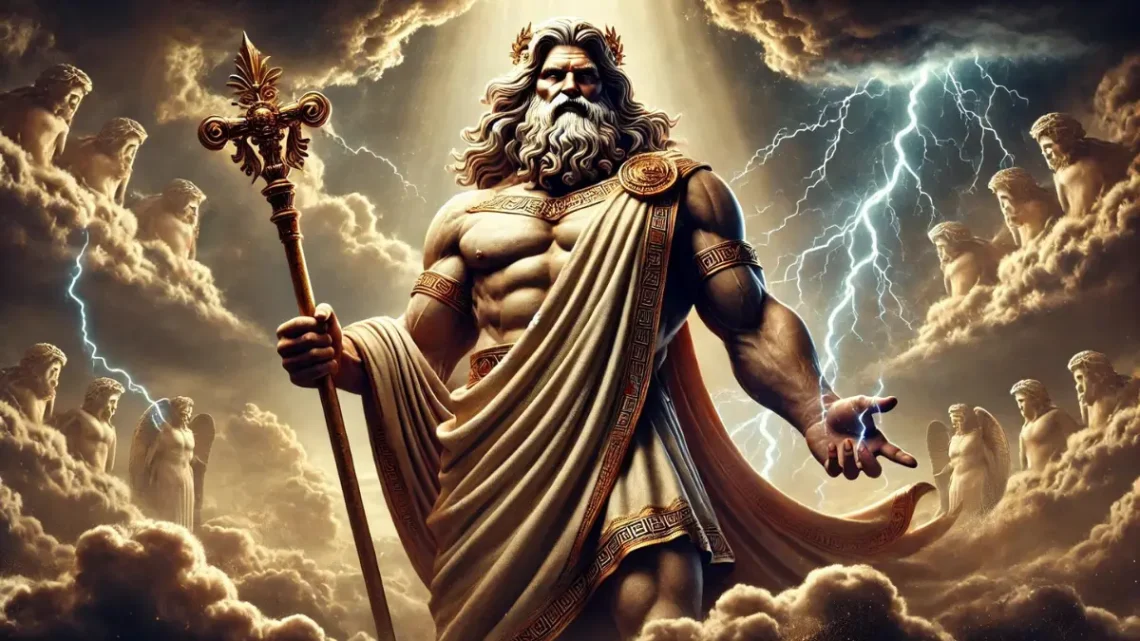
Top Greek Mythology Gods: The Twelve Olympians
Greek mythology gods are a large part of the myths and stories of Greek mythology. The ancient Greeks believed these gods controlled the world. They explained nature, taught lessons, and entertained.
The main gods lived on Mount Olympus. They were called the Olympians.
Zeus, the king, ruled the sky and thunder. His wife, Hera, was the queen and goddess of marriage. Poseidon, Zeus’s brother, controlled the sea. Each god had special powers and symbols. Athena was the goddess of wisdom and war. Apollo, her brother, was the god of the sun and music. These gods often interacted with humans.
They had adventures, faced challenges, and taught important lessons. Greek mythology influences our stories, movies, and language today. It remains a fascinating subject to explore.
Origins of the Olympian Greek Mythology Gods
The Olympians are the twelve main gods in Greek mythology. They live on Mount Olympus. They were chosen as Olympians because they were powerful and important. Zeus, the king of the gods, led them to victory against the Titans. Each Olympian has a special role and purpose.
The Olympians are different from other gods because they are more powerful and have specific domains. They influence many stories, movies, and our everyday language today.
Who Were the Titans?
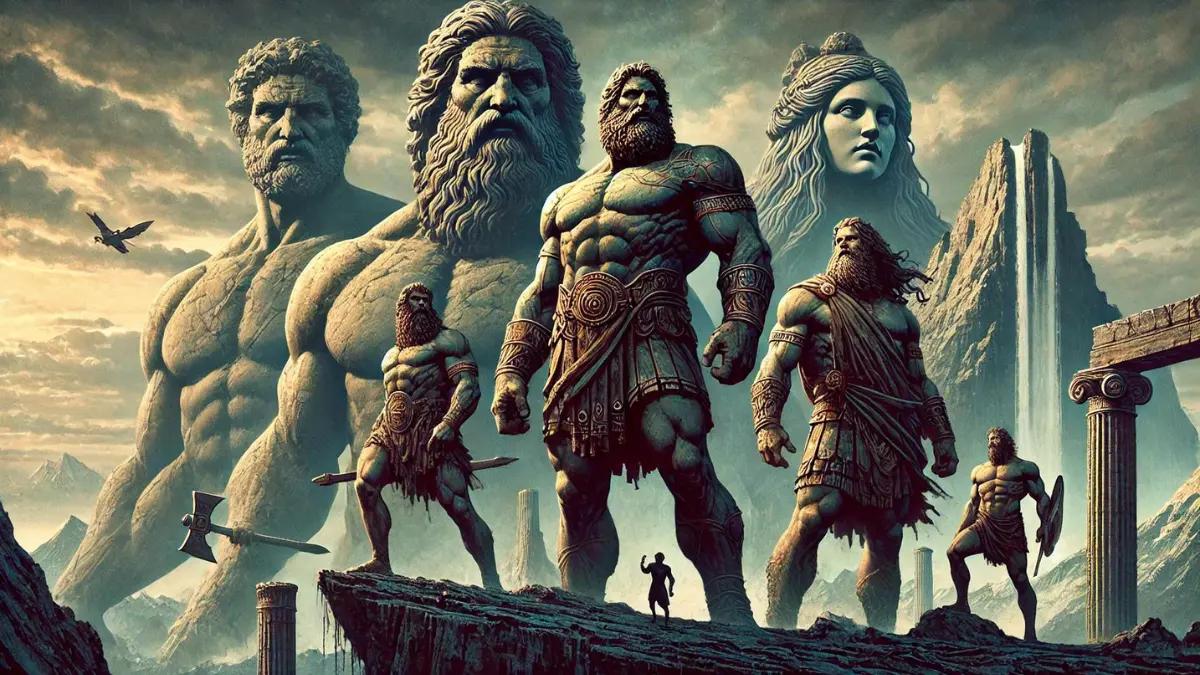
The Titans are powerful beings in Greek mythology. They ruled the world before the Olympians. They are the children of Uranus (the sky) and Gaia (the earth). The Titans are known for their great strength and size.
Cronus, the leader of the Titans, overthrew his father Uranus. He ruled during the Golden Age. Rhea, his sister and wife, is the mother of many Olympians. Other important Titans include Oceanus, the god of the ocean, and Hyperion, the god of light.
Atlas, another Titan, holds up the sky. Prometheus, who gave fire to humans, is also a Titan. He is known for his intelligence and trickery. Epimetheus, his brother, is known for his lack of foresight.
The Titans fought the Olympians in a great war called the Titanomachy. The Olympians, led by Zeus, defeated the Titans. After their defeat, many Titans were imprisoned in Tartarus, a deep part of the underworld.
The Titans are different from the Olympians because they represent the earlier, more primal forces of nature. They played a key role in the creation of the world and the rise of the Olympian gods.
Cronus, Father of the Olympians

The father of most Olympians is Cronus. He is one of the Titans and the son of Uranus (the sky) and Gaia (the earth).
Cronus, fearing a prophecy that one of his children would overthrow him, swallowed each of them at birth. However, Rhea, his wife, saved Zeus by hiding him. We would give Cronus a stone wrapped in swaddling clothes to swallow instead.
Zeus eventually freed his siblings and led them in the war against the Titans, resulting in the rise of the Olympian gods.
Cronus and his sister-wife Rhea are the parents of many of the major Olympian gods, including:
- Zeus: King of the gods, god of the sky and thunder
- Hera: Queen of the gods, goddess of marriage and family
- Poseidon: God of the sea and earthquakes
- Hestia: Goddess of the hearth
- Hades: God of the underworld (although not typically counted among the twelve Olympians, he is still one of the major gods)
- Demeter: Goddess of agriculture and fertility
The Twelve Main Titan Gods
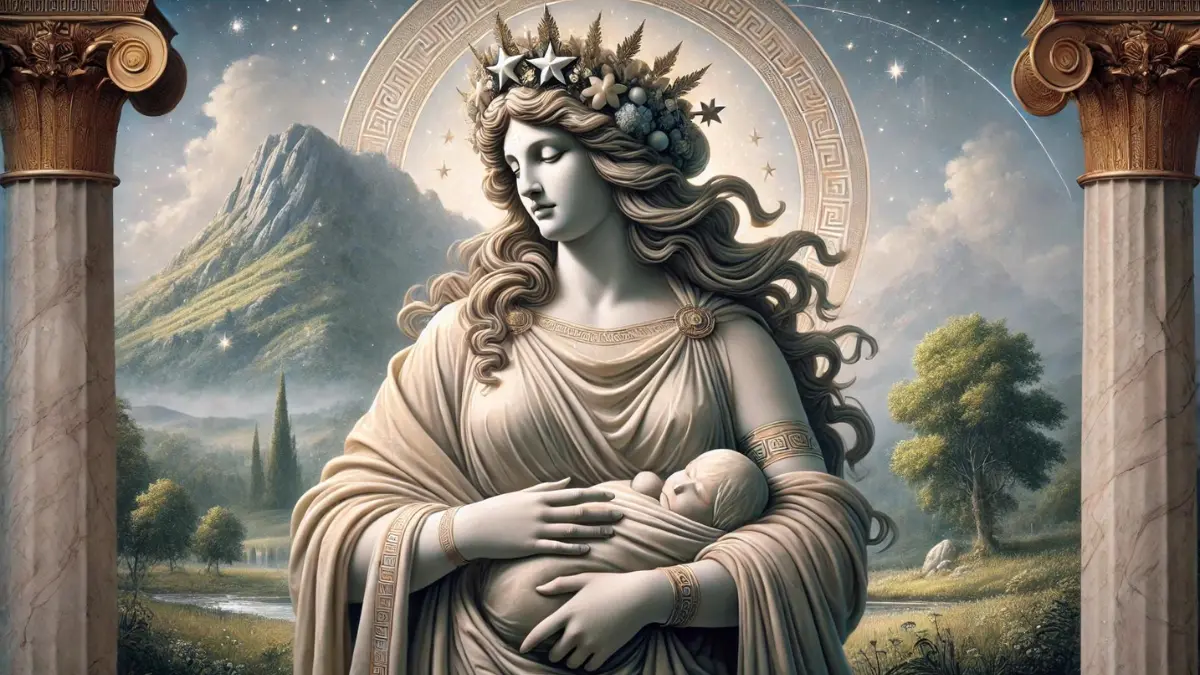
In Greek mythology, there were twelve main Titans, often referred to as the first generation of Titans. These twelve Titans played a crucial role in Greek mythology.
They represent the primal forces of the world before the Olympians rose to power. The Titans were eventually overthrown by the Olympian gods in the Titanomachy, a great war that established the reign of the Olympians.
The twelve main Titan gods were:
- Cronus: The leader of the Titans and the god of time
- Rhea: Cronus’s sister and wife, the mother of the Olympian gods
- Oceanus: The god of the ocean
- Tethys: Oceanus’s sister and wife, associated with the nourishing flow of water
- Hyperion: The god of light
- Theia: Hyperion’s sister and wife, associated with sight and the shining light of the sky
- Coeus: The god of intellect and the axis of heaven
- Phoebe: Coeus’s sister and wife, associated with prophecy and the oracle of Delphi
- Crius: The god of constellations
- Iapetus: The god of mortality and the father of Prometheus and Epimetheus
- Themis: The goddess of divine law and order
- Mnemosyne: The goddess of memory and the mother of the Muses
Mount Olympus and the Greek Mythology Gods
Mount Olympus is the home of the Olympian Greek mythology gods. It is the highest mountain in Greece. The ancient Greeks believed the gods lived there in beautiful palaces.
Zeus, the king of the gods, rules from Mount Olympus. Other important gods, like Hera, Athena, and Apollo, also live there. The mountain is a symbol of power and mystery. It is important because it is the center of Greek mythology. Many myths and stories mention Mount Olympus as the place where gods meet, make decisions, and watch over humans.
It is a key part of Greek culture and history.
Greek Mythology Gods: The Twelve Olympian Gods
Zeus – King of the Gods
| Zeus – King of the Gods | |
|---|---|
| Domain | Sky, Thunder, Justice |
| Symbols | Thunderbolt, Royal Sceptre, Eagle, Bull, Aegis (arm-guard), Oak Tree |
| Family | Cronus (Titan father) and Rhea (Titan mother); brothers: Poseidon, Hades; sisters: Hera (wife), Hestia, Demeter |
| Interesting Fact | Zeus is not just the king of gods; he is also a god of hospitality and oaths |
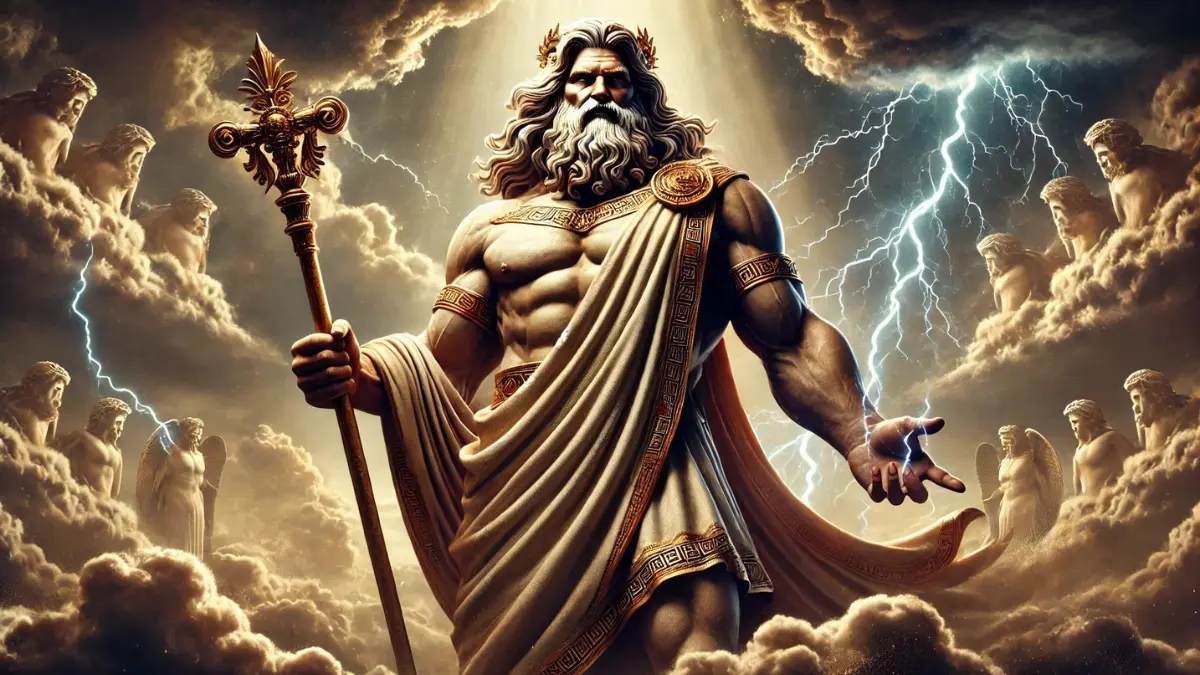
Known as the King of the gods in Greek mythology, Zeus is the ruler of Mount Olympus and the god of the sky and thunder. He lives on Mount Olympus with the other Olympian gods. His Titan parents are Cronus and Rhea. His sister-wife is Hera.
Zeus is depicted as a powerful and authoritative figure often portrayed holding a thunderbolt. He is powerful and wise, but he can also be strict. As the King of the gods, Zeus holds supreme power and is respected and feared by both gods and mortals, using his powers to keep order.
Zeus overthrew his father, Cronus, to become the ruler of the gods. He maintains balance in the world and ensures justice is served.
Zeus has many famous and popular children including:
- Athena: Goddess of wisdom
- Apollo: God of the sun
- Artemis: Goddess of the hunt
- Hermes: Messenger god
- Dionysus: God of wine
- Heracles (Hercules): A hero known for the Twelve Labours
- Perseus: Hero who defeated Medusa and saved Andromeda
- Helen of Troy: Her beauty sparked the Trojan War
Popular Myths Involving Zeus:
- The Birth of Zeus and Titanomachy (War against the Titans)
- The Creation of Athena
- The Punishment of Prometheus
- The Abduction of Europa
- Zeus and Hera’s Marriage
- The Story of Io
- The Flood of Deucalion
- The Battle Against Typhon
- The Seduction of Leda
- The Gigantomachy
- The Birth of Dionysus
Hera – Queen of the Gods

| Hera – Queen of the Gods | |
|---|---|
| Domain | Marriage, Family, Women |
| Symbols | Pomegranate, Peacock, Cow |
| Family Origin | Cronus (Titan father) and Rhea (Titan mother); brothers: Zeus (husband), Poseidon, Hades; sisters: Hestia, Demeter |
| Interesting Fact | She is known for her jealousy and often punishes Zeus’s lovers and their children |
As the queen of the gods in Greek mythology, Hera is also the goddess of marriage and family. She is also the protector of women during childbirth, ensuring safe deliveries. She is Zeus’s wife and lives on Mount Olympus with the other gods.
Hera has several children with Zeus, including Ares, the god of war, Hebe, the goddess of youth, and Hephaestus, the god of fire and metalworking.
She is powerful and protective but can also be very jealous. Hera often punishes those who wrong her or threaten her family. She plays a major role in many myths, showing her strength and influence.
Hera supports women and marriage, often helping women in childbirth. Despite her jealousy, she remains a respected and important figure in Greek mythology.
Popular Myths Involving Hera:
- The Marriage to Zeus
- The Birth of Hephaestus
- The Persecution of Hercules
- The Judgment of Paris
- The Transformation of Io
- The Punishment of Ixion
- The Assistance to the Argonauts
- Hera and the Trojan War
Poseidon – God of the Sea
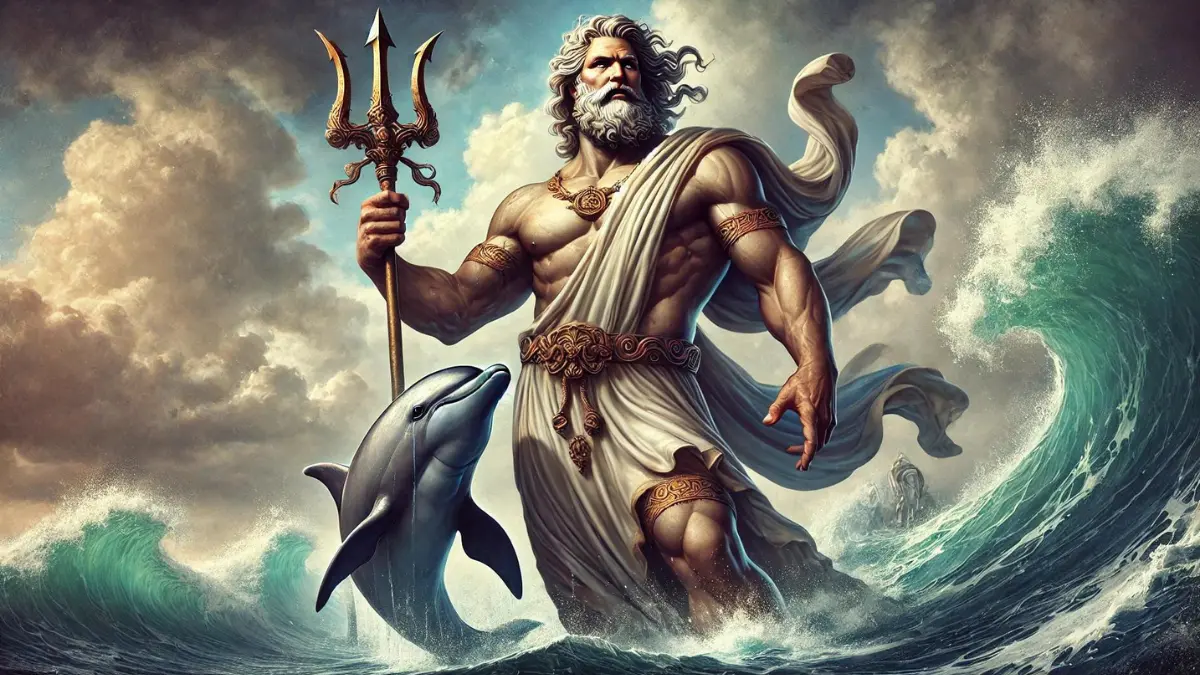
| Poseidon – God of the Sea | |
|---|---|
| Domain | Oceans, Earthquakes, Horses |
| Symbols | Trident, Horse, Dolphin |
| Family Origin | Cronus (Titan father) and Rhea (Titan mother); brothers: Zeus, Hades; sisters: Hera, Hestia, Demeter |
| Interesting Fact | Poseidon created horses and also causes earthquakes when he is angry |
As the god of the sea in Greek mythology, Poseidon controls the oceans, earthquakes, and horses. He is powerful, temperamental, and can cause storms and earthquakes when angry. Poseidon is also Zeus’s brother and lives in a palace under the ocean.
Poseidon is married to Amphitrite, a sea goddess, and they have many children, including Triton. He often competes with other gods and plays a key role in many myths, showing his strength and influence.
Poseidon is important in stories like the Odyssey, where he creates obstacles for Odysseus.
Popular Myths:
- The Contest with Athena
- The Creation of the Minotaur
- Poseidon and Theseus
- Poseidon and the Trojan War
- The Wrath Against Odysseus
- The Birth of Pegasus
- The Gigantomachy
- The Walls of Troy
- The Pursuit of Demeter
Demeter – Goddess of the Harvest
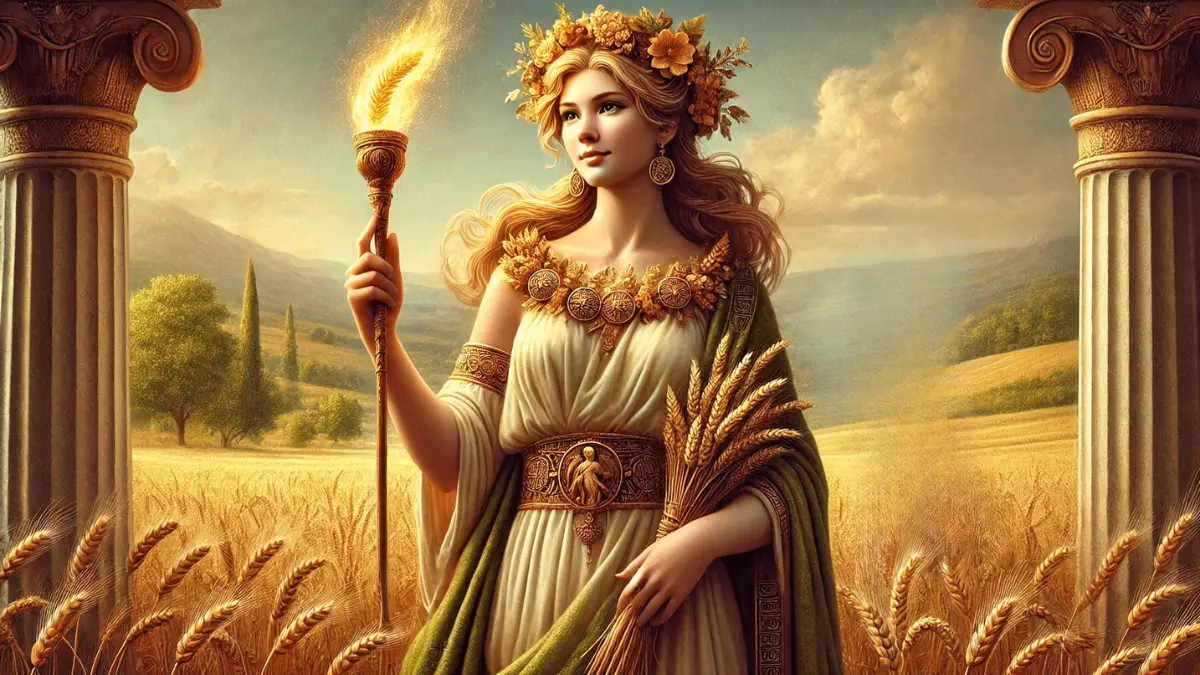
| Demeter – Goddess of the Harvest | |
|---|---|
| Domain | Agriculture, Fertility of the Earth, Sacred Law |
| Symbols | Cornucopia, Wheat, Winged Serpent, Torch |
| Family Origin | Cronus (Titan father) and Rhea (Titan mother); brothers: Zeus, Poseidon, Hades; sisters: Hera, Hestia |
As the goddess of agriculture and harvest in Greek mythology, Demeter controls the growth of crops and the fertility of the earth. Demeter is kind and nurturing, but she can also be very protective of her children.
She has a daughter, Persephone, with Zeus. Demeter is not married. She plays a key role in myths that explain the changing seasons and the cycle of life and death. Her influence ensures that the earth remains fertile and productive.
Popular Myths:
- The Abduction of Persephone
- The Nursing of Demphoon
- The Eleusinian Mysteries
- The Creation of the Cornucopia
- Demeter and Triptolemus
- Demeter’s Wrath
- Demeter and Poseidon
Athena – Goddess of Wisdom

| Athena – Goddess of Wisdom | |
|---|---|
| Domain | Wisdom, War Strategy, Crafts |
| Symbols | Owl, Olive Tree, Shield |
| Family Origin | Zeus (father), Metis (mother); many half-siblings |
As the goddess of wisdom and war in Greek mythology, Athena is known for her intelligence, bravery, and fairness.
Athena sprang fully grown from Zeus’s forehead, showing her unique birth. This unique birth occurred because Zeus swallowed her pregnant mother, Metis, to avoid a prophecy. She never married and had no children.
Athena protects cities and guides heroes in their quests. She values knowledge and strategy over brute force. Athena plays a crucial role in many myths, often helping humans and gods alike. Her wisdom and strength make her one of the most respected deities in Greek mythology. Athena’s influence extends to many aspects of life, including arts, crafts, and education.
Athena has many siblings. Her brothers and sisters include Ares, the god of war; Hephaestus, the god of fire and metalworking; Hebe, the goddess of youth; and Eileithyia, the goddess of childbirth.
Popular Myths:
- The Birth of Athena
- The Contest with Poseidon
- The Weaving Contest with Arachne
- Athena and the Trojan War
- Athena and Odysseus
- The Transformation of Medusa
- The Creation of Pandora
- The Binding of Tiresias
Apollo – God of the Sun

| Apollo – God of the Sun | |
|---|---|
| Domain | Sun, Music, Prophecy, Healing |
| Symbols | Lyre, Laurel Wreath, Bow and Arrow |
| Family Origin | Zeus (father), Leto (mother); Artemis (twin sister) |
As the god of the sun, music, and prophecy in Greek mythology, Apollo is known for his beauty, talent, and intelligence.
Apollo is the son of Zeus and Leto. He never married but had many love affairs and children. Apollo often helps and guides humans with his prophetic abilities. He also took care of the centaur, Chiron, when he was abandoned. He plays a major role in many myths, showcasing his diverse talents and influence. Apollo’s guidance and skills make him one of the most important gods in Greek mythology.
Popular Myths:
- The Birth of Apollo
- Apollo and the Python
- Apollo and Daphne
- Apollo and Hyacinthus
- Apollo and Coronis
- Apollo and Marsyas
- Apollo and the Trojan War
- Apollo and Cassandra
- Apollo and the Delphic Oracle
Artemis – Goddess of the Hunt
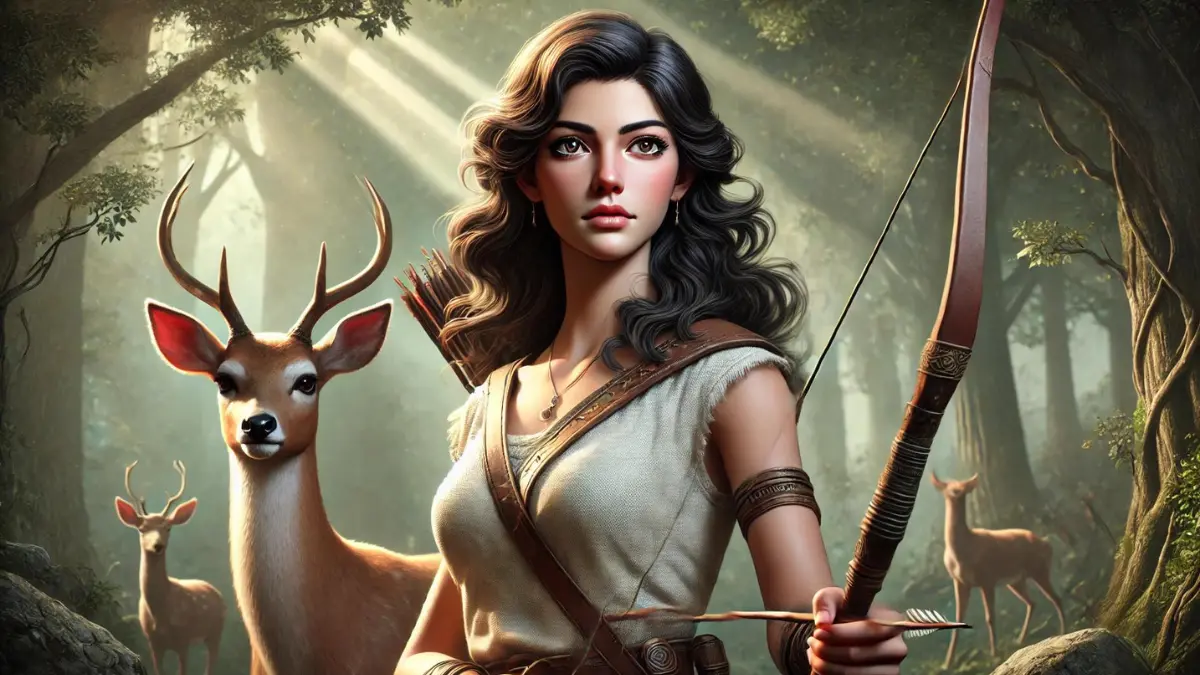
| Artemis – Goddess of the Hunt | |
|---|---|
| Domain | Hunting, Wilderness, Moon, Childbirth |
| Symbols | Bow and Arrow, Deer, Cypress Tree |
| Family Origin | Zeus (father), Leto (mother); Apollo (twin brother) |
As the goddess of the hunt and the moon in Greek mythology, Artemis is also the goddess of childbirth and protector of young girls. This is often associated with the health and safety of women during childbirth.
She is the daughter of Zeus and Leto, and Apollo’s twin sister. Artemis is known for her independence, strength, and protective nature. She never married and had no children.
She protects wildlife and young women. Artemis often roams the forests, hunting with her bow and arrows. She plays a key role in many myths, showing her bravery and skills. Artemis is a respected and important figure in Greek mythology.
Popular Myths:
- Birth of Artemis and Apollo
- Actaeon
- Callisto
- Niobe
- Orion
- The Calydonian Boar Hunt
- The Rescue of Iphigenia
- Tityus
- Adonis
- The Aloadae Giants
Ares – God of War
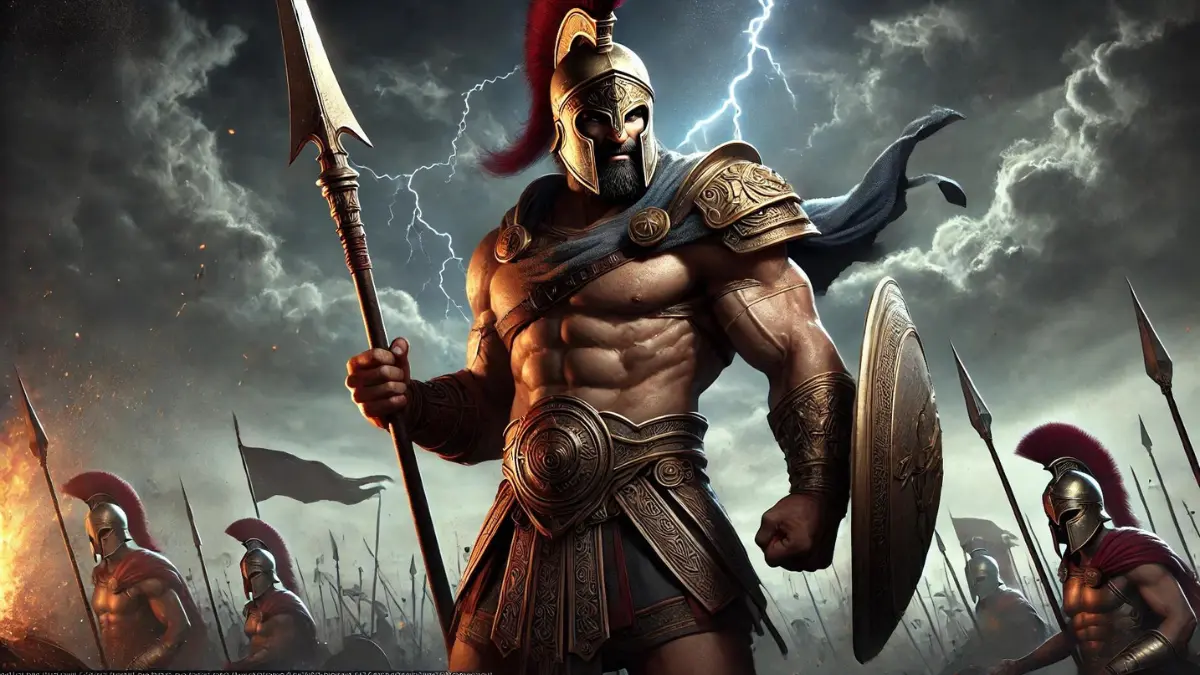
| Ares – God of War | |
|---|---|
| Domain | War, Violence |
| Symbols | Spear, Helmet, Vulture |
| Family Origin | Zeus (father), Hera (mother); siblings: Hephaestus, Hebe (Goddess of youth), and Eileithyia (Goddess of childbirth); many half-siblings |
As the god of war in Greek mythology, Ares is known for his fierce and aggressive nature. He is the son of Zeus and Hera. He never married but had many children with different goddesses, including Aphrodite.
Some of his children are Deimos (god of terror), Phobos (god of fear), Harmonia (goddess of harmony), and Eros (god of love). He also had four daughters with the Amazon Queen: Hippolyta, Penthesilea, Melanippe and Antiope.
Ares often represents the chaotic and violent aspects of war. He plays a key role in many myths, showing his strength and fearlessness.
Despite his aggressive nature, Ares is an important figure in Greek mythology.
Popular Myths:
- Ares and Aphrodite
- Ares and The Trojan War
- The Trial of Halirrhothios
- Ares and the Gigantomachy
- The Capture by the Aloadae Giants
- Ares and Hercules
- Ares and the Colchian Dragon
Aphrodite – Goddess of Love

| Aphrodite – Goddess of Love | |
|---|---|
| Domain | Love, Beauty, Desire |
| Symbols | Dove, Rose, Seashell, Myrtle |
| Family Origin | Possibly Zeus (father); many half-siblings |
| Interesting Fact | Aphrodite, the goddess of love, was born from sea foam |
As the goddess of love and beauty in Greek mythology, Aphrodite is known for her stunning beauty and charm. She was born from sea foam. She is married to Hephaestus, the god of fire and metalworking, but she had many affairs.
Her most famous lover is Ares, the god of war. Aphrodite has several children, including Eros (god of love), Harmonia (goddess of harmony), and the hero Aeneas. She influences love, passion, and desire, playing a key role in many myths.
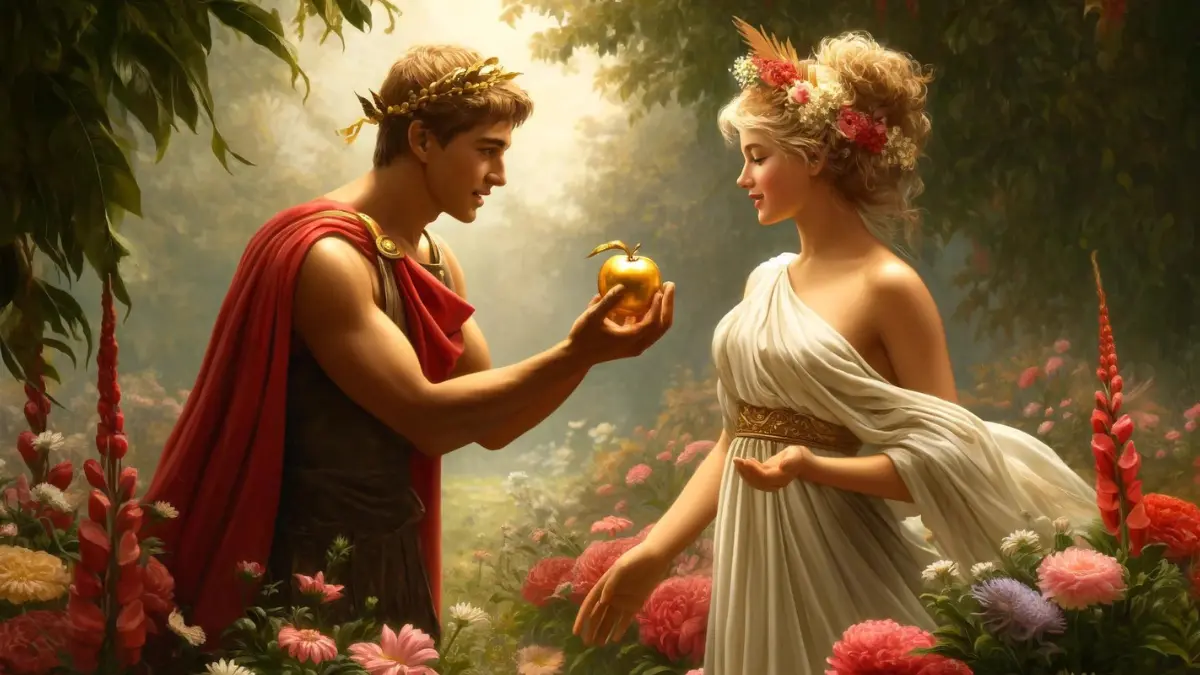
In one version of her story, Aphrodite has no parents because she emerged from the sea foam. In another version, she is the daughter of Zeus and Dione. Aphrodite may have many half-siblings based on that version.
Popular Myths:
- The birth of Aphrodite (from sea foam)
- Judgment of Paris
- Aphrodite and Adonis
- Aphrodite and Anchises
- The Affair with Ares
- Pygmalion and Galatea
- The Rescue of Paris and Aeneas
- Aphrodite and Psyche
Hepaestus – God of Fire
| Hepaestus – God of Fire | |
|---|---|
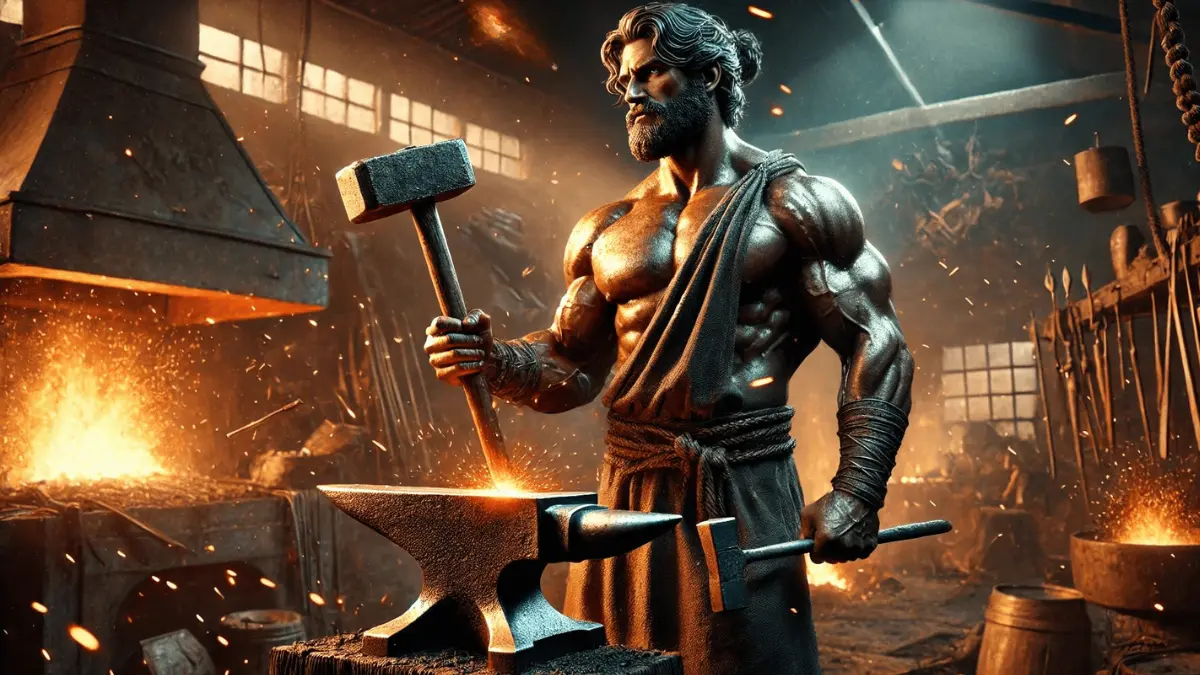
| Domain | Fire, Metalworking, Craftsmanship |
| Symbols | Anvil, Hammer, Volcano |
| Family Origin | Zeus (father), Hera (mother); siblings: Ares, Hebe (Goddess of youth), and Eileithyia (Goddess of childbirth); many half-siblings |
| Interesting Fact | Hephaestus, the god of fire and metalworking, built the gods’ weapons and palaces |
As the god of fire and metalworking in Greek mythology, Hephaestus is known for his skill in crafting weapons and armor for the gods. He is the son of Zeus and Hera.
He is married to Aphrodite, the goddess of love and beauty. Despite his physical imperfections, Hephaestus creates beautiful and powerful items. He has children, including Thalia, the goddess of comedy, and Eucleia, the goddess of good repute. Hephaestus often helps gods and heroes with his creations.
Popular Myths:
- The Birth and Fall of Hephaestus
- The Crafting of Achilles’ Armour
- The Creation of Pandora
- The Binding of Hera
- The Adultery of Aphrodite and Ares
- The Chaining of Prometheus
- The Creation of Automata
Hermes – Messenger of the Gods
| Hermes – Messenger of the Gods | |
|---|---|
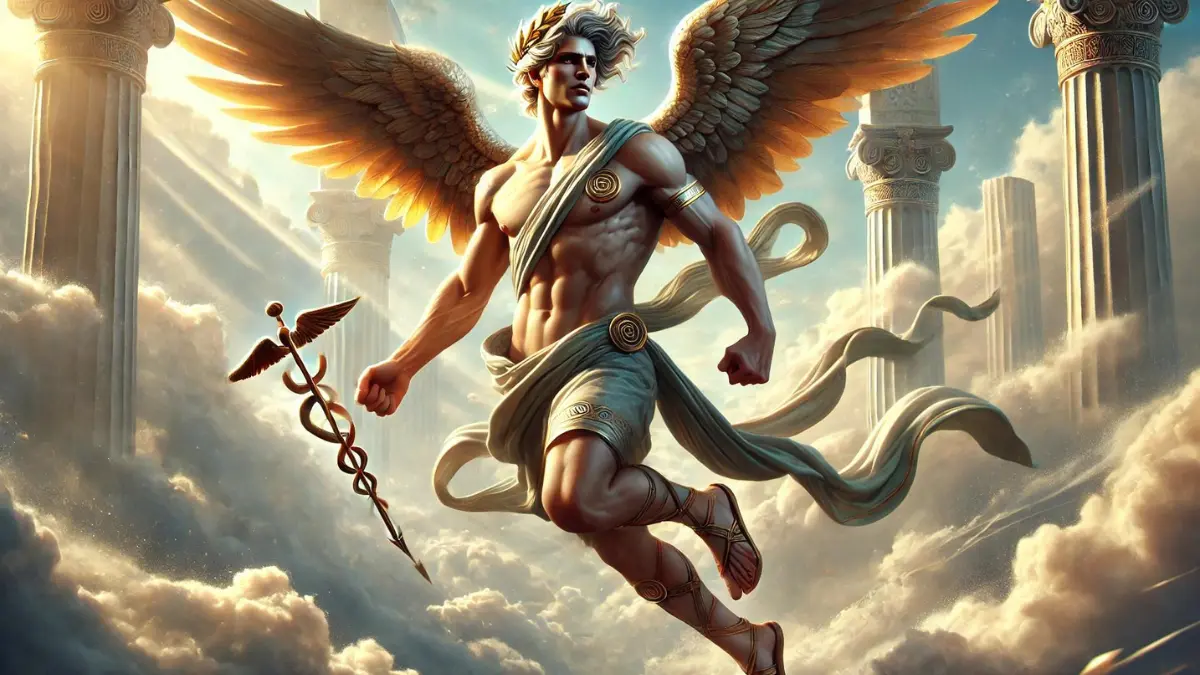
| Domain | Commerce, Thieves, Travel, Communication |
| Symbols | Caduceus, Winged Sandals, Ram |
| Family Origin | Zeus (father), Maia (mother); many half-siblings |
| Interesting Fact | Hermes, the messenger god, wears winged sandals that let him fly |
As the messenger god in Greek mythology, Hermes guides souls to the underworld and protects travelers. He is also the god of commerce and thieves. He is the son of Zeus and Maia.
Hermes is known for his speed and cunning. Hermes often uses his cleverness to outwit others. He has many children, including Pan, the god of the wild. Hermes helps both gods and humans with his quick thinking and resourcefulness.
Popular Myths:
- The Birth and Early Mischief of Hermes
- Slaying Argus Panoptes
- The Creation of Pandora
- Guide to the Underworld
- Helping Perseus
- Rescue of Io
- Fables of Aesop
- Hermes and the Moly Herb
Dionysus – God of Wine
| Dionysus – God of Wine | |
|---|---|
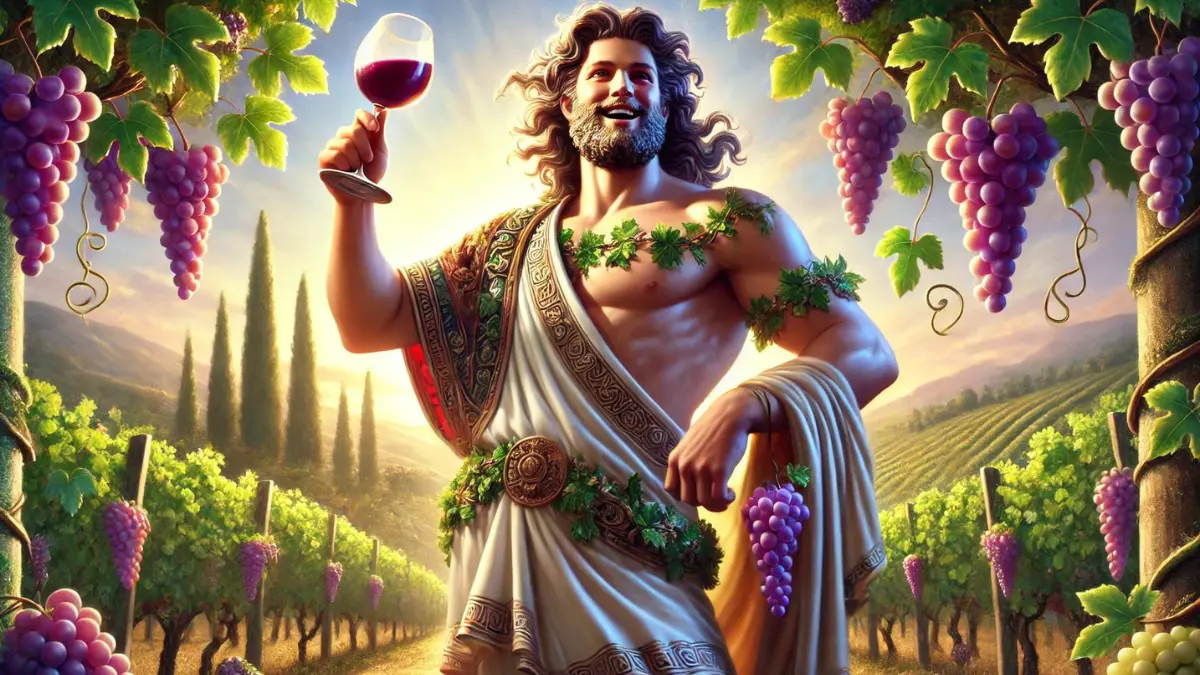
| Domain | Wine, Festivity, Ecstasy |
| Symbols | Grapevine, Thyrsus (staff wrapped in ivy), Kantharos (wine cup) |
| Family Origin | Zeus (father), Semele (mother); many half-siblings |
| Interesting Fact | Dionysus, the god of wine, represents both joy and chaos |
As the god of wine, festivity, and theater in Greek mythology, Dionysus brings joy and madness, often in equal measure. He is the son of Zeus and Semele.
He is known for his wild celebrations and ability to inspire creativity. Dionysus is married to Ariadne, the daughter of King Minos. They have several children together, including Oenopion, the wine god. Dionysus often travels, spreading the art of winemaking and the joy of celebration.
Popular Myths:
- The Miraculous Birth of Dionysus
- The Golden Touch (King Midas)
- The Abduction and Rescue of Semele
- The Creation of Wine
- Punishment of Pentheus
- Marriage to Ariadne
- Lycurgus’s Madness
- The Tyrrhenian Pirates
Hades and Hestia: Other Greek Mythology Gods
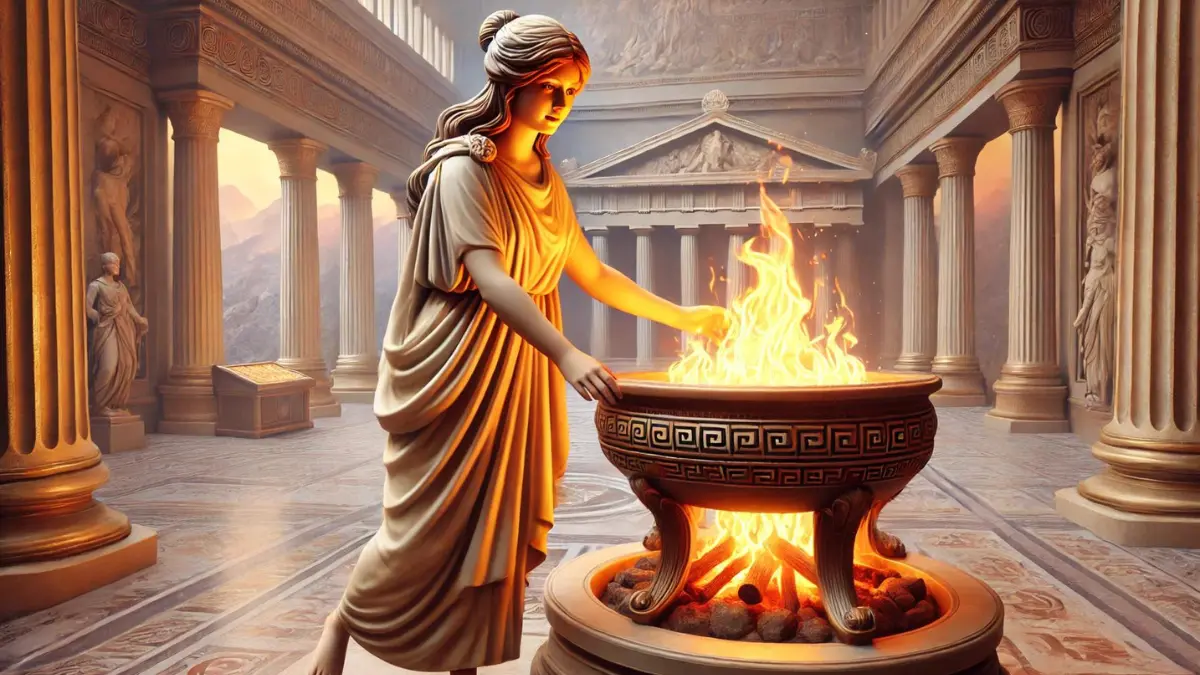
Hestia – Goddess of Hearth
| Hestia – Goddess of the Hearth | |
|---|---|
| Domain | Hearth, Home, Domesticity |
| Symbols | Hearth, Flame, Kettle |
| Family | Cronus (Titan father) and Rhea (Titan mother); brothers: Zeus, Poseidon, Hades; sisters: Hera, Demeter |
| Interesting Fact | Hestia gave up her throne on Mount Olympus for Dionysus |
As one of the original twelve Olympian gods Hestia is respected for her role in maintaining peace and family unity. She gave up her seat as one of the twelve Olympians to Dionysus. This decision would allow the young god to join the primary gods while keeping harmony on Mount Olympus. Even after stepping down, Hestia still lived on Mount Olympus and remained highly valued and respected by the other gods and mortals.
She is kind and gentle, often helping families and homes. Hestia never married and had no children.
Hestia’s role was crucial because she was the goddess of the hearth, home, and family. Hestia keeps the hearth fire burning, providing warmth and comfort. Her presence ensured that the sacred fire of Olympus never went out.
She symbolized domestic stability and communal harmony. People honoured her in every household and city hearth. Every meal and sacrificial offering began and ended with a tribute to Hestia, showing her importance in daily life.
By giving up her Olympian seat, Hestia showed her selflessness and commitment to peace. She would continue to play an essential role in both divine and mortal realms, maintaining the sacred flame and embodying the values of home and family. Her decision did not reduce her status; it highlights her wisdom and dedication to the well-being of others.
Popular Myths:
- Giving Up Her Olympian Seat (for Dionysus)
- Priapus and the Donkey
- Rejecting Suitors (eternal virginity)
- Maintaining the Olympian Hearth
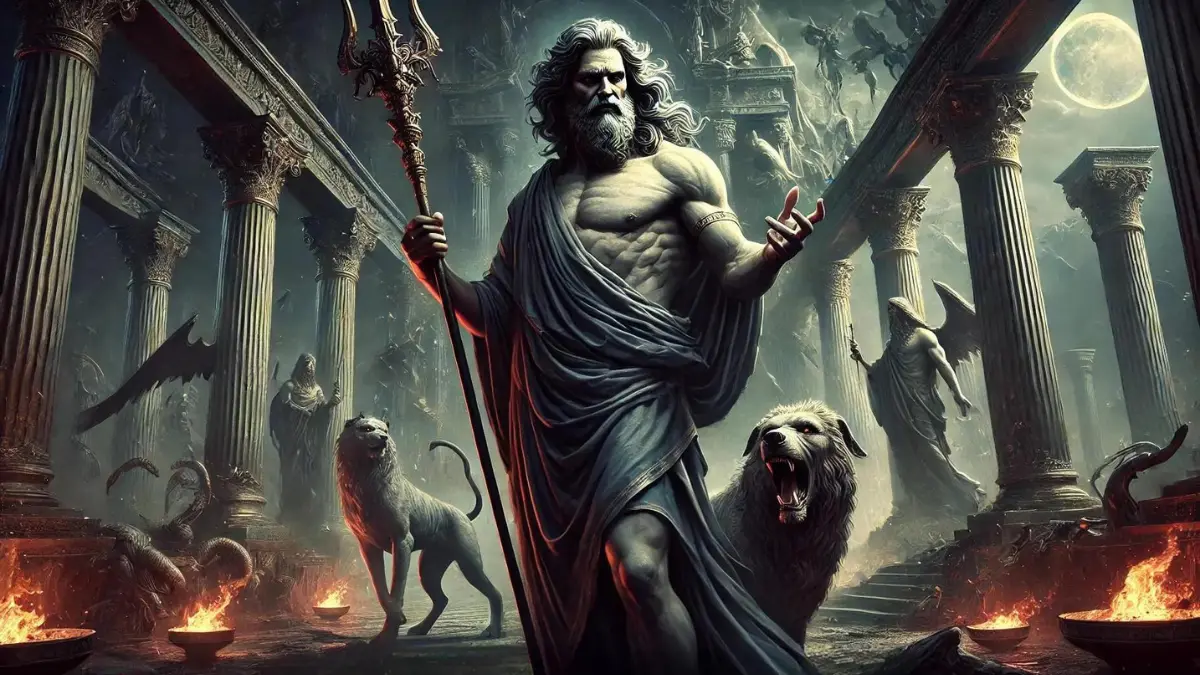
Hades – God of the Underworld
| Hades – God of the Underworld | |
|---|---|
| Domain | Underworld, Dead, Hidden Wealth |
| Symbols | Cerberus, Keys, Scepter, Cypress Tree, Bident |
| Family | Cronus (Titan father) and Rhea (Titan mother); Persephone (wife); brothers: Zeus, Poseidon; sisters: Hera, Hestia, Demeter |
| Interesting Fact | Hades is also associated with wealth and precious metals |
Because Hades ruled the underworld, he was not part of the Olympians despite being one of Zeus’s siblings. The Olympian gods lived and ruled from Mount Olympus, overseeing the sky, sea, and earth.
Hades’s domain was the underworld, where he governed the dead. This separation of realms kept him away from Mount Olympus and the other Olympian gods. While he played a significant role in Greek mythology, his primary responsibilities and residence in the underworld excluded him from being considered one of the twelve Olympians. This distinction highlights the different areas of influence and power among the gods.
Hades is the brother of Zeus and Poseidon. Hades rules over the dead and his kingdom is the underworld.
He is stern but fair, ensuring balance between life and death. Hades is married to Persephone, whom he abducted to be his queen. Unlike other gods, he rarely leaves the underworld. Hades plays a key role in many myths, influencing the cycle of life and death.
Popular Myths:
- Abduction of Persephone
- Orpheus and Eurydice
- Heracles and Cerberus (Twelfth Labor)
- Theseus and Pirithous
- Sisyphus
- Tantalus
Greek Mythology Gods: Myths and Legends
The Creation of the World
In Greek mythology, the world began with Chaos, a vast, empty void.
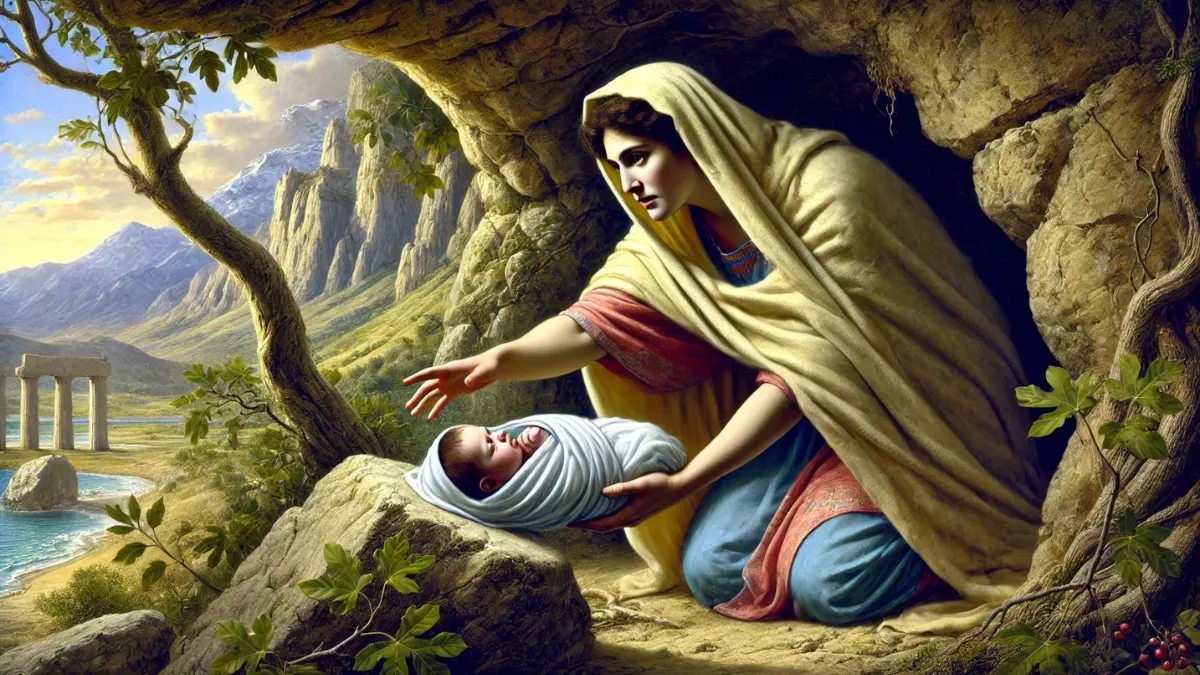
From Chaos came Gaia, the Earth, and Uranus, the Sky. Gaia and Uranus had many children, including the Titans. One Titan, Cronus, overthrew Uranus and ruled the world. Cronus and his sister-wife Rhea had several children, but Cronus swallowed them to prevent them from taking his power.
Rhea tricked Cronus and saved their youngest child, Zeus. Zeus grew up, freed his siblings, and led them in a war against the Titans.
The Olympian gods, led by Zeus, defeated the Titans and took control of the world. They established order and created the world as we know it.
Olympian gods involved in this myth:
- Zeus: Leader and King of the Gods
- Siblings: Hera, Poseidon, Hades, Demeter and Hestia
The Titanomachy (War of the Titans)

The Titanomachy is the great war between the Titans and the Olympian gods.
It started when Zeus freed his siblings from Cronus, their father, who had swallowed them. Zeus, Hera, Poseidon, Hades, Demeter, and Hestia fought against the Titans, led by Cronus. The war lasted for ten years and shook the universe.
The Olympians fought bravely, using their unique powers and strategies. With help from the Cyclopes and the Hundred-Handed Giants, who Zeus freed from Tartarus, the Olympians gained an advantage.
They forged powerful weapons, like Zeus’s thunderbolt, Poseidon’s trident, and Hades’s helmet of invisibility.
In the final battle, the Olympians defeated the Titans and imprisoned them in Tartarus. The victory of the Olympians ended the reign of the Titans and established the rule of the Olympian gods over the world.
Olympian gods involved in this myth:
- Zeus: Leader and King of the Gods
- Siblings: Hera, Poseidon, Hades, Demeter and Hestia
The Labors of Hercules

Hercules, a hero in Greek mythology, had to complete twelve difficult tasks known as the Labors of Hercules.
Hera, angry with Hercules, made him serve King Eurystheus, who assigned these tasks. The first labor was to kill the Nemean Lion, which had an invincible hide. Hercules strangled the lion and wore its skin as armor. His second labor was to slay the nine-headed Hydra, a serpent-like monster. He burned its neck stumps to prevent them from regrowing.
Other tasks included capturing the Golden Hind, cleaning the Augean stables in one day, and capturing the Ceryneian Hind. Hercules also had to capture the Erymanthian Boar, steal the Mares of Diomedes, and get the girdle of Hippolyta, queen of the Amazons.
His final labors were to capture the cattle of Geryon, steal the apples of the Hesperides, and capture Cerberus, the three-headed dog guarding the underworld.
Olympian gods involved:
- Hera: The goddess who made Hercules serve Eurystheus
- Athena: Helped Hercules with wisdom and guidance
- Artemis: Angered when Hercules captured her sacred hind
The Trojan War
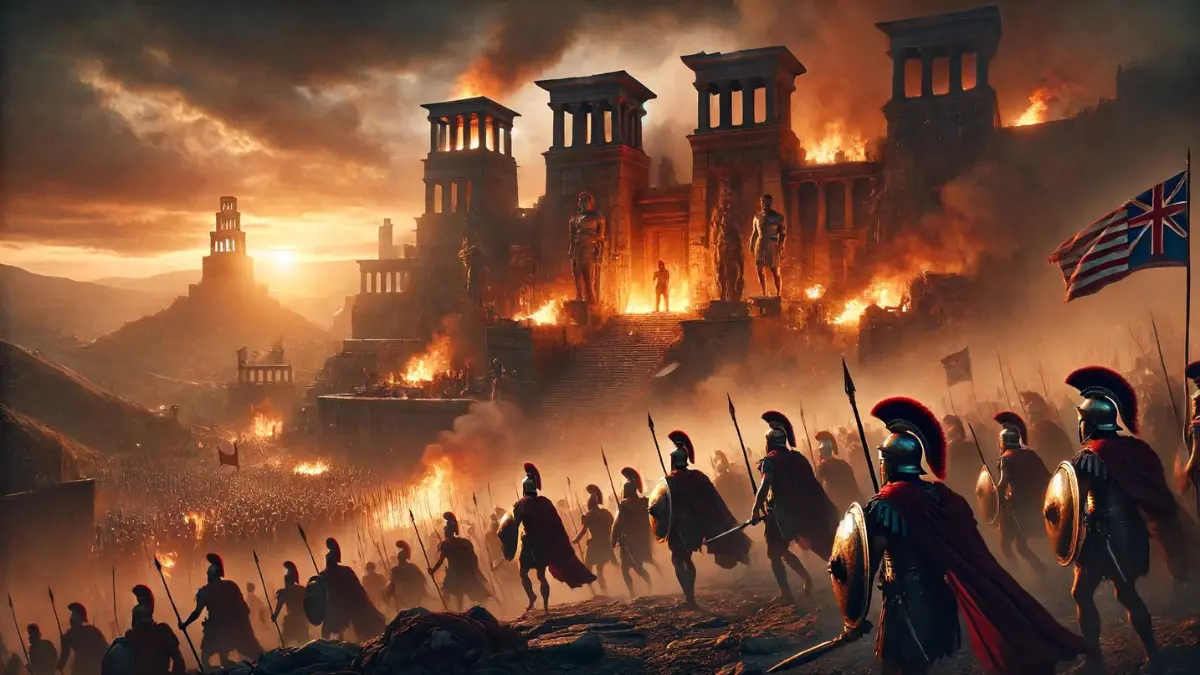
The Trojan War started because Paris, prince of Troy, took Helen from her husband, King Menelaus of Sparta.
The Greeks, led by King Agamemnon, sailed to Troy to retrieve Helen. Famous heroes like Achilles, Odysseus, and Ajax joined the fight. The war lasted ten years and saw many fierce battles. The gods took sides, with Athena, Hera, and Poseidon supporting the Greeks, while Aphrodite, Ares, and Apollo supported the Trojans.
Achilles, the greatest Greek warrior, killed Hector, the Trojan prince, but later died from an arrow shot by Paris. Odysseus devised the plan of the Trojan Horse, a giant wooden horse hiding Greek soldiers. The Trojans brought the horse into their city, thinking it was a gift. At night, the Greek soldiers emerged, opened the gates for their army, and destroyed Troy, ending the war.
Olympian gods involved:
- Judgement of Paris
- Supporting the Greeks
- Athena
- Hera
- Poseidon
- Supporting the Trojans
Conclusion
Greek mythology is full of fascinating gods, goddesses, and stories. Each deity has unique traits and roles, shaping myths that teach lessons and explain nature.
From Zeus, the king of the gods, to Hades, the god of the underworld, these figures influence many aspects of ancient and modern culture. Their adventures, conflicts, and relationships provide endless entertainment and insight. Understanding these myths helps us appreciate ancient Greek culture and its impact on the world.


