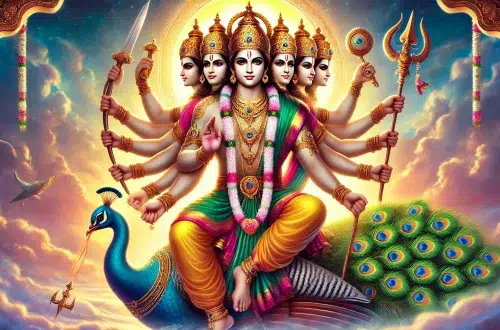
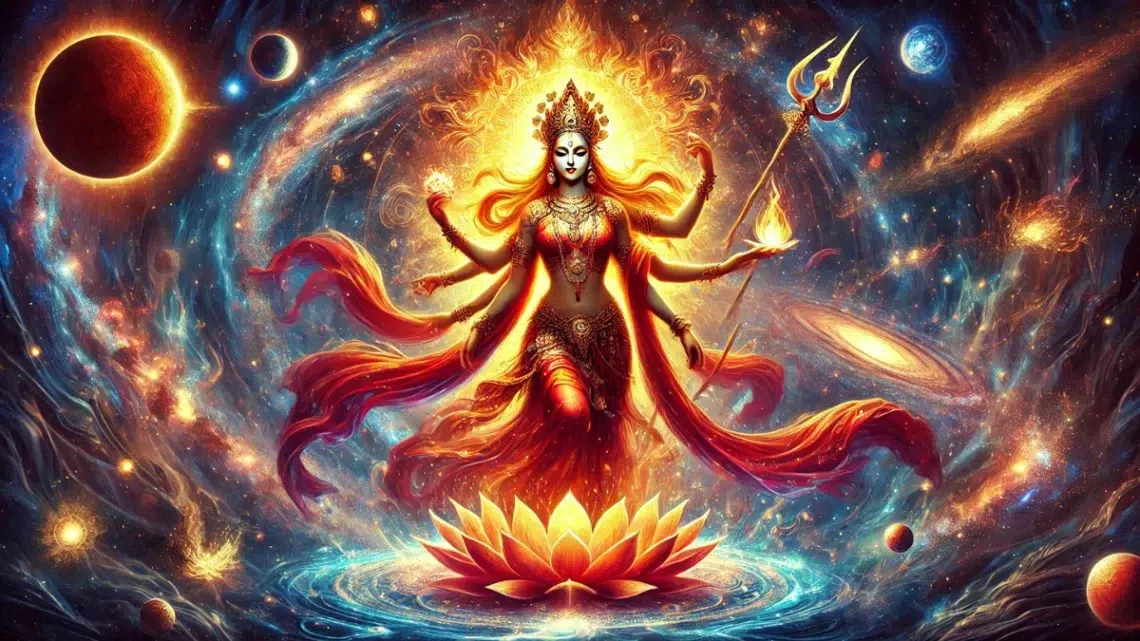
Hindu Mythology: Gods, Goddesses and Meaning
Hindu mythology is one of the oldest and most complex myth systems in the world.
It centres on powerful gods, epic battles, cosmic cycles, and the balance between creation and destruction.
At its core are three major gods known as the Trimurti:
- Brahma the creator
- Vishnu the preserver
- Shiva the destroyer
Alongside them stand powerful goddesses, divine avatars, and nature spirits who shape the universe and guide human life.
Hindu mythology does not tell a single story. It contains thousands of interconnected tales that explore duty, karma, reincarnation, and cosmic order.
Hindu Gods and Symbolism
| Deity | Key Symbol | Represents |
|---|---|---|
| Brahma | Four faces | Creation and knowledge |
| Vishnu | Conch shell and discus | Preservation and balance |
| Shiva | Trident and third eye | Destruction and transformation |
| Lakshmi | Lotus and gold | Wealth and prosperity |
| Durga | Lion and weapons | Protection and strength |
| Hanuman | Mace | Devotion and courage |
| Rama | Bow and arrow | Righteousness and duty |
| Krishna | Flute | Divine love and wisdom |
The Three Main Gods: The Trimurti
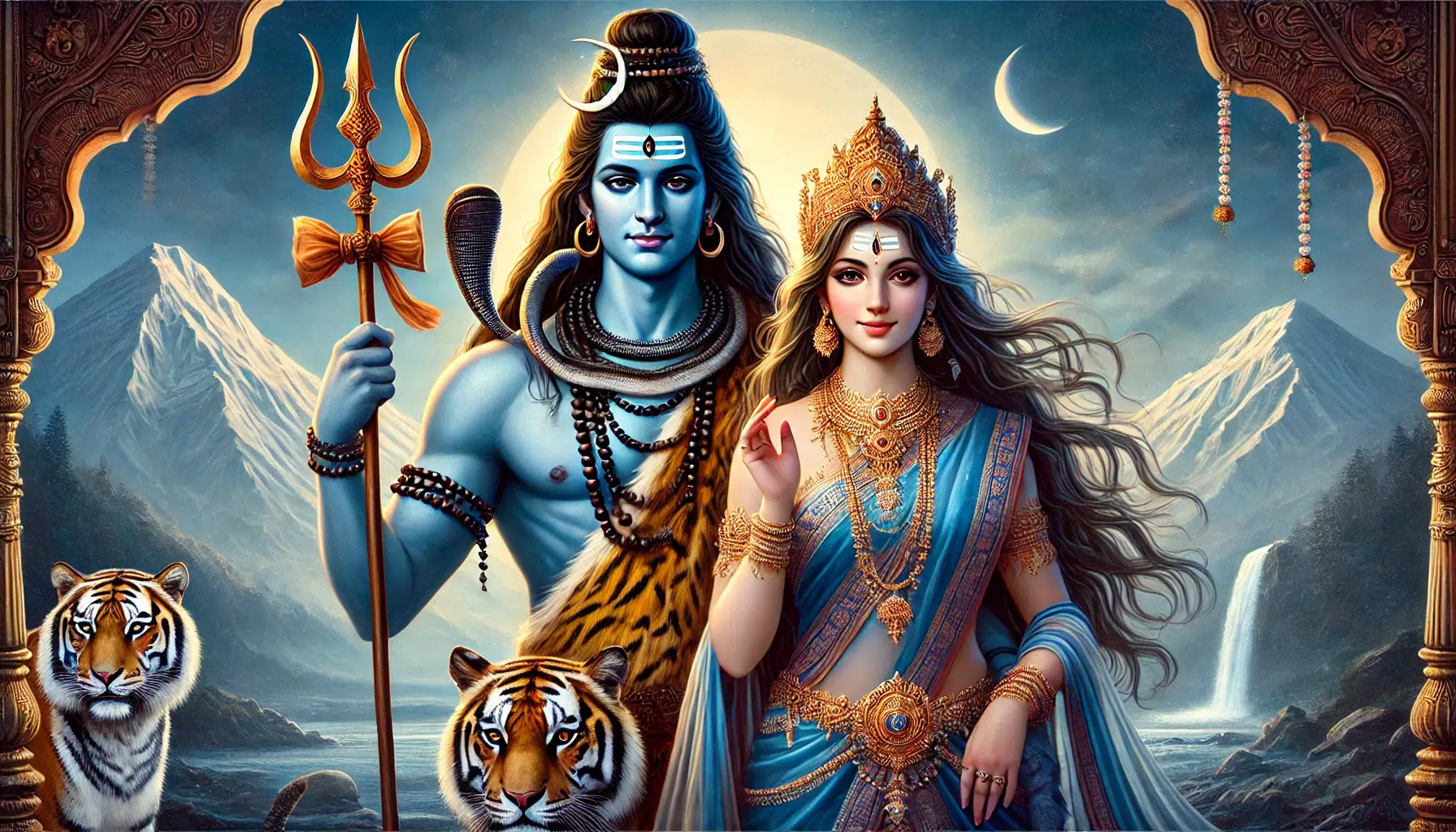
- Brahma: Creates the universe and is wise and creative
- Vishnu: Maintains balance and order
- Shiva: Destroys to allow renewal and symbolizes transformation
Brahma creates life, Vishnu protects and sustains it, while Shiva transforms through destruction and renewal.
Together, they guide the forces of nature and cosmic order. Each god has unique qualities, stories, and roles, deeply influencing Hindu beliefs and practices. The Trimurti reflects harmony and the interconnectedness of all things.
Brahman the Creator
- Hinduism revolves around Brahman, the ultimate, formless divine reality
- All gods and goddesses are manifestations or aspects of Brahman, helping devotees connect with the divine through relatable forms.
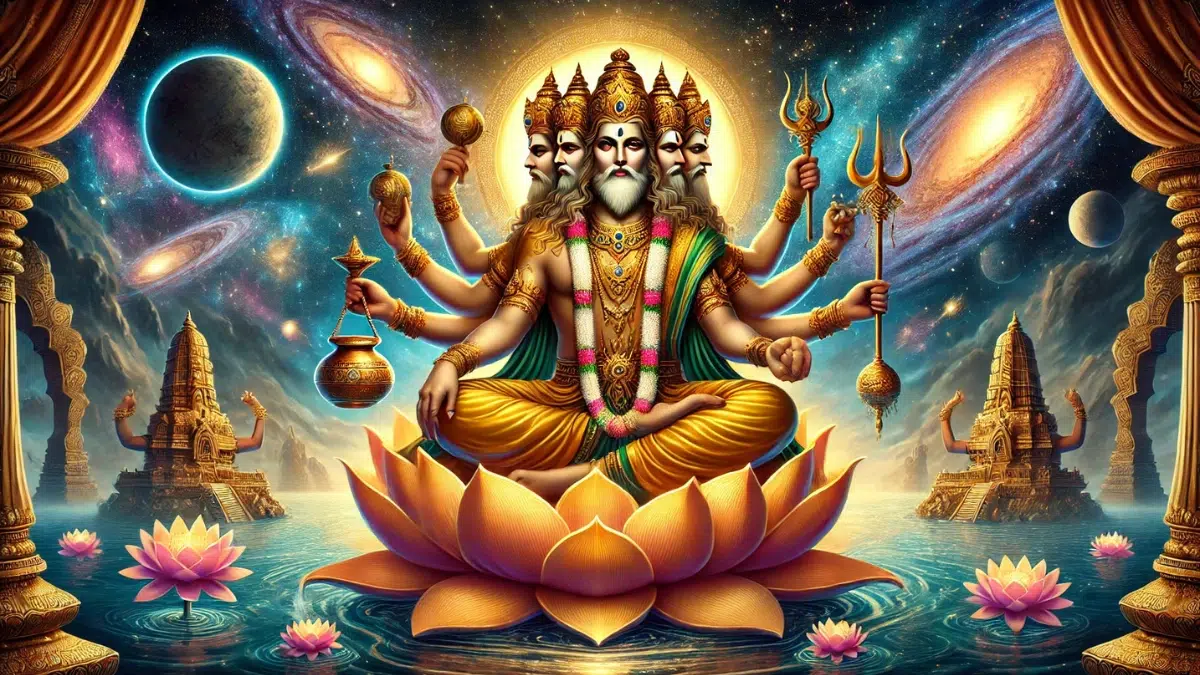
Brahma is the Creator of life and matter.
Brahman represents the ultimate reality in Hindu philosophy. It refers to an infinite, eternal presence beyond physical form. Hindus believe Brahman exists in everything, connecting all living beings and the universe. This concept goes beyond individual gods, focusing on the unity of all creation.
He made the goddess Saraswati. But, he is not as adored as the others because of some myths.
Brahma is the creator god who brings the universe into existence. He is often depicted with four faces, symbolizing the four Vedas, and is associated with knowledge, wisdom, and creativity.
Brahman holds no shape or gender but embodies truth, knowledge, and limitless energy. Many Hindu teachings describe Brahman as the source of life and existence. Spiritual practices like meditation and yoga aim to help people connect with Brahman. This connection brings peace, awareness, and a deeper understanding of life’s purpose and universal harmony.
Vishnu the Preserver
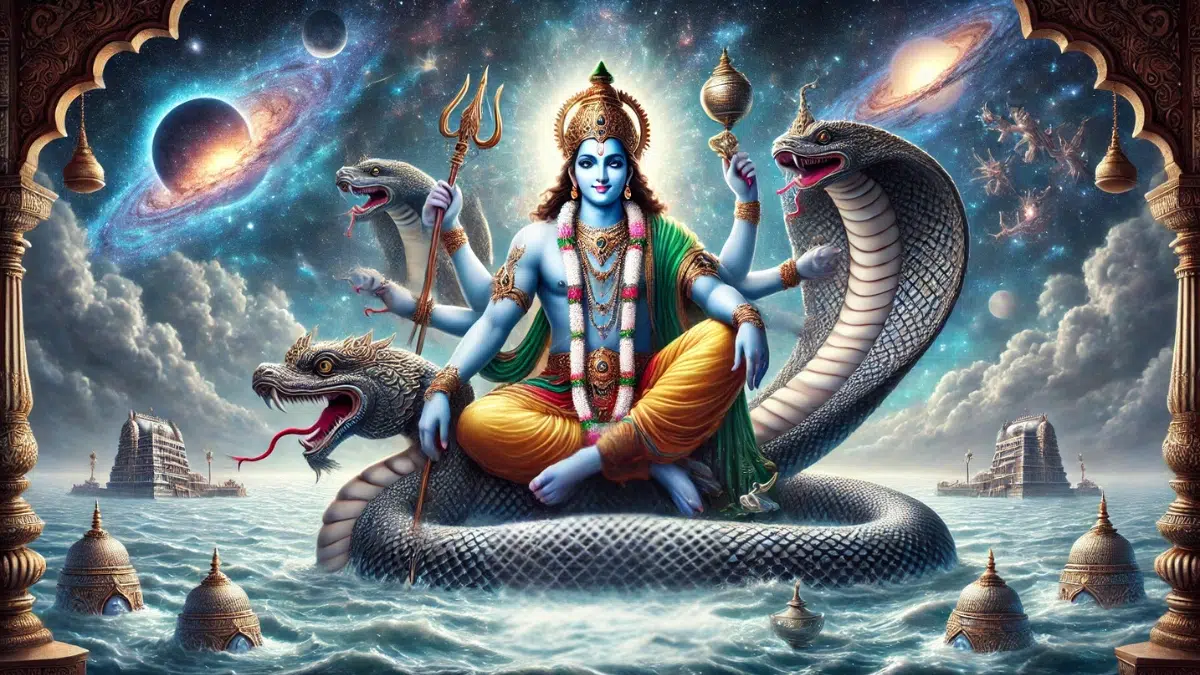
Vishnu is the preserver and protector of the universe in Hindu mythology. He maintains balance and order in creation. Vishnu is known for protecting the world. He has come to Earth many times, like in the stories of Rama and Krishna.
Vishnu takes on different forms, called avatars, to guide humanity and defeat evil forces.
Two of his most famous avatars are:
- Rama symbolizes honour, courage, and duty
- Krishna teaches love, wisdom, and devotion
Each avatar plays a key role in restoring peace and justice.
Vishnu’s role inspires hope and trust in divine protection. Temples honour Vishnu through rituals and stories that remind people of his efforts to protect the world and preserve universal harmony.
Shiva the Destroyer
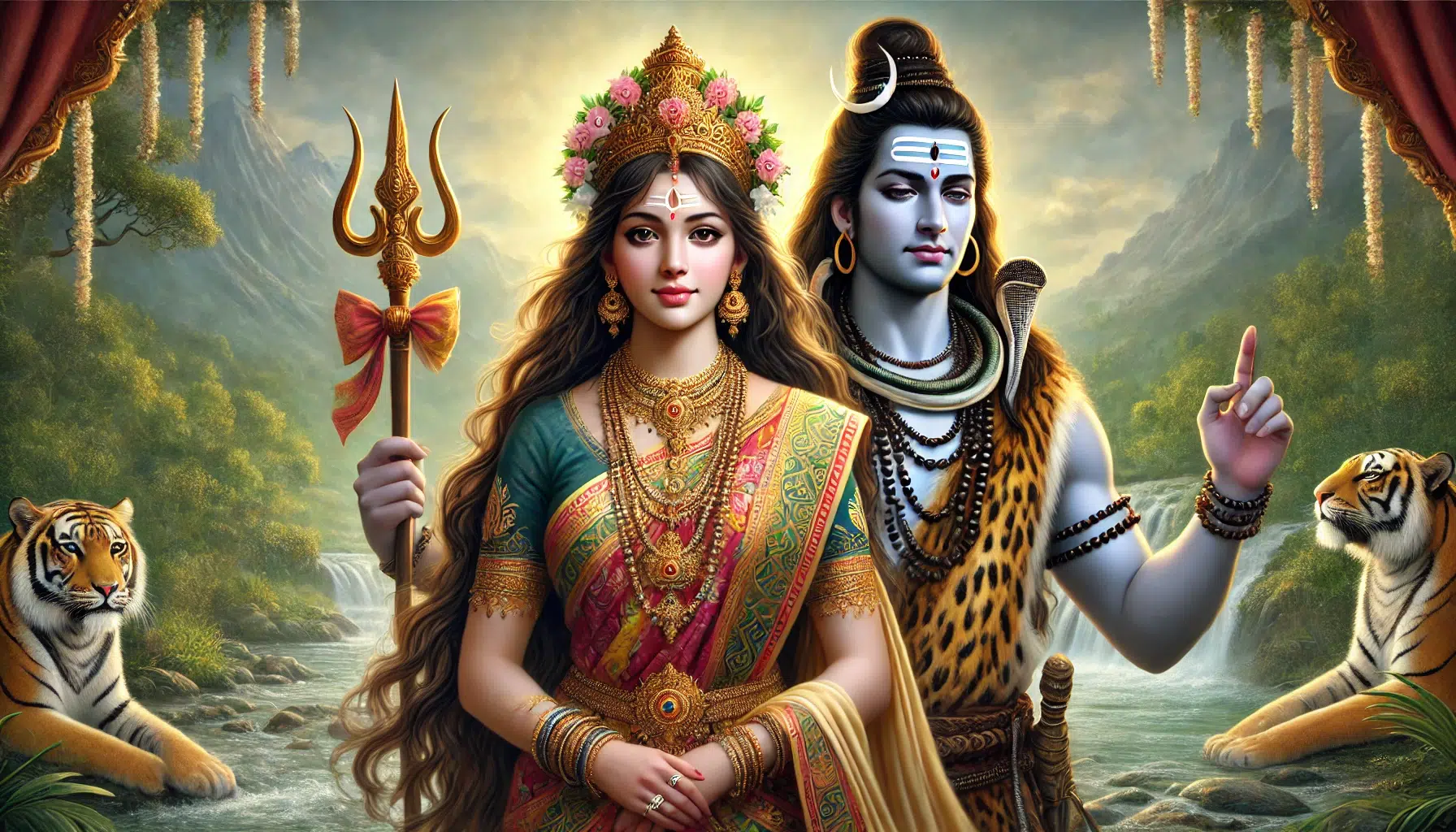
Shiva is the destroyer and transformer in Hindu mythology.
He plays a vital role by transforming the world for renewal and growth. He oversees the cycle of birth, death, and rebirth, ensuring life continues. Shiva is often depicted in a meditative state, representing the union of consciousness and divine energy.
Shiva symbolizes change, showing that endings lead to new beginnings.
Often depicted in deep meditation, Shiva represents peace, inner strength, and the balance of energy.
His powerful dance, called the Tandava, reflects destruction and creation in harmony. Shiva’s role connects with nature’s cycles and inspires spiritual growth. Together with Brahma and Vishnu, he completes the Hindu Trinity, each god playing a unique part in maintaining universal balance.
His role is important for the world to renew and grow. Each god’s job in the Trinity is key to life and faith.
The Major Goddesses of Hindu Mythology
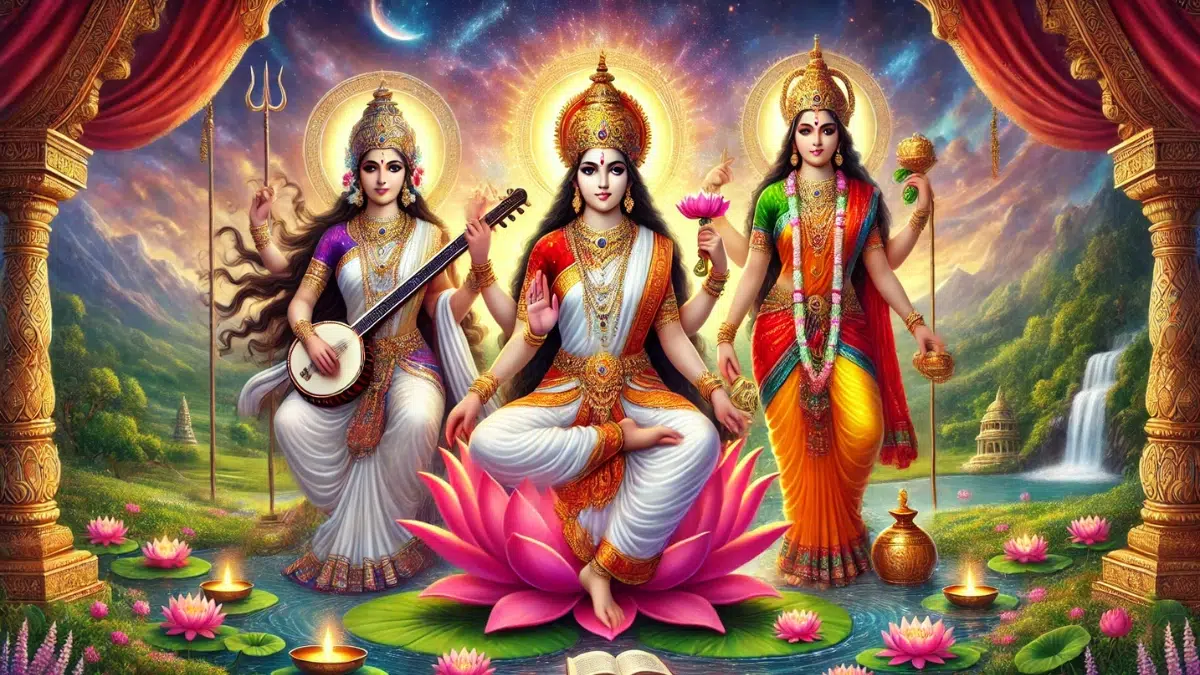
The Tridevi is a trio of top goddesses in Hindu mythology:
- Saraswati (Brahma’s Consort): Goddess of knowledge, arts, and learning
- Lakshmi (Vishnu’s Consort): Goddess of wealth, prosperity, and abundance
- Parvati (Shiva’s Consort): Goddess of love, fertility, and power; manifests as Durga (protector) and Kali (destroyer)
Saraswati the Goddess of Wisdom

Saraswati, the goddess of wisdom, inspires learning, creativity, and the arts. She supports knowledge and encourages personal growth and understanding.
Often shown with four arms, each arm stands for the mind, imagination, reasoning, and self-understanding. Saraswati carries a veena, representing the harmony of life and music. She also holds sacred texts, showing her connection to learning and education.
Many students and artists pray to her for guidance in their studies and creative work.
Married to Brahma, Saraswati plays an important role in the cycle of creation by bringing wisdom and clarity. She reminds people of the power of knowledge and expression.
Lakshmi the Goddess of Wealth
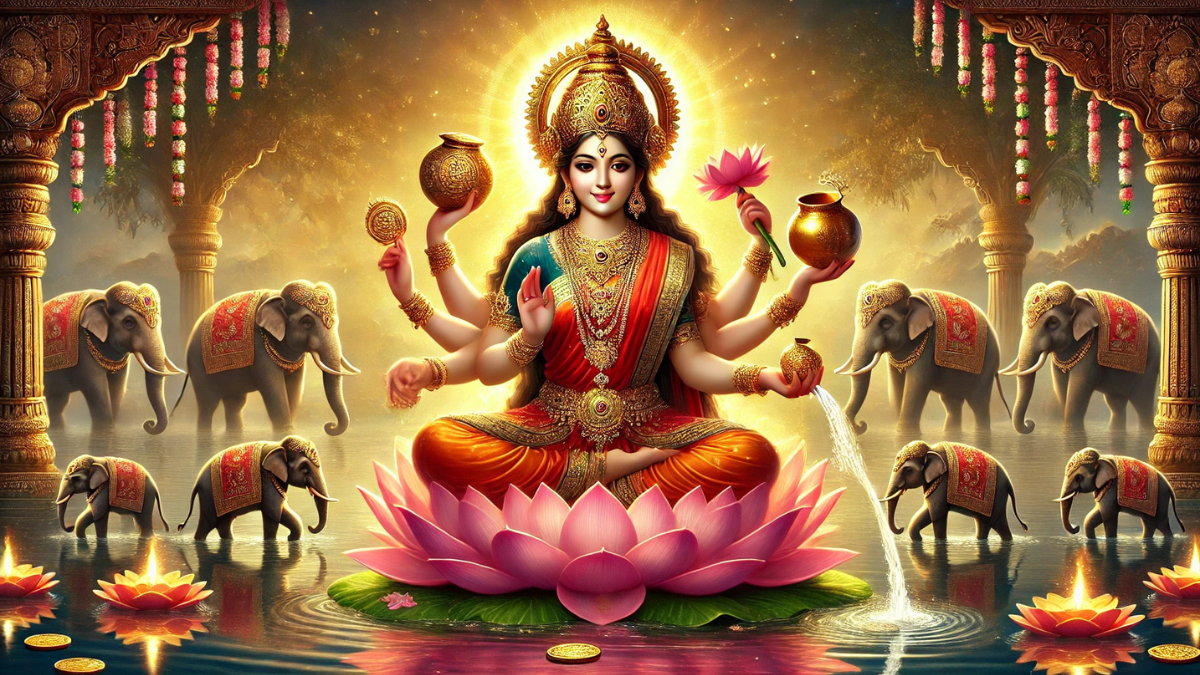
The goddess of fortune is Lakshmi, the wife of Vishnu.
Lakshmi, the goddess of wealth and prosperity, blesses people with good fortune, abundance, and success.
As the wife of Vishnu, she supports balance and harmony in life. Lakshmi has four arms, each representing righteousness, desires, wealth, and liberation. These qualities guide people toward a fulfilled and meaningful life.
Lakshmi is depicted as a beautiful goddess adorned with jewelry and surrounded by elephants, symbolizing her power and grace. She often appears beautifully adorned with jewelry, symbolizing her connection to prosperity.
Elephants near her represent power, grace, and fertility. Devotees pray to Lakshmi for success in both material and spiritual matters. Her blessings inspire generosity and gratitude, teaching people to share their wealth and live with kindness and purpose.
Parvati the Goddess of Love
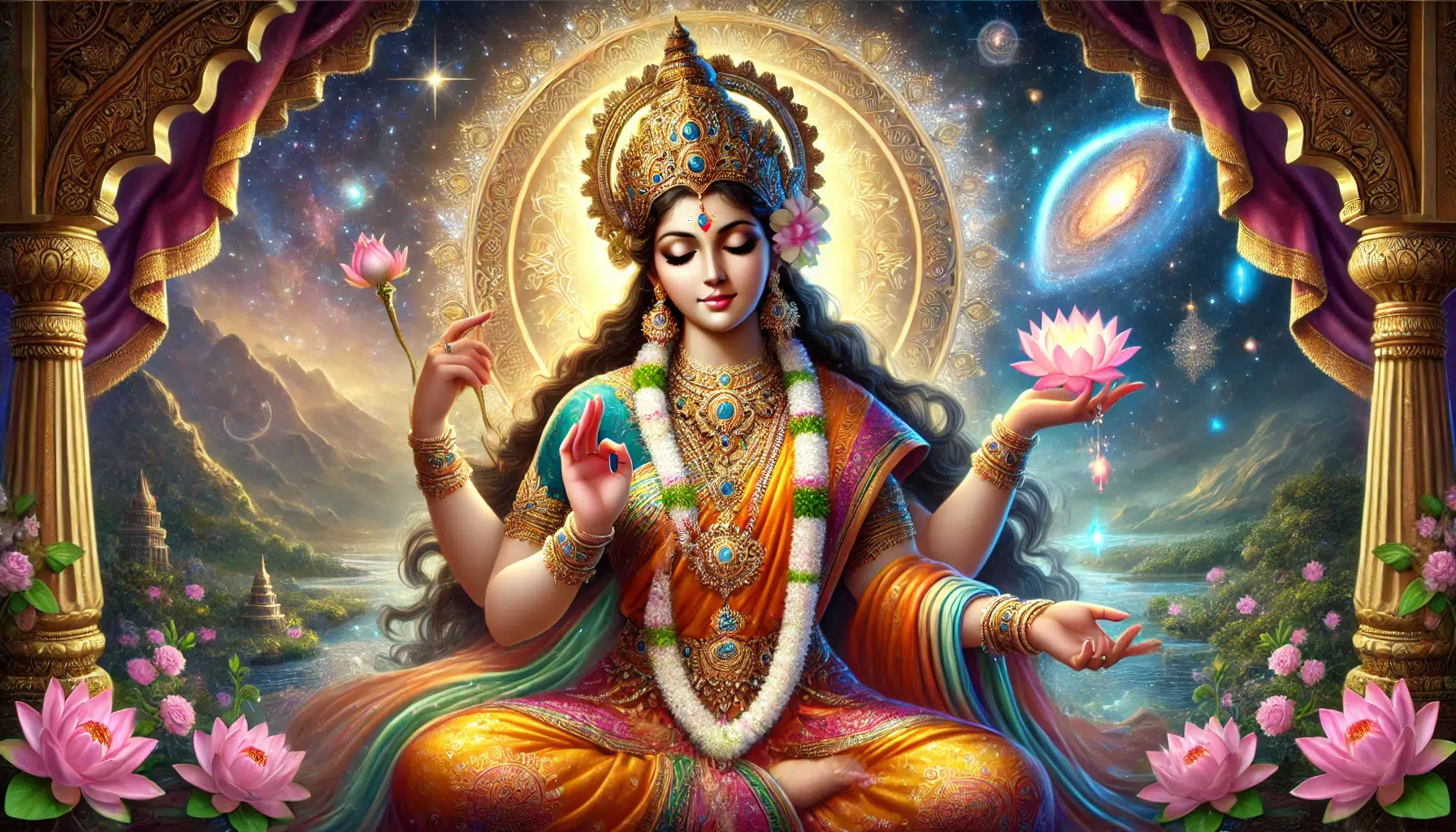
Parvati, the wife of Shiva, represents power, love, and devotion.
She embodies Shakti, the divine energy that drives the universe and the symbol of love, faith, and fertility. Parvati lives with Shiva in the Himalayas, symbolizing balance and unity.
As the mother of Ganesha and Kartikeya, she supports wisdom, beginnings, and protection.
Parvati’s role extends beyond motherhood, showcasing her strength and nurturing spirit. Together with Saraswati and Lakshmi, she forms the powerful trio of goddesses, balancing creation, preservation, and transformation.
Known as Shakti, these goddesses help maintain harmony in life and the universe. Devotees honour them for their guidance, protection, and deep connection to humanity.
Vishnu’s Avatars
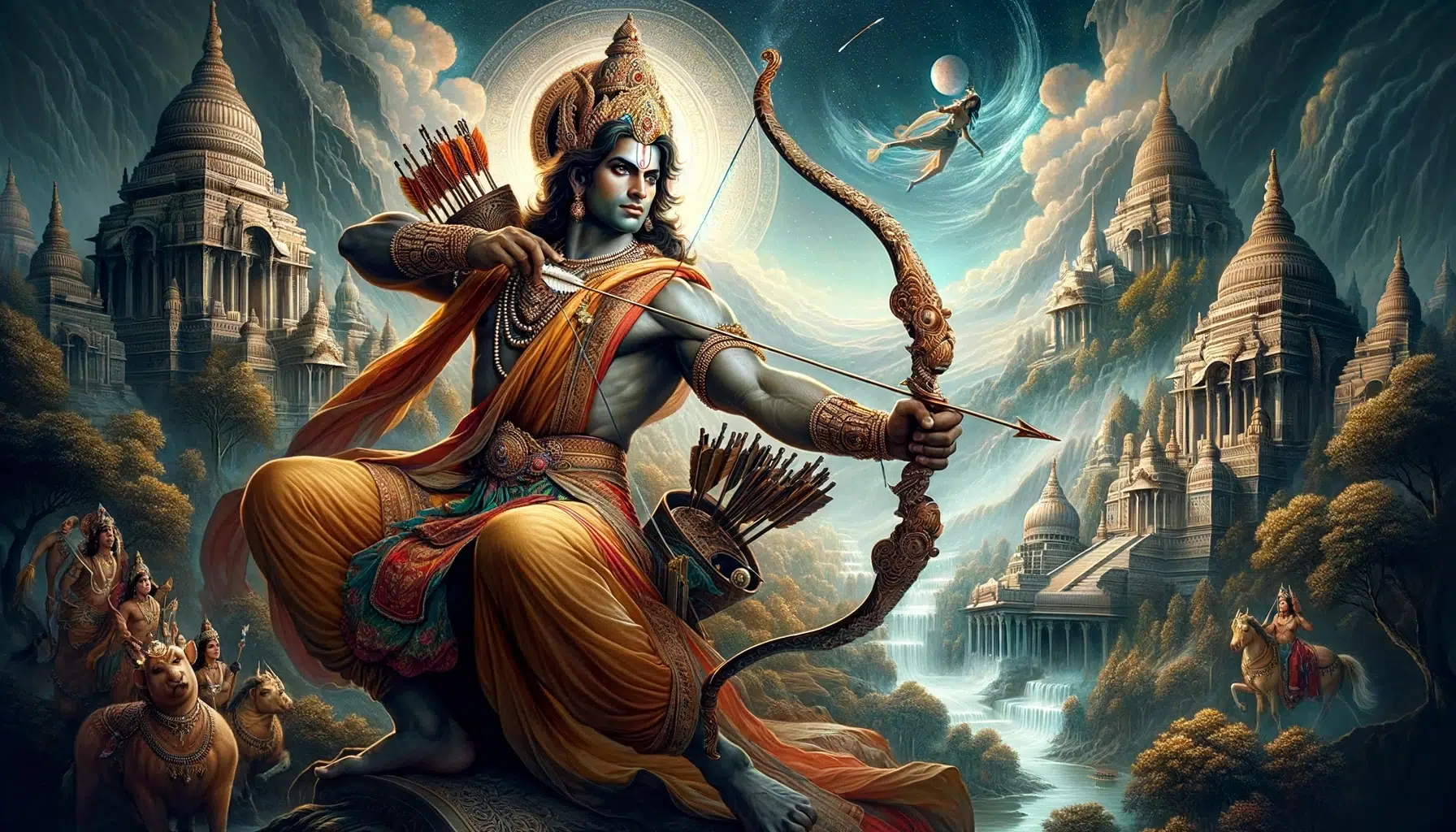
Vishnu takes ten main forms (avatars) to restore cosmic order and protect the universe. Vishnu’s avatars inspire faith and guide humanity toward peace, justice, and harmony.
Each avatar defeats evil and preserves balance.
The most famous are:
- Rama (Ramayana): The ideal king known for honour and duty
- Krishna (Mahabharata): teaches wisdom and love
Rama the Seventh Avatar of Vishnu
Rama is the seventh avatar of Vishnu in Hindu mythology. He is known for his role as the ideal king and hero in the epic Ramayana.
He stands for righteousness, integrity, and devotion to duty. Rama’s story teaches valuable lessons about morality, honour, and the triumph of good over evil.
He inspires people to follow moral values and face challenges with courage. Rama’s story shows the triumph of good over evil and the importance of honour and loyalty. Devotees see him as a model of justice and compassion.
Krishna the Eighth Avatar of Vishnu
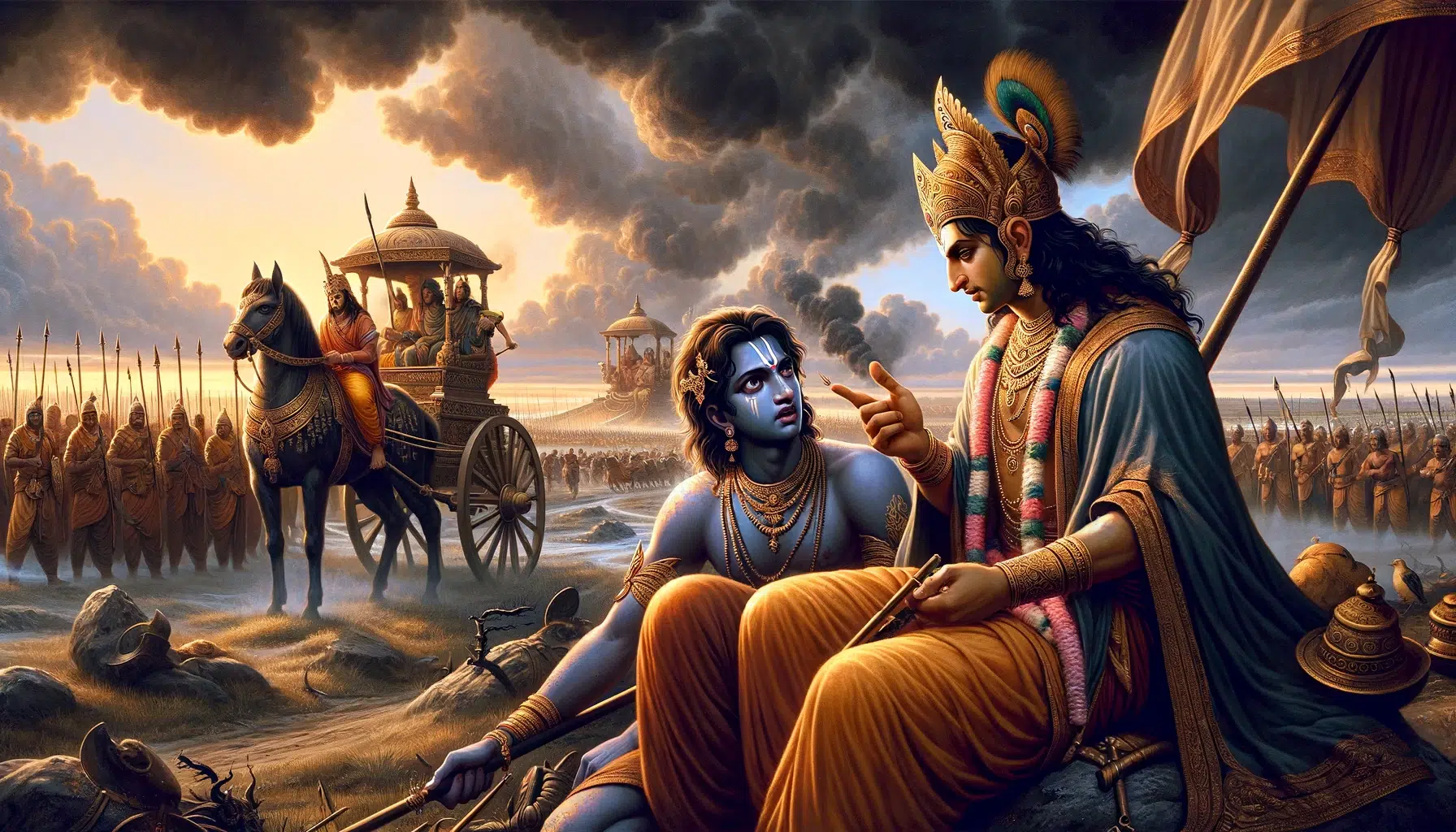
Krishna, the eighth avatar of Vishnu, symbolizes wisdom, love, and joy. Known for his flute playing, he enchants people and animals alike.
Krishna’s teachings in the Bhagavad Gita guide people toward self-understanding and devotion. His life inspires faith, courage, and the pursuit of truth while showing the power of divine love.
Krishna’s teachings spiritual guidance and insights into the nature of the self and devotion to a higher power.
Popular Hindu Gods
- Ganesha: The elephant-headed god of wisdom and new beginnings, beloved by all
- Hanuman: The monkey god of strength, devotion, and loyalty and a hero in the Ramayana
- Durga: The warrior goddess who destroys evil and protects the universe
- Kali: A fierce form of Parvati, symbolizing time, destruction, and liberation
Ganesha God of Wisdom
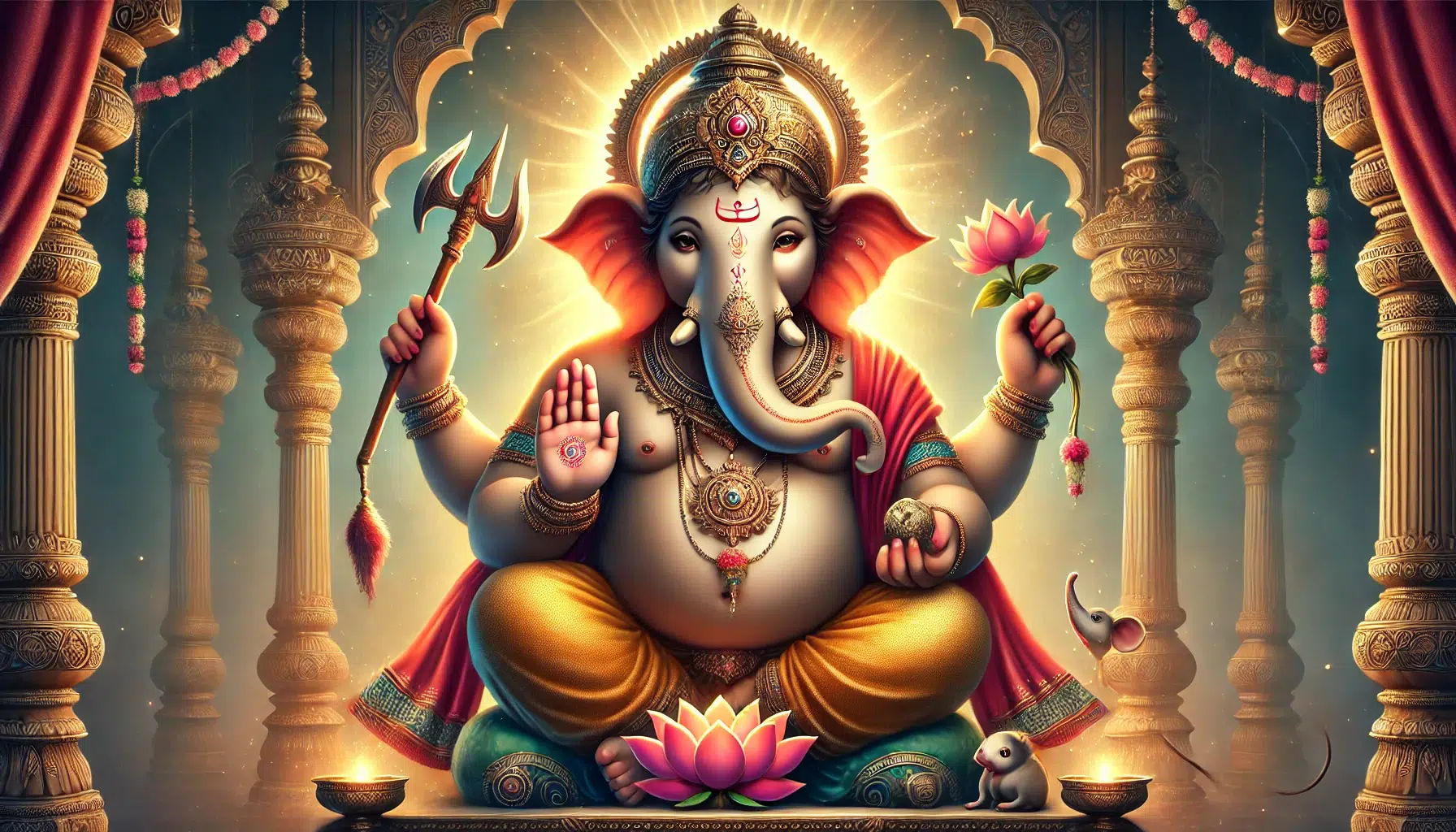
Ganesha, the elephant-headed god, represents wisdom, luck, and new beginnings. Known as the remover of obstacles, he helps people succeed.
Devotees pray to Ganesha before starting important tasks. His large ears symbolize listening, while his small mouth encourages thoughtful speech. Ganesha inspires learning, patience, and overcoming challenges in life.
Hanuman the Monkey God
Hanuman, the monkey god, symbolizes strength, devotion, and courage.
He plays a significant role in the epic Ramayana, where he assists Lord Rama in his quest to rescue his wife, Sita, from the demon king Ravana. Hanuman is revered as a symbol of courage, devotion, and selflessness.
He inspires loyalty and determination through his fearless actions.
Known for helping Rama, Hanuman represents selflessness and service. Devotees pray to him for protection and energy. Hanuman teaches the importance of faith, perseverance, and using strength for good in life.
Durga the Warrior Goddess
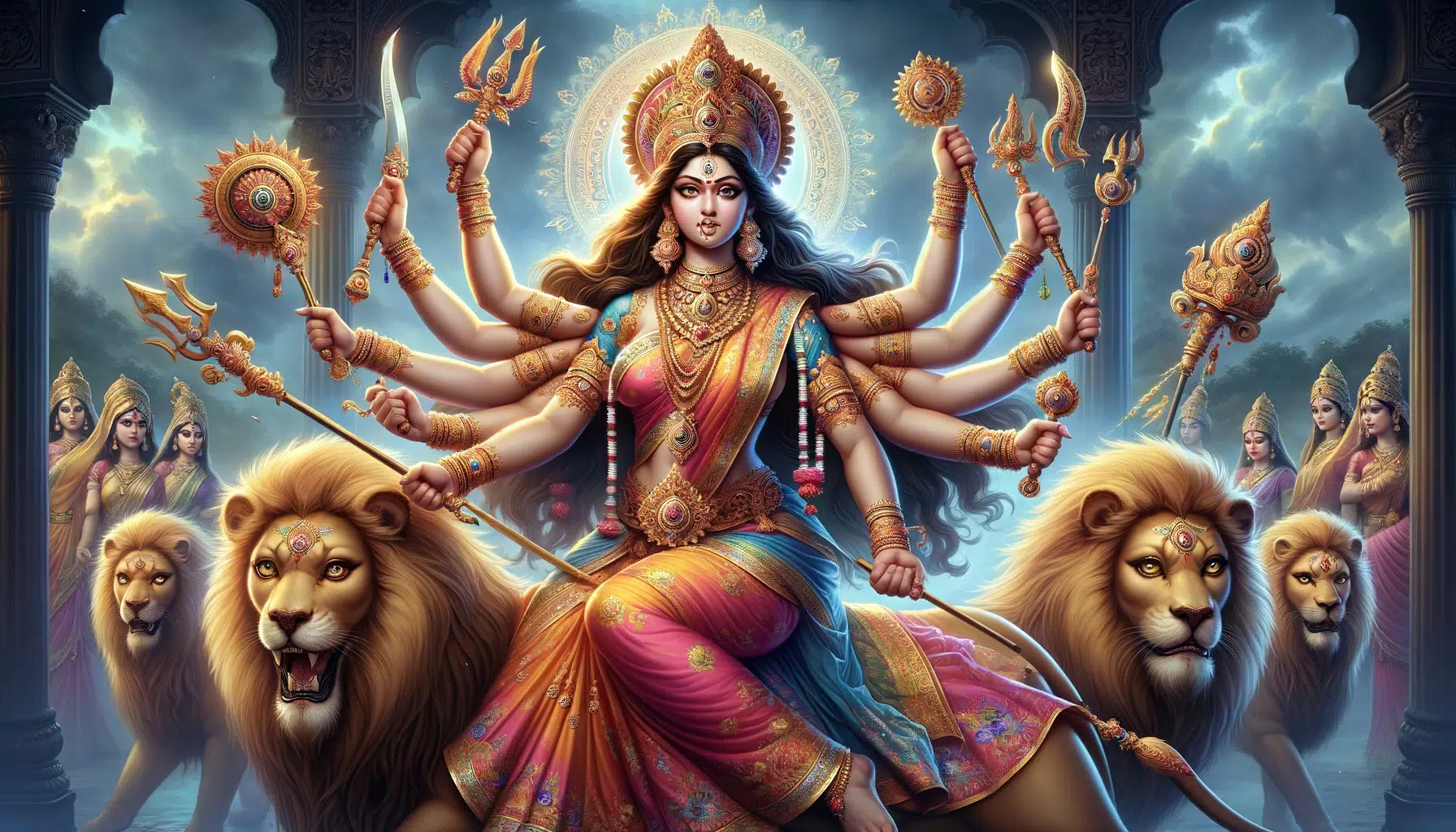
Durga is a warrior goddess and the mother of the universe. She is a symbol of female power symbolizes strength, protection, and courage. She is worshipped for her ability to protect and empower her devotees.
Durga is often depicted riding a lion, representing her fearlessness and strength. She defeats evil forces to maintain balance and justice. Durga rides a lion, showing her power and fearless nature.
Devotees honour her for protection and guidance. She inspires confidence, resilience, and the ability to overcome challenges with determination and inner strength.
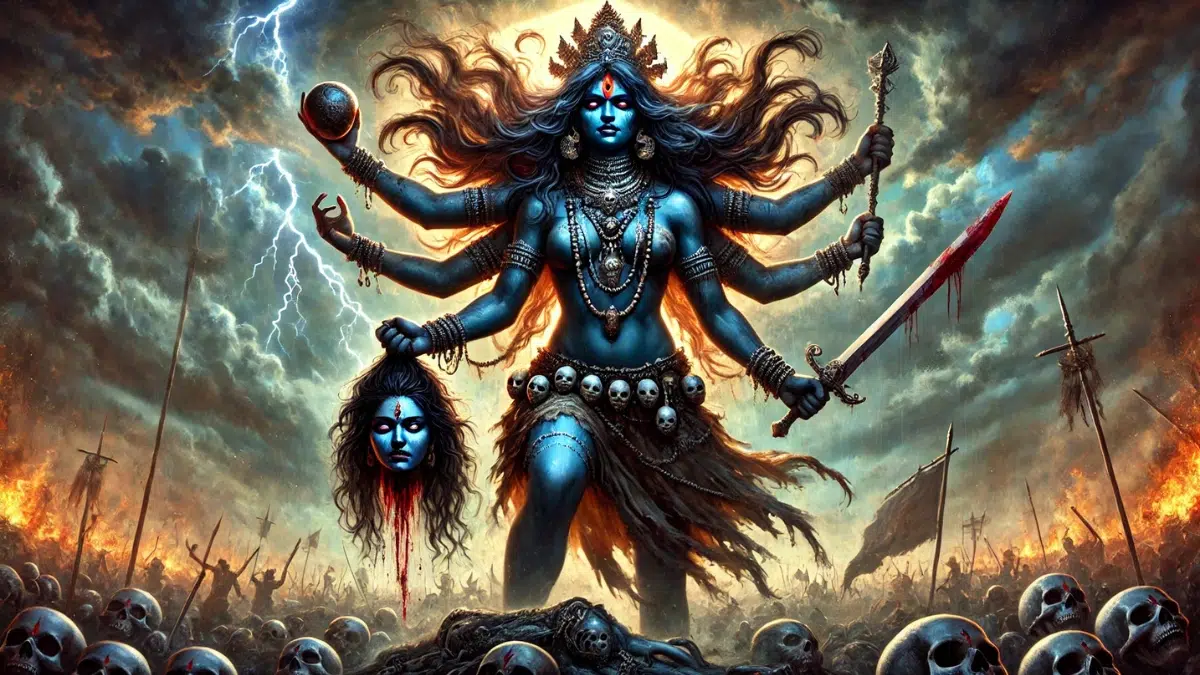
Kali Goddess of Time and Transformation
Kali, the goddess of time and transformation, represents power and destruction of evil. She fights to protect the innocent.
Kali symbolizes inner strength, courage, and the power to overcome fear. Devotees honour her for guidance in difficult times. She teaches the importance of facing challenges with bravery and determination.
Nature and Elemental Deities
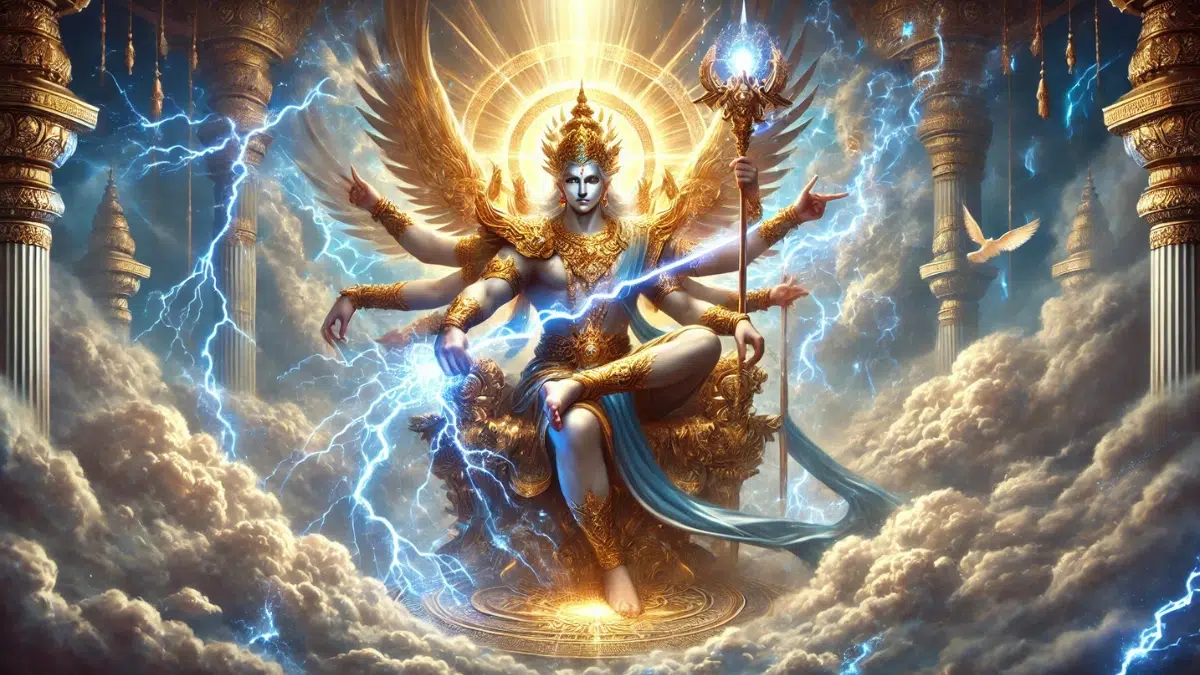
Hindu mythology connects deeply with nature. Many gods represent natural forces that shape the world.
- Indra rules thunder and storms
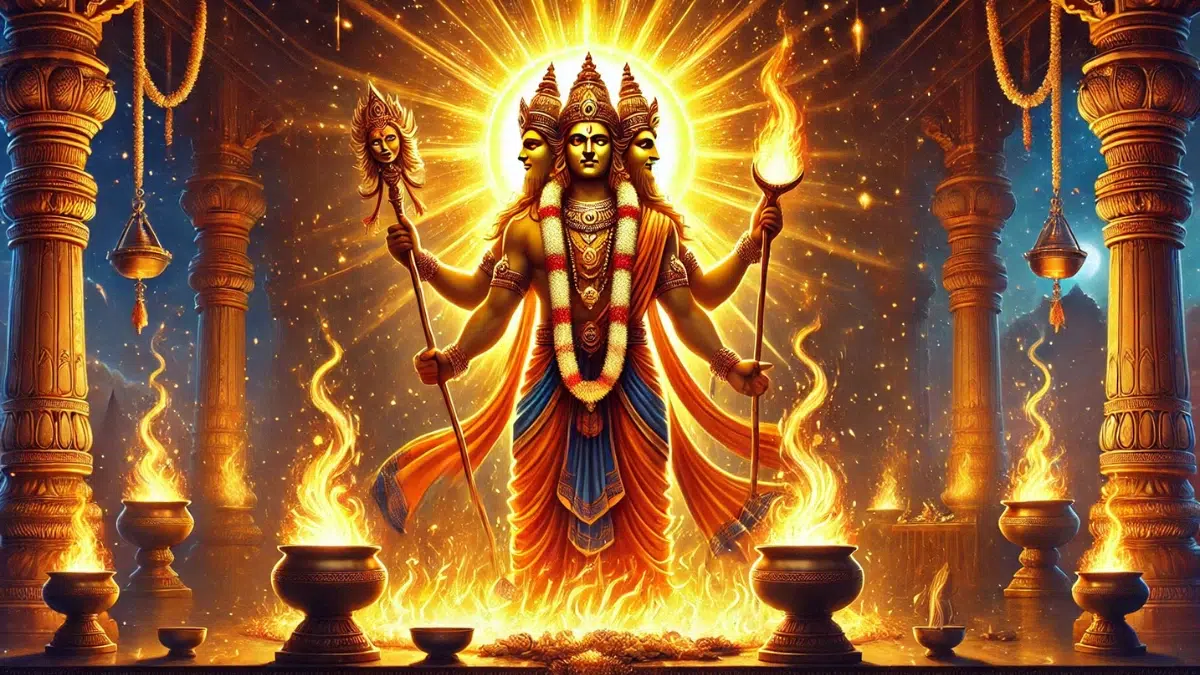
- Agni governs fire and sacrifice
- Varuna oversees water and cosmic order
- Surya represents the sun and life-giving energy
These deities reflect how ancient Hindu belief sees nature as sacred and alive with divine power.
Shakti: The Divine Feminine Energy
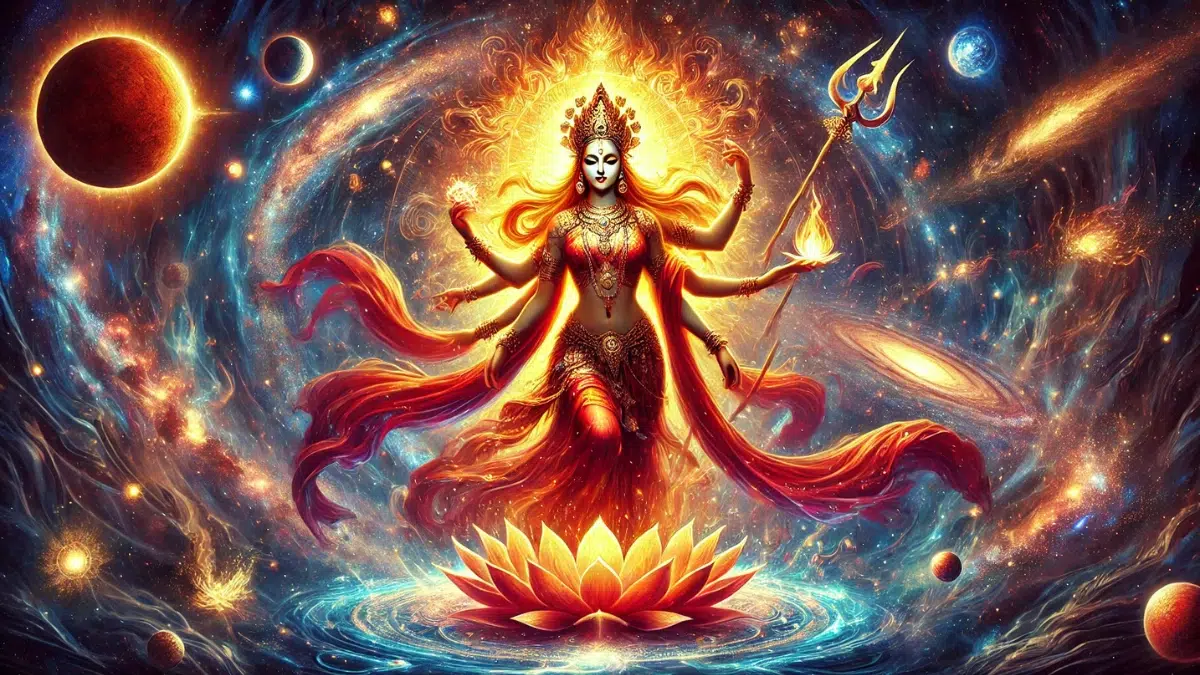
Shakti represents divine energy and creative power in Hindu belief. It is the force that moves the universe and gives life to all beings.
Many goddesses express this energy, including Lakshmi, Saraswati, Durga, and Kali. While each goddess has a distinct role, all embody Shakti.
Without Shakti, even the great gods cannot act. It is the power behind creation, preservation, and transformation.
Conclusion
Hindu mythology offers a rich understanding of gods and their roles in life and the universe. Each god and goddess represents unique qualities like wisdom, courage, love, and justice. They guide people through challenges, teaching values like truth, devotion, and balance.
Gods like Brahma, Vishnu, and Shiva maintain the cycle of creation, preservation, and transformation. Goddesses like Saraswati, Lakshmi, and Parvati embody knowledge, prosperity, and strength. Together, they reflect life’s interconnectedness and the importance of harmony.
Stories and symbols from Hindu mythology inspire spiritual growth and moral living.
Tales of Vishnu’s avatars, Shiva’s meditative power, and Durga’s courage remind people to live with purpose. These teachings encourage kindness, responsibility, and respect for all life.
Hindu mythology connects deeply with human experiences, offering timeless lessons for modern life. It shows how gods, humans, and the universe work together to create balance and peace. By understanding these stories, people can find inspiration to live with wisdom, compassion, and hope.