
Euripides Famous Playwright of Greek Tragedy
Euripides was a famous playwright in ancient Greece. He often explored human emotions and social issues in his works. He lived around 480-406 BCE.
His plays stood out because they focused on realistic characters and complex feelings. Euripides’ work had a big impact on Greek literature. He changed how people viewed heroes and gods in stories.
His plays often include strong women and challenge traditional ideas. Euripides contributed greatly to Greek tragedy by making it more relatable and human.
His influence remains strong in modern theater and literature. Reading Euripides’ plays helps us understand ancient Greek culture and human nature.
Early Life and Background of Euripides

Euripides was born around 480 BCE in Salamis, Greece. He grew up during the time of the Persian Wars. Euripides loved learning and often read books in the library. He studied philosophy and the works of earlier playwrights.
Several things influenced Euripides’ writing. He admired the works of Aeschylus and Sophocles, two famous playwrights.
He also drew inspiration from the world around him, including the political and social changes in Athens. Euripides saw the struggles of people and the impact of war. These experiences shaped his ideas and themes.
Euripides began writing plays when he was young.
His first play appeared in the Athenian festival called Dionysia. This festival celebrated the god Dionysus and included a competition for playwrights. Euripides quickly gained attention for his unique style. He focused on realistic characters and complex emotions. His plays often included strong female characters and questioned traditional beliefs.
Euripides continued to write throughout his life, creating over 90 plays. Only 17 of his plays survive today.
Some Of The Euripides Plays That Survived
- Medea
- The Bacchae
- Hippolytus
- The Trojan Women
- Alcestis
- Andromache
- Ion
- Heracles (Hercules Furens)
- The Children of Heracles (Heracleidae)
- The Cyclops (the only complete satyr play)
- Electra
- Helen
- Hecuba
- Iphigenia in Aulis
- Iphigenia in Tauris
- The Phoenician Women (Phoenissae)
- The Suppliants (The Suppliant Women)
Some of his most famous works include “Medea,” “The Bacchae,” and “Hippolytus.” These plays show his talent for exploring deep human emotions and social issues.
Euripides’ career as a playwright helped change Greek theater. His focus on realistic characters and challenging themes made his work stand out. Euripides remains one of the greatest playwrights in history.
Key Themes in Play by Euripides

Euripides’ plays explore many important themes. One key theme is human psychology and emotions. His characters often face intense feelings like love, jealousy, and anger. Euripides shows how these emotions drive people’s actions and decisions.
Another important theme is the role of gods and fate. In his plays, gods often influence human lives. Euripides questions if people control their destiny or if fate decides everything. This theme makes audiences think about their own lives and choices.
Euripides also uses his plays to comment on society. He looks at issues like war, power, and justice. His plays often critique the society he lives in.
For example, “The Trojan Women” shows the horrors of war and its impact on women. Euripides wants people to reflect on their society and think about how to make it better.
Feminism is another significant theme in Euripides’ plays. He portrays strong, complex female characters who face big challenges. Characters like Medea and Electra show women’s strength and intelligence. Euripides often highlights the unfair treatment of women in society. He questions traditional gender roles and calls for greater respect and equality.
Learn more about:
Euripides’ plays combine these themes in powerful ways. He explores deep human emotions and the influence of gods and fate. His social commentary pushes audiences to think critically about their world. His portrayal of women challenges traditional views and promotes equality. These themes make his plays timeless and relevant even today.
Popular Plays By Euripides
Medea

Summary of the Plot
Medea, a play by Euripides, tells the story of Medea and her husband, Jason. Jason leaves Medea to marry a princess. Medea feels angry and betrayed. She plans a terrible revenge. Medea pretends to accept Jason’s decision. She sends gifts to the princess, which are poisoned. The princess and her father die. Finally, Medea kills her own children to hurt Jason.
Key Themes and Characters
Medea explores themes of love, betrayal, and revenge. The play also looks at the roles of women in society. Medea is the main character. She is intelligent, strong, and vengeful. Jason is Medea’s husband, who leaves her for another woman. The princess and her father, the king, are victims of Medea’s revenge.
Analysis of Medea’s Character and Motivations
Medea is a complex character. She loves Jason deeply but feels completely betrayed when he leaves her. This betrayal fuels her desire for revenge. Medea’s intelligence helps her plan a detailed and deadly scheme. Her actions show her extreme emotional pain. She feels that killing her children will hurt Jason the most. This tragic decision highlights her intense emotions and broken heart.
Medea also challenges the traditional role of women. She refuses to accept Jason’s betrayal quietly. Instead, she takes action and makes her voice heard. Medea’s strength and determination show her as a powerful woman. However, her extreme actions make her a tragic and controversial figure.
Differences from the Myth
In the original myth, Medea kills her children with Jason, but Euripides changes it. In the play, she does it alone to punish Jason more deeply.
The Bacchae

Summary of the Plot
“The Bacchae” tells the story of Dionysus, the god of wine, and his return to Thebes. He wants to prove his divinity. King Pentheus, the ruler of Thebes, refuses to believe Dionysus is a god. He bans the worship of Dionysus.
Dionysus makes the women of Thebes, including Pentheus’ mother, join his followers, the Bacchae. They go to the mountains and worship wildly. Dionysus tricks Pentheus into spying on the Bacchae. The women, in a frenzy, mistake Pentheus for a wild animal and tear him apart. His mother, Agave, realizes too late what she has done.
Key Themes and Characters
“The Bacchae” explores themes of divine power, faith, and the danger of denying the gods. Dionysus, the god of wine and madness, is the main character. He wants recognition and revenge. Pentheus, the king, represents reason and order. Agave, Pentheus’ mother, shows the power of Dionysus’ influence.
Examination of the Conflict Between Reason and Passion
The play highlights the conflict between reason and passion. Pentheus represents reason. He values logic and order and refuses to believe in Dionysus. Dionysus symbolizes passion. He brings chaos and wildness. The clash between Pentheus and Dionysus shows what happens when reason and passion collide.
Pentheus’ refusal to accept Dionysus leads to his downfall. His rigid thinking blinds him to the power of the gods. Dionysus uses passion to punish him, showing that reason alone is not enough. Agave, under Dionysus’ influence, acts with extreme passion. She kills her son, showing the destructive power of uncontrolled emotions.
Differences from the Myth
In the myth, Dionysus’ revenge is not as detailed. Euripides adds depth to the story by focusing on the conflict between reason and passion.
Hippolytus
Summary of the Plot
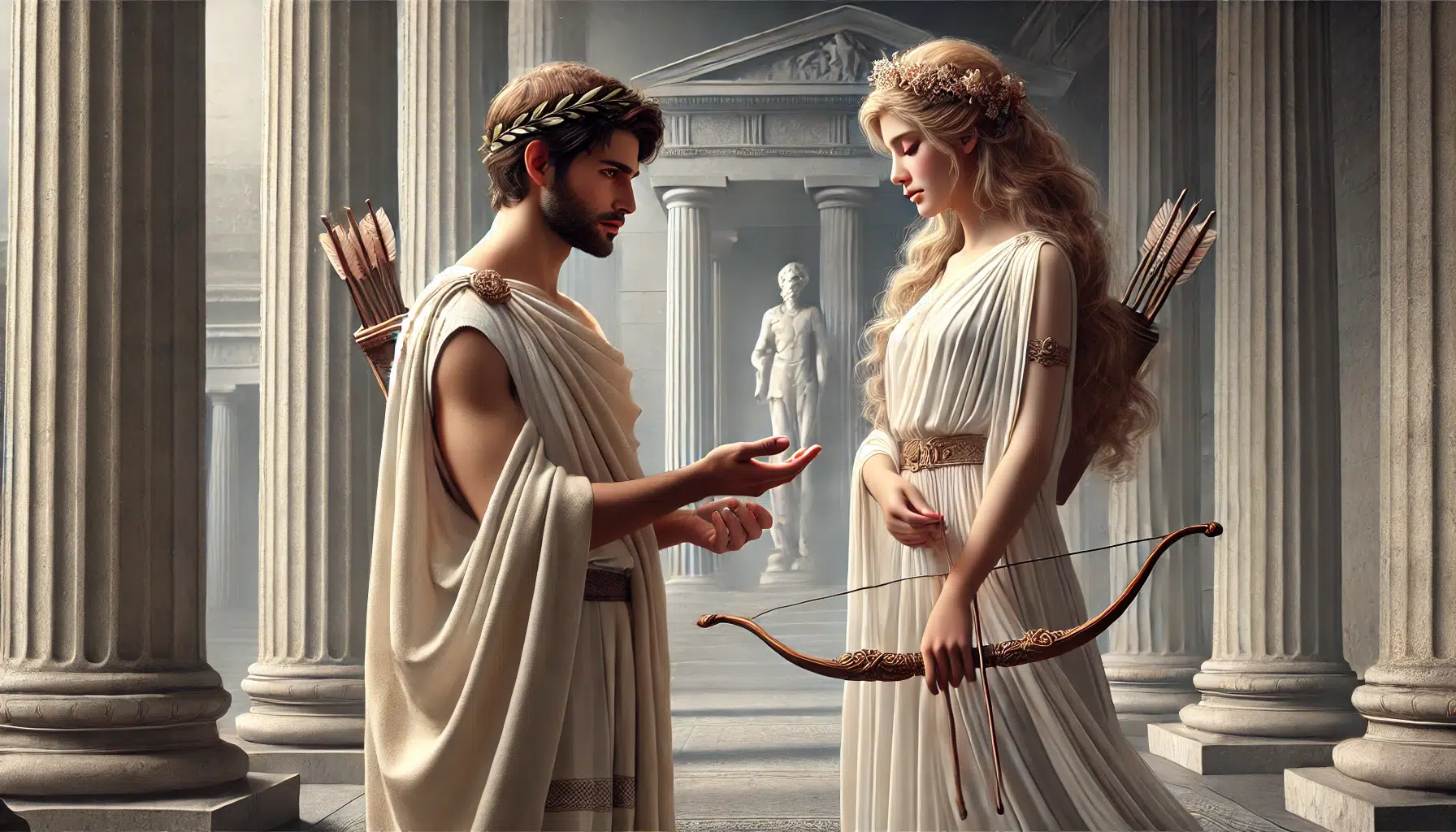
“Hippolytus” tells the story of a young man named Hippolytus. He devotes himself to the goddess Artemis and vows to stay chaste. Aphrodite, the goddess of love, feels insulted by this. She makes Phaedra, Hippolytus’ stepmother, fall in love with him.
Phaedra struggles with her forbidden love and feels ashamed. She confesses her feelings to her nurse, who tells Hippolytus. Horrified, Hippolytus rejects Phaedra. Heartbroken and humiliated, Phaedra kills herself but leaves a note accusing Hippolytus of trying to seduce her.
Theseus, Hippolytus’ father, believes the note and curses Hippolytus. A sea monster frightens Hippolytus’ horses, causing him to die in a crash. Artemis reveals the truth to Theseus, who mourns his son.
Key Themes and Characters
“Hippolytus” explores themes of chastity, desire, and the power of the gods. Hippolytus is the main character, dedicated to purity and Artemis. Phaedra, his stepmother, represents forbidden desire. Theseus, Hippolytus’ father, plays a crucial role in the tragedy. Aphrodite and Artemis, the goddesses of love and chastity, influence the characters’ fates.
Discussion of the Themes of Chastity and Desire
The play highlights the conflict between chastity and desire. Hippolytus values chastity and rejects all romantic relationships. He worships Artemis and avoids love. Phaedra represents uncontrollable desire, which leads to her tragic downfall. Her love for Hippolytus causes her immense shame and despair.
Aphrodite’s actions show the destructive power of desire. She uses Phaedra’s feelings to punish Hippolytus leading to a tragic end. The play suggests that extreme devotion to chastity or unchecked desire can cause harm. Balance is necessary for a harmonious life.
Differences from the Myth
In the original myth, Hippolytus’ mother is often named Antiope. Euripides’ version names Hippolyta as his mother.
The Trojan Women
Summary of the Plot
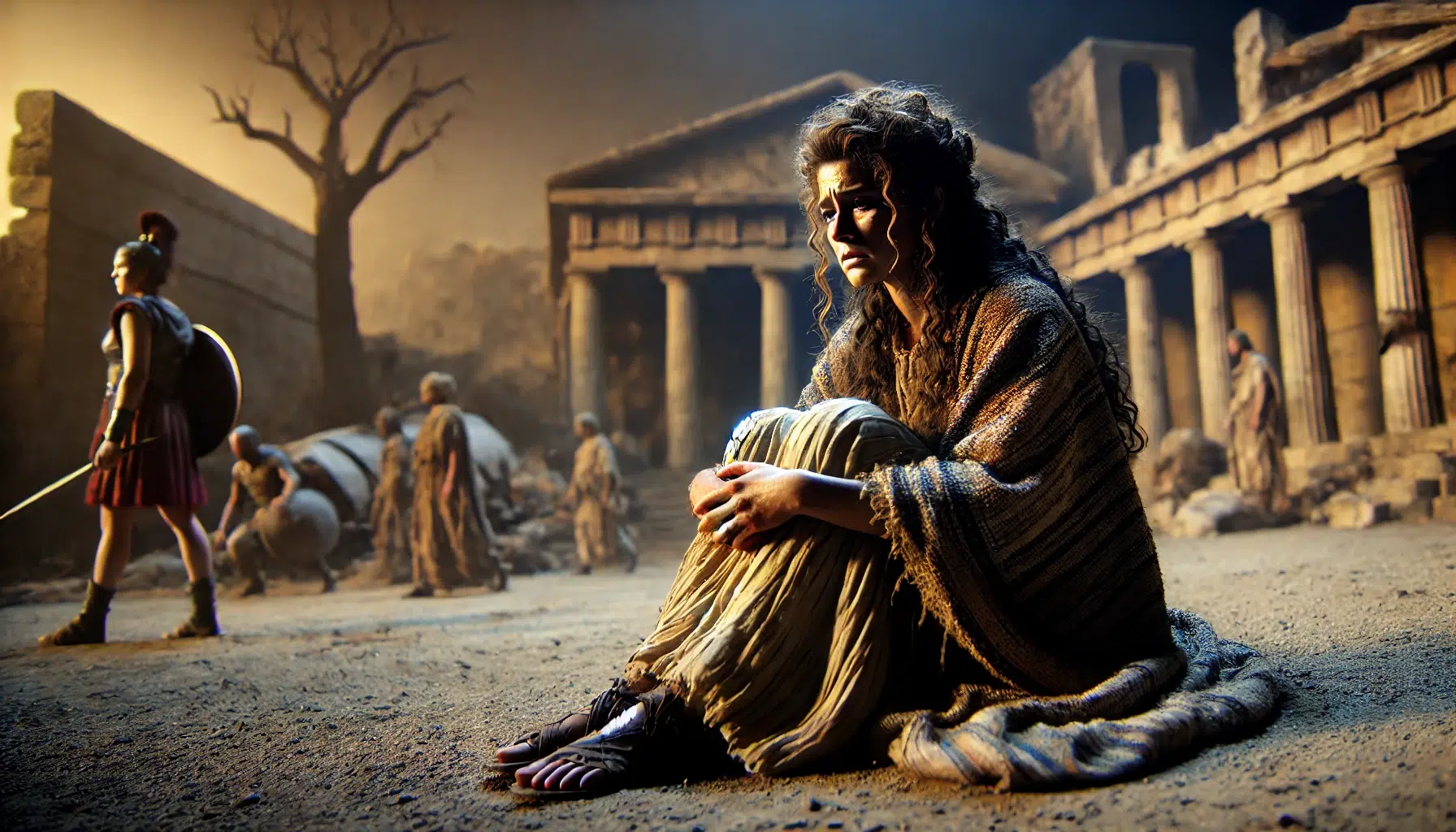
“The Trojan Women” tells the story of the women of Troy after the city falls. The Greek army captures the Trojan women and plans to enslave them. Queen Hecuba mourns the loss of her city and family. Cassandra, Hecuba’s daughter, prophesies her fate but no one believes her.
Andromache, Hector’s widow, faces the loss of her son. Helen, who caused the Trojan war, tries to defend herself. The play ends with the women being taken away, leaving Troy in ruins.
Key Themes and Characters
“The Trojan Women” explores themes of war, loss, and the suffering of women. Hecuba, the queen, represents mourning and loss. Cassandra symbolizes unheeded prophecy and madness. Andromache shows the pain of losing a loved one. Helen represents beauty and betrayal. The play examines the devastating effects of war on women.
Exploration of the Horrors of War and the Suffering of Women
The play highlights the horrors of war and how it affects women. The women of Troy lose their homes, families, and freedom. Hecuba mourns her dead children and lost kingdom. Cassandra’s prophecies reveal her tragic fate, showing the despair of ignored truth. Andromache’s pain reflects the cruel impact of war on mothers and widows. Helen’s character shows how beauty and betrayal can cause immense suffering.
Euripides uses these characters to show the deep emotional wounds caused by war. The women’s suffering emphasizes the cruelty and senselessness of conflict. The play calls attention to the often-overlooked victims of war: the women left behind.
Differences from the Myth
In the original myth, details about the women’s fate vary. Euripides focuses more on their suffering and emotional pain.
Alcestis
Summary of the Plot
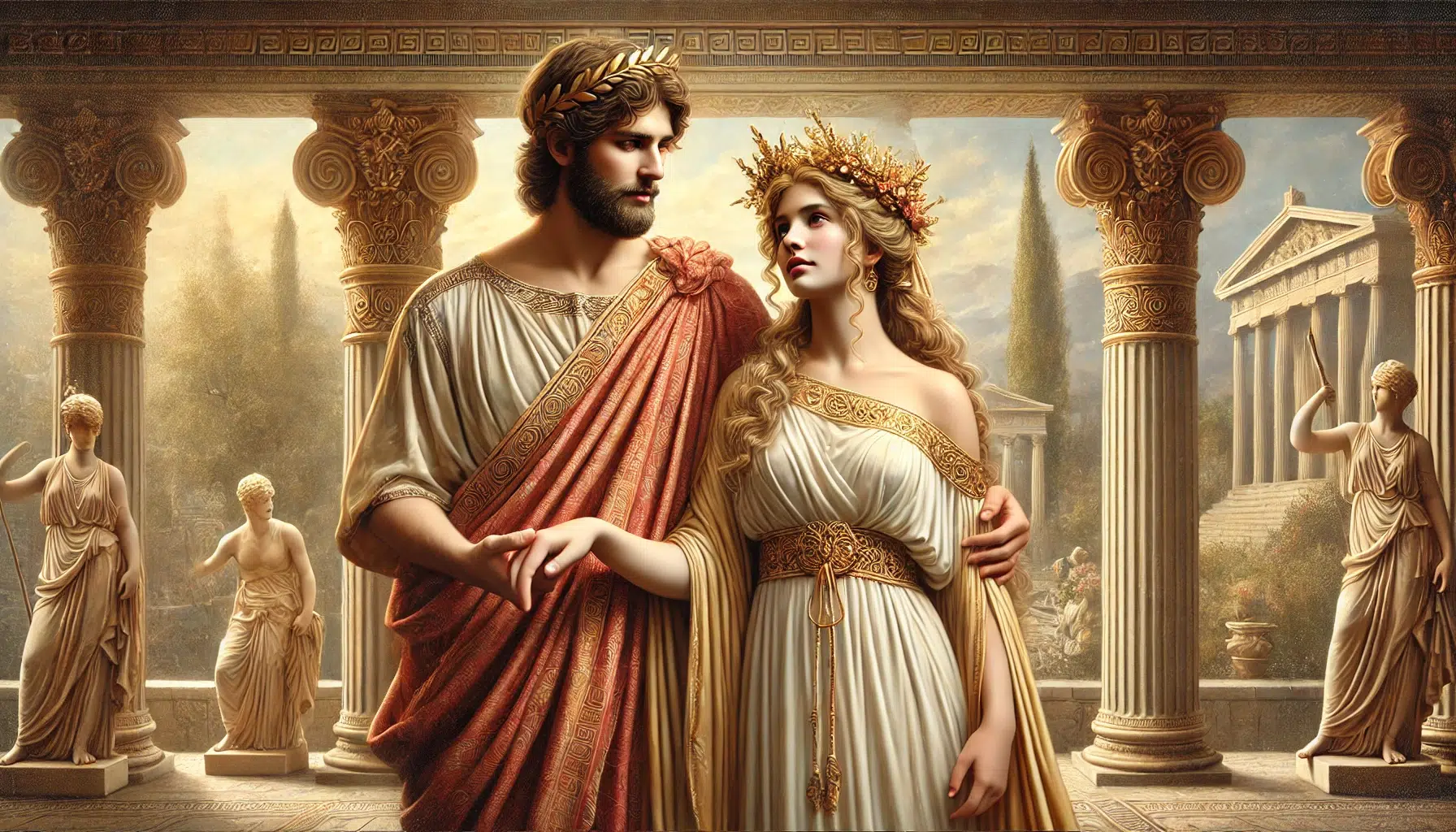
“Alcestis” tells the story of King Admetus and his wife, Alcestis. Admetus faces death but Apollo helps him. Apollo finds someone to die in Admetus’ place. Alcestis, Admetus’ wife, agrees to die for him. She sacrifices herself and dies.
Heracles, a friend of Admetus, visits and learns what happened. He feels sad and decides to help. Heracles fights Death and brings Alcestis back to life. The family reunites, and they celebrate Alcestis’ return.
Key Themes and Characters
“Alcestis” explores themes of love, sacrifice, and friendship. Alcestis, the main character, represents selfless love and sacrifice. Admetus, her husband, shows human weakness and gratitude. Heracles, their friend, embodies strength and heroism. Apollo, the god, plays a role in Admetus’ fate. The play examines the power of love and the value of true friendship.
Exploration of Love and Sacrifice
The play highlights the theme of selfless love and sacrifice. Alcestis willingly dies to save her husband. Her love for Admetus is so strong that she gives up her life. Admetus shows his deep sorrow and guilt for letting her die. Heracles’ friendship and bravery save Alcestis and bring hope. He fights Death itself to bring her back.
This story demonstrates the power of true love and the importance of sacrifice. It also shows the strength of friendship and heroism. The play ends with a message of hope and reunion. Love and sacrifice can overcome even death.
Differences from the Myth
In the original myth, the details of Alcestis’ return vary. Euripides’ version emphasizes love, sacrifice, and the heroic actions of Heracles.
Andromache
Summary of the Plot
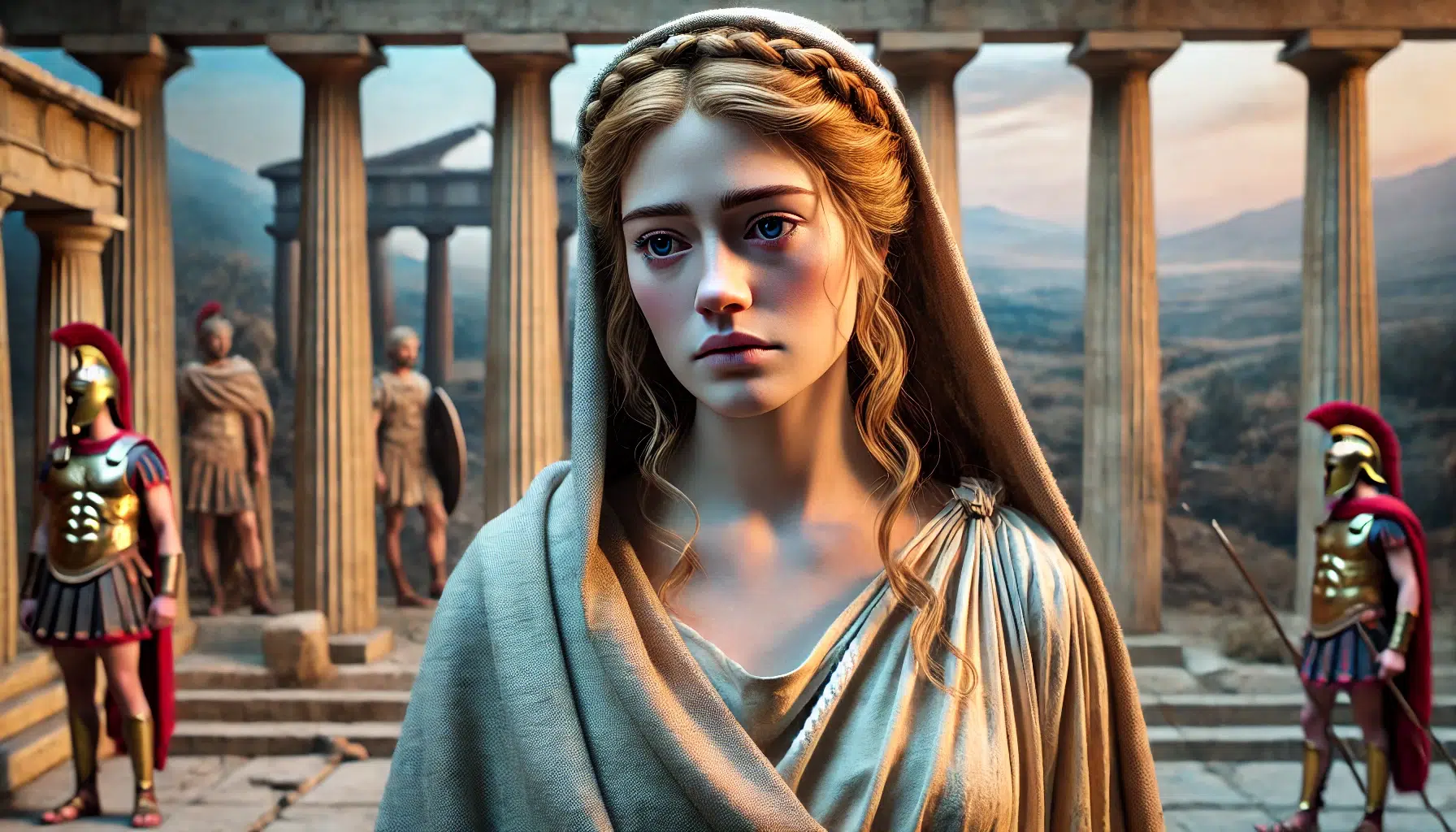
“Andromache” tells the story of Andromache, a Trojan widow. She becomes a slave after the Trojan War. Neoptolemus, Achilles’ son, takes her as a concubine. Andromache hides with her son, fearing Neoptolemus’ wife, Hermione.
Hermione feels jealous and wants to kill Andromache. Andromache seeks help from Peleus, Neoptolemus’ grandfather. Peleus saves Andromache and her son. Orestes, Hermione’s cousin, arrives and takes Hermione away. Neoptolemus dies, leaving Andromache free.
Key Themes and Characters
“Andromache” explores themes of war, jealousy, and survival. Andromache, the main character, represents strength and resilience. Neoptolemus, her captor, symbolizes the spoils of war. Hermione, his wife, shows the dangers of jealousy. Peleus, the wise old man, provides protection and wisdom. Orestes, a minor character, helps move the plot forward.
Exploration of War, Jealousy, and Survival
The play highlights the lasting impact of war on women. Andromache loses her family and home but fights to protect her son. Her strength and courage show her determination to survive. Hermione’s jealousy creates conflict and danger for Andromache. This theme shows how jealousy can destroy relationships and lives.
Peleus’ protection offers hope and wisdom. His actions demonstrate kindness and justice in a cruel world. The play also shows how people struggle to survive in the aftermath of war. Andromache’s resilience and Peleus’ support highlight the importance of strength and compassion.
Differences from the Myth
In the original myth, Andromache’s fate varies. Euripides’ version focuses more on her struggle, resilience, and the dangers of jealousy.
Ion
Summary of the Plot
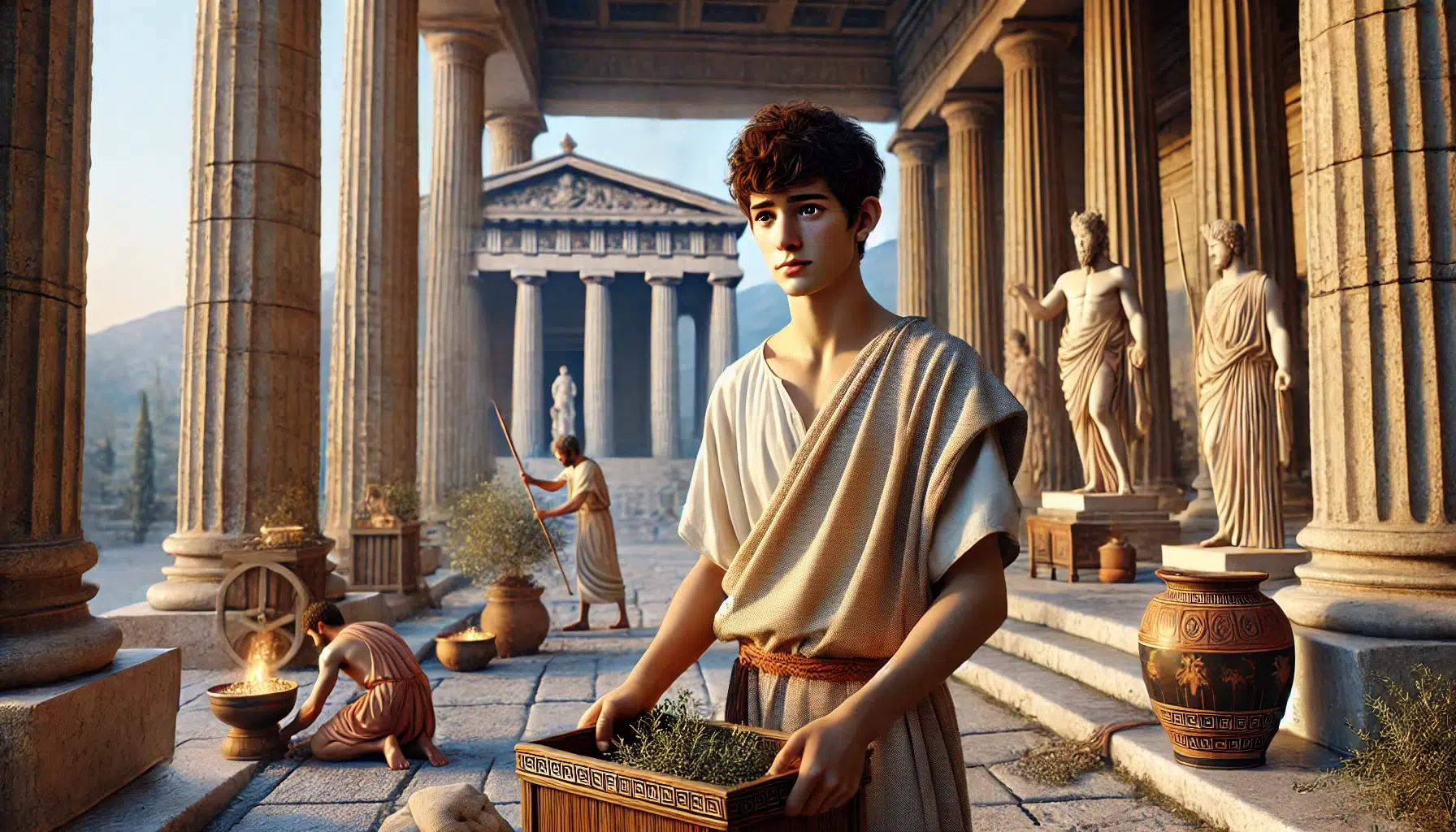
“Ion” tells the story of Ion, a young temple servant. He serves at the temple of Apollo in Delphi. Creusa, the queen of Athens, visits the temple. She hides a secret: long ago, Apollo fathered her son.
Creusa believes her son died. Xuthus, her husband, wants a child. The oracle tells Xuthus that Ion is his son. Creusa plans to kill Ion, not knowing he is her son. Athena reveals the truth. Creusa and Ion reunite as mother and son. They return to Athens together.
Key Themes and Characters
“Ion” explores themes of identity, fate, and divine intervention. Ion, the main character, represents innocence and discovery. Creusa, his mother, symbolizes hidden truths and maternal love. Xuthus, Creusa’s husband, shows the human desire for family. Apollo and Athena, the gods, play crucial roles in the unfolding events. The play examines how fate and the gods influence human lives.
Exploration of Identity, Fate, and Divine Intervention
The play highlights the search for identity and the role of fate. Ion’s journey from a temple servant to a prince shows his discovery of true identity. Creusa’s hidden past and her reunion with Ion demonstrate the power of maternal love and truth. The gods’ involvement reveals how divine intervention shapes human destiny. Apollo’s actions and Athena’s revelation show that the gods control many aspects of human lives.
“Ion” emphasizes the importance of understanding one’s roots and accepting fate. The characters’ struggles and eventual reunion illustrate the power of truth and family bonds. Divine intervention helps resolve conflicts and bring harmony.
Differences from the Myth
In the original myth, details about Ion’s discovery vary. Euripides focuses more on the theme of identity and the gods’ influence.
Heracles (also known as Hercules Furens)

Summary of the Plot
“Heracles” tells the story of Heracles’ return home. He finishes his labors and hopes to live in peace. Hera, who hates him, sends madness upon Heracles. In his madness, Heracles kills his wife and children. When he regains his senses, he feels deep sorrow. His friend Theseus helps him find hope and forgiveness. Together, they leave to find a new purpose.
Key Themes and Characters
“Heracles” explores themes of madness, guilt, and redemption. Heracles, the main character, represents strength and suffering. He faces the horrors of his actions. Hera, the goddess, symbolizes divine wrath and jealousy. Theseus, Heracles’ friend, embodies friendship and support. The play examines human struggle and the quest for forgiveness.
Exploration of Madness, Guilt, and Redemption
The play highlights the destructive power of madness. Hera’s madness causes Heracles to commit terrible acts. His guilt and sorrow show the deep impact of his actions. Heracles’ journey towards redemption shows the human need for forgiveness and healing.
Theseus’ friendship provides hope and support. He helps Heracles find a new path. Their bond shows the importance of friendship in overcoming tragedy. The play suggests that even the strongest heroes need help and understanding.
“Heracles” emphasizes that everyone, no matter how strong, can face challenges and need redemption. Heracles’ story teaches us about the power of forgiveness and the importance of support in overcoming guilt.
Differences from the Myth
In the original myth, the details of Heracles’ madness vary. Euripides focuses more on Heracles’ emotional struggle and search for redemption.
Style and Innovations of Euripides
Euripides introduced many new ideas to Greek theater. One major innovation was the use of deus ex machina. This means “god from the machine.” Euripides often used gods to solve complex problems in his plays. This technique added unexpected twists to the story.
Euripides also focused on realistic portrayal of characters. His characters had deep emotions and real struggles. They faced moral dilemmas and complex situations. This made them relatable and human.
Another innovation was the incorporation of rhetorical speeches. Characters often used persuasive language to express their thoughts and feelings. These speeches added depth and insight into the characters’ minds. They also highlighted key themes and conflicts in the play.
Euripides departed from traditional heroic ideals. His heroes were not always noble or perfect. They had flaws and made mistakes. This departure made his plays more realistic and thought-provoking. It challenged audiences to rethink their ideas about heroism.
Euripides’ style and innovations changed Greek theater. His use of deus ex machina, realistic characters, rhetorical speeches, and flawed heroes made his plays unique. These elements made his works powerful and memorable. Euripides showed that theater could explore deep human emotions and complex social issues. His innovations continue to influence modern drama and literature.
Conclusion
Euripides made significant contributions to Greek tragedy. He introduced realistic characters and complex emotions. His plays explored deep human struggles and social issues. Euripides challenged traditional heroic ideals and portrayed strong women.
His use of deus ex machina (where something unexpected or implausible is brought into the story) add surprising twists to his stories. His focus on relatable, flawed heroes made his plays more engaging. Euripides’ works remain relevant today. His exploration of love, power, and justice still resonates with modern audiences.
Euripides’ portrayal of strong women and flawed heroes remains influential. His characters challenge traditional roles and encourage audiences to think critically. This makes his works enduring and powerful.
I encourage you to read and explore Euripides’ plays further. Discover the depth and complexity of his characters. Reflect on the timeless themes in his works. Euripides’ plays offer valuable insights into human nature and society. By exploring his plays, you gain a deeper appreciation for the art of theater and its lasting impact.